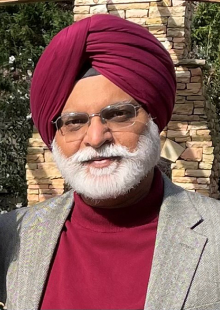
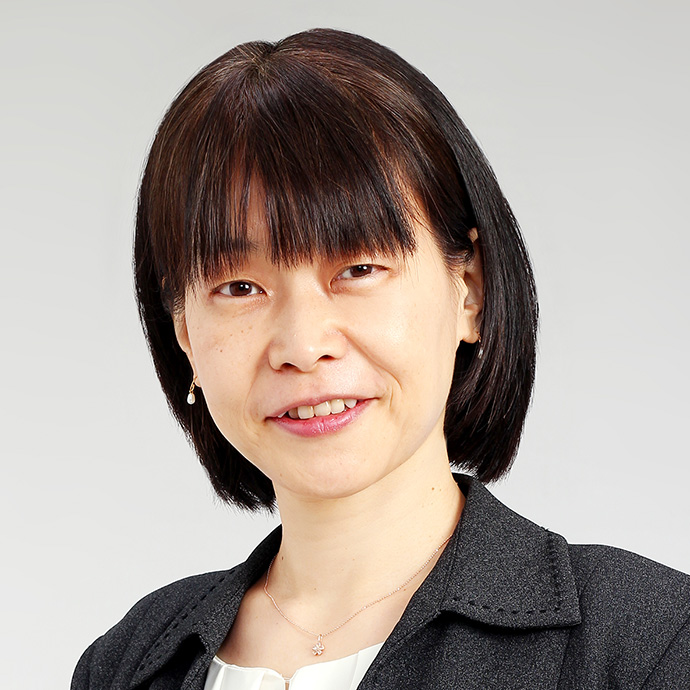
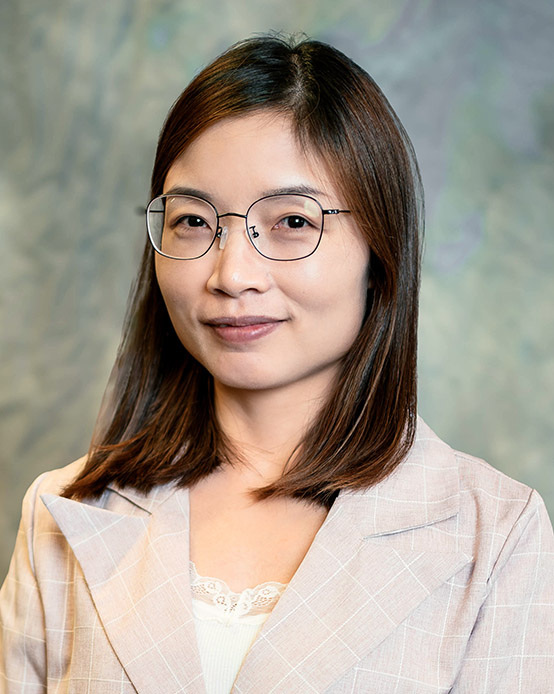
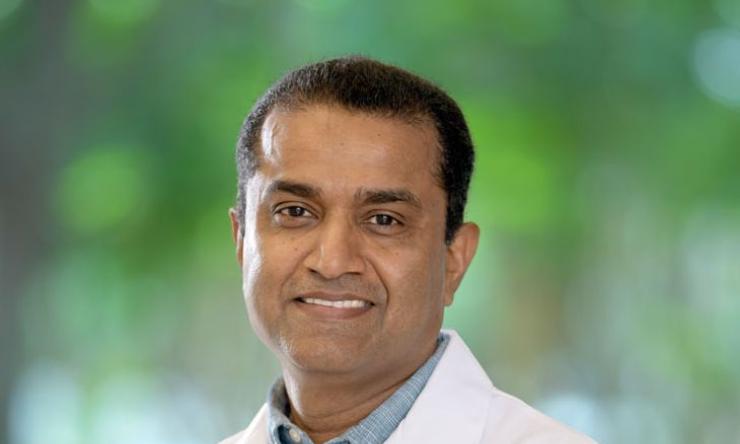
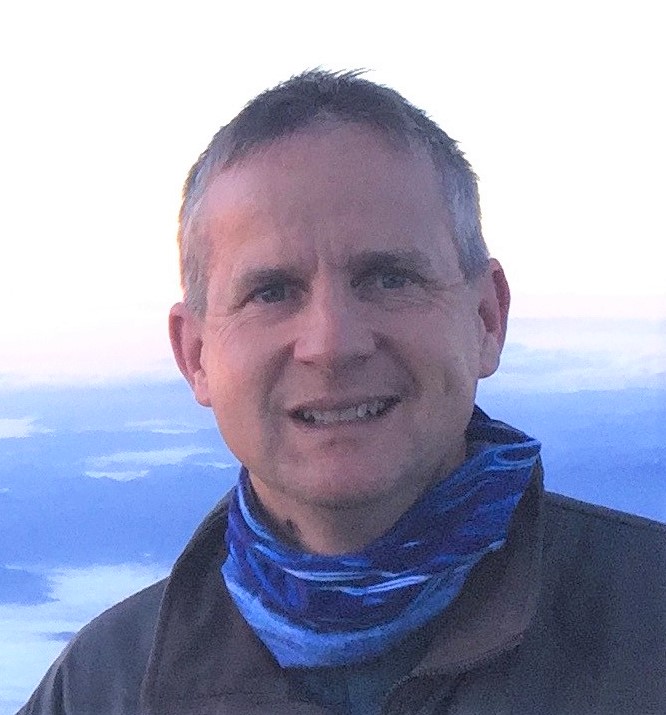
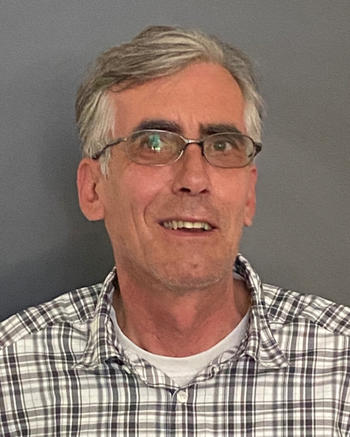
Preet Singh is a Professor and Associate Chair for Graduate Studies in the School of Materials Science and Engineering at Georgia Tech, with affiliations to the College of Engineering. His research focuses on corrosion science, electrochemistry, and environmental degradation of materials, particularly metals and alloys. Prior to joining Georgia Tech in 2003, he was a faculty member at the Institute of Paper Science and Technology (IPST), where he investigated corrosion issues in the pulp and paper industry. Professor Singh's work explores fundamental mechanisms of material degradation in industrial environments, aiming to develop mitigation strategies against environment-induced failures. Key research areas include corrosion fatigue, hydrogen embrittlement, stress corrosion cracking, and oxidation behavior. His group employs experimental approaches to study material reliability under varying chemical and mechanical conditions. Recent publications demonstrate interdisciplinary collaboration across oncology, agriculture, and energy systems, reflecting broad applications of materials science principles. Research trends show increased focus on biomedical materials and sustainable technologies alongside core corrosion studies. Professor Singh advises graduate students including Abdullah Alzubail, Yousif Al Rabie, Sai Shreeya, Yara, and Sean Li. He directs the Corrosion and Materials Reliability Laboratory (CMCRL), which partners with industry to solve practical engineering challenges related to material performance.
Dr. Channakeshava S. Umeshappa is a faculty member in the Department of Microbiology & Immunology and Department of Pediatrics at Dalhousie University, Canada . He holds a PhD in Immunology from the University of Saskatchewan and completed postdoctoral training at the University of Calgary. Education : DVM (Karnataka Veterinary Animal and Fisheries Sciences University, India), MVSc (Indian Veterinary Research Institute, India), PhD (University of Saskatchewan, Canada) Research Interests : Dr. Umeshappa’s program focuses on immunoregulation in chronic diseases , particularly autoimmunity and cancer. His lab employs genetically modified murine models , omics , synthetic biology , flow cytometry , and imaging to develop immunotherapies. His work emphasizes interdisciplinary collaboration with clinicians and scientists. Article Trends : Recent publications highlight nanomedicine applications in autoimmune liver disease (e.g., peptide-MHC nanomedicines, invariant NKT cell reprogramming) and cancer therapy (e.g., laser-responsive nanoparticles, tumor-to-lymph gels). Studies span immuno-informatics , cell signaling , and clinical outcomes analysis.
Prof. Ilse Dewachter is the head of the Biomed Neuroscience research group at Hasselt University (UHasselt), specializing in Alzheimer’s therapy and prevention for over 25 years. Her work focuses on multi-targeted therapies targeting tau, inflammation, and ApoE, alongside pioneering research into disease prevention via blood-based biomarkers. Recent studies explore a protective APOE3ch mutation that halted Alzheimer’s progression in a patient, offering hope for new treatments. Research Interests: - Alzheimer’s disease mechanisms (Abeta, tau, inflammation) - Multi-target therapies and biomarker development - Neurodegenerative disease prevention strategies - Genetic mutations impacting disease progression Articles Overview: Her most recent work (2025-2022) addresses neuroinflammation, tau propagation models, and AI-driven neuroimaging. Key themes include APOE genetics, blood-brain barrier dynamics, and exercise impacts on cognition. Funding & Grants: Current projects require significant investment for advanced biomarker equipment and clinical trials. A notable €300,000 grant funded research on brain lipid metabolism’s role in Alzheimer’s. Labs & Teams: Leads the BIOMED Neuroscience group at UHasselt, collaborating internationally on preclinical models and drug development.
Philippe Christe is an Associate Professor in the Department of Ecology and Evolution at the University of Lausanne (UNIL), Faculty of Biology and Medicine. His research centers on host-parasite interactions, with a focus on bats, birds, and their ectoparasites, integrating behavioral, physiological, and genetic approaches. He leads the Christe Group, which investigates evolutionary and ecological dynamics in host-parasite systems, particularly avian malaria and bat-mite relationships. He is actively involved in conservation initiatives, including the Jorat Peri-Urban Nature Park, and collaborates with KORA on human-wildlife interactions. Bachelor's degree in biology, UNIL (1989) PhD in Zoology and Animal Ecology, UNIL (1994) Philippe Christe’s research interests lie at the intersection of parasitology, evolutionary ecology, and conservation biology. He investigates how host defenses evolve in response to parasitic pressures, examining trade-offs between immunity and life history traits such as reproduction and survival. His work often integrates field studies with experimental and molecular techniques. Key model systems include Parus major (great tit) and Culex pipiens in avian malaria, and bat species with their ectoparasitic mites. He also explores broader ecological interactions, including predator-prey dynamics and wildlife conservation in human-modified landscapes. His recent publications reflect a strong emphasis on disease ecology, wildlife conservation, and molecular methods. Articles span topics such as avian malaria transmission, lynx population dynamics, snow leopard behavior, and habitat fragmentation effects on insects. These works employ advanced techniques like DNA metabarcoding, spatial modeling, and long-term monitoring, demonstrating a trend toward interdisciplinary, data-driven ecological research with direct conservation applications. Dubois Foundation Prize for an educational CD-Rom on bats (2004) Communication Award from the Faculty of Biology and Medicine of UNIL (2017) Philippe Christe has supervised numerous PhD and Master’s students, contributing significantly to training the next generation of ecologists and evolutionary biologists. His group collaborates widely with institutions such as the Museum of Zoology in Lausanne and KORA, and participates in large-scale conservation projects involving snow leopards, lynx, and bats. He has been involved in research grants related to host-parasite coevolution, wildlife monitoring, and conservation strategies. His leadership in establishing the Jorat Peri-Urban Nature Park and involvement in the UNIL Interdisciplinary Center for Mountain Research highlight his commitment to applied science and environmental stewardship. He leads the Christe Group, which conducts research on host-parasite coevolution, with a focus on bats and their ectoparasites, and birds affected by avian malaria. The group combines fieldwork, laboratory experiments, and molecular analyses, and includes post-docs, PhD students, and technical staff. Collaborations extend to researchers in Bern, Paris, and Spain, fostering an international and interdisciplinary research environment.
Prof. Dr. Dr. Elisabeth Binder is the Director of the Max Planck Institute of Psychiatry and leads the Max Planck Research Group "Genes and Environment" in Munich, Germany. Her research focuses on molecular mechanisms underlying psychiatric disorders, particularly how genetic and environmental factors interact in disease development. Education: Medicine (University of Vienna), Neuroscience (Emory University) Affiliations: Max Planck Institute of Psychiatry, International Max-Planck Research School Translational Psychiatry, Graduate School of Systemic Neuroscience Research Interests: Elisabeth Binder investigates gene-environment interactions in psychiatric disorders, emphasizing early trauma and stress response. Her work employs next-generation sequencing, epigenetic analysis, and induced pluripotent stem cells to identify biological markers for disease prevention and treatment. Scientific Awards: Theodore Reich Young Investigator Award (2010) Max Hamilton Memorial Prize (2012) Eva King-Killam Research Award (2016) Carus Medal (2017) Ron the Kloet Award for Stress Research (2019) Leadership Roles: She is a member of the German National Academy of Sciences (Leopoldina), a Fellow of the American College of Neuropsychopharmacology, and serves on multiple international advisory committees and executive boards in psychiatry and neuroscience.
Caryl E. Sortwell is a Professor of Translational Neuroscience and Edwin A. Brophy Endowed Chair in Central Nervous System Disorders at Michigan State University's College of Human Medicine. She leads the Sortwell Lab within the Neuroscience Program and Grand Rapids Research Center, focusing on Parkinson's disease (PD) therapeutics. Education : B.S. in Psychology/Pre-medicine (University of Illinois, 1987), Ph.D. in Anatomy and Cell Biology/Neurobiology (University of Illinois at Chicago, 1994) Positions : Assistant/Associate Professor at Rush University Medical Center (1997-2005), Associate Professor at University of Cincinnati (2005-2009), Professor at MSU College of Human Medicine (2009-present) Her research investigates alpha-synuclein pathology in PD using preformed fibril models to study neurodegeneration, neuroinflammation, and therapeutic interventions. She explores neurotrophic factors like BDNF, gene therapies targeting CaV1.3 channels, and deep brain stimulation mechanisms. Her work emphasizes precision medicine approaches to optimize treatment outcomes. Scientific contributions include methodological advancements in neurochemical sensing with diamond electrodes and viral vector delivery systems. Key collaborations include research with Dr. Joe Patterson on alpha-synuclein genetic consequences. Technical Expertise : Immunohistochemistry, stereotactic surgery, in vivo neurotoxicant models, protein analysis (Western blot/ELISA), droplet digital PCR, and neuroinflammatory profiling
Jonathan Dennis, PhD, is a Professor in the Department of Biological Sciences at the University of Alberta. He specializes in Molecular Microbiology with a focus on bacterial pathogenesis, antibiotic resistance, and phage therapy. His research targets the Burkholderia cepacia complex (Bcc), a group of opportunistic pathogens causing severe infections in cystic fibrosis patients. He develops bacteriophage-based therapies to combat antibiotic-resistant bacteria. He teaches courses such as GENET 270, MICRB 316, and MICRB 516. His research combines genetic and genomic approaches to identify virulence factors in Bcc and explores phage isolation, characterization, and aerosol delivery for clinical applications. Key projects include phage-antibiotic synergies and phage therapy efficacy in animal models. He has pioneered the use of Galleria mellonella larvae and rice plant models for infection studies. Dr. Dennis leads a lab with expertise in phage genomics, synthetic biology, and respiratory infection treatments. His work aims to overcome antibiotic resistance through phage cocktails and modified phages. He collaborates on developing inhalable phage powders and investigates phage-mediated virulence reduction in bacteria.
Yukiko Gotoh is a Professor at the Department of Pharmaceutical Sciences, Graduate School of Pharmaceutical Sciences, The University of Tokyo. She serves as the Deputy Director and Principal Investigator at the International Research Center for Neurointelligence (IRCN). Her research focuses on understanding the mechanisms that regulate neural stem/progenitor cell fate during embryonic brain development and in the adult brain. Dr. Gotoh's research interests include: Genetic and epigenetic regulation of neural stem/progenitor cell fate Neuronal maturation processes Genesis and maintenance of adult neural stem cells Relevance of neural stem/progenitor cell dysregulation in neurodevelopmental disorders such as autism spectrum disorders Investigation of mechanisms regulating neural stem-progenitor cell fate during neocortical development Genetic and epigenetic regulation of neuronal activation Analysis of Dr. Gotoh's recent publications reveals a strong focus on neural stem cell biology, epigenetic regulation, and neurodevelopmental disorders. Her work demonstrates how chromatin modifiers like Polycomb group proteins and HMGA proteins regulate neural stem cell fate decisions during brain development. A significant portion of her research explores the embryonic origins of adult neural stem cells and how dysregulation of these processes contributes to conditions like autism spectrum disorders and schizophrenia. Her laboratory also investigates the basic mechanisms of cellular responses to viral infection in the brain and their relevance to neurodevelopmental disorders. Dr. Gotoh has made significant contributions to understanding: The role of Polycomb group proteins in neural development How chromatin modifiers regulate neurogenic potential Cell cycle regulation in neural stem cells The PDK1-Akt pathway in neuronal migration Layer-specific heterogeneity of astrocytes Mechanisms underlying schizophrenia-related abnormalities Dr. Gotoh's laboratory conducts research on multiple fronts related to neural development and stem cell biology. Her team investigates: Mechanisms regulating neural stem-progenitor cell fate during neocortical development Genetic and epigenetic regulation of neuronal activation The embryonic origin of adult neural stem cells Dysregulation of neural stem-progenitor cell and neuronal fate in neurodevelopmental disorders Innate immune responses in the brain
Guizhen Zhao is an Assistant Professor at the University of Houston College of Pharmacy , Department of Pharmacological and Pharmaceutical Sciences. Her research focuses on epigenetic and molecular mechanisms in cardiovascular diseases (CVD), particularly aortic aneurysm, dissection, and atherosclerosis, with a goal to drive drug discovery innovations. Major research areas: Metaboloepigenetic properties of vascular cells, chromatin remodeling, vascular cell crosstalk Methodologies: bulk RNA-seq, single-cell RNA-seq, ChIP-seq, ATAC-seq, spatial transcriptomics, metabolomics Ongoing projects include studying BAF60c-dependent epigenetic modifications in smooth muscle cell biology, BAF60c-mediated iPSC differentiation, BAF60a in endothelial dysfunction, and vascular cell interactions in CVD development. Scientific contributions include 15+ publications on abdominal aortic aneurysm, atherosclerosis, and chromatin remodeling mechanisms, with recent work on adenosine kinase inhibition and KLF11 as therapeutic targets. 2023-25: Career Development Award, American Heart Association 2021-22: Postdoctoral Fellowship, American Heart Association 2019: Young Investigator Award, American Heart Association
Shaji K Chacko, Ph.D., is an Instructor in the Department of Pediatrics – Nutrition at Baylor College of Medicine, where he leads an independent research laboratory at the USDA/ARS Children's Nutrition Research Center in Houston, Texas. His work focuses on metabolic regulation, particularly glucose production pathways in health and disease. BS, Nagpur University (1990) MS, Barkatullah University (1992) MS, University of Houston, Clear Lake (2000) PhD, University of Groningen (2011) Dr. Chacko's research centers on glucose metabolism , specifically gluconeogenesis and glycogenolysis , using stable isotope tracers and mass spectrometry. His lab investigates metabolic dysfunctions in conditions such as insulin resistance, type 2 diabetes, and post-surgical states, with a strong focus on pediatric and neonatal populations. He also studies total energy expenditure using the doubly labeled water method in free-living subjects. The 15 most recent publications reflect a consistent focus on metabolic regulation, particularly in insulin resistance , obesity , diabetes , and parenteral nutrition . Key themes include hormonal regulation (e.g., leptin), amino acid metabolism (glycine, BCAA), liver function, and therapeutic interventions like metformin and nutritional supplements. His work frequently involves translational models, including human clinical studies and genetically modified animal models. Dr. Chacko has not received any explicitly mentioned scientific awards in the provided texts. He mentors lab members such as Zhensheng Chen (Research Associate) and collaborates extensively with clinicians and scientists, including M.W. Haymond and F. Jahoor. While no specific grants are listed, his research likely involves externally funded projects given the scope and equipment required for stable isotope and mass spectrometry studies. His lab benefits from the state-of-the-art facilities at the Children's Nutrition Research Center, including a metabolic kitchen, greenhouse, and advanced instrumentation. The Shaji Chacko Lab is embedded within the USDA/ARS Children's Nutrition Research Center, a multidisciplinary hub housing elite scientists conducting cutting-edge research in pediatric nutrition and metabolism. The center provides extensive resources including specialized laboratories, research accommodations, and a collaborative scientific environment.
Sophie Lanone is a researcher and team leader of the Genetic-environment Interactions in COPD, Cystic Fibrosis, and Respiratory Pathologies (GEIC2O) team at the Mondor Institute of Biomedical Research (IMRB), affiliated with Université Paris-Est Créteil. Her work focuses on understanding the interplay between genetic and environmental factors in respiratory diseases, particularly COPD, cystic fibrosis, and surfactant-related pathologies. She leads a multidisciplinary team of clinicians and scientists investigating molecular mechanisms, inflammation resolution, and environmental impacts on pulmonary health. Key research themes include the molecular basis of cigarette smoke-induced COPD, genetic and cellular aspects of cystic fibrosis, and the role of specialized pro-resolving mediators in disease. Funding sources include EU programs (e.g., H2020 REMEDIA), ANR, and patient associations like Vaincre la Mucoviscidose. Recent advances include identifying lipid mediator defects in CF patients and demonstrating resolvin E1’s efficacy in correcting ciliary dysfunction. Team members have received awards, such as Khadeeja Adam Sy’s 2024 prize for active participation in CF research. Collaborations span in vitro/ex vivo models, patient cohort studies, and translational approaches toward personalized therapies. The team also explores environmental exposures (e.g., asbestos, nanoparticles) and their long-term respiratory health impacts.
Rachel Bailey is a researcher at UT Southwestern with a focus on developing gene therapies for neurological disorders. She holds dual bachelor's degrees in Biology/Bioinformatics and Molecular Biology from Rensselaer Polytechnic Institute, a Ph.D. in Neuroscience from the University of Florida, and completed postdoctoral research at the University of North Carolina Chapel Hill. Education : Dual B.S. from Rensselaer Polytechnic Institute, Ph.D. in Neuroscience Her research spans gene therapy for monogenic and complex neurodegenerative diseases, including SLC13A5 epileptic encephalopathy , Giant Axonal Neuropathy , and tauopathies like Alzheimer’s disease. She employs AAV vector engineering for gene replacement and silencing, with expertise in preclinical development and IND-enabling studies . Recent publications highlight her work on tau protein phosphorylation in Parkinson’s disease, AAV9 gene therapy for GAN, and autonomic dysfunction in neurodegenerative models. Key collaboration networks include institutions like the NIH and Mayo Clinic.
Professor Owen Lewis is a Professor of Ecology and Tutorial Fellow at Brasenose College, University of Oxford. His research focuses on community ecology and conservation biology, particularly in tropical rainforests, emphasizing biodiversity maintenance, species interactions, and climate change impacts. He holds an MA (Oxford) and PhD (Leeds) and has led the Ecology and Conservation Section in the Department of Biology since 2007. His teaching includes ecology, entomology, and conservation biology across undergraduate years, alongside supervising fourth-year research projects. Lewis organizes annual tropical field courses in Sabah, Malaysian Borneo. His research explores insect-driven ecosystems, invasive species, and human-ecosystem interactions. Notable contributions include studies on parasitoid communities under climate change, ant invasion dynamics, and seed predation in tropical forests. He leads the Community Ecology Research Group, collaborating internationally on biodiversity conservation and ecosystem functioning. His work integrates field experiments, molecular analyses, and ecological modeling to address global environmental challenges. Education: MA in Biological Sciences, St. Hugh's College, Oxford PhD in Population Ecology of Butterflies, University of Leeds Research Interests: Tropical biodiversity, insect-plant interactions, climate change effects, and conservation strategies in modified ecosystems. He prioritizes functional and community-level approaches to understand ecosystem resilience. Publications: Over 100 peer-reviewed articles, with recent focus on experimental climate impacts, food web structures, and invasive species effects. His work bridges theoretical and applied ecology, influencing conservation policies. Awards & Grants: Not explicitly listed, but his leadership roles and extensive publications suggest recognition in ecological research. Advising & Grants: Supervises undergraduate and postgraduate students, coordinates field courses, and secures grants for tropical research. Collaborates with institutions like the Smithsonian Tropical Research Institute and the Natural History Museum (London). Labs & Teams: Heads the Community Ecology Research Group, focusing on tropical forest biodiversity, functional ecology, and conservation biology. The group’s website highlights ongoing projects and international collaborations.
PD Dr. Michael Veit is an Associate Professor (Privatdozent) at the Institute of Virology, School of Veterinary Medicine, Freie Universität Berlin , where he heads the independent Research Group Veit – Cell Biology of Viral Infections . He is a faculty member of the Center for Infection Medicine and participates in the Berlin Equine Virus Lab (BEVL). Education & Training Doctorate (Dr. rer. nat.) in Virology/Biochemistry – exact institution not stated in text. Post-doctoral qualification (Privatdozent) awarded by Freie Universität Berlin. Research Focus Veit’s laboratory investigates the molecular and cellular biology of enveloped RNA viruses , with emphasis on virus–host membrane interactions and post-translational lipid modifications (S-acylation/palmitoylation). His group combines reverse genetics, live-cell imaging, mass spectrometry and structural approaches to dissect how viral glycoproteins are modified, trafficked and assembled into infectious particles. Model pathogens include influenza A, B, C and D viruses, coronaviruses (SARS-CoV-2, MERS-like CoVs, PHEV, PDCoV), arteriviruses (PRRSV, EAV), alphaviruses (Getah, CHIKV-like), and other emerging zoonotic agents. Publication Trends From 2020 to 2025 Veit has published >30 high-impact articles that cluster around four major themes: (i) coronavirus surveillance and zoonotic risk assessment , (ii) mechanistic dissection of protein acylation in influenza and arteriviruses , (iii) structure-function analysis of viral entry receptors (ACE2, LDLR), and (iv) development of reverse-genetic tools and reporter viruses for antiviral screening. Grants & Collaborative Networks Ongoing third-party funded projects coordinated by Veit are not explicitly listed in the text, but the continuous publication output and mention of “Current Collaborations” imply active grant support. He collaborates closely with other FU Berlin groups (Osterrieder, Kaufer, Azab) and international partners on coronavirus and influenza consortia. Laboratory & Teams The Research Group Veit comprises post-docs, PhD students and technicians working in BSL-2 and BSL-3 facilities at the Institute of Virology. Core platforms include confocal & FLIM microscopy, quantitative proteomics, and reverse-genetics suites for segmented RNA viruses.
Gustavo Alberto Nader is a Professor of Kinesiology at The Pennsylvania State University , holding the Dorothy Foher and J. Lloyd Huck Chair in Molecular, Cellular and Integrative Physiology. His research focuses on skeletal muscle growth control , ribosome biogenesis , and transcriptional/epigenetic regulation in health and disease contexts. Affiliated with the Huck Institutes of the Life Sciences and College of Health and Human Development Principal Investigator on NIH-funded projects examining ribosomal control of muscle mass Research Interests span molecular mechanisms of muscle adaptation to exercise, cancer cachexia, chronic disease impacts on muscle, and cross-species Wnt signaling regulation by CO₂ levels. Key methodologies include human/animal/cell models, ribosomal analysis, and epigenetic profiling. Publication Trends show sustained focus on: Ribosome biogenesis in muscle hypertrophy (2012–2025) Cancer-induced muscle wasting mechanisms (2015–2024) CO₂/Wnt pathway interactions (2015–2019) Exercise-induced transcriptional responses (2001–2016) Scientific Awards include the Huck Chair, while his Grants & Collaborations involve NIH-funded studies on transcriptional/epigenetic mechanisms (2019–2026) with cross-disciplinary teams in physiology, oncology, and respiratory medicine.