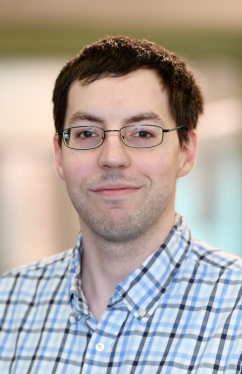
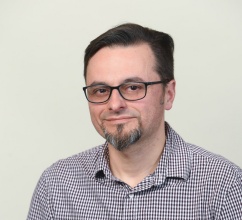
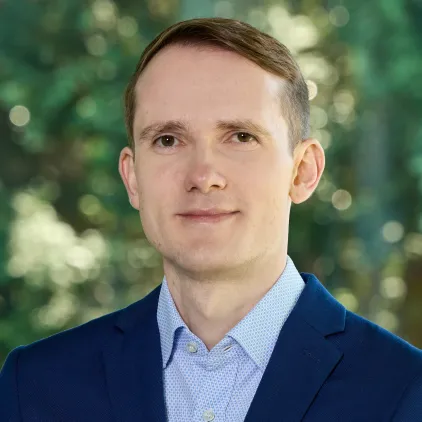
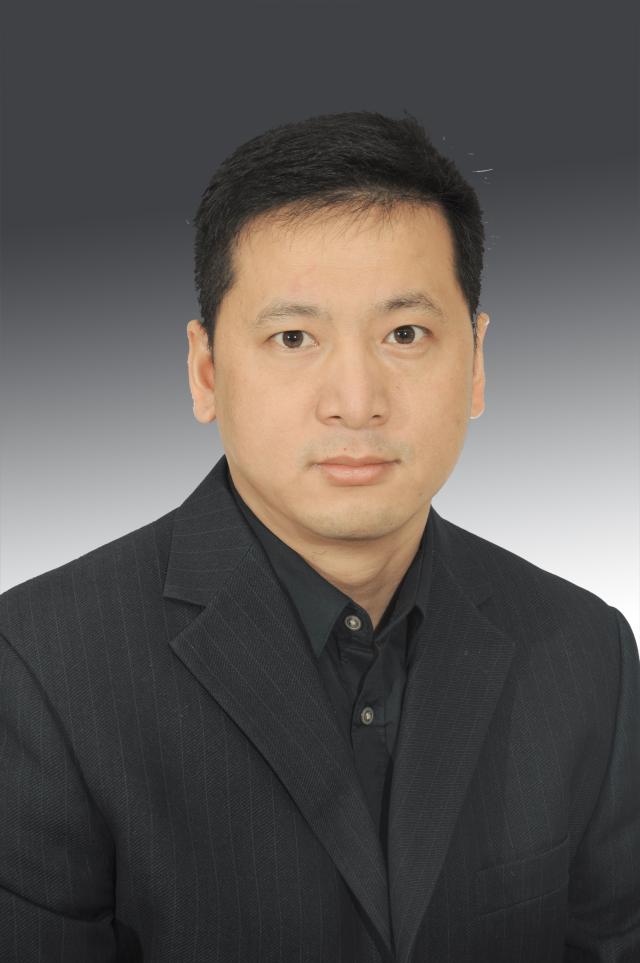
Yoshitaka Tanimizu is a Professor at the School of Creative Science and Engineering, Faculty of Science and Engineering, Waseda University. His research focuses on intelligent manufacturing systems, scheduling optimization, and human-centered production models. He holds a Doctor of Engineering degree from Osaka University and maintains an active research laboratory.
Chris Whidden is an Assistant Professor in the Faculty of Computer Science at Dalhousie University, where he leads research in algorithms and bioinformatics. His work bridges theoretical computer science with practical applications in computational biology and ocean data analytics. Whidden's research interests include approximation and fixed-parameter algorithms, computational biology, evolutionary trees and networks, graph theory, hybridization and lateral gene transfer, NP-hardness, and ocean data analytics. He develops efficient algorithms and software to solve NP-hard problems, particularly in the context of phylogenetics and large-scale biological data. His work applies both theoretical algorithm design and practical software engineering to create novel solutions for understanding biodiversity, bacterial and viral evolution, and oceanographic systems. His recent publications reflect a strong trend toward interdisciplinary research, combining deep learning and machine learning with oceanographic data analysis, fish detection and classification, echosounder data processing, and environmental monitoring. Many of his algorithmic contributions focus on phylogenetic tree comparison, including SPR distances, maximum agreement forests, and supertree construction. He has developed several widely used software tools such as rspr, SPR Supertrees, uspr, and phylogenetic topographer. NSERC Killam Trusts Tula Foundation NSF Simons Foundation (via Life Sciences Research Foundation) DeepSense (industry-academic collaboration) He is actively involved in mentoring and has funding available for PhD and MCS students in computer science, particularly in algorithms, bioinformatics, and data analytics. He teaches courses such as Algorithm Engineering (CSCI 4118/6105), Software Development (CSCI 2134), and Design and Analysis of Algorithms (CSCI 3110). Whidden has collaborated extensively with industry through DeepSense, working on projects that apply data analytics and machine learning to the ocean sector, including predictive modeling for ocean buoys, automated fish detection, and tidal energy monitoring.
Christian Blouin is a Professor and Associate Dean, Academic in the Faculty of Computer Science at Dalhousie University. His interdisciplinary research bridges computer science and molecular biology, with a strong focus on bioinformatics and computational biophysics. Education: Ph.D. in Computer Science, Dalhousie University (2001) B.Sc. in Computer Science, Université Laval (1997) His research interests lie at the intersection of algorithms, phylogenetics, protein evolution, and molecular modeling. He develops computational methods to analyze protein structure evolution, multiple sequence alignments, and phylogenetic tree reconstruction. His work integrates high-performance computing and statistical mechanics to model biophysical properties of proteins, particularly in conformational dynamics and electrostatic interactions. The most recent publications reveal a consistent trend in developing algorithmic solutions for biological problems—especially in text mining for biological events, phylogenetic distance computation, and 3D mapping of evolutionary data. His work emphasizes automation, accuracy, and scalability in bioinformatics pipelines. Scientific Awards and Honors: TULA Fellow Dr. Blouin has secured significant research funding from NSERC, the TULA Foundation, and the CFI. His research group has contributed to tools like GenGIS for geospatial genomics and libcov for bioinformatics programming. He has advised students such as Haibin Liu and Vlado Keselj, who have co-authored key publications in text mining and phylogenetics. His lab integrates algorithm development with biological validation, aiming to bridge computational innovation with real-world biological insights.
Torsten John is an Assistant Professor of Physical Chemistry at the School of Science, Constructor University Bremen gGmbH, Germany. His research bridges biophysical chemistry and computational chemistry to engineer biomolecular systems for biomedical applications. PhD in Chemistry (2020) from Leipzig University (summa cum laude) Postdoctoral experience at Max Planck Institute, MIT, and Leibniz Institute of Surface Engineering Research focuses on biomolecular self-assembly and membrane interactions , with implications for antimicrobial strategies , nanomedicine , and neurodegenerative diseases . Articles show interdisciplinary work combining experimental and theoretical approaches . Publications include high-impact journals like Advanced Functional Materials and Nucleic Acids Research . His group develops bionanomaterials using peptide nanofibrils and DNA origami, with applications in viral particle isolation and exciton transport . Collaborations span institutions in Germany, USA, and Australia. Teaching includes Physical Chemistry (CO-440) and Physical Chemistry Lab (CO-446-B) .
Daohong Qiu is an Associate Professor and Master Tutor at the Geotechnical and Structural Engineering Center, School of Civil Engineering, Shandong University. His research focuses on advanced geological prediction in tunnels, surrounding rock stability, structural health monitoring for urban rail transit, and TBM tunneling performance optimization. Position: Associate Professor Affiliation: School of Civil Engineering, Shandong University Email: qiudh@sdu.edu.cn Research Interests: He specializes in geotechnical engineering challenges related to underground construction, including rock burst prediction , disaster control , and machine learning applications in geological modeling. His work emphasizes integrating advanced computational methods like quantum genetic algorithms and RBF neural networks with field data to improve tunnel safety and efficiency. Publication Trends: His recent 2019 studies address subsea tunnel risk assessment , rock burst prediction in underground caverns, and machine learning-driven surrounding rock classification . Earlier works (2014-2015) explore SVM/GA-SVM for geological disaster forecasting, while pre-2010 papers focus on optimization theory and stress field analysis. Patent Contributions: He holds multiple invention patents for geological prediction devices, including three-dimensional geological network modeling , seismic signal detection , and concrete elevation control systems .
Jason Raymond, Ph.D., is a Research Assistant Professor at the Fralin Biomedical Research Institute (FBRI) at Virginia Tech-Carilion, where he also serves as the Focused Ultrasound Core Manager. He leads advanced research in therapeutic ultrasound and manages state-of-the-art facilities including MRI-guided focused ultrasound systems and a 9.4T small-bore MR-imaging platform. His work supports both preclinical and clinical trials in focused ultrasound applications. Ph.D. in Biomedical Engineering, University of Cincinnati Postdoctoral Research Fellow, University of Oxford Lecturer and Senior Research Associate, Department of Engineering Science, University of Oxford Junior Research Fellow, Kellogg College, Oxford B.S. and M.S. in Engineering Acoustics and Mechanical Engineering, Boston University Dr. Raymond’s research focuses on biomedical therapeutic ultrasound, with applications in drug delivery, blood-brain barrier opening, high-intensity focused ultrasound (HIFU) ablation, and acoustic cavitation. His expertise also extends to ultrasound contrast agents, photoacoustic imaging, and the physical interactions of sound and light in biological tissues. He has pioneered work in sonochemistry, microbubble dynamics, and non-invasive neuromodulation. His recent publications reveal a strong trend in leveraging ultrasound for chemical and biological applications, including sonochemical degradation, hydroxyl radical monitoring, and genetic engineering of biofilms. His work integrates acoustics, chemistry, and biomedical engineering to develop novel therapeutic and diagnostic tools. 38th F.V. Hunt Postdoctoral Research Fellowship, Acoustical Society of America Whitaker International Fellowship, Thoraxcenter–Erasmus Medical Center Junior Research Fellowship, Kellogg College, Oxford Dr. Raymond has been instrumental in establishing physical acoustics laboratories and has contributed to major advancements in focused ultrasound technology. He actively mentors researchers, supports collaborative projects across Virginia Tech, and provides technical guidance for industry and academic partners. His leadership in core facilities enables broad access to cutting-edge ultrasound technologies. He manages the Focused Ultrasound Technical Facilities at FBRI, which include a clinical transcranial MRI-guided focused ultrasound system (InSightec and Siemens) and a Bruker 9.4T MR system for small animal studies. These labs support research in non-invasive surgery, hyperthermia, ablation, and blood-brain barrier modulation.
Frank Longo is a Professor in the Department of Neurology and Neurological Sciences at Stanford University School of Medicine. He actively teaches across the neuroscience curriculum including Medical Scholars Research (NENS 370), Directed Reading courses (NEPR 299/NENS 299), Graduate Research (NENS 399/NEPR 399), and Early Clinical Experience (NENS 280), demonstrating his commitment to training the next generation of neuroscientists and clinicians. His research program centers on neurodegenerative diseases with particular emphasis on Alzheimer's, Huntington's, and Parkinson's diseases. Longo investigates the therapeutic potential of neurotrophin receptor modulation (especially p75NTR and TrkB) using small-molecule ligands like LM11A-31, exploring mechanisms spanning protein aggregation, synaptic dysfunction, neuroinflammation, and metabolic dysregulation. His work bridges molecular neuroscience with translational applications, utilizing advanced techniques including transcriptomics, neuroimaging, and biomarker analysis in cellular and animal models. Analysis of his 2024-2025 publications reveals consistent focus on targeting neurotrophin pathways to reverse disease phenotypes. Key themes include: 1) Development of small-molecule modulators for p75NTR/TrkB to rescue synaptic and cognitive deficits; 2) Biomarker discovery for early detection (e.g., plasma Aβ42/Aβ40 ratios); 3) Mechanistic studies on autophagy, white matter changes, and metabolic dysfunction; and 4) Leadership in collaborative initiatives like the TREAT-AD Center for target validation. His research demonstrates both breadth across neurodegenerative disorders and depth in neurotrophin signaling mechanisms. Through undergraduate and graduate research courses, Longo mentors students in neuroscience research despite no specific advisees being listed. His extensive publication record and involvement in multi-institutional consortia (including EU-US task forces) indicate significant research funding and national leadership in neurodegenerative disease research, though specific grant details aren't provided in the source material.
Jason Chami is a Clinical Associate Lecturer at the Central Clinical School within the Faculty of Medicine and Health at the University of Sydney. His academic appointment focuses on clinical teaching and research in cardiology and medical informatics, with affiliations spanning the Sydney Medical School and Central Clinical School. His research interests center on cardiology, particularly congenital heart disease complexity stratification, registry systems, and medical coding accuracy. He also investigates ophthalmology (glaucoma devices), metabolism (cardiometabolic biomarkers), and neuroscience (pain pathways). His work integrates clinical data analysis with informatics approaches to improve diagnostic precision and patient outcomes. Analysis of his 2020-2025 publications reveals dominant themes in congenital heart disease research, including algorithmic risk stratification, registry optimization, and coding error reduction. Secondary streams include ophthalmology (PreserFlo MicroShunt safety studies), metabolism (Slc16a13 gene impacts), and neuroscience (neuroreceptor changes in pain models), demonstrating cross-disciplinary clinical research methodology.
Emek Demir serves as an Associate Professor in the Department of Molecular and Medical Genetics at Oregon Health & Science University's School of Medicine, where he directs the Computational Biology program at the Brenden-Colson Center for Pancreatic Care. His academic journey includes a Ph.D. in Computer Engineering from Bilkent University (2005) under Ugur Dogrusoz and postdoctoral training with Chris Sander at Memorial Sloan Kettering Cancer Center's Computational Biology Center. Dr. Demir's research centers on Pathway Informatics, integrating detailed biological pathway information with omic data to solve cancer biology problems. His work spans pathway curation, visualization, NLP, data standardization, machine learning, and mechanistic simulation. He pioneered the BioPAX pathway data standard and developed Pathway Commons—the largest process-level pathway database with over 2 million interactions and 400,000 detailed human reactions. His publication record demonstrates consistent innovation in computational oncology, with recent work focusing on transcription factor activity prediction, spatial tumor mapping, and causal network analysis. Key contributions include algorithms for detecting altered cancer sub-networks, identifying transcription factor modulators, and inferring active networks from proteomic data. His research bridges computational methods with clinical applications in leukemia, prostate cancer, and glioblastoma. Recipient of leadership roles in major NIH-funded initiatives Principal developer of Pathway Commons and BioPAX standards Extensive collaborations with Memorial Sloan Kettering and OHSU clinical departments Dr. Demir directs a computational biology program focused on translating pathway knowledge into clinical insights for pancreatic cancer, with ongoing projects in spatial omics, multi-dimensional tumor atlases, and antiviral nanomaterial applications.
Dr. Maria Tomas-Rodriguez is a Senior Lecturer in Avionics at the Department of Mathematics and Engineering, School of Engineering and Mathematical Sciences, City University of London. She holds a PhD in Control Systems Engineering from Sheffield University (2005) and an MPhil in Aeronautical Engineering from Imperial College London (2008). Her career spans roles at Imperial College (Postdoctoral Research Associate, 2005–2007), Sheffield University (Research Assistant, 2003–2005), and part-time Visiting Researcher status at Imperial College since 2007. Education: BSc Physics (Automatic Calculus), Universidad Complutense de Madrid (1999) MSc Control Systems Engineering, Sheffield University (2001) PhD Control Systems, Sheffield University (2005) MPhil Aeronautical Engineering, Imperial College London (2008) Her research focuses on control systems for nonlinear dynamics in aerospace and mechanical applications. Key areas include rotorcraft stability , two-wheeled vehicle control , floating offshore wind turbine dynamics , and iterative control algorithms . She leads the Stage 1 program at City University and serves as President of New-ACE (New Academics in Control Engineering). Recent publications highlight her expertise in semi-active structural control for floating wind turbines using genetic algorithms and inerters , achieving vibration suppression rates up to 45.4%. Her work also explores interconnected suspension systems in sports motorcycles and nonlinear aerodynamic modeling for helicopters. Professional memberships include the UK Automatic Control Council (since 2011) and editorial roles for Revista Iberoamericana de Automatizacion Industrial (2017–present). She has delivered keynote speeches at conferences in Spain, Italy, and the UK, emphasizing dynamic stability analysis and adaptive control systems .
Jennifer Reed is the Karen and William Monfre Professor and Harvey D. Spangler Faculty Scholar at the University of Wisconsin Madison College of Engineering , with primary and additional affiliations in the Department of Chemical and Biological Engineering and Biomedical Engineering . Her research focuses on systems biology, metabolic engineering, and microbial interactions using computational and experimental approaches. Her work involves metabolic flux analysis , constraint-based modeling , and genotype-phenotype relationships , with applications in bioremediation , health , and chemical production . The research integrates experimental data to refine microbial network models and develop strain design algorithms. Recent articles highlight trends in computational methods for strain design , metabolic engineering , and microbial community analysis . Funding sources include the National Science Foundation , U.S. Department of Energy , and Gordon and Betty Moore Foundation , among others. Grants and research support include funding from the National Science Foundation , U.S. Department of Energy , Great Lakes Bioenergy Research Center , W.M. Keck Foundation , SERDP , and Gordon and Betty Moore Foundation .
Ruta Mehta is an Associate Professor in the Department of Computer Science at the University of Illinois at Urbana-Champaign . Since 2016 she has led a vibrant research program in algorithmic game theory, market design, and fair division, while actively shaping the community through service roles such as Program Co-Chair of WINE 2020 and Area Chair of EC 2021. Education Ph.D. in Computer Science & Engineering, Indian Institute of Technology Bombay, 2012. (Advisors: Prof. Milind Sohoni & Prof. Bharat Adsul; ACM India Doctoral Dissertation Award 2012) M.Tech. in Computer Science & Engineering, Indian Institute of Technology Bombay, 2005 B.E. in Computer Engineering, Maharaja Sayajirao University (MSU) Baroda, 2003 Research Interests Mehta’s work lies at the intersection of theoretical computer science , mathematical economics , and social choice theory . She investigates the computability and complexity of equilibria—both market and Nash—under a variety of utility models, and designs provably efficient algorithms that are practical for real-world resource-allocation tasks. Current themes include: Algorithmic Game Theory: equilibrium computation, smoothed analysis, learning in games Fair Division: envy-freeness up to any good (EFX), mixed manna, competitive equilibrium with chores Interdisciplinary Applications: genetic evolution, machine-learning markets, climate-aware allocation Publication Trends Her 15 most recent works (2017–2025) span Operations Research , Mathematics of Operations Research , STOC, SODA, EC, ITCS, AAMAS, and NeurIPS. The articles cluster around three thrusts: (i) rigorous hardness and approximation results for market equilibrium in Leontief and PLC exchange economies, (ii) algorithmic advances toward guaranteed EFX allocations and competitive equilibrium with mixed manna, and (iii) novel game-theoretic analyses of genetic diversity and strategic resource allocation under budget constraints. Scientific Awards & Honors NSF CAREER Award (2018) Outstanding Post-Doctoral Researcher Award, Georgia Tech (2014) Rising Stars in EECS (2013) ACM India Doctoral Dissertation Award (2012) Google India Anita Borg Memorial Scholarship (2012) IBM PhD Award (2010) IBM PhD Fellowship (2009–2010) Grants, Advising, and Community Leadership Mehta currently mentors a growing group of graduate students and post-docs. She is PI on an NSF CAREER grant and has served on federal panels reviewing NSF CISE proposals. Beyond research, she founded the EC (AGT) Mentoring Workshop , co-located with the ACM Economics & Computation conference, to broaden participation of women and under-represented minorities in algorithmic game theory. Labs & Teams Her research group operates within the Theory & Algorithms cluster at UIUC, leveraging ties with the Decision & Control group and the Social & Algorithmic Thinking initiative. She is an active member of ACM SIGecom and regularly organizes reading groups on algorithmic game theory and fair division.
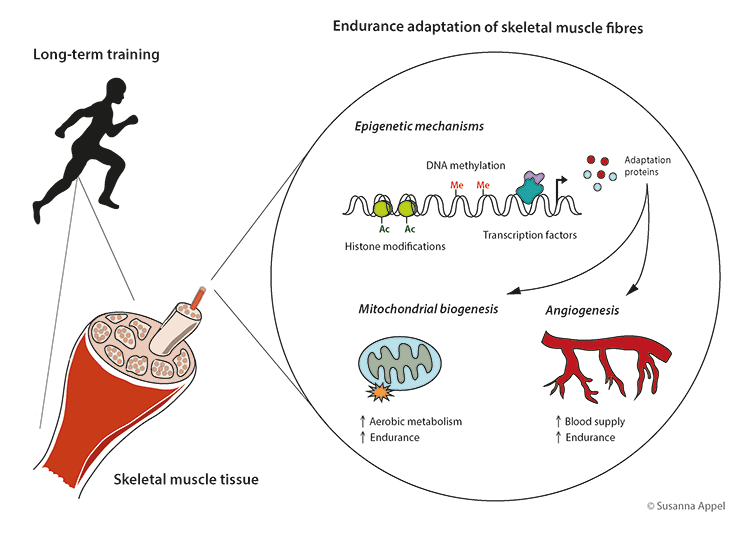
Carl Johan Sundberg is a Professor at the Karolinska Institutet , affiliated with the Department of Physiology and Pharmacology and the Department of Learning, Informatics, Management and Ethics (2025-2027). He serves as Dean for KI Nord and is a licensed physician. Current research focuses on molecular exercise physiology , including mitochondrial biogenesis , epigenetic regulation , and cardiometabolic disease . Key research areas: Medical Genetics and Genomics , Physiology and Anatomy , Public Health . His work bridges molecular mechanisms in skeletal muscle with clinical applications for diabetes, cancer, and post-stroke rehabilitation. Notable awards include the EMBO Certificate of Commendation and European Commission’s Descartes Communication Prize (2005). Recent publications highlight epigenetic differences between trained/untrained individuals, exercise-induced immune mobilization , and digital health tools for cardiac risk stratification. Grants include funding from the Swedish Research Council and Swedish Heart-Lung Foundation .
Marco Buzzelli is an Assistant Professor at the Department of Informatics, Systems and Communication (DISCo) at the University of Milan-Bicocca, where he also obtained his PhD in Computer Science in 2019. His academic career is centered around cutting-edge research in signal, image, and video processing with a specialized focus on color imaging and machine learning applications. Dr. Buzzelli's research interests span multiple interconnected domains within computer vision and image processing. He has established himself as a leading researcher in color constancy, with numerous publications exploring illuminant estimation, white balance algorithms, and perceptual aspects of color imaging. His work extends to video restoration, particularly addressing challenges in low-light conditions and HEVC-compressed video processing. Additional research areas include hyperspectral imaging applications for historical document analysis, food authentication technologies, and neural architecture search for various computer vision tasks. His publication record demonstrates a clear evolution from foundational work in logo recognition and saliency detection toward increasingly sophisticated approaches to color science and video processing. Recent work shows strong emphasis on uncertainty estimation in color constancy, Bayesian optimization for night photography, and multimodal approaches combining spectral information with traditional RGB imaging. His research often bridges theoretical advances with practical applications across diverse domains including cultural heritage preservation, food safety, and computational photography. As an active ELLIS member, Dr. Buzzelli maintains significant European collaborations with institutions including Universitat Autònoma de Barcelona, Universidade Nova de Lisboa, Université Jean Monnet, and Universidad de Granada. His research group participates in major challenges such as the NTIRE series on night photography rendering and spectral recovery, contributing both methodological innovations and comprehensive surveys of the field. His laboratory work focuses on developing practical imaging solutions with real-world applications, particularly evident in projects addressing food authentication, historical document analysis, and vision-based monitoring systems. The integration of traditional image processing techniques with modern deep learning approaches characterizes his methodological approach across multiple research domains.
Karin Sundström is a Principal Researcher at the Karolinska Institute , affiliated with the Department of Clinical Science, Intervention and Technology and leading the Human papillomavirus which causes cervical cancer – Research Group . She serves as a research group leader and cancer epidemiologist with extensive experience in molecular epidemiology and biobank infrastructure utilization. MD-PhD trained medical scientist Active in eHealth and big data applications Principal investigator for multiple international collaborations Research Interests: HPV-associated cancer elimination Biomarker development for female cancers Register-based cervical screening optimization Next-generation sequencing applications Machine learning in medical records analysis Epidemiology of herpes zoster Scientific Contributions: With over 20 publications in 2023-2024 alone, her work spans HPV vaccination effectiveness, cervical screening algorithms, and cancer risk stratification using epigenetic markers. Her MERMAID III initiative focuses on ovarian cancer prevention through biomarker research. Selected Awards: Swedish Cancer Society Project Grant (2022-2023) CIMED Junior Grant (2020-2022) Jonas Söderquist Award for Virology Research (2016) Academic Leadership: Supervises multiple doctoral and postdoctoral researchers including Dr. Jiangrong Wang, and serves as study director for KI's Diagnostic Cytology program. Previously coordinated the Nordic Information for Action eScience Center (NIASC) eHealth projects.