- Endocrinology
- Diabetes
- Obesity
- +۵ مورد دیگر
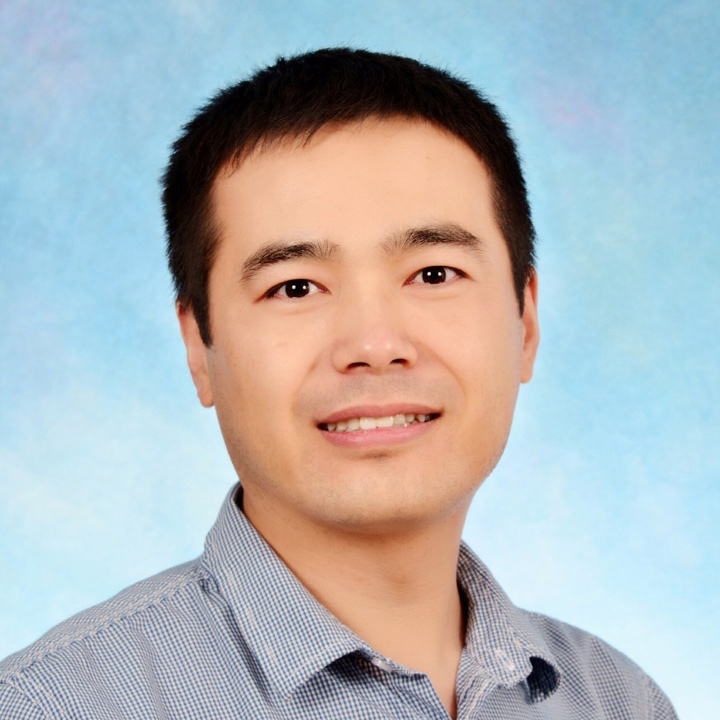
Dawn Belt Davis, MD, PhD, is a physician-scientist at the University of Wisconsin–Madison, holding a co-appointment at the William S. Middleton Memorial VA Hospital. She is affiliated with the Department of Medicine within the School of Medicine and Public Health, where she leads a federally funded research laboratory focused on pancreatic beta cell biology. Her work spans both clinical and basic science domains, particularly in diabetes, obesity, and metabolic surgery outcomes. MD and PhD in Pathology, University of Chicago Internal Medicine Residency, University of Washington Medical Center Fellowship in Endocrinology, Diabetes, and Metabolism, University of Wisconsin Hospitals and Clinics Dr. Davis’s research is centered on understanding the mechanisms of beta cell proliferation and apoptosis, with a strong emphasis on cholecystokinin, FoxM1, and TCF19 as regulators of beta cell survival. Her clinical investigations explore metabolic changes following Roux-en-Y gastric bypass, including postprandial hypoglycemia and insulin sensitivity. She has made significant contributions to understanding the role of prostaglandin signaling, lipid metabolism, and immune modulation in islet function and diabetes pathogenesis. Analysis of her recent publications reveals a consistent focus on translational endocrinology, particularly the interplay between metabolic signals and beta cell fate. Her work increasingly integrates metabolomics, lipidomics, and molecular signaling to uncover novel pathways in diabetes. She frequently collaborates with researchers such as Dr. Kimple, Dr. Merrins, and Dr. Attie, reflecting a highly collaborative research environment. Dr. Davis has not received public recognition in the form of listed scientific awards in the provided texts, but her sustained funding and high-impact publications indicate significant scientific contributions. She has been involved in clinical trials, such as the PREVENT study on avexitide for postbariatric hypoglycemia, demonstrating her engagement in therapeutic development. She mentors within a vibrant research community at the VA hospital’s 4C wing, which hosts multiple endocrine research groups, fostering daily scientific exchange and collaboration. Her lab environment supports training for scientists at all levels, and she contributes to educational pathways for medical trainees interested in research.