Prof. Dr. Rüdiger Klein is the Director and Head of the Department of Molecules – Signaling – Development at the Max Planck Institute for Biological Intelligence. His research focuses on neuronal circuit formation, cell-cell communication, and neurodegenerative mechanisms using mouse models. Research Areas : Cortex development, amygdala circuits, optogenetics, mouse behavior, neurodegeneration studies Key Techniques : Genetic circuit manipulation, single-cell RNA sequencing, optogenetics, 2-photon calcium imaging Scientific Contributions : His work includes ERC-funded studies on synthetic neurocircuit reconstruction, FLRT protein roles in cortical folding, and amyloid-like aggregate toxicity in Huntington's disease. Advising : Mentored students including Aleksa Petković and Dr. Ylenia Mastrodicasa. Collaborates with Max Planck Institute of Biochemistry departments on proteostasis and neurodegeneration.
Dr. Yi-Lin Wu is a Senior Lecturer in Materials Chemistry at the School of Chemistry, Cardiff University . His work focuses on exciton/charge dynamics in molecular assemblies and organic photosensitizers , with affiliations in the fields of Physical Sciences & Engineering . He will relocate to the Department of Applied Chemistry at National Yang Ming Chiao Tung University (NYCU), Taiwan in August 2025. B.S., M.Sc., and Ph.D. in Chemistry from National Taiwan University (2005) and ETH Zürich (2008-2012) Postdoctoral and academic career at Northwestern University (2012-2018) and Cardiff University (2019-present) His research explores light-driven molecular transformations through: Heavy Metal-free Organic Redox Photosensitizers : Quantum-chemical design of functional dyes for sustainable photocatalysis Organic Room-Temperature Phosphors : Non-covalent interaction-based triplet state engineering Functional Porous Materials : Structural control of intermolecular interactions via supramolecular frameworks Reaction Mechanism & Development : Thiocarbonyl and thiazoline reaction systems Recent publications highlight bioorthogonal protein labeling (2025), thionation effects (2024-2023), and singlet fission dynamics (2019-2018). Key grants include the EPSRC New Investigator Grant (2022). Notable awards: Fellow of the Higher Education Academy (2022), Novartis Fellowship (2012). Supervises students in triplet chromophore control , bioorthogonal catalysis , and porous framework engineering .
Dr. Alexander Johan Nederbragt ("Lex Nederbragt") is a Senior Lecturer at the University of Oslo's Faculty of Mathematics and Natural Sciences, affiliated with the Centre for Ecological and Evolutionary Synthesis (CEES) and former member of the Centre for Computational Inference in Evolutionary Life Science (CELS). He leads the "Computing in Science Education" initiative within the Bioscience bachelor's program, developing courses like BIOS1100 that integrate Python programming with biological modeling. His educational philosophy emphasizes reverse instructional design and constructive alignment, with a focus on student-active learning and AI-driven pedagogical innovation. Researchwise, Nederbragt specializes in Bioinformatics and Genomics , particularly Evolutionary genomics of fish (Atlantic cod, haddock, grayling) Graph-based reference genome methodologies Genomic repeat element analysis Horizontal gene transfer in diatoms Computational microbiome studies His work spans comparative genomics, genome assembly validation, and bioinformatics software development (NucDiff, NucBreak). Scientific contributions reveal expertise in High-throughput sequencing Genomic architecture Evolutionary adaptation Computational methods Publication trends from 2012-2023 His research frequently intersects with ecological and evolutionary questions, particularly in teleost fishes. Scientific Awards Merittert Utdanner (Excellent Teaching Practitioner), University of Oslo (2023) Olav Thon Foundation National Award for Excellence in Teaching (2025)
Gerald Striedner serves as Professor and Head of the Institute of Bioprocess Science and Engineering at the University of Natural Resources and Life Sciences, Vienna (BOKU). He leads a comprehensive research group focused on upstream process development for the production of recombinant proteins, plasmid DNA, and virus-like particles using bacterial, insect, and mammalian cell systems. His research interests span advanced process characterization , E. coli expression system design , rational bioprocess development , process monitoring and control , continuous biomanufacturing , and synthetic biology applications . His work integrates PAT/QbD concepts to create efficient production platforms for bio-pharmaceutical, industrial, and environmental applications. Analysis of his recent publications reveals a strong focus on cutting-edge bioprocess technologies including non-canonical amino acid incorporation, advanced protein purification methods, continuous manufacturing platforms, and enzyme engineering for polymer degradation. His research demonstrates a consistent emphasis on both fundamental process understanding and practical applications for industrial biotechnology. As an academic leader, Professor Striedner supervises a diverse team including PhD students, postdocs, and senior scientists. His research group maintains active collaborations with academic partners across Europe, including institutions in Austria, Portugal, and Germany, reflecting the international scope of his work. His laboratory operates within BOKU's Institute of Bioprocess Science and Engineering, which features advanced pilot plant facilities for training and research purposes, providing an integrated environment for both fundamental research and practical application development in bioprocess engineering.
Haifan Lin, Ph.D., is the Eugene Higgins Professor of Cell Biology, and Professor of Genetics, Obstetrics, Gynecology & Reproductive Sciences, and Dermatology at Yale School of Medicine. He serves as the Director of the Yale Stem Cell Center, which he established in 2006 and has grown from just two labs to one of the largest stem cell research organizations globally with 100 member labs. Dr. Lin is also a Member of the US National Academy of Sciences (2018), American Academy of Arts and Sciences (2018), and US National Academy of Medicine (2024). Dr. Lin received his B.S. degree from Fudan University (1982) and his Ph.D. degree from Cornell University (1990). Following postdoctoral research at the Carnegie Institution of Washington, he joined Duke University Medical School in 1994, where he rose to Full Professor and founded the Duke Stem Cell Research Program (2005-2006). In 2014-2022, he served as Founding Dean (Adjunct) of the School of Life Science and Technology at ShanghaiTech University. Dr. Lin's research focuses on stem cell self-renewal mechanisms using various models including Drosophila germline stem cells, mouse germline stem cells, mouse embryonic stem cells, Hydra, and planarian stem cells. His work has significantly advanced our understanding of stem cell biology, particularly through his discovery of the Argonaute/Piwi gene family and PIWI-interacting RNAs (piRNAs), which was hailed by Science Magazine as one of the Ten Scientific Breakthroughs in 2006. His recent publications reveal the continuing expansion of his research into cancer biology, RNA regulation, and developmental mechanisms. His laboratory's work demonstrates consistent excellence across multiple disciplines, with publications spanning molecular mechanisms of stem cell regulation, cancer biology, RNA processing, and developmental genetics. The research shows a clear trajectory from fundamental stem cell biology toward translational applications in cancer and regenerative medicine. Jane Coffin Childs Fellowship for Medical Research (1990) David and Lucile Packard Fellowship for Science and Engineering (1996) NIH Director's Pioneer Award (2010) Ray Wu Award (2013) Member of US National Academy of Sciences (2018) Member of US National Academy of Medicine (2024) As an educator and scientific leader, Dr. Lin has mentored numerous students and postdocs while serving in prominent roles including President of the International Society for Stem Cell Research (2022-2023). He has established the Yale Stem Cell Center as a global leader in the field despite political challenges, and his laboratory continues to produce high-impact research at the intersection of stem cell biology, RNA mechanisms, and cancer.
Esther Klingler serves as a Lecturer in the Department of Neuroscience at KU Leuven's Faculty of Medicine and leads the Laboratory for Emotional Circuit Development at the VIB-KU Leuven Center for Brain and Disease Research since September 2023. She holds additional memberships in the VIB-KU Leuven Center for Brain Research, KU Leuven Brain Institute (LBI), and KU Leuven Institute for Single Cell Omics (LISCO). Her academic foundation includes a PhD from Université Pierre & Marie Curie (Paris) investigating cytoskeleton-associated proteins in axon guidance using transgenic mice, followed by postdoctoral research at the University of Geneva under Prof. Denis Jabaudon where she pioneered the ConnectID barcoding method for neuronal projection mapping. Dr. Klingler's research focuses on developmental mechanisms of emotional circuits , examining how intrinsic genetic programs and environmental experiences shape neuronal diversity in the amygdala and prefrontal cortex. Her lab integrates cutting-edge experimental techniques (transgenic models, single-cell sequencing) with computational approaches to identify neural cell types vulnerable in disorders like autism spectrum disorder (ASD) and dementia, with particular emphasis on sensorimotor connectivity governed by genes such as Sox11. Analysis of her 15 most recent publications reveals dominant trends in single-cell and spatial transcriptomics applied to cortical development, with increasing emphasis on cross-species data integration (via pipelines like humous.org) and multi-omics approaches to model human brain diseases. Her work consistently bridges molecular identity with neural connectivity, uncovering principles of developmental timing and regional specification in emotional circuit formation. Dr. Klingler has not received any publicly listed scientific awards according to available information. She actively mentors three doctoral students, one master's student, and one postdoctoral researcher while securing substantial grant funding as promoter or co-promoter on seven active projects including Building Fear Circuits (2025-2028), Addressing Synaptic Dysfunction in Dementia (2025-2031), and Role of Amygdala in ASD Etiology (2024-2026), demonstrating strong leadership in both basic and translational neuroscience research. The Laboratory for Emotional Circuit Development employs innovative methodologies including ConnectID barcoding, MAPseq, and scRNA-Seq to investigate how genetic and environmental factors interact during emotional network development, with current work exploring the developmental origins of anxiety-related behaviors and neural circuit vulnerabilities in neurodevelopmental disorders.
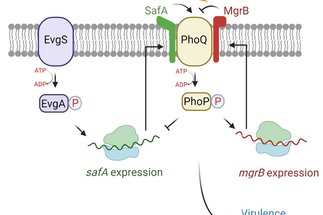
Dr. Jing Yuan is a Research Group Leader at the Max Planck Institute for Terrestrial Microbiology and SYNMIKRO in Marburg, Germany. She leads the research group focused on small proteins in bacterial signaling networks, with a particular emphasis on understanding how bacteria sense and infect mammalian hosts. Education: MSc in Biochemistry and Microbiology, University of Montana, USA (2001) MSc in Molecular Biophysics and Biochemistry, Yale University, USA (2003) PhD in Molecular Biophysics and Biochemistry, Yale University, USA (2007) Dr. Yuan's research centers on small proteins and their critical roles in bacterial signaling, pathogenicity, and host interaction. Her group investigates how these small proteins regulate bacterial infection processes, particularly through interactions with two-component signaling systems like the PhoQ sensor kinase. These systems are crucial for bacterial survival in various environments and represent potential targets for novel antimicrobial development. The Yuan group employs a multidisciplinary approach combining molecular, cellular, and synthetic biology techniques with computational simulations and structural studies to uncover the mechanisms of small protein function. Analysis of Dr. Yuan's publication record reveals a consistent focus on bacterial signaling mechanisms, with increasing emphasis on small proteins and their regulatory roles in pathogenicity. Her work spans fundamental biochemical investigations of protein function to more applied research on antimicrobial development. A notable trend is the evolution from studying basic mechanisms of amino acid biosynthesis and tRNA modification in her earlier career to her current focus on bacterial pathogenesis and small protein-mediated regulation. Advising: Dr. Yuan actively mentors a diverse research team including doctoral researchers, master's students, and bachelor's students. Her current advisees include Camila Cilveti Rodriguez Riglos, Wenting Liu, Dr. Lisa Werland, Marian Sophie Dünkel, Eric Mersinger, Julia Rinn, Tetsuo Bernardino Tomiyasu Marques, Christian Gereg, and Daniel Alejandro Castellar Almonacid. Her mentoring spans experimental design, data analysis, and scientific communication, preparing students for careers in microbiology and related fields. Dr. Yuan's research group operates state-of-the-art facilities for molecular microbiology, protein characterization, and bacterial pathogenesis studies. The lab maintains collaborations with structural biologists and computational scientists to complement their experimental approaches. Current research directions include uncovering the regulation mechanisms of small proteins, understanding how these proteins control bacterial infection, engineering small proteins to suppress virulence, and developing methods to identify functions of newly discovered small proteins.
Suming Huang serves as Professor and Chair of the Four Diamonds Epigenetics and Gene Regulation Research Program in Pediatric Oncology at Penn State University's College of Medicine. Holding dual appointments in the Department of Pediatrics Division of Hematology and Oncology and the Department of Molecular and Precision Medicine, Huang directs research within the Penn State Cancer Institute's Mechanisms of Carcinogenesis program. With an h-index of 36 and over 4,000 citations, Huang maintains an active research profile through the National Cancer Institute. Huang's research centers on epigenetic mechanisms in leukemia development, specializing in transcriptional regulation, non-coding RNA functions, and chromatin organization. Key focus areas include TAL1/SCL regulation in T-cell leukemia, lncRNA-mediated genome organization in AML, and the role of histone modifiers like HDAC1 in tumor suppression. The research integrates hematopoietic stem cell biology with leukemogenesis pathways, particularly examining how non-coding RNAs reprogram chromatin architecture in NUP98-rearranged leukemias and other hematological malignancies. Current publication trends reveal consistent output in high-impact oncology journals, with 2025 publications examining CK2α deletion effects on stem cells, IKAROS/HDAC1 heterochromatin regulation, guanine biosynthesis blockade in MLL leukemias, and HoxBlinc lncRNA functions. These works demonstrate Huang's shift toward therapeutic targeting of epigenetic vulnerabilities while maintaining core investigations into transcriptional dysregulation in pediatric cancers. Huang leads eight major research projects including the active National Cancer Institute grant Role of lncRNA mediated R-loops in CTCF boundary function and AML genome organization (2021-2025). Past projects span leukemogenesis mechanisms, long non-coding RNA functions in hematopoiesis, and TAL1 regulation in T-cell leukemia, securing sustained NCI funding since 2008. The research program maintains strong collaborations across hematology-oncology and molecular medicine departments. The Four Diamonds Epigenetics and Gene Regulation Research Program in Pediatric Oncology serves as Huang's primary research hub, focusing on translating epigenetic discoveries into therapeutic strategies for childhood leukemias. Current work integrates multi-omics approaches to dissect lncRNA-mediated chromatin reorganization in leukemic stem cells.
W. Todd Miller is a Professor in the Department of Physiology and Biophysics at Stony Brook University's Renaissance School of Medicine. With a PhD from Rockefeller University (1988), Dr. Miller leads an active research laboratory focused on tyrosine kinase signaling pathways and their role in cancer development and progression. Dr. Miller's educational background includes: PhD from Rockefeller University (1988) Dr. Miller's research focuses on understanding how tyrosine kinases recognize their target proteins, the regulatory mechanisms controlling tyrosine kinase activity, and developing strategies to block oncogenic tyrosine kinases. His work has significant implications for cancer treatment, building on the success of drugs like imatinib (Gleevec) for chronic myelogenous leukemia. The laboratory investigates approximately 90 human tyrosine kinases that regulate growth and differentiation in normal cells, with particular attention to their inappropriate activation in cancers. Analysis of Dr. Miller's recent publications reveals a strong focus on tyrosine kinase signaling in cancer, with particular attention to EGFR, Eph receptors, and non-receptor tyrosine kinases like Ack1 and Brk. His research spans multiple model systems including human cells, C. elegans, and Drosophila, demonstrating the evolutionary conservation of these signaling pathways. Recent work has expanded into neurodegenerative diseases like Alzheimer's, showing the broad applicability of kinase signaling research. Dr. Miller has mentored numerous students and postdoctoral fellows, with recent graduates including Sam (2025), Yunyoung (2024), and Sultan (2023). His laboratory maintains an active schedule with regular events including graduation parties, holiday celebrations, and scientific competitions like puzzle competitions. The lab appears to be well-funded, supporting research across multiple disease contexts from cancer to neurodegenerative disorders to autoimmune diseases. The Miller Lab maintains an active research program with regular group events including graduation parties, holiday celebrations, pool parties, and scientific competitions. The lab's research has evolved from fundamental studies of kinase mechanisms to translational work with implications for cancer therapy and other diseases, with recent publications appearing in high-impact journals including Nature, eLife, and FASEB Journal.
Professor Alistair Forrest is a Professor at the University of Western Australia based at the Harry Perkins Institute of Medical Research, serving as Associate Director Scientific and Co-Chair of the Research Leadership Team for the Genome Biology and Genetics Program and Cancer Program. His educational background includes a BSc(Hons) in Biotechnology from Murdoch University (1993), a Masters in Information Technology from Queensland University of Technology, and a PhD in Bioinformatics from the University of Queensland. Professor Forrest's research bridges genomics, bioinformatics, and clinical oncology, with expertise in next-generation sequencing (RNA-seq, CAGE, ChIP-seq) to investigate mammalian transcriptional networks, non-coding RNA biology, and cancer biomarker discovery. His work focuses on translating basic genomic findings into clinical applications for identifying novel drug targets and diagnostic markers in cancers including mesothelioma and hepatocellular carcinoma. Analysis of his recent publications (2023-2025) reveals a dominant focus on cancer immunotherapy mechanisms, tumor microenvironment dynamics, and spatial transcriptomics. Key themes include immune checkpoint therapy response biomarkers, clonal lymphocyte expansion, macrophage-mediated tumor progression, and molecular pathways underlying drug resistance in solid tumors. He has received significant recognition including: CJ Martin Fellowship Cancer Research Trust Senior Cancer Research Fellowship Professor Forrest leads genomic research initiatives at the Perkins Institute, leveraging his experience from coordinating the international FANTOM5 consortium (250+ scientists across 20 countries) to advance cancer systems biology. His current work integrates multi-omics approaches with clinical collaborations to develop novel therapeutic strategies.
Ahmed Badran is an Assistant Professor at the Scripps Research Institute , specializing in Synthetic Biology and Molecular Evolution . Previously, he was affiliated with the Liu Lab at the Department of Chemistry and Chemical Biology at Harvard University during his doctoral studies (enrolled 2010). Research Focus: Designing artificial enzymes for sustainable biomanufacturing, combating antibiotic resistance, and developing precision therapeutics through synthetic biology strategies. Publications: Recent work includes studies on precision antibiotics and tRNA-directed evolution of quadruplet codon suppression systems. Labs: Leads the Badran Lab at Scripps Research Institute, dedicated to innovative solutions in biotechnology and medicine.
Dr. Chenguang Fan is an Associate Professor in the Department of Chemistry & Biochemistry at the University of Arkansas, College of Arts & Sciences. He earned his BS in Biological Pharmacy from Nanjing University, PhD in Biochemistry from Iowa State University under Professor Thomas Bobik, and conducted postdoctoral research with Professor Dieter Söll at Yale University. Research Interests: Protein chemistry, bacterial pathogenesis, cancer biology, and synthetic biology using genetic code expansion techniques. Key Techniques: Development of noncanonical amino acid incorporation systems, site-specific acetylation studies in Escherichia coli, and engineering bacterial microcompartments. Teaching: Offers undergraduate and graduate courses in chemistry and biochemistry. Dr. Fan's work spans interdisciplinary approaches to study post-translational modifications, particularly lysine acetylation, in metabolic enzymes and bacterial pathogens. His group focuses on: Mapping protein-protein interaction networks Developing tools for noncanonical amino acid labeling Designing inhibitors for Salmonella metabolic organelles Engineering bacterial microcompartments as nano-bioreactors for biofuels Investigating cancer-related phosphorylation and acetylation His publications highlight contributions to genetic code expansion, enzyme encapsulation in metal-organic frameworks, and functional analysis of bacterial microcompartments. Notable awards include the Ralph E. Powe Junior Faculty Enhancement Award and Arkansas Biosciences Institute New Investigator of the Year 2018. Dr. Fan has received NIH grants from NIAID and NIGMS to support his research.
Assoc. Prof. Ovidiu Paun is an Associate Professor at the Department of Botany and Biodiversity Research within the Faculty of Life Sciences at the University of Vienna, Austria, where he has served since 2019 following a tenure-track Assistant Professor position (2015-2019). He leads the Plant Ecological Genomics research group, focusing on understanding why and how organisms diversify through fundamental evolutionary processes of adaptation and divergence. Paun earned his PhD in Evolutionary Biology from the University of Vienna (2005), with a dissertation on "Evolution of apomixis in the Ranunculus cassubicus group," supervised by Elvira Hörandl and Tod Stuessy. Prior to this, he completed a degree in Horticulture from the University of Agronomical Sciences in Bucharest, Romania (2000). His postdoctoral training included prestigious Marie Curie and Erwin Schrödinger Fellowships at Royal Botanic Gardens Kew (2006-2010). His research integrates molecular data with environmental context to investigate natural populations of both model and non-model organisms, exploring the origin of biodiversity and its dynamics. With particular interest in understanding the role of the environment in evolutionary processes, Paun has made significant contributions to the exploration of epigenetic variation in evolution. His integrative approaches, built upon a genomics core, aim to understand how lineages speciate and spread across niches, including novel environments. Analysis of Paun's recent publications reveals a strong focus on polyploidy, adaptation mechanisms, and speciation processes across diverse plant systems. His work spans from orchids (Dactylorhiza) to bromeliads (Tillandsia), examining parallel adaptation, epigenetic contributions to evolution, and the genomic basis of ecological divergence. A recurring theme is the investigation of how environmental factors shape evolutionary trajectories through both genetic and epigenetic mechanisms. 2013 START Prize from the Austrian Science Fund (FWF) 2009 Elected fellow of the Linnean Society, London 2007 Marie Curie Fellowship from the EU Commission 2006 Erwin Schrödinger Fellowship from the Austrian Science Fund (FWF) 2006 Best Presentation Award from the Systematics Association 2002 IAPT Award for young investigators in Plant Systematics Paun has secured substantial research funding including an FWF Stand-alone grant (P35275-B, 2022-2026, €600K), multiple Marie Curie Intra-European Grants (2022-2024, €359K total), and a prestigious START grant (Y661, 2013-2022, €1.2M). He serves as a reviewer for numerous funding agencies including ERC, NSF, and DFG, and has organized international symposia on evolutionary epigenetics and speciation genomics. His laboratory employs integrative genomic approaches to investigate adaptation mechanisms and speciation processes, with particular emphasis on how organisms respond to environmental challenges and how this shapes biodiversity patterns.
Stefan Kubicek is a Principal Investigator and Head of the Molecular Discovery Platform at CeMM (Center for Molecular Medicine of the Austrian Academy of Sciences). His research bridges Chemical Biology and Epigenetics , focusing on small molecules that alter cellular identity through chromatin pathways and nuclear metabolism. Previously, he led the Christian Doppler Laboratory for Chemical Epigenetics and Antiinfectives, a public-private partnership with Boehringer Ingelheim and Haplogen. MSc in Synthetic Organic Chemistry (Vienna University of Technology) PhD in Molecular Biology (Thomas Jenuwein Lab, IMP Vienna) Postdoc in Chemical Biology (Stuart Schreiber, Broad Institute) His work explores ATP-dependent chromatin remodeling in cancer and diabetes, developing chemical tools against epigenetic modifiers. Recent publications highlight nuclear metabolic targets , protein phase separation , and pancreatic cell transdifferentiation . Collaborations with pharmaceutical companies have yielded high-impact studies, including Nature Genetics (2019) on synthetic lethal cancer targets. Research Funding includes: ERC Proof of Concept Grant (ONCO-SPLICE, 2024-2026) FWF Stand-Alone Program (2024-2027) WWTF Life Sciences Grant (2022-2025) Breakthrough T1D Award (2024-2025) Lab members include Predoctoral Fellows (Sandra Goll, Andreas Reicher, Jamie Reilly, Jiri Reinis, Jonathan Shklarek), Postdoctoral Fellows (Tuan-Anh Nguyen), and technicians (Maria Ciobanu, Diana Daum). His team deploys high-throughput screening , genetic code expansion , and stochastic protein tagging to uncover nuclear metabolic-epigenetic connections.
Edward A. Lemke is a Professor at Johannes Gutenberg University Mainz (JGU), jointly appointed in the Departments of Biology and Chemistry. He serves as Adjunct Director at the Institute of Molecular Biology (IMB) and Visiting Group Leader at EMBL Heidelberg, focusing on intrinsically disordered proteins (IDPs) and their roles in neurodegenerative diseases and essential biological processes like nucleocytoplasmic transport. Education : PhD in Membrane Biophysics (Max Planck Institute/University of Göttingen, 2005), MSc (University of Oklahoma, 2001), Diploma (Technical University of Berlin, 2001) His research pioneers interdisciplinary methods combining synthetic biology, chemical biology, and advanced microscopy to study dynamic protein systems. He has developed novel fluorescence and labeling tools to overcome limitations in analyzing the "dark proteome" of IDPs. Recent work highlights RNA pseudouridylation in designer organelles, SAXS rulers for IDP analysis, and visualizing nuclear transport machinery. His lab's innovations span genetic code expansion, microfluidics, and super-resolution imaging. Scientific Awards : EMBO Member (2022), ERC Advanced Grant (2020), Gutenberg Research Fellow (2018), FEBS Anniversary Award (2017), and multiple competitive grants/awards since 2001 As co-founder of Araxa/Veraxa Biosciences and spokesperson for DFG Priority Program 2191, Lemke bridges academic research and biotechnology commercialization. His lab continues advancing tools for studying complex biological systems.