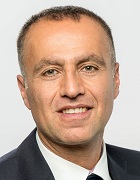
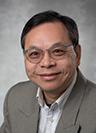
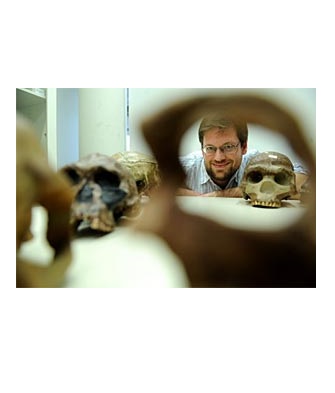
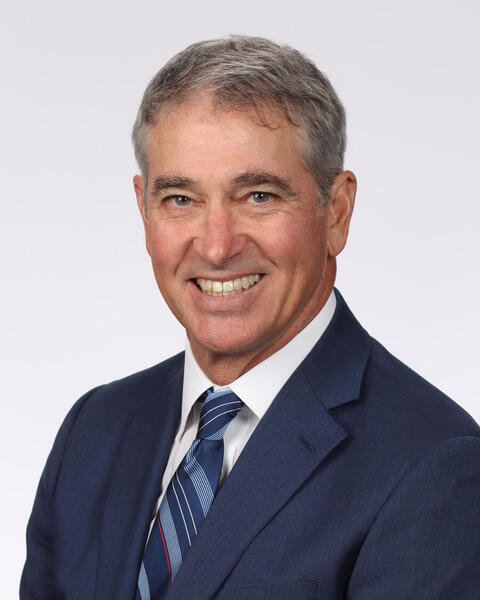
Prof. Robert Mach is a faculty member at TU Wien's Institut für Verfahrenstechnik, Umwelttechnik und technische Biowissenschaften. His research focuses on microbial biotechnology, genetic regulation in fungi, and applications in bioindustrial processes. He leads studies on Trichoderma reesei for enzyme production and biorefinery strategies, as well as radiation-based pest control methods for tsetse flies. His work integrates molecular biology, bioinformatics, and environmental engineering to address challenges in sustainable bioprocessing and vector-borne disease management. Key areas of research include strain optimization in fungi, detoxification of lignocellulosic hydrolysates, and development of the Sterile Insect Technique using X-ray irradiation. Collaborations span entomology, microbiology, and computational biology, with contributions to genomic tools like FunOrder 2.0 for analyzing fungal biosynthetic pathways. Prof. Mach also investigates symbiotic relationships between insects and microbes, advancing understanding of tsetse fly microbiota and their impact on disease transmission.
Andrea Benucci is a Professor in Visual Neuroscience at Queen Mary University of London (QMUL), School of Biological and Behavioural Sciences, with an honorary Senior Lecturer appointment at University College London (Institute of Ophthalmology) and a Senior Visiting Scientist role at RIKEN-CBS. His research focuses on linking neural circuit architectures to computations in visual processing and decision-making, integrating all-optical dissection of circuits with artificial neural network models. He has held academic positions at RIKEN-CBS (2014–2024) and UCL, with postdoctoral training at Smith-Kettlewell Eye Research Institute (San Francisco). His lab develops experimental platforms for mouse behavior and physiology, including automated training setups and optogenetic techniques. Key research themes include neural signal interactions, sensory-motor integration, and attention-driven modulation of cortical activity. Education Bachelor’s in Physics, University of Padua, Italy PhD in Neuroscience, ETH Zurich/University of Zurich Research Interests Benucci’s work bridges experimental neurophysiology and computational modeling. His lab investigates how visual information is processed in the cortex, emphasizing context-dependent computations and the role of motor-related signals in perceptual stability. Techniques include two-photon imaging, optogenetics, and artificial neural networks constrained by biological data to predict behavioral outcomes under perturbations. Recent studies explore efficient coding of natural images and the anatomical basis of thalamocortical circuits in whisker-related processing. Grants & Labs His lab at QMUL focuses on high-throughput mouse behavior and physiology. Collaborations include developing transgenic mice for neural circuit targeting (e.g., with Madisen et al., 2015). Postdoctoral opportunities are available in experimental (optogenetics, imaging) and theoretical (machine learning, ANN modeling) neuroscience. Labs & Teams Current lab members include postdocs, PhD candidates, and technicians. Former members from his RIKEN-CBS era include Dmitry Lyamzin, Federico Bolaños, and others who contributed to studies on arousal states, attention, and cortical dynamics.
Professor Rachel Burton is a plant scientist and molecular biologist at the University of Adelaide's School of Agriculture, Food and Wine, within the Faculty of Sciences, Engineering and Technology. She holds the rank of Professor and specializes in plant cell wall biology, cereal grain quality, and biofuel feedstocks. Her research focuses on crops like barley, psyllium (Plantago), chia, agave, industrial hemp, and medicinal cannabis, emphasizing their applications in food, health, and renewable energy. Roles: Head of Department (Plant Science/Food), Chief Investigator in ARC Centres of Excellence (Plant Cell Walls and Plant Energy Biology). Research Themes: Cell wall polysaccharide biosynthesis, mucilage biology, agave bioethanol, and orphan crop development. Her work bridges fundamental plant science with applied research, addressing climate change and sustainable agriculture. Collaborations include Vircura for agave tissue culture and biofuel development. She is a prominent advocate for gender equity in STEM, participating in initiatives like Science & Technology Australia's Superstars of STEM program, mentoring, and public outreach. Key contributions include the Plantago genome assembly, elucidating mucilage biosynthesis pathways, and advancing understanding of cellulose synthases in plants. Her research has been featured in journals like Frontiers in Plant Science and Journal of Experimental Botany . Awards include recognition through the Superstars of STEM program and invitations to international conferences. Her grants and collaborations fund projects on biofuel feedstocks, crop resilience, and functional food ingredients. Labs/Teams: Active in the ARC Centres of Excellence and collaborative networks focused on plant cell walls and bioenergy. Her group emphasizes science communication, engaging with schools and the public through initiatives like Pint of Science.
Prof. Hana Algül is a Professor at the Technical University of Munich (TUM), leading the Chair of Tumor Metabolism within the TUM School of Medicine and Health. She holds a dual background in clinical medicine and scientific research, having earned degrees from the University of Ulm and the University of California Davis. Since 2003, she has served as a Clinician Scientist at TUM's Klinikum rechts der Isar, focusing on pancreatic cancer mechanisms and translational research. Her academic career includes key roles in clinical trials (e.g., NEONAX) and drug development. Her research emphasizes tumor metabolism's role in pancreatic cancer progression, particularly autophagy regulation, immune-tumor interactions, and cachexia pathways. She investigates carcinogenesis triggers and immune modulation strategies, aiming to identify novel therapeutic targets. Notable contributions include studies on KRAS-driven cancers, biomarker discovery via imaging, and the impact of clinical trials during pandemics. Prof. Algül’s work integrates preclinical models (mouse studies) with clinical data, addressing both molecular mechanisms and patient outcomes. Her team explores synergistic drug combinations (e.g., SHP2/ERK inhibition) and biomarkers for personalized treatment. She has published extensively on pancreatic cancer subtypes, metastasis pathways, and the effects of systemic therapies like olaparib in BRCA-mutated cancers. Education: MD from University of Ulm, Postdoctoral work at University of California Davis Labs/Teams: TUM Cancer Center, Klinikum rechts der Isar Research Group Key Projects: NEONAX trial (perioperative chemotherapy), POLO trial (olaparib maintenance), Hourglass subtyping framework
Simon Rayner is a Professor II in the Department of Medical Genetics at the University of Oslo (UiO), affiliated with Oslo University Hospital (OUS). He leads research in bioinformatics with a focus on mining and visualizing big data in medical genetics, particularly in viral genomics and non-coding RNA. His work bridges computational biology and clinical virology, with strong international collaborations, especially in China. University of Oslo, Faculty of Medicine, Department of Medical Genetics Oslo University Hospital (OUS) Rayner’s research interests center on bioinformatics, viral evolution, and next-generation sequencing (NGS). He develops algorithms for analyzing whole genome, exome, RNA-seq, and small RNA datasets, with a focus on understanding the role of non-coding RNAs in disease. His work spans rabies, hepatitis B, HIV, Japanese encephalitis, Ebola, and human cytomegalovirus (HCMV), integrating molecular evolution with functional genomics. His recent publications reveal a strong trend in viral phylogenetics, microRNA prediction (e.g., miRPara, BlastGraph), and host-pathogen interactions. He frequently applies systems biology and network pharmacology to understand disease mechanisms and drug responses. His work emphasizes data integration, reproducibility, and open science, including decentralized data sharing platforms. Scientific contributions include the development of tools like BlastGraph and miRPara, and extensive work on rabies phylodynamics, HCMV infection in neural cells, and microRNA regulation in cancer. His research has informed public health strategies in China, particularly in rabies control. Rayner has advised numerous PhD and postdoctoral researchers, especially during his tenure at the Wuhan Institute of Virology and Chinese Agricultural University. His work has been supported by major research grants from Chinese and Norwegian institutions, though specific grant names are not listed. He has co-founded BioAutomation Inc., contributing to RNA/DNA synthesis technology. His research is conducted within the Research Section of the Department of Medical Genetics at OUS, collaborating with virology and genomics teams. He is part of a broader network focused on infectious disease genomics and bioinformatics tool development.
Dr. Saemundur Haraldsson is a Lecturer in Computing Science at the University of Stirling, specializing in AI and intelligent systems applied to healthcare and search-based software engineering. He holds a PhD from the University of Stirling and degrees from the University of Iceland. His research focuses on genetic improvement of software, automatic program repair, and predictive modeling in vocational rehabilitation. Key contributions include pioneering work on genetic improvement frameworks for industry, co-organizing major tutorials on the topic, and co-authoring the first comprehensive survey on genetic improvement. Education: PhD in Computer Science, University of Stirling MSc in Industrial Engineering, University of Iceland BSc in Industrial Engineering, University of Iceland Research interests span AI-driven software optimization, genetic programming applications in real-world systems, and healthcare informatics. His work bridges academia and industry, with notable projects in energy usage optimization and rehabilitation pathway prediction. Articles emphasize practical applications of evolutionary algorithms and program repair techniques, reflecting trends toward developer-centric automated solutions and sustainable computing. Awards: N/A Advising & Grants: Supervised research assistants on projects like the Rehabilitation Pathway Generator (2024) Managed grants supporting personalized ADHD screening systems Labs/Teams: Active contributor to the university's Data Science and Intelligent Systems research group, exploring contextual learning and digital society initiatives.
Simon X. Yang is a Professor and Head of the Advanced Robotics and Intelligent Systems Laboratory at the University of Guelph, School of Engineering. He holds a Ph.D. in Electrical and Computer Engineering from the University of Alberta and is a Fellow of the Canadian Academy of Engineering. His expertise spans robotics, intelligent systems, control systems, sensors, and bio-inspired intelligence. Dr. Yang has authored numerous publications and serves as Editor-in-Chief/Associate Editor for international journals, as well as a grant panel member for NSERC and CIHR. Prof. Yang’s research focuses on real-time sensing, robotic teleoperation, neural networks, fuzzy systems, and applications in agriculture, transportation, and environmental monitoring. He has pioneered bio-inspired algorithms for path planning, multi-robot systems, and industrial automation. His work includes innovations in underwater robotics, drone coordination, and smart agriculture technologies. Dr. Yang teaches graduate-level courses on advanced control systems, soft computing, and robotics, as well as undergraduate courses in neuro-fuzzy systems and engineering design. He actively participates in organizing international conferences and has developed the PIGRGB-Weight dataset for livestock monitoring. Professional Highlights: Editor-in-Chief roles, NSERC grant panel, and leadership in robotics research Labs: Advanced Robotics and Intelligent Systems Lab Awards: Fellow of Canadian Academy of Engineering His lab’s innovations include a biomimetic gecko-inspired robot for microgravity environments and a bionic ray robot with high motion performance. Current projects address challenges in smart farming, infrastructure health monitoring, and autonomous systems safety.
Bence Viola is an Associate Professor in the Department of Anthropology at the University of Toronto. His research examines hominin interactions during the late Pleistocene through morphological, genetic, and archaeological lenses, with fieldwork concentrated in Central/Northern Asia (Altai Mountains, Sel’ungur Cave) and Central Europe. He collaborates internationally with institutions in Germany, Austria, and Hungary. Education includes a Ph.D. in Anthropology from the University of Vienna (2009). Research interests span palaeoanthropology , ancient DNA analysis , Neanderthal-Denisovan-modern human interactions , and hominin evolution. Key regions include Siberia, Central Asia, and Europe, with methodological emphases on fossil morphology, genomic sequencing, and archaeological stratigraphy. Publications (2004–2014) focus on ancient hominin genomics , Pleistocene migrations , and fossil analysis , frequently published in high-impact journals like Nature and PNAS . Trends include Neanderthal/Denisovan genetics, Central Asian fieldwork, and dental morphology. Advises graduate students: Chris Kendall, Devin Ward, Klara Komza, Jessica Wollmann. Leads fieldwork at Sel’ungur Cave (Kyrgyzstan) and coordinates multinational teams studying late Neanderthals in Central Europe.
William A. Faubion, Jr., M.D., is a Professor of Pediatrics, Immunology, and Medicine at Mayo Clinic, where he serves as Dean of Research for Mayo Clinic in Arizona (2022–present) and Michael S. and Mary Sue Shannon Family Director of the Center for Regenerative Biotherapeutics (2024–present). He holds primary appointments in the Division of Gastroenterology and Hepatology (Department of Internal Medicine) and joint appointments in Pediatric Gastroenterology and Immunology. His clinical and research work is centered at Mayo Clinic in Phoenix, Arizona. Dr. Faubion earned his M.D. from the University of Texas Health Science Center, completed residency in Internal Medicine/Pediatrics at UT Houston, and pursued fellowship training in gastroenterology at Mayo Clinic and Harvard Medical School. He also conducted research in the Laboratory of Dr. Cox Terhorst at Beth Israel Deaconess Medical Center. His research focuses on the pathophysiology of inflammatory bowel disease (IBD), particularly Crohn’s disease and ulcerative colitis. Key areas include the epigenetics of T-cell fate decisions, T regulatory (Treg) cell biology, cell therapy for IBD, clinical trial design, and systems biology approaches. His lab uses omic technologies, cell lines, animal models, and a large IBD biobank to identify molecular signatures and develop precision therapies. Notably, his work on cell therapy for fistulizing disease has led to clinical breakthroughs. Analysis of his recent publications reveals a strong emphasis on immunology, epigenetics, and translational gastroenterology. Themes include Treg immunotherapy, metabolic reprogramming in T cells, machine learning in infection prediction, and molecular mechanisms of IBD. His work integrates basic science with clinical application, often leading to phase 1 and phase 2 clinical trials. Team Science Award, Mayo Clinic, 2017 Dr. Faubion leads an NIH-funded laboratory and multiple research projects, including grants from the National Institute of Allergy and Infectious Diseases and the National Institute of Diabetes and Digestive and Kidney Diseases. He has mentored numerous trainees through NIH-funded programs such as the P and F Program. His lab, the Immuno-Epigenetics Laboratory, has translated findings into five completed phase 1 trials and is involved in an ongoing phase 2 trial. He also leads a large IBD patient registry to support translational research. His research is supported by key centers including the Center for Regenerative Biotherapeutics, Center for Individualized Medicine, Center for Cell Signaling in Gastroenterology (C-SiG), and the Clinical Immunology and Immunotherapeutics Program. He collaborates extensively across immunology, gastroenterology, and regenerative medicine.
Amine Ghozlane is a Research Engineer at the Bioinformatics and Biostatistics HUB of the Institut Pasteur in Paris, where he has been actively contributing since 2015. He is affiliated with interdisciplinary initiatives such as the INCEPTION Institute of Convergence and the Computational Biology Resource and Research Center. His work bridges computational biology, metagenomics, and microbiome research, with a strong emphasis on developing accessible analytical tools for non-specialists. PhD in Computational Biology, University of Bordeaux 1 and CBiB (2012) Master and Bachelor in Computational Biology, University of Paris Diderot DUT in Biological Engineering, University of Paris XII His research focuses on quantitative metagenomics , statistical modeling , graph analysis , and structural bioinformatics , particularly in the context of human gut microbiota and host-pathogen interactions. He has developed significant expertise in NGS data analysis, microbiome composition comparison, and reproducible research workflows. His most notable contribution is SHAMAN (SHiny Application for Metagenomic ANalysis), a web-based platform that streamlines metataxonomic analysis from raw sequencing reads to statistical interpretation, using DESeq2 and interactive visualizations. This tool exemplifies his commitment to democratizing bioinformatics for broader scientific use. His publication record spans high-impact journals and covers diverse topics including antibiotic resistance , SARS-CoV-2 immunity , mosquito-virus interactions , and microbial community resilience . The research trends reflect a consistent focus on integrating large-scale biological data with computational methods to understand microbial ecology and disease mechanisms. Scientific Contributions and Recognition: Principal Investigator of SHAMAN software project Active contributor to microbiome and infectious disease research Participant in major collaborative projects (e.g., EVOTAR, DAV132-CL1002 clinical study) Ghozlane is deeply involved in education, regularly teaching in the Bioinformatics PhD Training Program at the Institut Pasteur, covering topics such as NGS data analysis, metagenomics, and statistical computing. He has also led specialized courses at Paris Diderot University. His work is embedded within collaborative teams focused on genomics, microbiota, and systems biology, including participation in projects related to Listeria infections and microbial resistome characterization. He continues to advance methodologies for microbiome data analysis, with future work likely extending into integrative multi-omics and clinical applications.
Joana M. Ramis is a Senior Lecturer at the Department of Fundamental Biology and Health Sciences, Faculty of Health Sciences, University of the Balearic Islands (UIB). She holds a PhD in Biochemistry and Molecular Biology and has built a distinguished career in regenerative medicine and cellular engineering, with over 60 research articles, 3 patents, and leadership in 10 R&D projects as principal investigator. Bachelor in Pharmacy, University of Barcelona (1998) Bachelor in Biochemistry, University of the Balearic Islands (2002) PhD in Biochemistry and Molecular Biology, UIB (2003) Marie Curie Intra-European Fellowship, The Gurdon Institute, University of Cambridge (2004–2006) Her research focuses on cell-free regenerative medicine using extracellular vesicles derived from various cell types, aiming to develop novel therapies for tissue repair and clinical translation. She has pioneered work in scalable production, functional characterization, and therapeutic applications of extracellular vesicles in bone regeneration, wound healing, and autoimmune diseases. The analysis of her recent publications reveals a strong emphasis on translational regenerative medicine , with recurring themes in extracellular vesicle engineering , immunomodulation , biomarker discovery , and clinical standardization . Her work bridges molecular biology with biotechnological innovation, often exploring how vesicles can be optimized for targeted delivery and disease modification. She has received multiple recognitions from the Balearic Government for her excellence in teaching, research, and technology transfer: 3 teaching five-year periods recognized 3 research six-year periods recognized Remuneration complements for teaching stimulation, research activity, research excellence, and knowledge transfer Multiple prizes for scientific and entrepreneurial achievements Joana M. Ramis actively supervises PhD students and post-doctoral researchers, having directed 8 PhD theses. She has participated in 30 R&D projects and 21 industry contracts, reflecting strong collaboration between academia and biotech. She also co-founded a biotechnology company, Numat Biomedical S.L., where she served as R&D Director from 2009 to 2014. Her work continues to influence both academic research and clinical applications in regenerative medicine. She is a key contributor to the scientific community as a reviewer for international journals and remains deeply engaged in advancing the field through innovation, education, and technology transfer.
Professor Thomas A Hughes is a Professor of Biosciences at York St John University's School of Science, Technology and Health. He holds a leadership role in cancer research, with a focus on improving cancer outcomes through understanding gene expression regulation, tumor microenvironment interactions, and novel therapeutic development. His work integrates clinical collaboration with NHS professionals and interdisciplinary partnerships in nanomedicine engineering. Research Interests: - Regulation of gene expression in oncogenic contexts - Tumor microenvironment dynamics and chemoresistance mechanisms - Cancer biomarker identification and targeted therapy design - Nanoparticle-based drug delivery systems for precision oncology Collaborations: - NHS clinicians (surgeons, oncologists, pathologists) - Engineering/chemistry teams developing Foslip nanoparticles and Affimer conjugates - Clinical translation of imaging agents for colorectal cancer surgery Publications: Recent work emphasizes chemoresistance pathways in triple-negative breast cancer, oxysterol signaling, and translational nanomedicine applications. Over 80 peer-reviewed articles highlight his contributions to understanding metabolic-cancer interactions and biomarker-driven therapies. Advising/Grants: Supervised 26 doctoral students with expertise in molecular oncology and drug development. Active in securing research grants for translational cancer projects.
Professor Daniel Bruce Ennis is a leading academic in cardiovascular MRI and radiology at Stanford University. He holds a joint appointment in the Department of Radiology and a courtesy appointment in Bioengineering. As Director of Radiology Research at the Veterans Affairs Palo Alto Health Care System, he oversees a growing research program. His career includes a Ph.D. in Biomedical Engineering from Johns Hopkins, a postdoc at Stanford, and a decade leading NIH-funded studies at UCLA. He specializes in developing advanced MRI methods for assessing cardiac structure, function, and remodeling, with a focus on translational applications in adult and pediatric populations. Education: Ph.D. in Biomedical Engineering, Johns Hopkins University (2004) Postdoctoral Fellowship in Radiology and Cardiothoracic Surgery, Stanford University (2008) B.S. in Bioengineering, UC San Diego (1997) Research Interests: Dr. Ennis pioneers MRI innovations for cardiovascular diseases, including cardiac diffusion tensor imaging (cDTI), motion-compensated diffusion encoding, and strain analysis using DENSE MRI. His work emphasizes early disease detection in conditions like Duchenne muscular dystrophy and aortic coarctation, leveraging hybrid mock circulatory loops and computational models. He also develops clinical tools for non-invasive pressure estimation and valve dynamics analysis. Awards & Recognition: 2020 Distinguished Investigator, Academy for Radiology & Biomedical Imaging Research Multiple Distinguished Reviewer Awards from Magnetic Resonance in Medicine (2012-2019) Fellowships in Society for Cardiovascular Magnetic Resonance (2018) and ISMRM (2020) Grants & Leadership: Active NIH study section member (ITD, BMIT), Deputy Editor of Magnetic Resonance in Medicine , and founder of ISMRM Research Exchange Program. Current NIH grants focus on cardiovascular MRI technology development and translational applications. Labs & Teams: Leads the Radiological Sciences Lab at Stanford and collaborates with the CMR Group, Bio-X Institute, and Wu Tsai Human Performance Alliance. His team includes postdocs, graduate students, and clinical collaborators advancing MRI methodologies and cardiac device design.
Professor Alain Filloux is a Visiting Professor in the Department of Life Sciences at Imperial College London, affiliated with the Faculty of Natural Sciences. His research focuses on bacterial pathogenesis, specifically targeting persistence mechanisms in Pseudomonas aeruginosa . Key interests include biofilm formation, type VI secretion systems (T6SS), and c-di-GMP signaling pathways. He leads multidisciplinary projects combining molecular microbiology, structural biology, and biochemistry. Filloux’s affiliations include the Centre for Bacterial Resistance Biology, Centre for Structural Biology, and the Infection and Immunity research group. His work addresses antibiotic resistance, microbial community dynamics, and the molecular basis of bacterial competition. Recent studies highlight T6SS toxin delivery mechanisms and colistin resistance detection via MALDI-TOF mass spectrometry. He has published extensively on T6SS structure-function relationships, bacterial secretion systems, and biofilm-associated proteins. Notable contributions include characterizing the T6SS sheath stabilization and identifying novel antimicrobial resistance markers in clinical isolates. His lab collaborates on translational research to combat chronic infections in cystic fibrosis patients.
Francisco Fernandes Junior is a Postdoctoral Researcher in the Department of Information and Communications Engineering at Aalto University, specializing in AI-driven systems. His work intersects computer science, human-computer interaction, and neural network optimization. His research focuses on Deep Neural Networks (100% fingerprint match), Convolutional Neural Networks (92%), and Social Robotics (90%), with significant contributions to neural architecture design and evolutionary strategies. Current projects explore generative AI in software development and real-time resource allocation frameworks. Recent publications reveal trends toward human-AI collaboration (2025 touchscreen error simulation) and low-code AI platforms (AgentForge), emphasizing practical applications in medical imaging and software engineering. His work contributes to UN Sustainable Development Goals through computational sustainability. ACM CHI 2025 Best Paper Honorable Mention Award (2025) Google Cloud for Researchers Grant (2025) As an active academic contributor, he serves as reviewer for IEEE Transactions on Artificial Intelligence (2024–present) and Neural Computing & Applications (2023), while participating in conference organization including ICAART 2025. His research integrates industry partnerships through cloud computing resources and collaborative AI frameworks.