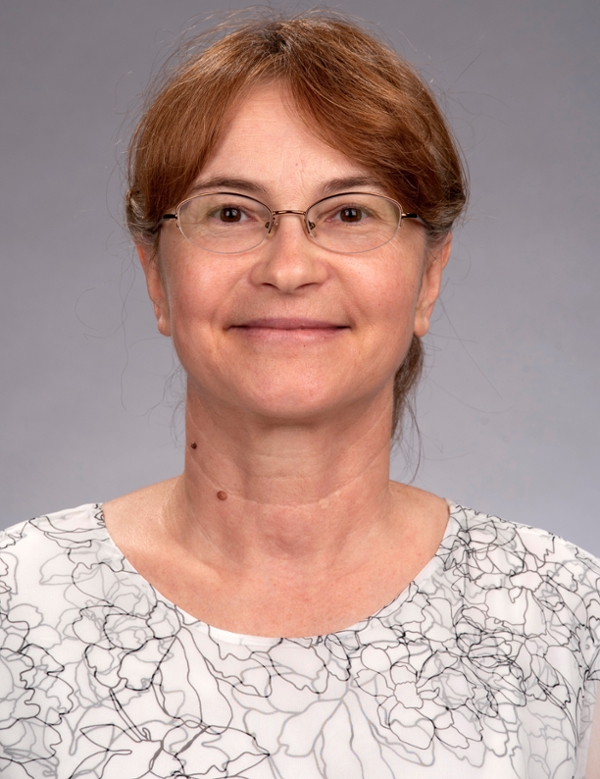
Elena Harris is an Associate Professor in the Computer Science Department at California State University, Chico. Her research focuses on bioinformatics, data mining, and algorithms, with specializations in malaria parasite genomics, DNA methylation analysis, and computational tools for genomic data. She holds a Ph.D. in Computer Science from the University of California, Riverside, and completed postdoctoral work at the University of Southern California studying gene expression and methylation in mammalian cells. Education: Ph.D. in Computer Science, University of California, Riverside Research Interests: Dr. Harris develops bioinformatics tools like BRAT and BRAT-BW for analyzing bisulfite-treated sequencing data. Her projects include nucleosome positioning studies, transcription factor binding site prediction, and genome-wide methylation mapping. She has contributed to malaria parasite research, revealing epigenetic mechanisms in Plasmodium falciparum. Recent work explores computational efficiency in large-scale genome analysis via FM-index construction. Grants & Advising: Collaborates on interdisciplinary bioinformatics education frameworks and teaches CSCI 581 (Artificial Intelligence) and CSCI 582 (Bioinformatics). Active in mentoring students through projects involving next-generation sequencing technologies. Labs & Teams: Former lab collaborations include Dr. Stefano Lonardi (UCR) for malaria genomics and Dr. Andrew Smith (USC) for mammalian epigenetics. Engaged in hardware acceleration research for genomic data processing.
Anthony E. Oro, M.D., Ph.D., is the Eugene and Gloria Bauer Professor of Dermatology at Stanford University School of Medicine. He serves as Associate Director of the Center for Definitive and Curative Medicine and co-director of the Child Health Research Institute. Dr. Oro is a co-founder of the Program in Epithelial Biology and maintains active membership in multiple prestigious research institutes including the Institute for Stem Cell Biology and Regenerative Medicine, Children's Health Research Institute, Bio-X, and the Program in Cancer Biology. Dr. Oro's research laboratory focuses on skin stem cells to understand mechanisms of tissue regeneration and carcinogenesis, with particular emphasis on Sonic hedgehog (Shh) signaling in hair follicles and basal cell carcinoma (BCC) pathogenesis. His team provided clinical evidence for the first hedgehog pathway inhibitor and continues to develop novel targets for next-generation inhibitors. His work spans cancer genomics, tumor evolution, stem cell biology, hair/skin development and regeneration, and molecular therapeutics. His clinical practice focuses on cutaneous oncology, non-melanoma skin cancer, hair disorders, and stem cell-based therapies for genetic skin diseases like Epidermolysis Bullosa. Dr. Oro has led multiple clinical trials investigating novel therapies for advanced basal cell carcinoma and other dermatological conditions. Eugene and Gloria Bauer Professor of Dermatology Associate Director, Center for Definitive and Curative Medicine Co-Director, Child Health Research Institute Member, Institute for Stem Cell Biology and Regenerative Medicine Member, Bio-X Member, Stanford Cancer Institute Member, Wu Tsai Neurosciences Institute Dr. Oro's extensive publication record demonstrates leadership in understanding tumor heterogeneity, resistance mechanisms in basal cell carcinoma, and developing stem cell-based therapies for genetic skin disorders. His research has identified critical pathways in tumor evolution and therapeutic resistance, particularly regarding non-canonical Hedgehog signaling mechanisms. Sonic hedgehog signaling in hair follicle development Basal cell carcinoma pathogenesis and resistance mechanisms Stem cell biology and skin regeneration Epidermal differentiation from pluripotent stem cells Therapeutic reprogramming for genetic skin diseases Tumor microenvironment interactions Dr. Oro has trained numerous graduate students, postdoctoral fellows, and medical scholars. His laboratory has made significant contributions to understanding transcription factor networks in epithelial development and identifying novel therapeutic targets for cancer treatment.
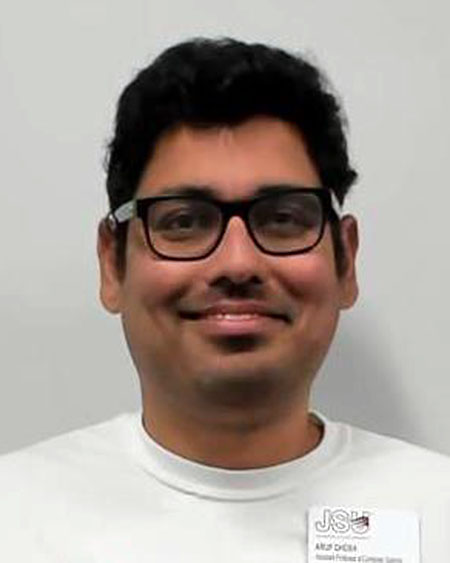
Dr. Arup Ghosh is an Associate Professor of Computer Science at Jacksonville State University (JSU), leading the Human-Technology Interaction Research Lab (HTIR Lab). His work focuses on Human-Computer Interaction (HCI), Digital Youth, and Social Computing, with a strong emphasis on improving adolescent online safety through value-sensitive design and AI integration. He teaches both undergraduate and graduate courses in Computer Science, including AI, HCI, and distributed systems. Dr. Ghosh has been honored with multiple awards, including Educator of the Year by the Engineering Council of Birmingham and IEEE Alabama, and serves in leadership roles within IEEE and ACM. Education: Ph.D. in Computer Science, University of Central Florida Graduate Certificate in Advanced Quantitative Methods, University of Central Florida M.S. in Computer Engineering, University of Central Florida B.S. in Information Technology, West Bengal University of Technology Research Interests: Dr. Ghosh’s research bridges technology and societal impact, particularly addressing online safety for adolescents and vulnerable populations. His work has been featured in Science Daily , NPR , and ABC News , highlighting innovations like privacy-preserving apps and ethical AI frameworks. He collaborates with industry and policymakers to translate research into actionable solutions, such as mitigating cyber risks for foster care youth and enhancing elderly care through AI. Publications & Impact: His peer-reviewed work spans HCI, cybersecurity, and education technology, with a focus on mobile safety and digital literacy. Recent studies explore AI-driven eldercare systems and mitigation strategies for online threats in education. Awards & Leadership: IEEE Eta Kappa Nu Honor Society Inductee (2024) ABET Computer Science Program Evaluator (2024–Present) Vice Chair, IEEE Alabama Section (2023–Present) Advising & Outreach: Dr. Ghosh advises JSU’s IEEE Student Branch and UPE Honor Society Chapter, fostering student engagement in tech competitions and conferences. He also contributes to institutional committees, including the JSU Technology Advisory Committee. Labs & Teams: The HTIR Lab develops solutions for safer digital experiences, with projects ranging from mobile safety apps to computational modeling of social behaviors.
Nan Yang is an Associate Professor in the Department of Neuroscience at the Icahn School of Medicine at Mount Sinai. Her research focuses on understanding neural development, neuroepigenetics, and the application of stem cell technologies to model psychiatric and neurological disorders. She leads the Yang Lab, which investigates cell fate specification, chromatin modifications in psychiatric diseases, and the use of 3D brain organoids for disease modeling. Yang holds a PhD from Fudan University and completed postdoctoral training at Stanford University. She has been recognized with the 2014 NARSAD Young Investigator Award. Her work integrates stem cell biology, CRISPR gene editing, and single-cell sequencing to uncover molecular mechanisms underlying brain disorders. The lab is actively recruiting postdocs and graduate students. Yang’s research is supported by collaborations with the Seaver Autism Center and includes projects on neurodevelopmental disorders, epigenetic regulation, and translational therapies. Education: Exchange student at University of California, San Francisco; PhD, Fudan University; Postdoctoral training at Stanford University. Research Interests: Human pluripotent stem cells, neurodevelopmental disorders, autism spectrum disorder (ASD), chromatin modifications, brain organoids, CRISPR-mediated epigenetic editing, single-cell sequencing, and translational neuroscience. Notable Achievements: Pioneered transcription factor-mediated neuronal reprogramming, developed models for psychiatric disease using iPSCs, and contributed to understanding epigenetic mechanisms in non-coding genetic variants. Current projects include studying synaptic functions in autism and developing high-throughput in vitro systems for disease investigation. Lab Team: Includes graduate students, postdocs, and research associates focusing on stem cell modeling, neuroepigenetics, and clinical translation. Notable alumni have moved to roles in industry and academia. Lab Locations: Icahn (East) Building, New York, NY. Contact: nan.yang1@mssm.edu or (212) 659-8288.
Danyelle Townsend is a Professor at the Medical University of South Carolina (MUSC) in the College of Pharmacy's Department of Drug Discovery and Biomedical Sciences. Her research focuses on redox signaling pathways, mitochondrial dysfunction, and drug development for cancer and chronic diseases. Key areas include oxidative stress mechanisms, protein S-glutathionylation, and targeted drug delivery systems. Her work integrates molecular pharmacology with translational medicine, emphasizing therapeutic strategies for conditions like intervertebral disc degeneration, multiple myeloma, and melanoma. Notable contributions include studies on CYP3A4 metabolism in pediatric patients and development of pH-sensitive drug delivery systems. Research highlights include the role of microsomal glutathione transferase 1 (MGST1) in cancer progression and the application of synthetic mitochondrial RNAs to restore bioenergetics. She has published extensively on redox regulation in cell survival pathways and novel anti-cancer agents derived from natural compounds like lapachol. Dr. Townsend's studies often employ animal models and in vitro systems to evaluate drug efficacy, with a focus on mechanisms linking environmental exposures (e.g., cigarette smoke) to disease progression. Her interdisciplinary approach bridges basic science and clinical applications, targeting both drug discovery and precision medicine strategies.
Demetri D. Spyropoulos is a Professor in the Department of Pathology and Laboratory Medicine at the Medical University of South Carolina (MUSC), College of Medicine. His research focuses on environmental obesogens, tissue preservation technologies, and transgenic animal models. He leads a laboratory investigating gene-environment interactions, particularly how exposures to endocrine disruptors influence developmental and disease pathways. His work bridges basic research with clinical applications, including patient-derived tissue models for precision medicine and iPSC-based studies on environmental impacts. Key research areas include studying master regulator genes (e.g., HOX, PPAR/RXR, Ets family) and their epigenetic regulation by environmental agents. He pioneered methods for cryopreserving human tissues to maintain viability and 3D architecture, enabling advanced in vitro and xenograft studies. Notably, his group identified the obesogenic effects of Corexit components, a critical finding for public health and environmental policy. Publications highlight interdisciplinary approaches, integrating toxicology, genetics, and clinical translation. His contributions to biospecimen standards (e.g., PREanalytical Code) ensure reliable biorepository practices. Collaborative projects span medical, environmental, and veterinary fields, emphasizing translational impact.
Nicholas Pippenger is a Professor of Mathematics at Harvey Mudd College. Previously, he held positions at MIT, the University of British Columbia, and Princeton University. He earned his B.S. in Natural Science from Shimer College (1965) and B.S., M.S., and Ph.D. in Electrical Engineering from MIT (1967, 1969, 1974). Research Interests : Focuses on discrete mathematics, probability theory, and their applications to computational problems. His work spans algorithm design, stochastic processes, and formal languages. Recent studies include computational complexity, graph theory, and geometric modeling. Awards : Fellow of the Royal Society of Canada (Academy of Science) Fellow of the ACM Fellow of the IEEE Fellow of the AMS Grants & Projects : Received the NSF grant AF: Small: RUI: Concrete Computational Complexity (2009). Active in research areas such as stochastic systems, cellular automata, and algorithmic art. Labs/Teams : No specific lab affiliations listed, but collaborates across disciplines in mathematics and computer science.
Prof. Werner Henkel is a Professor of Electrical Engineering at Jacobs University Bremen. He holds a Dr.-Ing. (Ph.D.) from Technische Universität Darmstadt (1989), with research focused on coding theory, communications, and signal processing. His roles include chairing the Electrical and Computer Engineering (ECE) program and serving as Dean for Engineering and Mathematical Sciences (2012–2014). Affiliations: Jacobs University Bremen: School of Engineering and Science Constructor University Bremen (prior affiliation) Education: Ph.D. (Dr.-Ing.) in Electrical Engineering, TU Darmstadt (1989) Diploma in Electrical Engineering, TU Darmstadt (1984) Research Interests: Prof. Henkel’s work spans physical-layer security , LDPC codes , neural networks , impulse noise treatment , and DNA analysis . His recent focus includes secure key generation in FDD systems, joint source-channel coding, and applications in IoT and power-line communications. He has contributed to DSL standardization and industrial projects in satellite communication and cybersecurity. Grants & Projects: Research on impulse noise mitigation in wireless/wireline channels Collaborations with industry on satellite communication and PLC systems Labs & Teams: Active in multidisciplinary teams at Jacobs University, focusing on communications, coding, and bioinformatics.
Michael Kirkpatrick is a Professor of Computer Science at James Madison University (JMU), part of the College of Integrated Science & Engineering. He holds a Ph.D. from Purdue University (2011), M.S. from Michigan State University (2007), and B.A. from Indiana University (2001). His academic journey includes roles as Assistant Professor (2011–2017) and Associate Professor (2017–2024) before his current professorship. Kirkpatrick's research focuses on computing ethics, information security, CS education pedagogy, and computer systems. He teaches courses such as Computer Systems I-II, Societal and Ethical Issues in Computing, and Operating Systems. His scholarly work emphasizes integrating ethics into computing education, modern web development pedagogy, and security challenges in genetic data. Recent publications (2024) explore AI's impact on research ethics and transparent classroom practices. He has contributed to ACM ethics guidelines and pioneered interactive educational tools like OpenCSF. While no explicit awards are listed, his extensive contributions to curriculum design and ethics education highlight his academic influence. Kirkpatrick's teaching philosophy prioritizes active learning and interdisciplinary ethics integration. His courses use team-based learning and readiness assurance processes, with a focus on preparing students for professional conduct challenges. Though specific grants or labs aren't detailed, his work reflects a commitment to advancing both technical and ethical dimensions of computer science education.
Arif Ali Khan is an Associate Professor (Tenure Track) and Docent (Adjunct Professor) in the M3S Unit of Empirical Software Engineering at the University of Oulu, Finland. He holds a PhD in Software Engineering from City University of Hong Kong and has previously served at the University of Jyväskylä, Finland, and Nanjing University of Aeronautics and Astronautics, China. His expertise spans Quantum Software Engineering , DevOps , Microservices Architecture , and AI Ethics . Education: Bachelor of Science in Software Engineering, University of Science and Technology, Bannu, Pakistan MSc in Information Technology, Universiti Teknologi PETRONAS, Malaysia PhD in Software Engineering, City University of Hong Kong Research Interests: Khan focuses on advancing empirical software engineering practices in quantum computing, global software development, and ethical AI integration. Key areas include quantum software architecture, agile methodologies for quantum projects, and decision-making frameworks for DevOps and microservices systems. Projects: CLASSİ|Q⟩: Bridging Classical and Quantum Programming – Developing translation frameworks for hybrid systems SeQuSoS M3S – Securing quantum software stacks Labs/Teams: Member of the M3S Empirical Software Engineering Research Unit, focusing on evidence-based methodologies and industry collaboration.
Panagiotis Tsanakas is a Professor of Computer Engineering at the National Technical University of Athens (NTUA), serving as Dean of the School of Electrical and Computer Engineering. He holds a PhD in Computer Engineering from NTUA (1988) and has extensive academic experience in parallel computing, medical informatics, and IoT applications. His work includes co-authoring seven textbooks on computer systems and supervising eight doctoral dissertations. Prof. Tsanakas has led major national and EU projects like EuroHPC and GRNET, managing Greece's academic networks and supercomputing infrastructure (ARIS). He pioneered systems like Eudoxus (textbook distribution), ZEUS (secure e-voting), and DIAVLOS (webcasting). His professional roles include Board membership of EuroHPC and leadership in GRNET, contributing to €60M annual savings through tech optimization. Research focuses on high-performance architectures, cloud systems, and AI in healthcare. He has published over 100 papers and actively teaches courses like Digital Health Technologies and Computer Architecture. His projects emphasize medical informatics, telemedicine platforms, and IoT-enabled health monitoring.
Henning D. Mootz is a Professor of Biochemistry and Biotechnology at the Institute of Biochemistry, University of Münster. His research focuses on protein chemistry and biotechnology, particularly protein engineering using split inteins and studying posttranslational modifications like ubiquitination and SUMOylation. He has made significant contributions to understanding nonribosomal peptide synthetases and their dynamics, as well as developing tools for site-specific protein modification. Education: Ph.D. (1999) and postdoctoral training at the Philipps-University of Marburg and Rockefeller University. Awards include the Emmy Noether grant (2003) and teaching awards from the Universities of Münster and Dortmund. Research interests span protein engineering, enzyme mechanisms, and applications in biomedicine. His lab has pioneered methods like photoactivatable inteins for controlled protein splicing and light-activatable antibodies (Photobodies). Over 120+ publications highlight his work in Angewandte Chemie, Nature Chemistry, and other top journals.
Professor Giovanni Galizia is a faculty member at the University of Konstanz, holding the position of Professor of Zoology and Neurobiology. He is also a Permanent Fellow at the Wissenschaftskolleg zu Berlin. Born in 1963 in Rome, he studied Biology at the Freie Universität Berlin and Zoology at the University of Cambridge. His research focuses on olfactory coding in insects, particularly honeybees and fruit flies, exploring how neural networks process odor information and assign meaning to odors. Recent work includes investigating how honeybees recognize disease-related odors and use collective behavior to manage hive health. Education: Biology, Freie Universität Berlin Zoology, University of Cambridge Research Interests: Galizia's work delves into understanding the neural mechanisms underlying olfactory perception and coding in insects. Key areas include odorant receptor responses, neural circuitry in the insect brain, and the role of olfaction in behaviors like colony defense and disease detection. His studies also aim to model brain circuits computationally to better comprehend how odors are encoded and interpreted. Key Contributions: Author of Neurosciences: From Molecule to Behavior (2013) Lead researcher on honeybee olfactory coding and neural network modeling Investigating the use of insect olfactory systems for recognizing disease-related odors Professional Engagement: Galizia has presented at numerous events, including the 2022 Colloquium Odor Songs in the Bee Brain and discussions on topics like honeybee dreaming and virus-related research. His work bridges neurobiological studies with broader implications for understanding brain function and sensory processing. Labs/Teams: His research is conducted at the University of Konstanz, with collaborations at the Wissenschaftskolleg zu Berlin, focusing on experimental neurobiology and computational modeling.
Dr. Katarzyna Świderek is an Associate Professor at Universitat Jaume I (UJI) in Castelló, Spain, where she leads research at the Institute of Advanced Materials (INAM) within the Department of Physical and Analytical Chemistry. She serves as Senior Researcher in Computational Biochemistry group (RG9) and Project Leader for the DeProtCa initiative focused on enzyme design principles. Dr. Świderek earned her Master's (2007) and PhD (2011) degrees in Physical Chemistry from Lodz University of Technology, Poland, under Prof. P. Paneth. Her academic journey includes postdoctoral positions at University of Valencia (2011-2014), University Jaume I (2015 onward), and a visiting position at University of Bath (2017). In December 2024, she was promoted from Ramon y Cajal fellow to Associate Professor (Profesor Titular). Her research focuses on theoretical studies of reactivity in cellular processes , with three main interconnected areas: Origin of biocatalysis Inhibition and drug design Design of biocatalysts Most of her work employs molecular dynamics (MD) simulations with hybrid QM/MM potentials to investigate enzymatic mechanisms, with applications spanning pharmaceutical, medical, and industrial domains. Analysis of her recent publications reveals a strong emphasis on computational enzymology, particularly studying proteases (including SARS-CoV-2 Mpro), proteasome inhibition mechanisms, and enzyme design strategies. Her work increasingly integrates AI approaches with traditional computational methods, demonstrating evolution in the field toward more sophisticated predictive models for enzyme behavior. Dr. Świderek has secured multiple competitive research grants, including a recent Spanish Ministry of Science project (2025-2027) titled 'Deciphering the structural and kinetic principles of enzymes to design advanced protein-based catalysts for enhanced biocatalysis.' One of her studies on SARS-CoV-2 Mpro inhibition ranked in the top 5% of highly cited works from Royal Society of Chemistry Journals. She actively mentors graduate students including Carmen Ramos, Álvaro Serrano López de la Vieja, and Adrián Fernández de la Pradilla Ibáñez. Her research group collaborates internationally with institutions across Spain, Poland, USA, UK, Canada, and Italy, utilizing the T∙R∙I∙N∙I∙T∙Y computational cluster with 320 CPUs and multiple GPUs for their demanding simulations.
Archa Fox is a Professor in the School of Human Sciences and the School of Molecular Sciences at the University of Western Australia, and an Honorary Research Fellow at the UWA Medical School and UWA Centre for Medical Research (affiliated with the Harry Perkins Institute of Medical Research). She is also part of the Australian Centre for RNA Therapeutics in Cancer and serves as Chair of the RNA Network of Australia since 2015. Her research has significantly advanced the understanding of nuclear architecture and RNA biology. Professor Fox earned her Bachelor of Science at the University of New South Wales, majoring in molecular genetics, followed by her PhD at the University of Sydney (awarded in 2000). She completed postdoctoral research in Dundee, Scotland, where she integrated cell biology, microscopy, and molecular biology techniques. In 2006, she established her research group at the Western Australian Institute for Medical Research (now the Harry Perkins Institute), and in 2015, she transitioned to an academic position at the University of Western Australia. Her research centers on paraspeckles, nuclear bodies she discovered in 2002 that play crucial roles in gene expression regulation. Her work has revealed how paraspeckles malfunction in diseases like cancer. In 2009, she identified NEAT1 as the first long noncoding RNA that scaffolds a nuclear body, and in 2015, she demonstrated how intrinsically disordered protein regions contribute to paraspeckle formation. Her current research investigates paraspeckles as a model for understanding gene regulation through long noncoding RNAs and protein aggregation, with collaborations across multiple scientific disciplines. Analysis of Professor Fox's recent publications (2022-2025) reveals a strong focus on nuclear architecture, RNA-binding proteins, and the molecular mechanisms of paraspeckle formation and function. Her work spans structural biology, cancer research, and the emerging field of biomolecular condensates, with particular emphasis on DBHS family proteins (SFPQ, NONO, PSPC1) and their roles in phase separation and nuclear organization. Scientific Awards: Marshall Medal of the Harry Perkins Institute (2012) Emerging Leader Award of the Australian/NZ Society for Cell and Developmental Biology (2017) School of Human Sciences Senior Research Award (2023) Vice Chancellor's Senior Research Award (2023) UWA Student Guild's Students' Choice Awards (2018) Professor Fox has been actively involved in mentoring and research leadership, with 8 supervised works documented. She has secured significant research funding, including 48 grants such as the 'STUNNER for RNA encapsulation quality and deliver' project funded by The Ian Potter Foundation (2024-2025) and the 'WA RNA Salon' project funded by The RNA Society (2024-2025). Her collaborative approach is evident in multi-investigator projects like the 'Broadening assay capabilities with CLARIOstar Plus multimode platereader' (2025-2035). Her laboratory forms part of the Australian Centre for RNA Therapeutics in Cancer and maintains strong affiliations with the Harry Perkins Institute of Medical Research. Professor Fox has also been instrumental in community engagement, participating in the Wembley Primary School Community STEAM program and Pint of Science presentations, demonstrating her commitment to science communication and public outreach.