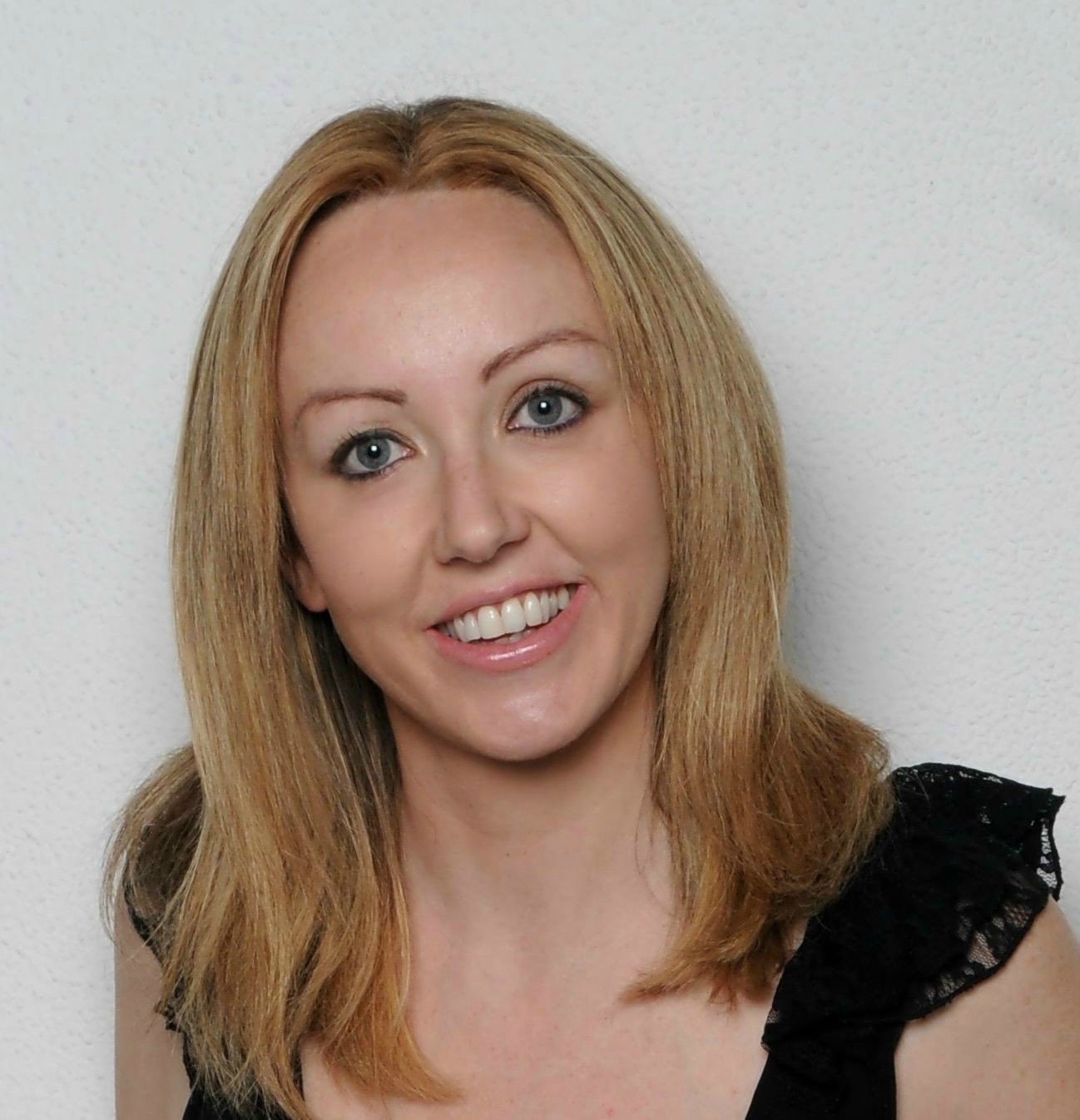
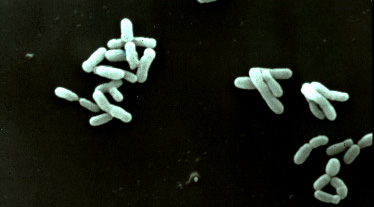
Emma Denham is a Senior Lecturer in Microbiology at the University of Bath's Department of Biology and Biochemistry, part of the Centre for Climate Adaptation & Environment Research (CAER). She transitioned to Bath in 2018 from the University of Warwick, where she served as an Assistant Professor. Her research focuses on non-coding RNAs in Bacillus subtilis , exploring their roles in post-transcriptional regulation, biofilm formation, antimicrobial resistance, and metabolic pathways. She investigates how small RNAs (sRNAs) and antisense RNAs modulate bacterial behavior under environmental stress. Education & Career: BSc Biology, University of Leicester PhD in Microbiology, Pirbright Institute (formerly Institute for Animal Health) Postdoctoral Research, Jan Maarten van Dijl's lab (EU consortia on systems/synthetic biology) Research Interests: Emma's lab studies regulatory RNAs' impact on B. subtilis behavior, including biofilm formation, competence, and antibiotic resistance. Notable projects include identifying novel sRNA mechanisms distinct from Gram-negative systems and exploring RNA sponges that regulate the RoxS riboregulator. Collaborative efforts include applying bacterial systems to develop zero-carbon concrete via Engineering and Physical Sciences Research Council (EPSRC) grants (2023). Recent Work Trends: Recent articles highlight mechanisms of bacterial resistance to antiseptics, transcriptome annotation via Rend-seq, and RNA-sponge-mediated regulation. These studies bridge basic microbiology with applied challenges like biocide resistance and sustainable materials. Grants & Collaborations: EPSRC IAA Project: Bacteria-based zero carbon concrete (2023) EU consortia during postdoctoral work Labs & Teams: Leads a microbiology lab at Bath, focusing on interdisciplinary projects combining genomics, systems biology, and synthetic approaches to understand bacterial adaptation and regulatory networks.
Dr. Jae Ho Lee is a research scientist at Newcastle University specializing in stem cell biology and cancer research, with significant publications between 2006-2010 primarily in collaboration with Professor Karim Nayernia and colleagues including Dr. Ingrid Ehrmann and Professor David Elliott. His work bridges molecular oncology, reproductive biology, and regenerative medicine through investigation of stem cell mechanisms in germ cell development and tumorigenesis. His core research examines stem cell plasticity in cancer and reproduction, focusing on Piwil2 protein functions in breast cancer stem cell proliferation/antiapoptosis, derivation of germ cells from bone marrow stem cells, and spermatogonial stem cell regulation. Key contributions include demonstrating Piwil2's role in Stat3/Bcl-XL-mediated tumor survival, in vitro production of functional male gametes from embryonic stem cells, and transdifferentiation pathways between somatic and germ cells. Analysis of his 2006-2010 publications reveals consistent exploration of molecular intersections between stem cell self-renewal and oncogenesis, with emphasis on Piwil2 as a regulatory hub. His work demonstrates translational potential for infertility treatments through germ cell derivation techniques and identifies apoptosis pathways as therapeutic targets in breast cancer. No scientific awards were documented in the source materials. While specific student mentorship isn't listed, his collaborative publications with senior researchers indicate active laboratory leadership in stem cell projects. The consistent co-authorship with Professor Nayernia suggests participation in grant-funded research programs focused on germ cell biology and cancer stem cells, though exact funding sources remain unspecified.
Christian Freund is Professor of Protein Biochemistry at the Institute for Chemistry & Biochemistry, Freie Universität Berlin, holding this W2 professorship since 2011. He serves as Coordinator of the FU Berlin-UCSF Collaborative Initiative and Founding Member/Vice-chair of the DFG Collaborative Research Centre SFB/TRR 186 on Molecular Switches in Cellular Signal Transmission, leading interdisciplinary research across Berlin and Heidelberg institutions. His academic foundation includes Chemistry studies at Heinrich-Heine-Universität Düsseldorf (1983-1986) and Ludwig-Maximilians-Universität München (1986-1989), followed by a PhD in Structural Biology at the Max-Planck-Institute of Biochemistry (1994) and Habilitation in Biochemistry at Freie Universität Berlin (2005). Freund's research integrates structural biology, biophysics, and immunology to investigate molecular mechanisms of antigen presentation and cellular signaling. His work centers on MHC class II dynamics, protein conformational switches, and nanoscale organization of signaling complexes, employing NMR spectroscopy, quantitative proteomics, and molecular engineering to dissect immune recognition pathways and neuronal signaling mechanisms. Analysis of his 2010-2019 publications reveals consistent focus on MHC-mediated antigen presentation (60% of works), with significant contributions to understanding peptide exchange dynamics and HLA-DM editing functions. Secondary research streams explore synaptic protein networks (25%) and T cell signaling machinery (15%), demonstrating methodological breadth across structural biology, proteomics, and cell biological approaches. His scientific recognition includes: Biofuture award from the German Ministry of Education and Research (1999) Swiss National Funds Post-doctoral Scholarship (1997) Innovationswettbewerb Medizintechnik grant (2009) As research group leader at Leibniz-Institute of Molecular Pharmacology (2000-2011) and current FU Berlin professor, Freund has secured major collaborative funding through DFG SFB/TRR 186 and the UCSF partnership. His mentorship spans postdoctoral fellows at Harvard/Dana-Farber and Leibniz-Institute, with current supervision of graduate students in the Berlin biochemistry program. Freund directs a research group within FU Berlin's Institute for Chemistry & Biochemistry, operating as core component of SFB/TRR 186. His laboratory maintains active collaborations with UCSF's QBI (Nevan Krogan) and Heidelberg-based structural biology teams, utilizing advanced NMR, cryo-EM, and single-molecule imaging facilities across the Berlin-Heidelberg research alliance.
Brian Weeks is an Associate Professor in the School for Environment and Sustainability at the University of Michigan, where he joined as an Assistant Professor in 2019. His research focuses on understanding how species and communities respond to human-induced environmental changes, with particular emphasis on avian systems. Weeks leads an active research group that integrates museum specimen-based work, genomics, and field studies to investigate biodiversity responses to global change. Weeks' research interests span evolutionary ecology, climate change biology, and biodiversity conservation. His work primarily examines how bird species and communities have responded to environmental change through morphological adaptations. He combines museum-, field-, and lab-based approaches to study evolutionary processes across multiple scales, from macroevolutionary patterns in the Solomon Islands to contemporary changes in North American migratory birds. His lab has developed innovative methods like Skelevision for high-throughput measurement of functional traits from museum skeletal specimens. His publication record shows a strong focus on climate-driven morphological changes in birds, with recent work demonstrating how warming temperatures drive size reductions while simultaneously increasing wing length. His research has revealed that smaller-bodied species change at faster rates, and that migration timing shifts are decoupled from morphological changes. Weeks' lab also investigates biodiversity-ecosystem functioning relationships and extinction risk prediction. Packard Fellowship in Science and Engineering (2022) Ecological Society of America's George Mercer Award (2022) Katma Award, American Ornithological Society ISI Highly Cited paper (2021) Weeks advises multiple PhD and Master's students, and his lab collaborates extensively with researchers across institutions. His work has received significant media attention, with coverage in Science, The Wall Street Journal, The Washington Post, BBC News, and numerous international outlets. His research on birds shrinking due to climate change achieved an Altmetric score higher than 99.98% of papers tracked, reflecting its substantial scientific and public impact.
Dr. Kate Baker is a Programme Leader at the MRC Cognition and Brain Sciences Unit, University of Cambridge, and holds joint appointments as Assistant Professor of Clinical Genetics in the Department of Pathology and Honorary Consultant at Cambridge University Hospital. Her research bridges clinical genetics and cognitive neuroscience, focusing on neurodevelopmental disorders of genetic origin. She leads the Genomic Disorders and Cognitive Development group and the BINGO project, investigating how genetic variations impact neural systems and cognitive abilities like communication and social interaction. Her work emphasizes translational genomic medicine, aiming to improve evidence-based, person-centered care for individuals with intellectual disabilities. Research spans neurogenetics, cognitive phenotyping, synaptic function, and developmental trajectories. Publications consistently explore genotype-phenotype correlations in disorders like SYT1, ZDHHC9, and DDX3X, with recent work expanding into pandemic impacts on neurogenetic families. Key funders include the Baily Thomas Charitable Trust, NIHR Cambridge Biomedical Research Centre, and Great Ormond Street Hospital Charity. No awards are documented in available sources.
Ritwick Sawarkar is a Principal Investigator at the MRC Toxicology Unit and affiliated with the Department of Genetics under the School of Biological Sciences at the University of Cambridge. He leads the Sawarkar Group, focusing on molecular mechanisms linking chromatin biology, environmental stress response, and transcriptional regulation. Education: PhD in Genetics (Indian Institute of Science, 2010) Previous roles: Postdoctoral Fellow at ETH-Zürich (2010-2014), Independent Group Leader at Max Planck Institute (2014-2019) Research Interests : The Sawarkar Group investigates how chromatin interprets environmental stress signals to modulate transcriptional responses. Key questions include: (i) Cellular pathways sensing stress/toxins, (ii) Chromatin's role in stress adaptation, and (iii) Transcriptional mechanisms for cellular survival. Their work integrates genomics, single-cell transcriptomics, proteomics, and mouse models to explore stress response pathways. Article Trends : Recent publications highlight his expertise in chromatin-mediated stress responses, non-coding RNA interactions, and proteostasis networks. Collaborations with pharmaceutical companies emphasize translational applications for drug toxicology and RNA therapeutics. Scientific Awards : ERC Consolidator Grant (2018) Alfred Tissières Young Investigator Award (2019) Group Members : His team includes PhD students (Dimitris Aspri, Roberto Campalastri), Research Associates (Simone Baldan, Christo Christov), and MPhil students (Anfas Muhammed, Keely Xia), among others.
Dr. Gloria Roberts is a Research Fellow at the Black Dog Institute, affiliated with the University of New South Wales' Faculty of Medicine, School of Psychiatry. Her research focuses on identifying predictors of bipolar disorder development in high-risk populations, with particular emphasis on neural mechanisms of executive functioning and emotional processing. Location: Black Dog Institute, Hospital Road, Prince of Wales Hospital, Randwick NSW 2031 Contact: +61 2 9382 8324 | ORCID: https://orcid.org/0000-0002-1966-5120 Education Background: B.Sc in Applied Psychology (University College Cork, Ireland, 2002) M.Sc in Neuropharmacology (National University of Ireland Galway, Ireland, 2003) Diploma in Statistics (Trinity College Dublin, Ireland, 2006) PhD in Neuroscience (Trinity College Dublin, Ireland, 2008) Dr. Roberts' research program centers on the neural basis of emotional dysregulation characteristic of mood disorders, employing structural and functional Magnetic Resonance Imaging as her primary research tool. Her work integrates advanced neuroimaging analysis techniques including diffusion tensor imaging tractography, dynamic causal modeling, graph theory, and machine learning approaches. She maintains active collaborations with Queensland Institute of Medical Research (Brisbane), Neuroscience Research Australia (Sydney), and the Centre for Healthy Brain Ageing (Sydney). Analysis of Dr. Roberts' publication record (94 journal articles, 2 book chapters, 25 conference papers) reveals a consistent research trajectory focused on neurocognitive patterns in bipolar disorder. Her recent work increasingly incorporates machine learning techniques to identify predictive biomarkers, with a growing emphasis on longitudinal studies tracking high-risk populations. The interdisciplinary nature of her research bridges neuroscience, psychiatry, and computational methods to address fundamental questions about mood disorder development. Scientific Contributions: Extensive publication record across multiple formats (journal articles, book chapters, conference presentations) Development of innovative neuroimaging analysis techniques for bipolar disorder research Establishment of multi-institutional collaborations across Australia Integration of machine learning approaches with traditional neuroimaging methods Dr. Roberts actively mentors junior researchers and contributes to the broader scientific community through peer review activities and participation in research networks focused on mood disorders. Her work has significant implications for early intervention strategies and the development of novel therapeutic approaches for bipolar disorder.
Sharon R. Long is the William C. Steere, Jr. - Pfizer Inc. Professor of Biological Sciences and Professor of Biochemistry (by courtesy) at Stanford University . She joined the Stanford faculty in 1982 after completing her B.S. at Caltech (1973) and Ph.D. at Yale (1979) in Cell and Developmental Biology. Key affiliations: Bio-X Member, Sarafan ChEM-H Faculty Fellow Administrative roles: Dean of Stanford School of Humanities and Sciences (2001-2007) Her research focuses on the biochemistry, genetics, and cell biology of plant-bacterial symbiosis , particularly the molecular mechanisms of Sinorhizobium meliloti interactions with Medicago species. Current work includes: Genome-wide analysis of symbiosis gene regulation Exopolysaccharide production mechanisms Transcriptional responses to oxidative stress High-throughput screening for bacterial regulators Her 178 publications (including 162 journal articles and 16 conference proceedings) demonstrate expertise in: Bacterial-plant signaling pathways Gene expression regulation Exopolysaccharide function Symbiotic nitrogen fixation Signal transduction mechanisms Transcription factor analysis Honors include: MacArthur Foundation Fellowship (1992-1997) Member, National Academy of Sciences (1993-) Lifetime Research Award, International Society for Plant-Microbe Interactions (2017) Multiple fellowships (American Academy of Arts and Sciences, American Philosophical Society, etc.) She has served on: President's Committee for the National Medal of Science (2011-2016) Trustee, California Academy of Sciences (2009-2017) Director, Annual Reviews, Incorporated (1994-present) Her lab maintains active collaborations with National Institutes of Health and continues to train the next generation of scientists through various graduate and postdoctoral programs at Stanford.
Dr Katherine S Bridge serves as Lecturer in the Department of Biology at the University of York, leading the Bridge Lab within the Centre for Blood Research. Awarded the Kay Kendall Leukaemia Fund Intermediate Fellowship in 2021 and previously holding a Centre for Future Health fellowship (Wellcome Trust ISSF), her research investigates context-dependent roles of Hypoxia Inducible Factor (HIF) in cancer progression and hematopoiesis. Her academic foundation includes: PhD in Molecular Mechanisms of HIF from University of Nottingham Bridge's laboratory examines HIF's dual oncogenic/tumor-suppressive functions across solid tumors and hematological malignancies, with particular focus on non-hypoxic activation pathways in hematopoietic stem cells. Current work identifies molecular switches determining HIF functionality to develop targeted therapeutic interventions for treatment-resistant cancers. Publication trends reveal consistent mechanistic exploration of HIF-LIMD1 interactions since 2012, evolving from foundational degradation studies to feedback loop analyses in tumor microenvironments (2018) and RNA regulatory networks (2017), demonstrating expanding expertise from solid cancers to blood malignancies. Key recognitions: Centre for Future Health fellowship (Wellcome Trust ISSF, 2019) Kay Kendall Leukaemia Fund Intermediate Fellowship (2021) As principal investigator, Bridge mentors postdoctoral researchers including Dr David Kealy and secures major grants like the MRC-funded 'Targeting sodium signalling' project (2023-2026). She actively advocates for parental retention in academia through UKRI's Early Career Researcher forum and Women in Research networks. The Bridge Lab collaborates with York's Centre for Blood Research and international consortia, with Bridge serving on advisory committees for the International Society for Experimental Hematology (2023-2028) and European Haematology Association (2023-2028).
Professor Aideen Sullivan is Head of the Department of Anatomy and Neuroscience at University College Cork (UCC). With a career spanning over two decades at UCC, she leads research on neuroprotective therapies for Parkinson's disease, focusing on growth factors, stem cell applications, and epigenetic mechanisms. She established Ireland's first BSc in Neuroscience and co-developed the cross-College BSc in Medical and Health Sciences (CK707). BSc (First Class Honours) in Pharmacology, University College Dublin (1992) PhD in Neuropharmacology, University of Cambridge (1995) Her research program investigates Parkinson's disease through five key themes: viral vector delivery of neurotrophic factors, molecular mechanisms of neuroprotection, biomarker discovery, neuronal degeneration models, and stem cell-based treatments. She has secured significant grants from Health Research Board, Enterprise Ireland, and the Wellcome Trust. Recent publications (2022-2020) emphasize epigenetic regulation (HDAC inhibitors), microbiome-gut-brain axis interactions, and novel neurotrophic strategies. Articles highlight GDF5's neuroprotective effects, miRNA modulation, and molecular pathways like BMP-Smad and p38-MAPK. Scientific awards include: Postgraduate Certificate in Teaching and Learning (UCC, 2006) FETAC Certificate in Peer-Mentoring (2010) Leadership Foundation Aurora Programme Scholarship (2015) Over €2 million in research grants She mentors undergraduate and postgraduate students, chairs UCC's Athena SWAN 'Flexible Working' group, and serves as Editor-in-Chief of Neuronal Signaling . Her work spans laboratory research, public engagement, and educational innovation.
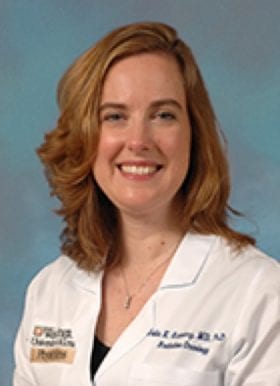
Julie K. Schwarz, MD, PhD, FASTRO is a tenured Professor of Radiation Oncology at Washington University School of Medicine, where she serves as Vice-Chair of Research and Director of the Cancer Biology Division. She also holds appointments as Professor of Cell Biology and Physiology and is affiliated with the Roy and Diana Vagelos Division of Biology & Biomedical Sciences, specifically within the Cancer Biology and Molecular Cell Biology programs. Dr. Schwarz is a key member of the Siteman Cancer Center and co-leads one of only five centers comprising the NIH's Radiation Oncology-Biology Integration Network (ROBIN). Dr. Schwarz completed her BS in Biology at Duke University (1995) followed by an MD/PhD in Cell and Molecular Biology at Washington University School of Medicine (2004) through the Medical Scientist Training Program. She completed her Internal Medicine internship (2005) and Radiation Oncology residency (2009) at Barnes-Jewish Hospital, becoming board-certified by the American Board of Radiology in Radiation Oncology (2010). Her research program focuses on translational studies of gynecologic cancers, particularly cervical cancer, with emphasis on tumor metabolism, biomarker discovery, and treatment resistance mechanisms. Dr. Schwarz's laboratory maintains one of the largest tumor repositories for cervical cancer, which includes specimens collected before and during chemoradiation treatment. Her work has demonstrated the critical role of pretreatment and post-treatment FDG-PET scanning for cervical cancer patients and has identified alterations in PI3K/Akt pathway genes associated with treatment response. Recent research directions include studying obesity's paradoxical favorable impact on cervical cancer outcomes, glucose and glutamine metabolism as targets for cancer therapy, and the role of tumor immunology in therapy resistance. Analysis of Dr. Schwarz's most recent publications reveals a strong focus on cervical cancer biology, tumor metabolism, and novel therapeutic approaches. Her work integrates clinical data with laboratory research to identify biomarkers and develop improved treatment strategies. Current research emphasizes the interface between tumor metabolism, the microenvironment, and response to therapy, with particular attention to HPV-related cancers, tumor imaging, and metabolic targets for radiosensitization. Fellow of American Society for Radiation Oncology (ASTRO) (2024) Danforth WashU Physician-Scientist Scholar Award (2024) Elected into American Society for Clinical Investigation (2022) Michael Fry Research Award for Outstanding Junior Investigator: Radiation Research Society (2012) Fellow: National Cancer Care Network (2008) RSNA Roentgen Resident/Fellow Research Award (2008) As a dedicated mentor, Dr. Schwarz has guided numerous trainees across all levels including undergraduates, graduate students, medical students, residents, fellows, and postdoctoral researchers. Her Schwarz Lab is highly collaborative and actively recruits students and researchers, with recent successes including Leahan Castillo receiving an Honorable Mention at AACR and Brett Tortelli developing significant research on the vaginal microbiome's relationship to cervical cancer treatment response. Dr. Schwarz is R01-funded and leads multiple research projects, including work on the TARGET Center which focuses on understanding the biologic effects of radiation therapy in cancer treatment. She actively participates in national organizations including the ASTRO/NCI Radiobiology Consensus Workshop, AACR Radiation Oncology Think Tank, and the ASTRO Community of Radiation Oncology Physician Scientists. Dr. Schwarz directs the Schwarz Lab, which is growing and actively recruiting postdocs, staff scientists, and graduate students. The lab employs a multidisciplinary approach combining well-annotated clinical databases, prospectively collected patient tumor banks, and state-of-the-art sequencing technologies. Current research directions include single-cell sequencing approaches to study treatment effects on tumor cells and immune cells within the tumor microenvironment, glucose and glutamine metabolism as targets for cancer therapy, and targeting myeloid-derived cells to improve anti-tumor immunity. The lab is highly collaborative and studies multiple tumor types including cervical, pancreatic, and ovarian cancers.
Prof. Alessandro Bertucci is an Associate Professor at the University of Parma, Department of Chemical, Life and Environmental Sustainability Sciences, specializing in Analytical Chemistry (CHIM/01). He earned his Ph.D. in Chemical Sciences through a dual Italian-French program at the University of Parma and the University of Strasbourg, receiving the "Best Scientific Thesis in France" award. Education: Master's in Chemistry (2011, University of Parma), Ph.D. in Chemical Sciences (2015, University of Parma/Strasbourg) Postdoctoral Experience: University of Rome Tor Vergata (2015-2016), Sanford Burnham Prebys Medical Institute (2016), University of Melbourne (2016), UC San Diego (2017-2020) His research integrates molecular recognition with synthetic design for biomolecular systems programming , focusing on nanoscale diagnostics and precision medicine . Key methodologies include DNA nanotechnology, electrochemical biosensing, and responsive nanomaterials. Recent publications highlight CRISPR-based diagnostics and low-cost spectrophotometric platforms . His work has been recognized with the Galileo Galilei International Prize (2021) and ISSNAF Young Investigator Finalist (2018). Scientific Awards: Galileo Galilei Prize (2021), ISSNAF Finalist (2018) Fellowships: Marie Skłodowska-Curie Global Fellowship (2017), Endeavour Research Fellowship (2016), Umberto Veronesi Fellowship (2020) He teaches Bioanalytical Methods (Master's in Genomic, Molecular and Industrial Biotechnology) and Analytical Chemistry for Materials (Bachelor's in Materials Science), with extensive experience in course coordination and curriculum development.
Eric P. Xing is a Professor at the Language Technologies Institute of Carnegie Mellon University , and currently serves as President of the Mohamed bin Zayed University of Artificial Intelligence . His work bridges machine learning methodology with computational biology and large-scale AI systems . Research Focus: Developing machine learning theory for high-dimensional, dynamic data Building foundation models for biology (AIDO, scLong, ProteinAligner) Designing scalable AI architectures (Pollux, LLM360, PAN) Advancing interpretable and controllable NLP systems Scientific Leadership: Founded the SAILING Lab at CMU Co-chaired ICML 2014 and ICML 2019 Recipient of the Jay Lepreau Best Paper Award (OSDI 2021) Education & Mentorship: Advises PhD students across machine learning and computational biology Alumni include faculty at ETH Zurich, University of Chicago, and UC San Diego
Michael Nothnagel is a Professor at the University of Cologne, where he leads the Department of Statistical Genetics and Bioinformatics within the Cologne Center for Genomics (CCG). His work spans statistical genetics, genetic epidemiology, and forensic genetics, focusing on methodological development and large-scale genomic data analysis. His research interests encompass theoretical and applied statistical genetics, with emphasis on human genetic diversity, disease etiology, and forensic applications. Key areas include Y-chromosomal phylogeography, genome-wide association studies for complex diseases, development of statistical methods for variant interpretation, and forensic marker optimization. His group leverages next-generation sequencing data and specialized forensic markers to address questions in population history, disease mechanisms, and identification systems. Recent publications reveal a strong focus on computational approaches to genetic analysis, including spatial frequency interpolation for haplogroup mapping, polygenic risk score applications for behavioral traits, and advanced methods for variant classification. His work demonstrates consistent integration of statistical theory with practical applications in medical and forensic genetics, often through international collaborations like the VISAGE Consortium. Nothnagel maintains active involvement in the Cologne Center for Genomics, contributing to seminars and collaborative projects including the upcoming 34th International Genetic Epidemiology Society meeting. His research group operates at the intersection of computational biology and medicine, with particular strengths in handling complex genomic datasets and developing novel analytical frameworks for genetic epidemiology.
Prof. Dr. Annette Liesegang serves as a Professor at the Institute of Animal Nutrition and Dietetics within the Vetsuisse Faculty of the University of Zurich. Her research focuses on bone and cartilage physiology, obesity, and clinical nutrition impacts across multiple animal species including ruminants, dogs, reptiles, pigs, and birds. Her primary research interests encompass bone metabolism, mineral nutrition, comparative physiology, and veterinary diagnostics. She specializes in bone marker analysis, bone mineral density measurement via quantitative peripheral computed tomography, and calcium absorption mechanisms using immunohistochemical methods. Her work investigates physiological and nutritional influences on bone resorption/formation dynamics during critical periods like gestation and lactation, with extensive species-specific expertise. Analysis of her 2024-2025 publications reveals dominant research themes in calcium metabolism (particularly in sheep/goats), urolithiasis pathogenesis across species, vitamin D optimization, and clinical dietary interventions for conditions like intestinal malabsorption. Methodological innovations include in-vitro digestion models and UVB-irradiated feed development, reflecting her translational approach from basic bone physiology to practical animal nutrition solutions. Scientific awards: No scientific awards were documented in the provided materials. Prof. Liesegang mentors thesis students and leads collaborative research projects, notably with Prof. Brigitte von Rechenberg on growth plate physiology in foals and lambs. Her work leverages institutional facilities including specialized CT equipment and laboratory infrastructure for biochemical analysis, though specific grant details remain unreported in the source text. The Institute of Animal Nutrition and Dietetics operates dedicated animal research facilities with stables for multiple species and managed sheep/goat herds under veterinary supervision. These resources enable controlled studies on bone metabolism, dietary interventions, and species-specific nutrition, supporting her extensive publication record in veterinary and comparative nutrition science.