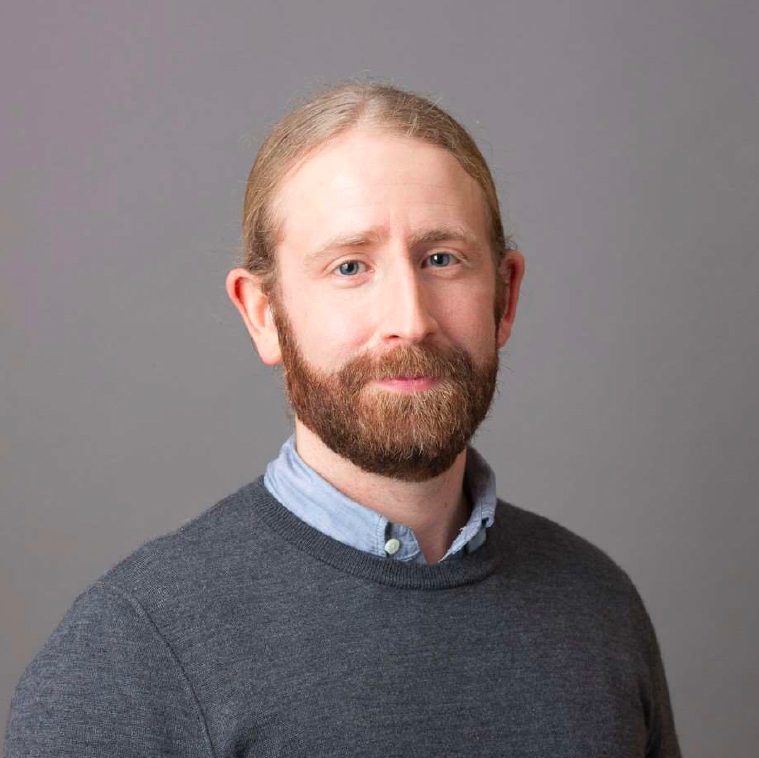
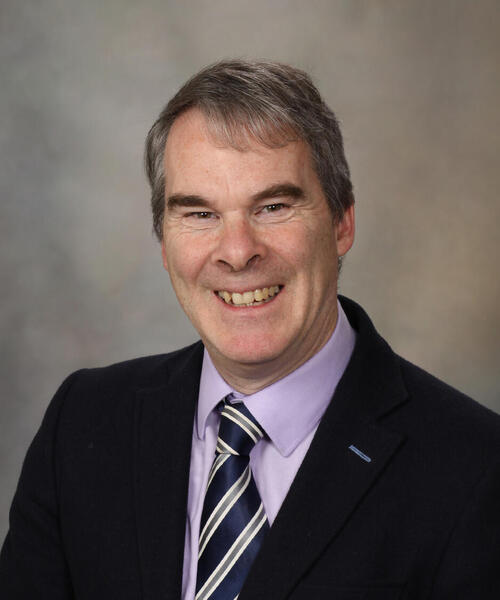
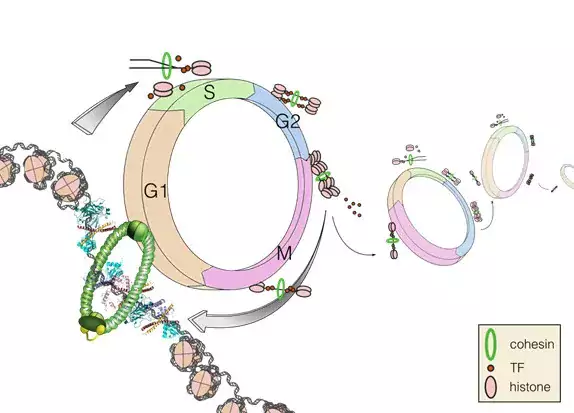
Prof. Cedar Howard is a distinguished Professor of Molecular Biology at the Hebrew University Medical School. His career spans decades of groundbreaking research in DNA methylation, gene regulation, and epigenetics, with significant contributions to understanding chromatin structure and transcriptional repression. Research Focus: His work primarily explores DNA methylation mechanisms Epigenetic gene silencing Chromatin dynamics CpG island regulation Transcriptional control Cancer epigenetics Scientific Contributions: His research on methylation patterns in higher organisms, transcriptional repression, and Polycomb-mediated epigenetic marks has shaped modern molecular biology. Notable publications include studies on DNA methylation inheritance, chromatin accessibility, and cancer-related methylation changes. Awards & Honors: Wolf Prize in Medicine (2008) Israel Prize in Biology (1999) Gairdner International Award (2011) Emet Prize in Medicine (2009) Member, Israel Academy of Sciences (2003)
Charalampos Spilianakis is an Associate Professor at the University of Crete with a research affiliation at the Institute of Molecular Biology and Biotechnology (IMBB) of the Foundation for Research and Technology - Hellas (FORTH). His work focuses on the three-dimensional organization of the genome and its critical role in gene regulation within immune cells, particularly T cells. Dr. Spilianakis earned his PhD in 2003 from the University of Crete in Biochemistry, Molecular Biology, Cellular and Developmental Biology. His academic career has been dedicated to understanding how nuclear architecture influences cellular function and gene expression patterns. His research program investigates both cis and trans regulatory mechanisms of gene expression, with particular emphasis on how protein complexes generate and maintain long-range chromosomal interactions in immune cell populations. His laboratory employs an integrated approach combining biocomputing, molecular techniques, biochemical assays, advanced imaging, and genetic analyses to explore the field of 3D epigenetics. This work has significant implications for understanding immune cell differentiation and function. Analysis of Dr. Spilianakis' publication record reveals a consistent research trajectory focused on chromatin architecture and transcriptional regulation in immune cells. His contributions include developing protocols for chromosome conformation capture in primary T cells, elucidating SATB1's role in shaping the 3D enhancer network during T cell development, and investigating the nuclear periphery's role in microRNA gene localization. His work bridges molecular biology, immunology, and genomics to advance spatial genomics understanding. Based at IMBB-FORTH (Office A251, Lab A204), Dr. Spilianakis leads a research group that serves as an important hub for investigating the relationship between nuclear architecture and gene expression in the immune system. His laboratory combines cutting-edge molecular and imaging technologies to address fundamental questions about genome organization and its functional consequences in health and disease.
Diana Tavares Ferreira is an Assistant Professor of Neuroscience at the University of Texas at Dallas (UTD) within the School of Behavioral and Brain Sciences . Her research focuses on understanding cellular and molecular mechanisms underlying axonal integrity in sensory neurons, particularly in neuropathies and neurodegenerative diseases. Education & Training: Postdoctoral Researcher in Neuroscience at UTD (2023) PhD in Neuroscience from the University of Sheffield, UK (2018) PharmD/MS in Pharmaceutical Sciences from the University of Coimbra, Portugal (2013) Research Interests: RNA transport dynamics in distal axons Role of non-coding RNAs (e.g., miRNAs) in sensory neuron function Computational integration of multi-omics data (single-cell, spatial transcriptomics) Mechanisms of axon-soma communication and axonal regeneration Her lab, the Axon Biology and Neuroinformatics Lab , combines experimental and computational approaches to decode how RNA regulation impacts nerve health and disease. Awards & Recognition: Peter J. Dyck Abstract Prize (2022) for diabetic neuropathy research Catalyst Studentship (2016) from the Higher Education Funding Council for England Grants & Funding: Data Core UTD PRECISION Pain Center (National Institute of Neurological Disorders and Stroke, 2022–2027) Dr. Ferreira is currently accepting graduate students and collaborates on projects involving spatial transcriptomics and translational control in chronic pain mechanisms.
Pawel Swietach is Professor of Physiology at the University of Oxford, Head of the Proton Transport Group (DPAG), and Handa Tutorial Fellow at Corpus Christi College. His work bridges cardiac physiology , cancer pH biology , and blood oxygen transport , with a focus on acid-base regulation and its therapeutic implications. PhD in Physiology (Oxford, 2004) First Class BA in Physiological Sciences (Oxford, 2001) His research uncovers how pH gradients govern cell function in heart and cancer, including: Proton-calcium crosstalk in cardiomyocytes Metabolic adaptation to acidosis in tumors Biochemical control of oxygen release in stored blood His 15 most recent publications (2020-2025) span Nature Reviews Cancer , Nature Cardiovascular Research , and Cell Reports , focusing on acid-driven oncogenesis, histone modifications from propionate metabolism, and novel methods for imaging oxygen transport. Key findings include tumor-stroma acid exchange via gap junctions and nuclear pH's role in cardiac gene expression. Honors include: ERC Consolidator Grant (2017) Royal Society University Research Fellowship (2008-2016) CRUK-U.S. Fulbright Scholar (2018) Academia Europaea membership (2024) He leads cross-disciplinary projects funded by British Heart Foundation, ERC, MRC, and industry partners, translating pH biology into clinical tools like FlowScore for blood storage quality assessment.
Michele Vendruscolo is a Professor of Biophysics at the University of Cambridge, UK, where he has held academic roles since 2001. He leads the Centre for Protein Misfolding Diseases and serves as Chief Scientific Officer at Wren Therapeutics. His research focuses on protein folding, aggregation, and neurodegenerative diseases like Alzheimer's and Parkinson's, employing computational and experimental methods. Education: BSc in Physics (University of Trieste, 1992), MSc and PhD in Condensed Matter Physics (International School for Advanced Studies, Trieste, 1993–1996). Postdoctoral research includes fellowships at the Weizmann Institute (Israel) and the University of Oxford (UK). Research interests span protein misfolding mechanisms, computational structure determination, antibody design, and drug development for neurodegenerative diseases. He has pioneered methods using molecular dynamics simulations and NMR data to study non-native protein states. Honors include the Royal Society of Chemistry's Soft Matter & Biophysical Chemistry Award (2013), EMBO Young Investigator (2007–2010), and over 300 invited lectures globally. His grants total £38M, and he has secured 8 patents on protein aggregation control and antibody design. He organized over 20 international meetings and contributed to editorial roles in journals like Molecular Biology and Evolution. Labs/Teams: Director of the Centre for Protein Misfolding Diseases and founder of Wren Therapeutics, a biotech firm targeting protein aggregation diseases.
Prof. Beat Keller is a Professor and Head of Molecular Plant Biology and Phytopathology at the University of Zurich's Department of Plant and Microbial Biology (Faculty of Science). His research focuses on molecular mechanisms of disease resistance in wheat against fungal pathogens like Blumeria graminis (powdery mildew) and leaf rust. Key areas include NLR immune receptors, effector proteins, and translational breeding for durable resistance. His group integrates genomics, genetics, and evolutionary biology to identify resistance genes in wheat landraces and wild relatives, leveraging genebanks for crop improvement. Recent work includes the AGENT project exploring Swiss wheat landraces for mildew resistance via k-mer-based GWAS, cloning non-canonical resistance genes like Pm4 and WTK4, and analyzing pathogen co-evolution. He teaches courses like 'Form und Funktion der Pflanzen' and supervises numerous PhD students. His work is funded by EU Horizon 2020 and other grants, emphasizing practical applications in agriculture.
William Howe is an Assistant Professor at the School of Neuroscience, Virginia Tech, where he joined in Fall 2019. He earned his Ph.D. in Neuroscience from the University of Michigan under Martin Sarter, followed by industry experience at Pfizer and postdoctoral training at the Icahn School of Medicine at Mt. Sinai with Paul Kenny. Education : Ph.D. University of Michigan His research focuses on neurobiological mechanisms underlying reward learning, motivation, and executive control, particularly how dysregulation in orexin, cholinergic, and dopaminergic systems contributes to neuropsychiatric and neurodegenerative disorders. His lab employs multidisciplinary methods, including optogenetics, viral gene manipulation, and optical neural activity measurement. Recent publications highlight his work on nicotine addiction, depression, and attention resilience, with trends spanning cholinergic signaling, striatal networks, and gene-editing applications. Key journals include Nature , Nature Neuroscience , and Current Biology .
Richard G. Vile, Ph.D., is a Professor of Immunology at Mayo Clinic in Rochester, Minnesota, with primary appointments as Consultant in the Department of Molecular Medicine and joint appointment in the Department of Immunology. He is also the Richard M. Schulze Family Foundation Professor, an honor awarded in 2008. His research is centered on developing innovative cancer immunotherapies, particularly through oncolytic virotherapy, CAR T-cell therapy, and combination strategies with radiotherapy. Dr. Vile’s research focuses on stimulating antitumor immune responses using murine immune-competent models and syngeneic tumors. His work spans multiple cancer types, including melanoma, prostate cancer, glioma, brain metastases, and hepatocellular carcinoma. A major innovation from his lab is engineering vesicular stomatitis virus (VSV) to express tumor antigen libraries, enhancing immune recognition and destruction of tumors. His recent publications reveal a strong emphasis on enhancing CAR T-cell efficacy, overcoming immune evasion, and combining oncolytic viruses with checkpoint inhibitors. These studies highlight his leadership in advancing immunovirotherapeutic strategies for solid tumors, particularly through genetic engineering of viral vectors and immune cell therapies. The Richard M. Schulze Family Foundation Professor (2008) Dr. Vile has secured substantial research funding from the National Cancer Institute and the National Institute of Allergy and Infectious Diseases, supporting active projects into 2026. He is directly involved in clinical translation, including an ongoing trial for hepatocellular carcinoma using a VSV-based therapy. He mentors a research team and collaborates internationally, particularly with researchers in the UK. His lab is part of the Mayo Clinic Comprehensive Cancer Center and the David F. and Margaret T. Grohne Cancer Immunology and Immunotherapeutics Program.
Grégory Batt is a Researcher and Head of the InBio joint research group at the Institut Pasteur and Inria Paris. The lab operates at the intersection of wet and dry biology, focusing on systems and synthetic biology with an emphasis on automation, modeling, and real-time control of cellular processes. The team is affiliated with both institutions and hosts a multidisciplinary group of researchers, engineers, and students. The research interests of Grégory Batt span systems biology, synthetic biology, quantitative modeling, lab automation, bioproduction, and single-cell analysis . His work integrates computational and experimental approaches to develop frameworks for understanding and controlling cellular behavior. Key methodologies include the use of synthetic biology, microfluidics, optogenetics, and robotics. The lab has developed innovative software tools such as ReacSight and MicroMator to enable automated and reactive experimentation. Recent publications highlight trends in real-time control of bioproduction, optimization of protein secretion, parameter inference in stochastic models, and ecological frameworks for antibiotic resistance . These works demonstrate a strong focus on integrating modeling with high-throughput experimentation to solve problems in biotechnology and medicine. Scientific contributions include: Development of ReacSight for bioreactor automation and reactive control Creation of MicroMator for reactive microscopy Application of ecological concepts to bacterial antibiotic responses Modeling stochastic kinetics coupled with auxiliary processes Batt advises several PhD students and postdoctoral researchers, including Henri Galez, Alicia Da Silva, Cecilia Capela, and Viktoriia Gross. His lab has received support from ANR, Inria, and other funding bodies. The InBio team operates a state-of-the-art laboratory equipped with bioreactors, liquid handling robots, flow cytometers, automated microscopes, and high-performance computing resources, enabling advanced research at both population and single-cell levels. The lab, located at the Yersin and Lwoff buildings of the Institut Pasteur in Paris, fosters a collaborative environment integrating molecular biology, microbiology, and computational modeling to advance quantitative understanding of cellular systems.
Jussi Taipale is a Professor of Medical Systems Biology at Karolinska Institutet and holds professorships at University of Helsinki. His research focuses on transcription factor binding mechanisms , cancer genomics , and gene regulatory networks . The interdisciplinary Taipale Lab operates across three international locations: Wellcome Sanger Institute (UK), Karolinska Institutet (Sweden), and University of Helsinki (Finland), with over 20 members including senior scientists, postdoctoral fellows, and graduate students. Ph.D., University of Helsinki (1996) Postdoctoral training: University of Helsinki, Johns Hopkins University Research spans transcription factor cooperativity , epigenetic regulation , chromatin accessibility , and noncoding mutation analysis . Key methodologies include HT-SELEX , CUT&RUN , ATI assays , and CRISPR-based functional genomics . The lab has significantly advanced understanding of Myc-driven oncogenesis , TF-nucleosome interactions , and dinucleotide specificity mechanisms . Notable discoveries include chromatin context-dependent enhancers , water-mediated DNA recognition , and novel composite transcription factor motifs . The group maintains active collaborations across Europe and has trained numerous alumni now leading academic and industry positions worldwide.
Prof. Dr. Michaela Frye is a full Professor at the German Cancer Research Center (DKFZ) in Heidelberg, Germany, where she leads a research group focused on gene expression mechanisms regulating stem cell fate in normal tissues and cancer. She has held this position since 2019 and was appointed deputy scientific director at DKFZ in 2023, highlighting her leadership in cancer and stem cell research. Her research interests lie at the intersection of stem cell biology and cancer, particularly in understanding how dysregulation of gene expression and RNA metabolism influences cell fate decisions and contributes to tumorigenesis. With a strong background in molecular and developmental biology, her work spans epithelial biology, RNA modification, and regenerative mechanisms, aiming to uncover fundamental processes underlying tissue homeostasis and disease. Dr. Frye's research trajectory has been supported by prestigious awards, including a Cancer Research UK Career Development Fellowship, a Cancer Research UK Senior Fellowship, and an ERC Consolidator Grant. These recognitions reflect the impact and innovation of her work in advancing the understanding of stem cell function in health and disease. Cancer Research UK Career Development Fellowship Cancer Research UK Senior Fellowship ERC Consolidator Grant Throughout her career, Dr. Frye has led independent research groups, first at the Wellcome Trust – Medical Research Council Cambridge Stem Cell Institute and currently at DKFZ. She has secured significant grant funding, demonstrating sustained research excellence and leadership. While no direct mention of student advising is made, her role as a group leader and professor implies mentorship of junior scientists and trainees within her lab. Dr. Frye's research is conducted within her independent group at the DKFZ, which functions as a core component of her scientific team. The group investigates molecular mechanisms of gene regulation in stem cells, particularly focusing on post-transcriptional control and RNA modifications in the context of tissue maintenance and cancer development.
Professor Tomasz Puzyn is affiliated with the University of Gdańsk , where he serves as Head of the Laboratory of Environmental Chemoinformatics within the Faculty of Chemistry and the Department of Environmental Chemistry and Radiochemistry. His research focuses on advancing predictive models for nanomaterial and chemical safety through chemoinformatics, machine learning, and Adverse Outcome Pathways (AOPs). Research Interests: Environmental Chemoinformatics Nanotoxicology QSAR/QSPR Modeling Machine Learning in Risk Assessment Endocrine Disruption Mechanisms Safe-by-Design Nanomaterials Recent Work Trends: Development of in silico New Approach Methods (NAMs) for nanomaterial genotoxicity and endocrine disruption Integration of transcriptomic data with AOPs for predictive toxicology Adsorption mechanisms of PFAS using modified biochar and metal oxides Quantum chemistry applications for environmental fate prediction Machine learning frameworks for drug delivery nanocarriers Harmonization of data reporting for regulatory acceptance Laboratory: Laboratory of Environmental Chemoinformatics Collaborative projects: CompSafeNano, HBM4EU
Maria Mercedes Lopez Fernandez is a Professor at the Department of Food Hygiene and Technology within the Faculty of Veterinary Medicine at the University of León. She specializes in food safety and preservation technologies, particularly focusing on microbial control in food processing environments. University of León Faculty of Veterinary Medicine Department of Food Hygiene and Technology Research Group: NEWTEC (NEW Technologies for Food Preservation and Food Safety) Research Focus: Her work examines microbial communities in food systems, biofilm control using non-thermal atmospheric plasma, antimicrobial resistance dynamics, and biopreservation techniques. She has developed optimized DNA extraction protocols and studied Listeria monocytogenes control through plasma-activated water and lactic acid bacteria. Recent Article Trends: Show strong emphasis on microbiome analysis of food processing environments, antimicrobial resistance gene tracking, and plasma-based decontamination methods across meat and dairy industries.
Dr. Rebekka Burkholz is a tenured faculty member at the CISPA Helmholtz Center for Information Security in Saarbrücken, Germany, leading the Relational Machine Learning Group . Her research bridges machine learning and complex network science to develop robust, data-efficient models with applications in molecular biology. Previously, she held positions at Harvard T.H. Chan School of Public Health and ETH Zurich. PhD in Systems Design (2016) from ETH Risk Center Mathematics and Physics BSc/MSc from TU Darmstadt Her work focuses on sparse training methods and theoretical deep learning , addressing challenges like computational efficiency and adversarial robustness. Recent publications explore: Sparse training via implicit sparsification GNN optimization through rescaling and rewiring Integration of domain knowledge in biomedical modeling Theoretical guarantees for batch normalization and lottery tickets Scientific awards include: Zurich Dissertation Prize (2016) CSF Best Contribution Award (2016) She actively advises PhD students and collaborates with interdisciplinary teams in biostatistics and systems biology.
Susanne Schaller is an Assistant Professor at FH Hagenberg's Research Center Hagenberg, specializing in Medical Engineering and Bioinformatics. She leads interdisciplinary projects focusing on AI-driven solutions in healthcare, including applications in oncology, immunology, and geriatric care. Her work integrates machine learning with genomic data analysis to address challenges in disease diagnosis and treatment. Her research interests include machine learning techniques for gene expression prediction, bioinformatics tool development, and AI applications in chronic disease management. Notable projects include the SmartBeetle initiative (AI-based pest control) and TrainYourBrain Optimizer (Alzheimer’s training software). Projects: 8 active/completed projects (e.g., BF-SigSim, ImmuneProfiler) Collaborations: Interreg Austria-Czech Republic, MAS Demenzservicestellen Key Focus Areas: T-cell signaling, mutation identification in leukemia, and AI-driven healthcare systems Her work bridges computational methods with clinical needs, exemplified by her role in developing IMPI—a tool for low-frequency mutation analysis in chronic myeloid leukemia. She has authored 66+ research outputs, including peer-reviewed articles and commissioned reports on healthcare innovation.