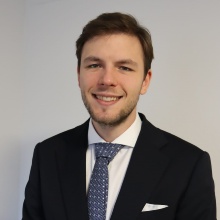
Koenraad Gieskes serves as a Lecturer and Assistant Director for the Engineering Design Division at Binghamton University's Thomas J. Watson College of Engineering and Applied Science . He holds both a BSME and MSME from Binghamton University and focuses on engineering education with an emphasis on equity, inclusivity, and active learning pedagogy. Education BSME, Binghamton University MSME, Binghamton University His research explores gender disparities in engineering education , group dynamics , and visual learning techniques . Recent publications investigate the impact of group size and gender ratios on student experiences, as well as ethical reasoning and teamwork assessment methods. Scientific Awards Chancellor's Award in Teaching (2019) He teaches Sustainability Engineering courses, co-directs the STEP and UBMS programs, and leads the Equity in Engineering and Education Research (E3) Group. He has also contributed to K-12 STEM summer camps for over 15 years.
Dr. Sandra Diaz Pier is a Scientific Lead at the Jülich Supercomputing Centre (JSC) within the Jülich Research Centre , Germany. Specializing in computational neuroscience , high performance computing (HPC) , and machine learning , she bridges neuroscience and advanced computational methods through her research. Education: B.Sc. in Electronic Systems Engineering, Mexico M.Sc. in Computer Science (focus: machine learning, quantum computing), Mexico Second M.Sc. in Electrical Engineering, Ontario, Canada Ph.D. in Computer Science, Germany (2021) Her research focuses on modeling and simulating brain dynamics and plasticity at multiple scales, leveraging HPC to accelerate large-scale neural network simulations. She actively contributes to EU projects like the Human Brain Project (HBP) , Virtual Brain Cloud , and EBRAINS 2.0 , emphasizing infrastructure development and educational training. Her work includes open-source tools such as the NEST simulator , The Virtual Brain , and L2L , enabling efficient parameter exploration and multiscale co-simulation frameworks. The 15 most recent publications highlight her interdisciplinary approach, spanning topics from quantum computing in biomolecular simulations to neural plasticity algorithms and cloud-based brain modeling . These articles reflect her expertise in integrating machine learning , multi-scale simulation , and HPC infrastructure for neuroscience challenges, including seizure propagation, Parkinson’s disease progression, and swarm intelligence in spiking networks. She leads technical coordination in projects like EBRAINS and serves as a task leader in the HBP infrastructure work package , while also organizing workshops and hackathons for open-source tools. Her role involves supporting domain scientists through methodological research and workflow optimization for brain simulations.
Professor Brenda Dvoskin serves as a faculty member at Washington University in St. Louis School of Law, teaching Feminist Legal Theory and Torts while pioneering research at the intersection of sexuality, technology, and legal frameworks. Her work critically examines digital consent architectures, privacy invasions, and participatory governance models in online environments. Her academic credentials include: S.J.D. from Harvard Law School (2023) LL.M. from Harvard Law School (2018) Law degree from Torcuato Di Tella University, Argentina (2015) Dvoskin's research synthesizes feminist legal theory with digital rights advocacy, focusing on how algorithmic systems impact sexual autonomy and privacy. She investigates the structural failures in content moderation systems that perpetuate gender-based harms while developing frameworks for trauma-informed digital consent protocols. Her scholarship bridges theoretical legal analysis with practical interventions in platform governance. Analysis of her 2022-2025 publications reveals three dominant trajectories: (1) deconstruction of 'safety' narratives in Big Tech feminism, (2) forensic examination of democratic deficits in platform governance, and (3) development of counter-surveillance methodologies for sexual privacy violations. These works consistently challenge technocratic solutions while centering marginalized experiences in digital policy design.
Reyna García-Ramos is a Professor of Education and Chair of the Department of Education and Pedagogy at Pepperdine University's Graduate School of Education and Psychology (GSEP). She directs the Teacher Preparation Program (TPP) and Master of Arts in Teaching (MAT) program, teaching across undergraduate and graduate preservice teacher pathways. PhD, University of California, Santa Barbara BA, University of California, Los Angeles Research Focus: Addressing academic challenges faced by emergent bilinguals in California's public schools through university-school partnerships. Key areas include culturally relevant curricula, English language learner support, and bilingual education frameworks. Publications highlight lifelong learning, parent engagement practices, gender-specific educational approaches, and pedagogical innovations for multilingual learners. Her work emphasizes cross-cultural methodology and educational equity. Professional Affiliations: Secretary, CABTE (California Association for Bilingual Teacher Education) Member, AACTE Programmatic Advisory Committee At-Large Board Member, CCTE (California Council on Teacher Education)
Dr. Soyeon Lee serves as Assistant Professor of Rhetoric and Writing Studies in the Department of English at the University of Texas at El Paso's College of Liberal Arts. Her academic work centers on transnational communication frameworks within multilingual community contexts, particularly examining disaster recovery systems and social justice initiatives through rhetorical and design lenses. Her educational credentials include: Ph.D. in English with concentration in Rhetoric, Composition, and Pedagogy (University of Houston) Graduate Certificate in Teaching Technical Communication (Texas Tech University) Dr. Lee's research explores transnational writing practices , environmental disaster rhetoric , and equitable user experience design with emphasis on community-engaged pedagogy across linguistic borders. Her current monograph investigates how multilingual writers navigate climate disaster recovery communication, revealing critical gaps in institutional accessibility frameworks. This work intersects with anti-racism advocacy, as seen in her coalition-building research addressing anti-Asian violence. Recent publications demonstrate consistent focus on disaster recovery systems (2021-2024), with growing emphasis on transnational justice frameworks. Her scholarship consistently bridges academic theory and community application, particularly through multilingual UX design for vulnerable populations. Professional recognition includes: ACM SIGDOC 2021 Best Paper Award for COVID-19 recovery research While advising activities and grant funding details aren't specified in source materials, Dr. Lee's collaborative publications indicate active engagement with community partners and interdisciplinary teams. Her work consistently emphasizes trans-border implementation, suggesting ongoing fieldwork with border communities despite no formal lab structure being mentioned.
Giacomo De Giorgi is Full Professor of Economics at the Institute of Economics and Econometrics, Geneva School of Economics and Management (GSEM), University of Geneva, and holds visiting appointments at UC Irvine. An alumnus of University College London (Ph.D.), he previously served as assistant professor at Stanford University (2006–2013), visiting professor at UC Berkeley and Columbia University, research professor at ICREA-MOVE/Barcelona GSE, and senior economist at the Federal Reserve Bank of New York (2014–2016). He is an associate editor of the Journal of the European Economic Association and a research fellow of CEPR and BREAD. Education Ph.D. in Economics, University College London Research Interests De Giorgi’s research integrates applied micro-econometrics with policy-relevant questions in development, labor, and household finance. His work explores how social networks shape economic decisions, the distributional impacts of cash and in-kind transfer programs, lifecycle inequality across racial and migrant groups, and the determinants of micro-enterprise formalization. Methodologically, he leverages large-scale randomized controlled trials, quasi-experimental designs, and cutting-edge network econometrics. Recent projects investigate: • Consumption and inequality : quantifying racial gaps in income and consumption dynamics over the lifecycle; • Financial inclusion : analyzing credit market imperfections, subprime borrowing, and the effects of business literacy interventions; • Migration and integration : comparing economic trajectories of migrants and natives in Denmark and the impact of refugee inflows on child poverty. Publications & Impact With more than 25 peer-reviewed articles in top journals—including the American Economic Review , Review of Economic Studies , Economic Journal , and Journal of Public Economics —De Giorgi’s scholarship has advanced understanding of social spillovers, program evaluation, and macro-financial linkages. His 2020 Review of Economic Studies paper on “Consumption Networks Effects” (with Frederiksen & Pistaferri) has become a benchmark for identifying neighborhood and family influences on household spending. Scientific Awards 2020 Banamex Prize for the best article published in American Economic Journal: Economic Policy Seminar & Grant Activity De Giorgi co-founded and co-organizes the Virtual Development Economics Seminar (VDEV), a joint initiative of BREAD, CEPR, and VDEV that hosts weekly online seminars reaching a global audience. He has delivered over 150 invited talks at institutions such as the World Bank, NBER, LACEA, and universities across five continents. His research has been supported by grants from the World Bank, CEPR, and private foundations. Teaching & Programs At Geneva, he teaches Development Economics, Labor Economics, and Advanced Econometrics at both graduate and executive levels. He co-founded the IEE Honors’ Program, an innovative selective track that immerses top undergraduate students in frontier research and policy engagement.
Pauline Leonard is Professor of Sociology and Associate Dean (Research & Enterprise) in the Faculty of Social Sciences at the University of Southampton. As a Director of the Web Science Institute and founding member of the Work Futures Research Centre, she holds fellowships with the Academy of Social Sciences (FAcSS), Royal Society of Arts (FRSA), and Alan Turing Institute. Her research examines diversity and changing nature of work through lenses of gender, race, age and social background. Core interests include: Impact of technological change on working lives and careers Skilled migration and whiteness studies Organizational transformation in digital economies Trustworthy human-AI collaboration systems Recent publications (2022-2024) demonstrate strong focus on technology's societal impacts, particularly AI ethics in security systems, automation effects on labor, and racial/gender dynamics in tech industries. Research consistently addresses inequality mechanisms through socio-technical frameworks. Awards and honors: Fellow, Academy of Social Sciences (2016) Turing Fellow (2021) Fellow, Royal Society of Arts (2018) Currently leads multiple UKRI-funded projects including 'Trustworthy Human Robot Teams' and 'Verifiably Safe and Trusted Human-AI Systems'. Supervises five PhD students researching sociology, social policy, and web science. Maintains active speaking engagements on migration, digital futures, and post-pandemic work.
Alice Wickström serves as Assistant Professor in the Department of Management Studies at Aalto University, where she conducts interdisciplinary research at the intersection of organization studies, gender theory, and digital labor. Her work critically examines contemporary workplace transformations through feminist and psychoanalytic lenses, with particular focus on power dynamics in algorithmic management systems and digital consumer culture. Wickström's research program investigates how digitalization reshapes organizational subjectivity, examining phenomena like reactive consumer anxiety, spatial reconfigurations in startup ecosystems, and the material manifestations of gendered inequality. She employs innovative methodologies including diffractive reading and affect theory to analyze countercultural collectives, algorithmic erasure practices, and embodied organizing processes. Her theoretical contributions extend to posthuman perspectives on the Anthropocene's impact on organizational thought and alternative conceptualizations of strength in leadership contexts. Analysis of her 2023-2025 publications reveals three dominant research trajectories: (1) critical examinations of digital labor platforms and algorithmic management; (2) explorations of gendered materiality and embodied workplace practices; and (3) theoretical interventions addressing the Anthropocene, pandemics, and posthuman challenges to organizational theory. Her work consistently demonstrates international collaboration patterns, particularly with Nordic and Anglo-American scholars, while maintaining strong connections to critical management traditions through publications in Gender, Work & Organization and Organization Studies.
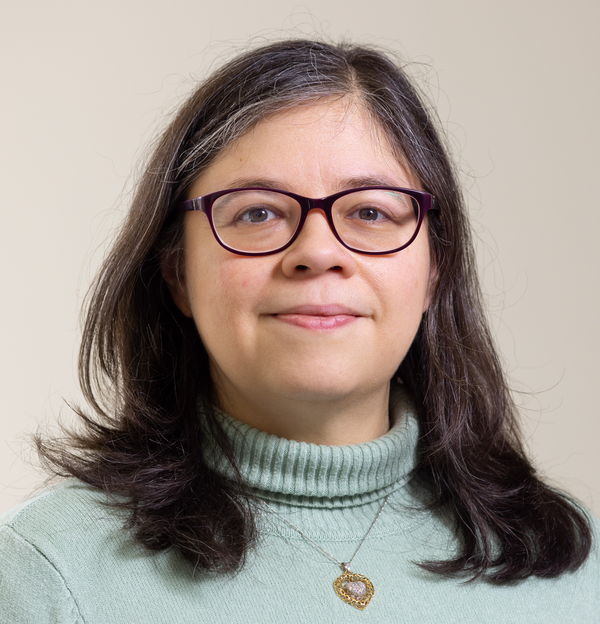
Dr. Sam Chenery-Morris is the Executive Dean of the School of Business, Arts, Social Sciences and Technology at the University of Suffolk, with a 30-year career in midwifery and higher education. She has served in roles ranging from Lecturer to Dean, focusing on strategic planning, curriculum development, student experience, and research. PhD in Education (2017) Advance HE Senior Fellow (2016) Leadership in midwifery education and the Block and Blend pedagogy (2021–2023) Her research spans higher education pedagogy, student assessment, intersectionality, social justice, and systemic racism in midwifery education. Recent funded projects examine inclusive menopause practices in East of England healthcare sectors. Articles reflect her expertise in midwifery education , gender dynamics , nutritional guidelines , and qualitative methodologies . Trends include systemic critiques of healthcare education and evidence-based clinical advice. Advance HE Senior Fellow Sam supervises three PhD students and numerous undergraduate nursing dissertations, contributes to international midwifery projects, and serves on the NICE Antenatal Care Guideline committee (2018–2021). She has led curriculum validations for nursing and midwifery programs and collaborated on national grading frameworks for midwifery practice.
Cecilie Pedersen Dalland is a Professor at the Faculty of Teacher Education and International Studies , Oslo Metropolitan University (OsloMet), with affiliation to the Department of Primary and Vocational Teacher Education . She holds a doctorate from the University of Oslo's Institute of Educational Research and has taught at OsloMet, the University of Oslo, and other institutions. Doctorate: University of Oslo (Institute of Educational Research) Master of Education: University of Oslo (Pedagogical Research Institute) General Teacher Education: Oslo University College (Department of Teacher Education) Her research focuses on classroom practices , self-regulation , gender dynamics , and school-home collaboration . She has been pivotal in evaluating the six-year reform (Reform 97 to Fagfornyelsen) and contributes to the FRAME project on reading across mediums. Her publications span topics like inclusive mathematics teaching , qualitative data reuse , and trauma-informed pedagogy . Recent trends in her publications include equity in Nordic education models , methodological pluralism , and crisis-driven pedagogical shifts . She currently teaches master's courses in pedagogy (M5GPE4100/5100), leads the ProFPED master's course (MGMO5900), and oversees doctoral training in classroom research (PHUV9370). She is involved in the Welfare Access Through Technology (WATT) research group and has contributed to projects like Inclusive Mathematics Teaching (IMaT) and Classroom practices 20 years later .
Sonia Adam-Ledunois is a Senior Lecturer at Paris Dauphine-PSL University , where she conducts research at the DRM Laboratory (UMR CNRS 7088 - M-Lab team) and serves as an associate researcher at the Cercle de l'innovation (Fondation Dauphine) . Since 2024, she has been Vice-President of Paris Dauphine-PSL University, focusing on partnerships and corporate relations. Her research explores cooperation between internal and external actors, innovative organizational configurations , and the interplay between collaborative dynamics, openness, and societal impact. She is a pioneer in integrating science fiction as a research tool to analyze and prototype management practices, theories, and R&D processes. Adam-Ledunois is also a member of the scientific committee for the Red Team Defense program (Ministry of the Armed Forces, France). Her work emphasizes research-intervention and collaborative research in sectors like automotive, medico-social, reception-accommodation-integration, ESS (Economie Sociale et Solidaire), and defense. She leads the House of Entrepreneurship at Paris Dauphine-PSL and co-created the Observatoire de l'innovation managériale and the Musée du Management . She teaches social innovation , impact-driven entrepreneurship , and management innovation , while advising on research methodology. Her scientific contributions span organizational innovation , science fiction applications , gender dynamics , and collaborative tools . She is involved in foundations like Fondation Dauphine and Fondation Tasmane , focusing on responsible digital transformation and social impact. Additionally, she chairs the scientific committee of the Résidence de recherche pour le bien commun .
Anita Maria Tabacco is a Full Professor at the Department of Mathematical Sciences (DISMA) of Politecnico di Torino, with a focus on Engineering Education and Harmonic Analysis. She holds multiple administrative roles, including Rector's Delegate for Transparency and Internal Communication, Director of the University Observatory for academic dynamics, and Head of the INDAM local unit. Education: PhD in Mathematics, Washington University in St. Louis (1986) Research: Harmonic and Functional Analysis, Applications to PDEs, Gender Equality in STEM Her recent publications highlight intersections of mathematical analysis, educational technology, and gender diversity initiatives. She has led Erasmus+ projects like HerTechVenture and W-STEM to empower women in tech. Tabacco supervises PhD students including Maria Giulia Ballatore and contributes to textbooks such as Palestra di Analisi Matematica I . She co-leads the TEACH research group at DISMA, integrating pedagogical innovation with advanced mathematics.
Samantha Donnelly is a Lecturer at the University of Technology Sydney (UTS) , specifically within the School of Interior Architecture under the Faculty of Design, Architecture and Building . Her academic and professional work focuses on trauma-informed design and sustainable architecture that addresses the needs of vulnerable communities, particularly women and children escaping domestic violence. PhD from Monash University (2018-2024) on women's refuges and trauma-informed design. Developed a Design Guide for Refuge Accommodation (2020) under a UTS Shopfront Fellowship, influencing NSW government policy and funding. Collaborated with Hobart Women’s Shelter and Core Collective Architects on trauma-informed therapy spaces, with construction slated for 2025. Research Interests center on domestic violence support housing , older women’s housing , human-centered design , and interdisciplinary education . Her 2022 Good Design Award Gold recognized her work on older women’s housing. Her 15 most recent publications (2025-2020) span trauma-informed design , social housing policies , empathy in design education , and gender-specific architectural solutions . These works bridge architecture , public health , and urban policy . Awards : Good Design Award 2022 (Gold for Research) for Design Guide for Older Women’s Housing . Teaching & Supervision includes leading First Year Communication , Third Year Design Studio , and Master’s projects on trauma-informed design. She has supervised students in refuge and social housing projects. Service roles include membership in the UTS Domestic Violence Steering Committee (2017) and the First Year Experience Forum (2015). She has secured grants for Aboriginal housing in NSW and correctional facility design .
Andrea Zeffiro is an Associate Professor at McMaster University's Department of Communication Studies and Media Arts. From 2015–2025, she served as Academic Director of the Lewis and Ruth Sherman Centre for Digital Scholarship. Education: PhD in Communication Studies (Concordia University) SSHRC Postdoctoral Fellowship (Simon Fraser University) Research Focus: Her work spans critical data studies, cybersecurity ethics, data justice, and digital research methods, with a focus on feminist and queer perspectives in technology. She explores immersive media, virtual environments, and the social implications of data systems. Recent Publications: Her 15 most recent works analyze digital scholarship infrastructure, cybersecurity narratives, and ethical frameworks for locative media. Key themes include democratizing technology, challenging algorithmic biases, and preserving digital activism. Awards: 2025 University Scholar Societal Impact Seed Grant ($85,000) SSHRC Postdoctoral Fellow Notable Projects: The collaborative digital storytelling project Techno Trash is featured in digital humanities guides at Loyola University, Virginia Tech, and Northwestern University. She has exhibited work at Banff New Media Institute and California Nanosystems Institute.
Dr. Tobias Bahr is a computer science education researcher at the Institute of Educational Science , University of Stuttgart , focusing on technology didactics. He holds a PhD (Dr. phil.) in educational science and teaches courses on computer science didactics, educational research methods, and quantitative methodologies. Education: 1. Staatsexamen in Mathematics and Computer Science (2014–2021), University of Stuttgart; Erasmus+ Exchange, University of Bergen (2017–2018) His research focuses include computational thinking , gender dynamics in STEM , and AI integration in education . He leads projects like MakeTechEarly (2024–2027) and LPI (2023–2025), examining interdisciplinary STEM programs and teacher training interventions. Recent publications analyze AI chatbot usage in higher education, hybrid teacher training models, and computational thinking in early education. He has presented at conferences including EDUCON , ISSEP , and WiPSCE , with a focus on empirical studies and evidence-based practices. Teaching portfolio includes Didactics of Computer Science I/II and Quantitative Research Methods . He has developed AI-assisted task differentiation tools and conducted workshops on agile teaching methods in computer science education.


/prod01/channel_2/media/uniofsuffolk/website/content-assets/images/staff-profile-photos/nursing-amp-midwifery/Sam-Chenery-Morris-1.jpg)