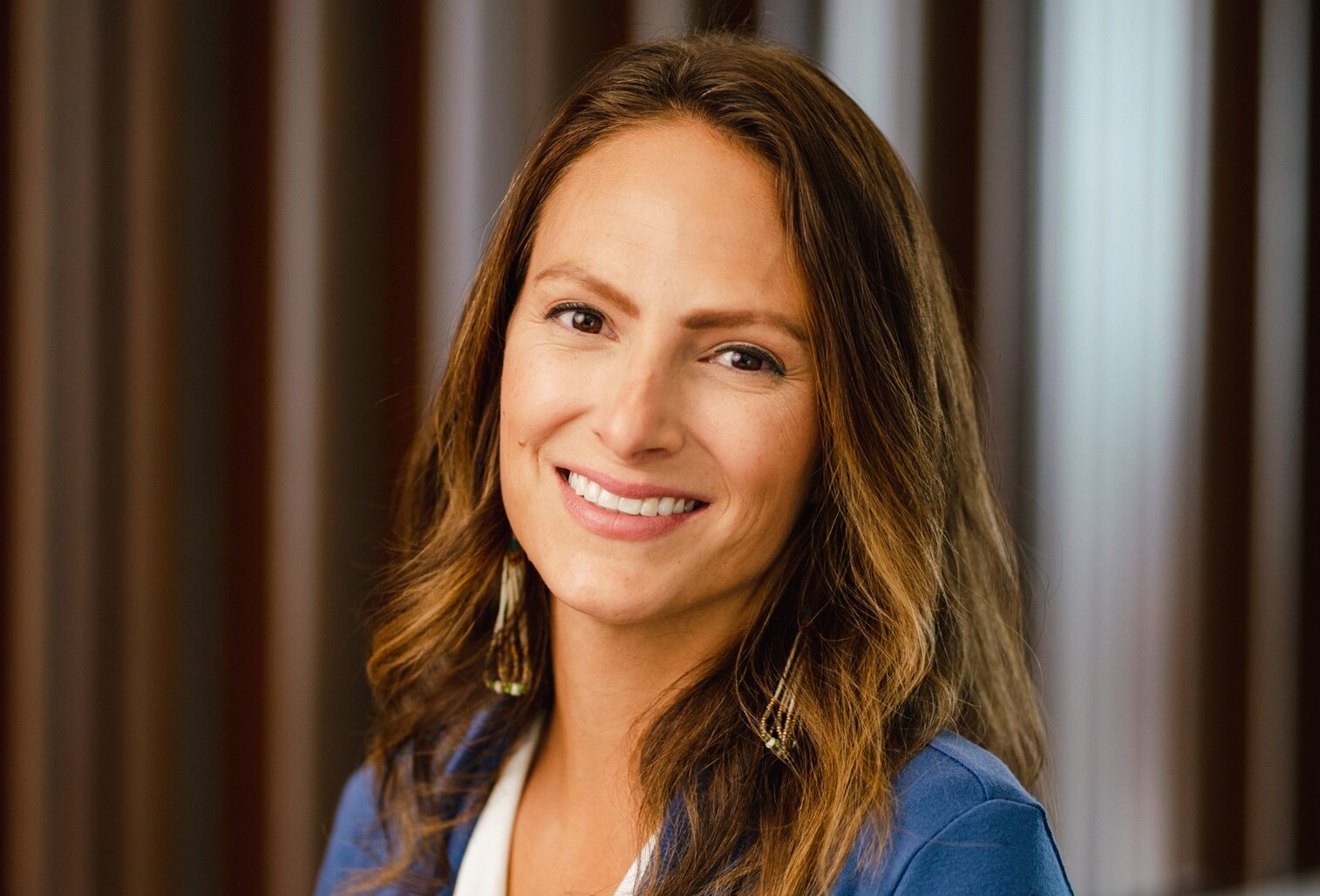
Heather Tanana is a Research Assistant Professor at the University of Utah College of Law and affiliated with the Wallace Stegner Center for Environmental Law . Her work bridges Environmental Law and Indian Law , focusing on water rights, climate change, and health equity in Tribal communities. Expertise : Environmental Law, Indian Law, Water Security, Climate Justice, Tribal Sovereignty Key Themes : Intersection of legal frameworks with public health, policy advocacy, and Tribal self-determination Her recent research explores: Water insecurity in Indian Country Tribal sovereignty in climate change mitigation Legal barriers to health services in Native communities Policy reform for clean water access Historical evidence in Supreme Court Indian Law cases Her publications highlight interdisciplinary approaches to environmental justice, Tribal governance, and federal policy. She actively engages in regulatory comment processes for agencies like the Bureau of Land Management and USDA.
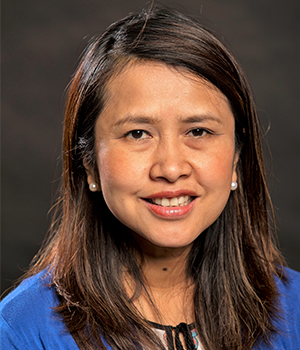
Vipavee Thongpriwan is a Clinical Associate Professor at the University of Wisconsin-Milwaukee , with a focus on mental health nursing, nursing education, and cross-cultural healthcare practices. She has contributed extensively to research on e-cigarette cessation behaviors in rural communities, dating violence among adolescents, and cultural competency in nursing education. Education: BSN, Boromarajonani College of Nursing Chonburi, Thailand (1994) MNS, Mahidol University, Bangkok, Thailand (1998) PhD, University of Illinois at Chicago (2008) Research Interests: Dr. Thongpriwan specializes in mental health nursing , qualitative research methodologies , and cross-cultural studies , particularly focusing on interpersonal violence and healthcare disparities among vulnerable populations. Her recent work examines electronic nicotine delivery systems (ENDS) in rural contexts. Scientific Contributions: She has received multiple accolades including the Sigma Theta Tau International Eta Nu Chapter Excellence in Education Award and participated in the UWM Team Initiation Program for ENDS research. Her global collaborations include nursing curriculum development and student exchange programs. Publications: Her scholarship spans qualitative studies on dating violence, cultural competency frameworks, and rural health inequities related to e-cigarette use, reflecting her transdisciplinary approach to public health challenges.
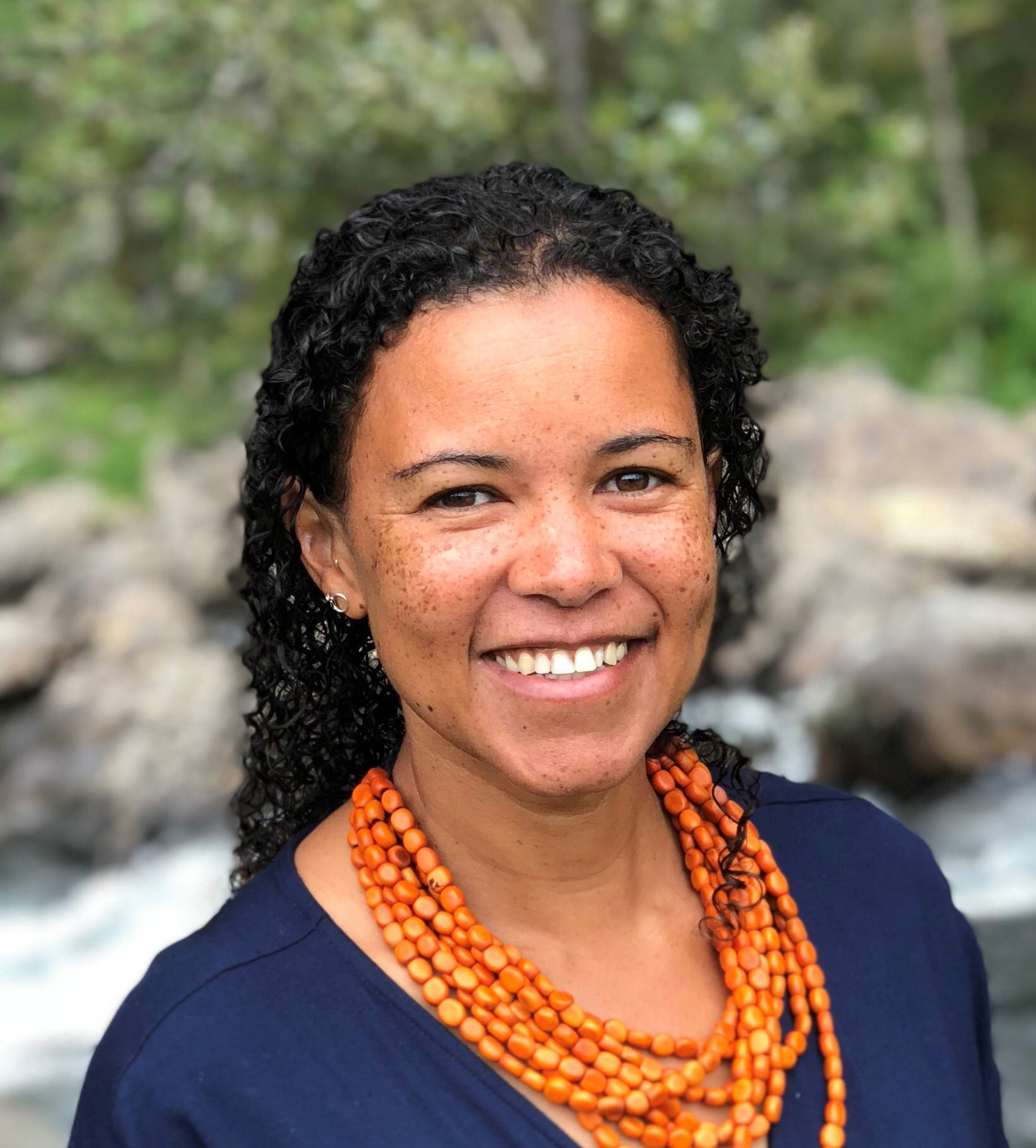
Dr. Albeniz Tuğçe Ezme Gürlek is a Turkish urban planning researcher and faculty member at Ahi Evran University's Faculty of Economics and Administrative Sciences. With a PhD in Urban Planning from Mimar Sinan Fine Arts University (2018) and dual bachelor's degrees from Istanbul and Atatürk Universities, she specializes in urbanization policies, social capital in urban renewal, and cultural heritage preservation. PhD: Urban Planning, Mimar Sinan Fine Arts University (2018) MS: Urban Planning, University of Cincinnati (2014) BA: Urban & Regional Planning, Mimar Sinan Fine Arts University (2009) Her work examines: Urban-rural migration dynamics Post-pandemic urban desire shifts Advocacy planning methods Disaster preparedness spaces Abdal cultural heritage sustainability Accessible campus design Recent publications focus on Anatolian city transformations, with 15+ conference papers (2022-2024) analyzing: Kırşehir Bağbaşı neighborhood renewal Disability access challenges Indigenous cultural integration Urban space quality metrics Social capital dynamics Post-pandemic spatial demands She has served as: Faculty Exam Committee Chair (2024-2025) TÜBİTAK Project Support Committee (2023-) Erasmus Coordinator (2015-2024) AESOP Young Academics Network (2021-) Accessibility Committee member Key awards include: University of Cincinnati International Photograph Competition (2013) International Grant (2013) ELS Language Center Writing/Reading Awards (2010-2011) YLSY Scholarship (2009)
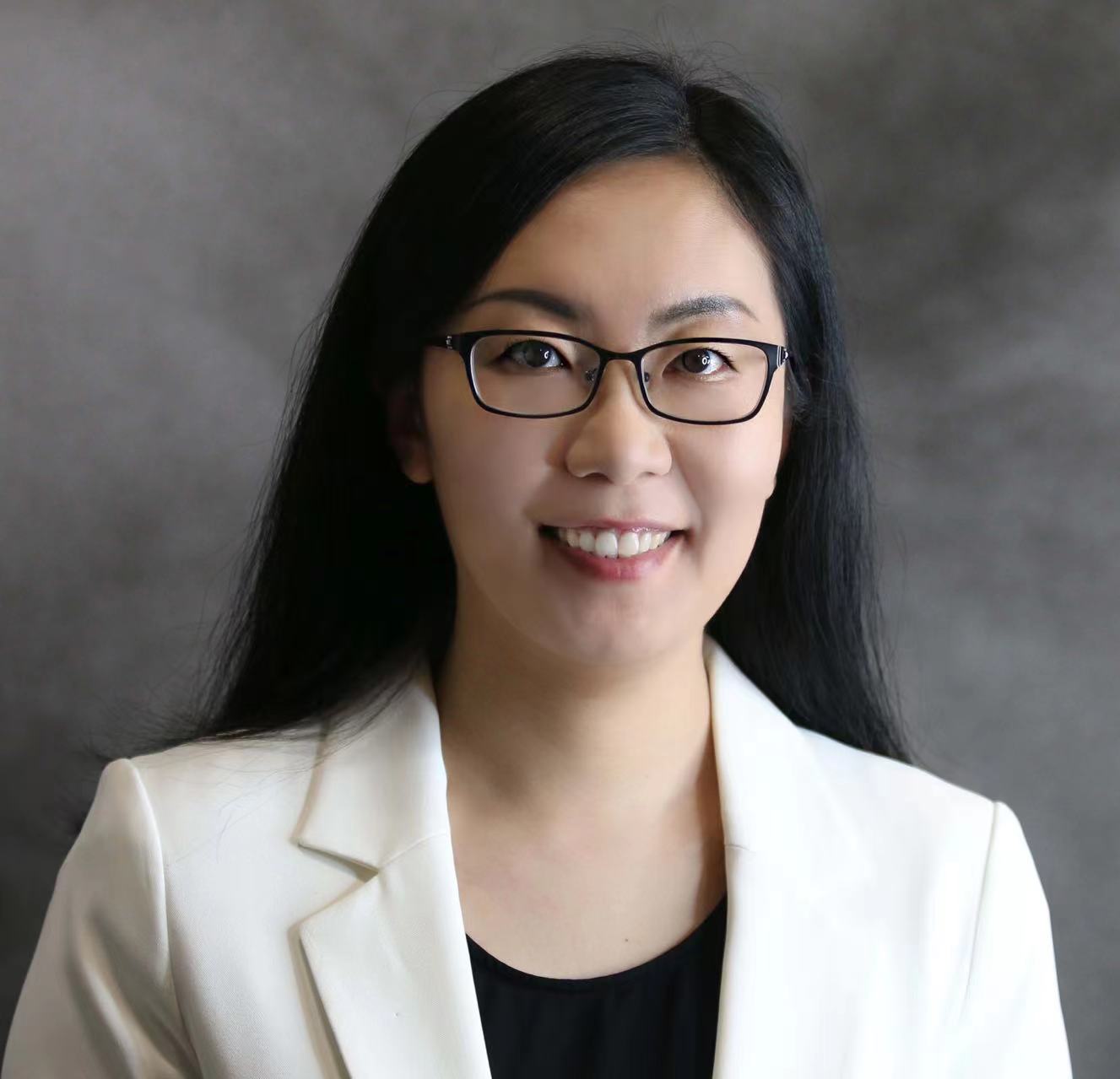
Marvin Phillip Dawkins is a Professor in the Sociology & Criminology Department at the College of Arts and Sciences, University of Miami. His academic career spans several decades with significant contributions to the fields of sociology, criminology, African American studies, and substance abuse research. Dr. Dawkins' research interests focus on: Race and ethnicity studies, particularly African American experiences Substance abuse in diverse populations, especially rural African-American communities Sports sociology with emphasis on race, gender, and power dynamics Youth violence and risk assessment methodologies Health care disparities among immigrant populations Black Studies programs in higher education His scholarly work demonstrates a consistent focus on understanding social inequalities, particularly as they relate to race, gender, and health outcomes. Dr. Dawkins has published extensively on the development of Black Studies programs following academic scandals, the intersection of race and sports, and health care alternatives among Haitian immigrants in South Florida. His research often employs both quantitative and qualitative methodologies to examine complex social phenomena. Dr. Dawkins has received attention for his work, with publications picked up by 28 news outlets and referenced in Wikipedia pages. His research on Black Studies programs and sports sociology has generated significant academic discussion. Throughout his career, Dr. Dawkins has maintained active engagement with issues of social justice, educational equity, and health disparities. His work bridges academic research with practical implications for policy and social intervention.
Abel Torres, MD, JD serves as Associate Professor at Loma Linda University School of Public Health with concurrent adjunct appointments in Dermatology and Basic Sciences at the School of Medicine. His academic profile bridges clinical dermatology, public health policy, and medical legal frameworks, reflecting his dual medical and legal credentials. His educational background includes a BS from New York University (1977), MD (1979), and JD from Loyola Marymount University (1991). Clinical training encompasses Internal Medicine Internship and Residency at Loma Linda University Medical Center (1979-1982), Dermatology Residency at New York University Medical Center (1982-1985), and specialized fellowships in Advanced Dermatologic Surgery/Mohs Surgery at UCSF (1985-1986) and Wound Healing at NYU Medical Center. Medical Degree: 1979 Juris Doctor: 1991 BS: 1977 Torres' research spans dermatologic surgery, skin cancer management, medical ethics, and medicolegal issues. His work examines ethical dilemmas in cosmetic procedures, teledermatology implementation, diversity in dermatology, and regulatory compliance. Recent publications analyze title protection laws for physicians, adolescent cosmetic procedures, and rural dermatology workforce development, demonstrating his unique intersection of clinical practice and legal scholarship. Analysis of his 60+ publications reveals consistent focus on risk management in dermatologic procedures, evolving standards in Mohs surgery, and ethical frameworks for emerging technologies. His scholarship increasingly addresses healthcare disparities and diversity initiatives alongside traditional clinical topics. Torres contributes to dermatology residency and fellowship programs at Loma Linda, which include ACGME-accredited Procedural Dermatology training. The department offers specialized clinical services in General Adult Dermatology, Pediatric Dermatology, Psoriasis, Phototherapy, and Procedural Dermatology including Mohs surgery and cosmetic procedures. His academic service includes participation in consensus guideline development, as evidenced by co-authorship on ASDS cosmetic dermatologic surgery fellowship milestones and isotretinoin procedural intervention recommendations. His work on cultural competence for 21st century dermatologists reflects commitment to inclusive medical practice.
Professor Christina Hicks is an Environmental Social Scientist at the Lancaster Environment Centre , focusing on human-nature relationships, nutritional security from aquatic systems, and climate change adaptation. Her work spans interdisciplinary research in the Political Ecology group, with field sites in Africa and the Pacific. Her research integrates ecosystem services and social theories to address fisheries sustainability, governance capacity-building, and nutritional equity under climate change. Key projects include the ERC-funded FAIRFISH initiative and contributions to global datasets on fish nutrient composition. Global fisheries governance Small-scale fisheries nutrition Climate change impacts on marine food systems Gender equity in coastal communities Recent articles examine food systems transformations, nutrient disparities, and policy frameworks for equitable ocean management. She was awarded the 2019 Philip Leverhulme Prize for Geography and serves on editorial boards including the Western Indian Ocean Journal of Marine Science . Supervises postgraduate researchers in fisheries, climate adaptation, and wellbeing.
Sara Nyhlen is an Associate Professor in the Department of Humanities and Social Sciences at Mid Sweden University, specializing in sociology with interdisciplinary connections to gender studies, migration research, and public policy. Her work critically examines welfare systems, labor market programs, and social inclusion through feminist and poststructuralist lenses. Her research spans Gender mainstreaming in municipal reorganization EU migrant experiences in Swedish labor markets Rural sociology and place-based inequalities Digitalization's impact on public services Violence prevention narratives She frequently employs qualitative methods including photovoice, discourse analysis, and memory work to explore power dynamics in governance. Recent publications reveal growing interest in spectral politics, gothic criminology, and the intersection of digital transformation with cultural heritage. Her 2024-2025 work particularly focuses on municipal labor market programs and the haunting presence of marginalized EU migrants within welfare systems. Nyhlen actively collaborates on major research projects including "Breaking the cycle": Gang crime prevention initiatives "Local labor market programs": Inclusive employment challenges "HåSa": Sustainable community building in rural areas "Horizons of Opportunity": Academia-culture collaborations Her methodological innovations in combining theoretical frameworks with practical policy analysis have established her as a key voice in Nordic critical social research.
Peng Lu serves as an Assistant Professor in the Department of Agricultural Leadership, Education & Communication at the University of Georgia's College of Agricultural & Environmental Sciences, where he conducts research at the intersection of agricultural communication, consumer behavior, and educational methodologies. His research program focuses on understanding stakeholder responses to agricultural innovations, with particular emphasis on community health and wellness initiatives, critical thinking development in educational contexts (including international settings like Nepal), and consumer acceptance of emerging food technologies such as upcycled foods, gene-edited beef, and nanofoods. His work examines how information sources, message framing, and educational interventions influence decision-making in food systems and sustainable agriculture adoption. Analysis of Dr. Lu's 15 most recent publications (2022-2025) reveals a methodologically diverse research portfolio employing meta-analyses, Delphi studies, and large-scale surveys to investigate factors shaping public perceptions of agricultural innovations. Key trends include the critical role of trust in information sources, the impact of knowledge levels on acceptance, and the effectiveness of tailored communication strategies in overcoming adoption barriers for climate-smart practices and novel food technologies across diverse demographic groups.
Christine Bauhardt serves as Professor and Head of Gender and Globalization at the Albrecht Daniel Thaer Institute of Agricultural and Horticultural Sciences within Humboldt University of Berlin's Faculty of Life Sciences. Her work bridges agricultural sciences with critical gender analysis in global contexts. Her research investigates intersectional dynamics of gender equity during socioeconomic transformations in rural communities worldwide. Key focus areas include: Gender-responsive agricultural policy development Globalization impacts on rural gender roles Sustainable horticultural systems through gender lenses Post-socialist rural transformation processes While her profile confirms active research projects and teaching responsibilities, specific publication records, grant details, and student supervision information remain undocumented in the available institutional materials.
Gabriella Y. Carolini is an Associate Professor of Urban Planning and International Development at MIT's Department of Urban Studies and Planning, where she leads the City Infrastructure Equity Lab (CIEL). Her research focuses on building equitable infrastructure systems in water, sanitation, energy, and communications across Africa and the Americas, with emphasis on governance, financial architecture, climate adaptation, and health equity. Education includes a BA in Political Science from Columbia University, MPhil in Development Studies from Oxford University, and PhD in Urban Planning from Columbia University as an NSF-IGERT fellow. Research explores: Infrastructure finance and governance in Global South cities Fiscal decentralization and equity outcomes Climate-resilient water/sanitation systems Participatory planning and South-South cooperation Publication trends show consistent focus on urban equity, infrastructure governance, and policy evaluation across 20+ peer-reviewed works, with emphasis on spatial justice, fiscal reforms, and community-centered solutions. Awards: NSF-IGERT Fellowship 4× Excellence in Advising Award (DUSP) Excellence in Teaching Award MIT Committed to Caring Award Active Projects: Water/food security with Indigenous communities in Colombia (J-WAFS) Amazonian infrastructure futures (MIT Brazil Fund) Urban climate finance in Africa Leads CIEL research team including postdocs and doctoral students, with extensive advising record spanning 30+ master's/PhD students. Affiliated with MIT's Leventhal Center, CoLab, and GEAR Center.
Helene Ahlborg is a researcher at Chalmers University of Technology specializing in energy futures and societal transformations in East Africa. She investigates the co-evolution of technology and society, focusing on renewable energy systems' impact on rural communities, local economies, and institutional frameworks. Leads a social science team on global energy transitions Co-leads a doctoral training program in Rwanda Active in IEA Users TCP and OECD EPIC Household Survey Her research integrates energy and development studies, sustainability transitions, and feminist theory. She employs interdisciplinary frameworks to analyze energy geographies, innovation ecosystems, and governance structures in decentralized systems. Recent publications examine sociotechnical barriers in energy grids, gender-inclusive entrepreneurship, blockchain-based energy trading, and community-driven development. These works emphasize adaptive designs and institutional strategies for equitable energy access.
Samantha E. John, PhD, serves as Assistant Professor in the Department of Brain Health at the University of Nevada, Las Vegas (UNLV), joining in fall 2019 through the UNLV Population Health and Health Equity Initiative. A geriatric neuropsychologist and cognitive aging researcher, she focuses on enhancing the prediction, measurement, and diagnosis of cognitive change and neurodegenerative disease across diverse populations, with particular emphasis on reducing health disparities. Education: Dr. John earned her doctorate in Clinical Psychology with a geropsychology emphasis from the University of Colorado, Colorado Springs. She completed an APA-accredited internship at UCLA Semel Institute and a postdoctoral fellowship at Emory University School of Medicine. PhD, Clinical Psychology (Geropsychology), University of Colorado, Colorado Springs Internship, Geriatric Neuropsychology, UCLA Semel Institute Postdoc, Neuropsychology, Emory University School of Medicine Research Interests: Dr. John's research program integrates three complementary strands: (1) modeling causative factors in neurodegenerative disorders to improve risk prediction and differential diagnosis; (2) advancing neuropsychological measurement via test development and advanced psychometrics; and (3) examining patient-clinician interactions to engage diverse samples and eliminate treatment barriers. Her work prioritizes minority communities, utilizing community-based participatory research to address health disparities in cognitive aging and neurodegenerative disease. Publication Trends: Recent publications (2023-2025) highlight a strong focus on health disparities in Alzheimer's disease among ethnoracial minorities and rural populations. Key themes include network analysis of symptoms, culturally sensitive interventions (e.g., telenovelas for Latino communities), blood-based biomarkers in underrepresented groups, and the impact of urbanicity on cognitive functioning. Her work also addresses methodological challenges in clinical assessment. Advising and Research: Dr. John mentors graduate students in the Clinical Psychology Ph.D. program and leads the Cognitive Aging & Neuropsychological Equity (CANE) Lab. Current projects include the Nevada Exploratory Alzheimer's Disease Research Center (advancing rural dementia care) and "Boot Camp Translation" initiatives to engage Hispanic/Latinx communities in Alzheimer's research. Laboratory: The CANE Lab engages minority communities to support equitable neuropsychological assessment and diagnosis. Through community-based research and multidisciplinary collaboration, the lab identifies and reduces disparities in cognitive aging and neurodegenerative disease.
Christopher Johnstone is a Professor and Department Chair of Organizational Leadership, Policy, and Development at the University of Minnesota-Twin Cities. His research focuses on operationalizations of inclusiveness in international development, K-12 education, and campus internationalization, with extensive fieldwork in Sub-Saharan Africa and South Asia. Education Ph.D. in Comparative and International Development Education, University of Minnesota M.S. in Special Education, Syracuse University B.S. in Special Education, State University of New York, Plattsburgh Research Focus Johnstone's work explores disability inclusion, international education systems, and equity in global contexts. His current projects examine livelihoods in East Africa, disability identity in India, and inclusive employment frameworks in Bhutan, demonstrating a consistent emphasis on bridging policy and practice in diverse cultural settings. Publication Trends His scholarly output centers on inclusive education policy, disability studies, and international development, with recent works examining post-pandemic assessment, cultural adaptation of curricula, and critical analyses of inclusion frameworks in Global South contexts through both empirical research and theoretical contributions. Awards and Honors Fulbright Specialist, Czech Republic (2018) Outstanding Mentoring and Advising Award, Council of Graduate Students (2016) Global Engagement Award, University of Minnesota (2015) Leadership and Grants Johnstone directs significant initiatives including a UNICEF global evaluation of disability inclusion, serves as Academic Director of the Mandela Washington Fellowship, and leads a grant on inclusive employment in Bhutan. His work integrates research with practical implementation across educational and development sectors.
Laura Schwab Reese serves as Associate Professor in the Department of Public Health at Purdue University, with courtesy appointments at UCONN (Department of Public Health Sciences), University of Colorado School of Medicine (Department of Pediatrics), and Purdue University (Department of Health and Kinesiology). Her expertise centers on reducing violence through community partnerships, specializing in child maltreatment, intimate partner violence, mental health consequences, and community-based participatory research methodologies. Education: PhD, University of Iowa, 2015 MA, University of Iowa, 2010 BS, University of Iowa, 2008 Research Focus: Dr. Reese leverages mental health counseling and public health intervention expertise to develop violence prevention programs. Her work emphasizes qualitative analysis and community engagement to address structural determinants of violence. Current projects explore social media's role in child maltreatment disclosure, firearm suicide disparities, and digital health equity. She employs mixed-methods approaches to translate research into actionable public health interventions targeting vulnerable populations. Publication Trends: Recent publications (2023-2025) reveal three dominant themes: (1) Digital platforms (TikTok/social media) as disclosure channels for violence victims, (2) Disparities in violence outcomes by race, gender, and sexual orientation, and (3) Innovative methodologies including LLM risk taxonomies and community paramedicine. Her work consistently bridges academic research with community implementation, focusing on rural-urban divides and marginalized populations. Scientific Recognition: 50th Anniversary Kempe Lecturer, International Society for Prevention of Child Abuse (2022) Poster of Distinction, American Academy of Health Behavior (2022) Early Career Award, APHA Injury Control Section (2021) Article of the Year, Journal of Public Child Welfare (2020) Professional Leadership: As 2022 SAVIR President-Elect and former APHA Section Chair, Dr. Reese influences national violence prevention agendas. She serves on editorial boards for American Journal of Public Health , Child Abuse & Neglect , and Journal of Child and Family Studies . Her NIH-funded research demonstrates sustained impact through community partnerships focused on implementation science and health equity. Community Integration: Dr. Reese partners with Indiana communities to develop violence prevention programs, including training salon professionals to identify trafficking victims and designing rural vaccination equity initiatives. Her community-based participatory research model ensures stakeholder input throughout project development, implementation, and evaluation phases, creating sustainable interventions responsive to local needs.
Michelle Garrison serves as Professor and Head of the Department of Public Health at Purdue University, holding courtesy appointments in Human Development and Family Science and Psychological Sciences. Her leadership focuses on advancing public health through rigorous research in sleep equity and media-health intersections, directly addressing societal challenges in health disparities and behavioral interventions. Her academic foundation includes: PhD in Epidemiology, University of Washington School of Public Health (2006) MPH in Epidemiology, University of Washington School of Public Health (1999) BA in Plan II Honors and Microbiology, University of Texas at Austin (1997) Dr. Garrison's research program centers on Sleep Equity—encompassing interventions, epidemiology, and policy impacts—and Healthy Media Use, with specialized expertise in mindfulness-based harm reduction approaches. She pioneers family-centered interventions and health behavior change methodologies, emphasizing adaptation for vulnerable populations and evaluation frameworks that maximize real-world generalizability. Her work critically examines how social determinants shape sleep health outcomes across diverse communities. Analysis of her 15 most recent publications reveals dominant trends in screen-sleep relationships across developmental stages, melatonin utilization patterns in pediatric populations, and community-engaged approaches to vaccine decision-making. Over half of her 2024 output addresses sleep health disparities through epidemiological and intervention lenses, while emerging work explores intersections of autism, gender identity, and mental health. As director of The Sleep Equity Lab, she cultivates interdisciplinary collaboration to develop scalable interventions that bridge clinical practice, public policy, and community needs. Her operational framework integrates pragmatic trial designs with continuous quality improvement methodologies, ensuring research directly informs healthcare system enhancements and evidence-based policymaking.