Zhe Zhangمشاهده پروفایل
استادیار
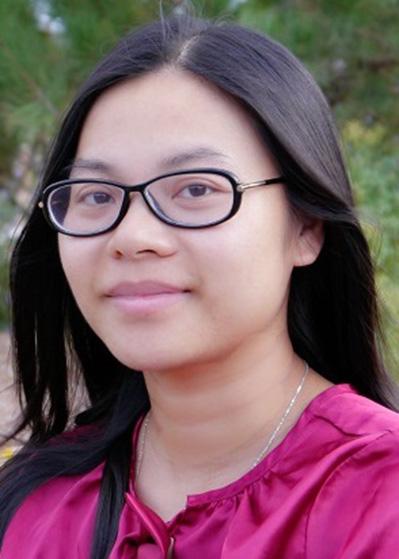
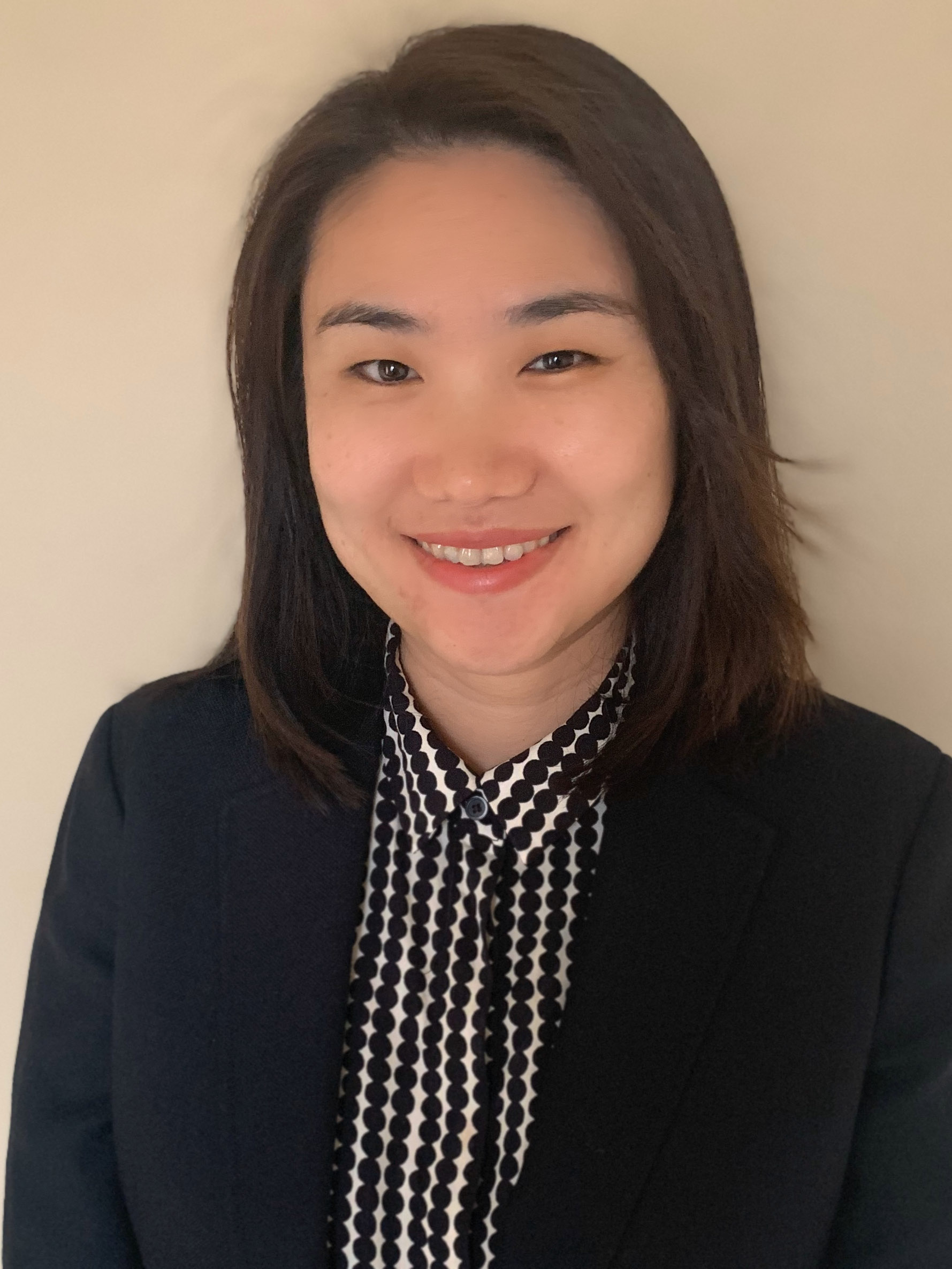
Dr. Zhe Zhang is an Assistant Professor in the Department of Geography at Texas A&M University and an affiliate faculty member in the Department of Electrical and Computer Engineering. She leads the Cyberinfrastructure and Spatial Decision Intelligence (CIDI-Spatial) research group and holds roles such as Director of the CIDI-Spatial Lab and Council Member of the Gulf of Mexico Coastal Ocean Observing System. Her research focuses on advancing cyberinfrastructure, geospatial data science, and decision support systems to address complex human-environment interactions, sustainability, and disaster resilience. She has secured over $18 million in research grants from NSF, NOAA, NASA, and others. Education: Doctor of Science (Geoinformatics), Aalto University, Finland (2016) Master of Science (Geomatics), Helsinki University of Technology, Finland (2009) Bachelor of Environmental Engineering, Tampere University of Applied Sciences, Finland (2005) Research Interests: Dr. Zhang's work intersects GIScience, decision science, and cyberinfrastructure. Key areas include cyberGIS, geospatial AI, human-centered decision-making, spatial uncertainty modeling, and disaster management. She develops scalable decision support systems for applications like flood emergency management, sustainable fisheries, and urban resilience. Awards: NSF CAREER Award (2023) UCGIS Community Champion Award (2022) Multiple NSF grants including CyberTraining and ACES initiatives Grants & Advising: Current NSF grants include $568K for coastal resilience (CAREER) and $455K for disaster management workforce development. She actively advises graduate students in GIS, spatial analytics, and data science. Notable student achievements include winning Texas A&M data science competitions and securing roles at ESRI and GCOOS. Labs & Teams: The CIDI-Spatial Lab focuses on cyberGIS tools and spatial decision support. Collaborations include NASA-funded heat vulnerability analysis in Oklahoma City and NOAA-funded coastal resilience projects. The lab also engages in K-12 education programs like the Texas Youth Geography Network.