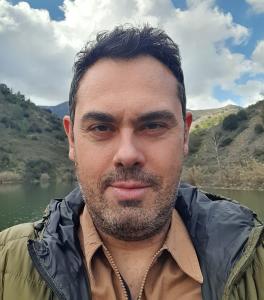
Dr Michelle Wong-Brown is a Researcher at the University of Newcastle's School of Medicine and Public Health , affiliated with the Centre for Drug Repurposing and Medicines Research (CDRMR) and Hunter Medical Research Institute (HMRI) . Her work focuses on DNA repair pathways in chemoresistant cancers , particularly high-grade serous ovarian cancer , with emphasis on homologous recombination deficiency and drug repurposing strategies. PhD in Biomedical Sciences (University of Newcastle) HMRI Karen Brown Breast Cancer Travel Award recipient (2014) Active in clinical trial development for novel drug combinations Her research bridges genomic instability , epigenetic regulation , and translational oncology , with significant contributions to familial breast cancer genetic testing and ovarian cancer prognostic markers . Current projects include PARP-targeted therapies and immune checkpoint priming in resistant cancers. Scientific awards and grants include: NSW Regional Cancer Research Network Fellowship (2025) Australian Program for Drug Repurposing (MRFF $2.8M grant, 2020) Hunter Medical Research Institute grants (2014-2024) She supervises multiple PhD students in drug repurposing and cancer epigenetics , collaborating with international researchers across 14 countries.
Russell Schmehl is a Professor in the Department of Chemistry at Tulane University's School of Science & Engineering. His research focuses on photochemistry, materials science, and transition metal chemistry, with specific interests in light harvesting for solar energy conversion and photocatalysts for chemical energy production. His group employs synthetic chemistry and laser spectroscopy to study chromophores and surface-deposited materials. Education: Ph.D. (1980) from University of North Carolina Schmehl's research explores light harvesting arrays for solar energy conversion, photocatalysts for chemical energy production, and luminescent materials for OLEDs. Recent work investigates factors influencing reactivity and stability of visible chromophores through organic/inorganic synthesis and laser spectroscopy. The group also studies surface morphology control for luminescent applications. Schmehl's publications demonstrate a strong focus on photochemical processes in renewable energy contexts. Key themes include proton-coupled electron transfer mechanisms, photocatalytic hydrogen/CO2 reduction, and transition metal catalyst design. His collaborative work frequently appears in high-impact journals like the Journal of the American Chemical Society. Research Leadership: Recipient of $1.4M DOE grant (2022) for hydrogen production research As director of the Schmehl Research Group, he leads graduate students and collaborators in interdisciplinary projects combining synthesis, spectroscopy, and materials characterization.
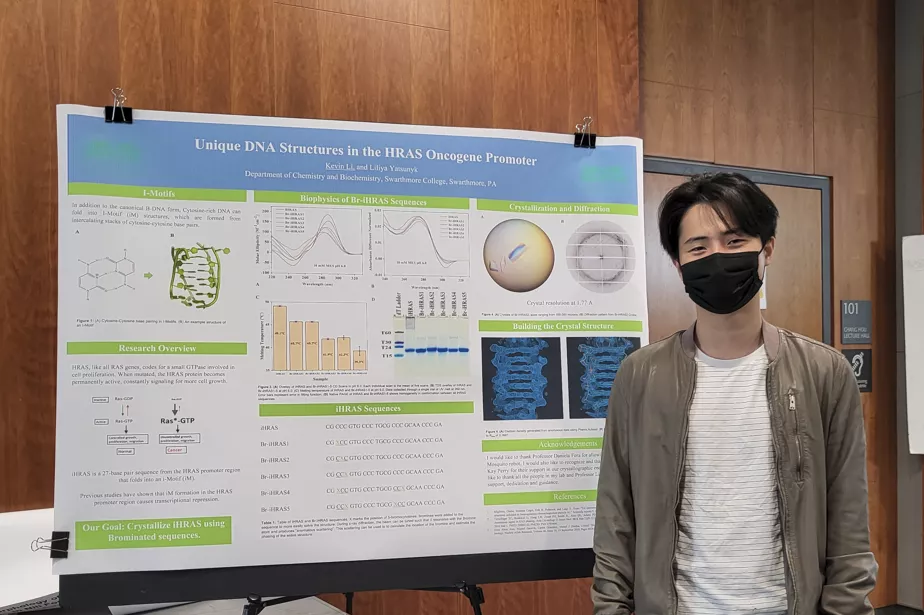
Dr. Liliya Yatsunyk is the James H. Hammons Chair of Chemistry at Swarthmore College. She completed her education with a Ph.D. in Chemistry from the University of Arizona, postdoctoral training at Northwestern University, and an Honors Diploma from Chernivtsi State University in Ukraine. Her research investigates non-canonical DNA structures and their biological implications: G-quadruplex and i-motif DNA folding dynamics Small molecule interactions with telomeric DNA Fluorescence-based characterization of DNA structures X-ray crystallography of nucleic acid complexes DNA nanotechnology applications Recent publications reveal her lab's focus on structural characterization of DNA-ligand complexes using X-ray crystallography and biophysical methods. Her group consistently applies circular dichroism, FRET, and gel electrophoresis to study DNA conformation and stability. Professor Yatsunyk mentors undergraduate researchers including Erin Chen, David Ye, and Jai Rapaka. Her lab has presented work at ACS meetings and collaborates with institutions like the NIH National Cancer Institute. She teaches courses including Inorganic Chemistry (Chem 56), Topics in Bioinorganic Chemistry (Chem 106), and DNA Nanotechnology (Chem 112).
Erik Dassi is an Associate Professor at the Department of Cellular, Computational and Integrative Biology (CIBIO) within the University of Trento. His research focuses on RNA biology, particularly investigating RNA structure-functional relationships, translational control mechanisms, and their implications in cancer, neurodegenerative diseases, and genetic disorders. He specializes in exploring how RNA modifications, G-quadruplex structures, and post-transcriptional regulatory networks drive disease processes and therapeutic resistance. Teaching activities include courses on Computational Biology, Cancer Genomics, Genomics Technologies, Programming, and Scientific Programming. His work emphasizes integrative approaches combining experimental and computational methods, such as polysomal profiling, allele-specific proteomics, and single-cell transcriptomics. Key research themes include: RNA G-quadruplex regulation of mitochondrial translation and energy metabolism ( n =3 articles in 2025), YTHDF proteins as tumor drivers in m6A pathways ( n =2 articles in 2024), and circular RNA roles in Huntington’s disease ( n =4 articles across 2021-2024). His work highlights translational reprogramming in cancer therapy resistance and RNA-based biomarker discovery.
Jonathan Henninger is an Assistant Professor in the Department of Biological Sciences at Carnegie Mellon University (CMU), part of the Mellon College of Science. His research focuses on RNA's role in regulating gene expression and cell fate through molecular biology, soft-matter physics, and super-resolution imaging approaches. The Henninger Lab investigates RNA's interactions with proteins and condensates to uncover mechanisms underlying gene control and disease. Education: Ph.D. in Developmental and Regenerative Biology from Harvard University, followed by postdoctoral training at the Whitehead Institute for Biomedical Research, MIT. Key research interests include RNA-mediated transcriptional regulation, nuclear condensates, RNA structure-function relationships, and the development of RNA-based therapies. The lab combines experimental and computational methods to study how RNA defects contribute to human diseases like cancer and neurodevelopmental disorders. Recent work includes identifying how RNA synthesis patterns nuclear condensates and discovering roles for rRNA G-quadruplexes in nucleolar protein condensation. The lab received a Kaufman Foundation New Investigator Grant to explore RNA's role in directing transcription. Advising and grants: Jonathan mentors a diverse team of PhD, Master’s, and undergraduate students. Notable advisees include Haoran Wang, Lydia Phillips, and Arth Banka. Current projects involve synthetic transcriptional condensates and bioinformatic discovery of RNA regulatory elements. Labs and collaborations: The lab is equipped with state-of-the-art microscopy (e.g., Zeiss Lattice SIM 5) and collaborates with groups at CMU, Pitt, and NYU. Regular scientific events include the Steel City Condensate Club Symposium.
Isabel Pont Niclos is a Lecturer at the Universitat de València, affiliated with the Faculty of Teacher Training and the Department of Experimental Sciences Didactics. Her work centers on pedagogical content knowledge and instructional practices in science education. Her educational background spans two distinct doctoral achievements: the first in 2019 focused on bioinorganic chemistry, particularly G4 DNA targeting with triphenylamine derivatives; the second in 2024 explored domains of creativity among secondary education students, reflecting a transition into educational research. PhD in Chemistry (2019), Universitat de València PhD in Education (2024), Universitat de València Her research interests converge at the intersection of science education and cognitive development, especially how creativity can be nurtured in science classrooms. She is a member of the research group CDC Pedagogical School Content Knowledge , which investigates the foundations of teachers' instructional analysis and action. Although no publications are listed in the provided text, her recent theses suggest emerging contributions to both chemical sciences and educational theory, with potential interdisciplinary implications for STEM teaching methodologies. No scientific awards were mentioned in the source material. There is no information available about student supervision, grants, or funded projects in the current data. However, her active doctoral work in 2024 indicates ongoing research engagement. She is part of the CDC research group focused on enhancing teacher instructional capacity through deep content knowledge integration.
Dr. Dianna E. Willis, Ph.D. is an Assistant Professor of Neuroscience at Weill Cornell Medicine and Brain and Mind Research Institute. She serves as the Associate Director of the Burke Neurological Institute, Lab Director of the Laboratory for Axonal and RNA Biology, and Co-Director of the Center for Pain & Sensory Recovery. Dr. Willis is a prominent researcher in the field of axonal biology, with a focus on understanding how mRNA transport and local protein synthesis in neurons contribute to neural regeneration, neuropathic pain, and peripheral neuropathy. Dr. Willis earned her bachelor's degree in Biology from the University of Pittsburgh in 1994 and her Ph.D. in Molecular Biology and Genetics from the University of Delaware in 2002. She completed her postdoctoral training at Nemours Biomedical Research at Alfred I. duPont Hospital for Children from 2002-2007, focusing on local translation in neuronal axons. She joined the Burke Neurological Institute in 2010 as Director of the Center for Pain Research. Dr. Willis's research focuses on axon-intrinsic mechanisms of peripheral neurons that are critical for their proper function, regeneration capacity, and contribution to pathological conditions such as pain and neuropathy. Her lab investigates how localized protein synthesis provides neurons with the ability to rapidly respond to their environment. While dendritic protein synthesis has been well-studied, her work has helped establish that axons also contain mRNA and translation machinery, challenging previous dogma. Current projects include targeting misregulated ion channels to attenuate neuropathic pain, studying local translation at the neuromuscular junction, examining altered axonal RNA localization in diabetic peripheral neuropathy, and targeting microtubule modifications to improve axonal transport. Dr. Willis's extensive publication record demonstrates her leadership in understanding axonal mRNA transport, local protein synthesis, and their roles in neural repair and disease. Her work spans from fundamental mechanisms of RNA biology in neurons to translational applications for treating neuropathic pain and peripheral neuropathies. Associate Editor in Neurobiology of Disease, Journal of Neuroscience (2012–2019) Associate Director of Burke Neurological Institute (2018–present) Chair, NST-2 study section (2021–present) Dr. Willis has received significant recognition for her contributions to neuroscience, particularly in the areas of axonal biology and RNA regulation in neurons. Her laboratory at the Burke Neurological Institute trains numerous graduate students and postdoctoral fellows, contributing to the next generation of neuroscientists. She has secured multiple research grants supporting her innovative work on axonal RNA biology and its implications for neural repair and disease. Her laboratory collaborates extensively with other research groups at Weill Cornell Medicine and beyond, working at the intersection of neuroscience, molecular biology, and translational medicine to develop novel approaches for treating neurological disorders.
Natalia Busto Vázquez is a researcher at the University of Burgos, with a focus on bioinorganic chemistry and metal-based anticancer agents. She collaborates extensively on projects involving metal complexes' interactions with nucleic acids, particularly G-quadruplex structures. Research Interests: DNA/RNA binding, G-quadruplex targeting, platinum/ruthenium complexes, and fluorescence probes for biomedical applications. Collaborations: Frequent co-author with Begoña García Ruiz, Cristina Pérez Arnáiz, and other researchers in the field of metallopharmaceuticals. Publication Trends: Recent work explores the role of ligand modifications in enhancing cytotoxicity, photodynamic therapy applications, and biocidal activity of transition metal complexes.
Stephanie S Ceman is a Professor at the University of Illinois with multiple appointments across the institution. She holds professorial positions in the Department of Cell and Developmental Biology, Biomedical and Translational Sciences, Neuroscience Program, and Beckman Institute for Advanced Science and Technology, while also serving as an Affiliate of the Carl R. Woese Institute for Genomic Biology. Dr. Ceman's educational background includes: B.S. in Bacteriology from the University of Wisconsin-Madison Ph.D. in Genetics from the University of Wisconsin-Madison Postdoctoral fellow at the University of Chicago Postdoctoral fellow at Emory University Her research focuses on neurobiology, protein-nucleic acid interactions, and regulation of gene expression , with particular emphasis on neurological and behavioral disorders. Dr. Ceman investigates the molecular basis of disease, post-translational modifications, and RNA-protein interactions, with MOV10 RNA helicase as a central subject of her research. Her work demonstrates that MOV10 is essential for embryonic development and neuronal branching, functioning as a cofactor for both the microRNA pathway protein AGO2 and Fragile X protein FMRP. Analysis of Dr. Ceman's publication record shows a consistent research trajectory centered on RNA helicase MOV10 and its critical role in neuronal function. Her recent work explores how MOV10 binds to RNA G-quadruplexes to modulate AGO2 association with MicroRNA Recognition Elements, using engineered mouse lines to investigate MOV10's impact on brain development and behavior. This research bridges molecular neuroscience, RNA biology, and neurological disorder mechanisms. Dr. Ceman has been recognized for excellence in instruction, as noted in university press releases highlighting award recipients for teaching excellence. Dr. Ceman actively mentors students and researchers in her laboratory, teaching courses including MCB 474 (Genetic Disorders & Counseling) and MCB 493 (Special Topics in Molecular and Cell Biology). Her research program has produced 44 scholarly outputs, demonstrating sustained productivity in her field. Her laboratory employs advanced techniques including individual nucleotide Crosslinking Immunoprecipitation (iCLIP) to map MOV10's interactions with neuronal mRNAs. Current research directions include investigating how MOV10 phosphorylation regulates its RNA unwinding activity and how MOV10 influences dendrite development through Dicer1 regulation.
Satenik Ghukas Petrosyan serves as Associate Professor at the Department of Pharmacochemistry and Pharmacognosy within the Institute of Pharmacy at Yerevan State University (YSU), Armenia. With continuous affiliation since 2002, she has progressed from Laboratory Assistant to her current academic role while maintaining research positions at the Biotechnology Research Institute and Armenian Biotechnology Center, demonstrating deep integration into Armenia's pharmaceutical research ecosystem. Her academic foundation includes a Certified Specialist degree from YSU's Faculty of Chemistry (Pharmaceutical Chemistry Department, 1998-2003) followed by a Candidate of Sciences (Chemical Sciences) from the Biotechnology Research Institute in 2011. Her doctoral research under Ashot Saghyan pioneered methods for the highly selective asymmetric synthesis of non-protein α-amino acids, establishing the trajectory for her current work. Dr. Petrosyan's research program centers on asymmetric synthesis of non-protein amino acids with therapeutic applications, particularly investigating their interactions with biological targets like G-quadruplex DNA and serum albumins for anticancer drug development. Her work spans molecular design, binding mechanism analysis, and biological activity assessment, with recent studies examining fibroblast proliferation effects and drug delivery optimization through protein binding studies. Analysis of her 2021-2025 publications reveals consistent innovation in synthetic methodology and biological evaluation. Key trends include development of DNA-binding amino acids for c-Myc oncogene targeting, serum albumin interaction studies for drug delivery enhancement, and analytical method development for pharmaceutical compounds in biological matrices. Her interdisciplinary approach bridges organic chemistry, biochemistry, and pharmaceutical sciences with increasing international collaboration. While no specific scientific awards are documented in available materials, Dr. Petrosyan holds significant academic leadership positions as Chairman of the Methodological Council and Member of the Scientific Council at YSU's Institute of Pharmacy since 2017, influencing curriculum development and research direction. Current information does not indicate doctoral students under her supervision or specific research grants secured. Her collaborative network spans Armenian institutions and international partners, particularly evident in co-authored publications with Italian and Russian researchers on biomolecular interactions and synthetic chemistry. Dr. Petrosyan maintains active laboratory operations within YSU's Department of Pharmacochemistry and Pharmacognosy, where her team focuses on synthesizing novel amino acid derivatives and characterizing their biological properties. Her methodological council leadership ensures integration of these research advances into pharmacy education at Armenia's premier university.
Dr. Christopher O'Kane is a Lecturer at the Faculty of Science and Engineering , Anglia Ruskin University , specializing in Microbiology , Molecular Diagnostics , and Nanotechnology . His research focuses on Antimicrobial Resistance and Theranostic Devices , integrating Pharmaceutical Nanoscience and Cancer Biology . Education : PhD in DNA Nanotechnology (Ulster University, 2016), BSc (Hons) Biomedical Science (Ulster University, 2012), PG Cert in Learning and Teaching (Higher Education) (Anglia Ruskin University, 2017) His research explores non-canonical DNA structures for biomedical applications, antimicrobial gene regulation , and nanodevice development . Publications emphasize interdisciplinary approaches bridging microbiology , nanoscience , and diagnostics . Scientific awards include grants from the Wellcome Trust , IBMS Albert Norman Trust , and Biochemical Society , alongside teaching certifications and memberships in the Institute of Biomedical Science and Royal Society of Chemistry .
Jessica Valle Orero is an Assistant Professor at the American University of Paris (AUP) in the Department of Computer Science, Mathematics, and Environmental Science. She obtained her PhD in 2012 from the École Normale Supérieure de Lyon, followed by postdoctoral research at Columbia University and the École Normale Supérieure in Paris. Her research focuses on the physics of biomolecules, particularly DNA and protein dynamics, employing advanced techniques like neutron scattering and single-molecule magnetic tweezers. She has taught courses at institutions including Columbia University and AUP since 2022. Education: MSci Physics (UCL, 2008), PhD Physics (ENS Lyon/ILL, 2012) Postdoctoral experience: Fernandez Lab, Columbia University (2013–2017); Biophysics Lab, ENS Paris (2018–2022) Research interests include DNA fiber dynamics, protein folding mechanics, and the interplay between molecular and macroscopic scales. Her work bridges experimental and theoretical approaches, with contributions to understanding DNA glass transitions and mechanical protein aging. Current research is conducted at ENS Paris, focusing on biophysical mechanisms of biomolecular systems. Teaching spans applied statistics, environmental science, and foundational math courses at AUP. Over 30 peer-reviewed publications highlight her expertise in single-molecule biophysics and structural biology.
Wajih Al-Soufi is a Full Professor of Physical Chemistry at the University of Santiago de Compostela (USC), Spain, since 2002. Born in 1962 in Hamburg, Germany, he earned his Doctor of Science (Dr. rer. nat.) from Georg-August University of Göttingen (1991), focusing on tunneling effects in triplet hydrogen transfer reactions. His career spans academic research at USC and industrial R&D at Drägerwerk AG (1992–1996), where he developed an infrared sensor for anesthetic gases. Currently, he leads the Single Molecule Fluorescence research unit at USC's Faculty of Sciences. Education: PhD in Chemistry (Göttingen), Degree in Physics (Göttingen/Braunschweig) Key Research: Fluorescence spectroscopy of supramolecular systems, single-molecule detection, amyloid aggregation in Alzheimer's disease His 200+ publications include groundbreaking work on cyclodextrin complexes, drug delivery systems, and amyloid diagnostics. Recent studies (2022–2025) focus on Alzheimer's biomarker discovery via fluorescence analysis of amyloid-β oligomers and CRISPR/Cas9 delivery optimization. Notable educational contributions include founding the XuvenCiencia Teaching Innovation Group, which trains secondary educators and organizes major science summer camps. Scientific honors include National Accreditation for Full Professor (2015) . He has supervised 8 PhD theses and 3 diploma theses, mentoring students like Sonia Freire and Lucas Piñeiro. His collaborations span Germany (Max Planck Institute), Spain (USC), and Latin American countries through CYTED projects.
Dr. Daniel Stovall is an Assistant Professor of Biology at Winthrop University's College of Arts and Sciences. He holds a B.S. in Biology from Campbell University (2009) and a Ph.D. in Cancer Biology from Wake Forest University (2014). Prior to joining Winthrop in 2019, he served as an Assistant Professor at North Carolina Wesleyan University for five years. His research focuses on epigenetic mechanisms in cancer progression, particularly involving proteins like YY1 and EZH2, and the role of G-quadruplexes in gene regulation. He actively involves undergraduate and Master’s students in his research, leading to student presentations at conferences such as the National IDeA Symposium of Biomedical Research Excellence. Dr. Stovall teaches courses in cell biology, genetics, and cancer biology. He has authored over 20 peer-reviewed articles in disciplinary journals and pedagogical papers. His work bridges molecular mechanisms and translational research, emphasizing the interplay between epigenetics and oncogenesis. While no specific awards are listed, his contributions to undergraduate research and cancer biology are highlighted through collaborative student projects. His academic journey includes prior teaching and research at NC Wesleyan University, and his current role at Winthrop underscores a commitment to both education and cutting-edge research in cancer biology.
Dr. Savvas N. Georgiades is an Associate Professor in the Department of Chemistry at the University of Cyprus, where he also serves as the Head of the Research Laboratory of Synthetic Organic Chemistry and Chemical Biology. He has been with the University of Cyprus since 2011, progressing from Lecturer to Assistant Professor in 2018 and to Associate Professor in 2024. Prior to this, he held academic positions at Kingston University in the UK and completed postdoctoral research at Imperial College London and The Scripps Research Institute in the USA. Dr. Georgiades' educational background includes: BSc in Chemistry from the University of Cyprus (2001), where he received the 2nd Prize of the President of the Republic of Cyprus and 1st Prize of the School of Applied Sciences PhD in Organic Chemistry/Chemical Biology from Harvard University (2006), working under Prof. Jon Clardy Postdoctoral training in Synthetic Organic Chemistry at The Scripps Research Institute (2006-2007) with Prof. Phil Baran Postdoctoral training in Chemical Biology at Imperial College London (2007-2010) with Prof. Ramon Vilar Dr. Georgiades' research spans several interconnected areas in organic and medicinal chemistry. His primary focus is on development of innovative synthetic technologies for CH bond activation , particularly metal-catalyzed methods to form CC or CX bonds. He is also renowned for his work on G-quadruplex DNA targeting , designing novel ligand molecules for anticancer therapies and chemical bioimaging agents. Additional research interests include the synthesis of biomaterials by nucleobase self-assembly for energy applications and the development of small molecules that modulate cellular signal transduction pathways . His work bridges fundamental organic synthesis with biological applications, particularly in cancer research. His recent publications demonstrate a strong trend toward metal-catalyzed C-H activation chemistry and G-quadruplex DNA targeting for anticancer applications. The research spans from fundamental methodology development (photoredox catalysis, novel metal catalysts) to biological applications (oncogene targeting, cancer cell imaging). His work shows increasing interdisciplinary collaboration, combining synthetic organic chemistry, chemical biology, and materials science approaches. Notably, his research has expanded into nuclear medicine applications with radioisotope complexes, demonstrating the translational potential of his chemical approaches. Dr. Georgiades has received several notable scientific awards: 2nd Prize of the President of the Republic of Cyprus (2001) 1st Prize of the School of Applied Sciences (2001) Fellow of the UK Academy of Higher Education Dr. Georgiades is an active mentor who currently supervises 4 PhD students and 1 undergraduate student, having previously guided 1 PhD student, 4 MSc students, and 15 BSc students to successful completion. His research has been supported through various channels including COST Actions (CHAOS: Activation of CH Bonds in Organic Synthesis and Chemical Approaches for Targeting Drug Resistance of Cancer Stem Cells), where he served as Cyprus Representative. He has organized international conferences in Cyprus and participated in European research networks. His editorial work includes serving on the editorial boards of prestigious chemistry journals and acting as a scientific evaluator for over 30 international journals and European funding programs. Dr. Georgiades heads the Research Laboratory of Synthetic Organic Chemistry and Chemical Biology at the University of Cyprus, established in 2012. His lab brings together expertise in organic synthesis, chemical biology, and materials science to tackle challenges in drug discovery and biomaterials development. The team has made significant contributions to G-quadruplex DNA targeting and C-H activation chemistry, with applications spanning from anticancer therapeutics to energy materials. The laboratory maintains active collaborations with researchers across Europe through COST Actions and other international networks.