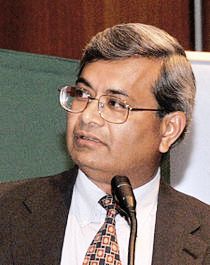
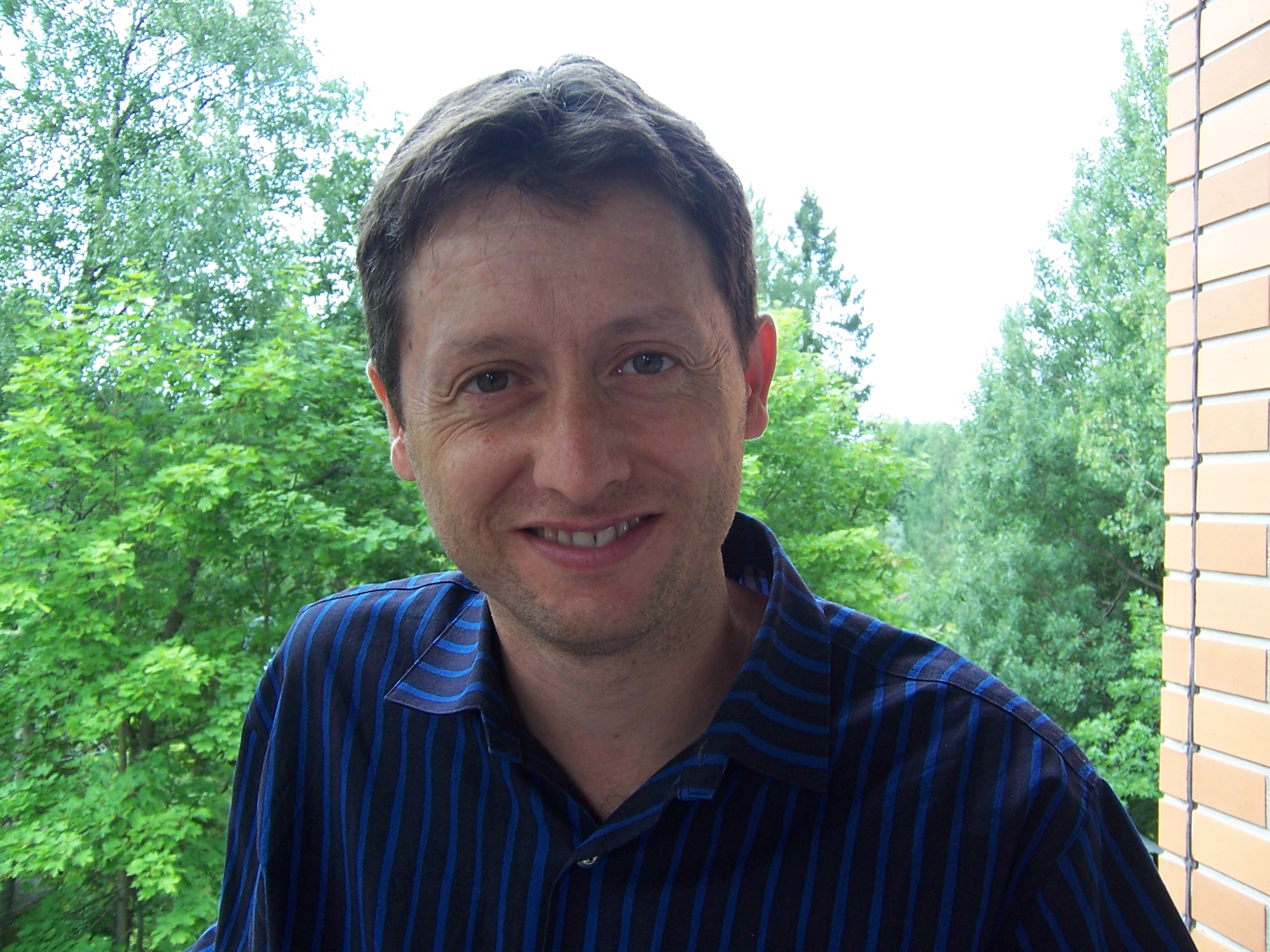
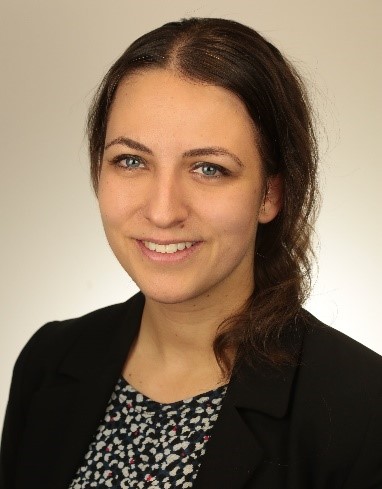
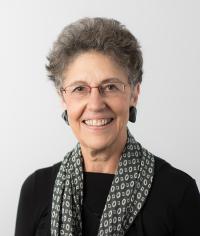
Kaiyan Qiu is the Berry Family Assistant Professor of Mechanical Engineering at Washington State University , leading interdisciplinary research at the intersection of 3D printing , artificial organs , and flexible electronics . His work combines advanced manufacturing techniques with biomedical innovation. Ph.D. in Fiber Science & Biopolymers from Cornell University (2012) Postdoctoral experience at University of Minnesota, Princeton University, and Dartmouth College Research focuses on: Medical Applications : 3D printed presurgical organ models (prostate, aortic root) with integrated sensors Wearable Electronics : Stretchable tactile sensors and photodetectors for health monitoring Biomimetic Systems : Bioinspired actuators and surfaces for robotics Advanced Printing : Multimaterial and multiscale additive manufacturing Recent publications address machine learning-enabled 3D printing , biomimetic device fabrication , and direct printing on freeform surfaces . Collaborations with Medtronic Inc. and Visible Heart Laboratory at UMN demonstrate clinical impact. Honors include: Berry Family Assistant Professor (2021) Best of 2018 article selection National Textile Center Competition Awards Liu Memorial Scholarship Qiu's lab develops customized 3D printing systems with motion control, ink dispensing, and monitoring subsystems for biomedical and robotics applications.
Bhanu Jena, Ph.D. (dr. hc. mult.) is the George E. Palade University Professor & Distinguished Professor at Wayne State University School of Medicine, Department of Physiology. He serves as Founder-Director of the Institute of NanoBioScience and maintains his laboratory at 5245 Scott Hall. As the only living University Professor and the second in Wayne State University's 160-year history, Dr. Jena holds one of the most prestigious academic appointments at the institution. Dr. Jena received his B.Sc. from BJB College in Orissa, India (1975), M.Sc. in Reproductive Endocrinology from Utkal University (1978), and Ph.D. in Reproductive Endocrinology from Iowa State University (1988). Following postdoctoral training at Iowa State and Yale Universities (1988-1994), he joined Yale University as an Assistant Professor before moving to Wayne State University in 2000 as a tenured full Professor. Dr. Jena's research centers on molecular and cellular physiology, with a groundbreaking focus on porosomes - the universal secretory machinery in cells that he discovered. His laboratory investigates how cells secrete, challenging traditional views of exocytosis. A second major research focus involves designing novel approaches, techniques, and instrumentation for biological problem-solving, including developing a force microscope capable of imaging intracellular structures at nanometer resolution in real-time. His recent publications reveal an evolving research trajectory spanning cellular secretion mechanisms, Alzheimer's disease therapeutic approaches, cystic fibrosis treatments, antiviral strategies against enveloped viruses, and advanced microscopy techniques. This multidisciplinary work bridges fundamental cell biology with clinical applications across neuroscience, respiratory diseases, and infectious disease. Elected Foreign Member of the Georgian National Academy of Science Fellow of the American Association for the Advancement of Science (AAAS) Swebelius Cancer Research Award Sir. Aaron Klug Award ASAS Basic Biological Science Award Ranbaxy Basic Research in Medical Sciences Award Elected Foreign Member of the Korea Academy of Science & Technology George E. Palade Gold Medal Six Honorary Doctorates With over 30 years of instructional experience, Dr. Jena teaches courses in cell biology, nanoscience/nanomedicine, physiology, endocrinology, and biochemistry. His lab receives primary funding from NIH and NSF grants. The Jena Lab continues to pioneer research on cellular nanomachines and their implications for human health, maintaining active collaborations across multiple disciplines while accepting new MS, PhD, and MD/PhD students into its research programs.
Juan Valle Delgado is a Lecturer in the Department of Bioproducts and Biosystems at Aalto University, where he focuses on nanotechnology, biomaterials, and interfacial science. His research explores sustainable materials derived from biopolymers like cellulose and lignin, with applications in biomedicine, green chemistry, and advanced composites. Research Interests: Dr. Delgado's work spans atomic force microscopy, nanocellulose functionalization, colloidal systems, and surface chemistry. Key themes include: Design of lignin nanoparticles for drug delivery and 3D bioprinting Cellulose nanofibril hydrogels for biomedical applications Interfacial interactions in bio-based composites Surface modification techniques for sustainable materials His recent publications (2019–2023) demonstrate a strong emphasis on biomaterial interfaces , with recurring studies on cellulose-lignin systems, nanoparticle synthesis, and cell-biomaterial interactions. Collaborative projects frequently involve tissue engineering, cancer research, and green nanotechnology. Dr. Delgado collaborates extensively with the Bioproduct Chemistry research group, focusing on interdisciplinary approaches to develop functional materials from renewable resources.
Dr. Kimia Witte is a Lecturer in Biomedical Engineering at the University of Strathclyde, UK, actively accepting PhD students. Her research focuses on innovative biomedical engineering approaches including stem cell manipulation using physical stimuli, biomaterial development for tissue regeneration, and diagnostic tool design. She specializes in creating bioinstructive environments for controlling cell behavior and developing novel biomaterial platforms. Research Focus Witte's core research integrates: Stem cell engineering using acoustic/physical stimulation Development of smart biomaterials for tissue regeneration Microfluidic platforms for diagnostic applications Mechanobiology approaches for clinical diagnostics Her work bridges fundamental biomaterial science with clinical applications in regenerative medicine and diagnostic technologies. Research Trends Analysis of her 12 most recent publications reveals: Strong focus on stem cell-microenvironment interactions Increasing emphasis on translationally-oriented research Development of novel diagnostic platforms Interdisciplinary approaches combining engineering, biology and materials science Progressive refinement of biomaterial systems Awards and Recognition Witte has received recognition for her scientific contributions including 1 prize (specific award unnamed in available data). Her publications show significant impact with multiple articles receiving 20+ citations. Academic Activities Maintains active research program with 18 projects and 3 datasets. Contributes to academic community through peer-reviewed publications and conference presentations. Collaborates with researchers across materials science, cell biology and clinical medicine disciplines.
Cyril Kahn is a Lecturer at University of Lorraine with extensive research in nanoliposome technology and biomaterials development. His work bridges pharmaceutical sciences, tissue engineering, and biomedical applications with a particular focus on drug delivery systems. His primary research interests include Nanoliposome Technology , Drug Delivery Systems , Tissue Engineering , and Biomaterials Development . Kahn's research demonstrates significant innovation in creating targeted delivery systems for neuroprotective agents, particularly using curcumin and other natural compounds. His work on GelMA hydrogels and 3D printing represents cutting-edge approaches to scaffold development for tissue regeneration. Analysis of his recent publications (2023-2025) reveals a strong emphasis on Nanoliposome functionalization for targeted drug delivery Advanced hydrogel systems for tissue engineering Multiscale biomaterial design incorporating natural compounds Microfluidic platforms for drug testing Sustainable biomaterial processing techniques Kahn's research shows consistent progression toward more complex, multi-functional biomaterial systems with therapeutic applications. His technical expertise spans nanoliposome formulation, hydrogel characterization, 3D bioprinting, and in vitro testing of biomaterials. The interdisciplinary nature of his work connects pharmaceutical sciences with tissue engineering and materials science.
Claudia Mieko Mizutani is an Associate Professor in the Department of Biology at Case Western Reserve University. Her research focuses on understanding how gene expression patterns evolve to produce diverse tissues and life forms, using Drosophila melanogaster as a model organism. She combines genetic engineering, imaging, and computational modeling to investigate embryonic dorsal-ventral axis patterning and its evolutionary modifications. Research Interests: Investigating gene network evolution in conserved developmental systems Analyzing BMP signaling mechanisms in neuroectoderm patterning Comparing dorsal-ventral axis development across Drosophila species Quantifying transcriptional response dynamics Studying developmental time variation and scaling Exploring hybrid infertility through Evo-Devo perspectives Her laboratory has produced significant publications in fields spanning developmental biology, evolutionary genetics, and computational modeling. Notable contributions include work on morphogen gradient formation and the interaction between embryo morphology and signaling pathways. Scientific Awards: Selected cover feature for 2011 Developmental Biology publication Faculty of 1000 'Must Read' recommendation for 2006 PLoS Biology paper Dr. Mizutani's research integrates experimental and computational approaches to uncover fundamental mechanisms of developmental evolution while maintaining core functionality in biological systems.
Maria Brbic is an Assistant Professor of Computer Science at EPFL, previously a postdoctoral researcher at Stanford University under Jure Leskovec. Her research focuses on developing machine learning methods for biological and biomedical applications, particularly representation learning of high-dimensional datasets, open-world semi-supervised learning, and single-cell genomics. Her work includes the STELLAR method for spatial cell type discovery (Nature Methods 2022), the ORCA framework for open-world learning (ICLR 2022), and contributions to the Fly Cell Atlas (Science 2022). She is involved in the Chan Zuckerberg Biohub and Neuro-omics projects. She received the University of Zagreb's best thesis award, was recognized as a MIT Rising Star in EECS, and won the Basel Computational Biology Conference best poster award. Her research bridges computer science with cutting-edge biomedical discovery.
Ilkka Helenius is a Professor of Orthopedics and Traumatology at the University of Helsinki, affiliated with the Department of Surgery Pediatric Surgery Unit. He serves as a Supervisor in the doctoral program and holds a docentship at the Children's Clinic. Current roles: Professor, Doctoral Supervisor, Research Leader Key affiliations: University of Helsinki, Children's Clinic, Clinicum His research focuses on pediatric orthopedics with emphasis on spinal surgery, fracture management, and surgical outcomes. Recent work explores: Implant failure in scoliosis treatment Knee joint examination protocols Medial epicondyle fracture treatments Neuromuscular scoliosis surgical aspects Scientific recognition includes: Behrooz Akbarnia Award for Best Paper (2018) Russell Hibbs Award for clinical science presentation (2005) Paras suullinen esitelmä award (2014) He has directed doctoral research on: Tommi Yrjälä : Pediatric spinal surgery techniques Eetu Suominen : Spinal fusion outcomes Venla Soini : Neuromuscular scoliosis interventions Antti Saarinen : Early-onset scoliosis safety metrics Active in clinical research since 1996, Helenius has published 205+ works and received €30,000 in funding from the Finnish Financial Services Association for his project I.Helenius_HY grant Science impact research (2023-2025). His work spans surgical innovation, clinical guidelines, and patient safety improvements in pediatric orthopedics.
Dr. Ari Molofsky is an Associate Professor in the Department of Laboratory Medicine at the University of California, San Francisco (UCSF) School of Medicine. Trained as an MD/PhD with clinical specialization in hematopathology, he leads a basic research laboratory focused on the intersection of immunology and tissue homeostasis. Dr. Molofsky is also an affiliate member of multiple UCSF programs including Microbiology and Immunology, ImmunoX Program, Liver Center, Pulmonary Research Group, NeuroImmunology Center for Excellence, and the UCSF Diabetes Center. Education: BS in Molecular Biology, University of Texas, Austin (1999) PhD in Immunology & Microbiology, University of Michigan, Ann Arbor (2007) MD, University of Michigan, Ann Arbor (2007) Residency/Fellowship in Clinical Pathology / Hematopathology, UCSF (2011) Dr. Molofsky's research focuses on stromal-immune niches across multiple organ systems including brain, lung, liver, adipose tissue, skin, and intestine. His work centers on type 2 immunity, innate lymphoid cells, regulatory T cells, and cytokine signaling (particularly Interleukin-33 and Interleukin-5). His laboratory investigates how immune cells interact with tissue microenvironments to maintain homeostasis and how dysregulation contributes to diseases like obesity, type 2 diabetes, and inflammatory conditions. Using foundation models, his team studies organ development, remodeling, and the role of fibroblasts and tissue-resident lymphocytes in health and disease. Dr. Molofsky's recent publications demonstrate a strong focus on neuroimmunology, particularly the role of immune cells in brain development and function, alongside ongoing work in pulmonary immunology, liver fibrosis, and adipose tissue immunometabolism. His research increasingly explores the intersection between the nervous and immune systems, with several high-impact publications on how immune cells shape neural circuits and behavior. Scientific Awards: Clarivate 2022 Most Highly Cited Researchers (top 1%) UCSF 2021 Medical School Foundations Curriculum Teaching Award AAI 2019 American Association of Immunology Travel Award UCSF 2019 Nina Ireland Program for Lung Health Award Multiple early-career awards including NIH K08 and Hillblom Foundation Young Investigator Award As a mentor, Dr. Molofsky has guided graduate students, post-doctoral fellows, and junior faculty, emphasizing the balance between clinical and research work. His laboratory is supported by multiple NIH R01 grants including projects on meningeal type 2 immunity in brain development, macrophage-fibroblast interactions in lung fibrosis, and the IL-33/ILC2 axis in various tissue contexts. He also holds funding from the California TRDRP and the Larry L. Hillblom Foundation. Dr. Molofsky's laboratory maintains active collaborations across UCSF, particularly with the NeuroImmunology Center for Excellence and the Pulmonary Research Group. His team utilizes advanced techniques including flow cytometry, tissue clearing, and imaging to study immune-stromal interactions in diverse tissue contexts.
Dr. Monika Rojewska is a faculty member at the Institute of Chemical Technology and Engineering, Department of Chemical Technology, at Poznan University of Technology. She earned her PhD in Chemical Technology from the same institution in 2012 and has been actively contributing to research in membrane science and biomaterials. Her primary research interests focus on the biophysical analysis of model biological membranes, with special emphasis on interactions between membrane components and various compounds including drugs, biosurfactants, nanoparticles, and mucoadhesive polymers. She specializes in Langmuir monolayer techniques and has extensive experience with membrane preparation and characterization. Dr. Rojewska's publication record demonstrates a consistent research trajectory in membrane science and drug delivery systems over the past decade. Her recent work (2022-2025) has increasingly focused on the interactions between natural compounds like saponins and bacterial membranes, with implications for antibiotic enhancement and novel drug delivery approaches. She has published in high-impact journals across biophysics, materials science, and pharmaceutical research. As an academic, Dr. Rojewska teaches courses in Chemical Technology, including Fundamentals of Chemical Technology, Technology of Monomers, and Membrane Separation Techniques. She also serves as an Associate Editor for the journal "Membranes" and has participated in the "Integrated university for the future" project. She has supervised doctoral research, most notably guiding Aleksandra Bartkowiak's dissertation on mucoadhesive polymers and their mixtures as components of drug carriers. Her collaborative work extends to the Department of Drug Form Technology at Poznan University of Medical Sciences since 2011.
Linda C. Giudice is a Distinguished Professor holding the Robert B. Jaffe, MD Endowed Professorship in Reproductive Sciences at the University of California, San Francisco (UCSF) School of Medicine. She serves as Director of the Center for Research on Origins and Biological Consequences of Human Infertility, the UCSF Women's Reproductive Health Research Career Development Center, the UCSF NIH National Center for Translational Research in Reproduction and Infertility (NCTRI), and the UCSF NIH Human Endometrial Tissue and DNA Bank. Her extensive leadership in reproductive sciences spans decades of groundbreaking research and mentorship. 1969: BS Engineering, Columbia University 1971: MSc, Washington University, St. Louis 1976: PhD Biochemistry, University of California, Los Angeles 1982: MD Medicine, Stanford University 1982-83: Internship in General Internal Medicine, Kaiser Foundation Hospital 1983-84: Residency in Gynecology and Obstetrics, Stanford University Medical Center 1984-86: Residency in Obstetrics and Gynecology, Barnes Hospital, Washington University 1986-87: Fellowship in Reproductive Endocrinology and Infertility, Stanford University Medical Center Dr. Giudice's research focuses on environmental impacts on reproductive health, steroid hormone signaling in human endometrium, endometrial-placental interactions, and the endometrium as a mucosal tissue. Her laboratory employs systems biology approaches to investigate molecular mechanisms underlying normal and abnormal human endometrial development and function, with particular emphasis on endometriosis, infertility, and implantation disorders. Her team explores endometrial renewal through stem cell-focused research and investigates the human female reproductive tract as a portal of entry for infection, including HIV transmission. Recent work has centered on epigenetic regulation of endometrial function and the immune environment in endometriosis using single-cell technologies. Analysis of her recent publications reveals a strong trend toward advanced genomic and transcriptomic techniques, particularly single-cell analysis and multi-omics approaches to understand endometrial biology and endometriosis pathogenesis. Her research spans fundamental molecular mechanisms of endometrial function while maintaining strong translational applications for diagnostic and therapeutic development in reproductive medicine. 2002: Elected to the Institute of Medicine of the National Academies 2006-2007: President of the Society for Gynecologic Investigation 2006: Academia Nazionale dei Lincei Arnaldo Bruno International Prize 2008: American Medical Women's Association Woman in Science Award 2008: SGI Distinguished Scientist Award 2008: American Fertility Society Illuminations Award 2008: American Society for Reproductive Medicine Distinguished Researcher Award 2009: NICHD, NIH, DHHS Perinatology Research Branch Wall of Honor 2013: Journal of Women's Health Award for Outstanding Achievement Dr. Giudice has mentored numerous researchers through her laboratory at UCSF, including postdoctoral scholars, REI fellows, and clinical research coordinators. Her lab maintains the UCSF NIH Human Endometrial Tissue and DNA Bank, established in 1999, which serves as a national repository for endometrial and blood specimens. She has secured significant NIH funding through the National Center for Translational Research in Reproduction and Infertility program, supporting translational research in reproductive sciences. The Giudice Lab, located at 513 Parnassus Avenue in the Health Sciences Education Building, operates as a multidisciplinary team investigating endometrial biology from molecular to clinical perspectives. Current research focuses include epigenetic regulation of endometrial function, immune environment in endometriosis, endometrial stem/progenitor cells, and the reproductive tract as a portal for infection. The lab collaborates extensively with other UCSF researchers and participates in national and international consortia focused on women's reproductive health.
Professor Martin Koch is a distinguished academic at the Institute of Medical Engineering at the University of Lübeck, where he serves as Head of Magnetic Resonance Imaging. Born in Dinslaken, Germany in 1968, he completed his physics education at Göttingen University, including studies at the University of Edinburgh, followed by a PhD at the University of Leipzig. After over a decade as a Research Associate at University Medical Center Hamburg-Eppendorf, he joined the University of Lübeck in 2011 as a Juniorprofessor of Magnetic Resonance Imaging, achieving full professorship in November 2018. His research focuses on advanced MRI techniques, particularly diffusion imaging methods that reveal microscopic neural structures. Koch has made significant contributions to double wave vector diffusion weighting techniques for compartment size estimation in tissue, with applications in neuroscience and clinical diagnostics. His work spans Magnetic Resonance Imaging, Diffusion Neuroscience, Functional Magnetic Resonance, Biochemical Engineering, Magnetic Particle Imaging, Nuclear Imaging, Image Computing, and X-Ray Based Imaging. Over the past two decades, his publications demonstrate consistent innovation in developing and validating advanced diffusion MRI techniques, with recent work expanding into magnetic particle imaging applications. Analysis of his 15 most recent publications reveals a strong focus on technical innovations in diffusion MRI for neural tissue characterization, with increasing applications in interventional imaging and real-time monitoring. His research shows progression from fundamental diffusion physics to clinical applications, particularly in neurological conditions and cardiovascular imaging. Professor Koch actively participates in academic governance as a Member of Promotionskolleg Schleswig-Holstein and the Zentraler Gleichstellungsausschuss. His laboratory focuses on developing novel imaging techniques that provide microscopic insights into tissue structure, with particular relevance to neurological disorders and stroke recovery monitoring.
Ulrich Klostermeier is a researcher at the Institute of Clinical Chemistry and Laboratory Medicine, University Medical Center Hamburg-Eppendorf (UKE). His scientific work spans hemostasis, thrombosis research, and molecular mechanisms of coagulation disorders. Hematology Clinical Chemistry Stem Cell Research Translational Medicine His research focuses on thrombophilia , venous thromboembolism , and genetic regulation in both pediatric and adult populations. Key projects include investigations into protein C/S deficiencies , NOD2 interactions , and hemostatic biomarkers . Recent publications demonstrate expertise in translational thrombosis research , with significant contributions to understanding prothrombotic polymorphisms and stem cell applications in cardiac regeneration. Collaborative work includes international cohort studies and multicenter clinical research. Methodologically, he employs transcriptional profiling , mutation analysis , and animal models for studying blood coagulation dynamics. His scientific work has been published in journals covering hematology, molecular biology, and clinical chemistry. Key research trends: Thrombosis risk stratification Genetic basis of coagulation disorders Comparative pediatric/adult hemostasis Translational approaches to cardiac repair Computational transcriptional analysis Developmental biology applications
Dr. Indrat Aria is a Senior Lecturer in Functional Nanomaterials at Cranfield University's Surface Engineering and Precision Centre within the Faculty of Engineering and Applied Sciences. With expertise spanning nanomaterials, nanotechnology, renewable energy, smart materials, and surface engineering, Dr. Aria leads research focused on developing novel materials for sustainability applications. His educational background includes a PhD in Aeronautics from California Institute of Technology (2013), where he received the prestigious William F. Ballhaus Prize for his outstanding doctoral dissertation, an MSc from Caltech's Department of Aeronautics (2008), and a BSc with Honours (cum laude) from Bandung Institute of Technology, Indonesia (2006). Prior to joining Cranfield, he was a Post-Doctoral Research Associate at Cambridge University and a College Research Associate at Clare College (2013-2017). Dr. Aria's research interests center on the synthesis of hierarchical and 3D assemblies of low-dimensional nanomaterials, integration of nano-bulk materials, engineering of surfaces and interfaces, and design of functional ultrathin films. His work spans applications in solar energy conversion (concentrating solar power, photovoltaics, photocatalysis), electrochemical processes (batteries, supercapacitors, hydrogen electrolysis), soft matter (biopolymers, hydrogels), and REACH compliant materials. His recent publications demonstrate a strong focus on combinatorial sputtering techniques, molten salt corrosion studies, and advanced hydrogel characterization for various applications. Among his notable achievements are the Fulbright fellowship (2007-2012), the Green Talent Award from the German Federal Ministry of Education and Research (2014), and the 2024 Gold Award for Excellence in Hydrogen Research and Innovation from HyDEX for pioneering research in sustainable catalysts for green hydrogen production. Dr. Aria currently leads multiple research projects including H2020 MSCA-RISE FRIENDS2, IMAGE Photoluminescent Coatings, and several Innovate UK projects focused on flexible electrochromic windows, luminescent downshifting, novel electrocatalysts for green hydrogen electrolysis, and lithium-free batteries. His research group collaborates with industry partners such as Photocentric, Lambda Energy, BAE Systems, Hardide, and Thin Metal Films. He actively supervises PhD students and currently offers research opportunities in sustainable active materials for next-generation lithium-free batteries, novel electrocatalysts for green hydrogen by seawater electrolysis, and solid polymer electrolytes for batteries and smart windows.
Svetlana N. Radyuk serves as a Research Associate Professor in the Department of Biological Sciences within Dedman College of Humanities and Sciences at Southern Methodist University. Her laboratory (DLSB 317) focuses on the molecular mechanisms linking redox regulation, innate immunity, and aging processes using Drosophila melanogaster as a primary model system. Her research centers on redox regulation of innate immunity during aging , specifically investigating how peroxiredoxins modulate immune responses and longevity. Key areas include: Role of reactive oxygen/nitrogen species (ROS/RNS) as dual-function molecules causing tissue damage while serving as immune signaling messengers Conserved functions of peroxiredoxins across biological kingdoms in regulating redox homeostasis Age-related immune decline including reduced pathogen resistance, impaired T/B cell function, and chronic inflammation Interactions between circadian clocks, redox balance, and aging processes Analysis of her 15 most recent publications reveals a consistent focus on peroxiredoxin-mediated redox signaling in Drosophila models, with recent expansion into hydrogen gas therapeutics for oxidative stress-related conditions. Her work demonstrates how precise ROS/RNS regulation balances immune protection against tissue damage, with significant implications for age-related diseases. Dr. Radyuk currently holds two major NIH/NIA-funded research grants: R01 AG032342 (Principal Investigator): Peroxiredoxins, immune signaling and aging (2011-2016) R01 AG045830 (Co-PI): Circadian clocks and aging (2013-2018) Her teaching portfolio includes advanced courses in Immunobiology (BIOL 4319), Molecular Genetics Laboratory (BIOL 3222), and graduate-level research/thesis supervision (BIOL 6270, 8398). Her laboratory employs comprehensive molecular biology and genetics techniques to investigate redox-immunity interactions, with particular emphasis on developing interventions that maintain optimal immune function during aging.