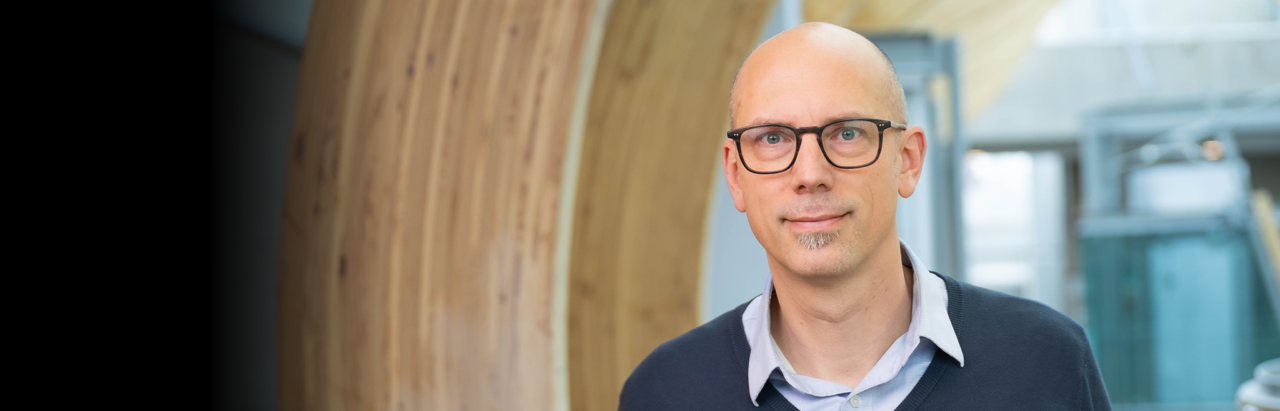
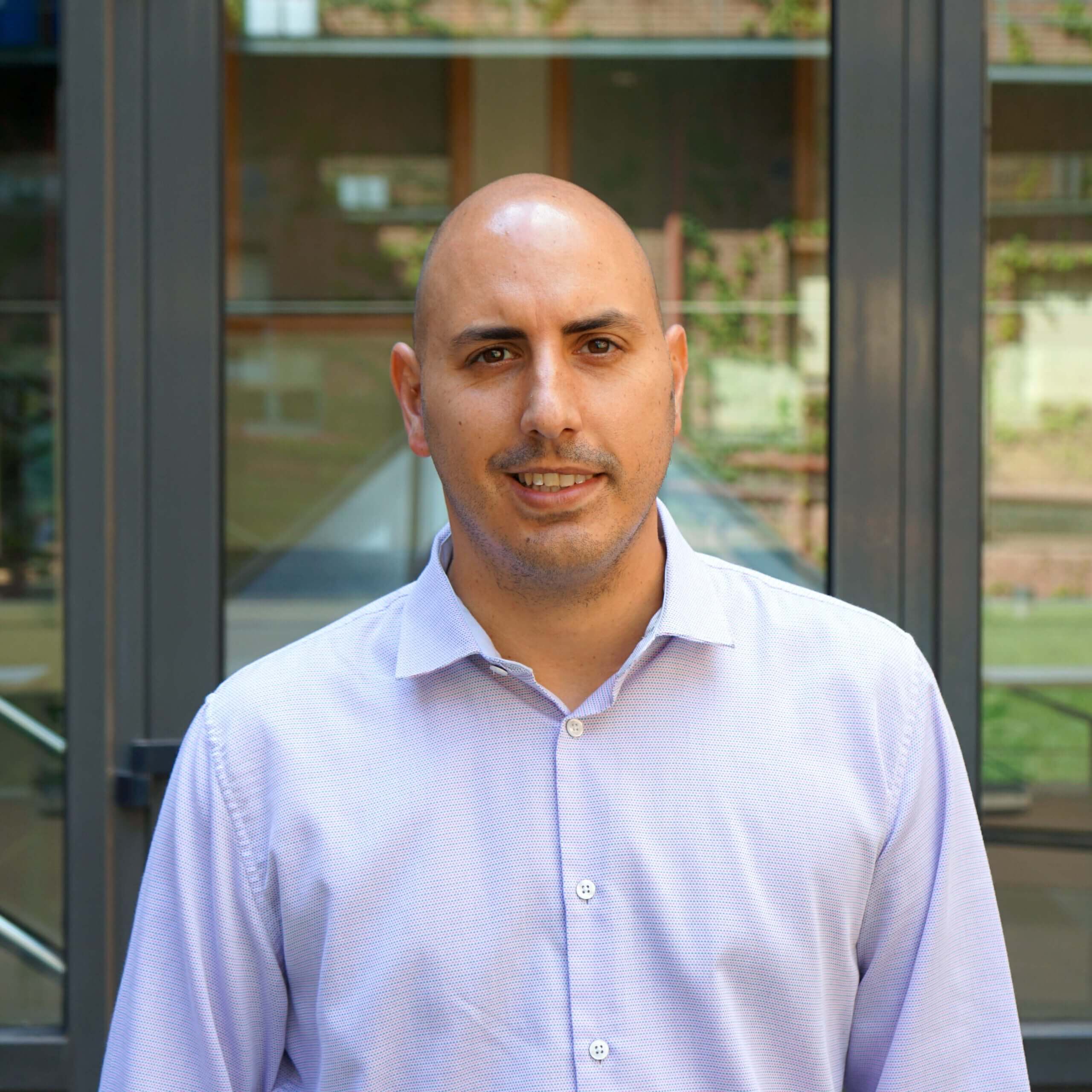
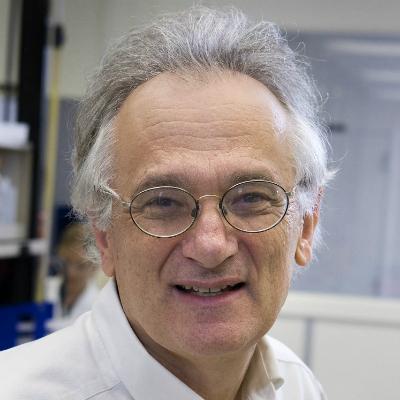
Thibault Mayor is a Professor in the Department of Biochemistry and Molecular Biology and the Michael Smith Laboratories at the University of British Columbia (Vancouver). His research focuses on understanding how cells manage misfolded proteins, with implications for neurodegenerative diseases like Parkinson's and Alzheimer's. He holds academic affiliations with the Centre for High-Throughput Biology (CHiBi) and has been recognized with awards including the UBC Killam Teaching Award (2020). Education: BSc, University of Geneva, Switzerland (1997) PhD, University of Geneva & Max Planck Institute of Biochemistry, Germany (2001) Postdoctoral Fellow, California Institute of Technology (2002) Research Interests: Mayor's lab investigates protein homeostasis, ubiquitin-proteasome system dynamics, and the molecular mechanisms underlying protein aggregation in aging and disease. Projects include proteomic approaches to identify aggregation-prone proteins and develop microbial cell factories for protein production. Grants & Awards: CIHR Project Grant ($730K, 2018) Michael Smith Foundation Career Award (2012) UBC Killam Teaching Award (2020) Labs & Collaborations: The Mayor Lab is part of the Michael Smith Laboratories and collaborates with computational biologists like Jörg Gsponer. They maintain active partnerships in proteomics and systems biology, contributing to initiatives like the BC Proteomics Network.
Anirban Paul is an Associate Professor in the Department of Neuroscience and Experimental Therapeutics at Pennsylvania State University, affiliated with the Penn State Neuroscience Institute. His research focuses on cellular and molecular mechanisms of GABAergic inhibitory circuits, with particular emphasis on interneuron biology and its implications in neurological disorders. Dr. Paul's research spans multiple neuroscience domains, with primary focus on GABAergic inhibitory circuits and interneuron biology. His work investigates how specific neuron subtypes, particularly Chandelier cells and cortical interneurons, contribute to brain function and dysfunction. He has made significant contributions to understanding the role of these cells in schizophrenia, Alzheimer's disease, and other neurological conditions. His research integrates molecular, cellular, and systems-level approaches to uncover fundamental mechanisms of neural circuit assembly, plasticity, and function. Key areas include RNA regulation in neuronal development, transcriptomic subtypes of inhibitory neurons, and cell-type specific vulnerabilities in neurodegenerative diseases. His research portfolio demonstrates consistent productivity with publications spanning from 2003 to 2025, showing an evolving focus from basic molecular neuroscience to translational research in neurological disorders. Recent work emphasizes single-cell analysis techniques and the role of specific interneuron populations in disease mechanisms, particularly in schizophrenia and Alzheimer's disease. His publications appear in high-impact neuroscience journals including Neuron, BMC Biology, and Frontiers in Cellular Neuroscience. Dr. Paul has received the NARSAD Young Investigator Award (2018), recognizing his promising research in neuroscience. His scientific contributions have been supported by multiple competitive grants from prestigious organizations including the National Institute on Aging (NIA) and the Brain and Behavior Research Foundation. He serves as Principal Investigator on multiple active research projects, including two major grants from the National Institute on Aging focused on cell-type specific risk and resilience in Alzheimer's disease and aging (2021-2024 and 2024-2026), as well as previous projects from the Brain and Behavior Research Foundation investigating Chandelier cells in schizophrenia. His research program demonstrates sustained funding and scientific leadership in the field of interneuron biology and its clinical implications.
Britt Adamson is an Associate Professor in the Department of Molecular Biology and the Lewis-Sigler Institute for Integrative Genomics at Princeton University, where she serves as Director of the Undergraduate Program in Quantitative and Computational Biology. Her lab investigates molecular networks in human cells with focus on stress response mechanisms and genome editing technologies. She received her B.S. in Biology from the Massachusetts Institute of Technology (2005) and Ph.D. in Genetics and Genomics from Harvard University (2012), followed by postdoctoral training at UCSF under Jonathan Weissman supported by a Damon Runyon Cancer Research Foundation Fellowship. Adamson's research centers on how cells organize stress response networks during DNA damage and endoplasmic reticulum stress, developing CRISPR-based functional genomics and single-cell sequencing tools to map molecular behaviors. Her work bridges fundamental cell biology with therapeutic applications in genome editing. Analysis of her 15 most recent publications reveals dominant themes in precision genome editing (prime/base editing optimization) and systematic dissection of DNA repair pathways through combinatorial CRISPR screening. Her lab consistently integrates computational approaches with high-resolution experimental techniques to uncover context-dependent cellular behaviors. Her scientific recognitions include: Damon Runyon Cancer Research Foundation Postdoctoral Fellowship Princeton IP Accelerator Award (2025) STAT Who to Know: 10 Scientists leading a new generation of gene editors (2024) Adamson actively mentors eight graduate students (including alumni Ann Cirincione and Jun Hussmann) and two postdocs, with research funded through institutional awards and collaborative grants. Her lab's technological developments have enabled projects spanning virology, immunology, and developmental biology. The Adamson Lab operates within Princeton's Lewis-Sigler Institute for Integrative Genomics, fostering an interdisciplinary environment that merges cell biology, genomics, and computational science. Current projects focus on improving prime editing efficiency and understanding stress response adaptation in disease contexts.
Dr. Birgit Frauscher is the Lincoln Financial Group Distinguished Professor in Neurobiology at Duke University School of Medicine, where she serves as Professor of Neurology and holds a secondary appointment in the Department of Biomedical Engineering at the Duke Pratt School of Engineering. She is currently the Director of the Duke Comprehensive Epilepsy Center and leads the Analytical Neurophysiology (ANPHY) Lab. Her clinical and research work focuses on epilepsy and sleep medicine, utilizing both invasive and non-invasive electrical recordings to study brain activity in humans. Dr. Frauscher completed her medical training, neurology residency, and subspecialty training in electroencephalography, epilepsy, and sleep medicine at the Medical University of Innsbruck in Austria. After completing her clinical training in 2008, she earned her habilitation degree in 2011. She further specialized in intracranial EEG and signal analysis during a visiting professorship at the Montreal Neurological Institute and Hospital, McGill University (2013-2015), where she later served as an Attending Epileptologist and Group Leader of Epilepsy. Her research interests focus on developing novel seizure-independent EEG markers for the epileptogenic zone, investigating sleep-epilepsy interactions, and using intracranial EEG to study brain physiology during wakefulness and sleep. Her work aims to improve epilepsy diagnosis, prognosis, and treatment outcomes by better localizing the epileptic focus. Dr. Frauscher's recent publications demonstrate her continued leadership in epilepsy research, with over 170 peer-reviewed papers and an H-index of 62. Dr. Frauscher has received several prestigious awards including the Clinician-Scientist awards of the FRSQ (2018-2023), the Michael Prize of the International League against Epilepsy (2019), and the Ernst Niedermeyer Prize from the Austrian Epilepsy Society (2015). Her scholarly work has significantly advanced clinical knowledge in epilepsy and sleep medicine, establishing her as a leading figure in the field. As Director of the Duke Comprehensive Epilepsy Center and head of the ANPHY lab, Dr. Frauscher oversees a research program dedicated to advancing neuroscience through innovative approaches to studying brain activity. Her lab employs quantifiable tools to investigate neurophysiological and pathological processes related to epilepsy and sleep, with the ultimate goal of improving patient outcomes through better understanding of brain function.
Prof. Dr. Nina Gantert is a distinguished Professor of Probability Theory at the Technical University of Munich (TUM) , affiliated with the TUM School of Computation, Information and Technology . She has held faculty positions at Karlsruhe Institute of Technology and the University of Münster prior to joining TUM in 2011. Her research focuses on probability theory , particularly stochastic processes , large deviations , and random media . She investigates random walks in random environments as models for transport in disordered systems and explores applications in physics and biology . Recent publications highlight her work on branching random walks , mixing times , biased random walks , and large deviation principles for complex stochastic systems. She has co-authored studies on random walks in dynamical percolation , interacting edge-reinforced processes , and extremal point processes in branching models. Scientific Awards: Elected fellow of the IMS (2016) Her academic career spans institutions including ETH Zürich, University of Bonn, Technical University of Berlin, and TUM. She has supervised numerous Bachelor’s and Master’s theses on topics ranging from mixing time analysis to percolation theory , often collaborating with international co-authors.
Shasha Chong is an Assistant Professor of Chemistry at the California Institute of Technology and a Ronald and JoAnne Willens Scholar. She earned her B.S. from the University of Science & Technology of China (2008) and Ph.D. from Harvard University (2014). Her research bridges chemistry, physics, and biology to investigate the molecular mechanisms of cellular processes, focusing on intrinsically disordered regions (IDRs) in transcription proteins. Research Focus: IDRs in transcriptional regulation, cancer biology, liquid-liquid phase separation, and single-molecule imaging techniques. Grants & Awards: CCE Innovation Award (2024), ALSF Innovation Grant, Mallinckrodt Research Grant, Margaret E. Early Medical Research Trust Grant. Collaborations: Caltech-City of Hope Biomedical Research Initiative Grant (2025). Teaching: Co-instructor for courses like Biochemistry Laboratory (Ch 11) and Advanced Topics in Biochemistry (BMB/Bi/Ch 174). Labs & Teams: Leads the Chong Laboratory at Caltech, focusing on interdisciplinary approaches combining single-molecule imaging, genome editing, and bioinformatics.
Weiping Tang is a Professor of Pharmaceutical Sciences and Chemistry at the University of Wisconsin-Madison, holding the Janis Apinis Professorship in the School of Pharmacy and the Vilas Distinguished Achievement Professorship. He also serves as Director of the Medicinal Chemistry Center at the School of Pharmacy and maintains a faculty appointment with the Department of Chemistry in the College of Letters and Science. Janis Apinis Professor of Pharmaceutical Sciences Vilas Distinguished Achievement Professor Director of Medicinal Chemistry Center Faculty Appointment with Department of Chemistry Dr. Tang received his B.S. in Chemistry from Peking University in 1997, M.S. in Chemistry from New York University in 1999, Ph.D. in Organic Chemistry from Stanford University in 2005, and completed a postdoctoral fellowship in Medicinal Chemistry, Chemical Biology and Drug Discovery at Harvard University in 2007. Dr. Tang's research program focuses on drug discovery for cancer, infectious diseases, and neurodegenerative disorders through three interconnected areas: Organic Synthesis (advancing glycoscience through novel carbohydrate synthesis technologies), Medicinal Chemistry (developing small molecules that selectively remove disease-associated proteins), and Chemical Biology (dissecting biological pathways using novel small molecule probes). His group operates as an interdisciplinary team where chemists and biologists collaborate closely on drug discovery projects, with particular emphasis on developing novel degraders for disease-causing proteins. Analysis of Dr. Tang's publication record reveals a significant shift toward targeted protein degradation technologies, particularly PROTACs and molecular glues, while maintaining strong foundations in carbohydrate chemistry. His most impactful recent work includes developing degraders for extracellular and membrane proteins (previously considered 'undruggable'), creating rapid synthesis platforms like Rapid-TAC and Rapid-Glue, and advancing understanding of ternary complex formation for novel PROTAC design. His research spans both chemical methodology development and therapeutic applications across multiple disease areas. Vilas Distinguished Achievement Professorship Janis Apinis Professorship Numerous high-impact publications in leading chemistry and pharmacology journals Editor's pick and hot paper designations for significant contributions Dr. Tang mentors a diverse team of graduate students, postdoctoral fellows, and staff scientists with expertise spanning synthetic chemistry, medicinal chemistry, carbohydrate chemistry, computational chemistry, biochemistry, and cell biology. His group has developed innovative platforms for the rapid synthesis of protein degraders and has made significant contributions to understanding the mechanisms of action for these novel therapeutics. Current research includes developing selective degraders for cancer targets like RIPK1, BRD4, and CARM1, as well as advancing delivery systems for clinical translation. The Tang Research Group maintains state-of-the-art facilities within the School of Pharmacy at UW-Madison, equipped for comprehensive chemical synthesis, compound characterization, and biological evaluation. The group actively collaborates with researchers across campus and with industry partners to advance discoveries toward clinical applications, with particular focus on cancer therapeutics and protein degradation technologies.
Andrea Reiter is a Professor at the Universitätsklinikum Würzburg, holding the W1-Professur für Lernprozesse in der Entwicklungspsychiatrie, Psychotherapie und Prävention. Her research focuses on decision-making processes in clinical populations, lifespan changes, and the impact of stress/social influences. She employs computational modeling combined with fMRI and EEG. Education: Dr. rer. nat. (summa cum laude, 2016) from University of Leipzig, Master of Advanced Studies in Cognitive Behavioral Therapy (University of Bern), and Diploma in Psychology from Julius-Maximilians-Universität Würzburg (2012). She also studied Literature and Educational Sciences alongside Psychology. Professional Experience includes a research position at TU Dresden (since 2015), guest research at Max Planck Institute for Human Cognitive and Brain Sciences (since 2015), and PhD work at IMPRS NeuroCom (2012-2015). She has clinical experience as a Psychologist at Kreiskrankenhaus Tauberbischofsheim. Research Awards: Austrian Academy Grant (2016), Poster Award (2014), DZ Banken Career Prize (2013), and IMPRS PhD stipend (2012-2015). Her publications (2013-2016) emphasize neuroimaging studies on decision-making deficits in disorders like binge eating and alcohol dependence, with methodological strengths in computational modeling and EEG/fMRI integration.
J. Anthony Movshon is a Professor at New York University (NYU) in the Department of Psychology and a key member of NYU's Center for Neural Science (CNS). His research focuses on the primate visual system, particularly the encoding and decoding of visual information in cortical areas like V1 and MT, and its role in behavior and perception. Education: Doctorate in Visual Neurophysiology and Psychophysics from Cambridge University Research Interests: Movshon investigates the functional architecture of the visual cortex, emphasizing motion, form, and color processing. His work explores how neural activity relates to perceptual decisions and motor behavior, using electrophysiological recordings, neuroimaging, and computational models. He also studies developmental disorders like amblyopia and their impact on visual system organization. Publications: His recent work spans visual texture selectivity in V2, contextual modulation in neural responses, motion processing in MT, and decoding mechanisms in visual cortex. These studies employ interdisciplinary approaches blending neurophysiology, computational neuroscience, and cognitive modeling. Labs & Collaborations: Movshon leads the Visual Neuroscience Laboratory at NYU, collaborating with researchers such as Michael Hawken, Lynne Kiorpes, and Eero Simoncelli.
Thomas Perlmann is a Professor in Molecular Developmental Biology at the Karolinska Institutet , leading research at the Department of Cell and Molecular Biology and serving as Director of the Stockholm Branch of the Ludwig Institute for Cancer Research. He also holds the position of Secretary General of the Nobel Assembly and Nobel Committee for Physiology or Medicine since 2016. Ph.D. , Karolinska Institutet, 1991 M.Sc. , Stockholm University, 1987 Research Interests : The Perlmann lab investigates the specification and maintenance of dopamine neurons in the central nervous system, with a focus on transcriptional regulation , signaling pathways , and regenerative medicine applications for Parkinson’s disease and other neurodegenerative disorders. His work bridges developmental biology and neuroscience , emphasizing the role of transcription factors in neuronal identity and function. Recent Research Trends : Perlmann’s recent publications highlight the use of single-cell RNA sequencing to dissect dopamine neuron heterogeneity , epigenetic regulation during development, and transcriptomic changes in Parkinson’s disease models. His studies increasingly leverage multiomics and bioinformatics to map neuronal lineage trajectories and gene expression dynamics. Scientific Awards : Royal Medal by HM the King (2025) Nicholson Lecturer, Rockefeller University (2011) Göran Gustafsson Prize in Molecular Biology (1999) Eric K. Fernström Young Investigator Prize (1997) Advising & Collaborations : While no student names are explicitly listed, Perlmann collaborates extensively with researchers such as Malin Parmar , Agnete Kirkeby , and Per Svenningsson on projects related to neuronal development and cell therapy . His lab receives funding from institutions like the Ludwig Institute for Cancer Research . Labs & Teams : The Perlmann Lab at Karolinska Institutet includes researchers like Linda Gillberg , Laura Lahti , and Behzad Yaghmaeian Salmani , who work on mouse models , single-cell transcriptomics , and bioinformatics to study dopamine neuron biology.
Cristian Gómez Canela is a Full Professor in the Department of Analytical and Applied Chemistry at the School of Engineering, Ramon Llull University (IQS). He serves as Coordinator of the Master's Degree in Analytical Chemistry and is an active member of the Catalan Chemical Society (SCQ), representing SCQ in EuChems-EYCN. His academic journey includes a PhD in Chemistry from the University of Barcelona (2014), followed by postdoctoral research at IDAEA-CSIC and King's College University. Dr. Gómez Canela's research focuses on environmental analytical chemistry, particularly the optimization and validation of analytical methods based on liquid chromatography coupled with tandem mass spectrometry (LC-MS/MS) and high-resolution mass spectrometry (HRMS) for determining organic pollutants in environmental samples. His work extends to metabolomics applied to aquatic organisms and the analysis of neurotoxic compounds in water systems. His research fingerprint reveals strong expertise in zebrafish models (100%), neurotransmitter analysis (66%), Daphnia magna studies (64%), and neurotoxicity assessment (21%). His recent publications (2024-2025) demonstrate a clear trend toward environmental neurotoxicology, with emphasis on the effects of pharmaceuticals and industrial pollutants on aquatic organisms. His work integrates advanced analytical techniques with biological endpoints to assess environmental risks, particularly focusing on neurological and cardiovascular impacts. The research spans method development for pollutant detection, environmental monitoring, and mechanistic studies of neurotoxic effects. Dr. Gómez Canela leads multiple significant research projects including CHEMIPARK (2024-2027) on passive sampling methodologies for environmental pollutants, GESPA (2022-2025) as part of the Environmental Process Engineering and Simulation Group, and several projects on neuroactive compounds in water systems. He has an impressive research output with 91 scientific publications from 2011-2025 and an h-index of 27 with over 2,000 citations. As a dedicated educator, he contributes to multiple academic programs including the Master in Analytical Chemistry, Master in Pharmaceutical Chemistry, and undergraduate degrees in Chemistry and Chemical Engineering. His research group GESPA represents a multidisciplinary team combining chemical engineering, biotechnology, and chemical analysis to advance environmental sustainability through theoretical and experimental approaches.
Tanya P. Garcia, PhD is an Associate Professor of Biostatistics at the Gillings School of Public Health and Research Faculty in the UNC Neurology Huntington Disease Program at the University of North Carolina at Chapel Hill . She leads the Methods for INcomplete Data (MIND) Lab , focusing on statistical methods for handling censored, missing, or incomplete data in neurodegenerative disease progression studies. Education: PhD in Statistics, Texas A&M University MS in Statistics, University of Western Ohio MS in Industrial Engineering and Operations Research, UC Berkeley Research Interests: Specializing in High-Dimensional Variable Selection , Longitudinal Data Analysis , and Neurodegenerative Disease Modeling , her work develops reproducible statistical methods for Huntington's disease progression, improving clinical trial design and biomarker identification. Scientific Awards: American Statistical Association Fellow (2024) Landis Award for Outstanding Mentorship (2024) Roy R. Kuebler Award (2024) Gertrude M. Cox Award (2024) Leadership & Mentorship: Director of the MIND Lab, Chair-Elect of the Biometrics Section of ASA, and Tyson Academic Leadership Fellow (2023–2024). Her lab alumni have secured prestigious positions at institutions like Wake Forest University and Baylor University.
John P. O'Doherty serves as the Fletcher Jones Professor of Decision Neuroscience within Caltech's Division of Humanities and Social Sciences, holding continuous faculty appointments since 2004 (Assistant Professor 2004-07, Associate Professor 2007-09, Professor 2009-present, Fletcher Jones Professor 2021-present). He previously directed the Caltech Brain Imaging Center (2013-17) and maintains affiliations with the T&C Chen Center for Social and Decision Neuroscience. His educational background includes a B.A. from University of Dublin, Trinity College (1996) and D.Phil. from University of Oxford (2000). His research focuses on computational and neural mechanisms of reward-based learning and decision-making , employing fMRI, intracranial recordings, and mathematical modeling to investigate how the brain solves complex decision problems through evolutionarily conserved algorithms. Key areas include Reinforcement learning systems (model-based/model-free arbitration) Observational and social learning mechanisms Neural representation of value, risk, and uncertainty Computational phenotyping of mental disorders Temporal dynamics of goal persistence Analysis of his 2023-2025 publications reveals dominant trends in computational psychiatry (problem gambling, autism traits), hierarchical decision-making, and neuroeconomic modeling of social behavior. His work consistently integrates cross-species computational frameworks with human neuroimaging to identify transdiagnostic mechanisms. While specific awards beyond his endowed professorship aren't detailed, his leadership as Brain Imaging Center Director and prolific high-impact publications demonstrate significant recognition. Current advising includes graduate researcher Sneha Aenugu on goal-persistence projects, with administrative support from Mary A. Martin (mmartin@caltech.edu). His active research program continues to pioneer computational approaches to understanding decision pathologies.
Marc V Fuccillo is an Associate Professor of Neuroscience at the Perelman School of Medicine, University of Pennsylvania, where he leads a research laboratory focused on understanding the neural circuit mechanisms underlying behavioral control. His work bridges molecular, synaptic, and behavioral approaches to investigate how striatal circuits regulate mouse behavior from simple motor patterns to complex goal-directed actions. Fuccillo holds dual appointments in the Neuroscience and Cell and Molecular Biology Graduate Groups at Penn and maintains an active laboratory investigating the synaptic and circuit basis of neuropsychiatric disorders. Education: B.A. in Molecular and Cellular Biology and Music Performance (Violin) from Brown University (1998) Ph.D. in Developmental Genetics from New York University School of Medicine (2007) M.D. from New York University School of Medicine (2008) Fuccillo's research centers on the synaptic and circuit mechanisms of behavioral control, with particular emphasis on striatal circuits. His laboratory employs a range of technologies including mouse genetics, in vitro electrophysiology, in vivo imaging, and quantitative behavioral analysis to explore how neural circuits of the striatum regulate behavior and how disruptions in these circuits contribute to neuropsychiatric disorders. His work has particularly focused on autism-associated abnormalities in behavioral control, examining how synaptic adhesion molecules like neuroligins and neurexins shape circuit function and behavior, with significant findings regarding D1 dopamine receptor positive medium spiny neurons in the nucleus accumbens. Analysis of Fuccillo's recent publications reveals a strong focus on striatal circuit function across multiple dimensions. His work spans molecular neuroscience (examining synaptic adhesion molecules), cellular physiology (studying specific neuron types in striatal circuits), systems neuroscience (mapping circuit connectivity), and behavioral neuroscience (quantifying motor learning and decision-making). A unifying theme is how disruptions in specific molecular pathways lead to circuit-level abnormalities that manifest as behavioral phenotypes relevant to neuropsychiatric disorders, with particular attention to autism, OCD, and schizophrenia models. Scientific Recognition: Publications in high-impact journals including Nature Neuroscience, Current Biology, Cell Reports, and Neuron Research supported by multiple NIH grants including NIMH F32, NIMH K01, and HHMI Gilliam Fellowship awards for lab members Fuccillo actively mentors a diverse group of trainees including postdoctoral fellows, graduate students, and undergraduates. His laboratory has produced numerous successful alumni who have gone on to faculty positions, medical residencies, and graduate programs at prestigious institutions. His mentoring approach emphasizes technical skill development across multiple neuroscience disciplines while fostering independent scientific thinking. Current research in his lab is supported by NIH funding focused on understanding the molecular architecture of striatal circuits and their role in behavioral control, with three major research directions exploring molecular logic of striatal circuits, circuit mechanisms of behavioral control, and striatal dysfunction in neuropsychiatric disease models. The Fuccillo Laboratory operates within the Department of Neuroscience at the University of Pennsylvania, with access to state-of-the-art facilities for molecular, electrophysiological, imaging, and behavioral neuroscience research. The lab maintains active collaborations with other neuroscience research groups at Penn and beyond, creating a rich intellectual environment for studying the neural basis of behavior. Current research directions include investigating whether there is a molecular logic to striatal circuit composition, how striatal circuits shape behavioral control, and what mouse models of autism, schizophrenia, and OCD can reveal about striatal circuit dysfunction in disease pathophysiology.
Dr. Steven G. Clarke is a Distinguished Professor at UCLA Department of Chemistry & Biochemistry and director of research at the Molecular Biology Institute . His work bridges protein chemistry , methylation biology , and aging research through studies of spontaneous protein damage and its repair mechanisms. Education: BA in Chemistry and Zoology, Pomona College (magna cum laude, Phi Beta Kappa) PhD in Biochemistry and Molecular Biology, Harvard University (NSF Fellow) Postdoctoral Fellowship at UC Berkeley (Miller Fellow) Dr. Clarke's research focuses on protein isoaspartyl repair via PCMT1/PIMT enzymes , ribosomal protein methylation in Saccharomyces cerevisiae , and PRMT family characterization including PRMT7 and PRMT9. His lab combines biochemical assays , genetic models , and structural analysis to investigate aging mechanisms and disease implications. Recent publications highlight: COQ5 structure-function analysis in coenzyme Q biosynthesis PCMTD1 ubiquitin ligase interactions PRMT7 substrate specificity in histone H2B Protein isoaspartyl impacts on T cell function in lupus Novel PRMT inhibitors for cancer therapy Methionine addiction in osteosarcoma malignancy Major scientific awards: American Chemical Society Ralph F. Hirschmann Award in Peptide Chemistry NIH MERIT Award Ellison Medical Foundation Senior Scholar Award William C. Rose Award, ASBMB UCLA Distinguished Teaching Award (Eby Award winner) Current lab members include PhD candidates Eric Pang (UCSB) and Sining "Cindy" Wang (UCLA), while undergraduates Celeste Medina-Seymoure , Elizabeth Oroudjeva , Olivia Pacheco , and Jasmine Winter contribute to ongoing proteostasis studies. Collaborations with Profs. Jose Rodriguez and Catherine Clarke demonstrate interdisciplinary research approaches.