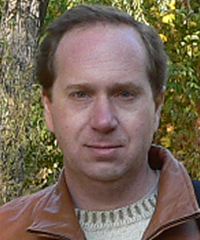
Ben Neuman is a Professor of Biological Sciences at Texas A&M University, affiliated with the College of Arts & Sciences. He holds a B.S. in Biology from the University of Toledo (1997) and a Ph.D. in Animal and Microbial Sciences from the University of Reading, UK (2001). Postdoctoral research at The Scripps Research Institute focused on virology, particularly SARS-CoV-2 and coronavirus biology. His research interests span virology, antiviral drug development, and innovative detection technologies using nanotechnology. He investigates viral genome architecture, host-pathogen interactions, and SARS-CoV-2 variants in wildlife. Key contributions include work on coronavirus replicative organelles, drug design targeting viral proteases, and novel biosensing methods like luminescence resonance energy transfer. Recent articles highlight advancements in viral detection tools, genetic innovation in aquatic coronaviruses, and critiques of unproven SARS-CoV-2 origin theories. Neuman’s lab develops thermostable analytical techniques and PROTAC-based antiviral strategies. His work emphasizes biosafety protocols for high-containment pathogens and the role of wildlife in viral spread.
Dr. Massimo Cavallaro is a Research Fellow at the University of Leicester's School of Computing and Mathematical Sciences, specializing in quantitative approaches to life and health sciences. His work integrates mathematical modeling, machine learning, and computational biology to address challenges in public health, infectious disease dynamics, and molecular biology. Before joining Leicester, he was a Research Fellow at the University of Warwick, focusing on mRNA transcription mechanisms and systems biology. He holds a PhD in Applied Mathematics from Queen Mary University of London and an MSc in Theoretical Physics from the University of Catania, Italy. His research interests span infectious disease modeling, non-equilibrium statistical mechanics, gene expression regulation, and the application of explainable AI to healthcare. He has contributed to studies on cocaine use patterns, SARS-CoV-2 variant surveillance, and antimicrobial stewardship strategies. Key publications include analyses of adolescent substance use trajectories, spatio-temporal surveillance of viral pathogens, and computational methods for understanding transcriptional bursting. His work bridges theoretical frameworks with real-world public health applications.
Dr. Simon Young is an Associate Lecturer in Biochemistry/Molecular Biology and Virology/Microbiology at the School of Biology, University of St Andrews. His research focuses on lipid metabolism in parasites, particularly Trypanosoma brucei (the causative agent of Human African Sleeping Sickness), and drug discovery for neglected tropical diseases. He leads Wellcome Trust-funded projects targeting novel antiparasitic drug candidates. His work integrates molecular biology, microbiology, and parasitology to understand parasite survival mechanisms and develop therapeutic strategies. Research interests include the role of lipid metabolism in parasitic diseases, host-parasite interactions, and the development of combination therapies for antibiotic-resistant pathogens. Notable contributions include studies on adipose tissue as a reservoir for Trypanosoma brucei and investigations into β-lactam therapies for Pseudomonas aeruginosa infections. Dr. Young has collaborated with institutions like the University of Edinburgh on tsetse fly symbiont research and has authored over 15 peer-reviewed articles in journals such as Cell Host & Microbe and Molecular Microbiology . His research aligns with UN Sustainable Development Goal 3 (Good Health and Well-being) by addressing global health challenges through innovative drug discovery approaches.
Ruth F. Jarrett is a Professor at the University of Glasgow , affiliated with the School of Cancer Sciences and School of Infection & Immunity . She leads the Jarrett Group, focusing on the role of viruses in human and animal leukemias and lymphomas, particularly Hodgkin lymphoma . Her work explores the causal link between Epstein-Barr virus (EBV) and a subset of Hodgkin lymphoma cases, while investigating potential novel viruses in EBV-negative cases. She employs next-generation sequencing to identify viral sequences and host genetic factors influencing disease risk, notably HLA genotypes . Her research extends to virus discovery in diseases like canine lymphoma and the clinical significance of inherited chromosomally integrated HHV-6 . Collaborative studies include genome-wide association analyses and biomarker development (e.g., CCL17/TARC for early diagnosis). She has received grants from Medical Research Council , Wellcome Trust , and Biotechnology and Biological Sciences Research Council . Scientific Awards: Royal Society of Edinburgh Fellow (2007)
Prof. Dr. Lukas Milles is a Professor (W2) at the Gene Center, Ludwig-Maximilians-Universität (LMU) Munich and an Emmy Noether Group Leader at the Max Planck Institute (MPI) of Biochemistry in Martinsried. His research focuses on de novo protein design, leveraging deep learning and biophysical characterization to engineer proteins with novel functions. He holds appointments at both LMU and the MPI, bridging computational and experimental approaches in biomolecular design. Academically, Milles earned a PhD in Physics/Biophysics from LMU (2014–2018) under Prof. Hermann Gaub, followed by postdoctoral training at the University of Washington’s Institute for Protein Design (2019–2023) with Prof. David Baker. His interdisciplinary work spans protein stability, host-pathogen interactions, and synthetic biology, with a focus on autocatalytic enzymes and catch-bond mechanisms inspired by bacterial pathogens. Key research interests include single-molecule biophysics, high-throughput protein screening, and machine learning-driven design. His lab develops tools like RFdiffusion and ProteinMPNN to predict and engineer protein structures and functions. Notable achievements include designing mechanically robust proteins and elucidating the molecular basis of pathogen adhesin stability. Scientific awards include the HFSP Cross-Disciplinary Fellowship (2020–2023) and EMBO Long-Term Fellowship (2019–2020). His group actively collaborates with institutions worldwide, advancing applications in biomedicine and biomaterials. Current projects prioritize synthetic protein systems for targeted therapies and mechanoresponsive biomolecules.
Hannah King serves as an Instructor and Research Lab Coordinator in the Biology Department at Lipscomb University, where she has been since 2016. She holds a B.S. in Molecular Biology and Applied Biochemistry (2013), an M.S. in Biomolecular Science (2018), and a Graduate Certificate in Epidemiology from East Tennessee State University (2022). Her research focuses on antibody design, viral neutralization mechanisms, and vaccine development, with notable contributions to HIV, Ebola, and influenza studies. Her instructional responsibilities include teaching biostatistics in the Biomolecular Science program and lab sections for Principles of Biology: Cell & Genetics. She is certified as a SAS educator (2023) and emphasizes demystifying data analysis tools for students. Her work at Vanderbilt University as a Research Assistant from 2013–2016 provided foundational experience in antibody development. Key Research Areas: Antibody engineering, viral immunology, epidemiology, biostatistics Awards: SAS Educator Certification (2023) Grants/Advising: No grants explicitly listed; advising roles unspecified Labs/Teams: Oversees research labs in the Biology Department Publications emphasize structural biology of viral proteins, broadly neutralizing antibodies, and applied bioanalytical techniques. Her work bridges basic research and translational applications in vaccine design and infectious disease control.
Dr. Jun Yan is a molecular biologist affiliated with the University of Queensland , working within the Department of Medicine as an Honorary Fellow at the UQ Centre for Clinical Research (UQCCR). Her career spans over two decades, with postdoctoral training in the Experimental Oncology laboratory at UQ and subsequent leadership in neuroimmunological studies of autoimmune and neurodegenerative disorders. PhD in Molecular Biology, University of Queensland Since 2001, she has investigated the NF-κB signaling pathway in multiple sclerosis (MS) , ischaemic stroke , and amyotrophic lateral sclerosis (ALS) . Her work examines how transcriptional dysregulation in inflammation and immunity contributes to disease pathogenesis, including genetic variants, immune cell activation, and hypoxia-related gene expression. Methodologically, she employs flow cytometry , immunohistochemistry , DNA sequencing , and luciferase assays to explore these mechanisms. Recent publications (2018–2020) highlight her focus on NF-κB subunit regulation in MS progression and hypoxia gene expression in stroke. Collaborative projects with Pamela McCombe, Judith Greer, and Michael Pender have been funded by MS Research Australia . Her research also extends to cytokine dynamics , regulatory T cells , and genetic polymorphisms in autoimmune contexts. Dr. Yan’s laboratory work within the Neuroimmunology Research group addresses both broad and specific aspects of neurological disease, including transcription factor signaling, immune cell interactions, and biomarker development for disease progression and treatment response.
Dr. David Erle is a Professor of Medicine at the University of California, San Francisco (UCSF) School of Medicine. He received his A.B. in Biochemistry from Harvard College in 1980 and his M.D. from UCSF in 1984. After completing his training in internal medicine and pulmonary disease at UCSF, he joined the Lung Biology Center faculty in 1990. Dr. Erle is a member of the Bakar ImmunoX Program, the Cardiovascular Research Institute, and the Institute for Human Genetics at UCSF. He founded the UCSF Functional Genomics Core Facility and has been continuously funded by the NIH for over three decades. Dr. Erle's educational background includes: Harvard College, Cambridge, MA: A.B. in Biochemistry (1980, Magna cum laude) University of California, San Francisco: M.D. (1984) University of California, San Francisco: Internal Medicine Residency (1987) University of California, San Francisco: Pulmonary Medicine Training (1990) University of California, San Francisco: Diversity, Equity, and Inclusion Champion Training (2018) Dr. Erle's research focuses on the biology of the airway epithelium in asthma and other respiratory diseases. His work has demonstrated that the airway epithelium plays a central role in asthma pathogenesis, particularly through the effects of the type 2 cytokine IL-13 on resident airway cells. His laboratory showed that IL-13-driven activation of the transcription factor STAT6 in airway epithelial cells causes airway hyperreactivity and mucus overproduction in mice. More recently, his studies of primary human bronchial epithelial cells revealed that IL-13 induces changes in expression, organization, and function of airway mucus glycoproteins (MUC5AC and MUC5B mucins), leading to mucus tethering to the epithelium and formation of obstructive mucus plugs. His laboratory employs a variety of approaches from cell and molecular biology, genomics, and computational biology, including single cell RNA-seq, ChIP-seq, and CRISPR, adapted for use with human bronchial epithelial cells. Dr. Erle's recent research has expanded to include studies of SARS-CoV-2 and COVID-19, particularly examining the relationship between asthma and susceptibility to viral infection. His work has shown that the type 2 asthma mediator IL-13 inhibits SARS-CoV-2 infection of bronchial epithelium, suggesting a potential protective role of type 2 inflammation against severe viral respiratory infections. Dr. Erle has received numerous awards and honors throughout his career, including: Magna cum laude from Harvard College (1980) Alpha Omega Alpha from UCSF (1983) Trudeau Award from the American Lung Association (1990) Election to the Association of American Physicians (2018) National Heart, Lung, and Blood Institute Outstanding Investigator Award (2019) Dr. Erle has been a principal investigator on numerous NIH-funded research projects spanning over three decades, with current funding extending through 2026. His laboratory has made significant contributions to our understanding of asthma pathogenesis and airway epithelial biology, with implications for the development of new therapeutic approaches for respiratory diseases.
Dr. Marc Ciosi is a Research Associate at the University of Glasgow within the Department of Molecular Biosciences. He earned his MSc and PhD in Evolutionary and Population Genetics from the University of Nice, France, and has focused his career on genetic variation dynamics and their implications in both human disease and ecological systems. 2014–present: Postdoctoral research on Huntington’s disease at Glasgow 2011–2014: Population genetics of trypanosomes and tsetse flies at Glasgow and ICIPE, Kenya 2009–2010: Teaching and research assistant at INRA/University of Nice His research interests span genetic variation , repeat expansion disorders , and genotype-phenotype mapping , particularly in Huntington’s disease. He specializes in high-throughput sequencing and somatic instability analysis. Recent publications highlight his work on CAG repeat expansion in Huntington’s disease (2025), genetic modifiers (2024), and ecological genetics of tsetse flies (2025). His methodologies include DNA sequencing , microsatellite analysis , and bioinformatics tools like Repeat Detector. Dr. Ciosi has supervised students including Diana Shabshai and contributed to teaching via hands-on tutorials on the Galaxy platform for microsatellite genotyping.
Dr. Senem Çevik serves as a Lecturer in the Department of Genetics and Bioengineering at Rafet Kayış Faculty of Engineering, Alanya Alaaddin Keykubat University. Previously, she held a Research Assistant position at the University of Delaware, College of Health Sciences (2022-2024), establishing her interdisciplinary background in molecular sciences. Her research integrates molecular genetics, bioinformatics, and protein engineering to address critical challenges in human health and plant biology. Primary focus areas include pathogenicity assessment of ABCA4 genetic variants in inherited retinal diseases using in silico modeling and functional genomics, alongside investigation of plant stress responses to heavy metals (boron, cadmium) in crops such as sorghum, canola, and black poplar. This dual trajectory demonstrates exceptional versatility across medical and agricultural genomics. Analysis of her six publications (2016-2024) reveals an evolving research trajectory: early work centered on plant stress genomics under environmental toxins, while recent publications (2023-2024) pivot toward molecular mechanisms of retinal degeneration. Her interdisciplinary approach consistently employs bioinformatics, structural modeling, and functional validation to decipher genetic variant impacts, with strong emphasis on translational applications for disease diagnosis and crop resilience.
Carlos Filipe is a Professor and Associate Dean at the Faculty of Engineering , McMaster University, specializing in biotechnology , biosensors , and smart food packaging . His work integrates functional nucleic acids , DNAzyme technology , and aptamer-based detection for pathogen monitoring in food and clinical contexts. Developed colorimetric biosensors for Salmonella and Escherichia coli Innovated lab-in-a-package systems for rapid, hands-free bacterial testing Created thermally stable sugar films for vaccine preservation and phage antimicrobials Research Interests : Focus on bioactive paper , point-of-care diagnostics , and integrated chemical-biomedical engineering . Key methodologies include microfluidics , surface immobilization , and environment-responsive materials . Recent Publications highlight advancements in phage-activated DNAzyme hydrogels (2025), smart packaging (2024), and universal SARS-CoV-2 aptamers (2022). Articles span Advanced Materials , Nature Communications , and Angewandte Chemie . Teaching Responsibilities : Instructs Chemical Engineering Principles II (CHEMENG 2F04) and co-ordinates Integrated Biomedical Capstone Design Projects across multiple engineering disciplines since 2018. Technical Contributions : Pioneered lab-on-a-chip systems, portable electrospinning , and pullulan-encapsulated bioassay tablets , with applications in water quality , viral diagnostics , and antibody purification .
Sean Tavtigian is a Professor of Oncological Sciences at the University of Utah, affiliated with the Huntsman Cancer Institute and the Molecular Biology Program. His research focuses on genetic susceptibility to cancer , with emphasis on BRCA1/BRCA2 gene variants , variant classification , and functional assays for unclassified variants (UVs). He pioneered the integrated evaluation method for UV classification and contributes to ClinGen/InSiGHT consortium guidelines. His work spans high-risk and intermediate-risk cancer susceptibility genes, utilizing next-generation sequencing , biochemical pathway analysis , and case-control mutation screening . Recent publications highlight advancements in ACMG/AMP variant classification criteria , computational tool calibration , and resolution of VUS in APC, ATM, and BRCA genes.
Dr. Chai-Ann Ng is a researcher at the Victor Chang Cardiac Research Institute and a member of the ClinGen Variant Curation Expert Panel for cardiac ion channels. His work focuses on functional interpretation of variants in cardiac potassium, sodium, and calcium channels, advancing precision medicine for cardiac channelopathies. Education PhD Research Interests Dr. Ng specializes in: Developing validated high-throughput functional genomics assays for ion channel variants Distinguishing pathogenic from benign variants in long QT syndrome Reclassifying Variants of Uncertain Significance (VUS) for clinical decision-making Improving risk stratification and guiding interventions like implantable cardioverter-defibrillators His research combines patch clamp electrophysiology with precision medicine to enable targeted pharmacotherapy and reduce sudden cardiac death risks. Scientific Awards 2013 Young Biophysicist of the Year (Australian Society for Biophysics) 2024 ACvA Excellence in Cardiovascular Research Awards Finalist (Game Changer Award) Grants 2021 MRFF Genomics Health Futures Mission Grant ($2.9m) 2024 UNSW CVMM Theme Collaborative Grant Scheme ($30k)
Prof. Martin Hegner is a Professor of Physics at Trinity College Dublin (TCD) and leads the Nanobio-Nanomechanics Group at the Centre for Research on Adaptive Nanostructures and Nanodevices (CRANN). He holds a PhD in Experimental Physics from ETH Zurich and has held academic positions at the University of Basel and UC Berkeley. His research focuses on bioanalytics at molecular and systems levels, including single-molecule manipulation with optical tweezers, nanomechanical diagnostics, and MEMS-based sensor development. Key areas include nucleic acid screening, thrombosis diagnostics, and translational medical applications. Education: Studied Life Sciences at ETH Zurich (BSc 1984), earned a Diploma (MSc equivalent) in Cellular Biochemistry (1989) and a PhD in Protein Translocation (1994). Postdoctoral work included pioneering single-molecule techniques at UC Berkeley under Prof. Carlos Bustamante. Research Themes: Single molecule mechanics and biosensing Nanomechanical diagnostic platforms for clinical use Protein translocation and ribosomal dynamics MiRNA/siRNA pharmacokinetics Collaborations with hospitals (St. James, Lund) and institutes (Swiss Tropical Institute) Labs & Teams: Directs the Nanobio-Nanomechanics Group with ~2 researchers, emphasizing interdisciplinary innovation in nanobiotechnology. Current projects include next-gen in vitro diagnostics and label-free immunoassays for malaria and SARS-CoV-2 variants. Teaching & Mentorship: Contributes to TCD's physics curriculum and supervises postgraduate research in biophysics, nanotechnology, and analytical instrumentation.
Ivan Adzhubey is a Research Associate in Biomedical Informatics at Harvard Medical School, affiliated with the Sunyaev Lab. His work focuses on computational biology, genetic analysis, and functional genomics. Key research areas include predicting variant impacts using tools like PolyPhen-2, analyzing genome-wide sequencing data for clinical applications, and understanding evolutionary pressures on genetic variation. He contributed to the ENCODE project and CLARITY Challenge, advancing standards in genomic data interpretation. His recent work emphasizes functional screening of variants (FUSE method) and improving clinical variant assessment through large-scale literature analysis. Collaborations span population genetics, cancer genomics, and protein structure prediction. Adzhubey's publications address topics like mutation rates linked to DNA replication timing, missense mutation predictions, and computational pipelines for proteomics. His research bridges bioinformatics, genetics, and clinical applications to advance precision medicine and genomic understanding.





/prod01/channel_3/media/tcd/physics/images/Hegner_Ribosome_2017.png)