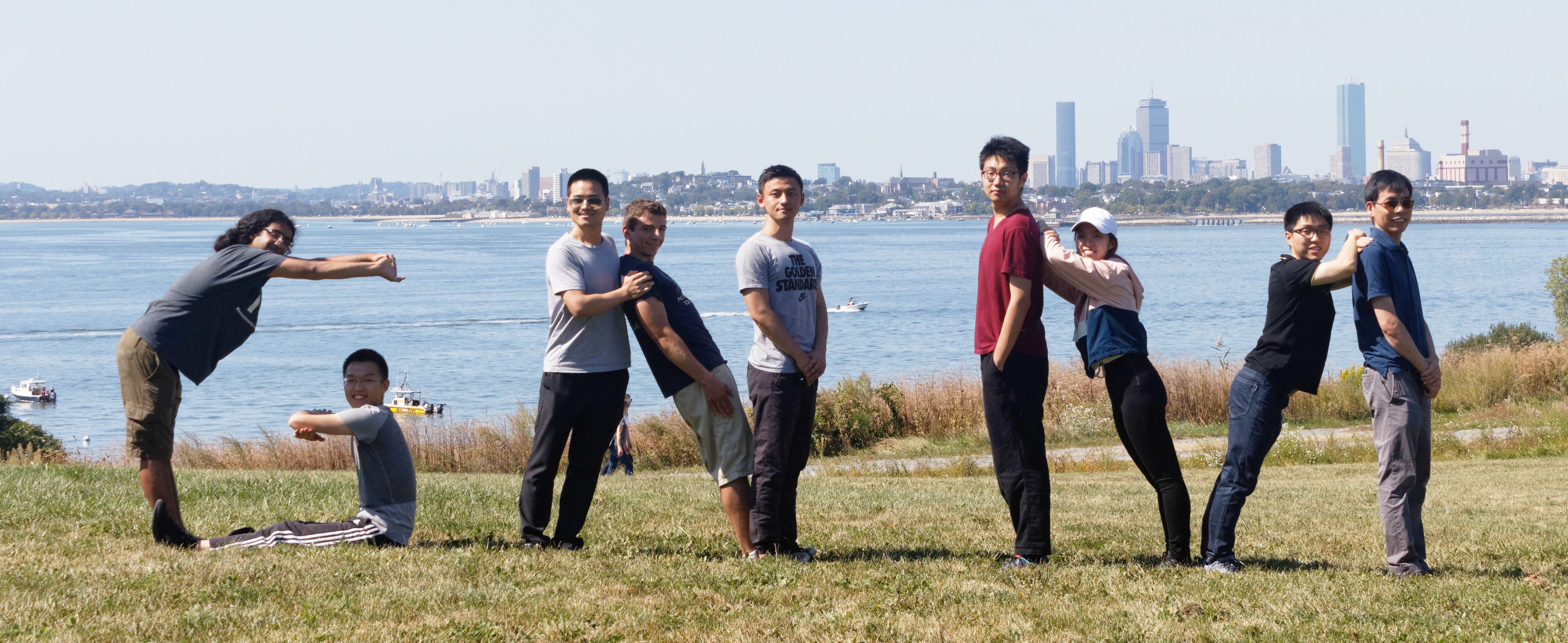
Bin Zhang is an Associate Professor of Chemistry at the Massachusetts Institute of Technology (MIT), leading the Zhang Lab focused on understanding genome structure and function through theoretical and computational approaches. His research integrates statistical mechanics, machine learning, and experimental data to model genome organization and dynamics at multiple scales. Key areas include predictive modeling of 3D genome structure using sequence information, multiscale modeling of chromatin fiber mechanics, and coupling genome dynamics with gene regulation. His work addresses challenges in non-equilibrium processes, epigenetic regulation, and the interplay between chromatin structure and cellular differentiation. Supported by funding from NIH, NSF, and private foundations, the lab develops open-source tools like OpenNucleome and OpenABC for structural modeling. Collaborations involve experimental groups to validate computational predictions, emphasizing translational applications in synthetic biology and disease mechanisms.
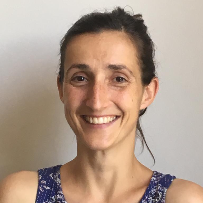
Dr. Marharyta (Margo) Petukh is an Associate Professor of Biology at Presbyterian College, where she contributes to the newly launched computational biology program. Her academic journey includes prior roles at the University of Tennessee's Joint Institute for Computational Sciences, Clemson University's Department of Physics and Astronomy, and Belarusian State University's Physics faculty. She holds a Ph.D. in Computational Biophysics from Clemson University, and master's and bachelor's degrees in Biophysics and Physics from Belarusian State University. Her research focuses on two primary areas: personalized medicine/drug discovery using computational approaches to study protein mutations and their therapeutic implications, and developing bioinformatics tools like the OrthoNet algorithm for evolutionary sequence analysis. She has received the Robert Freymeyer Award (2022) for her scholarly contributions. Dr. Petukh teaches courses including CBIO 3370 Bioinformatics Algorithms , BIOL 3360 Bioinformatics , and foundational biology seminars. She actively reviews for journals such as Journal of Biomolecular Structure & Dynamics and PLOS Computational Biology , and holds certifications in Python-based data analysis and machine learning. Her publications span topics like cholesterol transport mechanisms, bacterial chemoreceptor evolution, and mutation impact prediction, reflecting her expertise in computational biophysics and protein structure analysis.
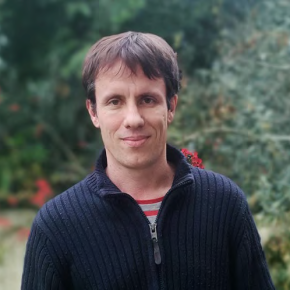
Jennifer Listgarten is a Professor in the Electrical Engineering and Computer Science (EECS) Department, the Center for Computational Biology, and the Bioengineering program at the University of California, Berkeley. She serves as a member of the steering committee for the Berkeley AI Research (BAIR) Lab and holds the Jeffrey Huber and Angel Vossough Chancellor's Chair in Computational Biomedicine. Her multidisciplinary appointments reflect her work at the intersection of computer science, statistics, and biological sciences. Professor Listgarten completed her Ph.D. in Computer Science from the University of Toronto in 2007, following undergraduate degrees in Physics and Computer Science from Queen's University in Canada. Prior to joining UC Berkeley, she spent a decade (2007-2017) at Microsoft Research with positions in Cambridge, MA, Los Angeles, and Redmond, WA. Her research focuses on developing and applying machine learning methods to solve problems in biology and medicine, with current emphasis on protein design, optimization, and engineering for properties such as expression, fluorescence, binding, and stability. She also works on computational chemistry methods, drug repositioning, and machine learning methodology at the intersection of graphical models, neural networks, and variational inference. Her earlier work addressed statistical genetics methods for correcting confounding factors in GWAS, epigenome-WAS, and eQTL studies, as well as immunoinformatics problems including HLA class I epitope prediction. Her recent publications demonstrate a strong trajectory in applying machine learning to protein engineering, with numerous high-impact papers in Nature Biotechnology, Science Advances, and top machine learning conferences. Her work shows increasing integration of computational methods with experimental validation, particularly in CRISPR technology and protein design applications. Bakar Fellows Spark Award (2024) Professor Listgarten actively mentors PhD students through EECS, the Center for Computational Biology, and Bioengineering programs. She maintains scientific advisory roles with several biotechnology companies including Dayzero Diagnostics, Deep Apple Therapeutics, Inscripta, and Fable Therapeutics (where she serves as Academic co-founder). Her research group collaborates with prominent scientists including Chris Garcia (Stanford), Phil Romero (U Wisconsin), David Savage (UC Berkeley), and David Schaffer (UC Berkeley). The Listgarten lab operates within the Berkeley Artificial Intelligence Research Lab (BAIR) and the Center for Computational Biology (CCB), focusing on developing computational methods that enable new biological insights and therapeutic applications, particularly in the areas of protein engineering and CRISPR technology.
Nick Grishin is a Howard Hughes Medical Institute (HHMI) Investigator and Professor of Biochemistry at the University of Texas Southwestern Medical Center. His research focuses on understanding the evolutionary mechanisms of proteins and their structural-functional relationships. Education: Diplom in Biochemistry from Moscow State University (Russia), equivalent to a Master's degree. Ph.D. in Molecular Biophysics at UT Southwestern Medical Center, mentored by Margaret Phillips. Postdoctoral training with Eugene Koonin at the National Institutes of Health (NIH). Dr. Grishin’s work employs theoretical and computational approaches to analyze the expansion of protein diversity from ancestral forms. His lab develops methods to classify sequence-structure data, detect remote homologs, and integrate evolutionary considerations into protein analysis, enabling structure prediction and functional insights. Scientific Awards: HHMI Investigator At the Grishin Lab, he leads research on protein evolution, biological diversity, and computational biology. His team has created tools such as ECOD, MESSA, Promals3D, and ProCAIn to advance hierarchical classification and evolutionary analysis of proteins.
Simona Ester Rombo is a Full Professor in the Department of Mathematics and Computer Science at Università degli Studi di Palermo (UNIPA), Italy. Her research spans computational biology, bioinformatics, network analysis, and big data approaches applied to biological and social systems. Her primary research interests include: Bioinformatics and computational genomics, particularly focusing on lncRNA-disease associations and RNA editing Network analysis and graph algorithms for biological and social networks Development of software tools for large-scale data analysis in biology Machine learning applications in drug discovery and repurposing Big data approaches for genomic sequence analysis and social network analysis Professor Rombo's publications demonstrate a strong focus on developing computational methods for biological network analysis, with particular emphasis on protein-protein interaction networks, molecular interaction networks, and lncRNA-disease association prediction. Her work bridges computer science and biology, creating practical tools and algorithms that address real biological challenges. Her scientific contributions include: Development of DIAMIN, a software library for distributed analysis of molecular interaction networks Creation of FEDRO, a tool for discovering candidate ORFs in plants with RNA editing Research on topological properties of biological networks and their functional implications Applications of network analysis to drug discovery and repurposing Professor Rombo actively teaches courses related to big data management and software engineering, mentoring students in computer science and artificial intelligence programs. Her office is located at Via Archirafi 34, Floor 2, Room 220 at UNIPA, with office hours on Mondays from 9:30 to 13:30.
Dr. Franziska Knolle is a Researcher and Principal Investigator at the Department of Neuroradiology, School of Medicine and Health, Technical University of Munich (TUM) . She leads the KnolleLab , focusing on computational and clinical neuroscience. She completed her Habilitation in Neuroscience in June 2024 and holds a PhD from the Max Planck Institute of Cognitive and Brain Sciences. Education and Training: PhD, Max Planck Institute of Cognitive and Brain Sciences, Leipzig Habilitation in Neuroscience, Technical University of Munich (2024) Medical undergraduate studies (Physikum), TU Dresden Marie Skłodowska-Curie Fellow Research Interests: Dr. Knolle uses computational modeling, fMRI, EEG, and machine learning to study cognitive mechanisms in health and psychiatric disorders, especially psychosis. Her work is grounded in the framework of predictive processing and Bayesian inference , exploring how prior beliefs influence perception, decision-making, and language. She investigates whether computational parameters can predict psychiatric risk or functional outcomes, with a focus on schizotypy, autism traits, and glutamate neurochemistry. Publication Trends: Her recent publications span computational psychiatry, neuroimaging, and cognitive modeling. Key themes include predictive processing in psychosis, reward prediction errors, semantic prior weighting, neural circuitry of salience, and multimodal imaging (fMRI, EEG, MRS). Her work increasingly integrates AI and machine learning for digital phenotyping and biomarker discovery. Scientific Awards: Marie Skłodowska-Curie Fellow Advising and Grants: Dr. Knolle supervises multiple PhD and medical doctorate students, including Elisabeth Sterner, Pritha Sen, and Onur Icin. She mentors students in computational modeling, neuroimaging, and clinical research. Her lab is supported by funding from competitive sources including DFG, DAAD, Marie Curie, and Leopoldina. She collaborates widely with institutions in the UK, Germany, and internationally. Labs and Teams: She leads the KnolleLab at TUM, which includes PhD students, medical researchers, and interns. The lab focuses on integrating computational models with multimodal brain data. She collaborates with researchers at the University of Cambridge, King’s College London, MRC CBU, and the University of Melbourne.
Gennady Verkhivker is a Professor of Computational Biology at Chapman University and an Adjunct Professor of Pharmacology at the Skaggs School of Pharmacy and Pharmaceutical Sciences, UC San Diego . He holds a doctoral degree in Physical Chemistry from Lomonosov Moscow State University and completed postdoctoral training in computational biophysics at the University of Illinois at Chicago . Previously, he held research and management roles at Pfizer Global Research and Development (2000-2005) and has served as an adjunct faculty member at The University of Kansas (2006-2011). Since joining Chapman University in 2011, he has established a dynamic research group focused on translational computational biology.
Gabriel Peyré is a CNRS Research Professor at the Department of Mathematics and Applications (DMA) of École normale supérieure (ENS) in Paris, France. A specialist in data science and artificial intelligence, he is renowned for his work on optimal transportation theory and its applications to imaging, machine learning, and neural network training. His research bridges mathematical theory with computational algorithm design, earning him the CNRS Silver Medal (2021) and multiple European Research Council (ERC) grants, including the 2024 Advanced Grant. Research interests include: Optimal Transport Machine Learning AI Theory Image Processing Computational Mathematics Neural Network Training His recent publications focus on advancing optimal transport methods in AI, with applications in neural network learning, spatial transcriptomics, and unsupervised data analysis. He has developed algorithms for large-scale optimal transport computations and contributed to theoretical understanding of transformer models and residual networks. Scientific awards: CNRS Silver Medal (2021) ERC Advanced Grant (2024) ERC Consolidator Grant (2016) ERC Starting Grant (2011) Blaise-Pascal Prize from the Academy of Sciences (2017) He supervises PhD students and postdoctoral researchers, including Raphaël Barboni, Valérie Castin, and Geert-Jan Huizing. His work involves collaborations with institutions like INRIA, MIT, and Heriot-Watt University. Peyré's affiliations include the Center for Data Sciences at ENS, where he contributes to interdisciplinary projects in biology and physics.
Shawn W. Polson is a Professor in the Department of Computer & Information Sciences, Department of Plant & Soil Sciences, and Department of Biological Sciences at the University of Delaware. He serves as Associate Director of the Center for Bioinformatics and Computational Biology (CBCB), Director of the Bioinformatics Data Science Core Facility, and Director of the Data Science Core for Delaware INBRE. He is also Co-director of the CBB T32 Predoctoral Training Program and affiliated with multiple institutes including the Data Science Institute and the Delaware Environmental Institute. Dr. Polson earned his B.S. in Biology (Cell & Molecular) and Computer Science from the University of South Carolina Aiken, followed by an M.S. in Microbiology & Molecular Medicine from Clemson University, and a Ph.D. in Molecular & Cellular Biology & Pathobiology from the Medical University of South Carolina. He completed postdoctoral training in viral metagenomics at the University of Delaware. His research lies at the intersection of genomics and microbial ecology, focusing on how microorganisms and viruses interact with their environments—especially marine, soil, and extreme environments like hydrothermal vents. His work specializes in bioinformatics solutions for analyzing complex microbial community data. Current projects include studying viral infection dynamics, connecting genotype to phenotype in microbial viruses, optimizing biopharma manufacturing using omics, and developing the VIROME and MgOl platforms for viral and metagenomic data analysis. His recent publications highlight a strong emphasis on marine virology, metagenomics, microbial ecology, and bioinformatics tool development. Themes include viral diversity, gene annotation, microbial community dynamics, and environmental genomics across marine, soil, and engineered systems. Scientific awards include: Delaware Biotechnology Institute Symposium, Best Scientific Talk (May 2010) Sigma Xi Research Award (November 2006) Estuarine Research Federation Travel Award (October 2005) NOAA National Ocean Service Certificate of Achievement (July 2004) Dr. Polson has advised numerous students and researchers, including Daniel Nasko, Rachel Keown, Jessica Chopyk, and Eric Sakowski. He has received significant grant funding from the National Science Foundation, Gordon and Betty Moore Foundation, USDA, and NIH for projects such as VIROME, which supports viral metagenome analysis. He is actively involved in professional societies including the American Society for Microbiology, Association of Biomolecular Resource Facilities, and Sigma Xi. He leads the CBCB Bioinformatics Core, which provides scientific expertise and infrastructure support in bioinformatics and computational biology for researchers across Delaware. He also co-developed the VIROME platform, a key resource for viral metagenome exploration that enables classification of unknown viral sequences and supports global research in viral dark matter.
Shenglin Mei, Ph.D., is an Assistant Professor at the Fralin Biomedical Research Institute (FBRI) at Virginia Tech and the Department of Biomedical Sciences and Pathobiology at the Virginia-Maryland College of Veterinary Medicine. His lab is based at the Children's National Research & Innovation Campus in Washington, D.C., where he leads research on tumor microenvironment remodeling during cancer metastasis. Dr. Mei holds a Ph.D. in Bioinformatics from Tongji University and completed postdoctoral training at Harvard Medical School and Massachusetts General Hospital. His research integrates computational biology, single-cell genomics, spatial transcriptomics, and machine learning to study the molecular mechanisms of tumor progression and metastasis. His research interests include: Computational methods for multi-omics data integration (scRNA-seq, scATAC-seq, spatial transcriptomics) Context-dependent remodeling of the tumor microenvironment Identification of novel regulators in cancer metastasis Organ-specific metastasis mechanisms Development of therapeutic strategies for metastatic cancers Dr. Mei's recent publications focus on metastatic cancers such as neuroblastoma, renal cell carcinoma, and prostate cancer, utilizing single-cell and spatial technologies to dissect immune and stromal remodeling in primary and metastatic tumors. His work has revealed key immunosuppressive mechanisms and potential therapeutic targets in the tumor microenvironment. Scientific awards and honors include: Young Investigator Award, Royalty Pharma-Prostate Cancer Foundation (2023–2026) Challenge Award, Michael & Lori Milken Family Foundation-Prostate Cancer Foundation (2022–2025) Outstanding Graduates Award, Nanjing Agricultural University (2012) Dr. Mei has secured significant research funding and leads an active lab focused on computational cancer genomics. He is actively mentoring postdoctoral fellows and graduate students, and his lab collaborates with multiple institutions. The Mei Lab is currently recruiting talented researchers to advance computational methods and biological discovery in cancer metastasis. His research team is based at the Children's National Research & Innovation Campus, contributing to the Cancer Research Center - D.C., and is part of the Children's National Center for Cancer and Immunology Research.
Prof. ERDİ ATA BLEDA is a Professor in the Department of Physics at Marmara University, Faculty of Arts and Sciences . He earned his Ph.D. in Physics and Astronomy from Clemson University (2008) and has held academic positions at both Marmara University and Istanbul Arel University. His research spans atomic and molecular physics, computational quantum chemistry, high-order harmonic generation, and machine learning applications in materials science. Doctorate: Clemson University, Physics and Astronomy (2004–2008) Postgraduate: Clemson University (2002–2004) Undergraduate: Marmara University, Physics (1997–2001) His research interests include atomic and molecular interactions , quantum mechanical modeling , nonlinear optical processes , plasma spectroscopy , and machine learning in material properties prediction . He employs computational methods such as DFT, TDDFT, and kinetic Monte Carlo simulations to study molecular systems, confined atoms, and nanostructures. His recent work explores twisted bilayer graphene using machine learning and high-harmonic generation from endofullerenes. The most recent publications reflect a strong trend in computational materials discovery , atomic-scale simulation , and quantum phenomena in confined systems . His work integrates physics, chemistry, and computer science, often with applications in nanotechnology and astrophysics. Themes include dielectronic recombination in plasmas, hydrogen bonding in organic molecules, and electronic structure analysis of novel carbon systems. His scientific awards include: In recognition of passion and dedication to improving student learning with Pearson’s MasteringPhysics (2013) Second Place in Physics Mef National Project Competition (1997) He supervises several graduate and doctoral students, with recent theses on machine learning in 2D nanostructures and parallelization of Green’s function methods. He has led multiple TÜBİTAK-funded research projects integrating GPU computing and quantum modeling. He also serves as the Erasmus Program Institutional Coordinator and has held leadership roles in academic commissions. He has contributed to scientific software development and holds patents in interactive data management systems. He is actively involved in research laboratories and teams focusing on computational physics, quantum chemistry, and high-performance computing. His group collaborates internationally and presents regularly at major physics and quantum chemistry conferences.
Ronald M. Levy is the Laura H. Carnell Professor of Biophysics and Computational Biology at Temple University’s Department of Chemistry. His research focuses on developing computational methods to study protein structure, function, folding, and dynamics, with applications in biophysics, drug design, and HIV-1 protein interactions. He holds a B.S. from Reed College (1970), Ph.D. from Harvard University (1976), and completed postdoctoral work there (1976-1980). Expertise: Molecular simulations, statistical mechanics, free energy methods. Affiliations: Temple University, Center for Biophysics and Computational Biology (CB2). Research interests include protein-ligand binding, allosteric regulation, and understanding drug resistance mechanisms in HIV-1 through computational modeling. Key contributions include novel free energy methods, solvation thermodynamics frameworks, and Potts Hamiltonian models for protein co-variation analysis. His work bridges computational models with experimental data across spatial and temporal scales. Recipient of prestigious awards including the Alfred P. Sloan Fellowship and NIH Career Development Award. Active in mentoring the Levy Group, advancing interdisciplinary collaborations, and publishing over 200 articles. His lab explores viral integrase inhibitors, protein stability, and evolutionary fitness landscapes.
Jing-Ke Weng is a Professor of Chemistry and Chemical Biology at Northeastern University and inaugural Director of the Institute for Plant-Human Interface (IPHI). He holds dual appointments in the College of Engineering's Bioengineering program and the College of Science. Previously, he served as an Assistant and Associate Professor of Biology at MIT (2013-2023) and was a Pioneer Postdoctoral Fellow at the Salk Institute and HHMI (2009-2013). His research focuses on plant specialized metabolism, encompassing enzyme evolution, metabolic pathway engineering, and the chemical interactions between plants and humans. Key areas include developing bioengineered solutions for drug discovery, sustainable chemical production, and understanding plant-microbe communication. Education: BS in Biotechnology from Zhejiang University, PhD in Biochemistry from Purdue University. Research highlights include studies on plant-derived compounds for allergy treatments (e.g., peanut proteins), bitter taste receptor evolution in amphibians, and the bioengineering of natural products like salidroside. His lab employs advanced techniques such as X-ray crystallography and AI-driven omics analysis. Current projects explore the evolutionary origins of plant metabolites and their applications in biotechnology and medicine. Awards and recognition include his position as a Pioneer Postdoctoral Fellow, though no specific named awards are listed in the provided text. His work bridges fundamental plant biology with translational applications, addressing challenges in agriculture, health, and environmental sustainability.
Prof. Yonatan Loewenstein is a Professor in the Department of Neurobiology at the Hebrew University of Jerusalem. His research focuses on computational neuroscience and cognition, particularly the neural mechanisms underlying decision-making, reinforcement learning, and sensory processing. He leads an interdisciplinary laboratory exploring how learning principles govern behaviors in both biological and artificial systems. Key contributions include studies on somatosensory cortex organization, neuronal homeostasis, and human-machine synergy in decision-making. He co-authored the book Computational Models in Cognition , blending theoretical frameworks with empirical findings. Education details are not explicitly provided in the text, but his affiliations suggest advanced training in neurobiology and computational sciences. Research interests span decision-making biases, reinforcement learning dynamics, and the interplay between brain structure and function. His recent work addresses topics like idiosyncratic choice stability, value modulation in impulsivity, and abstract reasoning in neural networks. Publications highlight collaborations in fields ranging from cognitive dissonance to schizophrenia diagnostics. While no specific awards are listed, his involvement in high-impact journals and interdisciplinary projects underscores his academic contributions. The lab’s work is housed in the Goodman Faculty building, with active group members and experimental facilities.
Simon Lovell is a Professor at the Division of Evolution, Infection and Genomics, University of Manchester. He obtained his BSc from the University of Bath (1988–1992) and PhD from the University of Bristol (1992–1995). His career includes academic and research roles at the University of Bath, Duke University, University of Cambridge, and University of Manchester. Dr. Lovell’s research focuses on computational analysis of protein structure, evolutionary constraints, and functional prediction. His work bridges structural biology, bioinformatics, and molecular evolution to understand how amino acid sequences determine protein function and how evolutionary pressures shape these relationships. He has contributed to methods for pathogenic variant interpretation and protein interaction modeling. Key Research Themes: Sequence-structure relationships in proteins Evolutionary restraints on protein structure Functional site prediction via structural analysis Applications in genetic disorder diagnostics Recent publications highlight trends in machine learning for cancer gene prediction, structural modeling of pathogenic variants, and evolutionary analysis of protein interactions. His collaborations span cardiovascular research, genomics, and rare disease studies.