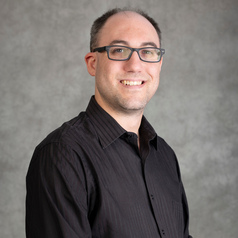
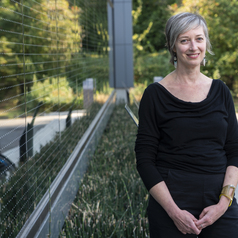
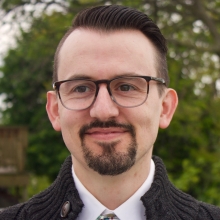
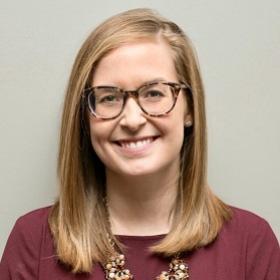
Diogo Oliveira e Silva is an Associate Professor at the Department of Mathematics, Instituto Superior Técnico (Lisbon, Portugal), and an Honorary Senior Research Fellow at the University of Birmingham (UK). He obtained his PhD from UC Berkeley in 2012 under Michael Christ and completed his Habilitation at Universität Bonn in 2017. Previously, he held positions as Associate Professor at Birmingham and Assistant Professor at Bonn. His research centers on mathematical analysis, with emphasis on: Harmonic analysis techniques (sharp inequalities, oscillatory integrals) Fourier restriction theory and uncertainty principles Sphere packing problems and nonlinear Fourier analysis His publications reflect interdisciplinary work connecting harmonic analysis with geometry, mathematical physics, and information theory, featuring recent explorations of sphere packings in higher dimensions and Fourier-analytic foundations of signal processing. Research funding has been provided by: AIM (American Institute of Mathematics) FCT (Portuguese Science Foundation) EPSRC (UK Engineering and Physical Sciences Research Council) DFG (German Research Foundation) NSF (US National Science Foundation)
Joseph M. Mahoney serves as the Chair of Engineering and Associate Professor of Mechanical Engineering at Alvernia University , where he leads engineering program development, ABET accreditation efforts, and laboratory design. He previously held Associate Professor positions at Penn State Berks in both Mechanical Engineering and Kinesiology. His research at the intersection of Biomechanics and Machine Learning focuses on cost-effective data collection tools for human movement analysis, with recent attention to stroller running biomechanics and overuse injury prevention . His professional memberships include the American Society of Engineering Education (ASEE), American Society of Biomechanics (ASB), Institute of Industrial and Systems Engineers (IISE), and American Society of Mechanical Engineers (ASME). At Alvernia, he oversees five engineering programs, designs cutting-edge labs, and builds industry partnerships for real-world engineering projects and internships. As an educator, he teaches engineering design , statics , and computer programming while mentoring undergraduate researchers. His Biomechanics and Gait Evaluation Laboratory (BaGEL) at Penn State Berks utilized motion capture and force plate technologies to study running mechanics. Current research explores hills and uneven terrain effects on stroller running, alternative stroller designs, and movement pattern analysis using inertial measurement units .
Professor Paul L. Lewin is a distinguished academic at the University of Southampton, serving as Professor and Head of Electrical Power Engineering within the School of Electronics and Computer Science. He also directs the Tony Davies High Voltage Laboratory and actively supervises PhD students. With over three decades of academic service since joining the university staff in 1989, Professor Lewin has established himself as a leading expert in high voltage engineering and control systems. Professor Lewin received his BSc (Hons) and PhD degrees in electrical engineering from the University of Southampton in 1986 and 1994, respectively. His educational background forms the foundation for his extensive contributions to power engineering education, including developing the MSc in Energy and Sustainability with Electrical Power Engineering (2009) and BEng/MEng in Electronics and Electrical Engineering (2011). Professor Lewin's research spans high voltage engineering and control systems, with particular expertise in condition monitoring of HV cables and plant, surface charge measurement, HV insulation/dielectric materials, and applied signal processing. His work in automation focuses on practical applications of repetitive control and iterative learning control algorithms. Recent publications reveal a strong emphasis on sustainable power systems, with significant research on natural ester insulation fluids, thermal management of power cables, and integration of renewable energy sources. His scholarly contributions demonstrate consistent excellence in electrical engineering research, particularly in advancing the understanding of dielectric materials, power cable systems, and renewable energy integration. The publications show a clear trajectory toward more sustainable electrical infrastructure solutions, with increasing focus on environmental considerations in power engineering. Chartered Engineer Fellow of the IET Fellow of IEEE General chair of IEEE International Conference on Solid Dielectrics 2007 General chair of IEEE Electrical Insulation Conference 2015 President of the IEEE Dielectrics and Electrical Insulation Society (2016-17) Associate Editor of IEEE Transactions on Dielectrics and Electrical Insulation Professor Lewin has secured over £34 million in research funding since 1996 and has successfully supervised 50 graduate students to completion of their doctoral theses. His leadership extends to directing the Tony Davies High Voltage Laboratory and overseeing major research projects like ADAPT (Ageing Dynamics and Analysis of Power Transformers) and CABLEGNOSIS. His educational initiatives include a £150,000 HE-STEM grant to develop e-learning resources for power industry engineers. Based at the Tony Davies High Voltage Laboratory, Professor Lewin leads a research group focused on electrical power engineering, collaborating with researchers including Dr. Thomas Andritsch, Dr. George Callender, and Professor Richard Brown. His team works on cutting-edge projects addressing critical challenges in power transmission, insulation materials, and sustainable energy infrastructure.
Christina E. Hoicka holds the Canada Research Chair in Urban Planning for Climate Change and is an Associate Professor of Geography and Civil Engineering at the University of Victoria. Previously, she was an Associate Professor at York University (2019-2021) and held the PowerStream Chair in Sustainable Energy Economics (2013-2017). Her interdisciplinary background includes a Bachelor of Engineering from McGill University, a Masters in Environmental Studies from York University, and a PhD in Geography from the University of Waterloo. Dr. Hoicka's educational journey reflects her interdisciplinary approach to energy and climate issues. She holds a Bachelor of Engineering (McGill University), a Masters in Environmental Studies (York University), and a PhD in Geography (University of Waterloo), providing her with a unique perspective that bridges technical, environmental, and social dimensions of energy transitions. Her research focuses on energy justice, renewable energy transitions, and climate change policy, with particular emphasis on Indigenous energy governance, community energy, and the socio-technical dimensions of low-carbon innovation. She investigates how disruptive clusters of renewable and low-carbon innovations diffuse through communities and impact energy system change, with special attention to equity, diversity, and inclusion in energy transitions. Her work examines the implementation of complementarity of renewable energy sources and the democratic and just forms of renewable energy governance and ownership. Dr. Hoicka's recent publications reveal a strong trend toward examining the intersection of energy transitions with social justice, particularly regarding Indigenous communities and marginalized populations. Her research increasingly focuses on energy justice frameworks, the role of community ownership in renewable energy projects, and how climate action can be designed to avoid exacerbating existing inequalities. She has pioneered research on Indigenous utilities and First Nations power authority models in British Columbia. Canada Research Chair in Urban Planning for Climate Change (2021-present) PowerStream Chair in Sustainable Energy Economics (2013-2017) Co-founder and former Chair of Women and Inclusivity in Sustainable Energy Research (WISER) Network Member of the Core Team of the Geography of Sustainability Transitions Thematic Group for the Sustainability Transitions Research Network Dr. Hoicka actively mentors students, including supervising Adam Regier's undergraduate honors thesis. Her grant portfolio is extensive and diverse, including principal investigator roles on projects like "PATHWAY TO ACCELERATE THE DIFFUSION OF DEMAND-SIDE LOW-CARBON INNOVATIONS" (Transition Accelerator, 2022) and "Equity, Diversity and Inclusion in the Net Zero Carbon Economy" (McConnell Foundation, 2021). She has secured significant funding from SSHRC, NSERC, New Frontiers in Research Fund, and Natural Resources Canada, often focusing on community energy, Indigenous involvement in renewable projects, and inclusive green recovery initiatives. She co-leads the Re-Imagining Social Energy Transitions CoLaboratory (ReSET CoLab) at the University of Victoria, which investigates youth impact on energy transitions, green hydrogen information gaps, and scaling energy justice. The ReSET CoLab, which Dr. Hoicka leads, employs a unique interdisciplinary approach that incorporates craft and Indigenous materials like beam paints into research discussions to create more inclusive and participatory research environments. The lab focuses on renewable energy, community energy, gender and energy, Indigenous energy, energy justice, participation, innovation and diffusion, with particular attention to how place-based approaches can lead to more just energy transitions.
Dr. Nikos Ntounis is a Senior Lecturer in Marketing at Manchester Metropolitan University , affiliated with the Institute of Place Management . His work focuses on place management theory and practice, place branding, town centre management, and business improvement districts, with a strong emphasis on urban sustainability. Editor-in-Chief of the Journal of Place Management and Development Senior Fellow of the Institute of Place Management Member of the Regional Studies Association He leads research on urban regeneration, place identity, and high street viability, utilizing methodologies like chronotopic analysis and machine learning. Recent projects include ESRC-funded work on Circular Society Innovations for equitable urban development. His teaching covers research methods, place leadership, and alternative marketing forms. Scientific recognition includes: Senior Fellow of Institute of Place Management Current research explores the intersection of place marketing, legal geography, and stakeholder engagement in urban spaces.
Jeremy D.W. Clifton is a Senior Research Scientist at the University of Pennsylvania's Positive Psychology Center and directs the Primals Project. His work focuses on primal world beliefs—fundamental cognitive frameworks about the world's nature (e.g., safety, allure, aliveness) and their psychological ramifications. Clifton earned his Ph.D. in psychology from UPenn under Martin Seligman and Angela Duckworth. Research Interests include primal world beliefs, their measurement, and implications for mental health, political ideology, and human behavior. He has published extensively in top journals, exploring how these beliefs shape trust, depression, curiosity, and spirituality. His 2019 foundational study identified 26 primal beliefs under broader categories like Safe , Enticing , and Alive , which together form an overarching Good World belief. Awards include the 2024 APS Rising Star recognition. Clifton's teaching includes research methods in UPenn's Master of Applied Positive Psychology program.
Halid Can Yildirim is an Associate Professor in the Department of Civil and Architectural Engineering at Aarhus University, School of Engineering. His research focuses on structural engineering with an emphasis on advanced materials, particularly metallic structures used in infrastructure such as bridges, buildings, and offshore systems. He integrates experimental and computational methods to enhance material durability and safety under extreme conditions. Education: PhD in Mechanics of Materials, School of Engineering, Aalto University (Awarded: 19 Nov 2013) MSc in Mechanical Engineering, Faculty of Engineering, Bogazici University (Awarded: 3 Jul 2009) His research interests include Fatigue and Fracture Mechanics , Material Characterisation , Physics-based Data Science , and Machine Learning applied to structural materials. He employs a multi-scale approach—spanning micro to macro levels—to understand and improve the performance of high-strength steels and welded joints. His work emphasizes energy efficiency throughout the material lifecycle and sustainable engineering design. The recent publications reflect a strong trend in analyzing fatigue behavior of welded metallic components, particularly focusing on post-weld treatments like High-Frequency Mechanical Impact (HFMI). These studies employ both experimental testing and data-driven modeling, often integrating machine learning and statistical methods to predict fatigue life and crack initiation. Key themes include residual stress relaxation, misalignment effects, and damage-based assessment in high-strength steel joints. Scientific Awards: No scientific awards explicitly mentioned in the provided text. Dr. Yildirim has been involved in multiple research projects such as Hi-Life, FATIMP, TENGEN, FATWELDHSS, Fimecc – LIGHT SPR, and SOLROCK, indicating sustained funding and collaborative research activity. While no formal advisees are listed, his co-authored publications suggest active mentorship and collaboration within research teams. His work promotes open science through publicly available data and code via his HighLight webpage. Laboratories and Research Infrastructure: His experimental work is supported by facilities for small- and large-scale testing, likely located within the Structural Engineering section at Aarhus University. These labs enable mechanical testing, residual stress measurement, and full-scale structural evaluation, forming a critical component of his integrated research strategy.
Samantha C. Holmes is an Assistant Professor at the College of Staten Island, City University of New York (CUNY). She holds a PhD and MA in Counseling Psychology from the University of Akron and completed a predoctoral clinical internship at the Veterans Affairs Palo Alto Health Care System and a NIDA-funded T32 postdoctoral fellowship at Yale School of Medicine. Her clinical work spans diverse settings including domestic violence shelters, community mental health agencies, VA clinics, and college counseling centers. PhD, University of Akron MA, University of Akron BA, Lafayette College Dr. Holmes’s research centers on women’s experiences of trauma, with a focus on culturally-relevant risk and protective factors, trauma-informed interventions for complex clinical presentations, and the conceptualization of oppression as a form of trauma. Her work also addresses health disparities and the mental health impacts of systemic injustice. Her recent publications from 2019 to 2024 appear in high-impact journals such as Annual Review of Clinical Psychology , Frontiers in Psychology , and Journal of Traumatic Stress . These works explore racial trauma, disordered eating in PTSD, the development of trauma inventories, and socioeconomic determinants of mental health, reflecting a strong interdisciplinary and socially engaged research agenda. Dr. Holmes has no listed scientific awards in the provided text. She draws upon her extensive clinical expertise in empirically-supported cognitive behavioral treatments for PTSD to inform both her teaching and research. There is no information available about student advising, grants, or lab affiliations.
Emmett Wyman is an Assistant Professor in the Department of Mathematics and Statistics at Binghamton University, specializing in harmonic analysis and spectral geometry. His research focuses on Laplace-Beltrami eigenfunctions of large eigenvalue, exploring how their asymptotics relate to the geometric and dynamical structure of manifolds, with applications to quantum physics and number theory. His work spans multiple domains including: Microlocal analysis of eigenfunctions Geometric uncertainty principles VC-dimension in finite fields Kuznecov sum formulas Manifold reconstruction via spectral data Recent research examines: Fractal dimensions in data analysis Fourier restriction problems Wave propagation on Riemannian manifolds Geometric incidence theory Spectral asymptotics with curvature constraints Current projects analyze multi-linear forms in geometric settings, spectral localization on manifolds, and combinatorial aspects of eigenfunction restrictions.
Tara LeGates is an Assistant Professor in the Department of Biological Sciences at the University of Maryland, Baltimore County (UMBC), where she leads an active research laboratory investigating the neural circuit mechanisms underlying reward, mood, and cognitive behaviors. She is affiliated with the Interdisciplinary Life Sciences Building and is a key member of the neuroscience community at UMBC. Education: B.S. in Behavioral Neuroscience, Rider University (2007) Ph.D. in Biology, Johns Hopkins University (2013) Postdoctoral Training, University of Maryland School of Medicine (2019) Her research focuses on how synaptic and circuit-level plasticity in the brain regulates complex behaviors, particularly those related to depression and psychiatric disorders. Using a combination of electrophysiology, in vivo imaging, and behavioral analysis in mouse models, her lab explores how neuronal circuits such as the hippocampus-nucleus accumbens pathway integrate information to modulate reward and affect. She also investigates the role of light and circadian rhythms in mood regulation, building on foundational work involving melanopsin-expressing neurons. The recent publications from her lab and collaborations reveal a strong trend in understanding synaptic mechanisms in depression, circadian control of behavior, and the neural basis of reward processing. Her work bridges molecular, cellular, and systems neuroscience, with implications for developing novel therapeutic strategies for mood disorders. Scientific Awards: No specific awards were listed in the provided text. Advising and Grants: Dr. LeGates mentors trainees in experimental design, hypothesis testing, and scientific communication. While current advisees are not listed, her lab is actively engaged in research supported by external funding, as evidenced by her publication record in top-tier journals. She emphasizes training the next generation of scientists through hands-on research and skill development. Labs and Research Teams: She leads the LeGates Lab, located on the 3rd floor of the Interdisciplinary Life Sciences Building at UMBC. The lab employs a multidisciplinary approach, integrating electrophysiology, imaging, and behavioral assays in mice. The team investigates how neuronal circuits integrate information to regulate behaviors related to depression, with a focus on synaptic communication and plasticity. The lab is active on social media (Instagram) and collaborates widely with experts in circadian biology, synaptic function, and psychiatric neuroscience.
Sibylle Meissner is a senior academic at the University of Tübingen, where she serves as Managing Director of the Tübingen School of Education (TüSE), a central scientific institution. She holds a doctorate in Educational Sciences and plays a key role in academic leadership, overseeing study and teaching affairs, student advising, and internationalization. She is also a senator for early-career academics, actively contributing to university governance. Her research centers on instructional quality , teacher professionalism , and school system analysis , particularly in the context of the German comprehensive school (Gemeinschaftsschule). Her work combines empirical research with policy-oriented analysis, contributing to national debates on teacher education and educational reform. She has co-edited two open-access book series on teacher education, emphasizing research-based, innovative, and responsible practices. The analysis of her recent publications reveals a consistent focus on the interplay between educational structures, teaching quality, and student outcomes. Her work spans qualitative and quantitative methodologies, often in collaborative research settings. She has contributed significantly to the evaluation of the introduction of the Gemeinschaftsschule in Baden-Württemberg, examining instructional practices, teacher collaboration, and systemic challenges. Co-editor, Open Access Series: Lehrerbildung. forschungsbasiert. anwendungsbezogen. verantwortungsbewusst. Co-editor, Open Access Series: Lehrerbildung. kreativ. innovativ. ungewöhnlich. Senator for Early-Career Academics, University of Tübingen Active participant in university commissions (e.g., Quality Management, Teaching Strategy, Rectorate Task Force) Dr. Meissner has advised on multiple research and development projects, including the scientific accompaniment of the Gemeinschaftsschule reform and the 'Bridge the Gap' project. While formal student advising (PhD/Master’s) is not explicitly listed, her leadership in research teams and editorial roles indicates significant mentorship and academic guidance. She leads the administrative and research operations of TüSE, fostering interdisciplinary collaboration in teacher education.
Yannis Bakos is an Associate Professor in the Department of Technology, Operations, and Statistics at the Leonard N. Stern School of Business, New York University, where he has been a faculty member since 1998. His research and teaching focus on the economic and business implications of information technology, particularly in digital markets, e-commerce, and the pricing of information goods. Education: Ph.D. in Management (IT and Economics), MIT Sloan School of Management, 1988 M.S. in Management (Finance), MIT Sloan School of Management, 1984 M.S. in Electrical Engineering, MIT, 1984 B.S. in Computer Engineering, MIT, 1980 Professor Bakos's research explores the transformative impact of IT on markets, organizations, and competition. His work has pioneered the study of electronic marketplaces, the economics of bundling information goods, and the role of IT in buyer-supplier relationships. He has published extensively in top journals such as Management Science , MIS Quarterly , and Journal of Economic Perspectives . His research demonstrates how digital technologies reduce search costs, reshape competition, and create new business models. The analysis of his recent publications reveals a consistent focus on digital market design, pricing strategies for intangible goods, and the economic structures of online platforms. His work often applies economic theory to information systems, bridging disciplines to understand the strategic use of technology. Key trends include the profitability of bundling digital content, the evolution of electronic intermediaries, and the governance of networked systems. Scientific Awards: Winner of the 1999 J.D.C. Little Award for Best Marketing Paper published in an INFORMS journal Professor Bakos has served as a director or advisor for several corporations and non-profit organizations. He co-founded the Workshop on Information Systems and Economics (WISE), a leading academic forum, and co-founded Flexplay Technologies, Inc., where he served as Chairman of the Board. His international teaching and lecturing on the business impact of the Internet further extend his influence. He has collaborated with prominent scholars such as Erik Brynjolfsson and Barrie Nault. Professor Bakos co-founded the Workshop on Information Systems and Economics (WISE), which has become the premier forum for research at the intersection of IT and economics. This initiative reflects his leadership in building academic communities around emerging interdisciplinary fields.
Yongquan Zhang is currently a Milnor Lecturer at the Institute for Mathematical Sciences (IMS), Stony Brook University, serving until August 2025. He will transition to a tenure-track assistant professor position at the Department of Mathematics, William & Mary, starting August 2025. Zhang earned his Ph.D. in Mathematics from Harvard University in 2021, advised by Curtis McMullen, following an undergraduate degree in Mathematics (First Class Honours) from the University of Hong Kong and study at UC Berkeley's Education Abroad Program. Research Interests: Hyperbolic 3-manifolds, Kleinian groups, Teichmüller theory, homogeneous dynamics, complex dynamics, circle packings, and number theory. His work bridges geometric topology, dynamical systems, and complex analysis, with recent focus on equidistribution of geometric structures and rigidity phenomena in reflection groups. Selected Achievements: His research includes breakthroughs on disk patterns, quasiconformal non-equivalence of Julia sets, and exotic geodesic planes. He has presented at institutions such as the Fields Institute, Cornell University, and the University of Chicago. His work is supported by collaborations with leading mathematicians like Yusheng Luo and Tina Torkaman. Teaching: In Fall 2025, he will teach MATH 311H and MATH 405 at William & Mary.
William Rupley is a Professor in the Department of Teaching, Learning and Culture at Texas A&M University's College of Education and Human Development. He specializes in reading acquisition, comprehension, and teacher effectiveness, with a focus on integrating technology in education. His research spans over 125 publications and $3 million in grants, addressing topics like reading fluency, vocabulary instruction, and STEM literacy. Education: Ph.D., University of Illinois (1975) M.S., St. Francis College (1970) B.S., Indiana University (1968) Research Interests: Reading comprehension strategies Technology-enhanced learning Teacher professional development Content-area literacy (science/math) Assessment and evaluation His work bridges theory and practice, emphasizing evidence-based methods to improve K-12 instruction. Awards: 2013 A. B. Herr Award for distinguished service in reading CEHD Research Achievement Award Regents Scholar (2001, 2014) Grants & Leadership: PI of $1.5M IES grant on expository text instruction Co-PI on climate forecast education projects Editor-in-Chief of Reading Psychology
Reza Kashani is a full-time Professor in the Department of Mechanical and Aerospace Engineering at the School of Engineering, University of Dayton. He specializes in control of dynamic systems with a focus on sound and vibration control, as well as manufacturing process control. His research is applied in aerospace, automotive, and industrial contexts. Educational Background: Ph.D., University of Wisconsin-Madison, 1989 M.S., University of Wisconsin-Madison, 1986 M.S., University of Wisconsin-Madison, 1979 B.S., Sharif University of Technology, Tehran, 1977 His research interests include active and passive noise and vibration control, thermoacoustic instability mitigation, electrohydrodynamic heat transfer enhancement, and feedback control in manufacturing processes. He applies control theory to mechanical systems for improved performance and reliability. The recent articles demonstrate a strong trend in tuned mass dampers, active acoustic filtering, and adaptive vibration control systems, spanning applications from structural engineering to automotive and aerospace systems. His work combines theoretical modeling, numerical simulation, and experimental validation. Scientific Awards: SAE Ralph A. Teetor Educational Award (1995) ASME Dynamic Systems and Control Division Certificate of Appreciation (1998) Dr. Kashani has secured research funding as Principal Investigator from the Air Force Wright Laboratories and DaimlerChrysler Corp., with projects focused on acoustic instability control and active boom noise damping. He has taught core courses such as Dynamic Systems and Controls, Noise and Vibration Control, and Automatic Control Theory. He has also conducted professional training for Caterpillar, John Deere, and SAE, and provided consulting services in noise and vibration control for industry. He has organized symposia on Noise and Vibration Control at ASME IMECE. He leads research in active and adaptive vibration control systems, with applications in aerospace propulsion, automotive NVH, and precision manufacturing. His lab work involves experimental modeling of acoustic enclosures, development of smart dampers, and control of micro heat transfer systems.