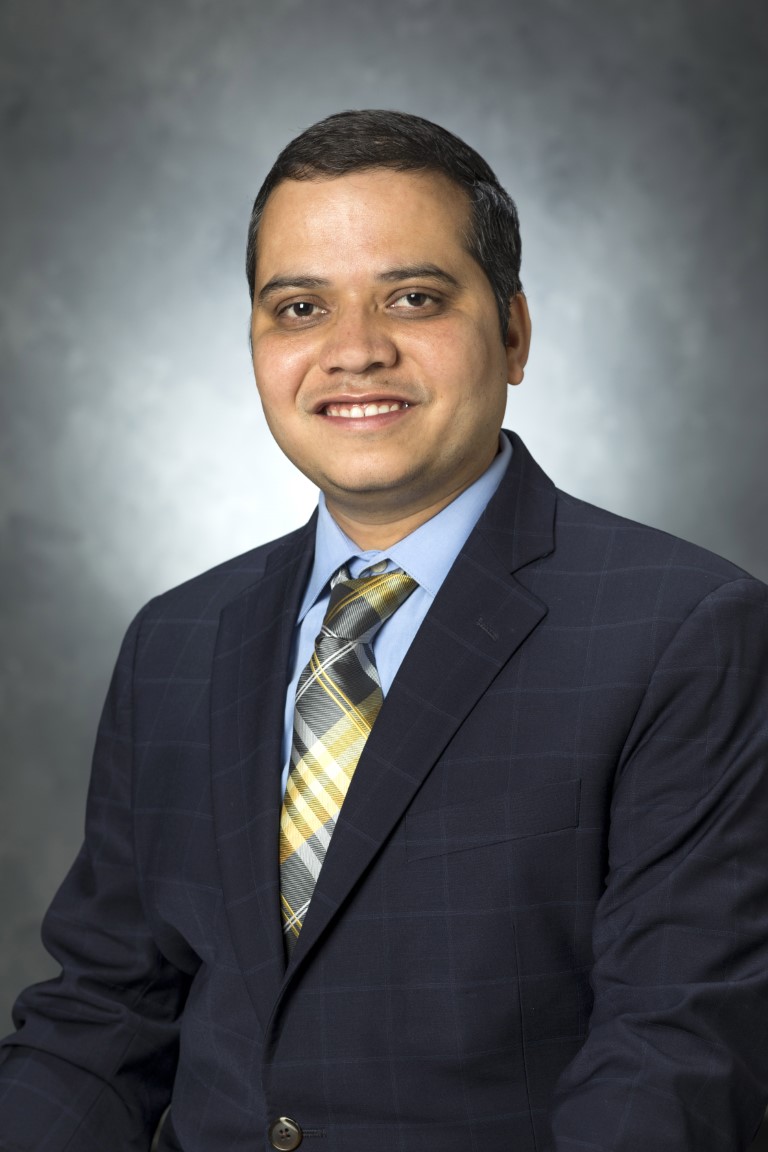
Randy Bradley is a Professor at the Supply Chain Management Institute within the University of Tennessee. His research encompasses supply chain management, information technology integration, and logistics optimization, with applications in healthcare and automotive industries. His primary research interests include supply chain digital transformation, information governance frameworks, healthcare logistics efficiency, technology adoption in operations, and sustainable supply chain strategies. Bradley's recent publications demonstrate a focus on healthcare supply chains, open-source software ecosystems, and racial disparities in oncology. His work frequently combines empirical analysis with practical frameworks for operational improvement. He maintains active research collaborations and contributes to industry discussions through conference presentations and industry partnerships.
Sarah BOURAGA is an Associate Professor in Supply Chain Management at EM Normandie since 2024, specializing in blockchain technology, digital innovation, and data-driven decision-making. Previously, she held academic roles at the University of Namur (Belgium) from 2017-2024, including Assistant and Associate Professor positions. She earned her PhD in Management Science from the University of Namur in 2017, focusing on requirements engineering for online social networks. Her research explores intersections between blockchain, AI, and supply chain management, with notable contributions to tokenization frameworks, smart contract design, and disruptive technologies in the fashion industry. She teaches Logistics and has published extensively in journals like Expert Systems with Applications and Business & Information Systems Engineering , as well as conference proceedings on blockchain applications and user-centric BI dashboards. Her work emphasizes practical frameworks for early-phase blockchain development (CASCADE method) and examines social network analysis for cryptocurrency adoption patterns. She has also contributed to user experience models for business intelligence systems, addressing cognitive overload challenges in dashboard design. No scientific awards or grants are explicitly mentioned in the provided information. She has advised multiple students through collaborative research but no specific advisee names are listed. Her academic contributions span over 15 peer-reviewed articles and conference papers since 2014, covering topics from knowledge-based recommendation systems to blockchain consensus protocols. Current research interests include NFTs in fashion, machine learning on blockchain data, and supply chain digitization strategies.
Angelique Whitehurst is an Associate Professor in Pharmacology at UT Southwestern Medical Center. Her research centers on mechanisms enabling uncontrolled tumor growth, particularly investigating how cancer-testis antigens support tumor cell viability and modulate chemotherapeutic sensitivity. She directs a lab focused on identifying tumor vulnerabilities using functional genomics approaches. Whitehurst's work explores how gametogenic genes like cancer-testes antigens contribute to neoplastic phenotypes. Her team employs cell biological, biochemical, and animal models to characterize these mechanisms, supported by NIH funding and an SU2C Innovator Award. Her 15 most recent publications focus on cancer-testis antigens, stress responses, and therapeutic resistance mechanisms across multiple cancer types. Recurring themes include tumor metabolism, DNA damage response, and kinase signaling pathways. Awards include: Komen Foundation Fellowship Department of Defense Fellowship ACS Fellowship NCI Pathway to Independence Award Stand Up 2 Cancer Innovative Research Grant Her laboratory investigates tumor dependencies through RNAi-based screens and develops models to study replication stress responses and metastasis pathways.
Jaakko Pohjoismäki is a Professor of Molecular Biology and Molecular Genetics at the University of Eastern Finland, affiliated with the Department of Environmental and Biological Sciences within the Faculty of Science, Forestry and Technology. His research focuses on mitochondrial biology, genetics, and biodiversity, with a particular emphasis on applying biomedical methods to study species diversity. He earned his Master’s degree from the former University of Joensuu and his PhD in Molecular Biology from the University of Tampere, followed by postdoctoral work at the Max Planck Institute for Heart and Lung Research in Germany. His key research interests include mitochondrial DNA maintenance, evolutionary biology, and the application of genomic tools to biodiversity studies. He leads research groups on Hare Research, Mitochondrial Biology, and Entomology. Notable achievements include compiling high-quality reference genomes for Finnish hares and advancing DNA sequencing methods for species inventory. He also holds a Docent title in Molecular Genetics from the University of Eastern Finland (2013). Pohjoismäki’s work bridges basic molecular mechanisms with ecological questions, such as understanding speciation through hybridization studies of hares and leveraging genomics to address biodiversity loss. His research integrates computational methods for large-scale data analysis, reflecting the rapid advancements in biological fields. He actively contributes to education, emphasizing the growing gap between secondary education and cutting-edge research skills. His laboratory focuses on interdisciplinary approaches, combining molecular techniques with ecological studies. Collaborations include projects like the European Reference Genome Atlas (ERGA) for species genomics. Beyond academia, he maintains strong ties to nature through hobbies like Finnish Spitz breeding and traditional hunting cultures, which inform his research perspectives.
Shixin Liu is an Associate Professor at The Rockefeller University, specializing in biochemistry, biophysics, and chemical biology. His research focuses on single-molecule techniques to study DNA/chromatin-based molecular machines and their roles in gene regulation. He leads the Laboratory of Nanoscale Biophysics and Biochemistry, investigating processes like transcription, translation, and genome replication coordination. Education: B.S. in biology from University of Science and Technology of China (2003), Ph.D. in chemistry from Harvard University (2009). Postdoctoral training at UC Berkeley (2010–2015). Academic positions include Assistant Professor (2016–2022) and current role as Associate Professor. Research interests include chromatin architecture, nucleosome dynamics, and bacterial transcription mechanisms (e.g., Mycobacterium tuberculosis). His lab pioneered the SEnd-seq method for transcriptome mapping, revealing novel regulatory paradigms in bacteria. Awards include the NIH Innovator Award, Vilcek Prize, and multiple early-career fellowships. Advising and grants: Active in graduate programs (David Rockefeller, Tri-Institutional) and has secured NIH and private funding. Research bridges fundamental biology with applications in epigenetics and infectious disease. Labs/Teams: Laboratory of Nanoscale Biophysics and Biochemistry, collaborating on interdisciplinary projects in biophysics and chemical biology.
Matt Levine is a Professor of Technology and Applied Composition at the San Francisco Conservatory of Music (SFCM), where he also contributes to Professional Development programs. He holds a BFA from the California Institute of the Arts (1992) and a Sound Healing certificate from the California Institute for Integral Studies (2017). His research focuses on composing for video games, film, and immersive soundscapes, blending cutting-edge technology with traditional instruments and healing modalities. Key projects include scores for Uncharted 3 , The Last of Us , and Counter-Strike: Global Offensive , as well as meditation albums like Circadian and Strange Attractors . Notable awards include the Gang Award for Best Handheld Audio (Uncharted: Golden Abyss, 2016). Levine advises three highlighted students: Daria Novoliantceva, Molly Monahan, and Kris Grant. His work is supported by grants from SFCM, evident in the MASTERMINDS II soundtrack project (2024). Levine’s lab, Uncle Vector’s Audio Lab LLC, collaborates with Sony Interactive Entertainment and SFFilm. He also leads the Pickpocket Ensemble and develops sound-healing apps integrating technology with wellness practices.
Dr. David A. Cisneros is a Lecturer at Queen's University Belfast, affiliated with the School of Medicine, Dentistry and Biomedical Sciences and the Wellcome Wolfson Institute for Experimental Medicine. His research focuses on the molecular mechanisms of gut microbiome colonization and its impact on human health, particularly chronic inflammatory diseases and colorectal cancer. He employs CRISPR-Cas technology, genetic engineering, and advanced molecular biology techniques to study bacterial competition and symbiotic interactions. Education: Docent (Habilitation) in Medicine from Umeå University, Sweden; Postdoctoral fellowships at Institut Pasteur (France) and Institute of Molecular Pathology (Austria); PhD from International Max Planck Research School & TU Dresden (Germany); Licenciatura from UNAM, Mexico. Awards: EMBO Long-term Fellowship, VIPS Fellowship, Docent title in Sweden. Research interests include understanding how bacterial species colonize the gut, manipulate their environment, and contribute to disease. His lab develops strategies to harness the microbiome for therapeutic applications, such as microbiome-based therapies and synthetic biology approaches. Recent projects include the NICOLA-biome initiative, investigating microbiome- medication interactions in older adults. Collaborations span Europe and focus on chromatin dynamics, bacterial secretion systems, and pathogen-host interactions.
Dr. Mauida Al Khallawi is an Academic Researcher at the School of Animal and Veterinary Science, University of Adelaide. Her work focuses on antimicrobial resistance (AMR) in veterinary pathogens, particularly Mycoplasma species, and vaccine development. She collaborates with Prof. Darren Trott at the Australian Centre for Antimicrobial Resistance Ecology (ACARE) and has conducted longitudinal studies on AMR in cattle. Her research combines microbiology, tissue culture innovation, and genomic analysis to address critical issues in animal health and food safety. Education: PhD in Veterinary Microbiology (2012), University Putra Malaysia MSc in Veterinary Medicine (1994), University of Baghdad BSc in Veterinary Science (1991), University of Baghdad Research Interests: Development of marine and avian cell lines for pathogen isolation Mechanisms of AMR in Mycoplasma and Enterococcus species Bio-banking of pathogen isolates for genomic studies Vaccine candidate identification using molecular techniques Articles Trends: Recent publications emphasize AMR in livestock-associated bacteria, viral pathogenesis in poultry, and diagnostic innovations in aquaculture. Key themes include One Health approaches, genomic epidemiology, and cell culture advancements. Supervision & Grants: Eligible to supervise Masters/PhD students and has secured grants supporting AMR research. Collaborates internationally on vaccine development and pathogen characterization projects. Labs/Teams: Active in ACARE and the School's microbiology laboratories, focusing on whole-genome sequencing and bio-banking initiatives.
João Mendes is a Researcher at the Center for Research in Digitization and Intelligent Robotics (CeDRI) , affiliated with the Polytechnic Institute of Bragança. He holds a bachelor's in Mechanical Engineering and a master's in Industrial Engineering from the same institution, followed by a PhD in Engineering and Systems from the University of Minho. He currently leads technical development for the project Olive Grove to Fork 4.0 , focusing on AI-driven agricultural solutions. Research Expertise His work integrates machine learning with agricultural technology, specializing in: Developing CNN-based software for olive cultivar classification using leaf analysis Implementing computer vision systems for precision agriculture Optimizing deep learning models for UAV-based crop monitoring Data processing pipelines for agricultural big data His publications (26 total) demonstrate consistent focus on applying computer vision and neural networks to agricultural challenges, with recent works exploring UAV-based disease detection, hyperparameter optimization for CNNs, and autonomous driving systems. Affiliations and Infrastructure Primary laboratory affiliation: CeDRI (Center for Research in Digitization and Intelligent Robotics)
Luca Pellegrini is a Professor in the Department of Biochemistry at the University of Cambridge. His research focuses on understanding the molecular mechanisms of genomic stability, particularly the coordination of DNA replication and repair processes. He leads the Pellegrini Group, which investigates protein complexes involved in DNA replication fork stability, homologous recombination, and chromatin interactions. Key projects include structural studies of replisome components like CMG helicase and Ctf4, as well as the role of RAD51 in DNA repair pathways. His work combines structural biology (e.g., cryo-EM, X-ray crystallography) with biochemical and cellular approaches to elucidate how replication machinery interacts with obstacles like DNA damage or histones. Recent studies highlight the functional interplay between replication proteins and their roles in cancer and neurodegenerative diseases. Publications span structural insights into DNA repair proteins (e.g., CtIP tetramerization, BRCA2-RAD51 interactions) and viral factors affecting replication (e.g., SARS-CoV-2 nsp1). The lab actively collaborates on translational projects targeting genome instability, such as developing small-molecule inhibitors of replication complexes. Opportunities exist for students and researchers at all levels, with a focus on training in cutting-edge structural and molecular biology techniques. His group is based in the Sanger Building at the University of Cambridge.
Dr. Jon Weiss serves as Assistant Program Director and Assistant Professor of Physical Therapy at Bellin College, within the Graduate Physical Therapy Programs. He is actively involved in clinical education and program leadership in physical therapy. Education: EdD, A.T. Still University DPT, Regis University, Denver, CO MPT, University of North Dakota, Grand Forks, ND BS, University of North Dakota, Grand Forks, ND Dr. Weiss's professional focus lies in physical therapy, with specialized expertise in geriatric rehabilitation and orthopaedic manual therapy. His work emphasizes clinical training, patient care improvement, and advancing physical therapy education. He is board certified in Geriatric Physical Therapy by the American Board of Physical Therapy Specialties (ABPTS), reflecting his advanced clinical competence. Dr. Weiss contributes to the academic and clinical development of physical therapy students, integrating evidence-based practice and specialized geriatric care into the curriculum. While no formal advisees are listed, his leadership role suggests mentorship and supervision of students and residents.
Karin Schwaiger serves as Professor and Head of the Department of Food Hygiene and Technology at the University of Veterinary Medicine Vienna's Faculty of Veterinary Medicine. With her leadership position and extensive research portfolio, she represents a prominent figure in veterinary public health and food safety sciences within Austria's premier veterinary institution. Professor Schwaiger's research program focuses on critical intersections between animal health, food safety, and public health. Her work examines pathogenic and antibiotic-resistant bacteria throughout the food chain from farm to fork, employing both phenotypic and genotypic approaches. She investigates zoonotic diseases of economic significance, develops diagnostic and prevention strategies, and analyzes microbial communities impacting animal health. Her department reconstructs microbiological quality in processed foods and establishes science-based animal welfare parameters, with particular interest in symbiotic grazing systems. Analysis of her recent publication record reveals consistent focus on foodborne pathogens, particularly cold-tolerant Clostridium species causing meat spoilage, Campylobacter contamination routes, and novel decontamination methods like cold atmospheric plasma. Her work spans analytical methodology development, microbial ecology studies, and practical interventions for improving food safety throughout production chains. This research demonstrates strong translational potential for both industry applications and public health protection. As department head, Professor Schwaiger oversees research initiatives and educational programs within Food Hygiene and Technology. Her leadership role encompasses strategic direction for the department's scientific activities, resource allocation, and representation within the university's administrative structure. While specific grant details aren't provided in available materials, her extensive publication record suggests successful acquisition of competitive research funding. The Department of Food Hygiene and Technology operates within the University of Veterinary Medicine Vienna's infrastructure, conducting laboratory-based research on food safety issues with particular relevance to veterinary public health. The department maintains connections with Austrian agricultural sectors, food industry stakeholders, and public health authorities to address contemporary food safety challenges.
Karl Duderstadt is a Professor of Experimental Biophysics at Technische Universität München and an Independent Research Group Leader at the Max Planck Institute of Biochemistry since 2015. His research focuses on understanding the Structure and Dynamics of Molecular Machines involved in DNA replication, particularly the replisome and its coordination with chromatin dynamics. He employs advanced single-molecule imaging and biophysical techniques to address challenges in genome integrity and replication mechanics. B.A. in Physics, Oberlin College (2004) Ph.D. in Biophysics, University of California, Berkeley (2011) Postdoctoral Fellow, Rijksuniversiteit Groningen (2015) His research interests span chromatin replication , topological stress resolution , and replisome stability . Current projects include ReplisomeBypass (ERC-funded) and ChromoMemInMotion (ERC Consolidator Grant). His work has produced groundbreaking insights into replisome dynamics and nucleosome inheritance , with implications for genome stability and epigenetic regulation. Scientific awards include the ERC Starting Grant (2018) and ERC Consolidator Grant (2023) . The group utilizes novel single-molecule platforms to study replication under stress conditions and develop tools like the MARS software for bioimage analysis. Collaborative efforts involve characterizing molecular barriers in DNA replication and understanding how protein complexes coordinate dynamic events during chromosome duplication.
Dr. Jinru Chen is a Professor in the Department of Food Science and Technology at the University of Georgia's College of Agricultural and Environmental Sciences. Based at the Griffin campus, his research specializes in food safety microbiology with particular emphasis on pathogen behavior in food systems. Research Focus: Dr. Chen's work centers on molecular detection of foodborne pathogens, epidemiological typing, bacterial stress responses, and control strategies for pathogens in foods. His lab investigates critical areas including: Attachment and internalization mechanisms of Salmonella and pathogenic E. coli in produce Biofilm formation and sanitizer resistance in foodborne pathogens Probiotic functionality in food matrices and gastrointestinal environments Novel decontamination methods for mycotoxins and pathogens Development of therapeutic foods for malnutrition scenarios Publication Trends: Analysis of recent articles reveals consistent focus on pathogen ecology in fresh produce (especially seeds and leafy greens), probiotic-pathogen interactions, and practical interventions for food safety. The research demonstrates strong field-to-fork approaches with studies spanning agricultural production, food processing, and consumer safety.
Abhinav Mishra is an Associate Professor and Graduate Coordinator in the Department of Food Science & Technology at the University of Georgia’s College of Agricultural & Environmental Sciences. He is based in Athens, GA, and focuses on food microbiology, predictive modeling, and quantitative microbial risk assessment to enhance food safety. Education Specific educational credentials are not detailed in the provided text. Research Interests Mishra’s research centers on: Food microbiology and microbial ecology Predictive modeling of microbial behavior in foods Quantitative microbial risk assessment (QMRA) Food safety interventions and control strategies Survival and persistence of foodborne pathogens across the farm-to-fork continuum His lab develops mathematical models to predict how pathogens like Salmonella , Listeria monocytogenes , and E. coli grow, survive, or decline under varying environmental conditions, enabling data-driven risk management. Teaching He currently teaches: FDST(MIBO) 4120/6120-4120L/6120L: Food Fermentations FDST(EHSC)(MIBO) 4320/6320-4320L/6320L: Food Safety Control Programs FDST 8090: Advanced Food Microbiology Recent Research Trends Over the past decade, Mishra’s publications have increasingly emphasized the integration of predictive models with real-world data to quantify pathogen risks in produce, meat, poultry, and dairy products. His work spans pre-harvest contamination sources, processing interventions, temperature abuse scenarios, and novel antimicrobial technologies such as UV-C and atmospheric cold plasma. A clear trajectory toward data-driven decision-making and risk-based food safety management is evident. Contact & Location Email: amishra@uga.edu Phone: 706-542-0994 Mail & Shipping: Food Science Building, 100 Cedar St., Athens, GA 30602