- Wildlife Ecology
- Population Dynamics
- Demographics
- +۷ مورد دیگر
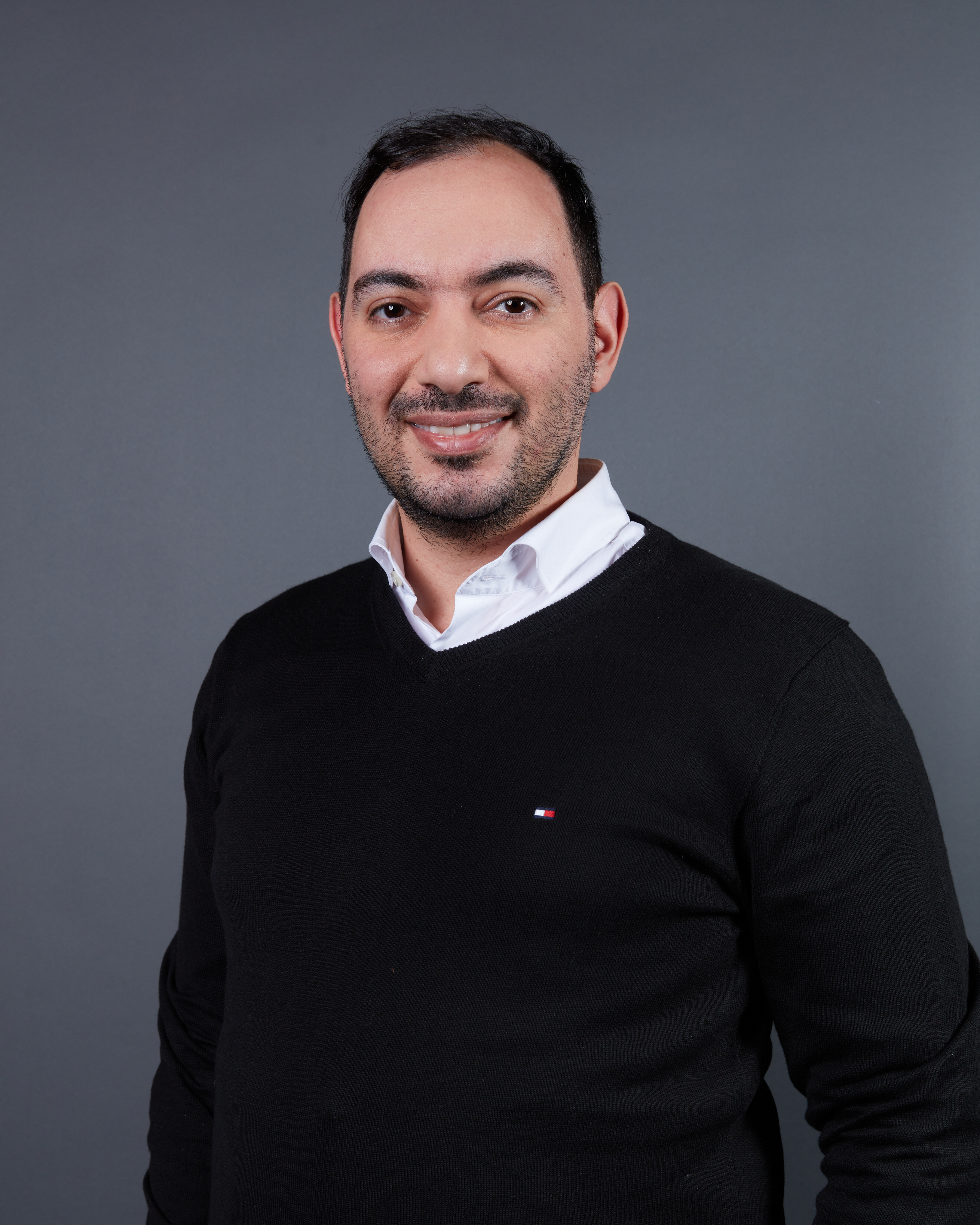
Erik Blomberg is Professor of Wildlife Ecology and Chair of the Department of Wildlife, Fisheries, and Conservation Biology at the University of Maine, within the College of Natural Sciences, Forestry and Agriculture. He leads a dynamic research lab focused on wildlife population dynamics and conservation, supported by the Maine Agricultural and Forest Experiment Station and McIntire-Stennis funding. Ph.D., Ecology, Evolution, and Conservation Biology, University of Nevada, Reno M.Sc., Natural Resources Science, University of Rhode Island Dr. Blomberg's research centers on understanding how environmental change affects wildlife populations, with a focus on gamebirds (ruffed grouse, spruce grouse, American woodcock), bats, American eels, and greater sage-grouse. His lab uses advanced demographic modeling and GPS telemetry to study survival, reproduction, migration, and habitat use. His work directly informs conservation and management strategies in collaboration with state and federal agencies. His recent publications reflect a strong emphasis on migration ecology, population modeling, and conservation science. Projects like the Eastern Woodcock Migration Research Cooperative demonstrate a trend toward large-scale, collaborative science integrating tracking technology with demographic analysis to address pressing wildlife management questions across North America. Dr. Blomberg is actively involved in mentoring graduate students and teaching key courses including Wildlife Population Dynamics (WLE 410/411), Gamebird Ecology (WLE 435), and Applied Population Ecology (WLE 650). He co-instructs the department’s field course and supervises research in the Wildlife Demographics Lab. His research is funded through the McIntire-Stennis Project ME042116 and Experiment Station contributions, supporting long-term studies on grouse ecology and woodcock migration. He has established strong partnerships with the Maine Department of Inland Fisheries and Wildlife and the Cooperative Forestry Research Unit. The Wildlife Demographics Lab, housed in Nutting Hall, is a hub for quantitative wildlife ecology, training the next generation of conservation scientists in demographic analysis, field methods, and conservation planning.