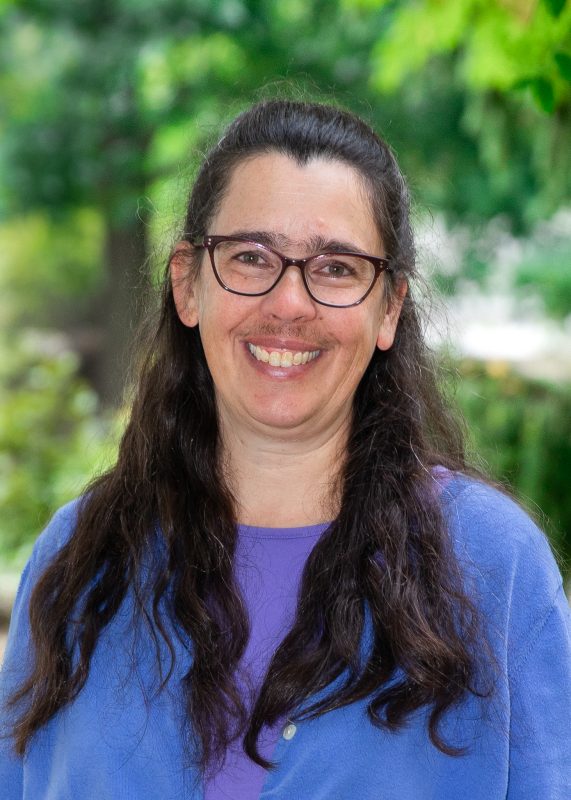
Carolyn Copenheaver is a Professor in the Department of Forest Resources and Environmental Conservation at Virginia Tech’s College of Natural Resources and Environment. Her research focuses on forest ecology, dendrochronology, land-use history, and forest stand dynamics. She holds a B.S. in Biology from Juniata College (1993), an M.S. in Forestry from the University of Maine (1996), and a Ph.D. in Forestry from Pennsylvania State University (2000). Her research integrates historical ecological methods with modern climatic analysis, including studies of forest succession patterns, invasive species impacts, and anthropogenic disturbances. Notable contributions include work on old-growth forest definitions, climate-growth relationships in tree species, and the historical ecology of North American forests. She teaches courses such as FREC 3314 (Forest Ecology and Silvics) and FREC 5374 (Advanced Forest Ecology). Her publications span over two decades, addressing topics like dendroclimatology, land-use change, and mentoring undergraduate researchers. Recent work emphasizes the ecological impacts of historical land management practices and the adaptation of tree species to climatic stressors.
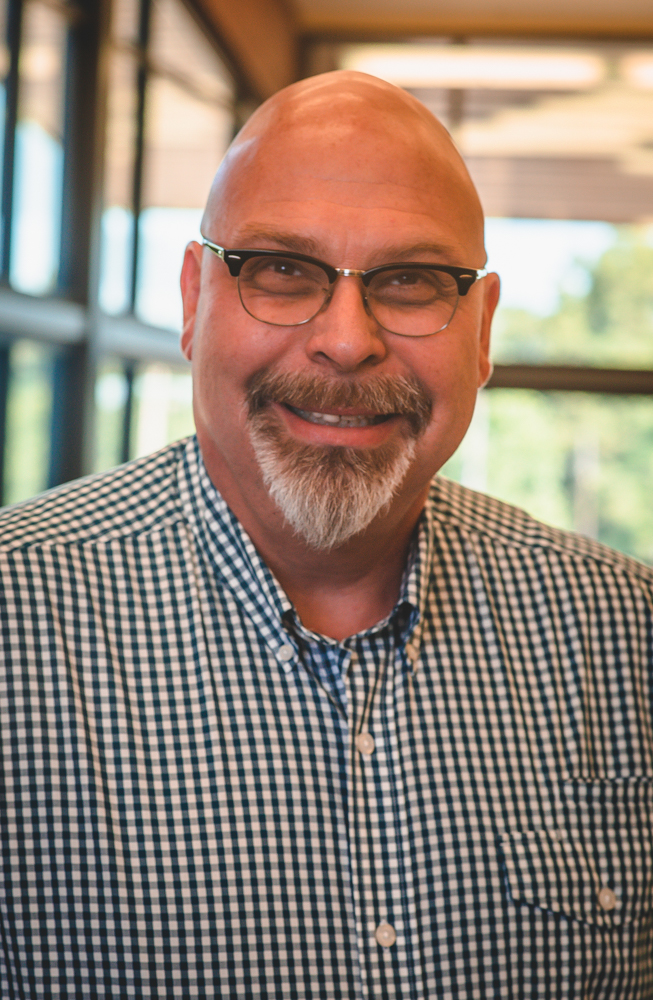
Matthew H. Pelkkii is a Professor and holder of the George H. Clippert Endowed Chair at the University of Arkansas at Monticello's College of Forestry, Agriculture & Natural Resources. His expertise spans forest resource management, economic development, and sustainable practices. He holds a B.S.F. from the University of Michigan (1985), an M.S. (1988), and a Ph.D. (1992) from the University of Minnesota. Education: B.S.F., University of Michigan, 1985 M.S., University of Minnesota, 1988 Ph.D., University of Minnesota, 1992 Research & Teaching: His research focuses on valuation of forest ecosystem services , numerical methods for forest stand optimization , and sustainable forest management . Teaching interests include forest inventory , wood products , and forest economics . Affiliations: Affiliated with the Arkansas Forest Resources Center Linked to the Arkansas Center for Forest Business
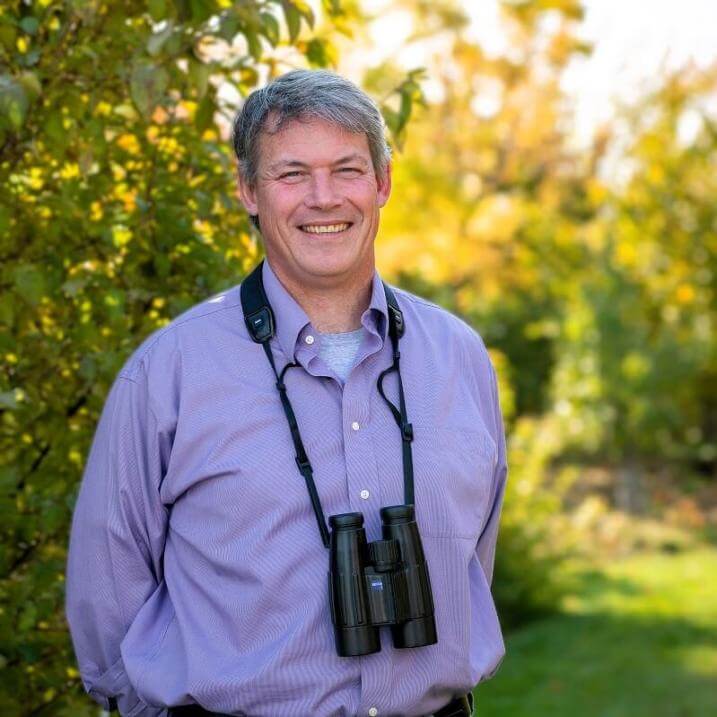
Allan Strong is a Professor and Director of the Wildlife and Fisheries Biology Program at the Rubenstein School of Environment and Natural Resources, University of Vermont. He holds leadership roles including Fellow of the American Ornithological Society and Chair of Vermont’s Endangered Species Committee. His research focuses on avian ecology and conservation, particularly investigating how anthropogenic habitat modifications (e.g., ski resorts, urbanization, agriculture) impact bird populations. He has pioneered studies on bird-friendly management practices for grassland birds in the Champlain Valley and explored tropical ecology of Neotropical migrants, seed dispersal roles of birds, high-elevation bird ecology, and trophic interactions. Dr. Strong earned his B.S. (1983), M.S. (1986), and Ph.D. (1999) in Fisheries/Wildlife Biology from the University of Vermont and Tulane University. He has held administrative roles including Interim Dean (2022–2024) and Associate Dean for Academic Affairs (2011–2019), driving equity initiatives, DEI curriculum reforms, and the school’s Inclusive Excellence Action Plan. His research integrates ecological and economic feasibility, exemplified by the Bobolink Project—a market-based conservation initiative for grassland birds. His work spans multiple ecosystems: Caribbean plant-frugivore networks, Everglades wading birds, Vermont’s grassland songbirds, and climate-driven phenological mismatches. He advocates for ornitherapy’s mental health benefits and collaborates on policy, farmer engagement, and avian disease ecology (e.g., malaria in Saltmarsh Sparrows). Key Expertise: Avian ecology, landscape ecology, conservation biology Leadership: Spearheaded DEI reforms, led endangered species policy Innovation: Pioneered LiDAR for forest health analysis, participatory conservation frameworks Awards include American Ornithological Society Fellowship and recognition for bridging ecological science with agricultural policy.
Johan Bergh is a Professor at Linnaeus University , affiliated with the Faculty of Technology and the Department of Forestry and Wood Technology . His research focuses on ecophysiology, forest production, and adaptive silviculture, particularly addressing climate change impacts on boreal ecosystems. He leads projects like BioFrame and Forest 4.0, aiming to optimize forest management for carbon sequestration and biomass utilization. Key research interests include nutrient dynamics, climate adaptation strategies, and sustainable forestry practices. He collaborates extensively with stakeholders in Sweden and internationally, emphasizing interdisciplinary approaches to balance ecological, economic, and social dimensions of forestry. Bergh has authored/co-authored over 60 peer-reviewed articles, focusing on topics such as fertilization effects, carbon balance modeling, and precision forestry. His work integrates field experiments, modeling, and policy analysis to address global challenges in forest management.
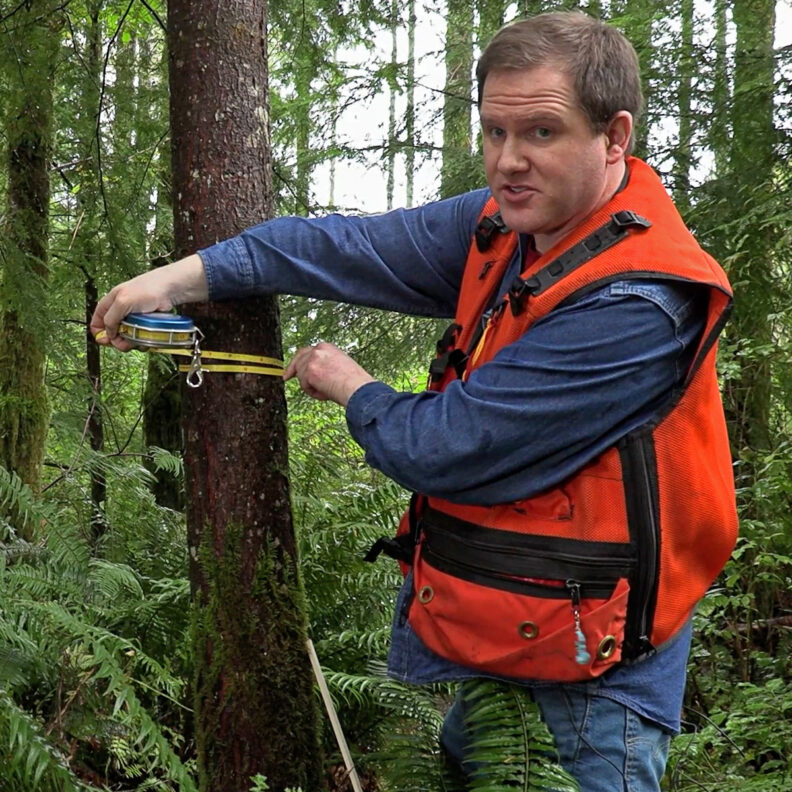
Kevin W. Zobrist Kevin W. Zobrist is a Professor at Washington State University (WSU), holding a primary affiliation with the College of Agricultural, Human, and Natural Resource Sciences (CAHNRS). As a WSU Extension Forestry specialist, he coordinates programs across five Puget Sound area counties, focusing on education and outreach for private forest landowners. His work emphasizes practical solutions for sustainable forestry practices, invasive species management, and forest stewardship planning. Education: MS in Forest Economics (University of Washington, 2001); BS in Forest Management (University of Washington, 2000, magna cum laude). Certifications: Certified Forester since 2011. Research interests include forestry education methodologies, forest health diagnostics, and native tree conservation. He authored the influential book Native Trees of Western Washington and has pioneered outreach initiatives such as the Summer Youth Forestry Institute and Zoom-based forestry webinars. His work bridges academic research with practical applications, addressing challenges like emerald ash borer invasions and bioenergy crop development. Recent publications highlight innovations in hybrid poplar bioenergy systems, digital extension program effectiveness, and landowner financial decision-making. While no formal awards are listed, his contributions to forestry education and policy have significantly impacted northwest Washington’s forestry community.
Franca Bongers is an Assistant Professor at Wageningen University's Department of Crop and Weed Ecology. Her research focuses on biodiversity, functional diversity, and ecosystem function in forests, with particular emphasis on plant productivity, shade avoidance, and agricultural ecology. She has contributed to over 13 peer-reviewed articles, including key studies on biodiversity experiments, functional diversity dynamics, and intercropping systems. Her work combines experimental and modeling approaches to understand how plant traits and ecological interactions influence ecosystem resilience and productivity. Notable projects include her role as co-promotor in PhD studies on weed diversity in strip cropping and below/aboveground ecological processes in intercropping systems (CropMIX project). Bongers' research highlights include analyzing understory shrub diversity's role in forest productivity, identifying seed family performance in biodiversity experiments, and exploring climate sensitivity in woody plant productivity. She has also investigated molecular defense mechanisms in seedlings and the impact of functional traits on plant communities in high-altitude environments. Her articles frequently address biodiversity-productivity relationships, shade avoidance in Arabidopsis, and the integration of evolutionary game theory to model plant competition. These studies underscore her expertise in linking ecological theory with practical agricultural and restoration applications.
Eddie Bevilacqua is a Professor and Undergraduate Coordinator in the Department of Sustainable Resources Management at SUNY College of Environmental Science and Forestry (ESF). He specializes in forest biometrics, geospatial technologies, and applied statistics, with a focus on forest growth modeling and tree-ring analysis. His research integrates remote sensing, GIS, and UAS technologies to address challenges in forest resource management, biomass estimation, and climate change impacts. He currently advises three graduate students researching topics ranging from forest inventory using UAVs to biodiversity conservation. Bevilacqua's work emphasizes practical applications of geospatial data in forest ecosystems, including LiDAR-based biomass mapping, land cover classification algorithms, and post-disturbance forest recovery analysis. His lab focuses on advancing methodologies for sustainable forest management through innovative data collection and analytical techniques. He has collaborated on projects involving watershed management, timberland ownership dynamics, and conservation planning in mountain ecosystems. Key Research Themes: Forest dynamics modeling, remote sensing applications, climate adaptation strategies Notable Projects: Spatiotemporal biomass mapping, beaver impact assessment via drones, sugar maple post-ice storm recovery Teaching: Leads undergraduate curriculum development in forestry with technology integration His research has been published in over 50 peer-reviewed articles spanning forest ecology, silviculture, and environmental policy. Bevilacqua's work bridges theoretical research with applied solutions for sustainable resource management.
Mark Rudnicki is a Professor of Practice in Forest Biomaterials and Coordinator of Industrial Research, Innovation, and Commercialization at Michigan Technological University (MTU). He directs the Ford Center and leads the Michigan Forest Biomaterials Initiative, focusing on advancing renewable resource utilization for economic and environmental sustainability. His roles include fostering collaboration between academia, industry, and government to develop innovative biomaterial applications and sustainable practices. Education: PhD, Forest Biology and Management, University of Alberta MS, Forestry, Michigan Technological University BS, Natural Resources Management, Colorado State University Research interests center on forest biomaterials , tree biomechanics , wind-forest interactions , and dendrochronology . He explores how wind impacts tree dynamics and canopy structures, investigates sustainable biomaterials from wood waste, and promotes ecosystem health through responsible resource use. His work bridges environmental science, engineering, and policy to address climate resilience and economic growth. Publications highlight trends in wind-forest interactions (e.g., tree sway mechanics), biomaterial innovation (e.g., recycled 3D printing filaments), and socioecological systems adaptation. His initiatives aim to revitalize Michigan’s forest-based industries while ensuring ecological balance. Current projects include Stormwise forest management for storm resistance and cross-sector partnerships for bioeconomy development. Labs/Teams: Active in the Great Lakes Research Center (GLRC) , leading interdisciplinary teams focused on biomaterials, forest dynamics, and sustainable technologies.
Christian Wirth is Professor of Special Botany and Functional Biodiversity at the University of Leipzig, where he heads the Department of Systematic Botany and Functional Biodiversity and the Leipzig Botanical Garden. As founding director and spokesperson of the German Center for Integrative Biodiversity Research (iDiv) Halle-Jena-Leipzig, he plays a pivotal role in biodiversity research across Germany. He also serves as an External Scientific Member of the Max Planck Institute for Biogeochemistry in Jena, continuing a long-standing relationship that began with his leadership of the Independent Junior Research Group 'Organismic Biogeochemistry' (2005-2009). Wirth's research focuses on plant biodiversity and its role in biogeochemical cycles, examining how plant functional diversity is affected by climate variability and environmental change, and how it influences vegetation responses. He has been instrumental in developing the TRY Plant Trait Database, now the world's largest collection of plant traits data, which is accessed by scientists worldwide approximately every two hours. His work bridges biodiversity science with biogeochemistry, addressing the critical relationship between species extinction and climate change as interconnected phenomena. His research outputs demonstrate strong emphasis on forest ecosystems, plant trait functionality, and the impacts of environmental changes on biodiversity. The recent work on canopy gaps in floodplain forests exemplifies his approach of connecting structural forest elements with ecosystem processes, showing direct influences on soil temperature and moisture while revealing more complex relationships with soil biological activity. Leipzig Science Prize 2022 External Scientific Member of Max Planck Society (2024) Appointment to Forum Zukunftsstrategie by Federal Education Minister Leadership of national biodiversity assessment 'Fact Check for the Conservation of Biodiversity' Wirth actively communicates biodiversity science to the public through his directorship of the botanical garden, the forest crane in the Auwald, and the research arboretum in Leipzig. His research program receives significant funding supporting biodiversity assessments and ecosystem studies, with notable projects including the nationwide citizen science project GartenDiv that researches plant diversity in German gardens. His work with iDiv, which employs over 400 researchers from more than 35 nations, establishes scientific foundations for sustainable management of planetary biodiversity. As director of multiple research facilities and leader of major national biodiversity initiatives, Wirth oversees significant research teams focused on understanding biodiversity patterns, ecosystem functioning, and responses to global change. His leadership of the German Center for Integrative Biodiversity Research has created a major hub for biodiversity science that attracts international researchers to Leipzig.
David M. Kline is an Associate Professor and Interim Vice Chair in the Department of Biostatistics and Data Science within the Division of Public Health Sciences at Wake Forest University School of Medicine. He holds secondary faculty appointments in the Department of Epidemiology and Prevention and is an Affiliate Faculty member in the Department of Statistical Sciences. Additionally, he is a Full Member of the Center for Addiction Research and the Maya Angelou Research Center for Healthy Communities, and co-leads the Spatial and Environmental Statistics in Health (SESH) Lab. Dr. Kline earned his BA in Mathematics from Messiah College in 2010, followed by an MS in Statistics from The Ohio State University in 2012, and completed his PhD in Biostatistics from The Ohio State University in 2015. Prior to joining Wake Forest in 2021, he served as an Assistant Professor in the Department of Biomedical Informatics and was a member of the Center for Biostatistics at The Ohio State University College of Medicine. His research focuses on developing advanced biostatistical methodologies to address challenges in public health surveillance, with particular emphasis on multivariate Bayesian hierarchical models for spatio-temporal disease mapping. Dr. Kline specializes in leveraging multiple data sources to tackle complex public health problems, most notably the opioid epidemic. His methodological expertise includes small area estimation, spatio-temporal methods, multivariate modeling, and Bayesian statistics. He actively collaborates with subject matter experts across various health disciplines to apply these methods to pressing scientific questions. Dr. Kline's recent publications demonstrate a strong focus on opioid misuse estimation, spatio-temporal modeling of disease patterns, and public health surveillance methods. His work spans multiple domains including infectious disease tracking, substance use disorders, and healthcare access analysis. The publications reveal a consistent application of sophisticated statistical techniques to address real-world public health challenges with spatial and temporal dimensions. 2024 Emerging Leader Award, Wake Forest University School of Medicine 2023 & 2022 Top 10 Research Paper, Wake Forest University School of Medicine Division of Public Health Sciences 2020 Excellence in Teaching Award, The Ohio State University Department of Biomedical Informatics 2015 CSP Best Student Poster Runner-up, American Statistical Association 2014 Lester R. Curtin Award, American Statistical Association Dr. Kline serves as Principal Investigator on multiple NIH-funded research projects, including R21DA045236 and R01DA052214 focused on spatio-temporal methods for surveillance of the opioid syndemic. He mentors several trainees, including F31 and F30 recipients. His collaborative work spans numerous interdisciplinary projects addressing health disparities, infectious disease surveillance, and substance use disorders. Currently, he serves on the Editorial Board for the journal Epidemiology, reflecting his standing in the field. As co-leader of the Spatial and Environmental Statistics in Health Lab, Dr. Kline directs research that bridges biostatistics, spatial analysis, and public health. His lab focuses on developing innovative methods for analyzing health data with spatial and temporal components, particularly for problems involving small area estimation and multi-source data integration. This work has significant implications for public health policy and practice, especially in addressing the opioid crisis and health disparities.
Line Tau Strand is Professor in the Soil and Water Science Section at the Norwegian University of Life Sciences (NMBU). Her research expertise encompasses pedology, soil classification systems, and soil organic matter dynamics. Key research areas include soil carbon sequestration mechanisms, land use impacts on soil quality, and methodological advances in soil characterization. Her work spans Norwegian forest soils, Arctic ecosystems, and tropical Acrisols, with particular attention to carbon storage potential and climate feedback mechanisms. Professor Strand has developed methodologies for soil carbon assessment, contributed to IPCC carbon accounting frameworks, and investigated biochar applications in agricultural systems. Recent research examines soil-wildlife health interactions and circular economy approaches to soil fertility management.
Dr. Ilia Parshakov is a Robert Gilbert Postdoctoral Fellow in the Department of Geography and Planning at Queen’s University. He holds a PhD in Earth, Space, and Physical Science, and prior degrees from the University of Lethbridge. His research focuses on remote sensing applications for forest disturbance monitoring, developing techniques like UC-Change to analyze satellite data for sustainable forestry planning. BSc in Environmental Science (2009) MSc in Geography (2012) PhD in Earth, Space, and Physical Science (2021) His work emphasizes automated detection of forest disturbances using multi-sensor data (Landsat, Sentinel-1/2, GEDI LiDAR), with a focus on logging impacts, wildfire recovery, and stand composition changes. He aims to quantify primary forest loss and improve large-scale ecological monitoring. Publications highlight algorithm development for time-series change detection and spectral matching techniques. His current projects leverage LiDAR to link forest recovery data with ecological outcomes, aiming for global-scale applications. Advising and grants: While no formal advisees are listed, his research aligns with sustainable forestry initiatives. His work bridges ecological and technical aspects of remote sensing through innovative algorithmic approaches. Labs/Teams: Affiliated with Queen’s Geography and Planning Department’s remote sensing research groups, focusing on automated forest monitoring systems.
Prof. Martin Claußen is a retired Professor of General Meteorology at the University of Hamburg and an Emeritus Director at the Max Planck Institute for Meteorology. He leads the 'Dynamics of the Climate-Vegetation System' research group, focusing on interactions between climate, vegetation, and land surfaces. His affiliations include the Center for Earth System Research and Sustainability (CEN) and the Meteorological Institute at Hamburg. Education: PhD in Meteorology (1984) and Habilitation in Theoretical Climatology (1991), both from the University of Hamburg. Early career included postdoctoral work at MIT and the GKSS Research Center. Research Interests: Climate variability, vegetation-climate feedbacks, paleoclimatology, and Earth system modeling. Notable work includes studies on the Sahara's 'Green Sahara' phase, orbital forcing impacts, and abrupt climate transitions. Publications: Over 100 peer-reviewed articles, including influential studies in Nature Communications , Climate of the Past , and Journal of Climate . Recent work focuses on Holocene climate-vegetation dynamics and Earth system model development (e.g., ICON-ESM). Awards: Recipient of the Milutin Milankovic Medal (2005), membership in the Leopoldina (2003), and the Johannes Georgi Prize (2016). Long-standing leadership roles in climate research networks like CliSAP and COSMOS. Grants & Labs: Led the Excellence Cluster Integrated Climate System Analysis and Prediction (2007–2014). Active in international initiatives like the IGBP and GEWEX programs.
Michael Perring is an Adjunct Professor at the Institute of Agriculture, The University of Western Australia. His research focuses on ecosystem responses to environmental change, particularly in plant, animal, and microbial communities. He combines field experiments, mathematical modelling, and statistical analysis to investigate biodiversity's role in ecosystem resilience and service provision. Current projects include the 'Intervention ecology: managing ecosystems in the 21st Century' within Richard Hobbs' ERIE Research Group, emphasizing degraded land restoration. He has led projects on nutrient cycling, restoration ecology, and global change impacts, supported by grants like the BBSRC PhD Scholarship (2003–2006), JSPS Fellowship (2007), and NERC funding (2009). His work contributes to UN Sustainable Development Goals, particularly addressing climate action (SDG 13) and life on land (SDG 15). Key research themes include nitrogen/phosphorus dynamics, temperate forest understorey dynamics, and the effects of land-use legacies on ecosystem recovery. Notable achievements include datasets on ecosystem restoration (e.g., stem diameter inventories in plantings) and collaborative projects across Europe, South America, and Australia. His research bridges fundamental and applied ecology, aiming to inform sustainable land management practices globally.
Dr. Marta Kaczmarczyk is an Assistant Professor in the Department of Russian, Ukrainian and Belarusian Literature at the Institute of Literary Studies, Faculty of Humanities, John Paul II Catholic University of Lublin (KUL). Her research focuses on Ukrainian literature, migration narratives, identity studies, and intertextuality, with a particular emphasis on the works of Lesya Ukrainka and contemporary Ukrainian prose. Education: While specific degrees are not listed, her long-standing academic career and peer-reviewed publications indicate advanced training in Slavic philology and literary studies. Research Interests: Her work spans Ukrainian literature , migration and identity , intertextuality , postcolonial studies , and gender representations in literature. She has extensively analyzed the works of Lesya Ukrainka, exploring themes of illness, exile, and national identity. Publication Trends: From 2005 to 2025, her publications reflect a consistent focus on Ukrainian literary figures, particularly Lesya Ukrainka, and broader themes of migration, memory, and identity. Recent work includes studies on Ukrainian refugee narratives and labor migration in literature. Scientific Awards: Medal of the National Education Commission (2022) 3rd Degree Team Award (2023) Rector's Award of KUL (2021) Advising and Grants: She has supervised diploma theses and participated in multiple Ministry of Education and Science (MEiN) projects, including the development of Ukrainian-language textbooks for Ukrainian minority students in Poland (2019–2022). Labs and Teams: She is actively involved in the UCRAINICUM KUL Center and collaborates with national and international academic networks, including editorial boards and expert teams for matura examinations in Ukrainian as a minority language.