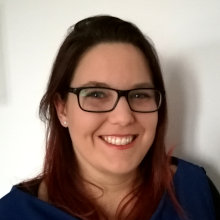
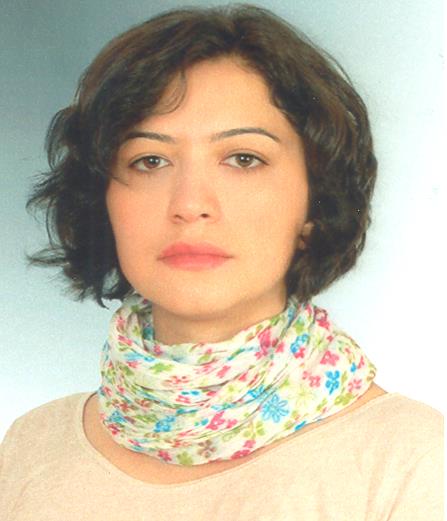
Professor Shanlin Fu is a distinguished academic at the University of Technology Sydney (UTS), holding the position of Professor in the School of Mathematical and Physical Sciences and affiliated with the Centre for Forensic Science. He serves as the Program Director for the Bachelor of Forensic Science program and is a Research Integrity Adviser for the Faculty of Science. With over $10 million in competitive research funding from ARC, NHMRC, and other national and international schemes since 2008, Professor Fu leads the Drugs and Toxicology Group, focusing on developing sensitive methods for clinical diagnosis, therapeutic drug monitoring, and drugs of abuse testing. Professor, UTS School of Mathematical and Physical Sciences (2019-present) Associate Professor, UTS School of Chemistry and Forensic Science (2015-2019) Senior Lecturer, UTS School of Chemistry and Forensic Science (2008-2014) Professor Fu earned his PhD in Medicinal and Pharmaceutical Chemistry from the University of Sydney (1989-1992), an MSc in Phytochemistry from Peking Union Medical College (1982-1985), and a BSc in Biology from Nanjing Normal University (1978-1982). Prior to his academic career at UTS, he served as a Senior Hospital Scientist at the Northern Sydney Area Health Service (2000-2008) and as a Senior Research Scientist at The Heart Research Institute (1993-2000). Professor Fu's research spans analytical chemistry, forensic chemistry, medical biochemistry, pharmacology, pharmaceutical sciences, forensic toxicology, and clinical toxicology. His work focuses on three main areas: Forensic Chemistry concerning identification of drugs of abuse including new psychoactive substances; Forensic Toxicology focusing on detection of drugs in biological matrices for clinical and medico-legal purposes; and Clinical Toxicology aiming to understand mechanisms of substance abuse harms. His research has strong real-world applications, with his patented 'Cathinone Test' already commercialized for law enforcement and potential healthcare settings. Analysis of Professor Fu's recent publications reveals a strong emphasis on developing innovative analytical methods for drug detection, particularly for new psychoactive substances. His work increasingly incorporates multi-omics approaches (metabolomics, lipidomics, proteomics) and machine learning techniques to enhance detection capabilities. There's a clear trend toward translating laboratory research into practical field applications, with numerous color spot tests and portable detection methods being developed for law enforcement use. His research also shows expanding applications in equine doping control and postmortem analysis. Vice-Chancellor's Medal for Research Excellence through Collaboration or Partnership (2023) UTS Teaching and Learning Award for Team Teaching (2022) MAPS Research Translation Award (2022) As a member of the HDR Panel since 2022, Professor Fu actively supervises Masters Research and PhD students in forensic science. His extensive grant portfolio includes leadership of the ARC Research Hub for Integrated Device for End-user Analysis at Low-levels and the Australian Centre for cannabinoid clinical and research excellence (ACRE). He has established key collaborations with Australian Federal Police, NSW Forensic and Analytical Science Service, Racing NSW, and international institutions including University of Copenhagen and University of Dundee. His research impact extends beyond academia through commercialization of detection technologies that improve efficiency and accuracy of illicit drug detection. Professor Fu heads the Drugs and Toxicology Group at the Centre for Forensic Science, which maintains strong industry partnerships with forensic laboratories and law enforcement agencies. His group is currently developing a multiplexer device that can simultaneously detect multiple new psychoactive substances including cathinones, NBOMEs, piperazines, and fentanyl analogues. The group's work bridges fundamental research with practical applications, with several technologies moving from the laboratory to real-world implementation in forensic and healthcare settings.