معرفی
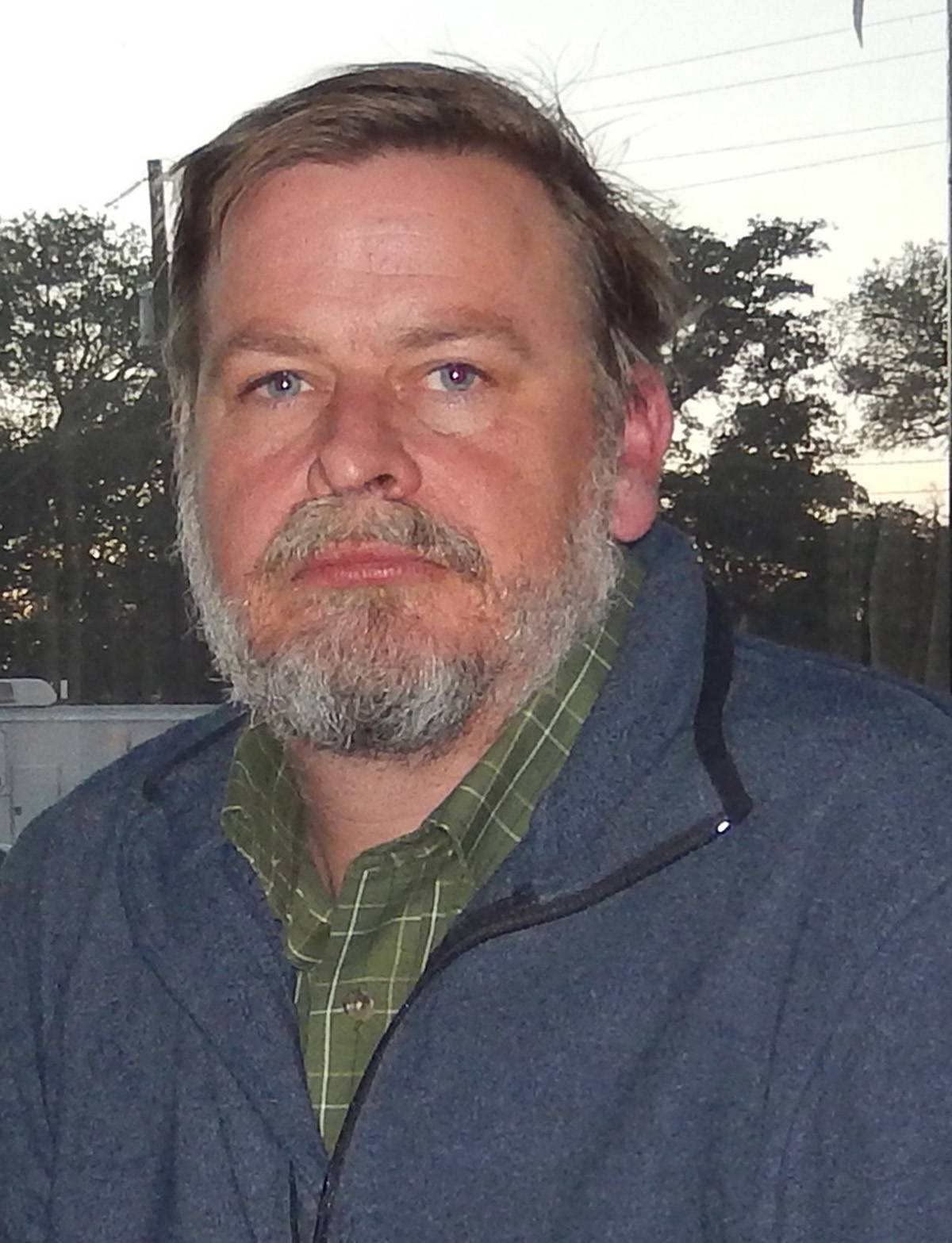
Melissa Connor is a Professor of Forensic Anthropology at Colorado Mesa University in the Department of Anthropology within the College of Humanities and Social Sciences. She serves as Director of the Forensic Investigation Research Station (FIRS), a leading facility for decomposition research, and advises both the forensic anthropology minor and the Forensic Science Club.
Education:
- PhD in Geography, University of Nebraska-Lincoln
- MA in Anthropology, University of Wisconsin-Madison
- BA in Anthropology, University of Wisconsin-Madison
Her research centers on forensic taphonomy, conflict archaeology, and transitional justice, with extensive fieldwork in post-conflict regions including Rwanda, the former Yugoslavia, Cyprus, Sri Lanka, and Nigeria. She specializes in mass grave investigations and applies archaeological methodologies to forensic contexts. Her early work on the Little Bighorn Battlefield laid the foundation for integrating battlefield archaeology with forensic science practices.
The recent publications reflect a strong trend in bridging archaeological techniques with forensic investigation, particularly in decomposition studies, crime scene protocols, and interdisciplinary education. Her work emphasizes regional taphonomic variation and the development of standardized forensic excavation methods.
Professional Contributions:
- Author of Forensic Methods Excavation for the Archaeologist and Investigator (2007)
- Co-author of Archaeological Perspectives on the Little Bighorn and They Died with Custer
- Presented at the American Academy of Forensic Sciences on emerging forensic disciplines
Melissa Connor brings over 30 years of archaeological experience and 15 years in federal forensic service into her academic role. She mentors students through hands-on research and advocates for ethical standards, teamwork, and problem-solving in forensic education. She integrates assessment as an ongoing dialogue across academic and professional domains to ensure graduates meet industry needs. Her leadership in FIRS provides students with real-world training in human remains detection and recovery.
She leads the Forensic Investigation Research Station (FIRS), which conducts controlled studies on human decomposition to advance forensic recovery techniques and taphonomic understanding in semi-arid environments.