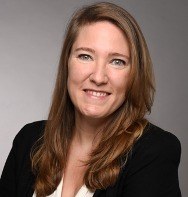
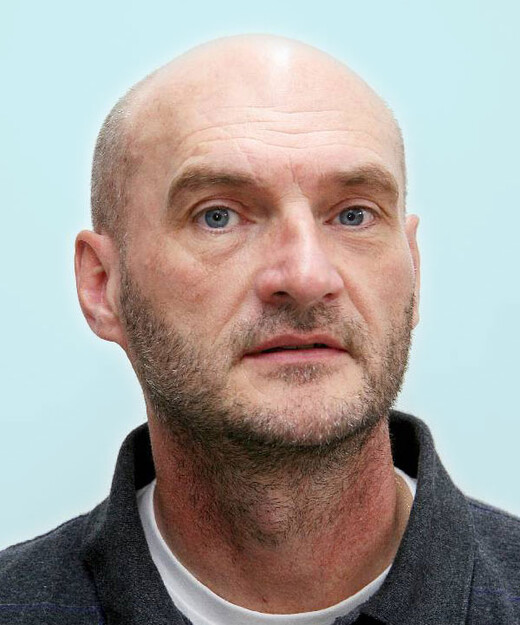
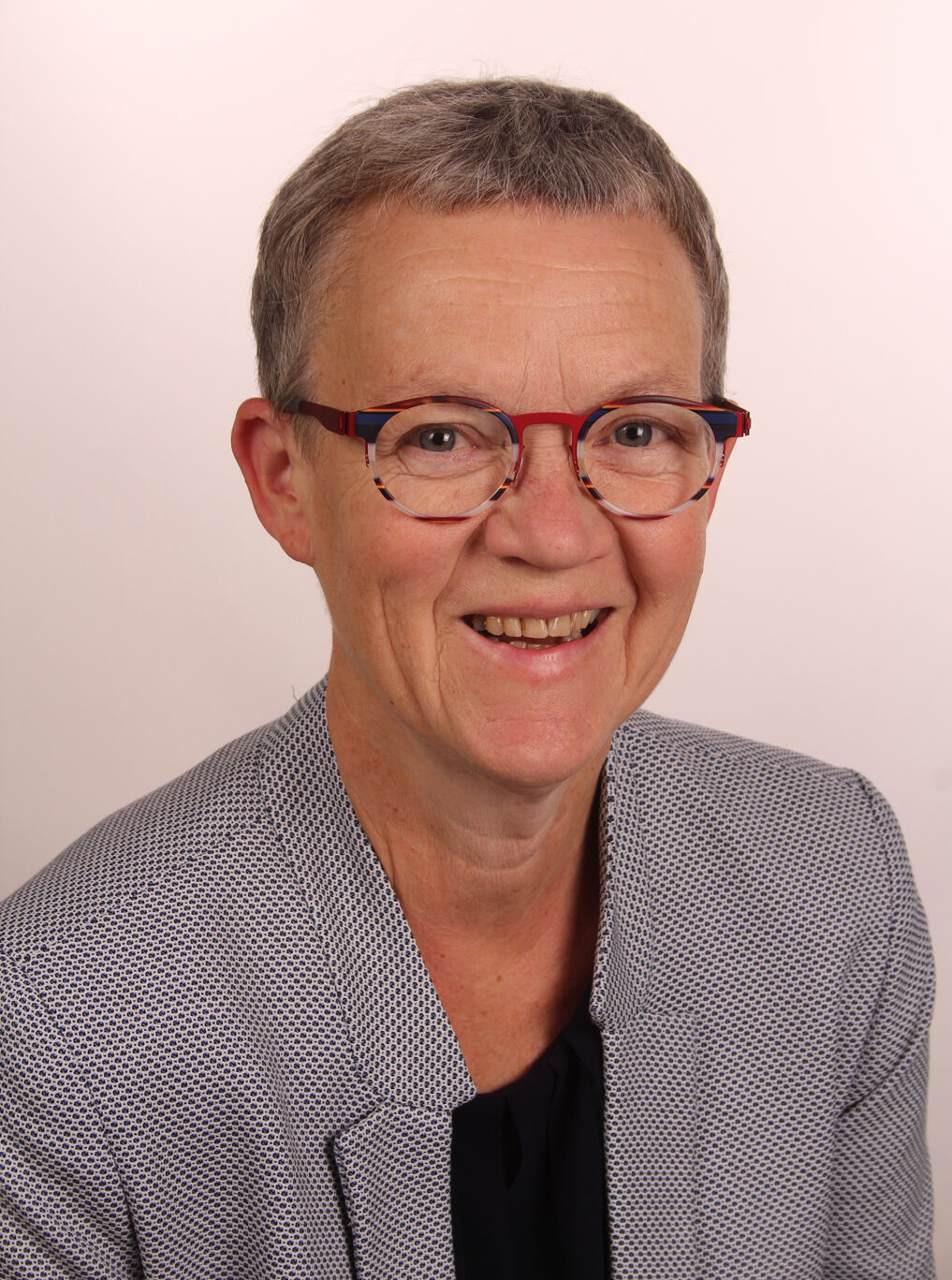
Félix San Vicente Santiago is a Professor at the Department of Interpreting and Translation , Alma Mater Studiorum - University of Bologna . He has also been affiliated with the Department of Political and Social Sciences and directed the CLIRO Language Center (2002-2012) and CIRSIL (Interuniversity Research Center on the History of Language Teaching). Graduated in Romance Philology (1974) and Modern Literature (1977). Specializes in contrastive linguistics , Spanish-Italian bilingual lexicography , and the history of language teaching . Active in academic conferences and research projects like LITIAS and HISOleta . Research Interests His research spans contrastive grammar , historical development of bilingual dictionaries , and sociolinguistic aspects of Spanish and Italian . He investigates language teaching methods , ideological influences in lexicography , and cross-cultural communication . Projects : CIRSIL, CLIRO, Contrastiva, Epigrama, LITIAS. Grants : Not specified in text but involved in long-term research initiatives. Labs & Collaborations He leads the Contrastiva portal, integrating historical and modern studies of Spanish-Italian linguistic interaction. Collaborates with teams on paratext analysis , parallel corpora , and grammatical repertoires .
Erin Baggott Carter (赵雅芬) is an Associate Professor in the Department of Political Science and International Relations at the University of Southern California and holds affiliations as a Hoover Fellow at Stanford University's Hoover Institution and a non-resident scholar at the UCSD 21st Century China Center. Previously, she was a Visiting Scholar at Stanford's Center on Democracy, Development and the Rule of Law (CDDRL) during 2020-2021, and she maintains an affiliation with Stanford's Center for International Security and Cooperation (CISAC). Dr. Carter earned her Ph.D. in Political Science from Harvard University. Her academic journey includes significant fellowships at prestigious institutions, reflecting her expertise in China studies and international relations. Her research focuses on Chinese politics and propaganda, with particular attention to how political institutions determine propaganda strategies in authoritarian regimes. She has developed an original dataset of eight million articles in six languages drawn from state-run newspapers in nearly 70 countries. Her work examines how domestic politics influence US-China relations, arguing that China and the United States are not inevitably destined for conflict, but their domestic politics make conflict more likely. She regularly analyzes how both countries seek security by attempting to change the other from within through various influence operations. Dr. Carter's publications demonstrate a consistent focus on authoritarian propaganda mechanisms, survey methodology in repressive regimes, and US-China strategic competition. Her work spans both theoretical contributions to understanding autocratic information control and practical analyses of contemporary geopolitical tensions between major powers. International Journal of Press/Politics Hazel Gaudet-Erskine Best Book Award for Propaganda in Autocracies APSA Luebbert Award Honorable Mention for Best Book in Comparative Politics APSA Democracy & Autocracy Section Best Book Award Honorable Mention Her research has been generously supported by multiple prestigious foundations including the Chiang Ching-kuo Foundation, the Smith Richardson Foundation, the Center for International Studies at USC, and several Harvard University centers including the Weatherhead Center for International Affairs, the Fairbank Center for Chinese Studies, and the Institute for Quantitative Social Science. Dr. Carter maintains an active scholarly presence through her Twitter account @baggottcarter where she discusses Chinese politics and propaganda.
Trond Randøy is a Professor of Corporate Governance in the Department of Accounting at Copenhagen Business School. He has published over 50 scholarly articles in leading journals including Journal of International Business Studies and Journal of Banking and Finance, and serves as editor for Corporate Governance: An International Review. Randøy actively bridges academia and practice through service on five corporate boards (two as chairman), including publicly listed firms MTI Investment SE and Sparebanken Sør. His research centers on corporate governance mechanisms, board effectiveness, ownership impact, and microfinance governance. He investigates how governance structures influence dual social-financial performance in hybrid organizations like social enterprises and microfinance institutions, with emphasis on international contexts and sustainability implications. Recent publications (2023-2025) reveal strong trends in international governance dynamics, family governance effects on microfinance social performance, and debt structure impacts. His work consistently employs cross-country methodologies to address ethical business practices and sustainability challenges in global finance. Randøy's corporate board engagements demonstrate practical application of his research, particularly in Nordic and emerging market contexts where governance structures face unique geopolitical and cultural influences.
Dr. Katharina Hirt is a Research Fellow at the Institute of German Studies, University of Koblenz-Landau. She is actively engaged in projects focused on language-sensitive subject teaching, including the FUNK project (specialized language support for students with international backgrounds) and the MoSAiK project (Quality Offensive Teacher Education). Additionally, she serves as a Lecturer for German as a Foreign Language at the University Language Center of the University of Koblenz-Landau (2015–2022) and at the International Summer School 'German and Theology' at Johannes Gutenberg University Mainz (since 2015). Research Interests: Her work centers on cross-linguistic influence, language education, and ethnographic studies of teaching practices. She collaborates with institutions like ProDaZ to advance pedagogical frameworks for multilingual learners. Education: Doctorate in German as a Foreign Language (2013–2018) at Johannes Gutenberg University Mainz, focusing on 'Gender in the Head - Crosslinguistic Influence as an Expression of Thinking for Speaking.' Master's in German as a Foreign Language (2010–2012) from Johannes Gutenberg University Mainz. Magister in German Philology, English Philology, and Philosophy (2005–2010).
Dr. Reiner Kornetta is a Senior Lecturer in the Department of English at Schwäbisch Gmünd University of Education. He has held this position since April 2012, previously serving as Akademischer Rat (2008-2012) and as a Visiting Professor at Grand Valley State University, Michigan, USA (2011-2012). His career includes extensive teaching experience in German secondary schools and international academic collaborations. Education: Doctorate in American Literature from Heinrich-Heine-Universität (1995) Magister in English, German, and Political Science from Heidelberg University, Universität Stuttgart, and Wesleyan University (1986) Abitur from Mörike-Gymnasium Ludwigsburg (1981) Research Focus: Dr. Kornetta specializes in American literary studies with emphasis on Edith Wharton, cultural theory, and educational didactics. His ongoing project develops a comprehensive database of Edith Wharton's short stories for academic use. Additional interests include utopian societies, US politics, postmodernism, and cross-cultural pedagogy. Publications: His scholarly output demonstrates consistent engagement with American literature (particularly Edith Wharton) and language education. Works range from literary criticism exploring gender/economics in 19th-century fiction to practical methodologies for teaching literature in secondary education. Awards & Fellowships: Fellowship at J.F. Kennedy-Institut, Berlin DAAD Fellowship Wesleyan University Fellowship Professional Activities: He regularly presents at international conferences on American literature and maintains active development of pedagogical resources, including digital databases for literary studies.
Ursula Götz is a Professor of Historical Linguistics at the Institute of German Studies, Faculty of Philosophy, University of Rostock (since 2006). Her research focuses on historical syntax, orthography, and linguistic geography. Studied at Regensburg and Bamberg Universities Doctorate (1990) and Habilitation (2002) from University of Bamberg She specializes in the syntax and orthography of Early New High German, linguistic aspects of the media transition from manuscript to print, and grammar of contemporary languages. Her notable completed DFG-funded project on 16th-17th century title page syntax revealed insights into historical information design and oral communication influences on print advertising. Recent publications include interdisciplinary poetry analysis (2024) and a comprehensive monograph on early title page syntax (2017). Her work combines broad historical linguistics perspectives with specific subfields like graphical evolution and syntactic structures in transitional media. Office hours: Thursday 8:30–9:30 a.m. and by appointment. She is affiliated with the InFoLaB (Interdisciplinary Foreign Language Laboratory) at her faculty.
Hülya Pilancı is a Professor at Anadolu University's Faculty of Letters, Department of Turkish Language and Literature, specializing in Modern Turkish Language. She holds a doctorate from Erciyes University and has served in academic roles since 1985, including as Department Head and Director of Eskisehir Technical University's Center. Her research focuses on Turkish language pedagogy, distance education, and sociolinguistics. Education includes: PhD in Turkish Language and Literature, Erciyes University (1996) MA in Turkish Language and Literature, Erciyes University (1991) BA in Turkish Language and Literature, Ankara University (1984) Research explores: E-learning frameworks for Turkish language acquisition Cross-cultural teaching methodologies for refugees Curriculum design for A1-C2 proficiency levels Socio-linguistic aspects of language preservation Publications emphasize blended learning models, teacher training, and usability of digital language platforms. Recent works address Syrian refugee education and quantum learning cycles. Advises graduate students on topics including translation challenges, dialectology, and e-learning effectiveness. Manages funded projects like the EU-supported Teaching English in Palestinian HEIs and Adult Language Education for Syrian Crisis Response .
Mir Abdullah Miri is a Lecturer in the Department of Education at the University of Bath. He is an expert in refugee education, language-in-education policy, multilingual pedagogical approaches, and education in conflict and crisis contexts, contributing to the UN Sustainable Development Goal 4 (Quality Education). His academic background includes a Ph.D. in Teaching English as a Foreign Language (TEFL) from Ferdowsi University of Mashhad (2020–2023) and an MA in Teaching English to Speakers of Other Languages (TESOL) from Indiana University of Pennsylvania (2014–2016). His research focuses on social justice, belonging, safety, and success in refugee education; multilingual pedagogy; and crisis-responsive educational practices. He supervises projects like Reparative learning and English language teaching in Nepal and Uganda (2025–2026) and has authored 15+ peer-reviewed articles on topics ranging from teacher identity tensions to emotioncy theory. His work has been recognized with the 2025 Doctoral Recognition Award. Miri also contributes to external organizations: he is a member of the British Council’s Language and Displacement Interest Group (2025–), Community Advisory Member at the International Rescue Committee (2025–), and an education advisor for Bath Welcomes Refugees (2023–). His teaching roles include unit convenor for BA Education with Psychology and tutor for MA Education programs at the University of Bath.
Anne-Claire Sanz-Gavillon is an Associate Professor at the Université de Rouen Normandie within the College of Arts and Humanities and the Department of Applied Foreign Languages . She holds a PhD in Hispanic Civilization (Gender Studies) from Université Paris 8, an Agrégation in Spanish, and a degree from IEP Grenoble . Research Focus : Political and cultural history of contemporary Spain and Chile, feminist movements, reproductive rights, transnational discourses, and feminist comics. Publications : Coordinated special issues on political polarization and feminist graphic narratives; authored chapters on gender violence in Francoist Spain and reproductive rights. Collaborations : Co-organizer of international conferences on feminist comics and post-dictatorial societies; member of the TRANSWOMERY and COn-MICs research projects. Academic Leadership : Co-responsible for the Master's program in Applied Foreign Languages (LEA) since 2020; elected member of the ERIAC Council (2021-2023).
Dr. Ervin Kovačević is a Professor of Applied Linguistics and Dean of the Faculty of Arts and Social Sciences at the International University of Sarajevo. His research focuses on language learning beliefs, strategies, and linguistic complexity measures, with a particular emphasis on personal foreign language teaching models. Role: Dean of Faculty of Arts and Social Sciences Academic Focus: Applied Linguistics, EFL Pedagogy Key Contributions: Author of Teaching Adult Language Learners: Enhancing Personal Methodologies His recent research explores the interplay between pedagogical frameworks and affective factors in language acquisition. He has published extensively on topics such as lexical and syntactic complexity, learner-centered teaching, and the integration of literature into EFL curricula. His work spans multidisciplinary approaches, including educational theories, cross-cultural studies, and computational linguistics. The 15 most recent publications highlight his focus on EFL methodologies, learner corpus analysis, and reflective practice. These works demonstrate trends in applying linguistic complexity metrics to pedagogical effectiveness, cross-cultural comparisons, and literature-based instruction.
María Carmen Pinillos Salvador is an Associate Professor of Spanish Literature at the University of Navarra , affiliated with the Faculty of Philosophy and Letters and actively involved in the Department of Philology . Her academic career includes teaching roles in the Faculties of Humanities and Social Sciences, Education, and Psychology. She has served as a visiting professor at the Universities of Münster (Germany) and Toulouse (France), and previously directed the Institute of Spanish Language and Culture (ILCE), overseeing Spanish as a Foreign Language instruction. Education : Doctor, University of Navarra (1996), thesis on Calderón de la Barca's El cordero de Isaías Supervised by Dr. Ignacio Arellano Ayuso Research Interests center on Spanish Golden Age literature, particularly sacramental plays and burlesque comedies. Her work explores intertextuality in Calderón's plays, the influence of Augustinian thought, Dante's Divina Comedia , and emblematic literature. She specializes in colonial poetry, Domínguez Camargo, Agustín Moreto, and the intersection of doctrine and poetics in religious theater. Article Trends reveal consistent focus on: Calderón's dramaturgical techniques Intertextual connections between Spanish and European literature Evolution of sacramental play structures Baroque theatrical innovations Collaborative editorial projects Modern reinterpretations of classical texts Scientific Awards & Leadership Roles : President, Association of Spanish Teachers (APE) of Navarra Board Member, International Golden Age Association (AISO) 1999-2005 Board Member, International Association of Spanish and Novohispanic Theater (AITENSO) 2014-2023 Editorial Expert, Government of Navarra's Publishing Grants Evaluation Committee (2023-2024) Collaboration & Grants : Founding member of GRISO, TC/12, TriviUN, and Moretianos research groups Participated in ministerial and Government of Navarra research projects Co-editor of critical editions with Ignacio Arellano and international teams Contributed to theater education initiatives and museum-based academic collaborations Labs & Teams : Research Group: TriviUN Teatro, Literatura y Cultura Visual Collaborated with GRISO (Golden Age Studies) and AISO committees
Prof. Dr. Tim Kühl is a Professor for Educational Psychology at Leibniz University Hannover's Faculty of Philosophy, Institute of Psychology, a position he has held since April 2025. Previously, he served as Professor for Educational Psychology: Digital Media at Christian-Albrechts-University of Kiel (2023-2025), Professor for Psychology at Macromedia University, Cologne (2022-2023), and as Acting W3 Professor for Media Education and School Teaching and Learning Processes at the University of Potsdam (2021-2022). His educational background includes a Doctorate in Psychology from Eberhard Karl University of Tübingen (2011) and a Diploma in Psychology from Technical University of Berlin (2005). Prior to his professorial appointments, he worked extensively as a research assistant at the University of Mannheim (2012-2018, 2019-2021) and at the Technical University of Dresden (2011-2012). Prof. Kühl's research focuses on multimedia learning processes, particularly examining how visual-spatial representations like animations impact learning. His work investigates interventions to reduce cognitive load and mind wandering during multimedia learning, explores how difficulties can promote learning, and examines the design of digital teaching formats including explanatory videos. He also studies the use of digital educational technologies such as interactive whiteboards and virtual reality, with particular interest in affective-motivational factors influencing multimedia learning and applications for ADHD populations. His recent publications reveal a strong focus on the intersection of emotional states and learning processes, particularly examining how personalization, emotional design, and affective factors influence learning outcomes with multimedia. His work often explores individual differences, particularly spatial abilities, and their interaction with different learning formats. A recurring theme is identifying boundary conditions for multimedia learning principles, such as when animations offer advantages over static images or when personalized messages might actually hinder learning. Review activities for major journals including Applied Cognitive Psychology, Computers & Education, Educational Psychology Review, Journal of Educational Psychology, and many others Member of the Examination Board for Educational Sciences Deputy of the professors at the Institute of Psychology Prof. Kühl has led significant research projects including 'Learning with Animations Compared to Still Images: Extracting vs. Inferring Information about Dynamic Relationships,' funded by the German Research Foundation (DFG), which yielded five high-profile publications with important theoretical and practical implications for multimedia learning.
Clémentine Hugol-Gential is an Associate Professor at the University of Burgundy's Faculty of Languages and Communication, Department of Applied Foreign Languages, where she has served as a teacher-researcher since 2014. Her work bridges communication studies with food science, focusing on the intersection of media, health, and dietary practices. She directs the Junior Agence Masci and serves as the Vitagora competitiveness cluster liaison for her laboratory. PhD in Linguistics from Université Lumière Lyon 2 (2011) Diplôme Universitaire GSI from Université Claude Bernard Lyon 1 (2011) Master's in Mediations: Interactions, Semiotics and Multimedia from Université Lumière Lyon 2 (2008) Hugol-Gential's research explores how communication shapes eating behaviors across multiple contexts, from social media's impact on body image to hospital nutrition practices and sustainable food systems. Her work combines qualitative analysis of discursive practices with practical applications in public health communication, particularly regarding salt reduction campaigns and cancer nutrition. She examines how food becomes politicized through media coverage and institutional policies, with special attention to gender dimensions in food representation. Her publication trends reveal growing focus on digital food culture (particularly Instagram's influence on dietary standards), sustainable food transitions, and gendered aspects of food communication. Recent work increasingly addresses social media's role in shaping eating disorders among adolescents and the development of therapeutic culinary workshops for vulnerable populations. Hugol-Gential actively engages in knowledge transfer through numerous conference presentations (over 100 listed), public outreach activities including radio appearances, and collaborations with food industry partners like SEB and Vitagora. She has led research projects such as 'Alimentation et Lutte Contre les Inégalités en Milieu de Santé' funded by the French Ministry of Agriculture. Her teaching spans communication theory, digital media, sensory communication, and food-related branding strategies across undergraduate and graduate levels. She has developed specialized courses on food communication and sensory marketing that connect academic theory with industry applications through her Junior Agency.
Dr. Aránzazu L. Cosido-García serves as Associate Professor in the Department of Philology at the University of Burgos, Faculty of Humanities and Communication. She is an active researcher in the ICCLAS (Identities and Changes in Anglophone Cultures and Literatures) research group, specializing in language teacher education and assessment methodologies. Her academic background includes: Doctorate from Universidad de Burgos (2024) with thesis "ePOLANT: an Electronic Portfolio for the Self-Assessment of Language Teachers' Competences" supervised by Dr. María Amor Barros del Río MA in English Philology (Linguistics) from Universidad de Salamanca PhD candidate status at Universidad de Burgos (2019-present) Her research focuses on practical applications of language teaching theory, particularly through electronic portfolios and mediation competence assessment. She bridges theoretical linguistics with classroom practice, developing tools for teacher self-assessment and certification processes. Her work emphasizes reflective practice and communication skills development in language education contexts. Analysis of her publication record reveals a clear trajectory from foundational linguistic research (2011's "L1 Transfer in Adult Beginners") toward increasingly applied educational tools, culminating in her 2024 doctoral work on ePOLANT. Her recent scholarship consistently addresses the European Portfolio for Student Teachers of Languages (EPOSTL) framework and mediation competencies in language certification exams, reflecting Spain's implementation of CEFR standards in Official Language Schools. Professional activities include serving as Teacher Trainer and Head of Studies at private language schools, complementing her university position. Her work with the ICCLAS research group connects her to international networks in Anglophone cultural studies and language education.
Olena Lennon, Ph.D., is a Practitioner In Residence at the University of New Haven’s Henry C. Lee College of Criminal Justice and Forensic Sciences. She teaches courses in U.S. Foreign Policy, International Relations, and Conflict Resolution, specializing in Ukraine’s domestic/international politics, Eurasian security, and comparative politics. Her research spans post-Soviet transitions, Donbas conflicts, and decentralization reforms. Education: Ph.D. in Educational Leadership & Higher Education (Political Science concentration), University of Nebraska-Lincoln M.A. in Educational Administration, University of Nebraska-Lincoln M.A. in Teaching English as a Foreign Language (TEFL), Horlivka Pedagogical Institute of Foreign Languages B.A. in English, Horlivka Pedagogical Institute of Foreign Languages Lennon’s publications since 2015 focus on Russian-Ukrainian conflicts, Eurasian geopolitics, and policy analysis. She has contributed to peer-reviewed journals (Eurasian Geography and Economics, Demokratizatsiya) and policy platforms (Focus Ukraine, PONARS Eurasia). Her work addresses landmine contamination, propaganda tactics, and strategic lessons from conflicts like Nagorno-Karabakh. Scientific Awards: Fulbright Scholar (2004-2007) International Scholar of the Year (2008) Excellence in Teaching Award for Part-Time Faculty (2019) Title VIII Scholar (2019) She frequently advises media outlets (CNN, WIRED, NPR) on Ukrainian affairs and serves as co-editor for the Harvard Ukrainian Research Institute’s 'Eyes on Donbas' forum. Her teaching emphasizes real-world applications, including student trips to conflict zones and symposia on democracy and resilience.