Dr. Sujata Sirsat serves as an Associate Professor at the University of Houston’s Conrad N. Hilton College of Global Hospitality Leadership, where she addresses critical food safety and public health challenges across hospitality, agricultural, and retail sectors. Her academic credentials include: B.S. in Life Sciences from Mumbai University M.S. in Biotechnology from Texas A&M University Ph.D. in Poultry Science from the University of Arkansas Dr. Sirsat's research centers on food safety disparities , food insecurity , and microbiological risk assessment , with innovative work in low-literacy training toolkits and environmental pathogen monitoring. She integrates molecular biology and public health frameworks to develop practical interventions for farmers' markets, hotels, and domestic kitchens, emphasizing vulnerable populations. Analysis of her 2022-2025 publications reveals consistent focus on pathogen persistence mechanisms (using bacteriophage surrogates), cross-contamination dynamics in hospitality settings, and data-driven food safety monitoring through consumer reviews and hydroponic systems. Her work bridges laboratory microbiology with real-world applications in retail and agricultural operations. While securing over $3 million in competitive grants from the U.S. Department of Agriculture and Texas Department of Agriculture, no specific scientific awards or medals were documented in the source material. Her funded research enhances food safety practices across retail, restaurants, and small farms, with active teaching in undergraduate Food Safety/Foodservice Management and doctoral Grant Writing courses. Current contact details confirm ongoing institutional engagement: email sasirsat@uh.edu, phone 713-743-2624, office S230.
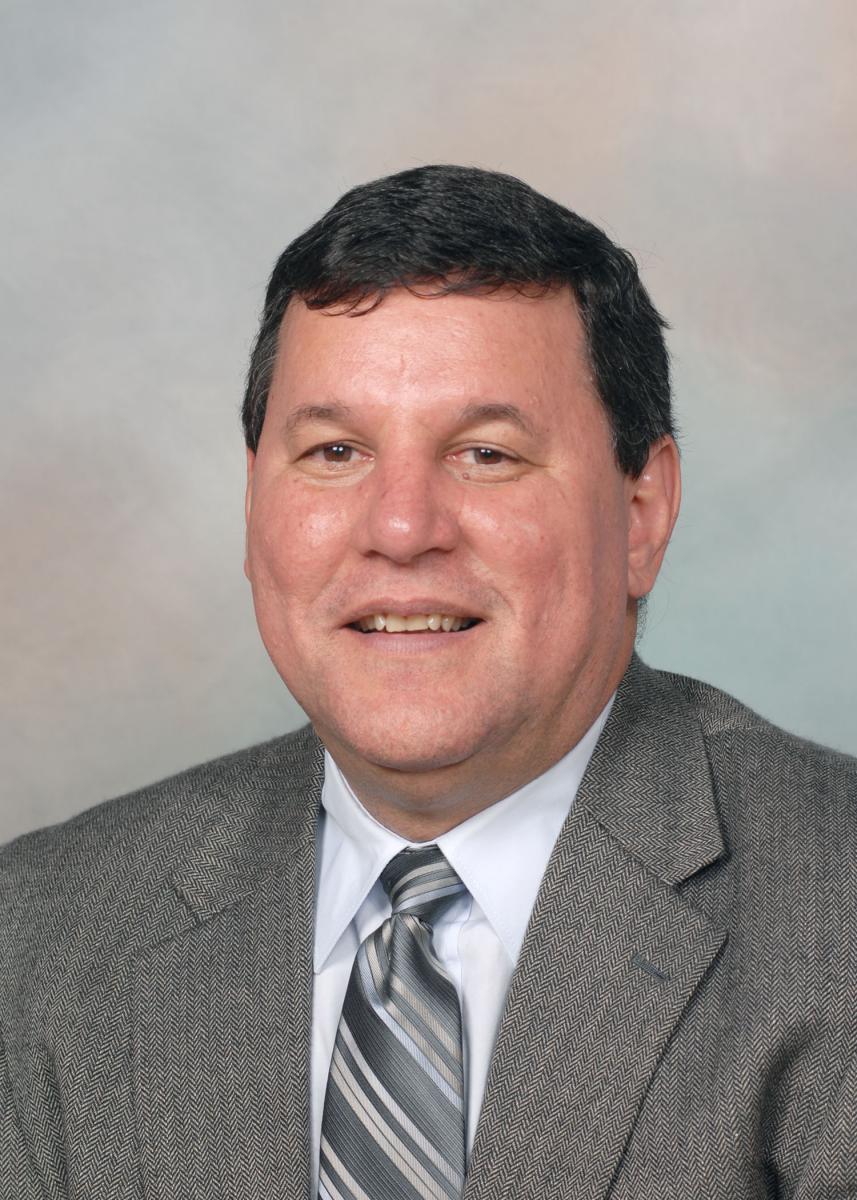
Juan L. Silva is a Professor at the Mississippi State University , specializing in Food Science & Tech. His work bridges food safety, microbial risk assessment, and processing innovations. Doctor of Philosophy (PHD) in Food Science & Technology from Mississippi State University Master of Science (MS) in Chemical Engineering from Mississippi State University Bachelor of Science (BS) in Chemical Engineering from Mississippi State University Silva’s research focuses on food microbial safety , particularly in dairy and aquaculture. He explores enhanced processing techniques to mitigate contamination risks and improve product longevity. His studies address pathogens like Salmonella and Listeria monocytogenes , emphasizing environmental and processing variables. Recent publications highlight trends in microbial safety in aquaculture (e.g., catfish and prawns), biofilm dynamics , and postharvest interventions for agricultural products. His work also includes practical extension guides for industry professionals, particularly during public health crises like the 2020 COVID-19 pandemic . Scientific Awards : Food Safety Preventive Controls Alliance - Group Recognition Award Food Safety Preventive Controls Alliance - International Excellence Award Silva advises graduate students like Jailyn Smith and Jose Eusse , focusing on applied food safety research. His collaborations span chemical engineering, microbiology, and sensory analysis, reflecting interdisciplinary approaches to food systems.
Johan Fischer is an active Associate Professor in the Department of Social Sciences and Business at Roskilde University, Denmark. His research focuses on the interfaces between human values and markets, with particular expertise in religious food practices including halal consumption, Islamic markets, and vegetarianism across Southeast Asia and India. His research interests span Islamic consumption patterns, moral economies of food, religious marketplaces, and the globalization of religious dietary practices. Fischer examines how religious values interact with market forces, particularly in Muslim and Hindu contexts, analyzing how consumers navigate religious requirements within globalized food systems. His work bridges anthropology, sociology, religious studies, and economics to understand contemporary consumption patterns. Fischer's extensive publication record shows consistent focus on religious food markets, with recent work shifting toward vegetarianism and plant-based futures. His publications reveal a trajectory from studying halal markets in Southeast Asia to examining vegetarianism in India and developing theoretical frameworks for understanding moral economies of consumption globally. Carlsberg Foundation Monograph Fellowship: Going Green Globally? Moral Economies of Vegetarianism (2022-2023) Carlsberg Foundation Research Infrastructure: Vegetarianism in a Global Perspective (2021-2022) Danish Council for Independent Research grant on Indian vegetarianism (2017-2018) Erasmus Mundus mobility grant (2017-2018) As Co Editor-in-Chief of Research in Globalization and Editor of Routledge's Studies in Material Religion and Spirituality series, Fischer actively shapes scholarly discourse in his fields. His recent activities through 2023 demonstrate continued engagement with academic communities through workshops on medicinal animals, religious foodways, and Inter-Asian legalities.
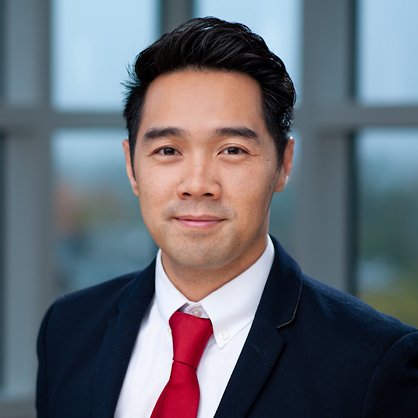
Dr. Alvin Tran is Chair of the Department of Population Health and Leadership and an Associate Professor at the University of New Haven's School of Health Sciences. His work bridges public health research, policy innovation, and community engagement. Harvard University Sc.D. in Public Health Nutrition Emory University MPH in Behavioral Sciences University of Washington B.A. in Medical Anthropology and B.S. in Public Health His research focuses on body image, disordered eating behaviors, food insecurity, and health disparities affecting racial/sexual minorities. He leads the WeEmbody (WE) Lab, which trains public health professionals through advocacy and community-based methods like photovoice. Recent publications highlight his work on dating app impacts on weight control practices, pandemic food insecurity, and school-based health center improvements. Awards include the 2025 Society of Behavioral Medicine Distinguished Mentor Award and 2020 Connecticut Magazine's 40 Under 40 recognition. Greater New Haven Chamber of Commerce Well-Being Program (2025) Dean’s Award for Exemplary Teaching (2020) Harvard Nutrition Symposium Best Poster (2017) As both educator and former health reporter, Dr. Tran connects research to real-world policy - from suicide prevention summits to vaccine distribution guidance. His lab trains students in experiential public health practice while addressing systemic issues like LGBTQ+ youth needs and cultural food accessibility.
Tegan Cruwys is a Professor at the School of Psychology, University of Queensland, and an Australian Research Council DECRA Fellow and Clinical Psychologist at the Australian National University. Her research focuses on how social relationships influence mental and physical health, bridging social, clinical, and health psychology. Education: Bachelor of Science and PhD from the Australian National University. Research Interests: Social identity, mental health, health psychology, and the role of group membership in wellbeing. Scientific Awards: Australian Research Council DECRA Fellowship. Recent Work: Her 2025 publications explore social identity interventions for mental health, sociocultural factors in social anxiety, and public health campaigns. She investigates social identity's role in vaccine adherence, loneliness reduction, and intergenerational mental health dynamics. Supervision: Though not currently available for direct supervision, she has advised PhD candidates on topics like social identity in depression recovery and resilience post-trauma. Her grants include ARC Discovery Projects and Queensland Department of Communities funding. Email: t.cruwys@uq.edu.au
Jacob Allgeier is an Associate Professor in the Department of Ecology and Evolutionary Biology at the University of Michigan, where he leads the Coastal Ecology and Conservation Lab. His research applies ecological theory to solve real-world conservation issues, with a focus on how behavioral, population, and community dynamics mediate nutrient and energy pathways in tropical coastal ecosystems including mangroves, seagrass beds, and coral reefs. His work examines how anthropogenic impacts affect ecosystem processes and the services they provide, particularly relevant to food security in coastal societies. Dr. Allgeier earned his B.S. in Biology from Centre College and his Ph.D. from the University of Georgia's Odum School of Ecology. His educational background has positioned him at the forefront of ecosystem ecology research, blending theoretical frameworks with practical conservation applications. Allgeier's research interests center on ecosystem ecology, food web ecology, and coral reef ecology within the broader context of global change and sustainability. He investigates how nutrient and energy pathways function in coastal ecosystems and how human activities alter these processes. His work often takes place along gradients of anthropogenic impact, allowing him to test ecological theory within the context of environmental change and biodiversity loss. He emphasizes integrative collaborations across various fields to address complex conservation challenges in tropical coastal environments. His most recent publications reveal a strong focus on seagrass ecosystems, artificial reefs, and coral reef resilience. The research demonstrates how nutrient dynamics, fish behavior, and anthropogenic stressors interact to shape ecosystem functioning in coastal environments. Key themes include the role of fish in nutrient cycling, the impacts of human activities on ecosystem stability, and the potential for conservation interventions to maintain ecosystem services in the face of global change. His research on "Fishing down nutrients on coral reefs" was featured in over 40 news outlets including National Geographic His PNAS 2015 paper received feature commentary in PNAS and numerous independent news outlets His students have received prestigious awards including the National Marine Fisheries Service Fellowship and the Lewis and Clark Fund for Exploration and Field Research He was interviewed for Canadian Broadcasting Company's "Quirks and Quarks" regarding his research Dr. Allgeier currently advises multiple PhD students including Bridget Shayka, Katrina Munsterman, and Nepsis Garcia, and has mentored numerous undergraduate researchers through the UROP program. His lab includes postdocs, technicians, and undergraduate researchers working on diverse aspects of coastal ecosystem ecology. He has secured funding for research initiatives including the PODS (Precollege Ocean Discovery and Science) program for Bahamian high school students, demonstrating his commitment to community engagement and education. His lab's research has been supported by various grants that enable fieldwork in The Bahamas and other tropical locations, focusing on the intersection of ecological theory and practical conservation. The Coastal Ecology and Conservation Lab maintains active research programs in The Bahamas, conducting field studies on coral reefs, seagrass beds, and mangrove ecosystems. The lab collaborates with local communities and organizations, including work in Haiti that has resulted in educational videos distributed to schools throughout the region. Allgeier's team works at the interface of basic ecological research and applied conservation, with a strong emphasis on how their findings can inform management decisions for coastal ecosystems facing multiple stressors.
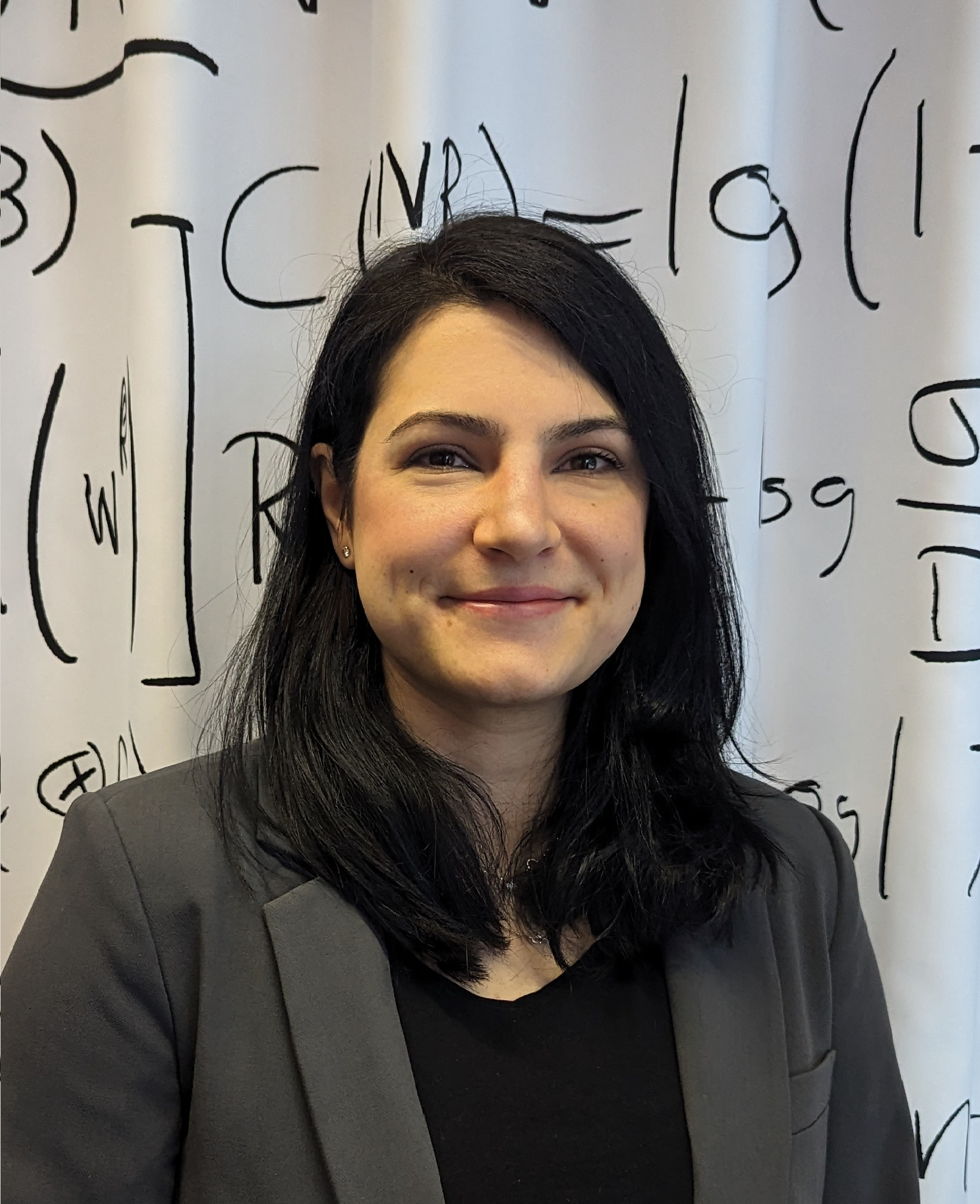
Angela Fontan is an Assistant Professor at the Division of Decision and Control Systems, School of Electrical Engineering and Computer Science (EECS), KTH Royal Institute of Technology in Stockholm, Sweden. She specializes in networked systems and nonlinear dynamics with applications to social networks and cyber-physical-human systems. Her educational background includes: B.Sc. in Information Engineering (2013) from the University of Padova, Italy M.Sc. with honors in Automation Engineering (2016) from the University of Padova, Italy Ph.D. in Automatic Control from Linköping University (2021), with dissertation titled "Collective decision-making on networked systems in presence of antagonistic interactions" Dr. Fontan's research focuses on networked systems and nonlinear dynamics over networks , particularly examining how antagonistic interactions affect collective decision-making processes. Her work spans signed networks theory and cyber-physical-human systems (CPHS) , with applications to smart cities and Live-in Laboratories. She investigates how social networks influence individual decisions and how these dynamics can be leveraged to promote sustainable behaviors in areas like food choices and building occupancy. Her methodological approach combines control theory, graph theory, and behavioral science to develop mathematical models of complex socio-technical systems. Her recent publications demonstrate a clear trajectory from theoretical foundations in signed network dynamics toward applied research addressing societal challenges. Early work focused on consensus algorithms and stability properties of signed Laplacian systems, while more recent publications apply these theoretical insights to sustainability challenges in food systems, building energy use, and social behavior change. This evolution shows her commitment to translating theoretical control concepts into practical solutions for societal-scale problems, particularly in the domains of sustainability and human-system interaction. Dr. Fontan has contributed to significant collaborative efforts, including the "Control for Societal-Scale Challenges: Roadmap 2030" initiative through the IEEE Control Systems Society. Her work has been presented at major conferences including IEEE CDC, IFAC World Congress, and European Control Conference. She is actively involved in mentoring and research leadership, recently announcing PhD positions in "Learning and control for networked cyber-physical-human-systems." Dr. Fontan has also organized and participated in numerous workshops, including the Stockholm Workshop on Emerging Topics in Systems and Control and the IEEE CSS Workshop on Control for Societal-Scale Challenges. Her research is conducted within the context of the KTH Live-In Lab, a unique facility that functions as a "Live-in Laboratory" for studying human interaction with cyber-physical systems in real building environments. She collaborates with interdisciplinary teams to investigate how technology can support sustainable behaviors in urban settings.
Dragana Blagojević serves as an Assistant Professor in the Chemistry Department at the Faculty of Natural Sciences and Mathematics, University of Banja Luka, specializing in analytical chemistry with emphasis on environmental sample analysis including water, soil, bauxite, and red sludge. Her academic credentials include a PhD in Chemical Sciences (2019) focused on bauxite characterization via XRF spectrometry, an MSc in Chemical Sciences (2007) examining mineral water stability under varying packaging conditions, and a BSc in Food Technology (2000), all obtained from the University of Banja Luka. Dr. Blagojević's research integrates advanced analytical methodologies such as ICP-OES, AAS, UV-VIS spectrophotometry, and XRF to address critical environmental challenges. Her work demonstrates exceptional expertise in mineral water quality assessment under storage conditions and bauxite deposit characterization. Current investigations prioritize health risk assessment of heavy metals near industrial sites and development of novel analytical protocols for complex environmental matrices. Analysis of her 2022-2023 publications reveals a pronounced focus on Bosnian environmental systems, particularly Guber-Srebrenica mineral waters and Gacko power plant impact zones. Her methodological approach consistently emphasizes practical applications for environmental safety through comparative technique validation and innovative nanocomposite development. She actively contributes to national research initiatives as a collaborator, including projects on mineral water stabilization, aluminum hydroxide modeling, and plant stress response mechanisms. Her laboratory operations at the University of Banja Luka's Chemistry Annex facilitate hands-on training in analytical techniques while advancing real-world environmental monitoring solutions.
Hans Heilig is a Researcher at Wageningen University & Research , focusing on microbial evolution and its implications in diverse biological systems. His work bridges microbiology, nutrition, and environmental science. Research Interests: His studies center on the gut microbiota in human and animal models, particularly in rural populations and aquaculture. Key areas include the effects of fermented foods on intestinal flora, microbial links to metabolic disorders like obesity and diabetes, and the impact of rearing environments on microbial development in fish (tilapia) and pigs. Collaborations and Projects: Heilig co-investigated the MICRObial processing to reduce and CONTROL emissions (MICROCONTROL) project (2013–2016), contributing to microbial ecology research. He collaborates with leading scientists such as Willem M. de Vos and Hauke Smidt. Research Output: With over 40 peer-reviewed publications, his work appears in journals like Nature Communications , PLoS ONE , and Scientific Reports . His datasets, including 16S ribosomal RNA gene sequences , are publicly accessible.
Timothy Goldsmith serves as a Professor in the Department of Veterinary Population Medicine within the College of Veterinary Medicine at the University of Minnesota, where he has held a faculty position since 2008. His work bridges veterinary medicine, public health, and agricultural systems, with expertise in emergency response planning, risk assessment, and antibiotic stewardship in food animal production. His educational background includes a BS in Animal Science from the University of Wisconsin-River Falls, a DVM from the University of Minnesota College of Veterinary Medicine, and an MPH from the University of Minnesota School of Public Health. These qualifications underpin his interdisciplinary approach to veterinary public health challenges. Dr. Goldsmith's research focuses on enhancing preparedness for animal disease emergencies, optimizing antibiotic use in livestock, and developing educational frameworks for veterinary students. He applies systems thinking to address complex issues in beef production and disease control, contributing to food security and alignment with UN Sustainable Development Goals for health and well-being. His recent publications demonstrate consistent integration of epidemiology, modeling, and systems analysis to tackle diseases like African Swine Fever and Bovine Respiratory Disease, while advancing One Health competencies in veterinary education through collaborative frameworks. With 46 funded projects from 2008-2026 primarily through USDA grants, he has led research on dairy/beef production systems, animal disease outbreak response, and risk assessment methodologies for pathogens including Foot-and-mouth Disease and Highly Pathogenic Avian Influenza. As a core member of the Secure Food Systems Team, he develops science-based strategies for maintaining business continuity during animal health crises, ensuring resilience in food supply chains through team science and quantitative risk analysis.
Vahid Farrahi is an Assistant Professor (tenure-track) at the Technical University of Dortmund, Faculty of Arts and Sports Sciences, where he serves as Head of Department 7: Data Analytics in Sport Sciences. He collaborates with fellow professors to design a new master's program in sports data science scheduled for launch in Winter 2024. Dr. Farrahi completed his MSc in Information Technology at Shiraz University of Technology (2016) and earned his PhD from the Faculty of Medicine, University of Oulu (2017-2021) with a prestigious Marie Curie grant. His doctoral work earned him the 'Best PhD Thesis Award 2021' and 'Exemplary PhD Thesis Award.' His research focuses on device-based measurement of movement behaviors, physical activity and health relationships, data-driven health interventions, and wearables for population health. He specializes in analyzing 24-hour movement and non-movement behaviors using wearable accelerometer-based activity monitors, applying machine learning and data mining techniques to understand health outcomes. Dr. Farrahi's publication record shows a strong trend toward digital phenotyping, machine learning applications in movement behavior analysis, and compositional data analysis of 24-hour movement patterns. His work bridges sports science, public health, and data analytics, with increasing emphasis on practical applications for health monitoring and intervention. His notable academic honors include: Best PhD Thesis Award 2021 from Faculty of Medicine, University of Oulu Exemplary PhD Thesis Award from University of Oulu Graduate School Marie Curie grant recipient Dr. Farrahi serves as Associate Editor for the Journal for the Measurement of Physical Behaviour and on editorial boards for the Journal of Activity, Sedentary and Sleep Behaviors and Journal of Physical Activity and Health. He has delivered numerous invited presentations including at ISBNPA 2023 and University of Oulu's Science Day 2023, and reviews for over 20 scientific journals. He actively seeks talented researchers and students to join his team, with a focus on those passionate about executing tasks with precision and accuracy in behavioral and health data science.
Eivor Alette Laugsand is an Associate Professor at the Norwegian University of Science and Technology (NTNU), affiliated with the HUNT Research Centre. Her work focuses on pharmacogenetics, symptom management in palliative care, and colorectal cancer research. PhD (2011) from NTNU Medical Student Research Thesis (2008) at NTNU Key research areas include: Pharmacogenetic mechanisms in opioid treatment response Colorectal cancer detection and risk factors Symptom management in advanced cancer patients Application of liquid biopsy for early cancer detection Traumatic brain injury epidemiology Her recent publications emphasize: Colorectal cancer biomarker discovery using liquid biopsy Genetic and environmental risk factors for cancer subtypes Improving pain management protocols in palliative care Understanding sex-specific differences in disease presentation Outreach activities include: Public interviews (2016-2018) Conference presentations (IASGO, SAGES, EAPC) Contributions to evidence-based clinical guidelines
Vasileios Kontogiorgos serves as an Associate Professor in the Department of Food, Nutrition and Health within the Faculty of Land and Food Systems at the University of British Columbia. His research program integrates food chemistry and physical chemistry principles to investigate macromolecular behavior in colloidal systems, with applications in functional food design and bioactive delivery. His academic qualifications include: Post Graduate Certificate in Higher Education Practice (2009), University of Huddersfield, UK PhD in Food Science (2007), University of Guelph, Canada MSc in Food Science (2004), Aristotle University of Thessaloniki, Greece BSc (Hons) (2001), Aristotle University of Thessaloniki, Greece Dr. Kontogiorgos's research focuses on the physical chemistry of food macromolecules , particularly polysaccharide functionality in colloidal systems. His work characterizes how fine structural modifications control interfacial arrangement and rheological properties, enabling the design of digestive-responsive emulsions that release bioactives at specific gastrointestinal sites. The laboratory employs advanced techniques including bulk/interfacial rheology, ζ-potential analysis, droplet sizing, and microscopy to bridge fundamental colloid science with food-body interactions. He actively recruits graduate students for Food Science MSc and PhD programs and encourages undergraduate research participation. Dr. Kontogiorgos seeks interdisciplinary collaborations through cluster grants and research networks, particularly in food chemistry and colloidal systems development. His research group operates from FNH 247 at UBC, maintaining specialized instrumentation for food macromolecule characterization and colloidal system formulation to advance sustainable functional food innovations.
Boris Tolg is a Professor of Informatics and Mathematics at the Hamburg University of Applied Sciences , affiliated with the Faculty of Life Sciences and the Department of Biomedical Engineering. He leads the SIMLab and the Research and Transfer Centre for Medicine, Health, and Technology (FTZ MGT), while serving as Pro-Dean for Research and Digitalization. Research Focus: Simulation and virtual reality applications for mass casualty incident (MANV) training and medical education. Expertise: Digital monitoring systems, motion analysis in simulations, and combating simulator sickness. His recent work explores VR-based training tools for emergency response coordination, spine posture analysis sensors, and health impact assessments in urban planning. Publications emphasize scalable solutions for food safety control and digital transformation in healthcare education. Leadership: Chairs the Commission for Safeguarding Good Scientific Practice and contributes to organizations like the ARGH and GI.
Joe F. Bozeman III is an Assistant Professor in the School of Civil and Environmental Engineering at the Georgia Institute of Technology's College of Engineering, with a courtesy appointment in the School of Public Policy. He serves as the SEI Lead for Ethics in Energy Transition and directs the Social Equity and Environmental Engineering Lab (SEEEL). His work bridges engineering practice with ethical considerations in climate change adaptation and mitigation strategies. Dr. Bozeman's educational background includes: Ph.D. in Industrial Ecology from University of Illinois at Chicago (2020) M.S. in Environmental Engineering from Wright State University (2010) B.S. in Environmental Engineering from Wright State University (2008) As an industrial ecologist, Dr. Bozeman focuses on developing ethical climate change adaptation and mitigation strategies. His research spans circularity analysis, food-energy-water nexus systems, sustainable urban systems, and life cycle assessment. His work uniquely integrates sociodemographic considerations into environmental engineering practice, examining how different demographic groups experience environmental impacts differently. This focus on systemic equity in industrial ecology applications has positioned him as a thought leader addressing the 'wicked' challenges of our time through cross-disciplinary collaboration with psychology, economic, and public health experts. Dr. Bozeman's scientific contributions have gained significant attention, with research featured in mainstream media outlets including NPR, the New York Post, Popular Science, and Free Speech TV. His work on U.S. food-consumption impacts across sociodemographic subgroups has particularly resonated with broader audiences. His publications demonstrate recognition through frequent citations and media coverage. With over a decade of experience in public and private sectors as an energy and environmental practitioner before joining Georgia Tech, Dr. Bozeman brings practical insights to his academic work. His SEEEL lab serves as a hub for integrating ethics, engineering, and community engagement, exploring innovative ways to merge technical findings with artistic expression for broader public accessibility. Dr. Bozeman maintains affiliations with multiple research centers at Georgia Tech, including Sustainable Systems, Renewable Bioproducts, Energy initiatives, and the Institute for Matter and Systems. His work on urban carbon management strategies, food-energy-water equity, and circular economy approaches demonstrates his commitment to creating more just and sustainable systems through engineering practice.