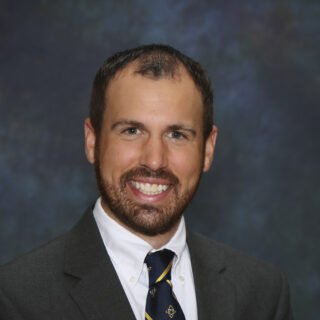
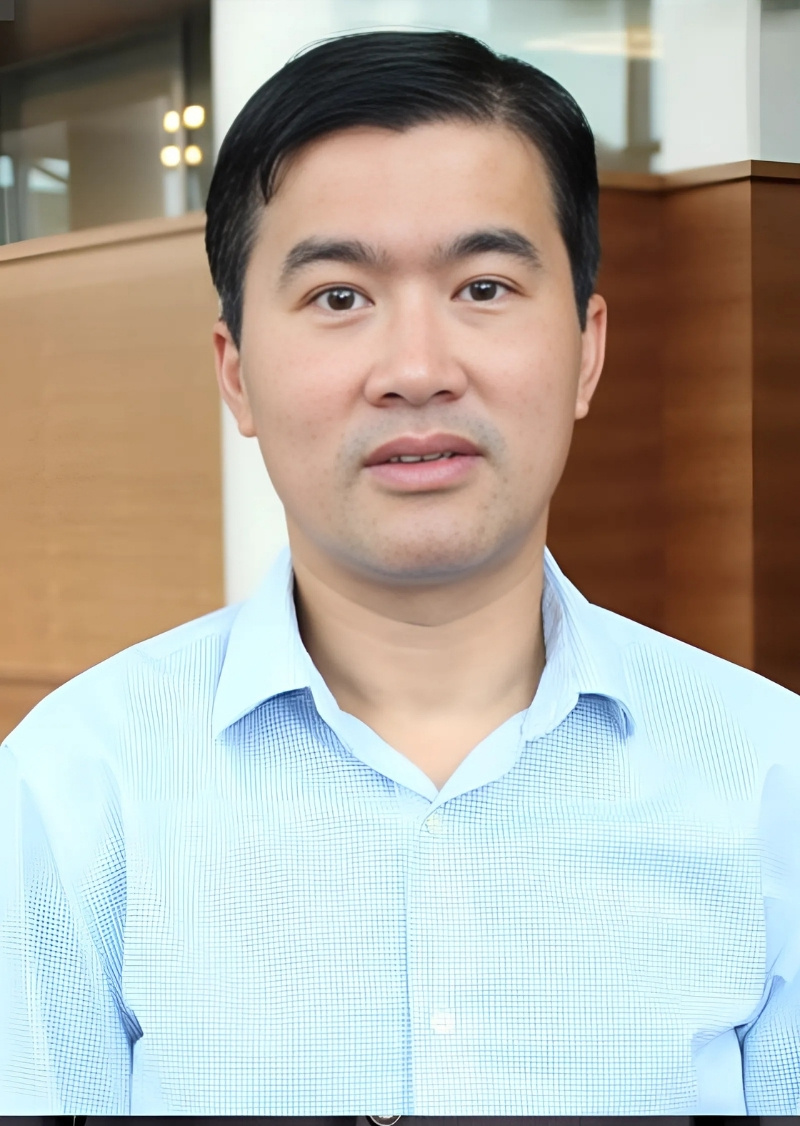
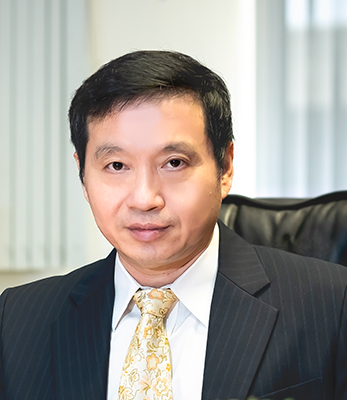
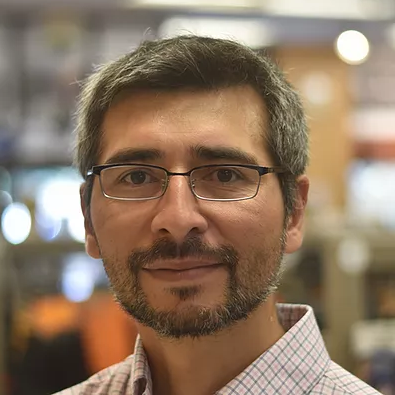
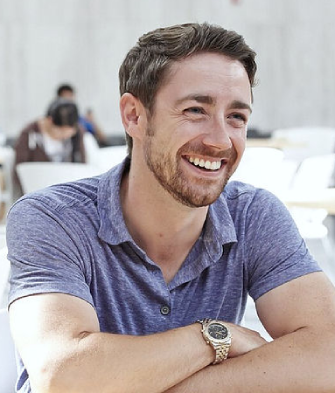
Tony Breitbach is an Associate Professor in the Department of Chemistry at the University of Iowa. His research focuses on organic synthesis, fluorination reactions, and their applications in medicinal chemistry and chemical biology. Ph.D. in Chemistry, University of Iowa Postdoctoral Fellow, University of California, Berkeley His work explores electrophilic fluorination, C–H activation, and bioorthogonal reactions for pharmaceutical development and in vivo imaging. Recent publications highlight electrochemical fluorination, chiral catalysis, and sustainable synthesis methods. ACS Fellow NIH R01 Award University of Iowa Collegiate Teaching Award Tony Breitbach's research group investigates fluorinated compounds for medicinal applications and develops novel synthetic methodologies.
Hien Nguyen is the Carl Johnson/Pfizer Professor of Organic Chemistry at Wayne State University, holding joint appointments in the Department of Chemistry and the Department of Oncology's Molecular Therapeutic Program. His research program bridges chemistry and biology to develop novel therapeutic approaches for cancer, Alzheimer's disease, and diabetes through innovative carbohydrate chemistry. His educational background includes: B.S. in Chemistry from Tufts University (1996) Ph.D. in Organic Chemistry from University of Illinois at Urbana-Champaign (2003) NIH Postdoctoral Fellowship at Stanford University (2003-2006) Prof. Nguyen's research focuses on medicinal chemistry, cancer drug discovery, chemical biology, and organic synthesis, with particular expertise in vaccine adjuvant immunotherapy, Alzheimer's disease therapeutics, diabetes treatments, and catalytic stereoselective carbohydrate methods. His lab develops novel methodologies for oligosaccharide assembly and applies them to create carbohydrate-based therapeutics targeting heparanase and other biological pathways involved in disease progression. His recent publications demonstrate a strong focus on phenanthroline-catalyzed stereoselective glycosylations, heparan sulfate mimetics for therapeutic applications, transition-metal catalyzed asymmetric synthesis, and the development of carbohydrate-based inhibitors for heparanase. These works span organic chemistry methodology, medicinal chemistry, and biochemical applications, reflecting his interdisciplinary approach to solving complex biological problems through chemical innovation. Among his notable awards are: 2018 Carl Johnson Endowed Chair 2018 Horace S. Isbell Award for Excellence in Carbohydrate Research 2016 Mitzutani Glycoscience Innovation Award 2012 International Young Carbohydrate Investigator Award Prof. Nguyen has successfully mentored numerous graduate students and postdoctoral fellows who have gone on to successful careers in academia and industry. His research is supported by multiple NIH grants including R01AI169505 "Synthesis and Evaluation of Carbohydrate Vaccine Adjuvants" (2022-2027) and R35GM149213 "Development of Catalytic Glycosylations and Biologically Important Glycosaminoglycans" (2023-2028). His group actively pursues both fundamental methodology development and translational applications of carbohydrate chemistry. The Nguyen research group operates state-of-the-art organic synthesis and biochemical characterization facilities, with strong collaborations across Wayne State University including the School of Medicine. The group maintains active partnerships with researchers at other institutions and pharmaceutical companies to advance their therapeutic discoveries toward clinical applications.
Prof. LU Yixin is a Professor and Head of the Department of Chemistry at the National University of Singapore (NUS), affiliated with the Faculty of Science. He holds a B.Sc. from Fudan University, M.Sc. from Dalian University of Technology, Ph.D. from McGill University, and postdoctoral training at Nagoya University and the Clinical Research Institute of Montreal. His research focuses on asymmetric catalysis, medicinal chemistry, and the development of novel synthetic methods for complex molecules. Key areas include asymmetric phosphine catalysis, photoredox-organometallic cooperative catalysis, and the synthesis of axially chiral compounds. Recent breakthroughs include iridium nitrenoid-mediated C-H functionalization and enantioselective constructions of norbornanes and pyrroles. Prof. LU has received prestigious awards such as the NRF Investigatorship Award (2018) and Fellow of Singapore National Academy of Science. He serves on the editorial advisory board of Accounts of Chemical Research (2017–2023). His work emphasizes sustainable catalytic strategies and has led to over 150 publications in top journals like Nature Catalysis and Journal of the American Chemical Society . His group’s research spans diverse applications, including drug discovery and green chemistry. Collaborations with institutions like UCLA and the University of California, Berkeley highlight his international impact.
Professor Joseph P.A. Harrity is a Professor of Synthetic Organic Chemistry at the University of Sheffield, affiliated with the School of Mathematical and Physical Sciences. He leads Chemistry recruitment and specializes in developing novel synthetic methodologies for heterocyclic compounds and natural products. His research focuses on carbon-carbon bond formation strategies, particularly involving boron-based intermediates and transition metal catalysis. Education: BSc (Hons.) in Chemistry (University of Strathclyde, 1991), PhD in Chemistry (University of Strathclyde, 1994). Postdoctoral research at Boston College, USA (1994–1997). Academic career progression includes roles as Lecturer (University of Sheffield, 1997), Senior Lecturer, Reader, and Professor (2009). Research interests include cycloaddition reactions, fluorinated heterocycles, and medicinal chemistry applications. He pioneered a Royal Society Industry Fellowship (2012–2015) collaborating with Peakdale Molecular to develop functionalized intermediates for pharmaceutical libraries. Awards: Pfizer Discovery Award (2004), AstraZeneca Research Award (2006), RSC Bader Award (2018). Teaching: Undergraduate/postgraduate modules on organic synthesis, stereoselective methods, and laboratory supervision. Active in mentoring research projects and organic chemistry education. Key contributions include the development of Pd-catalyzed annulation strategies, boronic acid-based synthesis platforms, and stereocontrolled natural product syntheses. His work bridges academic research and industrial applications in drug discovery and materials science.
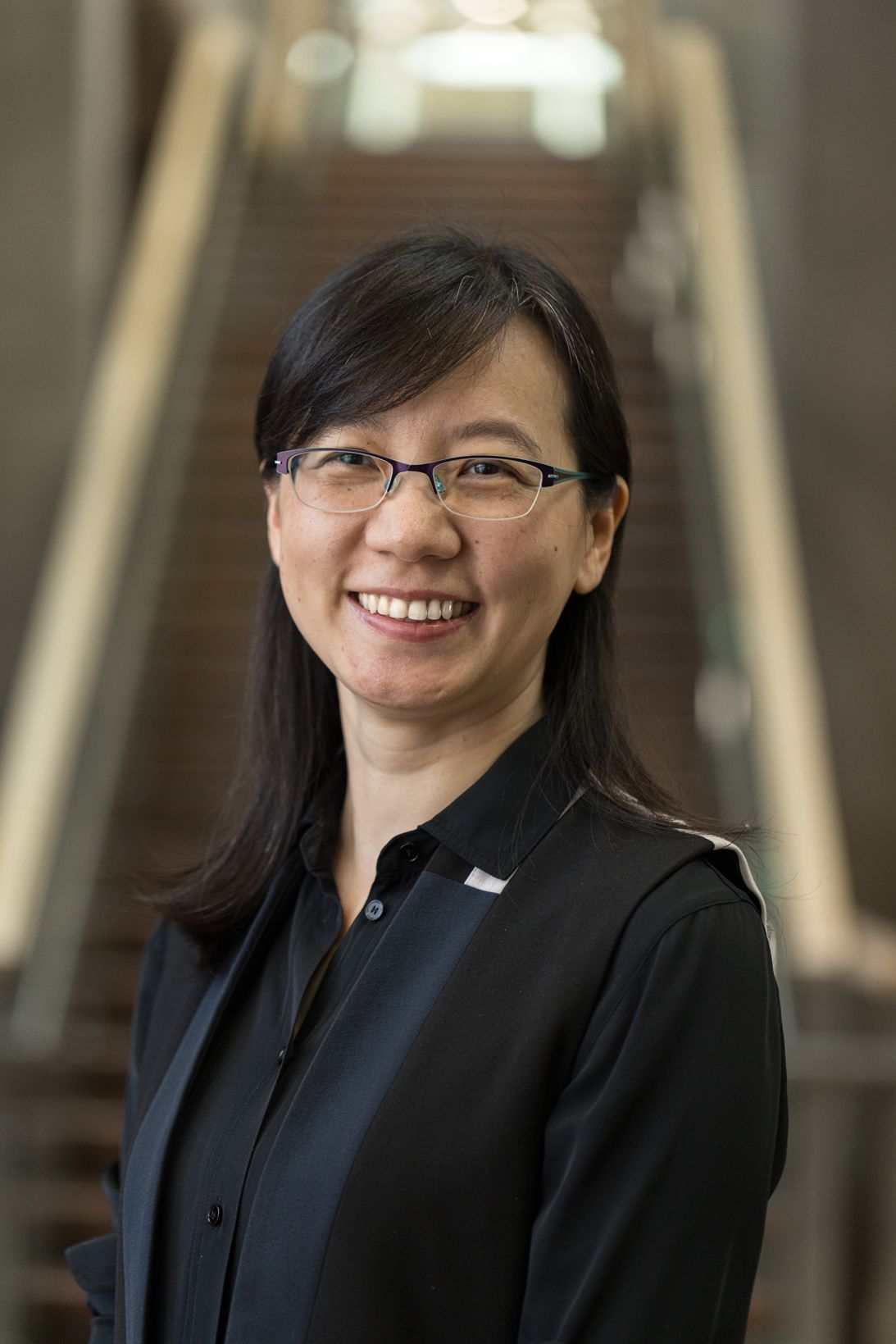
Mengyan Li is an Associate Professor in the Department of Chemistry and Environmental Science at New Jersey Institute of Technology (NJIT). Her research focuses on environmental biotechnology, bioremediation of emerging contaminants, microbial ecology, and water treatment technologies. She holds grants from the National Science Foundation (NSF) and U.S. Geological Survey (USGS), including projects addressing 1,4-Dioxane biodegradation, biochar-enabled filtration systems, and antibiotic resistance mitigation. Li has authored over 60 peer-reviewed articles and is actively involved in media outreach, discussing topics like microplastics and antibiotic resistance. Her research employs cutting-edge techniques such as machine learning for enzyme evolution and genomic analysis of microbial communities. Key projects include: CAREER: Tackling Solvent-Stabilizer Co-contamination (NSF, 2019–2026) INFEWS: US-China Biochar Filtration for Sustainable Rice Agriculture (NSF, 2019–2025) Li’s work bridges environmental chemistry and engineering, with a focus on practical solutions for water contamination challenges. She collaborates internationally and has developed innovative methods for detecting and remediating pollutants like PFAS and fluorotelomer carboxylic acids.
Qiu Wang is a Professor of Chemistry at Duke University, where he leads an active research program at the chemistry-biology interface. He holds dual appointments as a Member of the Duke Cancer Institute and Faculty Network Member of the Duke Institute for Brain Sciences, reflecting his interdisciplinary work targeting cancer and neurodegenerative disorders through chemical approaches. His educational foundation includes a B.S. from Wuhan University (China, 1999), Ph.D. from Emory University (2005), and dual postdoctoral fellowships at Harvard University (2005-2007 and 2007-2011) in Chemistry. This rigorous training established his expertise in synthetic methodology and biological applications. Wang's research program focuses on three synergistic pillars: developing bioactive small-molecule probes for disease mechanisms, targeting epigenetic enzymes for novel therapeutics, and creating chemical tools for biomolecule labeling. His group integrates synthetic organic chemistry with molecular/cell biology, genetics, and proteomics to address challenges in cancer and neurodegeneration, emphasizing copper-catalyzed reactions and hyperpolarized imaging technologies. Analysis of his recent publications reveals dominant themes in copper-catalyzed alkene/diene difunctionalization for complex molecule synthesis and the development of $^{15}$N-hyperpolarized MRI probes for metabolic imaging. These works bridge fundamental methodology with biological applications, particularly in cancer metabolism and neurological disorders. His scientific recognition includes: Sloan Research Fellowship (2016) NSF CAREER Award (2015) Wang directs multiple major grants including the Pharmacological Sciences Training Program (2025-2030), New Amination Methods (2025-2030), and hyperpolarized MRI agent development (2025-2027). His Wang Group collaborates extensively across Duke's institutes, developing chemical probes that enable new biological insights and therapeutic strategies for challenging diseases.
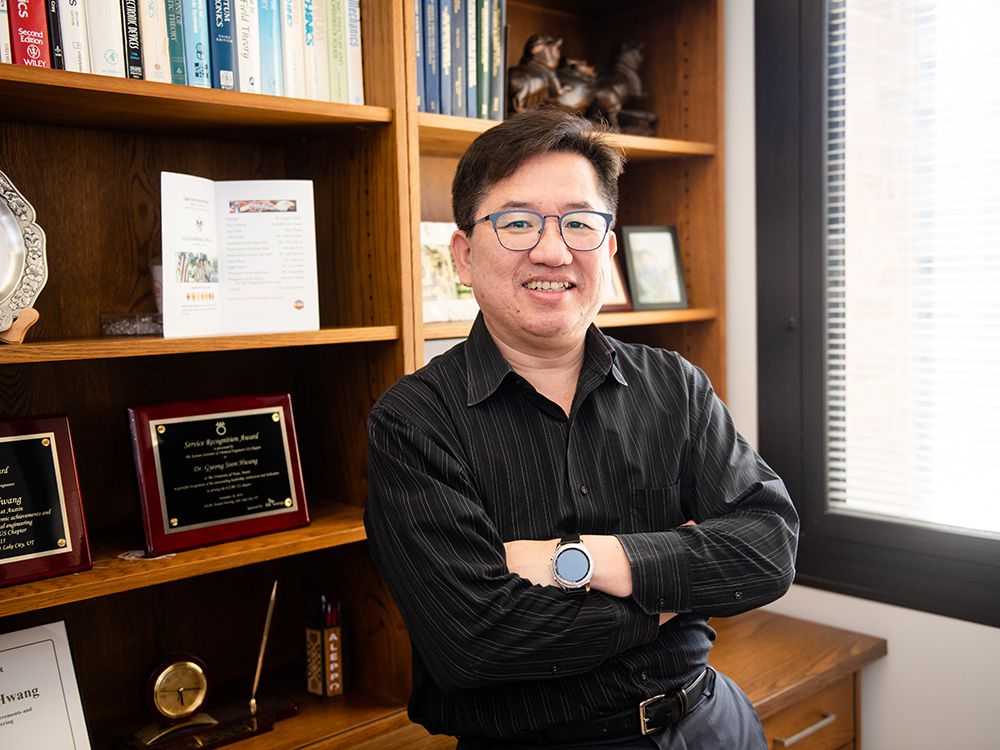
Gyeong Hwang is a Matthew Van Winkle Regents Professor of Chemical Engineering at The University of Texas at Austin. He leads the Hwang Research Group focused on computational materials discovery and design for energy and electronic applications. His work emphasizes multiscale modeling of nanostructured materials, with applications in energy storage/conversion, carbon capture, and semiconductor processing. Educational Qualifications: Ph.D., Chemical Engineering, California Institute of Technology (1999) M.S., Applied Physics, California Institute of Technology (1998) M.S., Chemical Engineering, Seoul National University (1993) B.S., Chemical Engineering, Seoul National University (1991) Research Interests: Hwang's research integrates first-principles modeling with experimental validation to address challenges in: - Surface chemistry and interfacial reactions - Nanostructured materials synthesis - Electrochemical device fabrication - CO₂ capture mechanisms His group develops computational tools for predicting material behaviors at atomic and continuum scales. Recent Publications Trends: Publications (2023-2025) focus on: - Solid-state battery interfaces - Plasma-enhanced material deposition - Ionic liquid interactions - Thermal/spatial transport phenomena - Electrochemical reaction mechanisms Awards: NSF CAREER Award (2005) Electrochemical Society's F.M. Becket Memorial Award (1999) Korean Chemical Engineering Service Award (2010) Advising & Grants: Leads interdisciplinary research funded by NSF, industry partnerships, and regents' endowments. Active in graduate student training through courses like ChE 379 (Molecular Simulation) and ChE 348 (Numerical Methods). Labs/Teams: The Hwang Research Group operates state-of-the-art computational facilities for quantum mechanics simulations and multiscale modeling. Collaborates with experimental groups globally on materials prototyping.
Dr. Giancarlo Pascali is a Conjoint Associate Professor at the School of Chemistry, UNSW Sydney , and Radiochemistry Team Leader at ANSTO's Camperdown cyclotron site. With a PhD in "Innovative Biomedical Technologies" from the University of Lecce (2004), he has held research positions at IFC-CNR , NIH , and GMP facilities in Milan and Pisa. His expertise spans radiochemical methods , radiopharmaceutical development , and microfluidic automation for nuclear medicine production. Education: PhD in Innovative Biomedical Technologies, University of Lecce (2004) BSc in Chemistry, University of Pisa (2001) Research interests focus on M 3 : Molecules, Methods, Machines . In Molecules , he designs radiopharmaceuticals for cancer , dementia , and inflammatory diseases . For Methods , his work explores photochemistry , electrochemistry , and mechanochemistry to label biomolecules with 18 F and other isotopes. Under Machines , he pioneers microfluidic systems for automated radiochemistry, emphasizing safety and process reliability . Editorial & Leadership Roles: Editorial Board Member of Nuclear Medicine and Biology , Contrast Media & Molecular Imaging , and Current Radiopharmaceuticals Executive Board of ANZSNM , ARTnet , and ASMI Asia-Oceania Director and iSRS2025 Chair for SRS
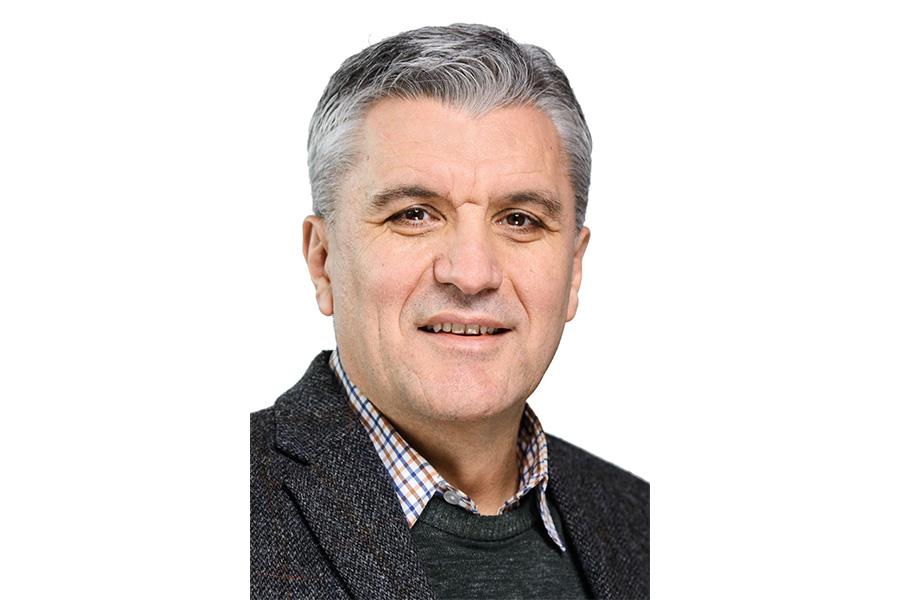
Nediljko Budisa is a Professor and Tier 1 Canada Research Chair in Chemical Synthetic Biology and Xenobiology at the University of Manitoba's Faculty of Science, Department of Chemistry. His research program focuses on expanding the fundamental biochemical capabilities of living systems through genetic code engineering and synthetic biology approaches. Dr. Budisa's research spans multiple cutting-edge areas in synthetic biology, with particular emphasis on genetic code expansion , non-canonical amino acid incorporation , and protein engineering . His laboratory employs both classical biochemical techniques and advanced computational methods to develop orthogonal translation systems, engineer novel enzymes, and create synthetic cells with expanded biochemical repertoires. His work bridges chemistry, biology, and engineering to address fundamental questions about life processes while developing practical applications in biotechnology and medicine. Analysis of Dr. Budisa's publication record reveals a consistent trajectory of innovation in genetic code engineering, with recent work increasingly integrating machine learning approaches for protein design. His research spans from fundamental studies of protein structure-function relationships to applied research in metabolic engineering and antiviral strategies, demonstrating the versatility of synthetic biology approaches. Tier 1 Canada Research Chair in Chemical Synthetic Biology and Xenobiology Dr. Budisa leads an active research program supported by his Canada Research Chair position, with extensive collaborations across Canada and internationally. His work has resulted in numerous patents and commercial applications in biotechnology. He actively participates in the synthetic biology community through initiatives like Prairie iGEM BioExM and has delivered public lectures on methodological challenges in expanded genetic code research. His research is conducted through the Chemical Synthetic Biology and Xenobiology laboratory at the University of Manitoba, where his team explores the social, cultural, educational, ethical and philosophical aspects of synthetic biology alongside technical innovations, reflecting a comprehensive approach to advancing this transformative field.
Glenn Sammis is a Professor at the Department of Chemistry, University of British Columbia. His research focuses on synthetic organic chemistry, particularly radical fluorination, natural product synthesis, and the application of sulfur(IV) fluorides in pharmaceutical and industrial contexts. B.S. in Chemistry, Stanford University (1999) Ph.D. in Organic Chemistry, Harvard University (2004) NIH Postdoctoral Fellow, Princeton University (2004-2006) His group develops innovative methods for fluorine atom transfer, radical relay cyclizations, and electrochemical processes to address synthetic challenges in pharmaceuticals and natural products. Recent work emphasizes the use of sulfuryl fluoride and thionyl fluoride in one-pot reactions. Publications highlight trends in radical fluorination, SuFEx chemistry, and electrochemical synthesis. Over 25 years, 15+ students and postdocs have advanced careers in academia, industry, and healthcare.
Dr. Sergio Dall'Angelo is a Lecturer and independent Research Fellow at the University of Aberdeen's School of Medicine, Medical Sciences and Nutrition. Holding a Ph.D. in Industrial Chemistry from Universita' Statale di Milano (2008), he established an organic/medicinal chemistry lab at the Institute of Medical Sciences in 2009 and became a Research Fellow in 2019. His research spans PET imaging, peptide synthesis, and synthetic organic chemistry. Ph.D. in Industrial Chemistry (Universita' Statale di Milano, 2008) 2012 SINAPSE Postdoctoral and Early Career Researcher Exchange Fund awardee Harvard University research visit (2012-2013) Research focus areas include: Development of novel fluorine-18 PET tracers for hypoxia and drug interactions Peptide/peptidomimetic synthesis for therapeutic applications Radiochemical methodologies and clinical-grade PET tracer preparation Recent publications highlight advancements in PET tracer development, fluorinated drug design, and peptide engineering. Key collaborations include work with Harvard University and SINAPSE network institutions. Scientific affiliations: Royal Society of Chemistry (RSC) European Society for Molecular Imaging (ESMI) SINAPSE (Scottish Imaging Network) SULSA Strategic Committee - Diagnostics and Therapeutics
Arturo Orellana is a Full Professor in the Department of Chemistry at York University, specializing in organic synthesis, catalysis, and medicinal chemistry. His research focuses on natural products synthesis, development of new synthetic methods, and heterocyclic compounds with therapeutic potential. He leads the Orellana Lab, actively mentoring graduate and undergraduate students. Key affiliations include the Faculty of Science and collaborations with institutions like Roche. Education details are not explicitly provided, but his professional trajectory includes extensive academic and industrial engagement. His research aligns with UN goals for health and sustainable consumption. Recent work includes publications in Organic Letters , Organic Process Research and Development , and Science Signalling . Students supervised include PhD candidates like Jiaqi Shi and Faizan, along with M.Sc. students such as Abel, Matthew, and Bill. His lab hosts postdoctoral researchers like Dr. Andrei Nikolaev and undergraduates like Natasha. No scientific awards are listed, but his work emphasizes impactful contributions to organic chemistry and drug discovery. Research grants and funding sources are not detailed, but his group's activities include sabbatical work, international presentations (e.g., at Roche, University of Zurich, and University of Paris), and active participation in conferences like the International Congress for Heterocyclic Chemistry. The Orellana Lab collaborates widely, with projects involving reaction development, natural product synthesis, and applications in medicinal chemistry. Future work likely focuses on expanding synthetic methodologies and translating discoveries into therapeutic applications.
Andrei Vedernikov is a Professor of Chemistry & Biochemistry at the University of Maryland, affiliated with the Institute for Physical Science and Technology (IPST). His research focuses on organotransition metal chemistry, catalysis, and reaction mechanisms with an emphasis on green synthetic methodologies using oxygen-based oxidants (O₂ and H₂O₂) for C-H and C-C bond functionalization. Key areas include platinum and palladium complex design, oxidative functionalization, and mechanistic studies using computational DFT methods. Recent work highlights catalytic systems for aerobic C-H bond activation, photoredox-mediated transformations, and the development of ligands to enhance reactivity. His studies often explore high-valent metal intermediates and their role in bond cleavage/formation. Applications span green chemistry, sustainable synthesis, and materials science. Notably, he investigates methane functionalization pathways and oxygen-driven catalytic cycles. Publications emphasize platinum/palladium complexes' reactivity under oxidative conditions, ligand effects on selectivity, and substrate scope in C(sp²)- and C(sp³)-H activations. Research also extends to mesoporous materials for toxic chemical filtration and mechanistic insights into NO binding in transition metal systems. Awards: None explicitly mentioned in current data. Advising and grants: No student names or grant details provided. Laboratory affiliations include IPST and the Chemistry & Biochemistry Department at UMD.
Dr. Jean E. Bogner is a Research Professor Emerita in the Department of Earth and Environmental Sciences at the University of Illinois at Chicago (UIC). Her research focuses on landfill methane (CH4) emissions, biodegradation processes in soils, and waste management systems. She has led international collaborations to develop and validate the CALMIM model, a process-based tool for predicting methane emissions from engineered landfills globally. Her work integrates field measurements, laboratory studies, and climate modeling to address climate change mitigation strategies in waste management. Education: B.A. Geology (Augustana College, 1969), M.S. Geology (University of Illinois at Chicago, 1973), Ph.D. Geology (Northern Illinois University, 1996). Research interests include landfill gas dynamics, soil microbiology, climate modeling, and sustainable waste management practices. She has contributed to landmark studies on methane oxidation in landfill cover soils, the impact of operational practices on emissions, and global GHG mitigation strategies. Her collaborative projects span academia, government agencies, and industry across the U.S., Europe, Africa, Australia, and Asia. Key achievements include co-authoring the IPCC’s 2007 Nobel Peace Prize-winning 4th Assessment Report, leading the CALMIM model development, and advancing methodologies for quantifying methane emissions. Her work has informed policy and practice in reducing anthropogenic GHG contributions from waste systems. Awards include the Nobel Peace Prize (2007), the IWWG Lifetime Award (2013), and multiple recognitions for contributions to landfill gas science and engineering.
Patrick Gunning is a Professor at the University of Toronto (Mississauga campus), specializing in Biological Chemistry and Organic Chemistry. His research focuses on developing small molecule architectures to manipulate protein complexation events, particularly targeting aberrant protein interactions in diseases like cancer. Key areas include STAT3/STAT5 inhibition, histone deacetylase (HDAC) modulation, and molecular design strategies for cancer therapies. Research interests emphasize understanding protein-protein interaction 'hot spots' and designing drugs to suppress or enhance specific gene expressions. His work explores both organic and inorganic drug-like scaffolds to regulate cellular signaling pathways. Recent studies highlight novel treatments for leukemia, lymphoma, and brain metastases through targeted protein degradation and metabolic pathway manipulation. Over 50 publications demonstrate expertise in oncology, epigenetics, and drug discovery. Notable contributions include HDAC6-selective inhibitors, PROTAC-based degraders, and fluorine NMR methodologies for protein analysis. His interdisciplinary approach bridges organic chemistry, biochemistry, and clinical applications in precision medicine. Current projects investigate molecular mechanisms underlying cancer growth, with a focus on STAT signaling pathways and metabolic vulnerabilities. The lab also pioneers innovative drug delivery strategies using advanced spectroscopic techniques and chemical synthesis platforms.