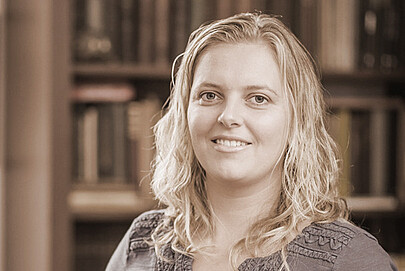
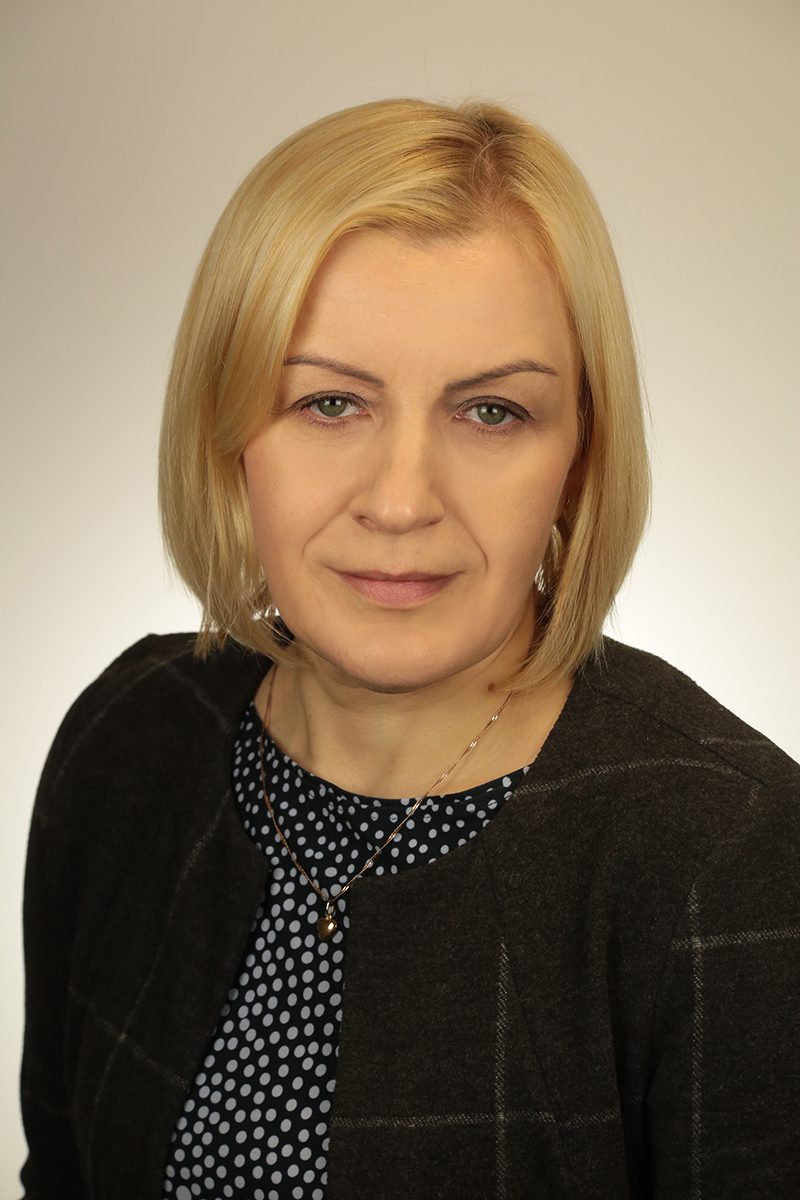
Maria Kurańska serves as a Lecturer in the Department of Polymer Chemistry and Technology at the Faculty of Chemical Engineering and Technology, Tadeusz Kościuszko Cracow University of Technology. Her academic career demonstrates continuous progression through doctoral studies and postgraduate environmental specialization, supported by international research collaborations. Educational background includes: MSc Eng. in Plastics Technology (2010) Dr. Eng. in Chemical Technology (2014) Postgraduate studies in Environmental Protection and Engineering (2017) Her research program centers on sustainable polymer development, particularly bio-based polyurethane systems derived from renewable resources like vegetable oils and agricultural waste. Current investigations focus on optimizing foam structures for thermal insulation while maintaining eco-friendly production processes. This work bridges fundamental polymer chemistry with practical applications in construction and environmental protection, emphasizing circular economy principles through material recycling and waste valorization. Publication analysis reveals consistent thematic focus on green chemistry applications, with recent work exploring novel polyol sources from non-edible oils, waste-derived fillers, and circular economy integration. The research demonstrates methodological evolution from basic material synthesis toward complex system optimization and lifecycle analysis. Scientific recognition includes: Multiple doctoral scholarships (2010-2013) International poster awards (Latvia 2012, Hungary 2014) Rector's Team Awards for scientific achievements (2014, 2016) Youngest promoted doctor award (2015) Professor Zbigniew Engel Award for doctoral dissertation (2017) Grant leadership demonstrates significant research capacity, managing multiple EU and national projects focused on bio-polyurethane development. Current projects explore advanced applications including shape-memory biofoams and waste-derived composites. Teaching responsibilities span environmental protection in chemical technology, plastics technology, and polymer laboratories, connecting theoretical knowledge with sustainable practice. International collaborations with Latvian and Argentine institutions enhance the global relevance of her work in renewable material science.