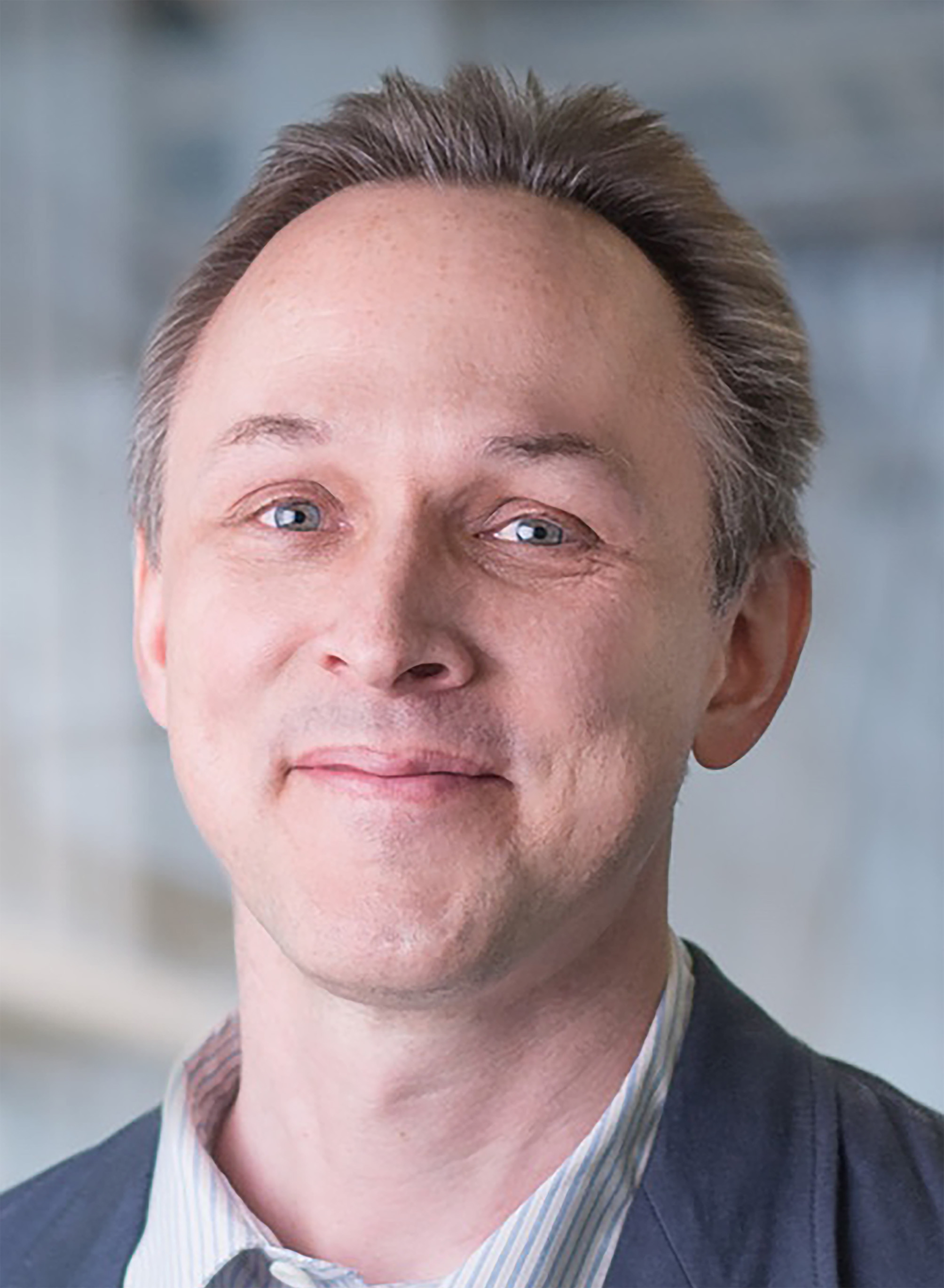
Andre Bannink is a senior researcher at Wageningen University's Animal Nutrition department, specializing in sustainable dairy farming systems. His work focuses on reducing greenhouse gas emissions and optimizing nutrient efficiency in livestock, particularly through methane mitigation strategies and nitrogen/phosphorus balance studies. Key research areas: Methane Emissions, Rumen Microbiology, Greenhouse Gas Mitigation Active projects: Milk urea for nitrogen efficiency, Methane-reducing feed additives, Grassland methane reduction Recent research explores dietary interventions for methane mitigation, including 3-nitrooxypropanol , and evaluates the impacts of low-phosphorus diets on dairy cow health. His publications emphasize process-based modeling of emissions and practical feed additive guidelines. Andre collaborates extensively on international projects and supervises PhD candidates. He contributes to climate policy discussions, with media appearances on topics like grassland methane reduction and sustainable livestock innovations .
Maria Isabel da Silva Santos is a Researcher affiliated with the Faculty of Veterinary Medicine (FMV) and the CECAV (Veterinary Medicine Research Center) at the University of Trás-os-Montes and Alto Douro, Portugal. Research Interests: Her work focuses on Food Science , Microbiology , and Food Safety , particularly Multidrug-resistant pathogens (*E. coli*, *Salmonella*) Antimicrobial peptides in milk and whey Zoonotic disease transmission from food-producing animals Functional foods and waste valorization (e.g., pear pomace, whey) Key Publications: Recent studies include 2024: Antioxidants article on pear pomace bioactives 2024: International Journal of Molecular Sciences on milk antiviral peptides 2023: Collaborative work on multidrug-resistant *Campylobacter* in poultry Network: Active in antimicrobial resistance and zoonoses research, with collaborations across Portugal and Europe. Supervised work includes studies on foodborne pathogens and bioprocessing techniques.
Zeynep Atamer is an Assistant Professor at Oregon State University's Food Science and Technology Department, affiliated with the Food Innovation Center in Portland, OR. Her research focuses on dairy science and technology, particularly bacteriophage dynamics, spore inactivation, milk protein behavior, membrane processing, and food safety optimization. Primary affiliation: Oregon State University, Food Innovation Center Department: Food Science and Technology Research interests include: Dairy bacteriophages and their thermal/non-thermal inactivation Spore-forming bacteria in dairy processing Milk protein fractionation and functional properties Membrane separation technologies for dairy applications Cheese and fermentation process optimization Development of phage-free dairy products and sensitive detection systems Recent publications highlight advancements in UV-C/phage reduction strategies, casein-based material development, bitter peptide characterization in cheese, and encapsulation technologies for microbial control. Key subfields include dairy processing stressors, whey protein stability, and gut microbiota modulation via phage delivery. Her work integrates industrial-scale validation with lab-to-commercial translation, addressing critical challenges in dairy safety and functionality through interdisciplinary approaches spanning microbiology, biochemistry, and food engineering.
CARMEN PADILLA RASCÓN is a Researcher at the Department of Chemical, Environmental and Materials Engineering at the University of Jaén. She obtained her Doctorate in 2022 with the thesis "Production of furfural and bioethanol from olive stones." Education: PhD in Chemical Engineering, University of Jaén (2022) Her research focuses on lignocellulosic biomass valorization through biorefinery systems, particularly using agricultural residues like olive stones and vine shoots for producing biofuels and high-value chemicals. Key techniques include steam explosion, acid/alkaline pretreatments, and microwave-assisted processing. Recent publications highlight integrated biorefinery strategies, furfural production optimization, and recovery of bioactive phenolic compounds. The work often involves process engineering, catalytic transformations, and circular economy principles.
Assoc. Prof. Dr. Gonca Bilge Özel is an Associate Professor at Yeditepe University, Faculty of Engineering, Food Engineering Department. She also serves as Vice Dean of the Faculty of Engineering since 2023. Previously, she was an Associate Professor at Konya Food and Agriculture University, where she held administrative positions as Department Head (2021) and Deputy Department Head (2019). Current Position: Associate Professor, Yeditepe University, Faculty of Engineering, Food Engineering Department Administrative Role: Vice Dean of Faculty of Engineering (2023-present) Previous Position: Associate Professor at Konya Food and Agriculture University (2018-2022) Dr. Özel received her PhD in Food Engineering from Hacettepe University (2010-2016), with a thesis on "Laser-induced plasma spectroscopy in elemental analysis of foods." She also holds a Master's degree in Bioengineering (2008-2010) and an undergraduate degree in Food Engineering (2003-2008), both from Hacettepe University. Her research primarily focuses on food analysis using advanced spectroscopic techniques, particularly Laser-Induced Breakdown Spectroscopy (LIBS). She has made significant contributions to food authenticity, adulteration detection, elemental analysis, and non-thermal food processing methods like pulsed electric field technology. Her work spans across various food matrices including dairy products, meat, coffee, grains, and beverages. Dr. Özel has led and participated in numerous research projects, including EU-funded H2020 projects and national TÜBİTAK projects. She has supervised multiple Master's theses and is currently supervising PhD students. Her research has resulted in numerous publications in high-impact journals and several patents related to LIBS applications in food analysis. Poster Prize at 8th International Conference on Laser induced breakdown spectroscopy (LIBS 2014) As an educator, Dr. Özel teaches undergraduate courses such as Food Engineering Operations and Process Design, Food Process Engineering, and Food Chemistry, as well as graduate courses in Advanced Analytical Methods and Biosensors. She has also been involved in industry collaborations with companies like Deltamed Life Sciences and NANOSENS Advanced Technologies.
Justyna Możejko-Ciesielska is a Professor at the Department of Microbiology and Mycology within the Faculty of Biology and Biotechnology at the University of Warmia and Mazury in Olsztyn. Her research focuses on microbial biotechnology, particularly polyhydroxyalkanoate (PHA) production by extremophilic bacteria using renewable feedstocks. PhD, DSc, Eng. ORCID: 0000-0002-1002-1214 Contact: justyna.mozejko@uwm.edu.pl Supervised 1 promoted doctor and currently oversees no doctoral students H-index: 16 (Google Scholar) Her work addresses sustainable biopolymer synthesis, waste valorization, and extremophile adaptation mechanisms. Recent publications highlight PHA production from biodiesel-derived glycerol, dairy waste, and fatty acids using strains like Halomonas alkaliantarctica and Pseudomonas putida . She emphasizes environmental biotechnology applications and industrial waste conversion. Key trends in her research include Biopolymer engineering Extremophile utilization Carbon source optimization Biodegradable plastics Waste-to-resource strategies
Dr. Kent D. Rausch serves as Professor across three departments at the University of Illinois Urbana-Champaign: Agricultural and Biological Engineering, Animal Sciences, and Food Science and Human Nutrition. His research bridges agricultural engineering and food science through advanced process optimization and analytical techniques. His core research domains include: Biofuels and Ethanol Production (focusing on dry-grind corn processes) Grain Processing and Storage Chemistry (corn, soybeans) Food Safety and Fraud Detection (using NIR/hyperspectral imaging) Co-products Valorization (distillers grains, corn germ) Lipid Oxidation Mechanisms Recent work demonstrates increasing integration of machine learning with spectroscopic methods for non-targeted fraud detection in high-value foods like organic spices and quinoa, while maintaining strong contributions to biofuel process engineering. His 2022-2025 publications reveal dual trajectories: advancing ethanol yield through fiber conversion and developing portable detection systems for global food supply chains. Research Impact: 144 scholarly outputs including two widely disseminated datasets on corn dry-grind ethanol processes, with significant Mendeley readership and news coverage. International collaborations span six key research profiles in dry grinding and fermentation domains. Scientific Awards: No awards explicitly listed in source materials. Advising & Infrastructure: No student lists or laboratory details provided, though fingerprint analysis confirms active research groups in dry-grind processing and spectroscopic analysis.
Jane Wang is a Professor in the Department of Food Science at the University of Arkansas , where she has served since 1999, progressing from Assistant to Full Professor. She also holds the title of Director of the Experiment Station in the Department of Food Science. Her research focuses on starch structure-functionality relationships , rice quality , and biomaterial utilization , with over 120 refereed publications and 5 patents. Education: B.S. in Agricultural Chemistry (1986) from National Taiwan University , M.S. in Food Science (1989) from the University of Minnesota , and Ph.D. in Food Science (1992) from Iowa State University . Postdoctoral research in starch chemistry at Iowa State University (1993-1994). Research Interests: Jane Wang's work explores starch chemistry, rice processing optimization, and value-added applications of agricultural byproducts. She investigates how starch modifications affect food and pharmaceutical properties, with a particular focus on parboiling, germination, and enzymatic treatments. Her research also examines the impact of environmental factors on rice starch development and quality. Scientific Awards: Outstanding Departmental Research Award (2008) Outstanding Volunteer, IFT Carbohydrate Division (2007) Outstanding Mentor, University of Arkansas (2005) Grants & Professional Service: She has secured over $3M in research funding, including USDA-NIFA grants and industry contracts with more than 50 food companies. Jane has served on numerous academic committees (Patent, Promotion & Tenure, Curriculum) and held leadership roles in professional organizations like IFT and AACC. She has also acted as associate editor for Cereal Chemistry and Carbohydrate Polymers , and reviewed for multiple journals and agencies. Labs & Teams: Dr. Wang leads the Carbohydrate Research Program at the University of Arkansas, focusing on starch structure-functionality, rice fortification, and biomaterial development. Her lab collaborates with industry partners and academic institutions to advance food science applications.
Prof. Erdem Günay is a full Professor in the Department of Energy Systems Engineering at Istanbul Bilgi University, where he has been serving since 2013, rising through the academic ranks. He holds a Ph.D. in Chemical Engineering from Bogazici University, where he also completed his B.S. and M.S. degrees, and conducted postdoctoral research. His academic journey reflects a deep commitment to energy systems and sustainable technologies. B.S. in Chemical Engineering, Bogazici University, 2002 M.S. in Chemical Engineering, Bogazici University, 2005 Ph.D. in Chemical Engineering, Bogazici University, 2012 Postdoctoral Research Associate, Catalyst Design and Reaction Engineering Laboratory, Bogazici University, 2013 Prof. Günay’s research centers on the integration of machine learning and artificial intelligence with energy systems engineering. His work spans renewable energy (solar, wind, bioenergy), hydrogen production, CO₂ utilization, fuel cells, and energy demand forecasting. He employs advanced data mining, neural networks, and explainable AI to model, simulate, and optimize complex energy processes, contributing significantly to sustainable energy solutions. His interdisciplinary approach bridges chemical engineering, environmental science, and computational modeling. His recent publications demonstrate a strong trend in applying machine learning to sustainable bioenergy, catalysis, and environmental management. From optimizing biochar production to forecasting global temperature anomalies and enhancing microbial fuel cells, his research leverages AI to address pressing energy and environmental challenges. The articles reflect a consistent focus on sustainability, efficiency, and innovation in energy technologies, with a growing emphasis on explainability and real-world applicability of AI models. Prof. Günay has not been mentioned to have received any specific scientific awards, but his extensive publication record in high-impact journals indicates strong recognition in his field. He has advised several Master’s students, including Muaaz Jnani, Duru Akalın, and co-advised Ahmet Coşgun and Meltem Baysal. He actively supervises senior design projects in areas such as biogas production, biodiesel from shea butter, pyrolysis, and solar desalination, fostering hands-on learning and innovation among students. While no external grants are explicitly mentioned, his research output suggests active involvement in funded projects. His teaching portfolio includes core courses such as Thermodynamics, Fluid Mechanics, Fuels and Combustion, and Energy Systems Modeling and Simulation. Although specific lab or research team names are not provided, his frequent collaborations with researchers like Ramazan Yıldırım, N. Alper Tapan, and Ahmet Coşgun suggest active participation in a research group focused on AI-driven energy and catalysis research at Istanbul Bilgi University.
Prof. Dr. Maja Vukašinović-Sekulić is a Full Professor at the Department of Biochemical Engineering and Biotechnology at the Technical-Metallurgical Faculty, University of Belgrade. She was elected to her current professorial position on October 16, 2023. Her office is located in the large TMF building, office 70, and she can be reached at vukasinovic@tmf.bg.ac.rs or by phone at 011/3303845 ext. 845. Professor Vukašinović-Sekulić specializes in Microbiology, Food Microbiology, Biochemical Engineering, and Biotechnology, with a particular focus on antimicrobial research and fermentation technology. Her teaching portfolio includes courses such as Microbiology and Microbiological Food Analytics, Genetics, Industrial Microbiology, Professional Practice, Technology of Fermented Milk Products, and Pharmaceutical Microbiology. Her research interests center around essential oils and their antimicrobial properties, food safety, probiotics, fermentation processes, and pharmaceutical microbiology. She has supervised numerous doctoral, master's, and undergraduate students whose work has explored the antimicrobial effects of essential oils, particularly against pathogens like Candida albicans, Saccharomyces boulardii, and various bacterial strains. Professor Vukašinović-Sekulić's publication record includes significant contributions to carbohydrate polymers research, particularly in nanocomposite hydrogels, as well as important work on lactic acid production from distillery waste, demonstrating her commitment to sustainable bioprocessing and waste valorization. She has mentored an extensive number of students across multiple academic levels, with recent thesis topics focusing on the application of essential oils in treating candidiasis, comparative antifungal activity of essential oils, antibacterial effects against probiotic strains, and the impact of various factors on antimicrobial activity of essential oils.
Wilfried Andlauer is a Professor at the Institute of Life Sciences within HES-SO Valais-Wallis School of Engineering. His research focuses on bioactive compounds , non-thermal food processing , and bioavailability studies , particularly in agricultural by-products like grape cane, walnut press cake, and Spirulina algae. He has developed advanced methods for solid-state fermentation , cold plasma decontamination , and bioactives fingerprinting . Key projects include optimizing microwave-assisted extraction for stilbenoids, analyzing iron absorption from insect flour , and developing microfluidic antioxidant assays . His work integrates nutraceutical research with practical applications in food safety and sustainable processing . Collaborations span Switzerland and Asia , with expertise in analytical chemistry and bioprocessing .
Manfred Zinn serves as a Professor at the University of Applied Sciences and Arts Western Switzerland (HES-SO), specifically within the School of Chemistry and Life Sciences. He leads the Biotechnology and Sustainable Chemistry research group at the Life Science Engineering department in Sion, Switzerland. His academic position includes significant research leadership responsibilities and active contributions to the field of bioplastics and sustainable materials. Professor Zinn's research focuses primarily on biotechnology applications for sustainable materials, with particular expertise in polyhydroxyalkanoates (PHAs) and other bioplastics. His work spans microbial biosynthesis, material characterization, and industrial applications of biodegradable polymers. He investigates the metabolic pathways of PHA-producing microorganisms, develops novel analytical methods for biopolymer characterization, and explores practical applications of bioplastics in medical and industrial contexts. His research integrates microbiology, polymer chemistry, and process engineering to address challenges in sustainable materials development. Analysis of his recent publications (2019-2024) reveals a strong focus on advancing the science and technology of bioplastics, particularly polyhydroxyalkanoates. His work addresses key challenges in monomer composition control, polymer characterization, biosynthesis optimization, and industrial applications. A significant trend in his research involves developing sophisticated analytical methods for biopolymer production monitoring and exploring novel applications for biodegradable materials in medical and industrial contexts. His collaborative work spans multiple countries and institutions, reflecting the international nature of bioplastics research. Professor Zinn has secured significant research funding through multiple competitive grants, including Innosuisse and Swiss National Science Foundation projects. His research portfolio includes projects on biosynthesis of Chlorella, electroplating processes for biodegradable materials, and online flow cytometry analysis for microbial bioplastic production. These projects demonstrate his ability to secure funding for interdisciplinary research at the intersection of biotechnology, materials science, and sustainable chemistry. His collaborations extend to institutions including the Frauenhofer Institute and Chulalongkorn University in Bangkok. The Biotechnology and Sustainable Chemistry research group led by Professor Zinn maintains strong laboratory facilities for microbial cultivation, biopolymer synthesis and characterization. The group utilizes advanced equipment including bioreactors, flow cytometry systems, and polymer analysis instrumentation. Their research bridges fundamental science with practical applications, focusing on developing sustainable alternatives to conventional plastics while addressing technical challenges in production, characterization, and implementation.
Professor Jeffrey W. Bode serves as Full Professor at the Department of Chemistry and Applied Biosciences at ETH Zurich, Switzerland, and maintains a secondary affiliation with the Institute of Transformative Biomolecules at Nagoya University, Japan. His internationally recognized research laboratory develops novel chemical reactions that operate under physiological conditions, bridging synthetic organic chemistry with biological applications. The Bode Research Group specializes in creating chemical methodologies that function in water and biological environments, including proteins, cells, and tissues. Their major research thrusts include acylboronate chemistry (particularly potassium acyltrifluoroborates or KATs), protein synthesis through ketoacid-hydroxylamine (KAHA) ligation, synthetic fermentation for drug discovery, and SnAP chemistry for N-heterocycle synthesis. These innovations enable applications in wound healing, drug delivery, cellular encapsulation, and artificial tissue development. The group's work on chemoselective ligation reactions has fundamentally advanced amide bond formation without traditional coupling reagents. Recent publications demonstrate a strong trajectory toward automated synthesis platforms, protein engineering, advanced bioconjugation techniques, and applications in chemical biology. The group has successfully commercialized SnAP chemistry through Sigma Aldrich and developed KAHA ligation into a robust method for synthesizing large proteins. Their research consistently focuses on creating molecules inaccessible through existing technologies, with particular emphasis on physiological compatibility and biological relevance. Professor Bode leads an international research team of approximately thirty PhD students and postdoctoral researchers from twenty different countries. The Bode Research Group maintains extensive collaborations across disciplines, contributing significantly to chemical biology, medicinal chemistry, and materials science. Their laboratory is equipped with advanced automation platforms for organic synthesis and maintains strong connections with pharmaceutical and biotechnology industries for translational applications of their chemical methodologies.
Dr. Hans Oechsner is a leading academic in agricultural engineering and bioenergy, holding multiple leadership positions including Head of the State Institute for Agricultural Engineering and Bioenergy (Landesanstalt für Agrartechnik und Bioenergie), Managing Director of the Baden-Württemberg Working Group on Agricultural Engineering and Rural Construction (ALB), and Project Leader for the International Graduate College focused on maize-based agricultural systems adaptation to limited phosphate reserves. He teaches advanced courses on biogas technology and bioenergy infrastructure at the Department of Agricultural Engineering in the Tropics and Subtropics. His research centers on optimizing bioenergy systems and sustainable resource management, with key interests in: Advanced biogas production techniques (e.g., mechanical pretreatment, two-stage digestion) Phosphorus recovery from organic waste streams Valorization of agricultural residues and livestock manure Development of circular bioeconomy models for crop systems Dr. Oechsner's recent publications (2022-2025) demonstrate a strong focus on enhancing biogas plant efficiency, nutrient recycling from digestate, and sustainable biomass utilization. His work consistently integrates full-scale applications with fundamental research, particularly in pretreatment optimization and waste stream valorization. He leads research infrastructure at the State Institute for Agricultural Engineering and Bioenergy, coordinating teams working on large-scale biogas optimization and agricultural waste management. His projects frequently involve international collaborations and industry partnerships.
Prof. Dr. Göksel N. Demirer is a Professor at the Department of Environmental Engineering, Middle East Technical University (METU), Ankara, Turkey. His academic career spans over two decades, holding roles from Lecturer to Chairperson of the Department (2006-2012). He specializes in Anaerobic Biotechnology, Wastewater Engineering, and Sustainable Production systems. Education: Ph.D. in Environmental Engineering, Vanderbilt University (1996) M.Sc. and B.Sc. in Environmental Engineering, METU (1991, 1989) Research Interests: Focuses on anaerobic digestion of organic wastes, bioenergy generation, cleaner production, nutrient recovery (struvite precipitation), and industrial symbiosis. His work bridges environmental biotechnology with sustainable industrial practices, emphasizing waste-to-resource转化 and pollution prevention. Awards & Recognition: Recipient of METU's Academic Performance Award (2001-2012) Mustafa Parlar Educator of the Year Award (2000-2001, 2005-2006) Australian Endeavour Research Fellowship (2007) Professional Roles: President of Water Environment Association of Turkey (2001-2003) Editorial Board Member of Journal of Cleaner Production and International Journal of Environmental Sciences Lead over 25 research projects as PI, including EU-funded collaborations on nutrient recovery and bioenergy Advising & Capacity Building: Supervised 26 Ph.D./M.Sc. theses, developed METU's Cleaner Production course, and conducted nationwide training programs for municipalities and industries. Labs & Collaborations: Active in anaerobic digestion and bioenergy research through METU's Environmental Engineering labs. Collaborates with institutions like RMIT University (Australia), Trier University (Germany), and Villanova University (USA).