Eric Roberts is a Professor of Geology and Geological Engineering and Director of the Potential Gas Agency at the Colorado School of Mines. His research focuses on basin analysis, energy exploration, and sedimentary geology with specializations in Mesozoic-Cenozoic basins of Gondwana and North America. He leads projects in U-Pb geochronology, critical minerals exploration, and paleoenvironmental reconstruction through vertebrate paleontology and stratigraphy studies. Roberts' work integrates advanced geochronological techniques with field-based analyses to address questions in paleobiology, resource exploration, and earth system dynamics. Key research themes include: Geochronology of sedimentary and volcanic deposits Paleoclimate reconstruction using paleosols Stratigraphic frameworks for dinosaur fossil records Resource potential of helium/hydrogen reserves Antarctic and African vertebrate paleontology His exploration of hominin burial practices in the Rising Star Cave System has provided critical insights into early human behavior. Roberts' interdisciplinary approach bridges geological, biological, and environmental sciences to advance understanding of Earth's history and resource management strategies.
Dr. Silu Wang is an Assistant Professor in the Department of Biological Sciences at the University at Buffalo. Her research focuses on speciation, adaptation, and forest evolutionary genomics, particularly in avian species. She leads the Forest Speciation Lab, studying the genomic and ecological mechanisms underlying species divergence in North American and global forest ecosystems. Her work integrates field studies, genomic analyses, and computational modeling to address biodiversity conservation challenges under climate change. Education: BS in Behavior Genetics and Neurobiology, University of Toronto MA in Ecology, Evolution and Behavior, University of Texas, Austin PhD in Zoology, University of British Columbia Postdoctoral Research at University of California Berkeley and UC Davis Research Interests: Dr. Wang investigates how hybridization, climate adaptation, and reproductive isolation shape avian biodiversity. Her lab uses old-growth forest bird species as models to study early-stage speciation processes, including mate choice, genetic incompatibilities, and mitochondrial-nuclear interactions. Key themes include understanding organismal responses to environmental changes and developing genomic tools for conservation prioritization. Lab and Teams: The Forest Speciation Lab collaborates with institutions globally, focusing on fieldwork in temperate and tropical forests. Current projects include studies on warbler hybrid zones, tinamou speciation, and the genomic architecture of mitonuclear coevolution. Teaching: Dr. Wang teaches courses on Speciation, Tropical Ecology, and Evolutionary Biology, emphasizing hands-on research training for students.
Professor David Alexander is a distinguished academic at Durham University's Department of Physics, where he serves as Professor and Chair of Board of Examiners. His responsibilities include Head of Section for Astronomy and Director of Postgraduate Research, demonstrating his significant leadership role within the department. Alexander is also responsible for teaching the Stars Lecturer component of the Level 2 Stars and Galaxies course. His primary research interests focus on Active Galactic Nuclei, black holes, and galaxy formation and evolution, representing core areas in modern astrophysics. Alexander's work spans observational and theoretical aspects of high-energy astrophysics, with particular emphasis on understanding the connections between supermassive black holes and their host galaxies across cosmic time. His research leverages data from major international facilities including NuSTAR, ALMA, DESI, and XMM-Newton, conducting multi-wavelength studies that combine X-ray, infrared, optical, and radio observations. Analysis of his most recent publications reveals a strong focus on AGN demographics, obscuration mechanisms, quasar environments, and the role of AGN in galaxy evolution. His work frequently explores the connection between AGN activity and galaxy properties, with particular attention to the cosmic evolution of these relationships. Recent papers demonstrate increasing emphasis on large-scale surveys and statistical approaches to understanding AGN populations. Leverhulme Research Fellowship (2000-2012) Philip Leverhulme Prize (2000-2008) Royal Society University Research Fellowship (2000-2003) Thomson Reuters ESI highly cited researcher over 2002-2012 Professor Alexander has been instrumental in numerous major survey projects including the NuSTAR extragalactic surveys, DESI quasar studies, and the VST ATLAS Quasar Survey. His collaborative work spans international teams and leverages cutting-edge observational facilities across the electromagnetic spectrum. His research group focuses on understanding the physical processes that govern AGN activity and their connection to galaxy evolution, with particular emphasis on obscured AGN populations and their role in the cosmic black hole growth history.
Arnab Sen is an Associate Professor at the School of Mathematics, University of Minnesota. His research focuses on probability theory and discrete harmonic analysis, with emphasis on models from statistical physics such as spin glasses, random graphs, random matrices, and random polynomials. PhD in Statistics, UC Berkeley (2010), advised by Steven N. Evans and Elchanan Mossel Postdoctoral Fellow, Statistical Laboratory, University of Cambridge His research spans discrete probability , statistical physics , and random matrix theory , addressing topics like disorder chaos in spin glasses, eigenvalue distributions, and quantum percolation. He has taught graduate and undergraduate courses including Random Matrix Theory , Introduction to Stochastic Processes , and Multivariable Calculus . His recent publications analyze spin glass models, random matrices, and combinatorial systems.
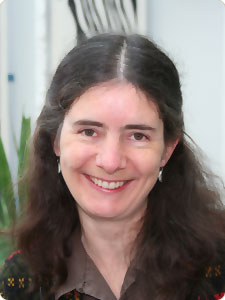
Mary Lou Zeeman is the R. Wells Johnson Professor of Mathematics at Bowdoin College, specializing in geometric dynamical systems, mathematical biology, and climate modeling. Her work bridges theoretical mathematics with real-world applications in ecology, sustainability, and neuroendocrinology. Education: PhD in Mathematics from the University of California, Berkeley; MA and BA in Mathematics from the University of Oxford. Research focuses on population dynamics, resilience in ecosystems, and interdisciplinary approaches to sustainability. She co-leads initiatives like the Mathematics and Climate Research Network (MCRN) and contributed to the Mathematics of Planet Earth (MPE) 2013 initiative. Her teaching includes Biomathematics (MATH 1758/BIOL 1175) and Multivariate Calculus (MATH 1800). Key contributions include modeling hormone oscillations in the menstrual cycle, climate change impacts, and fisheries management policies. Her work emphasizes decision-support frameworks for environmental challenges. Grants and collaborations span NSF-funded projects on computational sustainability and climate change research, reflecting her commitment to applied interdisciplinary science.
Associate Professor Bronwyn Finnigan is affiliated with the School of Philosophy within the Research School of Social Sciences (RSSS) at the Australian National University (ANU). Her academic qualifications include a BA Hons from Melbourne University, an MA from Sydney University, and a PhD from the University of Auckland. Her research focuses on philosophy of mind, moral psychology, and ethics, with a particular emphasis on integrating Western and Asian philosophical traditions, especially Buddhism. Her current research project, Buddhist Meta-Ethics and Moral Psychology (2018–2025), explores the justificatory grounds of moral judgments in Madhyamaka Buddhism. Finnigan’s work bridges philosophical analysis with Buddhist thought, addressing themes like self-awareness, ethical agency, fear, and the implications of Buddhist doctrines such as karma and rebirth. Her publications span topics ranging from Buddhist perspectives on fear and moral responsibility to comparative analyses of Western and Buddhist ethical frameworks. She is actively involved in supervising research students in these areas.
Dr. April Nowell is a Professor of Anthropology in the Department of Anthropology at the University of Victoria's Faculty of Social Sciences, specializing in Paleolithic archaeology, cognitive archaeology, and the archaeology of children. Currently on leave, she leads internationally recognized research projects across Europe, the Levant, Australia, and Africa while actively accepting graduate students. She earned her PhD from the University of Pennsylvania and has developed expertise in Neanderthal lifeways, Paleolithic art, and hominin life histories. Her academic journey reflects deep engagement with both theoretical frameworks and fieldwork across diverse geographical contexts. Nowell's research examines how prehistoric societies structured knowledge transmission, childhood development, and symbolic expression. Her groundbreaking work on finger flutings in Australian caves reveals children's roles in Paleolithic storytelling traditions, while her analysis of Levantine wetland ecosystems demonstrates how Pleistocene humans adapted to environmental shifts. She challenges conventional narratives about Neanderthal cognition and has pioneered methodologies for reconstructing prehistoric childhood experiences through skeletal and material evidence. Her recent publications show consistent innovation in archaeological methodology, particularly in digital documentation of rock art and interdisciplinary approaches to human development. Key trends include integrating bioarchaeological data with cognitive models, examining material culture as evidence of social learning, and analyzing environmental archives to understand human dispersal patterns. Her scientific recognition includes: 2023 EAA Book Prize for Growing Up in the Ice Age: Fossil and Archaeological Evidence of the Lived Lives of Plio-Pleistocene Children Nowell secures major research funding including Social Sciences and Humanities Research Council grants supporting her Azraq Basin project in Jordan and Koonalda Cave research in Australia. She mentors graduate students in Paleolithic theory while collaborating with Indigenous communities and international scholars on field projects spanning five continents. Her work bridges academic research and public engagement through TEDx talks and media appearances examining science communication. She directs field programs at Jordan's Azraq Basin wetlands and Australia's Koonalda Cave, working with multidisciplinary teams including geochronologists, bioarchaeologists, and Traditional Owners to investigate Pleistocene human adaptation and cultural transmission.
Gheorghe Craciun is a Professor in the Department of Mathematics and the Department of Biomolecular Chemistry at the University of Wisconsin-Madison. His research focuses on mathematical and computational models in biology and medicine, particularly dynamical systems models of biological interaction networks. He has been a visiting researcher at the Max Planck Institute for Mathematics in the Sciences during the 2019-2020 academic year and has organized the Madison Workshops on Mathematics of Reaction Networks. Craciun's primary research interests include Mathematical Biology, Dynamical Systems, Chemical Reaction Networks, Computational Biology, Systems Biology, and Algebraic Geometry. He investigates systems of differential equations with polynomial right-hand sides, which are common in biochemical reaction networks, ecological interactions, and epidemiological models. His work often involves proving global stability, analyzing multistability, and characterizing steady states using tools from algebraic geometry and combinatorics. Recent publications demonstrate his focus on toric differential inclusions, endotactic networks, and the global attractor conjecture, extending to applications in biochemical networks and discrete Boltzmann equations. His extensive publication record reveals a strong trend toward algebraic and geometric methods for analyzing complex biological networks, with significant contributions to reaction network theory, stability analysis, and parameter characterization. Craciun's work bridges abstract mathematical concepts with practical applications in biochemistry, ecology, and medicine, including modeling vitellogenin production in trout and peptide mass distributions. He has collaborated extensively with international researchers including Alicia Dickenstein, Anne Shiu, Bernd Sturmfels, Casian Pantea, and Miruna-Stefana Sorea. In education, Craciun teaches graduate courses such as Math 703 and mentors students through the Madison Math Circle and Putnam Club, while organizing specialized workshops that foster collaboration in reaction network theory.
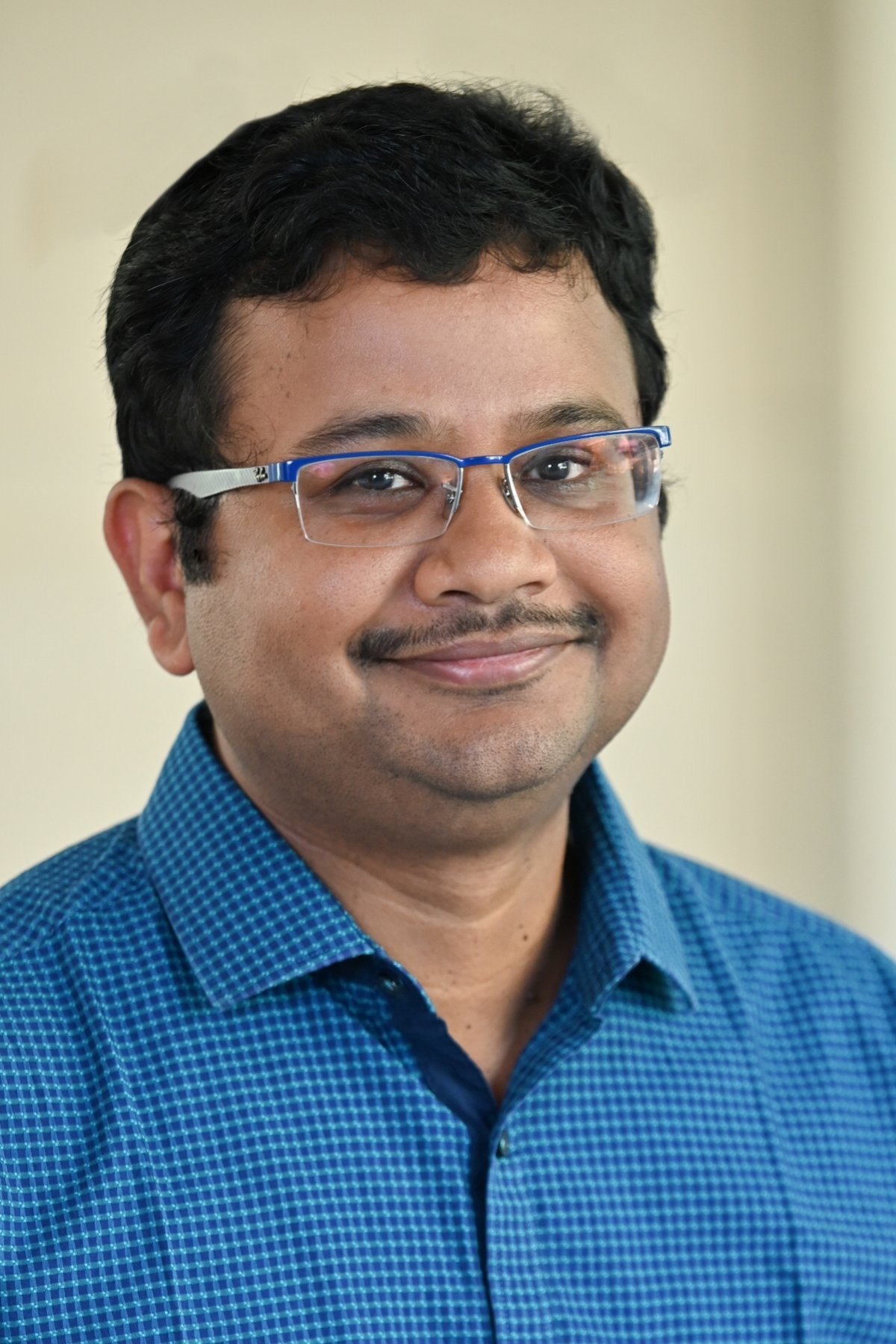
Gavin Schwarz is a Professor and Head of School at the School of Management and Governance within the UNSW Business School . He specializes in organizational change , organizational failure and inertia , and the dynamics of virtual teams , with a focus on how organizations fail during change processes and how to develop applied strategies for change management . His work spans diverse sectors including healthcare, technology, and education, with publications in leading journals such as Academy of Management Learning and Education and Administrative Science Quarterly . Education : PhD in Management (University of Queensland), MPhil (Hons) in Management (University of Auckland), BA in Management and English (University of Auckland). Grants : 2020 Brock University grant for "University communication in times of COVID-19" , 2020 UNSW Medicine grant for "Translation and change: Embedding effective change management in health" , and earlier Australian Research Council and Gordon J. Samuels Fellowship awards. His research explores the development of knowledge in organizational theories , with an emphasis on collective responses to change , HR management during crises , and technology strategy . He has contributed to understanding organizational communication , team innovation , and structural inertia . His 15 most recent publications cover topics from AI’s role in organizational change to pandemic-driven research adaptation, with keywords spanning management science , behavioral economics , and digital transformation . Scientific Awards 2021-2023 : Outstanding Reviewer Awards (Academy of Management Review) 2017-2020 : Best Reviewer Awards (Journal of Organizational Behavior) 2019, 2013, 2011 : Best Paper Finalist/Awardee (Academy of Management divisions) 2007, 2006 : Editorial Board Excellence (Academy of Management Journal) and Gordon J. Samuels Fellowship As an active supervisor in organizational change and HR development , his work supports healthcare innovation and digital transformation. He serves as Editor-in-Chief for the Journal of Applied Behavioral Science and is on the editorial boards of Academy of Management Review , Journal of Management , and Journal of Organizational Behavior . Contact: g.schwarz@unsw.edu.au
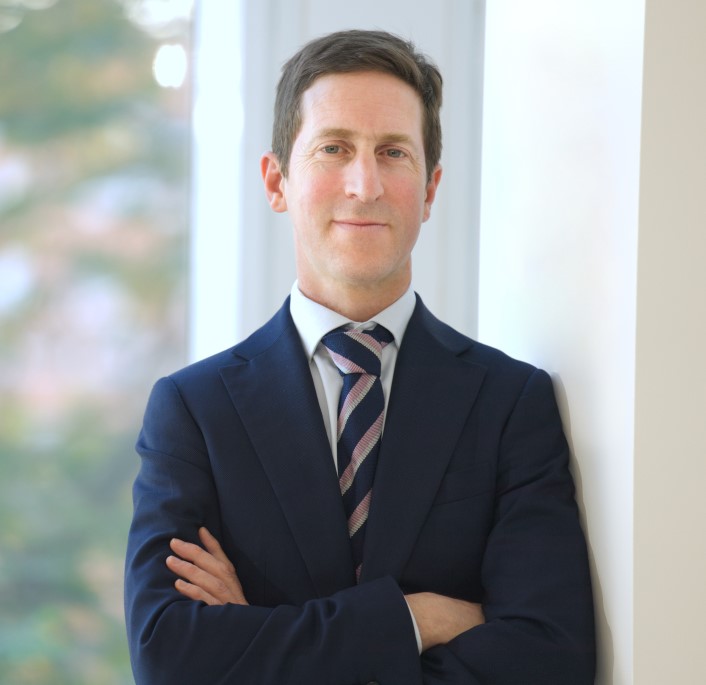
Taylor Perron is the Cecil and Ida Green Professor of Earth, Atmospheric and Planetary Sciences at Massachusetts Institute of Technology (MIT), where he also serves as the EAPS Undergraduate Officer. His research program at MIT spans multiple interdisciplinary areas within Earth and planetary sciences, with strong connections to the MIT-WHOI Joint Program in Oceanography/Applied Ocean Science and Engineering. Dr. Perron's academic background includes an AB in Earth and Planetary Sciences and Archaeology from Harvard University (1999) and a PhD from the University of California, Berkeley (2006), followed by postdoctoral work at Harvard. His leadership roles at MIT have included serving as chair of the Program in Geology, Geochemistry, and Geobiology, and as Associate Department Head for Education. His research focuses on three interconnected areas: Landscape Evolution, Planetary Surfaces, and the Human Landscape. Within Landscape Evolution, he investigates dynamic river networks, climate-landscape interactions, grain-scale sediment transport mechanics, and the connections between landscape evolution and biological diversification. His Planetary Surfaces research examines river systems on Mars and Titan, using spacecraft data to understand extraterrestrial hydrological processes. The Human Landscape component explores archaeological applications of geomorphology, particularly in the Amazon basin. Analysis of his recent publications reveals a strong emphasis on comparative planetary hydrology, with significant work on Earth, Mars, and Titan. His research increasingly integrates field observations, mathematical modeling, and remote sensing to address questions about landscape evolution across different planetary environments and timescales, with growing attention to anthropogenic impacts on Earth's surface processes. Scientific Awards & Honors: MacArthur Fellowship (2021) James B. Macelwane Medal, American Geophysical Union (2014) Fellow, American Geophysical Union (2014) Editorial Committee Member, Annual Review of Earth & Planetary Sciences (2017-present) Dr. Perron has established a productive research group that collaborates across disciplines and institutions, including significant partnerships with WHOI, NASA missions, and archaeological teams. His work bridges fundamental questions about planetary evolution with practical implications for understanding climate change impacts on Earth's surface systems.
Professor Balz Kamber is a renowned academic in the Faculty of Science at Queensland University of Technology (QUT), leading research in elemental and isotopic geochemistry paired with petrology. He holds the position of Professor in Petrology within the School of Earth & Atmospheric Sciences . His work focuses on Earth's differentiation into chemical spheres, with applications in climate science, planetary evolution, and resource exploration. Kamber has held prestigious roles, including Chair in Geology and Mineralogy at Trinity College Dublin and a Tier 1 Canada Research Chair at Laurentian University. Education: PhD (University of Bern, Switzerland), MSc (University of Bern) Professional Memberships: Royal Irish Academy (since 2018), European Association of Geochemistry Research interests include thermodynamic modeling of igneous processes, automated mineralogy, and the interplay between climate and geological history. His current projects address mantle dynamics, crustal evolution, and planetary weathering. Teaching focuses on Earth Materials, Petrology, and Climate Science at QUT. Notable achievements include editorship of Chemical Geology (since 2018) and contributions to understanding the Great Oxidation Event and Deccan Traps volcanism. His work bridges fundamental geochemistry with real-world challenges, such as climate change mitigation through enhanced rock weathering. Grants/Funding: Led the 23M Euro Irish Centre for Research in Applied Geosciences (2011–2018) Labs/Teams: Heads a dynamic research group advancing LA-ICP-MS methodologies and geochemical imaging
Professor Jill Atkins is a Professor of Accounting at Cardiff Business School, Cardiff University, with a distinguished career spanning accounting and finance. She also serves as a Visiting Professor at the University of the Witwatersrand in South Africa. As a leading academic in sustainable accounting, she has published over 50 journal articles and several influential books, establishing herself as a thought leader in the field of extinction accounting and biodiversity finance. Professor Atkins holds a BA Hons (First Class) in European Economics with a Licence ès Sciences Economiques from the University of Nantes, an MSc in Corporate and International Finance from the University of Durham, and a PhD in Finance from the University of Manchester. She is Series Editor for the de Gruyter Studies in Corporate Governance and has authored the leading international textbook "Corporate Governance and Accountability," now in its 5th edition. Professor Atkins' research focuses on three interconnected areas that have significantly contributed to sustainability accounting literature. Her work on private social and environmental reporting (SER) has evolved into "private integrated reporting," where institutional investor engagement processes increasingly integrate social, environmental, and financial issues. She has pioneered the development of "extinction accounting," creating a framework that has inspired extensive international academic research and influenced investment institutions' pollinator engagement strategies. Her third major contribution involves exploring the historical roots of environmental and ecological accounting, connecting accounting history with sustainability research across various historical periods from Victorian water pollution accounting to 18th century nature diaries. Analysis of Professor Atkins' recent publications reveals a clear trajectory toward increasingly specialized and urgent environmental accounting. Her work has evolved from general sustainability reporting to highly focused extinction accounting frameworks, with growing attention to historical precedents and cross-cultural applications. The publications demonstrate a sophisticated integration of critical accounting theory with practical applications in biodiversity conservation, showing how accounting mechanisms can serve as tools for species protection and environmental preservation. Her research increasingly incorporates interdisciplinary perspectives, drawing from ecology, history, art, and philosophy to develop comprehensive approaches to extinction governance. Professor Atkins has received significant recognition within the ESG investment industry and governance circles as a thought leader, regularly invited to give keynotes at international practitioner and academic events. She has led influential projects including a Nuffield Foundation-funded study on private SER and has developed innovative frameworks such as the extinction governance model that brings together accounting practices with governance mechanisms aimed at preventing species extinctions. Professor Atkins supervises doctoral candidates in extinction accounting, extinction governance, ESG investment, accounting for biodiversity, and corporate governance (qualitative research). She has established collaborative networks with leading practitioners in responsible investment, sustainability ratings, financial analysis, and reporting framework providers, including the Capitals Coalition, Moody's, Vigeo Eiris, AXA, and the WWF.
Professor Jochen J. Brocks is a faculty member at the Research School of Earth Sciences (RSES) at the Australian National University (ANU). He holds a PhD in Organic Geochemistry from the University of Sydney (2002) and a Diplom Chemie (~MSc Chemistry) from the University of Freiburg, Germany. His research focuses on Paleobiogeochemistry, using molecular fossils (biomarkers) to study ancient ecosystems and evolutionary processes, including the origin of life and the emergence of complex organisms. He is particularly interested in the conditions that led to the appearance of multicellular life and the role of primary producers in mass extinctions, as well as the potential existence of a 'lost world' of complex life in Earth's early oceans. He previously served as a Junior Fellow of the Harvard Society of Fellows (2001–2004). His research group, Brocks Geobiology, explores topics such as the molecular signatures of early organisms, the geochemical record of ancient oceans, and the preservation mechanisms of organic matter in sedimentary deposits. Brocks collaborates on projects like the biogeochemistry of salt lakes and the analysis of Precambrian rocks to trace microbial diversity. Education: PhD (Organic Geochemistry, University of Sydney, 2002), MSc (Chemistry, University of Freiburg, Germany). His research interests span the intersection of organic geochemistry and paleontology, with a focus on applying biomarker analysis to understand Earth's history. Recent work includes studies on the environmental aftermath of Snowball Earth glaciations, the origins of Dickinsonia as an early animal, and the preservation of ancient biomolecules in extreme conditions like evaporites and concretions. Brocks has contributed to significant debates in the field, such as reinterpreting steroid biomarkers to challenge early animal evolution timelines and identifying novel preservation mechanisms for plant fossils. His work often integrates experimental geochemistry with field studies, particularly in northern Australia and Mauritania, to explore the co-evolution of life and Earth's systems. Awards: Junior Fellow of the Harvard Society of Fellows (2001–2004). He supervises multiple research projects, including those investigating the Velkerri Formation and the McArthur River deposit. Brocks also collaborates on initiatives like the Sedimentary Geochemistry and Paleoenvironments Project, which synthesizes global data to inform Earth history. His lab work emphasizes the development of analytical techniques to distinguish syngenetic biomarkers from contaminants in ancient samples.
Professor David Dupret is a Professor of Neuroscience and MRC Investigator at the University of Oxford, where he also serves as a Tutorial Fellow in Biomedical Sciences at St Edmund Hall. His work takes place within the MRC Brain Network Dynamics Unit, part of the Nuffield Department of Clinical Neurosciences, and he is affiliated with the Department of Physiology, Anatomy and Genetics. David completed his Ph.D. in Neuroscience at the Institute François Magendie (INSERM, University of Bordeaux, France), receiving the French Neuroscience Association's 2007 Ph.D. Year Prize. He joined the MRC Anatomical Neuropharmacology Unit in 2007 as a Visiting Fellow, funded by the Institute of France and the International Brain Research Organisation. In 2009, he became an MRC postdoctoral scientist and Junior Research Fellow at St Edmund Hall, progressing to MRC Programme Leader Track scientist in 2011 and tenured MRC Programme Leader in 2014. Professor Dupret's research focuses on the circuit-level mechanisms of memory-guided behavior, with particular emphasis on neural dynamics of memory circuits during active waking behavior and sleep. His laboratory employs in vivo multichannel recordings and optogenetic manipulation of neuronal ensembles to investigate how hippocampal networks organize memory processes. His work has revealed fundamental insights into how memory circuits operate during both waking behavior and sleep states, particularly regarding hippocampal ripple activity, dentate spikes, and offline reactivation processes. Analysis of Professor Dupret's recent publications reveals a consistent focus on hippocampal network dynamics and memory processes. His work spans from basic neural circuit mechanisms to applications in neurodegenerative conditions like Alzheimer's disease. A notable trend is the integration of computational approaches with experimental neuroscience to understand how neural assemblies encode and retrieve memories. His team has made significant contributions to understanding how dentate spikes support memory flexibility and how hippocampal ripple diversity organizes neuronal reactivation during offline states. French Neuroscience Association's 2007 Ph.D. Year Prize Foundation Louis D. Research Fellowship (2007) International Brain Research Organisation Fellowship (2008) FENS-Kavli Network of Excellence Scholar (2016) Boehringer Ingelheim-FENS Research Award (2018) Elected to membership of Academia Europaea (2024) Professor Dupret has secured substantial research funding through his MRC Programme Leader position and has mentored numerous researchers who appear as co-authors on his publications. His laboratory, the Dupret Group, operates within the MRC Brain Network Dynamics Unit, collaborating extensively with other research groups including the Sharott Group, Magill Group, and Denison Group. Current research directions include investigating how memory circuits maintain flexibility while resisting extinction, exploring the relationship between neural coactivity patterns and memory organization, and developing computational models of hippocampal function. His team is actively pursuing future work on the mechanisms underlying memory persistence and the neural basis of flexible memory recall.
Professor Rosalyn Moran is a Professor of Computational Neuroscience and Deputy Director of King's Institute for Artificial Intelligence at King's College London. She holds roles in the Department of Neuroimaging and School of Neuroscience within the Institute of Psychiatry, Psychology & Neuroscience. Her research focuses on computational neuroscience, computational psychiatry, and neurology, particularly integrating brain connectivity with algorithmic principles like the free energy principle. She explores neurotransmitter roles in decision-making and disease modeling, with applications in artificial intelligence and neurodegenerative disorders. Moran serves as an editor for Neuroimage and collaborates with leading institutions. Key projects include global neuroimaging initiatives (UNITY) and low-field MRI advancements in low-resource settings. Her work bridges Bayesian inference, AI, and neurobiology, with recent emphasis on pediatric neuroimaging and treatment-resistant psychosis. Education & Research Interests Rosalyn Moran's research spans computational psychiatry, neuroimaging techniques, and AI applications in healthcare. Her lab investigates serotonin and dopamine signaling, brain connectivity patterns, and predictive coding frameworks. Notable contributions include modeling NMDA receptor dysfunction in encephalitis and developing super-resolution MRI methods for global health contexts. Grants & Collaborations Funded projects include MRC Human Functional Genomics (2024-2028), NIHR Maudsley BRC (2022-2027), and Gates Foundation initiatives for low-field MRI enhancement. Collaborators include Karl Friston (UCL), Read Montague (Virginia Tech), and Klaas Enno Stephan (University of Zurich). Recent events include presenting the Free Energy Principle's role in generative AI (May 2023). Labs & Teams Her lab focuses on computational psychiatry and AI-driven neuroimaging solutions, collaborating with the King’s Global Health Institute to advance medical imaging accessibility in low-income regions.