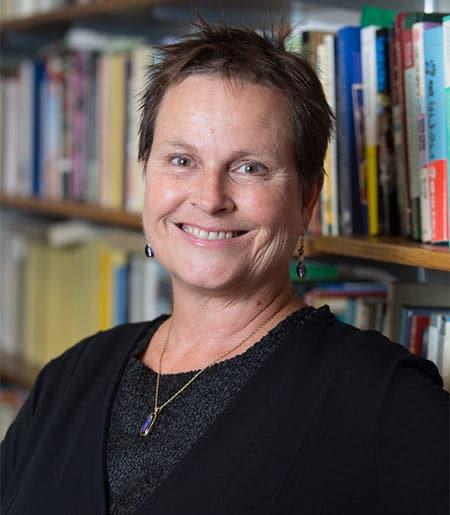
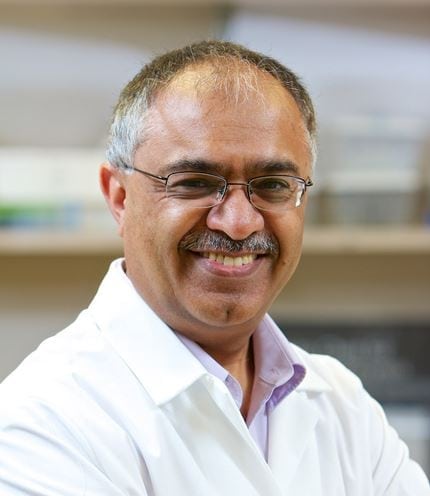
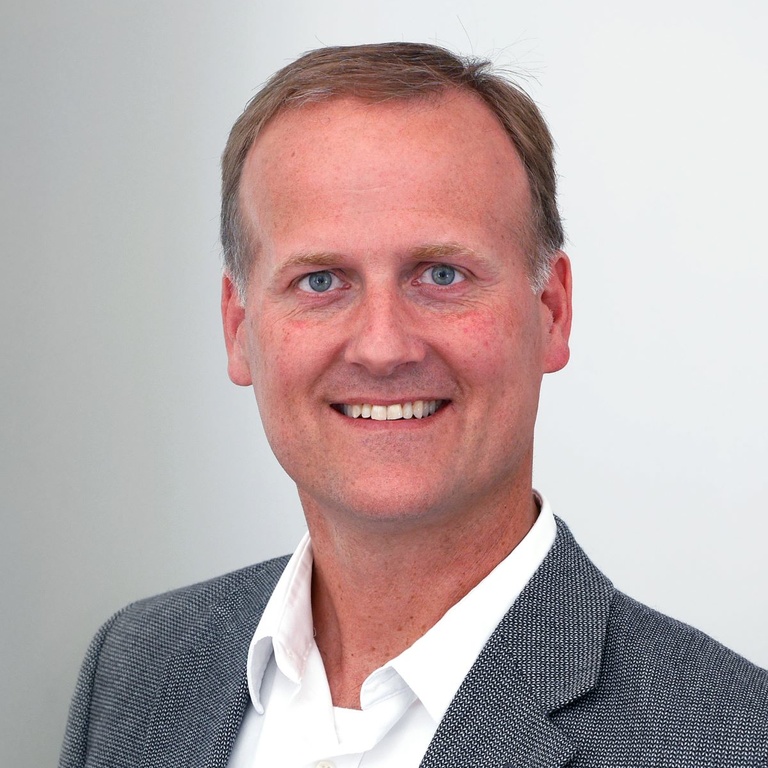
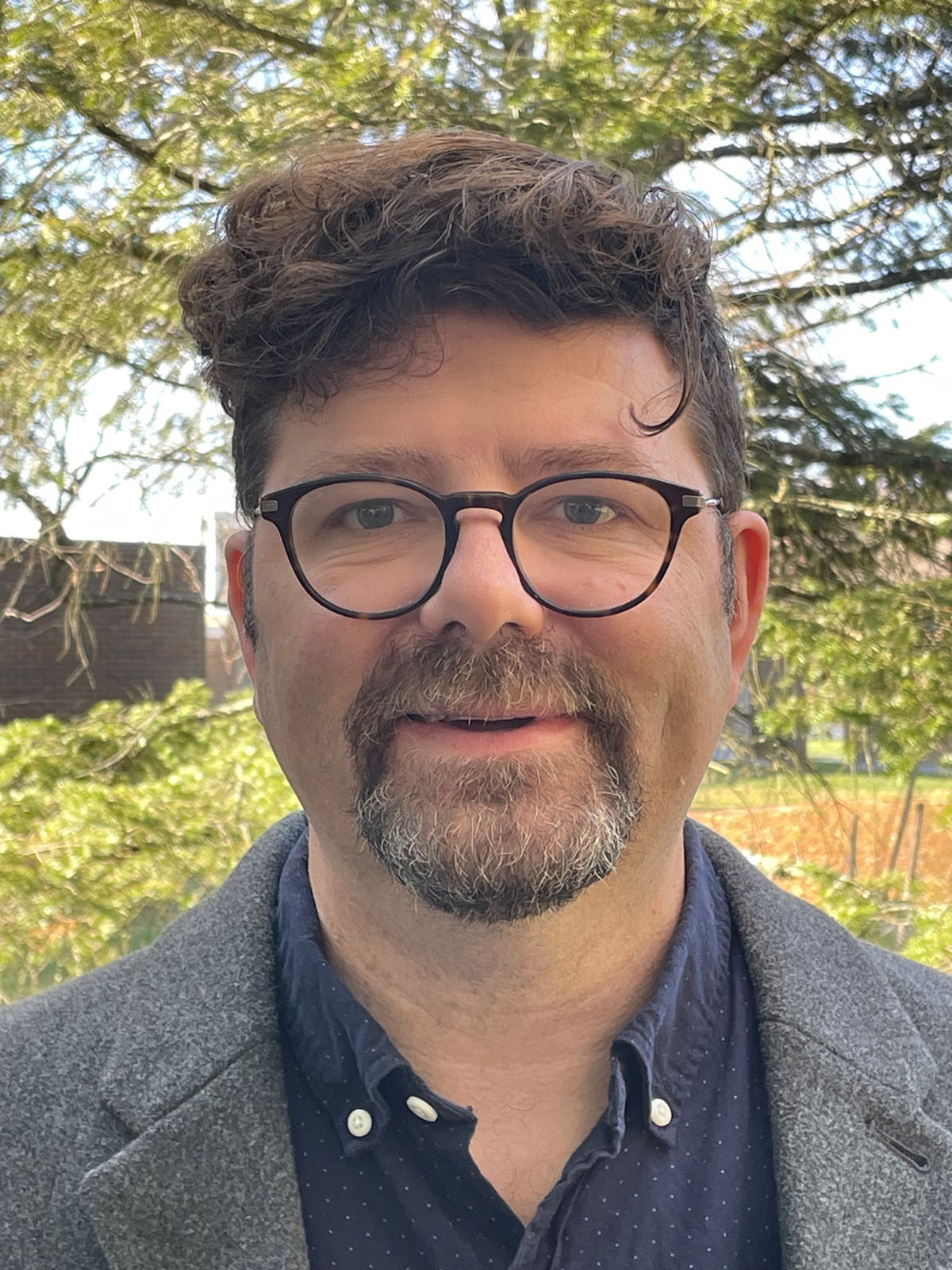
Jane-Marie Law is an Associate Professor at Cornell University's College of Arts and Sciences, affiliated with the Department of Asian Studies and the Religious Studies Program. She holds a Ph.D. and M.A. from the University of Chicago and a B.A. in Religious Studies from the University of Colorado. Her research focuses on the intersection of religious communities, ritual practices, and ecological sustainability. She has conducted extensive fieldwork in Japan, examining Buddhist monasticism, cultural memory, and ritual logic through human effigies. Her current work explores how intentional religious communities engage with sustainable practices and ecological healing, addressing questions of resource management, conservation ethics, and cross-community knowledge translation. She has authored two books and taught courses such as Religion and Ecological Sustainability and advanced studies on Zen Buddhism. Her activism integrates scholarship and social responsibility, exemplified by co-directing the 2000 conference on religion and human rights. Professor Law also serves on the board of Namgyal Monastery Institute of Buddhist Studies.
Tommy Svensson is a Professor of Communication Systems at Chalmers University of Technology, where he leads research on wireless systems on air interface and wireless backhaul network technologies. He received his Ph.D. in information theory from Chalmers in 2003 and has extensive industry experience from Ericsson AB, working with core, radio access and microwave networks. His primary research interests include: Design and analysis of mobile communication systems Physical storage algorithms Multi-user access and resource allocation Cooperative/context-aware/secure communication mm-wave/sub-THz communication C-V2X and JCAS Satellite networks Sustainable design and comprehensive architecture Professor Svensson has been actively involved in numerous European research projects including WINNER I/II/+, ARTIST4G (contributing to 3GPP LTE standards), METIS, mmMAGIC, and 5GCar (towards 5G), and Hexa-X, RISE-6G, SEMANTIC, ROBUST-6G, and ECO-eNET (towards 6G). He also contributes to the Chase/ChaseOn and WiTECH antenna systems center of excellence at Chalmers, focusing on mm-wave and (sub)-THz solutions for various wireless scenarios. His publication record is extensive, with 6 books, 111 journal papers, 151 conference papers, and 80 public EU project deliverables to his name. Professionally, he serves as: Founding member/editor of the IEEE JSAC Series on Machine Learning in Communications and Networks Chair of the award-winning IEEE Sweden Vehicular Technology/Communications/Information Theory Societies chapter Editor of IEEE Transactions on Wireless Communications and IEEE Wireless Communications Letters Lead local organizer of EuCNC & 6G Summit 2023 Coordinator of the Communication Engineering Master's Program at Chalmers
Hakan Fidan is an Associate Professor in the Department of Plant Protection at Akdeniz University's Faculty of Agriculture in Antalya, Turkey. With over two decades of experience in plant virology and molecular plant pathology, Dr. Fidan leads research focused on viral diseases affecting vegetable crops, particularly tomatoes, peppers, cucurbits, and cereals. He serves as Director of the Seed and Agricultural Biotechnology Research and Application Center at Akdeniz University and has previously directed the Serik Gulsun-Suleyman Sural Vocational School. Dr. Fidan's academic journey includes: Doctorate (2004-2010): Cukurova University, Faculty of Agriculture, Plant Protection Department Postgraduate (2000-2004): Cukurova University, Faculty of Agriculture, Phytopathology/Virology Undergraduate (1992-1996): Cukurova University, Faculty of Agriculture, Plant Protection Department Dr. Fidan's research spans several interconnected areas in plant pathology and virology. His primary focus is on plant viruses affecting economically important crops in the Mediterranean region, with particular emphasis on molecular characterization of viral pathogens, development of resistance mechanisms, and implementation of sustainable disease management strategies. His work integrates molecular biology techniques with traditional plant pathology approaches to address real-world agricultural challenges. His specific research interests include: Plant Virology and Molecular Plant Pathology Development of molecular markers for disease resistance Complete genome molecular biology of plant viruses Plant resistance mechanisms against viral pathogens CRISPR/Cas9 genome editing for developing virus-resistant crops Host-pathogen interactions in vegetable crops Analysis of Dr. Fidan's recent publications reveals a strong focus on emerging viral threats to Turkish agriculture, particularly tomato brown rugose fruit virus (ToBRFV), tomato spotted wilt virus (TSWV), and zucchini yellow mosaic virus (ZYMV). His research demonstrates a strategic progression from basic viral characterization to developing practical solutions through molecular diagnostics, resistance breeding, and genome editing approaches. A notable trend is the increasing application of CRISPR/Cas9 technology in his recent work, reflecting a shift toward genetic solutions for viral disease management. Dr. Fidan has supervised 10 graduate theses across master's and doctoral levels, focusing on viral diseases of economically important crops. His students' research has addressed critical issues including ToBRFV management, TSWV resistance breaking, ZYMV resistance in cucurbits, and molecular characterization of emerging viral pathogens. His research program is supported by multiple projects (14 listed in the metrics), indicating successful grant acquisition for molecular virology research and crop protection initiatives. As Director of the Seed and Agricultural Biotechnology Research and Application Center at Akdeniz University, Dr. Fidan leads a multidisciplinary team focused on agricultural biotechnology and seed science. His research group specializes in plant virology, with expertise spanning molecular diagnostics, host-pathogen interactions, and genetic approaches to disease management. The team maintains strong connections with national and international research institutions, as evidenced by collaborative publications, and works closely with agricultural extension services to translate research findings into practical solutions for Turkish farmers.
Mustafa Aksu is a Professor at Istanbul University's Faculty of Law, Department of Civil Law. His research spans Civil Law , Intellectual Property Law , Information Law , and EU Legal Harmonization . He has advised 26 theses and published extensively on digital rights, family law, and obligations law. Research Interests: Focus on AI and law, copyright exhaustion in digital markets, EU-Turkey legal alignment, domain name regulation, and protection of computer programs. Publications: Recent works include AI's legal frameworks (2023), medical informatics law (2021), and digital exhaustion doctrine (2016). His research emphasizes cross-border IP enforcement and EU court precedents. Contact: Email aksum@istanbul.edu.tr | Office: Hukuk Fakültesi Binası, İkinci Kat, Oda No: 38, Beyazıt, Istanbul, Turkey.
Jashvant Unadkat, Ph.D. is a Professor of Pharmaceutics at the University of Washington School of Pharmacy. He holds appointments in the Department of Pharmaceutics and is actively involved with the UWPKDAP (Program on Pharmacokinetics of Drugs of Abuse during Pregnancy). His research spans drug transport, metabolism, and pharmacokinetics with special emphasis on pregnancy and fetal pharmacology. Dr. Unadkat received his B.Pharm. from the University of London (1977), his Ph.D. from the University of Manchester (1982), and completed postdoctoral training at the University of California at San Francisco (1982-85). His educational background laid the foundation for his extensive career in pharmaceutical sciences. His research interests focus on mechanisms of drug transport and metabolism, particularly during pregnancy. Dr. Unadkat has made significant contributions to understanding placental drug transporters, blood-brain barrier function, and quantitative approaches to pharmacokinetics-pharmacodynamics. His work bridges computational modeling with experimental approaches to address complex questions in drug disposition. Analysis of his recent publications reveals a strong trend toward understanding drug interactions during pregnancy, cannabinoid pharmacology, and the application of physiologically based pharmacokinetic (PBPK) modeling to predict drug behavior in special populations. His research spans pharmacology, computational biology, obstetrics, and toxicology with particular emphasis on drug transporters and their regulation. Fellow of AAAS Fellow of AAPS Fellow of JSSX AAPS Research Achievement Award (2012) ISSX Research Achievement Award (2023) Founding co-chair (1999-2001) of AAPS focus group on Drug Transport and Uptake Dr. Unadkat has led significant research initiatives including the UW Research Affiliates Program on Transporters (UWRAPT) for 10 years, the NIDA-funded UWPKDAP program on drug disposition during pregnancy, and co-leads the NICHD-funded UW Transporter Elucidation Center. His work has generated over 250 peer-reviewed publications and has significantly influenced regulatory science and drug development practices. He is actively involved in research teams focusing on placental transport, hepatic drug metabolism, and quantitative pharmacology. His current work with the UW Transporter Elucidation Center aims to identify and characterize novel transporters in the placenta and developing intestine, with implications for drug safety during pregnancy and pediatric pharmacotherapy.
Dr. Idalina Baptista serves as Associate Professor in Urban Anthropology at the University of Oxford's Department for Continuing Education, where she teaches urban theory in the MSc and DPhil in Sustainable Urban Development programs. A Fellow of Kellogg College and member of the Oxford Network for the Future of Cities, she bridges academic research with real-world urban challenges through her extensive fieldwork in African cities. Her academic credentials include a PhD in City and Regional Planning (2009) and Master of Landscape Architecture (1999) from the University of California, Berkeley, and a BEng in Environmental Engineering (1996) from Portugal's New University of Lisbon. This interdisciplinary foundation informs her critical approach to urban development. Baptista's research pioneers decolonial perspectives on African urbanization, focusing on energy infrastructure governance in Maputo, Mozambique. She examines how prepayment electricity systems reshape social relations, how colonial legacies influence contemporary urban landscapes, and how community energy initiatives can advance energy justice. Her work challenges Anglo-American urban models through ethnographic and archival methodologies, emphasizing localized knowledge production for sustainable urban futures. Analysis of her 2018-2024 publications reveals consistent thematic focus on energy access inequalities, infrastructure informality, and post-colonial governance in sub-Saharan Africa. Her articles demonstrate methodological innovation through socio-technical analysis of electricity practices, contributing significantly to debates on urban political ecology and energy transitions in the Global South. She actively supervises doctoral candidates including Yaseen Albarim and Patrick Brown, while leading major research initiatives such as the Electric Urbanism project on prepayment systems in Mozambique, the CESET project on community energy across Ethiopia/Malawi/Mozambique, and a British Academy-funded study on energy access in conflict-affected urban areas. Her past experience as an environmental planning consultant and NGO member grounds her academic work in practical policy engagement.
Pål Roland is a Professor at the University of Stavanger, Faculty of Arts and Education, and affiliated with the Norwegian Centre for Learning Environment and Behavioral Research in Education. He is based in Stavanger and actively contributes to research and dissemination in educational leadership, implementation science, and behavioral research in schools and kindergartens. His research interests focus on implementation science , capacity building in educational organizations , social and emotional learning , bullying prevention , classroom interactions , and leadership in change processes . He emphasizes systemic and organizational approaches to sustainable development in pedagogical settings. The recent articles highlight a consistent focus on implementation quality, professional learning communities, leadership in educational change, and behavioral support in early childhood and school contexts. His work bridges theory and practice, often involving collaboration with school leaders and practitioners. Scientific Awards: No awards explicitly mentioned in the provided text. Advising and Grants: No formal advisees or grant information is listed in the provided content. However, his extensive collaborative research and leadership in dissemination suggest active involvement in research projects and networks, likely supported by external funding. Labs and Teams: He is a key researcher at the Norwegian Centre for Learning Environment and Behavioral Research in Education , which functions as a research group focused on improving learning environments through evidence-based practices. He frequently collaborates with researchers such as Sigrun K. Ertesvåg, Ella Maria Cosmovici Idsøe, and others on projects related to bullying, SEL, and implementation.
Emma Tegling is a Senior Lecturer (Associate Professor) at the Department of Automatic Control, Faculty of Engineering (LTH), Lund University, Sweden. She joined the department in January 2021 and holds a prestigious WASP (Wallenberg AI, Autonomous Systems and Software Program) professorship. Her research focuses on the analysis and control of large-scale networked systems, with applications in distributed electric power networks and socio-epidemiological networks. She is actively involved in multiple research projects, supervises several PhD students, and contributes to major academic events in control theory. Education: Ph.D. in Electrical Engineering, KTH Royal Institute of Technology (2019) M.Sc. in Engineering Physics, KTH Royal Institute of Technology (2013) B.Sc. in Engineering Physics, KTH Royal Institute of Technology (2011) Emma Tegling's research centers on the fundamental limitations of distributed control, particularly in large-scale and non-normal network systems. Her work addresses critical challenges in vehicular formations, power grids, and social networks. She develops scalable control designs, consensus protocols, and optimal control strategies for complex networked environments. Her recent publications highlight breakthroughs in string stability, transient performance, and distributed optimization. The trend in her articles shows a strong focus on mathematical control theory, network dynamics, and real-world applications in socio-technical systems. Scientific Awards: WASP professorship (Wallenberg AI, Autonomous Systems and Software Program) Emma Tegling leads and co-leads several significant research grants, including WASP NEST: Learning in Networks and Dynamics of Complex Socio-Technological Network Systems. She actively supervises PhD students such as Jonas Hansson and David Ohlin, whose work has led to novel consensus protocols and optimal control formulations. Her academic leadership extends to organizing the European Control Conference and co-organizing interdisciplinary workshops on power and democracy in modern societies. She is also involved in public engagement and academic service through supervision and project coordination. Emma Tegling is a key member of the Department of Automatic Control at Lund University, contributing to research teams focused on networked systems, control theory, and AI integration. She collaborates extensively within ELLIIT (the Linköping-Lund initiative on IT and mobile communication) and participates in cross-disciplinary labs working on AI, digitalization, and natural/artificial cognition. Her work is aligned with UN Sustainable Development Goals related to sustainable energy and resilient infrastructure.
Colin D. Smith is a Senior International and Defense Researcher and Professor of Policy Analysis at the RAND School of Public Policy, RAND Corporation. His expertise spans national security, military strategy, Russia and Eastern Europe, U.S.-European relations, NATO, military logistics, and cyber warfare. He has held significant roles in defense research and policy analysis, drawing on decades of military experience. Education: M.A. in National Security Affairs (Russia and the former Soviet Union), Naval Postgraduate School B.S. in Engineering, U.S. Naval Academy Graduate, Amphibious Warfare School Graduate, Marine Corps Command and Staff College (Non-Resident) Graduate, Defense Language Institute CMC Senior Fellow, Center for a New American Security (CNAS) Smith’s research focuses on defense policy and global security challenges, particularly amphibious operations, cyber acquisition, and geopolitical vulnerabilities in semiconductor supply chains. He has led analyses on U.S. Marine Corps logistics, Navy readiness, and the strategic implications of China-Taiwan unification. His work combines operational military insight with rigorous policy analysis. His recent publications reflect a strong trend in defense modernization, strategic competition, and the interplay between technology and national security. Themes include naval survivability, cyber capabilities, reserve force readiness, and critical supply chain dependencies in high-stakes geopolitical environments. Scientific Awards: No awards listed in the provided text. Smith has not advised any named students in the provided material. His grants and funding sources are not explicitly mentioned, though his research is institutionally supported by RAND. He brings extensive operational and policy experience to his academic and research roles. He is actively involved in research teams at RAND, particularly within the National Security Research Division (NSRD), Arroyo Center, and Health Sciences Research Division (HSRD), focusing on defense strategy and international security. He also contributes to public discourse through commentary and expert analysis.
Craig L. Just holds the Donald E. Bently Professorship in Engineering and serves as a Professor in the Department of Civil and Environmental Engineering at the University of Iowa's College of Engineering. He also works as a Faculty Research Engineer at IIHR—Hydroscience and Engineering. With a PhD in Environmental Engineering and Science (2001) and an MA in Chemistry (1994), both from the University of Iowa and University of Northern Iowa respectively, his career spans over two decades of academic and practical contributions. Education: PhD, Environmental Engineering and Science, University of Iowa (2001) MA, Chemistry, University of Northern Iowa (1994) BS, Chemistry, University of Northern Iowa (1992) Dr. Just's research focuses on water quality monitoring through sensor technology, freshwater mussel biosensing , pharmaceutical contaminant removal , and PCB exposure analysis from dredging operations. His work bridges environmental engineering with ecological health and sustainable systems. Recent publications highlight trends in anaerobic digestion optimization , PCB emission characterization , and machine learning applications for biogas prediction. He has extensively studied constructed wetlands , nitrogen cycling , and flood risk mitigation in agricultural and urban contexts. As director of the Iowa Wastewater and Waste to Energy Research Program, he leads initiatives connecting bioremediation , smart infrastructure , and community engagement . His projects span from hydrological modeling in Iowa to international water programs in Honduras.
Stuart Carroll is an Associate Professor of Elementary Education and Co-Chair of the Department of Elementary and Early Childhood Education at The College of New Jersey's School of Education. He also serves as Faculty Director of Global Graduate Programs, demonstrating his commitment to international education experiences. Dr. Carroll earned his Ph.D. in Teaching and Curriculum from Syracuse University (1999), an MEd in Teaching ESL from Trenton State College (1995), a Bed in Elementary Education from the University of Manitoba (1987), a J.D. from the University of Manitoba (1983), and a B.A. in History from the University of Manitoba (1981). Carroll's research focuses on inclusive education, particularly for students with intellectual disabilities, teacher preparation programs, global education experiences, and ESL teaching methods. His work examines how preservice teachers develop through experiences with diverse learners, especially those with disabilities, and how these experiences shape their professional identities. He has extensively studied the impact of inclusive classroom experiences on teacher development and has developed innovative approaches to teacher education that emphasize compassion and care, particularly in the post-pandemic educational landscape. His recent publications show a clear trajectory toward examining teacher preparation in challenging contexts, including the Ukrainian refugee crisis and pandemic recovery. His work consistently emphasizes the importance of inclusive practices, compassionate teaching, and global perspectives in teacher education. Dr. Carroll has received numerous honors including The College of New Jersey School of Education's Teacher of the Year (2015) and the Northeastern Association of Graduate Schools Graduate Teaching Award (2007). The College of New Jersey School of Education's Teacher of the Year (2015) Northeastern Association of Graduate Schools Graduate Teaching Award (2007) Dissertation award, Syracuse University (1999) Berj Harootunian Award for Outstanding Dissertation Proposal (1997) Carroll has coordinated the MAT Program (2002-2008) and the Global Student Teaching Program (2001-2007), demonstrating his leadership in teacher preparation. He has secured significant grant funding including a $96,000 grant from the Developmental Disabilities Council of the State of New Jersey (2008-2009) and participation in a federal TPSID grant with Bergen Community College (2018-2019). His service includes numerous committee memberships related to faculty excellence, certification, departmental awards, and curriculum development. Through his leadership of the Career and Community Studies Program and his extensive research on inclusive education, Carroll has established TCNJ as a leader in inclusive postsecondary education for students with intellectual disabilities. His work bridges theory and practice, creating meaningful opportunities for preservice teachers to learn alongside peers with disabilities.
Mark C. Johnson is a Senior Lecturer at the Elmore Family School of Electrical and Computer Engineering at Purdue University, West Lafayette. He serves as Director of Instructional Laboratories and Associate Director for Design - Semiconductor Degree Program , overseeing laboratory infrastructure, CAD software administration, and curriculum development for courses like ECE337, ECE437, and ECE364. Education: Ph.D. in Electrical Engineering (1998), Purdue University M.S. in Electrical Engineering (1991), Wichita State University B.S. in Electrical Engineering (1983), Purdue University - Calumet His research focuses on electrical and computer engineering laboratory curriculum innovation , digital systems design , and CAD for VLSI . Over 15 recent publications highlight his work in SoC prototyping , low-power circuit design , and educational technology , spanning projects like FPGA filter optimization, dual-core processor experiments, and active learning strategies. Leadership Roles: Proceedings Chair (2003), MSE Program Chair (2005), MSE General Chair (2007), MSE Steering Committee Member, MSE & European Workshop on Microelectronics Education Chair, ECE Instructional Innovation Group (2004-2012) Secretary/Webmaster, ASEE Illinois/Indiana Section (2002-2011) He directs the ECE437 Computer Architecture Prototyping Lab and System on Chip Extension Technologies (SoCET) team , and co-advises the STARS semiconductor readiness program. Outside academia, he is an organist at Faith Presbyterian Church and composes keyboard music.
Charles H. Arndt is an Associate Professor of Russian Studies at Vassar College, specializing in 19th-century Russian literature and religious themes. He joined the institution in 2012 and holds a PhD from Brown University (2004), where his dissertation focused on Dostoevsky’s engagement with Russian intellectuals. His research explores religious wandering in Dostoevsky’s works, sacred geographies in Russian literature and press, and Orthodox Christian influences on fiction. He has published extensively, including a 2024 monograph on wanderer-pilgrims and co-authored articles on literary and cultural history. Arndt teaches courses such as Elementary Russian , Dostoevsky and Psychology , and Vampires, Monks, and Holy Fools , integrating music through a department band, Listopad. His academic career includes supervising student research projects and contributing to programs like Global Nineteenth-Century Studies. Notable publications analyze religious motifs in works by Dostoevsky, Leskov, and others, emphasizing the intersection of faith, culture, and identity in Russian literary tradition. Arndt’s work bridges literary analysis with historical and cultural contexts, offering insights into how Russian authors reinterpreted Orthodox heritage. His courses and writings highlight themes of pilgrimage, mythmaking, and the mystical, reflecting his dedication to deepening understanding of Russian intellectual history.
Marina Pucci is an Associate Professor of Near Eastern Archaeology at the University of Florence's Department of History, Archaeology, Geography, Arts and Entertainment (SAGAS). She specializes in the Late Bronze Age and Iron Age periods in Syria and Anatolia, with particular expertise in ceramic analysis, spatial studies, and cultural contact during these historical periods. Her extensive fieldwork includes directing excavations at key sites such as Kınık Höyük in Turkey and participating in major projects at Alalakh, Zincirli, and Tell Shech Hamad. Her academic background includes a PhD summa cum laude from Freie Universität Berlin and a Master's degree from the University of Pisa. She has held numerous academic positions including Fixed-term Researcher under the Rita Levi Montalcini program and currently serves as an Associate Professor at the University of Florence. Pucci's research focuses on material culture of the Late Bronze Age and Iron Age in Anatolia, the Levant, Central Syria, and Northern Mesopotamia. She examines group identity, migration theories, center-periphery relationships in the Neo-Assyrian and Hittite Empires, functional analysis of pottery, social archaeology, architectural space, and Syrian archaeology. Her work often explores cultural encounters, technological transfers, and the impact of political changes on material culture across the ancient Near East. Her recent publications demonstrate a consistent focus on the Amuq region, ceramic analysis, and Iron Age material culture. Her work increasingly incorporates digital documentation methods and addresses cultural heritage preservation in conflict zones. She examines transitions between historical periods, particularly the Late Bronze to Iron Age transition, analyzing how material culture reflects social, political, and economic changes. Her research connects specific archaeological findings to broader historical narratives about cultural contacts and transformations in the ancient Near East. As an academic advisor, Professor Pucci supervises undergraduate, master's, and doctoral students, guiding thesis work on Near Eastern archaeology. She has secured significant research funding including MAECI grants, OrMe Foundation support, Prin projects, and Rita Levi Montalcini funding. Her international collaborations span institutions in Turkey, Syria, Iran, Israel, Germany, and the United States. Professor Pucci leads archaeological field teams at Kınık Höyük in Niğde, Turkey, directing a group of 6-7 students and postdocs from the University of Florence. She coordinates international collaborations with the Oriental Institute at Chicago, Freie Universität Berlin, and various Turkish and Syrian universities on excavation and preservation projects. Her work has significant implications for understanding cultural heritage in conflict areas and developing preservation strategies for endangered archaeological sites.
Courtney N. Reed is a Lecturer in Digital Technologies at Loughborough University London, where she joined in November 2023. She maintains a dual role as a visiting research fellow at the Max Planck Institute for Informatics. Her academic journey includes a BMus in Electronic Production and Design from Berklee College of Music (2016), followed by an MSc (2018) and PhD (2023) in Computer Science from Queen Mary University of London. Prior to her current position, she completed postdoctoral research at both the Max Planck Institute for Informatics and King's College London. Bachelor of Music: Electronic Production and Design, Berklee College of Music (2016) Master of Science: Computer Science, Queen Mary University of London (2018) Doctor of Philosophy: Computer Science, Queen Mary University of London (2023) Dr. Reed's research explores the entangled relationships between humans, bodies, instruments, and technology in music interaction, with particular focus on vocal electromyography (VoxEMG) and the vocalist-voice relationship. Her work incorporates feminist and post-human theories to examine sociopolitical contexts within arts technology, aiming to design for creativity while acknowledging individual, messy bodies in artistic practice. She has developed an open-source platform for vocal electromyography to investigate how biosignal feedback changes understanding and perception of the body in vocal performance. Her interdisciplinary approach bridges music technology, human-computer interaction, and embodied interaction studies. Analysis of Dr. Reed's recent publications (2023-2025) reveals a strong thematic focus on embodied interaction in music technology, with particular emphasis on vocal performance, biosignal feedback, and the philosophical underpinnings of digital instrument design. Her work consistently integrates theoretical frameworks like Karen Barad's agential realism with practical applications in digital musical instruments. Key trends include the exploration of ambiguity in data representation, the sociocultural dimensions of timbre in instrument design, and the development of novel methodologies for understanding embodied musical experiences through micro-phenomenology and ethnographic approaches. ACM SIGCHI Outstanding Dissertation Award (2024) for her thesis 'Imagining & Sensing: Understanding and Extending the Vocalist-Voice Relationship Through Biosignal Feedback' Best Newcomer Award at Loughborough University London's Community Awards Celebration (2024) Dr. Reed actively contributes to the academic community through conference organization and leadership roles. She serves as Member-at-Large on the NIME Board, previously chaired papers for NIME 2024, and co-organized the IBM SkillsBuild Sprint at Loughborough London. She has also chaired sessions at the ACM TEI Conference and co-chaired the Student Design Competition. Her collaborative work spans multiple institutions and includes significant contributions to interdisciplinary projects that bridge music, technology, and human experience. She has been instrumental in developing the senSInt research group and the RaveNET wearable network project. Dr. Reed leads the senSInt research group which focuses on sensorimotor interaction in music and performance contexts. The group develops innovative technologies including the VoxEMG platform for vocal electromyography, the Bones anti-corset for vocal performance, and the RaveNET network of wearable biosensing nodes. These projects explore the intersection of biosignals, embodied interaction, and musical expression, creating novel frameworks for understanding how technology mediates human creativity and performance. The group frequently collaborates with musicians, technologists, and theorists to develop and test these systems in real-world performance contexts.