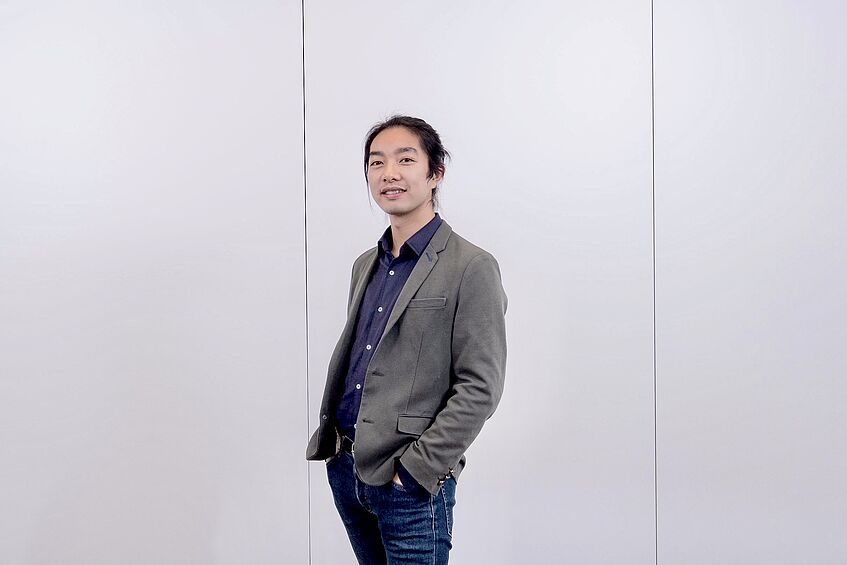
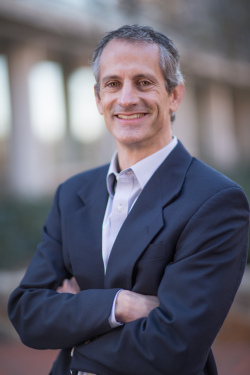
Asit Panja is a Clinical Professor at Binghamton University’s Decker College of Nursing and Health Sciences, joining in 2023. He holds adjunct roles at Hostos Community College and NYC College of Technology (CUNY), and is an adjunct associate professor of medicine at Rutgers Robert Wood Johnson Medical School. With an MD from the Medical Academy in Sofia, Bulgaria, Panja specializes in mucosal immunology, chronic inflammatory diseases, and gastrointestinal (GI) stem cell research. His work established novel mechanisms of antigen handling in the GI tract and pioneered technologies using human GI stem cells. He has authored numerous peer-reviewed articles and holds patents in biomedical research. Education : MD from Medical Academy, Sofia, Bulgaria Research Interests : His research focuses on translational biomedical collaboration, mucosal immunity, GI stem cell biology, colorectal cancer, and regenerative medicine. Key contributions include developing HIPEC cell lines for drug discovery and identifying biomarkers for GI diseases. Recent work explores electromagnetic field therapies and tissue engineering applications. Advising & Grants : Panja’s teams have secured patents for stem cell-derived technologies and preclinical drug models. Despite no explicit grants listed, his industry roles (e.g., Chief Scientific Officer at AlfaGene Bioscience) suggest active translational research funding. Labs & Teams : He leads projects at Binghamton University and collaborates with institutions like Mount Sinai School of Medicine, focusing on GI stem cells and regenerative therapies.
Dr. Lise Pingault is a Research Assistant Professor in the Department of Entomology at the University of Nebraska-Lincoln. Her research focuses on the molecular mechanisms of arthropod vectors and the development of innovative pest management strategies. PhD, Physiology and Molecular Genetics, University Blaise Pascal, France (2014) M.S., Molecular and Cellular Biology, University Pierre & Marie Curie Paris 6 (2010) B.S., Biology, University Francois Rabelais (2008) Dr. Pingault’s work integrates Arthropod Genomics , Plant-Insect Interactions , and Bioinformatics to study pathogen transmission dynamics and vector adaptation. She employs multi-omics and computational biology to develop novel pest control solutions. Her recent publications highlight trends in plant defense transcriptomics , molecular interactions between vectors and hosts, and bioinformatic tools for analyzing large datasets. Notable studies include aphid resistance in sorghum and viral tolerance in wheat. Dr. Pingault teaches graduate-level courses in sequencing data analysis and is an active member of the Entomological Society of America and American Society of Plant Biologists .
Dr. Michael Henderson is an Associate Professor in the Department of Neurodegenerative Science at Van Andel Institute (VAI) and Director of the VAI Brain Bank. His research focuses on neurodegenerative diseases like Parkinson’s and dementia with Lewy bodies (DLB), investigating protein pathologies (e.g., α-synuclein, tau) and genetic risk factors (e.g., LRRK2, GBA1). He earned his B.Sc. in Biological Science from Florida State University, Ph.D. in Neuroscience from Yale University (under Dr. Sreeganga Chandra), and conducted postdoctoral work at the University of Pennsylvania (with Drs. Virginia Lee and John Trojanowski). Promoted to Associate Professor in 2024, his lab combines primary neuron cultures, animal models, and computational modeling to study disease mechanisms and therapeutic targets. Key research areas include: (1) Mapping α-synuclein pathology spread via brain connectivity networks, (2) Evaluating LRRK2 kinase inhibitors and glucocerebrosidase modifiers, (3) Identifying cell-type vulnerabilities using spatial transcriptomics, and (4) Translating discoveries into clinical trials. His lab has published over 120 peer-reviewed papers, including 63 in high-impact journals (2024 alone). Notable grants include a $5.8M NIH grant (2025) studying cellular senescence in Parkinson’s and a $9M Aligning Science Across Parkinson’s award (2021). Awards include the NSF Graduate Research Fellowship (2012) and NIH Ruth L. Kirschstein Award (2017). His team includes 10+ advisees (Ph.D. students, postdocs, and technicians), with active collaborations across institutions like Yale and the University of Pennsylvania. The Henderson Lab aims to accelerate therapies by bridging basic science and clinical applications.
Maria Ermolaeva is a Group Leader at the Leibniz Institute on Aging (FLI) and co-conceived the Center for Aging Research Jena (ZAJ) with Prof. Holger Bierhoff. Her lab employs Caenorhabditis elegans nematodes and mammalian cell/organoid cultures to investigate aging mechanisms, focusing on metabolic alterations, stress responses, and host-microbiome interactions. Key Collaborations: Friedrich Schiller University, Thuringian Ministry of Economics, European Social Fund Research Themes: Mitochondrial homeostasis, Proteostasis, Epigenetic changes, CRISPR screens for ER stress Research Focus: The lab explores how age-related metabolic shifts, proteotoxic stress, and microbiota influence neuronal aging and protein aggregation disorders. Projects include: Characterizing UV-B as a dietary restriction mimetic Linking nucleolar integrity to aging diagnostics Identifying probiotics for longevity Studying circadian clock disruption in proteostasis CRISPR-based longevity gene discovery Publication Trends: Recent work emphasizes mitochondrial bioenergetics, lipid metabolism, and hormetic stress responses. Collaborations span proteomics core facilities and European research networks. Students: Supervises doctoral candidates and postdocs including Prerana Shrikant Chaudhari, Xuemin Gong, and Eberechukwu Maryann Okoli. Core Facilities: Utilizes FLI's proteomics, lipidomics, and CRISPR screening platforms. Partners with Thuringian industry for translational applications.
Dr. Lezi E is an Assistant Professor in the Department of Cell Biology, Neurobiology and Anatomy (CBNA) at the Medical College of Wisconsin. Her research focuses on understanding molecular mechanisms underlying neurodegeneration, particularly the role of non-neuronal signals in aging. She holds a PhD in Rehabilitation Science from the University of Kansas Medical Center and completed postdoctoral training at Duke University. Education: PhD: University of Kansas Medical Center (Rehabilitation Science) Postdoctoral: Duke University (Neurobiology) MB: Peking University (Medicine) Research Interests: Dr. E investigates how non-neuronal tissues communicate with neurons during aging, focusing on antimicrobial peptides (AMPs), tissue aging effects, and inter-individual differences in neurodegeneration susceptibility. Her work uses Caenorhabditis elegans models combined with genetics, molecular biology, and live imaging. Key Findings: Her lab has revealed that skin-expressed AMPs can trigger neurodegeneration via neuronal receptors, challenging traditional cell-autonomous views of aging. Current projects explore how aging in non-neuronal tissues (skin, muscle, intestine) directly influences neuronal health using transcriptomics and multi-omic approaches. Lab Activities: The laboratory emphasizes interdisciplinary methods to dissect systemic aging signals and their neural consequences, with implications for Alzheimer’s disease and other age-related neurodegenerative conditions.
David R. Gang is a Professor in the Institute of Biological Chemistry at Washington State University (WSU), where he also serves as Director of WSU's Center for Cannabis Policy, Research and Outreach (CCPRO) and Director of the Tissue Imaging and Proteomics Laboratory (TIMPL). He previously served as Assistant Director of the CAHNRS Office of Research in the College of Agricultural, Human and Natural Resource Sciences. Dr. Gang has been affiliated with WSU since 2009, following his faculty position at the University of Arizona's Department of Plant Sciences and BIO5 Institute. Dr. Gang's primary research interests focus on plant specialized metabolism, with particular emphasis on medicinal plants, aromatic plants, and hemp/cannabis research. His laboratory employs a multidisciplinary approach combining chemistry, biochemistry, molecular biology, and omics technologies to elucidate biosynthetic pathways of specialized metabolites. His work spans seven major research areas: 1) medicinal compound production in plants, 2) metabolic regulation in plants, 3) invasive plant species biology, 4) plant disease control (particularly citrus greening), 5) drug target identification from natural sources, 6) ancient residue analysis in archeometry, and 7) hemp for economic development. His research often involves field collection of biological samples from diverse global locations including Hawaii, Puerto Rico, Mexico, Korea, and Thailand. Dr. Gang's recent publications demonstrate strong trends in cannabis/hemp research, ancient biomolecular analysis, plant-pathogen interactions, and specialized metabolite biosynthesis. His work increasingly focuses on the intersection of traditional plant knowledge with modern analytical techniques, particularly in the context of human health applications and agricultural sustainability. The research shows growing emphasis on translational applications of basic plant biochemistry findings to address contemporary challenges in agriculture, medicine, and environmental science. Benson Presidential Scholarship at BYU Loyal H. Davis Graduate Student Fellowship at WSU Sokol Post-Doctoral Fellowship in the Sciences from the Rackham Graduate School, UM Arthur Neish Young Investigator Award, PSNA Young Investigator Award in Plant Genome Research from the United States National Science Foundation President of the Phytochemical Society of North America Executive Board Member of the Groupe Polyphenols Dr. Gang has supervised 18 post-doctoral researchers, a dozen graduate students, and over two dozen undergraduate students in his laboratory. His research is supported by diverse funding sources including USDA NIFA SAS Grants for hemp research in the western US and tribal lands, a DOE RACIPAC project on biochar formulations in hemp-based crop rotation systems, and Washington State Department of Ecology funding for pesticide uptake studies in cannabis plants. His laboratory collaborates extensively with partners at Oregon State University, UC Davis, University of Nevada, Reno, and tribal communities. Dr. Gang leads the Laboratory for Cellular Metabolism and Engineering (LCME), which houses the Tissue Imaging and Proteomics Laboratory (TIMPL). His research group includes postdoctoral researchers, PhD students, and undergraduate interns working across multiple projects. The lab maintains specialized facilities for metabolomics, proteomics, and mass spectrometry imaging, supporting research on plant specialized metabolism, rhizome biology, and cannabis science. Current major initiatives include the Center for Cannabis Policy, Research and Outreach and the DOE-funded RACIPAC project investigating biochar applications in agricultural systems.
Cold Spring Harbor Laboratory Professor Adrian Krainer is a pioneering scientist in RNA splicing and its therapeutic applications for genetic diseases and cancer. As the St. Giles Foundation Professor and Gene Regulation & Inheritance Co-Leader at CSHL, he has developed groundbreaking treatments including Spinraza (nusinersen) for spinal muscular atrophy (SMA). His work bridges fundamental biology and translational medicine, impacting fields like pancreatic oncogenesis , hepatocellular carcinoma , and neurodegenerative disorders . Education : Ph.D. in Biochemistry (Harvard, 1986), B.A. in Biochemistry (Columbia, 1981). Dr. Krainer’s research focuses on RNA splicing mechanisms , antisense oligonucleotide therapies , and splicing factors in cancer . His team discovered how faulty splicing contributes to SMA, familial dysautonomia, and cancers like diffuse midline glioma and pancreatic malignancies . Recent work explores TGF-β signaling disruptions in colon cancer and PKM isoform switching in liver cancer. The 15 most recent articles highlight his lab’s leadership in splice-modifying drugs , oncogenic RNA circuits , and metabolite-driven carcinogenesis . Key themes include SRSF1-AURKA-MYC interactions , antisense delivery systems , and voltage-gated ion channels as therapeutic targets. Scientific Recognition : 2025 Heinrich Wieland Prize 2024 Albany Prize in Medicine 2023 IADR Honorary Membership Breakthrough Prize (2018, 2019) Wolf Prize in Medicine (2021) National Academy of Sciences (2020) and Medicine (2019) Research Collaborations : Partnered with institutions in Chile, Bermuda, and global pharmaceutical leaders like Ionis Pharmaceuticals.
Joshua M Shulman, M.D., Ph.D., is a Professor at Baylor College of Medicine, where he holds joint appointments in Neurology, Neuroscience, and Molecular & Human Genetics. He is also an Investigator at the Jan and Dan Duncan Neurological Research Institute (DNRI) at Texas Children’s Hospital and Co-Director of the DNRI. His research integrates human genetics, functional genomics, and Drosophila model systems to study Alzheimer’s and Parkinson’s diseases, focusing on genetic mechanisms underlying neurodegeneration and aging. Dr. Shulman’s education includes a Medicine MD from Harvard Medical School (2005) and a PhD in Biochemical Sciences from the University of Cambridge (2000). He completed postdoctoral training in neurogenetics and clinical fellowships in movement disorders at Harvard-affiliated institutions. His research interests include: functional genomics of neurodegenerative diseases, integrative genetic analyses in humans and Drosophila, endolysosomal sorting pathways, RNA metabolism, and translational applications of genomic data. Recent work emphasizes longitudinal omics studies in disease models and precision medicine through whole-genome sequencing in clinical settings. Publications highlight advancements in tauopathy mechanisms, lysosomal dysfunction, and cross-species validation of Alzheimer’s risk genes. His team’s work bridges basic and clinical research, with implications for therapeutic targets in neurodegenerative diseases.
Yida An is a Project Instructor at the Butler School of Music, University of Texas at Austin. He holds an Artist Diploma from Butler School of Music (studying with Brian Lewis), a Master of Music from Bard College Conservatory of Music (under Gil Shaham and Adele Anthony), and a Bachelor of Music from Central Conservatory of Music in Beijing (under Xie Haoming). His musical career includes roles as concertmaster of the Bard College Symphony Orchestra and solo performances with renowned conductors like Tan Dun and Leon Botstein. He has collaborated on major venues including Carnegie Hall and Lincoln Center, and organized solo recitals in New York. His performances span classical violin repertoire, chamber music, and orchestral collaborations, emphasizing both traditional and contemporary works. Education history includes Beijing Eastbank Academy of Music (2017-2018) and extensive touring with the Central Conservatory of Music Youth Symphony Orchestra. Notable collaborations include working with composer Joan Tower and participating in the Bard Music Festival. His musical contributions highlight technical mastery and artistic interpretation across diverse genres. While primarily focused on performance, his academic affiliations also involve interdisciplinary research in RNA biology and molecular mechanisms, as evidenced by publications in high-impact journals. These articles explore topics like group II intron mobility, exosome-mediated RNA sorting, and therapeutic applications of RNA sequencing technologies, showcasing a dual expertise in music and life sciences.
Diane Lee is a Research Fellow B in Pathology and Infectious Diseases at the University of Surrey's School of Veterinary Medicine. She holds a PhD, MSc, and BSc (Hons) and specializes in ex vivo/in vitro cell biology with a focus on drug discovery and pre-clinical research. Her roles include managing the Impact Acceleration Account and KE (MRC & PhD/ECR) and serving on the NASPA Sub-committee. Education: PhD in Pharmacy and Biomolecular Sciences from the University of Brighton (2015), MSc and BSc from unspecified institutions. Research Interests : Equine Asthma: Developing nasal brush models to study mechanisms of asthma and Notch signaling in goblet cell hyperplasia. Bovine Tuberculosis (BTB): Created a bovine alveolus model using co-culture of alveolar and endothelial cells to study host-pathogen interactions, reducing animal use. 3Rs Principles: Championing replacement/refinement/reduction of animal experiments through in vitro models. Publications : Over 15 peer-reviewed articles, including work on bovine lung-on-chip models, equine asthma nasal models, and HSP70 inhibitors. Collaborations : Works with NIBSC, Pirbright Institute, and APHA. Active in developing organ-on-chip technologies and validating cell culture models for respiratory diseases. Labs/Teams : Leads projects on equine respiratory models and bovine tuberculosis at the University of Surrey, with a focus on translational veterinary medicine.
Prof. Gabriele Pradel is a University Professor at RWTH Aachen University specializing in malaria research. Her work focuses on the molecular biology of Plasmodium falciparum, including mechanisms of host cell invasion, chromatin regulation, and parasite transmission. Institution: RWTH Aachen University Email: pradel@bio2.rwth-aachen.de Research Interests: • Malaria pathogenesis and transmission • Parasitic protein interactions • Epigenetic regulation in Plasmodium Recent Article Trends: Recent publications emphasize antimalarial drug development (e.g., synthetic alkaloid analogs), chromatin modulation networks (SET10 methyltransferase), and host-parasite interactions involving complement evasion and plasma proteins. Studies on gametocyte egress and LCCL domain proteins highlight transmission biology.
Natasa Nikolic is a Senior Lecturer at the University of Oslo's Department of Pharmacy, affiliated with the Faculty of Mathematics and Natural Sciences. Her roles include teaching courses such as Pharmacotherapy 1, Pharmacotherapy 2 and Physiology 3, and Pharmaceutical Microbiology. She holds a PhD from the Department of Pharmacy (UiO) and has extensive postdoctoral research experience in pharmacology and metabolic studies. Education: Postdoc, Department of Pharmacy, University of Oslo PhD in Pharmacology, Department of Pharmacy, University of Oslo Cand.pharm (Pharmacy Degree), Department of Pharmacy, University of Oslo Research Interests: Metabolic adaptations in skeletal muscle cells In vitro modeling of exercise and metabolic disorders Role of electrical pulse stimulation in mimicking exercise effects Lipid and glucose metabolism in obesity and diabetes Her research emphasizes cellular models to study metabolic pathways, particularly how exercise mimetics and metabolic challenges affect skeletal muscle function. Key areas include mitochondrial function, substrate utilization, and disease modeling. Over 15 recent articles explore topics like fatty acid oxidation, oxidative capacity in spinal cord injury patients, and liver inflammation in NASH. Nikolic collaborates with institutions like the Norwegian Medicines Agency and European Medicines Agency. She has advised the Research Section at the Faculty of Mathematics and Natural Sciences and contributed to pharmaceutical research projects. Her lab's work focuses on translational pharmacology linking cellular metabolism to clinical outcomes.
Feng Xian is a Postdoctoral Researcher at the University of Vienna's Department of Pharmaceutical Sciences within the Faculty of Life Sciences. His research employs advanced proteomic techniques to study host-microbiome interactions, neuropathic pain mechanisms, and inflammatory diseases. Xian utilizes cutting-edge metaproteomics approaches to investigate the gut microbiome's role in health and disease. His work bridges proteomics and systems biology, focusing on identifying molecular signatures of disease and developing analytical methods for complex biological systems. Recent publications demonstrate innovations in high-sensitivity proteomic profiling and multi-omic integration.
Ben Philpot, PhD, is the Kenan Distinguished Professor in the Department of Cell Biology and Physiology at the University of North Carolina School of Medicine. He is also Co-Director of the UNC Neuroscience Center and Associate Director of the Carolina Institute for Developmental Disabilities. His research focuses on understanding the molecular and cellular mechanisms underlying monogenic neurodevelopmental disorders such as Angelman syndrome, Pitt-Hopkins syndrome, and Dup15q syndrome. Using techniques like optogenetics, gene therapy, and high-throughput drug screening, his lab develops therapeutic strategies targeting these conditions. Dr. Philpot has been recognized with awards including the Daniel X. Freedman Award and Simons Foundation Investigator designation. His work bridges basic science and translational medicine, emphasizing circuit-level dysfunction and gene therapy approaches. Education: PhD from University of Virginia, Postdoctoral training at Brown University and MIT Affiliations: UNC Neuroscience Center, Carolina Institute for Developmental Disabilities Key research interests include neurodevelopmental disorder pathophysiology, novel therapeutic validation, and molecular mechanisms of gene expression. His lab has pioneered mouse models for disorders like Dup15q syndrome and advanced genetic restoration therapies for Pitt-Hopkins syndrome.
Taiyi Diana Kuo is an Assistant Professor at the University of California, Davis , affiliated with the Department of Neurobiology, Physiology and Behavior . Her research focuses on endocrine regulation of metabolism , stress-induced beta cell dysfunction , and developmental biology in the context of aging and disease. Her work integrates glucocorticoid signaling , insulin resistance mechanisms , and transcriptional regulation in metabolic tissues. Key areas include pancreatic beta cell failure , hepatopancreas development , and lipid metabolism under hormonal control. Recent publications highlight trends in metabolic gene networks , mitochondrial dysfunction , and cross-talk between insulin and glucocorticoid pathways , with subfields spanning hepatic insulin resistance , beta cell dedifferentiation , and developmental gene regulation . The lab employs murine and zebrafish models to explore these mechanisms.