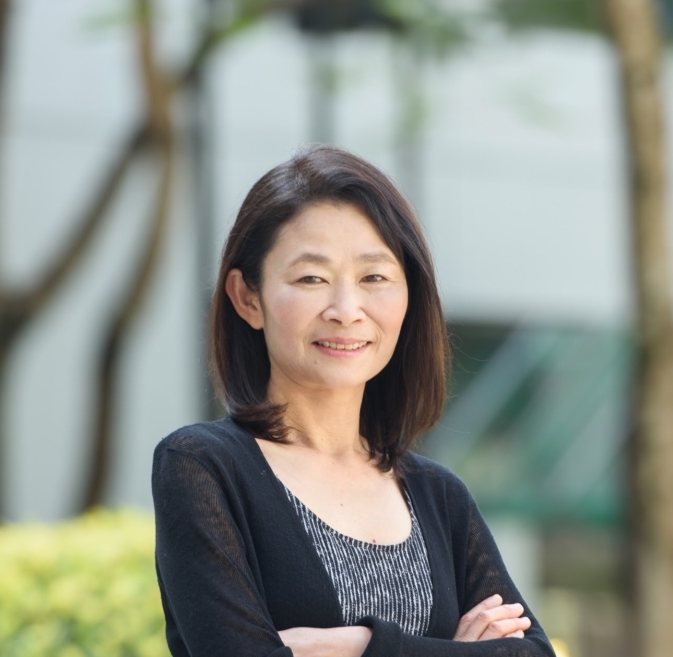
Ching Kwan Lee is a Professor of Sociology at the University of California, Los Angeles (UCLA). Her work focuses on global and comparative issues, including labor politics, political sociology, decolonization, and the dynamics of Chinese capitalism. She is renowned for her trilogy on Chinese labor and global expansion, including Gender and the South China Miracle , Against the Law , and The Specter of Global China . Lee has also authored groundbreaking studies on Hong Kong’s decolonization struggles and African-China relations. Education: PhD in Sociology from the University of California, Berkeley. Research Interests : Globalization and its social impacts Comparative labor movements and protest dynamics Decolonization and postcolonial state formations Sino-African economic and labor relations Hong Kong’s political trajectory and transnational activism Her recent work explores resistance to 'global China,' including mass mobilizations in Hong Kong documented in Forever Hong Kong: A Global City’s Decolonization Struggle (2025). She co-edits the Cambridge Elements in Global China and leads the Global Hong Kong Studies @UC initiative. Awards & Recognition : 2024 Distinguished Career in Political Sociology Award Multiple book prizes for The Specter of Global China Fellowships at Stanford’s Center for Advanced Study and Princeton’s Institute for Advanced Study Grants & Initiatives : Lead researcher on NSF grants studying platform capitalism and labor in China Initiated comparative projects on Brazil, India, China, and South Africa ( Southern Interregnum ) Co-editor of volumes on Hong Kong’s Umbrella Movement and global labor studies
Sıtkı Egeli is an Associate Professor at the Department of Political Science and International Relations at İzmir University of Economics since 2015. With a PhD in International Relations from Bilkent University, an MA in Security Studies from University of Chicago, and a BA in Political Science from Boğaziçi University, he specializes in defense policy, security studies, and military technology. PhD: Bilkent University, International Relations (1993-1999) MA: University of Chicago, Security Studies (1988-1991) BA: Boğaziçi University, Political Science (1983-1988) His research focuses on weapons of mass destruction proliferation , air and missile defense , nuclear deterrence , space security , and disruptive military technologies . His publications analyze Turkish defense industrialization, Arctic geopolitics, and strategic stability in aerospace warfare contexts. Recent collaborative work (2017-2025) spans: • Balancing defense autarky (2025) • Arctic region involvement (2022) • Historical air power development (2021) • Military space operations (2021) • Turkish missile defense (2019) • Ballistic missile programs (2017)
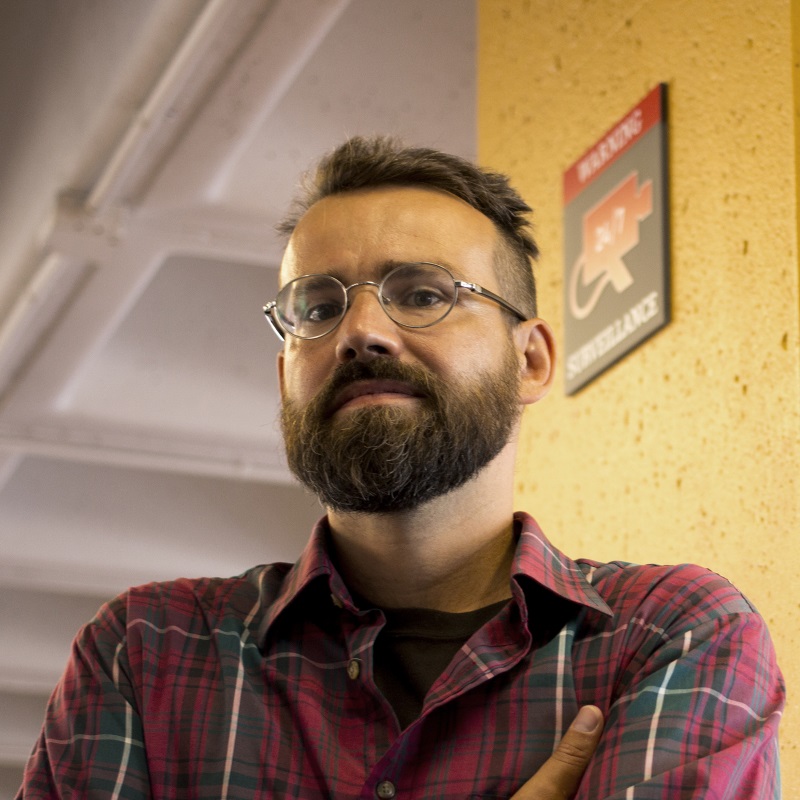
Jeffrey Monaghan is an Associate Professor at the Institute for Criminology and Criminal Justice (ICCJ) at Carleton University. He holds a Ph.D. in Sociology from Queen’s University and serves on the editorial board of Criminological Encounters . His research focuses on the intersections of policing, surveillance, and systemic inequality, with a particular emphasis on settler colonialism, Indigenous movements, and the global expansion of security practices. Monaghan teaches courses on criminological theories, policing, and justice frameworks. His work examines how security and policing practices criminalize marginalized communities, especially Indigenous peoples and social movements resisting extractive development. Key projects include analyses of counterterrorism strategies, disability injustice in criminal systems, and the securitization of Canadian foreign aid. He has authored/co-authored books like Security Aid: Canada and the Development Regime of Security and Policing Indigenous Movements , and edited volumes such as Protests in the Information Age . Monaghan’s research integrates critical criminology, colonial studies, and sociolegal analysis. He is cross-appointed to Carleton’s Department of Sociology and Anthropology and the School of Canadian and Indigenous Studies, amplifying interdisciplinary engagement with security governance and social justice issues.
Dr. Juan Manuel Berbel Pineda is a full Professor at the Department of Business Organization and Marketing at Universidad Pablo de Olavide, Spain. His academic work focuses on tourism economics, sustainable tourism practices, and international business strategies, particularly within the hotel industry and textile sector. Key research areas: Tourism Economics, Sustainable Tourism, International Business Strategy Affiliated with IMEGS (Innovation and Marketing for a Sustainable Global Environment) research group Doctoral Programs: Innovation, Entrepreneurship and Family Business His research explores tourism competitiveness and internationalization patterns through empirical studies on hotel chains in Latin America, fair trade impacts in emerging economies, and post-COVID-19 rural tourism development. Analysis of 15 recent publications reveals strong emphasis on structural equation modeling, cross-cultural comparisons, and market segmentation strategies. Current academic activity includes international collaborations with institutions like Massey University, Varna University of Management, and University of Mauritius. His 2020 work on Ecuadorian chia seed exports demonstrates methodology for EU market selection using 7-dimensional indicators, while his sustainable tourism studies provide frameworks for pandemic-era tourism revival through non-overcrowding strategies.
Charles Rahal is an Associate Professor in Data Science and Informatics at the University of Oxford, with additional affiliations as an Associate Member of Nuffield College and Researcher at the Gradel Institute, New College. He serves as a Co-Investigator at the ESRC Centre for Care and sits on the Steering Group of Reproducible Research Oxford. His academic career includes previous roles as a Senior Departmental Research Lecturer at the Leverhulme Centre for Demographic Science and a British Academy Postdoctoral Fellow. Dr. Rahal completed his PhD in 2016 and has established himself as a prominent social science methodologist and applied social data scientist with expertise in high-dimensional econometrics. His research spans multiple domains, focusing particularly on unique Big Data origination processes and their relationship to social inequality, mobility, and stratification. He is deeply engaged in machine learning methods, civic technology, spatial and time series econometrics, model uncertainty, and scientometrics. His recent publications reveal a strong trend toward computational social science, with significant contributions to understanding prediction limits, pandemic impacts, healthcare systems, and environmental sustainability. The articles demonstrate his interdisciplinary approach, bridging traditional social science with cutting-edge computational methods, particularly in the analysis of large-scale datasets and development of novel metrics like the InterModel Vigorish for model comparison. Dr. Rahal is actively involved in teaching and mentoring, co-convening courses in Demographic Analysis, Life Course Research, and the Oxford Partner site of the Summer Institute in Computational Social Sciences. He has developed workshops on machine learning, command line interfaces, and LaTeX, reflecting his commitment to methodological training in social science. He leads the Metrics and Models lab and maintains several open-source projects including the GWAS Diversity Monitor and RobustiPy. His editorial roles include Associate Editor-in-Chief at the Journal of Social Computing and Associate Editor at ACM Transactions on Social Computing, highlighting his influence in shaping computational social science methodology.
Dan A. Dixon is a Professor and Associate Director of Community Outreach and Engagement at the Winthrop P. Rockefeller Cancer Institute, University of Arkansas for Medical Sciences (UAMS), where his research focuses on post-transcriptional gene regulation mechanisms in cancer pathogenesis. His academic credentials include: Ph.D. from Northwestern University B.A. from Augustana University Dr. Dixon's research centers on RNA-binding proteins (notably HuR and tristetraprolin) and their role in destabilizing oncogenic mRNA networks. His laboratory investigates how dysregulation of these post-transcriptional controllers permits overexpression of tumor-promoting genes involved in proliferation, angiogenesis, and metastasis. Key focus areas include colorectal cancer mechanisms, autophagy regulation via Rab27B, stress granule dynamics in mutant p53 contexts, and extracellular vesicle-mediated tumor microenvironment activation. Analysis of his 2022-2025 publications reveals intensifying work on XPO1 inhibition for colorectal cancer chemoprevention, Rab27B-autophagy axis characterization, and mutant p53 vulnerabilities. His studies consistently employ molecular techniques, mouse models (APC Min/+ ), and translational approaches to identify biomarkers and therapeutic targets. Dr. Dixon maintains active laboratory facilities at WPRCI 947 and 951, directing research that bridges fundamental RNA biology with clinical oncology applications. His leadership in community outreach complements his bench-to-bedside research philosophy.
Jie Bai is an Associate Professor of Public Policy at Harvard Kennedy School (HKS), focusing on firms and markets in developing economies. His research addresses barriers to firm growth, market frictions, and policy design for private sector development in regions like China, East Africa, and Southeast Asia. Methodologically, he combines randomized control trials, quasi-experiments, and structural modeling from industrial organization and international trade. He holds a Ph.D. in Economics from MIT (2016) and previously worked at Microsoft Research New England before joining HKS in 2017. His work emphasizes collaboration with governments and NGOs to evaluate industrial and trade policies. Key research themes include collective reputation in trade, environmental policy impacts, corruption dynamics, and child labor economics. His recent publications analyze China's dairy industry reputation, Vietnam's firm corruption patterns, and Zambia's product choice perceptions. He co-founded initiatives like the China Econ Lab and China and the Global Economy project to foster research on China's role in global economics. Teaching includes advanced microeconomic analysis and game theory. No grants or labs are explicitly listed in the provided texts.
Philippe Aghion is a Professor at the College de France holding the chair in Economics of Institutions, Innovation and Growth, and a Professor at INSEAD. He also serves as a visiting professor at the London School of Economics. His academic work has established him as a leading figure in growth economics, particularly through his development of the Schumpeterian Growth paradigm. Professor Aghion's research focuses on the economics of growth, innovation, productivity, and income mobility. He has pioneered the Schumpeterian Growth theory with Peter Howitt, which examines economic growth through the lens of "creative destruction" - where innovation drives progress by replacing outdated technologies and business models. His work analyzes the design of growth policies, the role of competition and industrial policy, the relationship between innovation and inequality, and solutions to the "secular stagnation" observed in developed economies. A recurring theme in his research is understanding how institutions shape innovation and growth dynamics. The analysis of his recent publications reveals a strong focus on innovation economics, environmental sustainability, and the relationship between technological change and economic outcomes. His work spans theoretical developments in growth models and empirical investigations using firm-level data, particularly from France. Key trends include examining how market competition affects innovation, the dynamics of green technology adoption, the impact of globalization on firm behavior, and the relationship between automation and labor markets. His research consistently connects theoretical frameworks with empirical evidence to inform policy design. Professor Aghion has received numerous prestigious awards for his contributions to economics: 2001: Yrjo Jahnsson Award (best European economist under age 45) 2009: John Von Neumann Award March 2020: BBVA "Frontier of Knowledge Award" (shared with Peter Howitt) Fellow of the Econometric Society Fellow of the American Academy of Arts and Sciences As the holder of the Economics of Institutions, Innovation and Growth chair at the College de France (established in 2015), Professor Aghion leads a research team comprising more than twenty researchers. His chair focuses on cutting-edge research examining the economics of innovation, environmental sustainability, productivity dynamics, and household income mobility. His influential books, including "Endogenous Growth Theory" (1998), "The Economics of Growth" (2009), "Competition and Growth" (2006), and "The Power of Creative Destruction" (2021), have shaped the field of growth economics and provided frameworks for understanding modern economic challenges.
Dr Yizhi Wang, FHEA, is a Lecturer (Assistant Professor) in Finance at Cardiff Business School, Cardiff University, UK. He serves as Co-Director of the Cardiff Fintech Research Group and is the Editor-in-Chief of Elsevier’s Finance Research Letters . He is also Associate Editor for International Review of Financial Analysis and Research in International Business and Finance , and Guest Editor for International Review of Economics & Finance and Journal of Chinese Economic and Business Studies . Research Interests: Financialization and Econometrics Climate finance and carbon markets Cryptocurrency and FinTech indices Energy economics and risk management Green finance and ESG investing Behavioral and institutional finance Dr Wang has published extensively in world-leading journals such as Risk Analysis , European Journal of Operational Research , Journal of Economic Behavior & Organization , Energy Economics , and Journal of International Money and Finance . His work spans theoretical modeling, empirical econometrics, and policy-oriented studies. Scientific Awards: Shanghai Institute of International Finance and Economics Best Paper Award Teaching & Supervision: As a Fellow of the UK Higher Education Academy (FHEA), Dr Wang is module leader for undergraduate BS2514: Financial Markets and Institutions and postgraduate BST158: Big Data Analytics for Finance , earning consistently high teaching evaluations (4.8–4.9/5). He is available to supervise doctoral students in Financialization and has mentored graduates now employed at the University of Oxford, Morgan Stanley, and JPMorgan Chase. Labs & Research Groups: Co-Director, Cardiff Fintech Research Group Member, Cardiff Sustainable Finance Research Group Member, Environmental, Ecological, Extinction Accounting, Governance and Economics Research Group Member, Cardiff Business School Research Committee Dr Wang also curates multiple quarterly-updated indices (UCRY, ICEA, CBDCAI, NFTsAI, ACCC, FinTech Index) publicly available at https://sites.google.com/view/cryptocurrency-indices/home .
C. Perry Chou is a full professor in the Chemical Engineering Department at the University of Waterloo, with a cross-appointment in Biology. He holds a BSc and MSc from National Taiwan University and a PhD from Rice University, all in Chemical Engineering. His research focuses on integrating biochemical, genetic, and metabolic engineering strategies to enhance biomanufacturing using microbial cell factories. Key areas include recombinant protein production, microbial biotechnology, and biofuel development. Education: PhD in Chemical Engineering, Rice University (1995) MSc in Chemical Engineering, National Taiwan University (1987) BSc in Chemical Engineering, National Taiwan University (1984) Research Interests: Dr. Chou’s work spans biochemical engineering, bioprocessing, and metabolic engineering. He develops strategies for microbial strain construction, fermentation optimization, and bioproduct purification. His research bridges fundamental biological sciences with applied engineering to advance biomanufacturing. Publications: His 90+ peer-reviewed articles highlight contributions to strain engineering, CRISPR-Cas9 tools, and microbial production of chemicals like 5-aminolevulinic acid and propionate. Recent trends emphasize nanomaterial applications (e.g., graphene oxide) and sustainable biofuel pathways. Awards: Canada Research Chair (Canada) 1000-talent Award (China) Advising & Grants: Dr. Chou actively mentors graduate students and contributes to editorial roles at journals like Biotechnology Advances and Scientific Reports . He teaches courses such as CHE 161 (Engineering Biology) and CHE 562 (Advanced Bioprocess Engineering). Labs/Teams: Collaborates with interdisciplinary teams to advance bioprocess development, though specific lab names are not explicitly mentioned in the text.
Meg Rithmire serves as the James E. Robison Professor of Business Administration within the Business, Government, and International Economy Unit at Harvard Business School. She holds concurrent faculty affiliations at Harvard's Weatherhead Center for International Affairs, Fairbank Center for East Asian Studies, and Harvard Faculty Committee on Southeast Asia, where she convenes the Chinese Economy Seminar. Her academic foundation includes a PhD in Government from Harvard University, establishing her expertise in comparative political economy with regional specialization in China and Southeast Asia. Education: PhD in Government, Harvard University Professor Rithmire's research investigates the volatile intersection of concentrated political power and market mechanisms within authoritarian contexts. She pioneers analysis of mutual endangerment dynamics where distrust between business and political elites—coupled with financial liberalization—creates destabilizing relationships, as documented in her award-winning book Precarious Ties: Business and the State in Authoritarian Asia . Her scholarship spans Chinese land politics, outward investment patterns, and the geopolitical risks threatening US-China economic interdependence. Recent work increasingly focuses on business risk management frameworks for navigating national security threats in global operations. Analysis of her 15 most recent publications reveals a sharp pivot toward geopolitical risk governance, with 60% of her 2022-2025 output addressing business resilience in deteriorating US-China relations. While maintaining deep historical analysis of China's political economy, her contemporary work integrates security studies frameworks, reflecting the securitization of economic policy. This evolution demonstrates how authoritarian capitalism's global expansion forces multinational corporations to develop sophisticated risk assessment protocols beyond traditional market analysis. Awards & Honors: 2023 HBS Student Association Faculty Teaching Award for Outstanding Teaching in the Elective Curriculum 2020 Greenhill Award for Outstanding Service to the HBS Community 2015 Charles M. Williams Award for Teaching Excellence 2015 HBS Student Association Faculty Award for Outstanding Teaching in the Required Curriculum Professor Rithmire advises executive education programs on geopolitical risk management while co-chairing the U.S. Chamber of Commerce Foundation's Business Geopolitical Risk and Resilience initiative. Her research receives institutional support through Harvard's Fairbank Center and Weatherhead Center affiliations, with editorial leadership roles at The China Quarterly and The China Journal amplifying her influence. Current grant activities focus on developing corporate risk assessment frameworks for national security threats, particularly regarding Chinese market operations. She leads the Business Geopolitical Risk and Resilience initiative with the U.S. Chamber of Commerce Foundation, convening multinational executives and policymakers to develop practical risk management protocols. Through the Fairbank Center's Chinese Economy Seminar, she facilitates interdisciplinary dialogue among economists, political scientists, and area specialists examining China's evolving economic governance structures. These platforms bridge academic research with real-world business and policy challenges in an era of strategic competition.
Weijia Rao is an Associate Professor of Law at Boston University School of Law, located at 765 Commonwealth Avenue in Boston, Massachusetts. With a robust scholarly profile evidenced by 12 published papers with over 2,150 total downloads and 5 total citations, Professor Rao maintains an active research agenda in international legal studies. Professor Rao's research focuses primarily on international investment law, with particular expertise in investor-state dispute settlement mechanisms, bilateral investment treaties, and international arbitration. Their work examines the intersection of domestic politics and international investment law, the effects of foreign investors' challenges to domestic regulations, and the role of national security considerations in international legal frameworks. A significant portion of their research analyzes China's engagement with international investment law and WTO frameworks, as well as the dynamics of arbitrator behavior in ICSID proceedings. The scholarly output demonstrates a clear trend toward examining the practical implications of international investment law on domestic regulatory sovereignty, with recent work increasingly focusing on national security dimensions of international law. Professor Rao's research employs empirical methodologies to analyze how international legal frameworks interact with domestic political processes and economic outcomes, contributing valuable evidence-based insights to ongoing debates about reforming international investment law systems. Professor Rao has established productive research collaborations with scholars from institutions including University of Chicago Law School, University of Miami, and Brigham Young University. Their publications appear in prestigious venues such as the Harvard International Law Journal, Yale Journal of International Law, and Journal of Legal Studies, reflecting the high quality and impact of their scholarship.
Timo Minssen is Professor of Law at the University of Copenhagen (UCPH) and the Founding Director of UCPH's Center for Advanced Studies in Bioscience Innovation Law (CeBIL). He also holds affiliations as an LML Research Affiliate at the University of Cambridge and an Inter-CeBIL Research Affiliate at Harvard Law School's Petrie-Flom Centre. With extensive expertise in Intellectual Property, Competition, and Regulatory Law, Minssen focuses on the legal aspects of emerging health and life science technologies, including genome editing, big data, artificial intelligence, and quantum technology. His educational background includes a German law degree (Staatsexamen) from Georg-August-University in Göttingen, and Swedish biotech & IPR related LL.M., LL.Lic., and LL.D. degrees from Lund University and Uppsala University. His PhD thesis on the patentability of biopharmaceutical technology in the US & Europe received the prestigious Swedish King Oscar award. 2024: TUM Global Visiting Professor, Technical University of Munich (Germany) 2016: Visiting Research Fellow, University of Cambridge (UK) 2014: Visiting Research Fellow, University of Oxford (UK) 2013-14: Visiting Scholar, Harvard Law School (US) 2012: LL.D. - Doctor of Laws (Swedish "juris doktor"), EU/US patent law, Lund University, Sweden Minssen's research spans AI & Big Data in Health & Life Sciences, Sustainable and responsible innovation & tech transfer, Pharmaceutical-, Life Science- & Biotech Law, Comparative European & US Patent Law, Intellectual Property Law & Open Innovation, and EU Competition- & US Antitrust Law. His work addresses legal issues throughout the lifecycle of health and life science products and processes, from R&D regulation to technology transfer and commercialization. His extensive publication record includes 7 books and over 200 articles and book chapters published in leading journals such as Science, Nature Biotechnology, JAMA, and Harvard Business Review. His research has been featured in The Economist, Financial Times, and other major media outlets. Minssen's recent work shows a strong focus on AI regulation, quantum technology law, and data governance in health contexts, reflecting the evolving landscape of technology and law. Scientific Awards and Recognition King Oscar award for best Jur. Dr. thesis (2014) Jorcks Fonds Forsknings Pris (Jorck's Foundation Research Prize) (2017) Awapatent Research Prize (2009) Max Planck Research Scholarship (2005) Visiting Scholar appointments at Harvard Law School, University of Oxford, and University of Cambridge Recipient of a Novo Nordisk Foundation Grant for a "Collaborative Research Program in Biomedical Innovation Law" (2018) As an advisor, Minssen serves international organizations including the WHO, WIPO, and EU Commission. He has supervised numerous PhD students in areas including pharmaceutical law, biotechnology patents, and antimicrobial resistance. His current research projects include the Novo Nordisk Foundation's International Collaborative Bioscience Innovation & Law (Inter-CeBIL) Programme (50 million DKK), CLASSICA: EU Horizon Project on AI-assisted surgery, and AI@Care: Law and Ethics and Algorithmic Bias in Healthcare. Minssen leads the Center for Advanced Studies in Bioscience Innovation Law (CeBIL), which serves as a hub for interdisciplinary research on the intersection of law, technology, and innovation in the health and life sciences. The center collaborates with institutions worldwide to address pressing legal challenges in emerging technologies.
Dr. Jacques Archambault is a Professor in the Department of Microbiology and Immunology at McGill University , and an associate member of the Division of Experimental Medicine since 2016. His research focuses on the molecular biology and pathogenesis of human papillomaviruses (HPVs) and polyomaviruses (HPyVs), with an emphasis on their replication mechanisms as episomes in host cells. The Archambault laboratory employs functional genomics, proteomics, and chemical biology approaches to identify cellular pathways exploited by these viruses and develop high-throughput assays for screening small molecule inhibitors of viral replication. Analysis of his recent publications reveals a strong focus on HPV and HPyV replication machinery, including studies on the E1 helicase, UAF1-USP1 interactions, and structural characterization of viral proteins involved in DNA replication. His work bridges virology, oncology, and drug discovery, particularly targeting oncogenic HPV types implicated in anogenital and oropharyngeal cancers, as well as HPyVs like BKPyV and JCPyV that cause pathologies in immunosuppressed patients. Current efforts in the lab aim to elucidate the molecular mechanisms by which HPVs and HPyVs replicate their genomes and to develop antiviral therapies targeting these processes. Techniques such as fluorescence anisotropy, NMR spectroscopy, and crystallography are frequently employed to study protein-DNA and protein-protein interactions critical to viral replication.
Tommy Sveen is Professor of Economics at BI Norwegian Business School and serves as Head of the Department of Economics. He also holds an adjunct professorship at the Norwegian School of Economics (NHH) and directs the Centre for Monetary Economics. His career includes extensive experience at Norges Bank in roles including Assistant Director and Senior Advisor across Research and Monetary Policy departments. Education: PhD (Dr.Oecon) in Economics from Norwegian School of Economics (NHH), 2001 Master Cand. Oecon from Norwegian School of Economics (NHH), 1995 Master of Science in Business from BI Norwegian Business School, 1988 Research Focus: Professor Sveen specializes in Monetary Economics, Macroeconomics, and Open Economy Macroeconomics. His work examines monetary-fiscal policy interactions, investment dynamics under nominal rigidities, labor market adjustments to technological shocks, and exchange rate mechanisms. He frequently employs New Keynesian frameworks to analyze policy transmission and economic stabilization. Publication Trends: Recent research (2020-2025) focuses on optimal policy coordination in small open economies, monetary responses to export shocks, and labor market margins. Earlier work (2013-2018) established foundational insights into lumpy investment behaviors, Taylor rule applications, and real exchange rate determinants. His articles consistently integrate microeconomic foundations with macroeconomic policy analysis. Leadership: Directs the Centre for Monetary Economics and authors the independent evaluation report Norges Bank Watch , critically assessing Norwegian monetary policy.