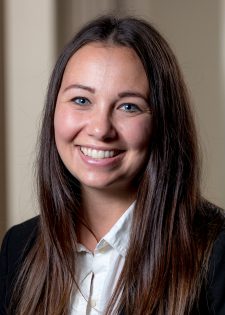
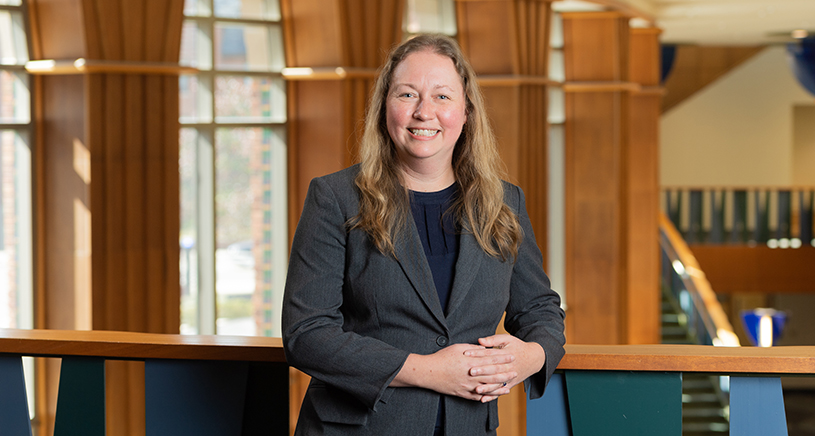
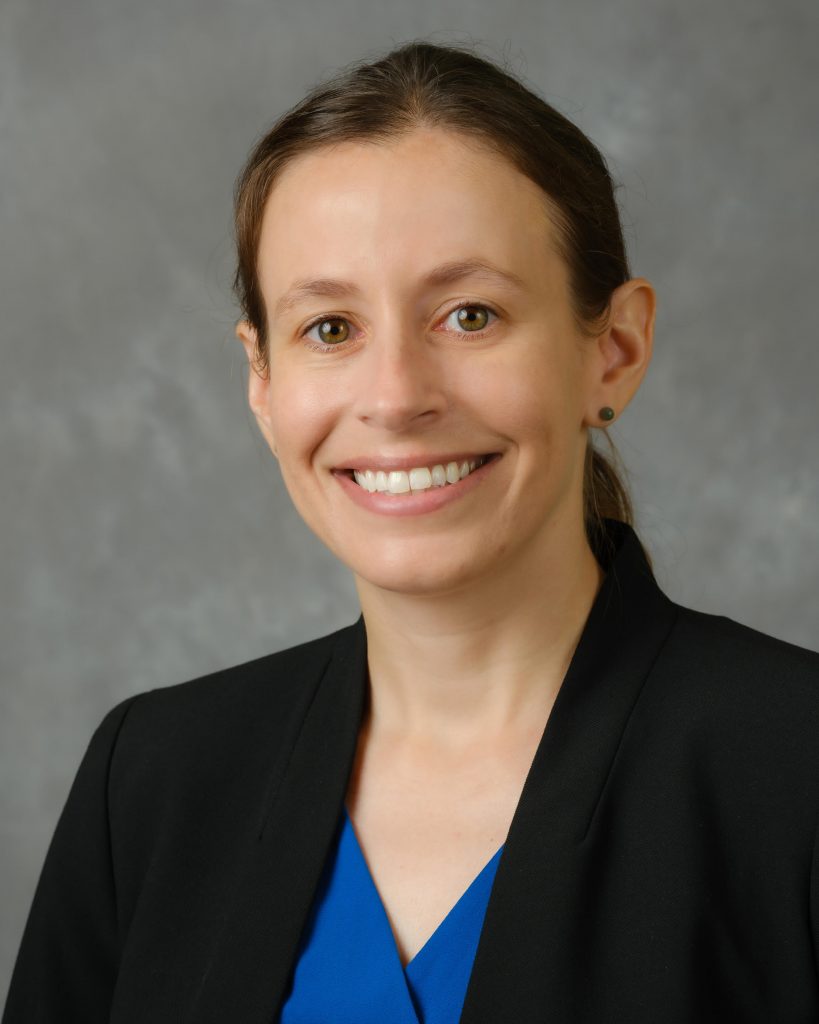
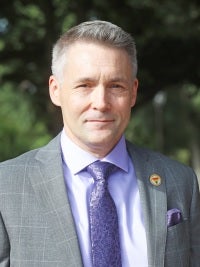
Dr. Monique S. Allard serves as Vice President for Student Life at the University of Southern California (USC), overseeing 150 staff members supporting 48,000 undergraduate and graduate students across accessibility services, career development, equity programs, recreational sports, and student conduct. Concurrently, she holds an adjunct assistant professor position at the USC Rossier School of Education. Her professional journey includes: Executive Director for Student Support and Equity Programs at California State Polytechnic University, Pomona Director of Student Services at California State University, Los Angeles’ College of Education Multiple roles within USC Dornsife College of Letters, Arts and Sciences (Associate Director of Advisement, Undergraduate Counselor, Immigration Specialist) Dr. Allard earned her Bachelor of Social Work from California State University, Los Angeles, and both Master's and Doctorate in Education from USC. Her two-decade career focuses on organizational transformation through well-being-centered strategies, with recent leadership in expanding USC's equity initiatives and residential college model. Her scholarly perspective bridges administrative practice and educational theory, emphasizing inclusive student development frameworks within complex university ecosystems. As an adjunct faculty member, she contributes expertise in student life administration while maintaining active engagement with USC's educational mission through curriculum development and mentorship opportunities within the Rossier School.
Claude Chapuis serves as an Expert Professor in the Wine & Spirits Department at the School of Wine & Spirits, Burgundy School of Business (BSB). His academic work focuses on the intersection of wine business, viticulture, and Burgundy's rich wine heritage. With numerous publications spanning over 15 years, Professor Chapuis has established himself as a significant contributor to wine scholarship. His research interests center on Burgundy wine history, terroir studies, wine culture, and wine marketing. Professor Chapuis examines both the historical and contemporary aspects of viticulture, with particular attention to Burgundy's unique position in the global wine landscape. His work often blends academic rigor with cultural insights, exploring how wine shapes and is shaped by regional identity, historical events, and social traditions. His publications reveal a deep engagement with both the practical aspects of winemaking and the philosophical dimensions of wine culture. Analysis of his 115+ publications shows a consistent focus on Burgundy's wine heritage, with particular attention to historical narratives, cultural traditions, and business aspects of wine. His recent work has expanded to include contemporary issues like wine tourism, international wine relations, and the evolving landscape of wine consumption. Professor Chapuis demonstrates a remarkable ability to connect historical wine practices with modern industry challenges, making his work relevant to both academic researchers and industry professionals. Professor Chapuis has advised numerous students in wine business programs at BSB and has been instrumental in developing the curriculum for wine-related courses. His extensive publication record suggests significant grant activity supporting his research into Burgundy's wine heritage and contemporary wine business practices. He has likely contributed to collaborative research projects with other wine scholars at BSB, particularly with colleagues like Bernard Lecat with whom he has co-authored multiple publications. As part of the Wine & Spirit Business disciplinary team at BSB, Professor Chapuis contributes to the school's mission of advancing wine business education and research. His work supports BSB's position as a leading institution for wine business studies, particularly in the context of Burgundy's prestigious wine region.
Ermeson Carneiro de Andrade is a Professor at the Department of Systems and Computer Engineering within the Center of Informatics at the Federal University of Pernambuco (UFPE) in Brazil. His research focuses on dependability engineering, performability analysis, and fault tolerance in distributed and embedded systems. Over his career spanning more than 15 years, he has established himself as a prominent researcher in the field of system reliability through numerous publications in top-tier journals and conferences. Dr. Andrade's research interests primarily center on the analysis and modeling of system dependability, with particular expertise in UAV-based monitoring systems, cloud computing environments, and IoT architectures. His work bridges theoretical modeling with practical applications, particularly in environmental monitoring, disaster recovery solutions, and mission-critical systems. He has made significant contributions to understanding software aging phenomena in various computing environments and developing performability-aware solutions for real-time systems. The analysis of his recent publications reveals a strong focus on UAV systems for environmental monitoring, particularly deforestation detection, with increasing attention to weather impacts and vehicle density-aware traffic monitoring. His research demonstrates a consistent pattern of applying stochastic modeling techniques to solve practical problems in distributed systems, with recent work expanding into NoSQL database performance, satellite constellation dependability, and the performance-interpretability trade-offs in machine learning models. This evolution shows his ability to adapt to emerging technologies while maintaining core expertise in system reliability. Dr. Andrade has been actively involved in mentoring students and collaborating with researchers across Brazil and internationally. His work often involves interdisciplinary teams addressing complex system challenges. While specific awards aren't detailed in the available publication records, his consistent output in high-impact venues demonstrates recognition within the dependability engineering community. His laboratory work appears to focus on system modeling and analysis, with particular emphasis on experimental validation through simulation and real-world testing. Current projects suggest involvement in UAV-based monitoring systems for environmental applications, with strong connections to public sector institutions in Pernambuco state.
Julia Eisner serves as a Research Fellow at the Institute of Marketing within the School of Business at the University of Applied Sciences Wiener Neustadt (FHWN), specifically based at the Wieselburg Campus. Her research is primarily conducted through the Institute for Sustainability and Department of Consumer Science, focusing on cutting-edge intersections between artificial intelligence and marketing applications. Her primary research interests center on Artificial Intelligence applications in consumer contexts , examining how AI-generated content influences purchasing decisions, consumer trust, and brand perception. Additional research areas include sustainable marketing practices, energy community development, and the psychological aspects of consumer decision-making processes. Her work frequently investigates the tension between technological efficiency and ethical considerations in marketing communications. Analysis of Eisner's recent publications reveals a strong trend toward understanding consumer responses to AI-generated marketing content , particularly how labeling of AI-created product descriptions affects purchase intentions. Her research spans multiple contexts including e-commerce platforms, sustainable product marketing, and youth consumer behavior, consistently applying social science methodologies to technology-driven marketing scenarios. Eisner actively contributes to academic and public discourse through numerous speaking engagements, with 18 recorded activities between 2023-2025 including invited lectures on AI ethics, social impacts of artificial intelligence, and sustainability considerations in technology. Her research has been supported through the NETSE project (2021-2024), which investigated energy community communication interfaces and organizational structures. Her laboratory and team affiliations include the Institute for Sustainability and Department of Consumer Science at FHWN's Wieselburg Campus, where she collaborates with researchers from multiple disciplines to examine photovoltaic integration, battery storage systems, and electric charging infrastructure within community energy frameworks. Current work appears focused on expanding AI literacy initiatives within academic settings.
Christina Ciocca Eller serves as Assistant Professor of Sociology and Social Studies at Harvard University, holding a primary appointment in the Department of Sociology. She teaches undergraduate courses in Social Studies and graduate courses in Sociology, focusing on research methods, inequality, and race and ethnicity. Her academic journey includes: Ph.D. in Sociology from Columbia University (2019) Graduate degrees in Women's Studies and Management Research from the University of Oxford (Timothy S. Healy Scholarship) Bachelor's degree from Georgetown University Dr. Eller's research program centers on organizational processes of inequality, particularly within U.S. higher education. Using mixed methods, she investigates how colleges shape degree completion for underrepresented students, racial gaps in BA attainment, and school-to-work transitions. Her work bridges stratification, organizational sociology, and education, emphasizing the experiences of the "new majority" in higher education. Analysis of her publication record shows a strong trajectory examining institutional drivers of inequality. Early work established her focus on college effects and racial disparities, while recent publications expand to international comparisons and policy applications, reflecting growing engagement with evidence-based governance. Her scientific recognition includes: NAEd/Spencer Foundation Dissertation Fellowship (2017) Dr. Eller mentors students in sociology and social studies research, though specific advisees are not publicly listed. Her collaborative projects frequently involve international research teams examining comparative education systems and labor market outcomes. Prior to academia, she served as Chief Speechwriter and Communications Director at Georgetown University, bringing practical policy experience to her scholarly work.
Nicole Coon is an Associate Teaching Professor of Law and Academic Excellence Specialist at Mitchell Hamline School of Law. She teaches courses such as Legal Methods, Bar Preparation Strategies: MPT, and Bar Preparation Strategies: MBE/MEE, while providing one-on-one academic support to law students. Her work emphasizes skills critical for legal success, including growth mindset, legal analysis, IRAC, and wellness. Education: J.D., University of Iowa College of Law (Pro Bono Society Honors, Editor of Iowa Law Review) B.A., English Literature and Legal Studies, University of Wisconsin-Madison (Comprehensive Honors, Honors in English Major) Her professional focus centers on diversity, equity, inclusion , and wellness in legal education and practice. She previously worked as a plaintiff-side employment and civil rights litigator, recovering millions in damages for clients. In 2019, she collaborated with the Council on Legal Education Opportunity (CLEO) to expand access to law school for underrepresented students. Recent scholarship includes the presentation "The Two Cs: Using Collaboration and Community to Increase Access to Legal Education for Diverse Students," highlighting institutional partnerships to promote DEI in legal education. Service and Leadership: Wellness Committee, Mitchell Hamline (2024–present) Faculty Curriculum Committee (2020–2025) Faculty Clerkship Committee (2021–2025) Mentor for Mitchell Hamline Gateway LSAT Prep Scholarship Recipients (2020–2024) Co-chair, Amicus Briefs Committee (Queen’s Bench Bar Association, 2015–16) Volunteer, Feed My Starving Children (2024–present) She also contributes to legal education through moot court coaching, LSAT prep mentorship, and wellness initiatives, aligning with her belief in using imagination and language to reshape legal training.
Patrik Hall is a Professor in Political Science at Malmö University, employed within the Faculty of Culture and Society at the Department of Global Political Studies. His research focuses on public administration, organizational studies, and public bureaucracy, with particular expertise in accountability mechanisms and the role of organizational professionals in the public sector. Professor Hall's research interests center on the dynamics of public sector organizations, particularly examining how accountability requirements shape bureaucratic structures and professional roles. His work investigates the paradoxical relationship between accountability measures and bureaucratic expansion, exploring how attempts to improve accountability often lead to increased complexity and new layers of organizational professionals within public sector institutions. His research spans comparative analyses of public administration reforms, with a focus on the Swedish public sector as a case study of bureaucratic growth and transformation. A key finding in his work is that accountability mechanisms, while intended to streamline public services, often generate new types of bureaucracy through managerialism, professionalization, and politicization. Professor Hall is actively involved in two key research environments at Malmö University: the Rethinking Democracy (REDEM) research platform, which provides a shared space for discussing democracy-related questions, and the Public Administration and Politics research group. The latter examines public administration as a crucial aspect of both liberal democracy and authoritarian rule, focusing on national and international contexts. His collaborative work with researchers like Linda Alamaa and Karl Löfgren has resulted in significant contributions to understanding the evolving nature of public sector organizations. His recent publications demonstrate consistent focus on bureaucratic growth in public sector institutions. Professor Hall's research reveals how accountability requirements paradoxically contribute to increased bureaucratization rather than the intended streamlining of public services. His work bridges political science, organizational studies, and public administration to provide nuanced insights into contemporary public sector challenges, particularly examining how organizational professionals function as 'hybrid professionals' within public sector contexts. Managers, Professionals, or Public Servants? Organizational Professionals in the Public Sector as Hybrid Professionals (2025) Varför ökar den offentliga byråkratin i Sverige? (2025) Why are organisational professionals expanding in the Swedish public sector?: The role of accountability (2025) Organisational Professionals, Accountability and the Impact on Societal Value (2024) Why Meetings Matter: Everyday Arenas for Making, Performing and Maintaining Organisations (2024) Professor Hall's research demonstrates how accountability mechanisms in public sector organizations often lead to unintended consequences, particularly the expansion of bureaucratic structures rather than their intended reduction. His work provides critical perspectives on why bureaucratic growth continues despite repeated reform efforts aimed at streamlining government operations, offering valuable insights into the complex relationship between accountability demands, professionalization of public sector roles, and resulting organizational structures.
Jenny Madestam is an Associate Professor of Political Science and Lecturer in Public Administration at Södertörn University's Academy of Public Administration, Department of Social Sciences. She has been affiliated with Södertörn University since spring 2015 after previously working at Stockholm University where she completed her doctoral studies. Academic Position: Associate Professor of Political Science Institutional Affiliation: Södertörn University, Academy of Public Administration Department: Department of Social Sciences Contact: jenny.madestam@sh.se Dr. Madestam defended her doctoral thesis in 2009 at Stockholm University on leadership ideals in the Social Democrats and the People's Party. Her educational background reflects a strong foundation in political science with a specialization in Swedish party politics and leadership structures. Madestam's research program spans several interconnected areas within political science and public administration. Her primary focus is on political leadership, examining leadership ideals, recruitment processes, and gender dynamics within Swedish political parties. She has expanded her research to include the intersection of politics and social media, analyzing how politicians construct leadership identities online. More recently, she has developed a significant research stream on police training and diversity attitudes, investigating how institutional training affects perspectives on diversity within law enforcement. The analysis of Madestam's publication record reveals consistent scholarly engagement with leadership dynamics across multiple institutional contexts. Her work demonstrates a methodological range from qualitative case studies of party leadership to quantitative analyses of social media strategies and diversity training outcomes. The predominant themes across her publications include leadership structures, institutional governance, and the evolving nature of political representation in contemporary Sweden. Madestam has secured competitive research funding for her projects, including a current study on police training and diversity attitudes funded by the Swedish Research Council. Previously, she conducted research on leadership recruitment in Swedish parties funded by the Anna Ahlström and Ellen Terserius Foundation, which resulted in her 2014 book How to be Elected? Her scholarly contributions extend to collaborative projects examining shared leadership structures in educational settings and the impact of institutional frameworks on leadership practices. Madestam actively participates in interdisciplinary research, as evidenced by her contribution to the 2020 edited volume Religion, Migration and Police Work , where she authored a chapter on working with prejudices in the police.
Emily Toth Martin, PhD, MPH is a Professor of Epidemiology at the University of Michigan School of Public Health. She serves as Director of Doctoral Studies for the Epidemiology Department and is Co-Director of both the Michigan Center for Respiratory Virus Research and Response and the Michigan Public Health Integrated Center for Outbreak Analytics and Modeling. Her work focuses on infectious disease epidemiology with emphasis on respiratory viruses and vaccine effectiveness. Education: PhD in Epidemiology, University of Washington, 2009 MPH in Epidemiology, University of Washington, 2005 BS in Microbiology, University of Michigan, 2001 Dr. Martin's research focuses on infectious diseases and respiratory viruses - including influenza, SARS-CoV-2, and RSV - and strategies to prevent and treat infection. Her research includes studies of vaccine effectiveness and virus transmission in community, hospital, and ambulatory settings. She oversees a large field team and associated laboratory to support community-based, active surveillance studies that evaluate patterns of viral transmission in households and within child cares. Her work integrates molecular epidemiology with traditional field methods to improve understanding of respiratory virus transmission and prevention. Analysis of Dr. Martin's recent publications reveals a strong focus on respiratory virus epidemiology, particularly examining vaccine effectiveness against influenza and SARS-CoV-2 across diverse populations. Her research employs sophisticated methodologies including household cohort studies, genomic sequencing, and serological analysis. A consistent theme is the application of epidemiological methods to inform public health responses to emerging respiratory viruses, with particular attention to vulnerable populations and the interaction between multiple respiratory pathogens. Scientific Awards: 2021 UM Presidential Award for State and National Leadership UM Institute for Healthcare Policy and Innovation Impact Accelerator Award for her role in the COVID-19 pandemic response Dr. Martin serves as faculty lead for the Department of Epidemiology Hospital and Molecular Epidemiology graduate program and directs the doctoral studies program. Her research is funded by major organizations including the Centers for Disease Control and Prevention (CDC), the National Institutes of Health (NIH), and philanthropic organizations. She is a core investigator for several CDC networks including the US Influenza Vaccine Effectiveness Network and the CDC's IVY network for hospital vaccine effectiveness. Her work bridges academic research with practical public health applications, particularly in outbreak response and vaccine implementation. Dr. Martin oversees the Michigan Center for Respiratory Virus Research and Response, which coordinates laboratory and epidemiological efforts across multiple institutions. She also leads the MITIGATE project focused on respiratory virus transmission in childcare settings, collaborating with engineers and virologists to evaluate environmental mitigations including filtration and ventilation. Her HIVE study (Household Influenza Vaccine Evaluation) is a longitudinal cohort that has provided critical data throughout the pandemic and continues to expand into other areas of Michigan.
Tiffany F. Ho is a board-certified Clinical Associate Professor at the University of Utah Department of Family and Preventive Medicine. She practices at Sugar House Health Center in Salt Lake City, specializing in family medicine, obstetrics, and inpatient care with clinical focus areas in LGBTQ+ healthcare, gender-affirming services, and community-oriented primary care. Education: B.S. in Neuroscience/Gerontology (UCLA), MD (Johns Hopkins University School of Medicine), MPH in Epidemiology/Biostatistics (Johns Hopkins Bloomberg School of Public Health) Clinical Training: Integrative Medicine residency at Swedish Cherry Hill Family Medicine Residency Her research emphasizes health equity , transgender care , and medical education reform . Recent work explores racial justice in residency curricula, gender-affirming hormone therapy monitoring, and LGBTQ+ health disparities. Publications highlight collaborations between academic departments and clinical teams to improve care delivery. The 2024-2025 publications demonstrate interdisciplinary approaches to transgender health, sexual health equity, and medical education innovation. Key trends include integration of electronic health records for equity research, combating systemic biases in academic medicine, and expanding primary care roles in specialized services. Dr. Ho actively mentors students and residents in family medicine leadership initiatives. She contributes to national guidelines and curriculum development through organizations like STFM and ADFM.
Ida Elisabeth Sulin serves as Professor of Practice in public law at the University of Helsinki's Faculty of Law. She maintains an active academic profile with current contact information listed at the university, indicating her ongoing faculty position. Her work bridges academic research and practical legal application, reflecting her 'Professor of Practice' designation which emphasizes real-world legal expertise. Sulin's research interests focus primarily on migration law, asylum procedures, and EU law. Her scholarly work demonstrates a consistent engagement with the intersection of European legal frameworks and national implementation, particularly examining how EU directives translate into Finnish practice. She has increasingly expanded her research into technology law, as evidenced by her September 2024 presentation on automated decision-making in workplace contexts, showing her ability to address emerging legal challenges. Her publication record reveals a clear trajectory from foundational work on asylum procedures to broader examinations of European legal integration. The majority of her publications address practical aspects of migration law implementation in Finland within the EU context, with increasing attention to security dimensions and procedural safeguards. Her recent work on automated decision-making indicates an expansion into technology law, demonstrating her ability to address contemporary legal challenges at the intersection of law and digital transformation. Sulin has maintained a steady research output since 2005, with notable activity in 2006-2007 and 2010. Her work appears in both Finnish and international publications, reflecting her dual engagement with national legal practice and European scholarly discourse. She has served as editor for the Journal of the Finnish Juridical Society since 2007, contributing to legal scholarship in the Nordic context. Professional activities show Sulin's engagement beyond traditional academic work. She serves as a senior lawyer for the Association of Local and Regional Authorities in Helsinki, providing practical legal expertise while maintaining her academic position. Her participation in the Graduate School Foundations of European Law (2006-2010) demonstrates her commitment to developing legal scholarship in her field. She has also engaged in international academic exchange, including a research visit to the International Institute for the Sociology of Law in Oñati, Spain in 2009.
Dr. Jessica MacLellan serves as an Assistant Professor in the Department of Anthropology at Wake Forest University, where she teaches foundational courses including ANT112: Introduction to Archaeology and advanced anthropology seminars. Her academic foundation was established through a Ph.D. in Anthropology from the University of Arizona (2019), specializing in anthropological archaeology with regional expertise in Mesoamerica. Her research program centers on ritual practices, household organization, ceramic traditions, and the emergence of social complexity in ancient Mesoamerican societies. Extensive fieldwork at the early Maya site of Ceibal, Guatemala has yielded significant insights into Preclassic-Classic transitions, sedentism, and ceremonial architecture, while her recently launched Suchilapan Archaeological Project in Veracruz, Mexico expands her comparative framework across Mesoamerican cultural zones. Analysis of Dr. MacLellan's recent publications (2022-2024) reveals a methodologically diverse approach integrating isotopic dietary reconstruction, ceramic chronology refinement, and spatial analysis of ritual deposits. Her work consistently examines how household-level practices intersected with broader sociopolitical transformations, particularly through studies of figurines as socialization tools and round platforms as ritual stages in early Maya communities. Supported by internal university funding and external grants, Dr. MacLellan actively engages in community-centered archaeology around Ceibal while contributing to interdisciplinary scholarship through affiliations with Cultural Heritage and Preservation Studies; Latin American and Latino Studies; and Women’s, Gender, and Sexuality Studies. Her mentorship extends across these programs, fostering student research in archaeological methods and Mesoamerican cultural heritage.
Dr. Natalia Escobar Castrillón is a licensed architect and Associate Professor of Architecture and Spatial Justice at Carleton University’s Azrieli School of Architecture & Urbanism. Her work bridges urban equity , spatial justice , and critical conservation through community-engaged design research. PhD in History and Theory of Architecture, Harvard University M.Des, Harvard University M.Arch, University of Seville Her research focuses on dismantling systemic biases in urban design, particularly White settler , patriarchal , and ableist spatial systems , with fieldwork in Canada, Chile, Brazil, and Germany. She employs counter-mapping , ethnography , and participatory design to amplify marginalized voices. Recent articles emphasize anti-racist urban practices , disability-inclusive design , and reparative heritage conservation , reflecting her commitment to transforming academic inquiry into tangible community outcomes like the 255 Donald community garden in Ottawa. 2017 AIA New York Center of Architecture Publications Award (OBL/QUE journal) She has received grants from SSHRC, IADB, OCF, and FAPESP, and previously taught at Harvard University, Boston University, Universidad Católica de Chile, and Universidade de São Paulo. Her Equitable Cities lab advocates for cities that prioritize care work and social interdependence.
Mark C. Bowler serves as Associate Professor and Program Director for Occupational Health Psychology within the Department of Psychology at East Carolina University. His academic appointments include active faculty status with office location in Rawl Building 111 and contact via bowlerm@ecu.edu. Dr. Bowler's research centers on three interconnected domains: Leadership Assessment through assessment centers and personality structure analysis; Organizational Behavior focusing on interpersonal aggression dynamics; and Occupational Health Psychology examining workplace stressors. His methodological expertise spans psychometric validation, conditional reasoning testing, and statistical modeling of behavioral data. Recent publication trends reveal strong emphasis on educational psychology (teacher stress under accountability policies), cross-cultural mental health (depression screening in Latino populations), and advanced psychometrics (test faking, banding corrections, g-theory applications). His work consistently bridges theoretical constructs with practical measurement solutions. Dr. Bowler actively mentors graduate students, with availability for new Master's and doctoral advisees during the 2020-21 academic year. His research program engages with PASS Clinic resources for clinical service training while maintaining focus on organizational assessment methodologies. Administrative leadership includes directing ECU's Occupational Health Psychology program, with operational base in the Department of Psychology's Rawl Building facilities. Current research trajectories indicate expanding work on culturally-responsive assessment tools and organizational stress interventions.