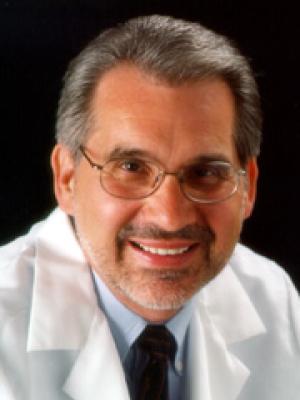
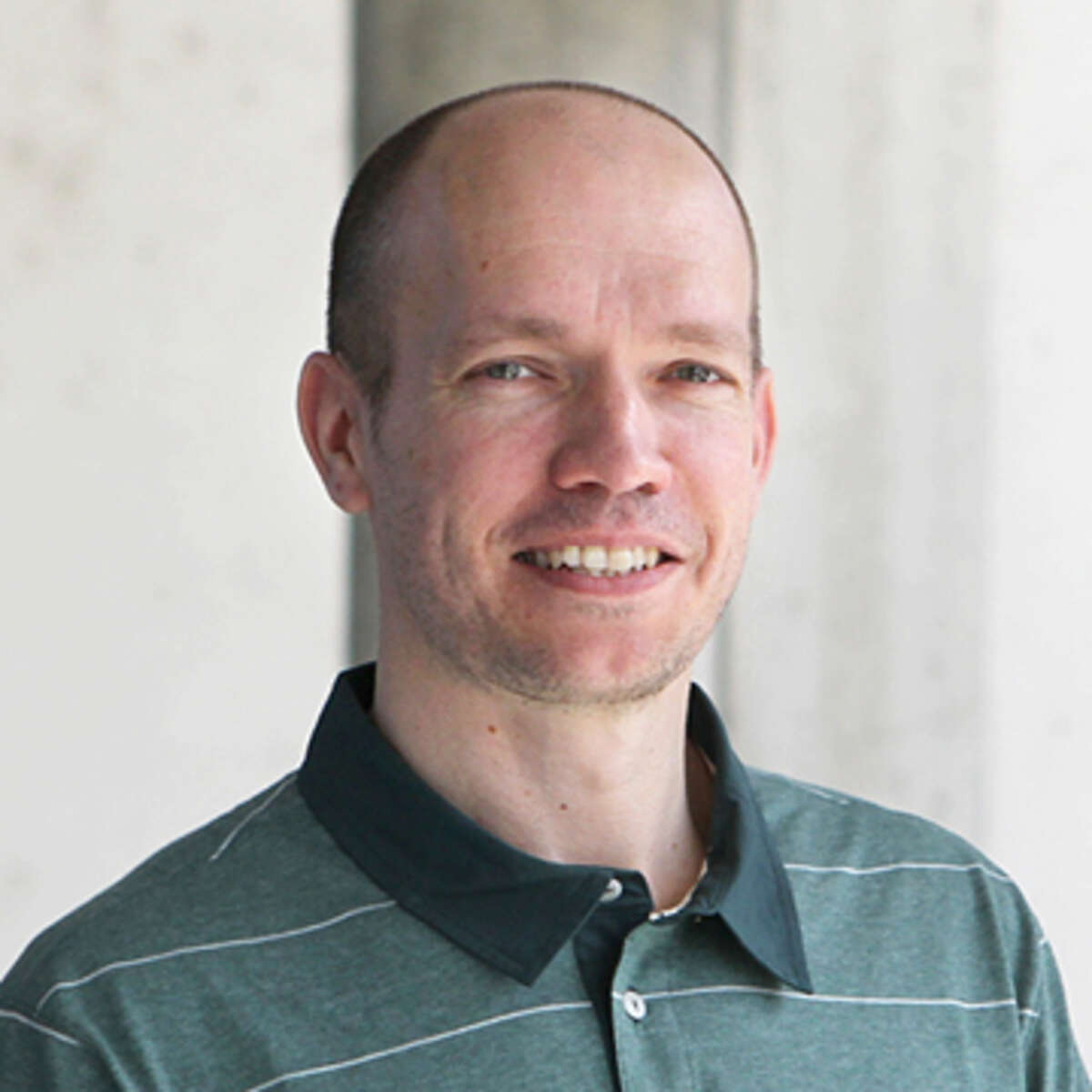
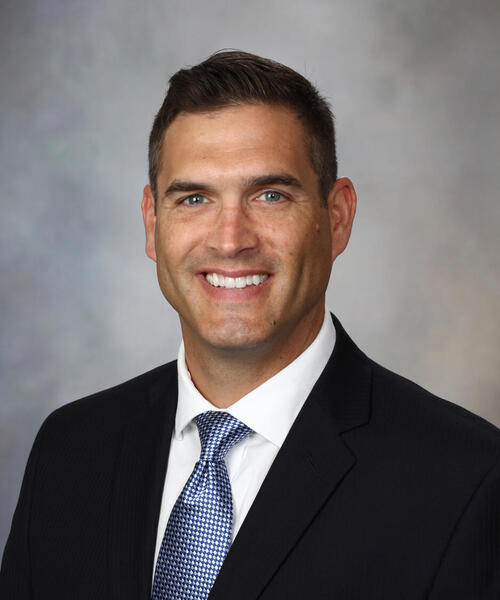
Dr. Andrew McCarren is an Associate Professor and Head of the School of Computing at Dublin City University (DCU). He holds a PhD and BSc from DCU and is a funded investigator in the Insight Centre for Data Analytics. His research focuses on applying data analytics to Fintech, Agriculture, Health, and Sports Performance. As a former industry professional with 20+ years experience in Agri, Engineering, and Pharmaceuticals, he bridges academic and industrial collaboration. Professional Affiliations: Fellow of Royal Statistical Society and Advance HE Key Roles: PI on SFI/EI projects, Visiting Professor at Princess Nourah bint Abdulrahman University Research spans software engineering (microservices architecture), health informatics (exercise interventions), and agri-tech (automated food processing). Over 100 publications across data science, sports analytics, and engineering.
Maria Dall'Era, MD is the Jean S. Engleman Distinguished Professor of Medicine and Chief of the Division of Rheumatology at the University of California, San Francisco (UCSF). She also serves as Director of the UCSF Rheumatology Clinical Research Center and Co-director of the UCSF Lupus Clinic. Her clinical and research focus centers on systemic lupus erythematosus (SLE) and lupus nephritis, with expertise in developing novel therapies and studying epidemiology and outcomes of lupus patients. Education: BA in Immunology, University of California, Berkeley, 1993 M.D., University of California, San Francisco School of Medicine, 1997 Residency in Internal Medicine, University of California, San Francisco Fellowship in Rheumatology, University of California, San Francisco, 2004 Dr. Dall'Era's research interests span multiple dimensions of lupus care and management. She investigates treatment optimization for lupus nephritis, epidemiological patterns of disease manifestation across diverse populations, and the development of novel therapeutic approaches. Her work emphasizes health disparities, particularly examining how race, ethnicity, and socioeconomic factors influence lupus outcomes. She has pioneered research on the relationship between physical activity, stress, and disease activity in lupus patients, and has contributed significantly to understanding epigenetic and molecular mechanisms underlying disease heterogeneity. Analysis of her recent publication record reveals a strong focus on precision medicine approaches to lupus management, with particular attention to biomarker discovery, treatment response prediction, and addressing health disparities. Her work spans basic science investigations into molecular mechanisms of disease through to large-scale clinical studies and guideline development. The interdisciplinary nature of her research connects immunology, genomics, epidemiology, and patient-centered outcomes research. Scientific Awards: Evelyn V. Hess Award, Lupus Foundation of America, 2023 Edmund L. Dubois Memorial Lectureship Award, American College of Rheumatology, 2018 Purple Ribbon Award, Lupus Foundation of America, 2014 Exceptional Physician Award, UCSF, 2010 Ira M. Goldstein Award for Outstanding Teaching in Rheumatology, UCSF, 2007 Ephraim Engleman Award for Excellence in Arthritis Research, UCSF, 2006 Dr. Dall'Era serves as Principal Investigator for the CDC-funded California Lupus Epidemiology Study, a population-based longitudinal lupus cohort in the San Francisco Bay Area. She also leads multiple clinical trials focused on SLE and lupus nephritis. Her leadership extends to national organizations where she serves as Co-Chair of the Lupus Therapeutics Board of Directors, Co-Chair of the LRA's Lupus Industry Council, and member of the Lupus Accelerating Breakthroughs Consortium Research Committee. She is actively involved in developing the American College of Rheumatology's Guidelines for the Treatment of SLE and lupus nephritis. Her laboratory and research team work within the UCSF Rheumatology Clinical Research Center, collaborating with the Accelerating Medicines Partnership RA/SLE Network and other multidisciplinary teams to advance understanding of lupus pathogenesis and treatment. The team employs approaches ranging from single-cell analysis and epigenetic studies to large-scale epidemiological investigations and clinical trials.
Professor Donna M. Gitter is a faculty member in the Department of Law at Baruch College’s Zicklin School of Business, City University of New York. She holds a JD from the University of Pennsylvania Law School and a BA in Government from Cornell University, where she graduated Phi Beta Kappa and cum laude . Her research focuses on the intersection of technology and ethics, particularly in comparative intellectual property law with emphasis on biotechnology patenting and biomedical ethics in the United States and European Union. Education : BA, Cornell University (Phi Beta Kappa, cum laude); JD, University of Pennsylvania Law School Professor Gitter’s work spans biotechnology patent law, genetic data privacy, pharmaceutical regulation, and bioethics. She has presented internationally in Europe, Asia, and the United States, addressing topics like computational genomics and open-source biotechnology. Her recent articles focus on experimental use exemptions for gene patents, genetic data privacy enforcement, and post-Dobbs reproductive regulation. She has received significant recognition, including the Fulbright-SyCip Distinguished Lecturing Award , Zicklin Excellence & Innovation in Teaching Award , and multiple research grants from PSC-CUNY. Her teaching includes courses like Fundamentals of Business Law and honors seminars on New York City’s demographics. Scientific Awards : Fulbright-SyCip Distinguished Lecturing Award (2016), Zicklin Excellence & Innovation in Teaching Award (2022), Community Partnership Award (2020), Outstanding Honors Teaching Award (2017) Professor Gitter serves on committees like the Zicklin School of Business Executive Committee and mentors students in entrepreneurship competitions. Her work bridges legal, ethical, and technological domains, with a focus on policy solutions for emerging biotech challenges.
Zach Gerhart-Hines is an Associate Professor at the Faculty of Health and Medical Sciences , University of Copenhagen. He leads the Gerhart-Hines Group and focuses on adipose tissue biology and energy metabolism. Education : PhD in Biochemistry-Cellular and Molecular Biology from Johns Hopkins University (2011) Research Interests : His work explores how environmental signals, diet, circadian rhythms, and organ communication regulate adipose tissue plasticity. Using multi-omics and in vivo phenotyping, his group identifies key regulatory nodes in adipocytes to combat metabolic diseases. Publications : His recent studies span topics from lactate research artifacts to novel chemokine signaling in brown adipose tissue. Key themes include succinate transport, NAD metabolism, and cold stress adaptations in obesity models. Collaborations : Collaborates with researchers in diabetes, cancer metabolism, and exercise physiology including Claus Clemmensen, Thomas W. Schwartz, Juleen Zierath, and Lykke Sylow. Conflict of Interest : Co-founder of Embark Biotech ApS, a company targeting type 2 diabetes and obesity therapeutics.
Clinical Associate Professor Paul Healey is a prominent academic at the University of Sydney's Clinical Ophthalmology & Eye Health department. He holds advanced qualifications including MBBS(Hons), MMed (Clin. Epidemiology), PhD, and FRANZCO. His primary affiliation is with Westmead Clinical School where he focuses on glaucoma research and clinical practice. Research Interests: Ophthalmology & Ophthalmic Surgery Epidemiology of Eye Diseases Diagnostic Test Evaluation Screening Methodologies Cell Biology Applications in Glaucoma Publications Highlight: Dr. Healey has authored over 200 peer-reviewed articles focusing on glaucoma genetics, polygenic risk scoring, and clinical outcomes. Key contributions include defining polygenic risk's role in glaucoma diagnosis and treatment escalation, and advancing understanding of myopic glaucoma progression through retinal imaging studies. Professional Contributions: Serves as co-editor for major glaucoma textbooks including Glaucoma Screening (2008) and Fast Facts: Glaucoma (2010). Active in clinical trials like the Glaucoma Initial Treatment Study comparing laser vs medication therapies. Current Focus: Leveraging genomic data to personalize glaucoma management and improving diagnostic accuracy through advanced imaging techniques.
Matthew Pamenter is an Associate Professor in the Department of Biology at the University of Ottawa. His research sits at the intersection of comparative physiology and basic neuroscience, focusing on hypoxia tolerance mechanisms in vertebrate brains. He leads a lab studying species like naked mole-rats, western painted turtles, and goldfish to uncover adaptations that allow survival in low-oxygen environments. University of Ottawa Faculty of Science Department of Biology Research Interests: Hypoxia and Ischemia Metabolism and Mitochondrial Energetics Neurophysiology and Comparative Physiology Thermoregulation and Control of Breathing The Pamenter Lab's work has translational relevance for hypoxia-related pathologies like ischemic stroke and chronic pulmonary disorders. Current projects investigate: Molecular mechanisms of hypoxic ventilatory response (HVR) Role of mitochondria in ROS and NO homeostasis Regional energy regulation in hypoxia-tolerant brains Comparative studies across hypoxia-tolerant rodent species Key findings include: Naked mole-rats suppress thermogenesis via UCP1 downregulation during hypoxia Enhanced mitochondrial calcium buffering capacity in naked mole-rat brain cells Blunted ventilatory responses in subterranean rodents Species-specific metabolic and neurochemical adaptations to hypoxia The lab employs techniques like high-resolution respirometry, fluorescence microscopy, and molecular biology to explore these phenomena. Graduate students like Hang Cheng and Liam Eaton have contributed to groundbreaking studies on ROS regulation, calcium handling, and mitochondrial function in hypoxia-tolerant species.
Thomas Gustafsson is a Professor of Clinical Physiology and Senior Physician at Karolinska Institutet, Sweden. He leads the Division of Clinical Physiology within the Department of Laboratory Medicine. His roles include clinician at Karolinska University Hospital and educator across multiple programs at KI, focusing on physiology and clinical physiology training. Education: Medical degree (1994), PhD in Clinical Physiology (2005), and appointment as Professor (2019). Research focuses on skeletal muscle, cardiovascular health, aging, and non-communicable diseases, combining clinical, molecular, and physiological approaches. Key areas include muscle aging mechanisms, heart failure, and hormone therapy effects on body composition. Recent articles emphasize post-COVID-19 muscle dysfunction, transgender health biomarkers, and exercise-induced cardiac adaptations. Active grants include longitudinal studies on muscle aging and pericyte roles in ischemic muscle. Supervised over 14 students, with a focus on translational physiology and clinical research. Labs/Teams: Head of the Division of Clinical Physiology, leading projects on muscle physiology and cardiovascular health. Collaborations include clinical and molecular studies with international teams.
Dr. Devindri Perera is a Senior Lecturer at Curtin University's School of Electrical Engineering, Computing and Mathematical Sciences (EECMS) within the Faculty of Science and Engineering. He is also affiliated with the Office of the Provost, demonstrating administrative and academic leadership roles. His research focuses on interdisciplinary areas including biosecurity systems, veterinary epidemiology, statistical modeling, and genomics. Dr. Perera's work spans environmental science (biosecurity border management), veterinary medicine (equine health and endocrinology), and computational methods (data clustering, statistical algorithms). His biosecurity research emphasizes risk assessment and spatial-temporal analysis of non-indigenous species, while his veterinary studies investigate equine physiology and disease mechanisms. In genomics, he contributes to identifying genetic markers for neurological disorders like multiple sclerosis. His publications from 2006–2023 reflect a strong focus on statistical methodologies in interdisciplinary contexts, including genome-wide association studies, algorithm validation for genotyping, and applied econometric models. This demonstrates a blend of theoretical rigor and practical problem-solving across diverse domains. Though no specific awards or grants are listed in this profile, his prolific publication record and cross-disciplinary approach highlight sustained academic engagement. His research collaborations span institutions globally, addressing both environmental and biomedical challenges.
Nataša Kilibarda serves as Professor at Singidunum University's Faculty of Tourism and Hospitality Management in Belgrade, Serbia. Her academic career spans over two decades with specialized expertise in food safety, meat technology, and sustainable food systems. She holds doctoral qualifications in Food Hygiene and Technology from the University of Belgrade's Faculty of Veterinary Medicine. Her research focuses on critical food industry challenges including food waste reduction, pandemic-era food safety protocols, sustainable meat production, and hospitality sector food handling practices. Kilibarda's work bridges academic research with practical industry applications, particularly in Serbian and Balkan contexts. Her recent publications demonstrate growing emphasis on sustainable food systems, biogas production from organic waste, and the intersection of tourism with traditional food quality. Her 15 most recent publications reveal consistent contributions to food safety literature with particular expertise in: Meat technology and quality control Microbiological safety of processed foods Food waste management strategies Pandemic impact on food systems Sustainable resource utilization Kilibarda maintains active collaboration with Serbian food industry stakeholders and contributes to national food safety standards development. Her work appears in prominent regional journals including Meat Technology, Journal of Food and Nutrition Research, and Tehnologija mesa.
Soyoung Choi is an Assistant Professor in the Department of Kinesiology and Community Health at the University of Illinois Urbana-Champaign. She holds affiliate roles at the Carl R. Woese Institute for Genomic Biology's Personalized Nutrition Initiative and the Beckman Institute for Advanced Science and Technology. Her research focuses on disability health, particularly among individuals with visual impairments, emphasizing digital health technologies, physical activity interventions, and sleep health. She collaborates across disciplines to address health equity challenges faced by disabled populations. Her recent work includes studies on college students with disabilities' use of digital health tools, home-based exercise programs for visually impaired individuals, and sleep health disparities in visually impaired populations. Methodologically, she employs scoping reviews, cross-sectional surveys, and participatory design approaches. Notable collaborations involve institutions across multiple countries, reflecting her global research network. While no awards are explicitly listed, her active publication record (31+ outputs) demonstrates sustained scholarly engagement. She advises interdisciplinary teams on projects combining genomics, personalized nutrition, and advanced science technologies through her affiliate roles. Her lab focuses on translating research into practical solutions for improving health outcomes among underserved disabled communities through technology and policy advocacy.
Lance A. Johnson, PhD, is an Associate Professor in the Department of Physiology at the University of Kentucky College of Medicine. He is also affiliated with the Sanders-Brown Center on Aging and the Nutritional Sciences Graduate Faculty. His research focuses on the role of Apolipoprotein E (APOE) in cerebral metabolism and neurodegeneration, particularly in Alzheimer’s disease. Department: Department of Physiology School: College of Medicine Institution: University of Kentucky Lab: Johnson Lab, Healthy Kentucky Research Building Dr. Johnson’s research investigates how APOE isoforms, especially APOE4, influence brain metabolism through glial contributions. His lab uses transcriptomic and metabolomic techniques across models—from cells to mice to humans—to identify early metabolic dysregulations. Key projects include studying the pentose phosphate pathway, lipid droplet dynamics, and developing the novel APOE 'switch mouse' model to test therapeutic replacement of APOE4 with neuroprotective APOE2. His recent publications span neuroscience, oncology, metabolism, and clinical research. Notably, he co-authored a 2024 Science perspective on APOE and IDO1 in Alzheimer’s, and contributed to studies in Nature on cancer metastasis and Nature Nanotechnology on gene-editing nanoparticles. These reflect a broad interdisciplinary impact, though his core focus remains on brain aging and metabolic resilience. Scientific contributions include: Development of the APOE 'switch mouse' model Creation of the APOE Immunometabolism Database Leadership in multi-lab collaborations (e.g., with Morganti and Sun labs) Dr. Johnson mentors a diverse team of PhD candidates, MD/PhD students, and research analysts. He serves as Director of Graduate Studies in Physiology, indicating active academic leadership. He has not received any explicitly mentioned awards in the provided text. His lab recently relocated to expanded space in the Healthy Kentucky Research Building, supporting ongoing growth. No part-time status or retirement indications are present.
Dr. Lee S. Berk is the Associate Dean of Research at the School of Allied Health Professions and an Associate Research Professor in the Department of Pathology and Human Anatomy at the School of Medicine , Loma Linda University . His research spans psychoneuroimmunology , focusing on the physiological effects of mirthful laughter , humor , and neuroendocrine responses on stress, immune function, and brain health. Dr. Berk has served on numerous committees, including the Loma Linda University Health Research Oversight Committee and Board of Directors of the American College of Lifestyle Medicine . He has been an Editorial Board Member for the Journal of Physical Therapy and Rehabilitation and Advances in Mind-Body Medicine . His advisory roles include mentoring doctoral candidates Olivia Moses and Micheline Vargas . Over his career, Dr. Berk has been extensively featured in media outlets (e.g., CNN , NPR , Newsweek ) and has contributed to over 150 peer-reviewed publications. His work explores EEG gamma wave modulation , anti-oxidant effects on autism , and exercise interventions for inflammation and metabolic health . Current projects include studies on brain health , type 2 diabetes , and religious cognitive-behavioral therapy outcomes.
Donald E. Brown is the W.S. Calcott Professor in the Systems and Information Engineering Department at the University of Virginia, serving as Founding Director of the Data Science Institute and Co-Director of the Translational Health Institute of Virginia. He holds a B.S. from the United States Military Academy (1973), M.S. and M.E. from UC Berkeley (1979), and a Ph.D. from the University of Michigan (1985). His research focuses on data fusion, knowledge discovery, and predictive modeling with applications in healthcare, security, and safety. Dr. Brown leads over 90 federal/state/private research projects, publishes extensively (120+ papers, 2 books), and is a Fellow of the IEEE. He has received prestigious awards including the Norbert Wiener Award and IEEE Millennium Medal. His work bridges academia and industry through Commonwealth Computer Research, Inc., providing data analysis services. He advises on national committees including the National Research Council and the NRC Committee on Transportation Security. His teaching excellence was recognized by students three times as 'best undergraduate teacher' (2001–2003). Research Interests: Data Fusion, Knowledge Discovery, Simulation Optimization, Machine Learning, Predictive Analytics Publications: Focus on healthcare analytics (e.g., Long COVID, tuberculosis, histopathology), AI-driven medical imaging (capsule endoscopy, eosinophil segmentation), and cybersecurity applications. Awards: IEEE Joseph Wohl Career Achievement Award (2017), Governor's Technology Award (1999), Norbert Wiener Award (2002). Grants/Projects: Over 90 funded projects on data science, healthcare tech, and security systems. He leads interdisciplinary initiatives like the iTHRIV Commons for health data sharing and develops AI tools for medical diagnostics at UVA. Current work includes AI in cardiovascular disease prediction, perioperative data digitization for LMICs, and real-time anomaly detection in healthcare systems.
Christoph Handschin is a Full Professor in Pharmacology at the Biozentrum, University of Basel, Switzerland , with a research focus on skeletal muscle plasticity, aging, and metabolic diseases since 2015. He leads a research group investigating molecular mechanisms of muscle adaptation to physiological and pathophysiological conditions. Education: PhD in Biochemistry (summa cum laude, 2001), MSc in Molecular Biology (1996), Voluntary training at Novartis (1992) Research Interests span skeletal muscle biology, aging, exercise physiology, neuromuscular diseases, and metabolic disorders. His work emphasizes PGC-1α signaling, mitochondrial dynamics, and chromatin remodeling in muscle adaptation. Recent studies explore exercise-induced chromatin changes, biomarkers of aging, and dysferlinopathy mechanisms. Key Scientific Awards include the ERC Consolidator Grant (2013) , SNSF Professorship (2006) , and MDA Scientist Career Development Award (2004) . He is a member of the American Physiological Society and European Association for the Study of Diabetes. Recent Articles highlight breakthroughs in chromatin accessibility , functional aging biomarkers , dysferlinopathy metabolism , and PGC-1α-driven muscle adaptations . His research bridges molecular mechanisms (e.g., Klf5, PER2) with systemic physiology (e.g., exercise performance, sarcopenia).
Nathan K. LeBrasseur, Ph.D., M.S. , is a Professor in the Department of Physical Medicine and Rehabilitation and the Department of Physiology at Mayo Clinic in Rochester, Minnesota. He holds key leadership roles including Director of the Robert and Arlene Kogod Center on Aging, Co-Director of the Mayo Clinic Paul F. Glenn Center for Biology of Aging Research, and Scientific Director of the Office of Translation to Practice. His work is central to advancing the science of aging and its clinical translation. Research Interests: Nathan K. LeBrasseur's research is dedicated to understanding the biological mechanisms of aging, with a focus on cellular senescence , skeletal muscle aging , and the development of biomarkers of biological age . His lab investigates how senescent cells contribute to physical decline, metabolic dysfunction, and frailty. A major focus is on how lifestyle factors, particularly exercise, can modulate the accumulation and clearance of senescent cells to promote resilience in older adults. Research Trends: His recent publications (2023–2025) demonstrate a strong trend towards translational and clinical research. The work spans from fundamental discoveries in cell biology (e.g., mtDNA release in senescence) to the characterization of human biomarkers for use in clinical trials. There is a clear emphasis on developing and validating tools to measure biological aging and on understanding the systemic impact of senescent cells on organs like muscle, bone, heart, and brain. His research increasingly leverages large cohort studies and aims to identify individuals who would benefit most from anti-aging interventions. Scientific Awards: Noaber Foundation Professor of Aging Research, Mayo Clinic (2024) Vincent Cristofalo Rising Star Award in Aging Research, American Federation for Aging Research (2019) Advising and Grants: Dr. LeBrasseur is a Principal Investigator (PI) on multiple major research grants, primarily from the National Institute on Aging (NIA). His funded projects include 'The Impact of Biological Mechanisms of Aging on Response Variability to Resistance Training in Older Adults (BRIO)' and the 'Biological Analysis Core.' He also serves as PI for the Vincent Cristofalo Rising Star Award and is a Co-PI on the Midwest Murine-Tissue Mapping Center. This extensive grant portfolio reflects his leadership in large-scale, collaborative aging research. Labs and Teams: Dr. LeBrasseur leads a research laboratory focused on the biology of aging at Mayo Clinic. His work is deeply integrated with major institutional centers, including the Robert and Arlene Kogod Center on Aging and the Mayo Clinic Paul F. Glenn Center. He is part of a large, collaborative network of scientists investigating cellular senescence, senolytics, and aging mechanisms, often co-authoring with leading figures in the geroscience field.