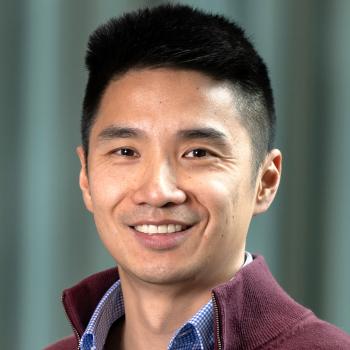
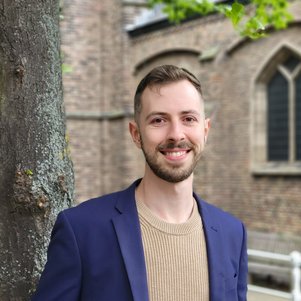
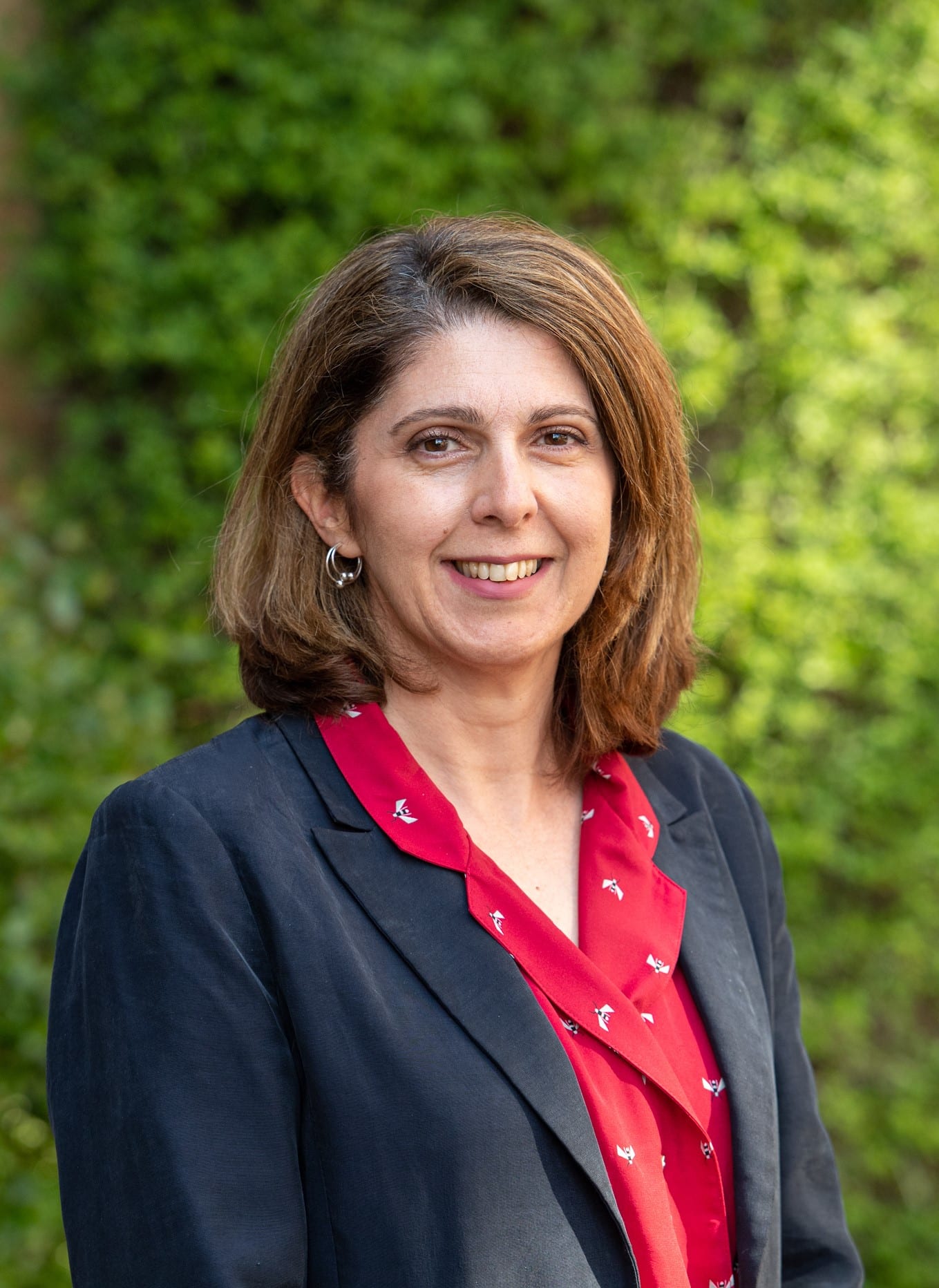
Dr. Jonathan Z. Long is an Associate Professor of Pathology at Stanford University , with affiliations to multiple institutes including Stanford ChEM-H , Bio-X , Cardiovascular Institute , Wu Tsai Human Performance Alliance , Maternal & Child Health Research Institute (MCHRI) , and Wu Tsai Neurosciences Institute . He serves as a member of the Stanford Diabetes Research Center and leads the Long Lab focused on molecular mechanisms of energy homeostasis. Education : BA in Biochemistry (Columbia University, 2007), PhD in Chemistry (Scripps Research, 2011), Postdoc (Harvard Medical School/Dana-Farber Cancer Institute, 2017) His research bridges chemical physiology and metabolic disorders , with significant contributions to understanding ketone body metabolism , single-cell primate biology , and metabolite transport mechanisms . Recent work includes: Discovery of anti-obesity ketone metabolites (Nature, 2024) Identification of urinary Lac-Phe transporters (Nature Communications, 2024) Deciphering primate-specific metabolic pathways using mouse lemur models (Nature, 2025) Scientific recognition includes: Alfred P. Sloan Research Fellowship in Chemistry (2024) Ono Pharma Breakthrough Science Initiative Award (2020) NIH Pathways to Independence Award (2015) As an advisor, he mentors students across Biophysics and Cancer Biology PhD programs, with roles as dissertation reader, advisor, and co-advisor. His lab operates at the Stanford ChEM-H/Neuroscience Research Complex , advancing therapeutic strategies for obesity-related conditions.
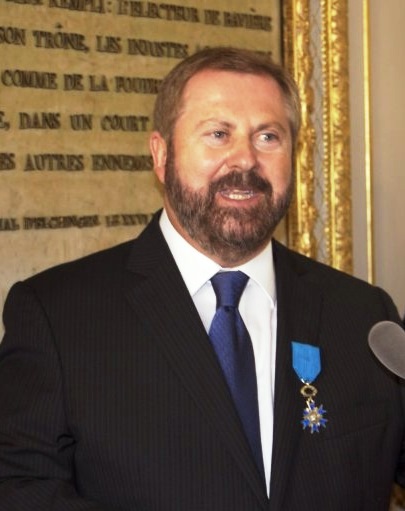
Kelvin J. A. Davies is a Professor at the Davis School of Gerontology and College of Letters, Arts & Sciences , University of Southern California . He holds the James E. Birren Endowed Professor of BioGerontology and is Dean of Faculty & Research at USC's Davis School of Gerontology. Born in London, UK; educated at Liverpool, Lancaster, University of Wisconsin (M.Sc. 1976), and University of California at Berkeley (Ph.D. 1981) Established field-defining research on oxidative stress , protein degradation , and mitochondrial Lon protease function in aging-related pathologies Davies' research explores oxidative stress adaptation , protein oxidation and proteolysis , and age-related decline in stress response . His work on the Nrf2 signal transduction pathway and RCAN1 gene has transformed understanding of Alzheimer's and Down syndrome mechanisms. The lab's studies on mitochondrial Lon protease and proteasome regulation establish critical links between environmental oxidants, aging, and neurodegenerative diseases. He has received seven honorary doctorates and eight fellowships , including from the American Association for the Advancement of Science and Royal Society of Medicine . Awards highlight his lifetime achievements in redox biology , mentoring excellence (Andrew W. Mellon Foundation), and scientific leadership in founding journals like Free Radical Biology & Medicine . Davies has mentored 28 graduate students and 30 postdoctoral fellows . As founding President of the California Philharmonic Orchestra and Director of the S.T.A.R. program , he combines scientific and community impact through arts and education outreach to disadvantaged youth.
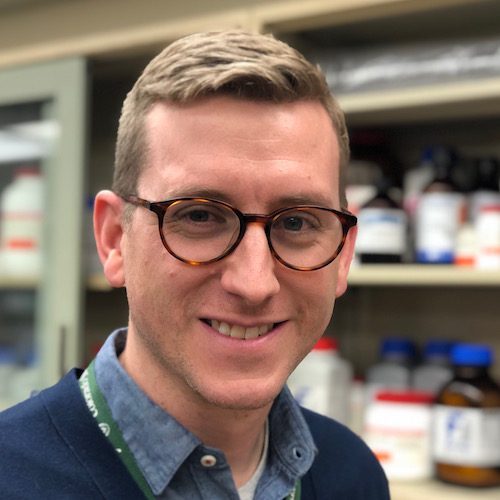
Joshua C. Drake, PhD, is an Assistant Professor in the Department of Human Nutrition, Foods, and Exercise at Virginia Polytechnic Institute and State University. His research focuses on molecular mechanisms of cellular energetics, particularly how these processes change with aging and contribute to age-related diseases like diabetes and Alzheimer’s. He holds a PhD in Human Bioenergetics from Colorado State University (2014) and prior degrees from West Virginia University. His work has been funded by notable grants including NIH/NIA awards and the SJ Ritchey Research Grant. Key contributions include studies on AMPK signaling, mitochondrial quality control, and the interplay between skeletal muscle and brain health in aging. Dr. Drake’s research lab investigates energetic sensing pathways in skeletal muscle, emphasizing how metabolic flexibility declines with age. His team uses mouse models to explore interventions like exercise and caloric restriction, aiming to uncover therapeutic targets for age-related metabolic disorders. Recent findings highlight Ulk1 phosphorylation’s role in metabolic adaptations and the protective effects of exercise in neurodegenerative diseases. Awards: NIH/NIA R01 (2023), SJ Ritchey Grant (2022), NIH/NIA R00 (2020) Education: PhD, Human Bioenergetics, Colorado State University (2014) M.S., Exercise Physiology, West Virginia University (2010) B.S., Exercise Physiology, West Virginia University (2007) Dr. Drake mentors students in experimental and translational research, including studies on Alzheimer’s disease mechanisms and mitochondrial dysfunction. His work bridges basic science and clinical applications, with a focus on extending healthspan through metabolic interventions.
Benjamin Stacey is a Lecturer in Clinical Science at the University of South Wales's Faculty of Life Sciences and Education. His research examines physiological adaptations to environmental stressors including hypoxia, with focus on cerebrovascular function, oxidative-nitrosative stress, and neurovascular coupling. He coordinates modules in biophysics, biomechanics, and clinical diagnosis while maintaining research at the Neurovascular Research Laboratory. Stacey's research spans environmental physiology (high-altitude adaptation, thermoregulation), exercise physiology in elite athletes, nitric oxide metabolism, and cerebral hemodynamics. His investigations bridge clinical science with environmental challenges, examining both acute stressors and chronic adaptations. His publications demonstrate dual expertise in physiological research and quality-of-experience measurement, with recent emphasis on neurovascular adaptations to hypoxia and cerebral bioenergetics during extreme apnea.
Ranjan Dash is a Professor and Co-Director of Graduate Studies in the Joint Department of Biomedical Engineering at Marquette University and Medical College of Wisconsin. He also serves as Professor in the MCW Department of Physiology and Director of the Computational Systems Biology Laboratory (CSBL). His academic career spans prestigious institutions including Case Western Reserve University, University of Washington, and Texas A&M University where he completed postdoctoral training in computational systems biology and biofluid dynamics. Ph.D. in Computational Biofluid Dynamics, Indian Institute of Technology, Delhi, India (1998) M.Sc. in Applied Mathematics, Utkal University, Bhubaneswar, Orissa, India (1991) Dash's research focuses on computational systems biology and bioengineering with emphasis on mitochondrial, cellular and cardiovascular physiology. His work integrates mathematical modeling with experimental approaches to study cellular/mitochondrial metabolism and redox biology. Specific research areas include pulmonary and systemic microcirculatory gas exchange, physiologically-based pharmacokinetic modeling, blood-tissue solute transport, large-scale biochemical networks, cellular calcium and reactive oxygen species signaling, cardiac electrophysiology, and renal metabolism in salt-sensitive hypertension. His recent publications demonstrate a strong emphasis on computational modeling of physiological systems, particularly in the areas of mitochondrial bioenergetics, renal function in hypertension, CAR T-cell therapy modeling, and ischemia-reperfusion injury assessment. His work bridges computational approaches with experimental validation across multiple organ systems. Dean's Choice Outstanding Graduate School Educator Award (2019-2020, 2016-2017) Award of Tenure for scholarly achievements (2018) Outstanding Faculty Service Award (2015) Founding Faculty, Virtual Physiological Rat Center (2011) Marquis Who's Who in Science and Engineering (2011-2012) Dash has secured significant research funding as Principal or Co-Principal Investigator from major organizations including NIH, NSF, and Advancing a Healthier Wisconsin Endowment. His current projects focus on high salt effects on renal metabolism, computational modeling of CAR T-cell therapy, and advanced ion channel modeling. As Co-Director of Graduate Studies, he plays a key role in shaping the next generation of biomedical engineers while leading the Computational Systems Biology Laboratory. The Computational Systems Biology Laboratory under Dash's direction serves as a hub for interdisciplinary research, bringing together engineers, physiologists, and computational scientists to tackle complex problems in systems physiology and disease mechanisms.
Herman Pontzer is a Professor of Evolutionary Anthropology and Director of Graduate Studies of Evolutionary Anthropology at Duke University, with additional appointments as Associate Research Professor of Global Health and Associate of the Duke Initiative for Science & Society. He earned his Ph.D. from Harvard University in 2006. His research integrates lab and field studies to investigate how ecology, evolution, and lifestyle shape metabolism, health, and physical activity in humans and apes. Fieldwork focuses on hunter-gatherer and pastoralist communities in Africa and South America, while lab work employs advanced techniques like doubly labeled water analysis to measure energetics. Pontzer's research centers on evolutionary physiology, metabolic adaptation, and human ecology. Key interests include: Energetic trade-offs in evolution and daily life Impacts of diet, physical activity, and environment on health Physiological adaptations in small-scale societies Evolution of human locomotion and water conservation His work challenges conventional views on obesity, exercise efficacy, and metabolic aging. His publications (2022–2025) demonstrate consistent themes: environmental stressors (drought, heat), metabolic measurement innovations, and cross-cultural health disparities. Over 60% of recent papers analyze energy/water expenditure in diverse populations, highlighting adaptations to climate, subsistence strategies, and life stages like pregnancy. This reflects a focus on human resilience and evolutionary constraints. Awards & Honors: Outstanding Scholar Alumni Award, Penn State (2017) 40 Under 40 Rising Stars in N.Y. Food Policy (2017) Presidential Award for Distinguished Scholarship, Hunter College (2016) Harbison Faculty Fellowship, Washington University (2010) Herrnstein Prize, Harvard University (2006) As Director of Graduate Studies, he oversees evolutionary anthropology doctoral training. He leads the Pontzer Lab, which conducts field expeditions and collaborates globally. Current projects include NSF-funded studies on hydration stress in Kenyan pastoralists and metabolic limits in endurance athletes.
Dr. Praneel Titheradge is a Lecturer in Exercise & Sports Science at Charles Sturt University , affiliated with the School of Allied Health, Exercise and Sports Sciences. His academic journey includes completing a PhD in 2018 under Professor Robert Robergs, followed by a lecturing role at the University of Wollongong in 2019. Professional Memberships: Exercise & Sports Science Australia Australian Strength & Conditioning Association Research Interests: Dr. Titheradge integrates engineering principles with exercise physiology, focusing on indirect calorimetry instrumentation, 3D motion capture for sports performance, and gut microbiology's role in bioenergetic adaptation. His work spans device validation, ventilatory measurement, and equine athlete applications. Publication Trends: His research output centers on airflow sensor development (Venturi tubes, fiber-optic devices), CPR training efficacy, and physiological measurement methodologies. Keywords across his work include Biomedical Engineering , Metabolic Research , and Human Performance , with sub-fields like Physiological Instrumentation and Exercise Prescription Validation .
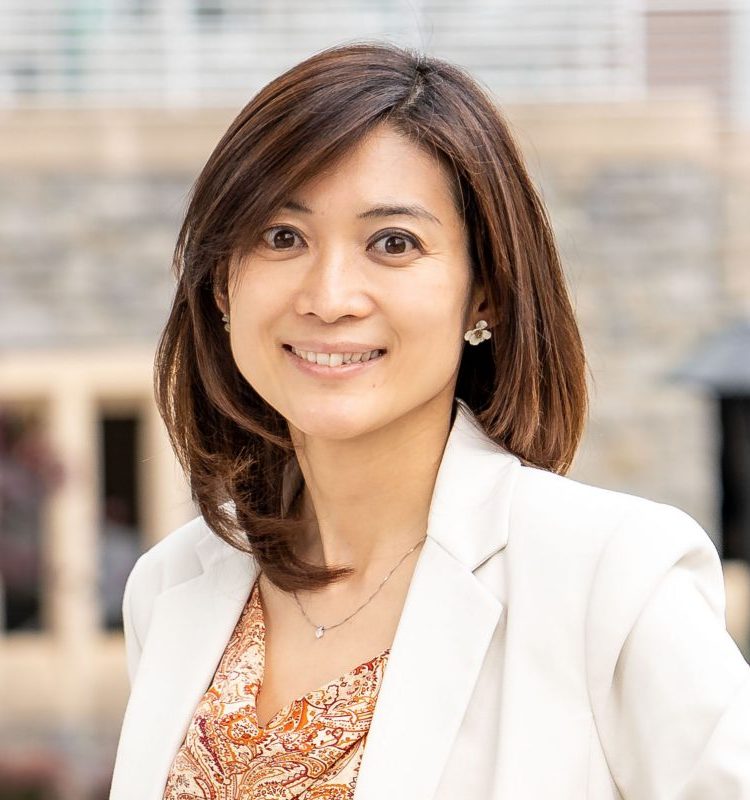
Junco Warren, PhD, is an Assistant Professor at the Fralin Biomedical Research Institute and Virginia Tech’s Department of Human Nutrition, Foods, and Exercise. She holds an adjunct appointment at Kumamoto University, Japan. Her research focuses on metabolic reprogramming in heart failure, particularly mechanisms linking energy metabolism dysfunction to cardiac pathology. Key interests include mitochondrial bioenergetics, metabolomics, and epigenetic regulation in cardiac disease. Education: PhD in Pharmacology (SUNY Medical School, 2007), B.A. in International Economics (Aoyama-Gakuin University, 1997). Research Interests: Her work investigates how metabolic dysregulation drives heart failure progression, with emphasis on PERM1 and Smyd1 proteins. Projects include metabolomics-based biomarker discovery and therapeutic strategies targeting mitochondrial function. Awards: Notable recognitions include the 2023 Seale Innovation Award, 2016 BCVS Early Career Investigator Award, and multiple NIH and American Heart Association grants. Grants/Advising: Leads the Warren Lab, mentoring graduate and undergraduate students. Current projects involve PERM1 gene therapy in heart failure models and collaborations on mitochondrial dysfunction mechanisms. Lab Affiliations: Center for Vascular and Heart Research at Fralin, with international collaborations in Japan and the U.S.
Dr. Marcel Vieira-Lara is an Assistant Professor at the Department of Biotechnology, Delft University of Technology (TU Delft), affiliated with the Faculty of Applied Sciences (TNW). His research group focuses on bioenergetics and quantitative biology applied to biotechnology, exploring metabolic strategies in organisms to develop sustainable applications. Key areas include energy transduction in industrially relevant organisms, metabolic engineering for yield improvement, and systems biology approaches integrating genetic, proteomic, and metabolic data. He teaches Microbial Physiology (LB2763) and Metabolic Engineering (LB2771) for the BSc Life Science and Technology program, co-developing courses with Rinke van Tatenhove-Pel. His group collaborates closely with the Industrial Microbiology section and emphasizes interdisciplinary research, combining experimental and computational methods. Current projects include mitochondrial ATP-Synthase engineering in yeast (supervised by Malte Marquardt) and studying fatty acid oxidation defects. His work addresses fundamental questions in bioenergetics while targeting applications in protein transition, alternative feedstocks, and industrial biotechnology.
Associate Professor Simran Sidhu is an academic in the Discipline of Physiology at the University of Adelaide's School of Biomedicine (Faculty of Health and Medical Sciences). She holds a PhD in Neuroscience from The University of Queensland and completed a postdoctoral fellowship at The University of Utah, supported by the American Heart Association Fellowship. Her primary affiliation is with the Integrative Human Neurophysiology Laboratory. Education: PhD in Neuroscience (UQ), Postdoc in Integrative Physiology (University of Utah) Key Roles: Associate Professor, Lab Director, Academic Supervisor Dr Sidhu's research bridges neuroscience, physiology, and exercise science, focusing on neurophysiological mechanisms of exercise intolerance in clinical populations (e.g., multiple sclerosis, heart failure) and aging. Her work uses cutting-edge techniques like transcranial magnetic stimulation (TMS) and transcranial direct current stimulation (tDCS) to study central fatigue and motor-cognitive performance. Current projects investigate neuromodulation strategies, lifestyle factors, and neuroplasticity in improving functional capacity across health and disease. Her recent articles explore topics such as neuromodulation's role in exercise performance, fatigue mechanisms in MS patients, and the impact of aging on neural control of movement. Notable contributions include studies on TMS applications for chemotherapy-induced pain and the interaction between exercise and cortical plasticity in athletes. Awards: American Heart Association Fellowship Grants: Multiple research projects funded through competitive grants Dr Sidhu supervises students at all levels (Honours/PhD/Masters) across four active research projects focused on brain mechanisms of fatigue, neuromodulation therapies, and translational neurophysiology.
Tomas Deierborg is a Professor and Research Team Manager at Neuroinflammation , Lund University . He serves as Principal Investigator for MultiPark: Multidisciplinary research focused on Parkinson's disease and Head of Department at the Department of Experimental Medical Science . Additionally, he is a Profile Area Member in Proactive Ageing and Affiliated Researcher at Infect@LU . His research focuses on neuroinflammation , Alzheimer's disease , Parkinson's disease , and microglial function . Specific interests include protein aggregate transmission , galectin-3 mechanisms , gut-brain axis , and neuroimmune regulation . He explores amyloid-beta pathology , neuronal death pathways , and microglial polarization in neurodegenerative contexts. Recent publications analyze CSF biomarker changes in Alzheimer's models, microglial extracellular vesicles in neuroinflammation, and galectin-3's role in pro-tumoral microglia . His work also addresses prion-like transmission of protein aggregates and immune modulatory therapies for neurodegenerative diseases. Currently leading projects include "Denominating genetic and immunogenic factors of consequential microglia phenotype in AD" , "Microglial Galectin-3 in Alzheimer's" , and "Gut-brain axis in Alzheimer's disease" . These projects receive funding from organizations like Alzheimerfonden and Swedish Research Council . He collaborates internationally on neurodegenerative research , with affiliations to MultiPark and Infect@LU . Recent activities include research supervision workshops and translational studies connecting neuroimmunology to UN Sustainable Development Goals related to health and well-being.
Professor Alfredo Franco-Obregón is a Research Associate Professor at the National University of Singapore (NUS), with multiple appointments across the Yong Loo Lin School of Medicine. He holds positions in the Department of Surgery and the Department of Physiology, and is affiliated with the Institute for Health Innovation & Technology, the Healthy Longevity Translational Research Programme, the NUS Centre for Cancer Research, and the Nanomedicine Translational Research Programme. He leads the Biolonic Currents Electromagnetic Pulsing Systems (BICEPS) Laboratory, which focuses on developing non-invasive electromagnetic technologies to enhance muscle function and systemic health, particularly for aging populations and those with mobility limitations. Dr. Franco-Obregón's research centers on understanding how biophysical forces, particularly mechanical and electromagnetic stimuli, translate into tissue regeneration and survival. His work specifically investigates the role of Transient Receptor Potential (TRP) channels, particularly TRPC1, in skeletal muscle development and how magnetic fields can activate mitochondrial respiration through a process he terms "Magnetic Mitohormesis." This research has significant implications for metabolic health, cancer therapy, and aging interventions. His laboratory has demonstrated that brief (10-minute) weekly exposure to low-energy pulsed electromagnetic fields (PEMFs) can enhance muscle development, improve metabolic efficiency, and even produce anticancer effects through the activation of muscle secretome responses. His recent publication record demonstrates a strong focus on translating these findings into clinical applications, with numerous randomized controlled trials examining the effects of PEMF therapy on conditions including knee osteoarthritis, Achilles tendinopathy, metabolic disorders, and breast cancer. His research bridges fundamental cellular mechanisms with practical clinical applications, showing how magnetic field exposure can serve as a non-invasive exercise mimetic for populations unable to engage in physical activity. 2020: Innovation of the Year Product Winner by the Ageing Asia World Ageing Festival (for QuantumTx) 2015: Wong Hock Boon Society Best Mentor Award (NUS) 2008: Goldenen Eule (The Golden Owl Excellence in Teaching Award) (ETH) 1990: Martin Luther King Mentorship Award (UCSF) Dr. Franco-Obregón is actively engaged in mentoring students and collaborating on international research projects. He has established the BICEPS Laboratory as a hub for interdisciplinary research, bringing together engineers, clinicians, and basic scientists. His work has led to the founding of QuantumTx Pte. Ltd., a NUS spin-off company developing magnetic therapeutic devices, and he is currently conducting human clinical trials in Singapore, China, Southeast Asia, and the US to evaluate the efficacy of his magnetic therapeutic platforms. The BICEPS Laboratory operates at the intersection of engineering and clinical medicine, with a mission to develop non-invasive technologies that enhance muscle function and bioenergetics. The lab's research has significant potential to transform clinical practice, particularly in preventative medicine and rehabilitation. Dr. Franco-Obregón is also working to establish international collaborations, including potential student exchange programs between ETH/UZH and NUS, to further advance this field of research.
Donato Rivas, Ph.D., is a Research Associate Professor at the Fralin Biomedical Research Institute at Virginia Tech (VTC), where he leads research in skeletal muscle health within the Lessard Lab. He holds a Ph.D. in Biomedical Science (Muscle Physiology) from the Royal Melbourne Institute of Technology and a BSc in Kinesiology (Exercise Physiology) from California State University, Northridge. His postdoctoral training in Clinical and Translational Aging Research was completed at the Jean Mayer USDA Human Nutrition Research Center on Aging at Tufts University. Dr. Rivas’s research lies at the intersection of human physiology, bioenergetics, and exercise performance, with a focus on skeletal muscle metabolism, aging, epigenetics, and obesity. His work investigates the role of microRNAs (miRNAs) in muscle adaptation, particularly in the context of aging and resistance exercise. He has revealed blunted miRNA and gene responses in older adults and is currently exploring circulating exosomal miRNAs as biomarkers for muscle repair and regeneration following injury. His research has significant implications for treating sarcopenia and anabolic resistance. His recent publications span high-impact journals such as Nature Aging , American Journal of Physiology , and FASEB Journal , covering topics including cellular senescence, anabolic resistance, miRNA regulation, and exercise interventions in aging. Key themes in his work include the molecular mechanisms of muscle plasticity, nutrient-exercise interactions, and circadian regulation of metabolism. Dr. Rivas has received prestigious awards, including: MARC Pre-doctoral Research Fellowship (NIGMS) Diversity Supplement and Research Career Development Fellowship (NIA) K01 Mentored Research Scientist Career Development Award (NIH) He has collaborated extensively with researchers at Tufts University, USDA, and Virginia Tech. He has advised and mentored numerous researchers and is actively involved in grants related to aging, muscle health, and exercise science. His laboratory investigates molecular signaling in muscle, focusing on miRNA dynamics and metabolic responses to interventions.
Dr Sevasti Zervou is a Stipendiary Lecturer in Cellular Biochemistry at St Peter’s College, University of Oxford, and Director of Studies for the MSc Precision Cancer Medicine program in the Department of Oncology. She holds a PhD in Molecular Medicine from the University of Warwick (2001) and has over 15 years of research experience in cardiovascular medicine, funded by the British Heart Foundation. Her academic roles include teaching undergraduate biochemistry, leading postgraduate modules in genetics for precision oncology, and mentoring junior researchers. Her research focuses on cellular metabolism, genetic regulation of heart function, and metabolic pathways in cardiovascular diseases, diabetes, and cancer. She has pioneered studies on creatine kinase systems, myocardial energetics, and therapeutic targets for heart failure. Beyond academia, she contributes to science outreach through guest lectures for sixth-form students and mentorship programs. Education: BSc (Hons) in Molecular Medicine (Warwick), PhD (Warwick), FHEA (Fellow of the Higher Education Academy). Research expertise includes molecular cloning, transcriptomics, proteomics, and high-throughput drug screening. She coordinates the MSc Precision Cancer Medicine program, overseeing academic content and teaching delivery. Her work integrates clinical research with educational innovation, emphasizing translational applications of cellular biochemistry. Her research portfolio includes over 30 peer-reviewed publications on topics like cardiac energetics, creatine metabolism, and nanomaterials for cardiovascular therapy. She collaborates with multidisciplinary teams in Oxford and has contributed to understanding metabolic inflexibility in heart disease. Teaching responsibilities span undergraduate tutorials in biochemistry (cell structure, metabolism, data analysis) and postgraduate modules in genetic oncology. She actively participates in academic governance as a Member of Congregation at St Peter’s College.
Toni Uhrich is a Clinical Assistant Professor and Director of the Human Performance Assessment Core (HPAC) at Marquette University's Department of Physical Therapy. She transitioned to full-time academia in 2016 after 27 years in research and administration at the Medical College of Wisconsin's Department of Anesthesiology. Her roles include laboratory supervision and teaching in Exercise Physiology and Bioenergetics. Education: M.S., Exercise Physiology, University of Massachusetts Amherst (1990) B.S., Biochemistry, Florida State University (1985) Research & Teaching: Specializes in human performance assessment, clinical education, and exercise science. Oversees the HPAC lab, focusing on physiological activity analysis. Teaches EXPH 2116 (Exercise Physiology Laboratory) and EXPH 3625 (Exercise is Medicine). Affiliations: Member of the American College of Sports Medicine and Alpha Chi Sigma chemistry fraternity.