Max Planck Institute for Plant Breeding ResearchGermany
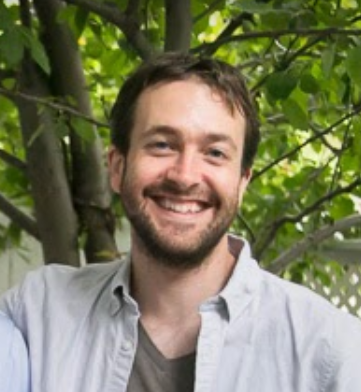
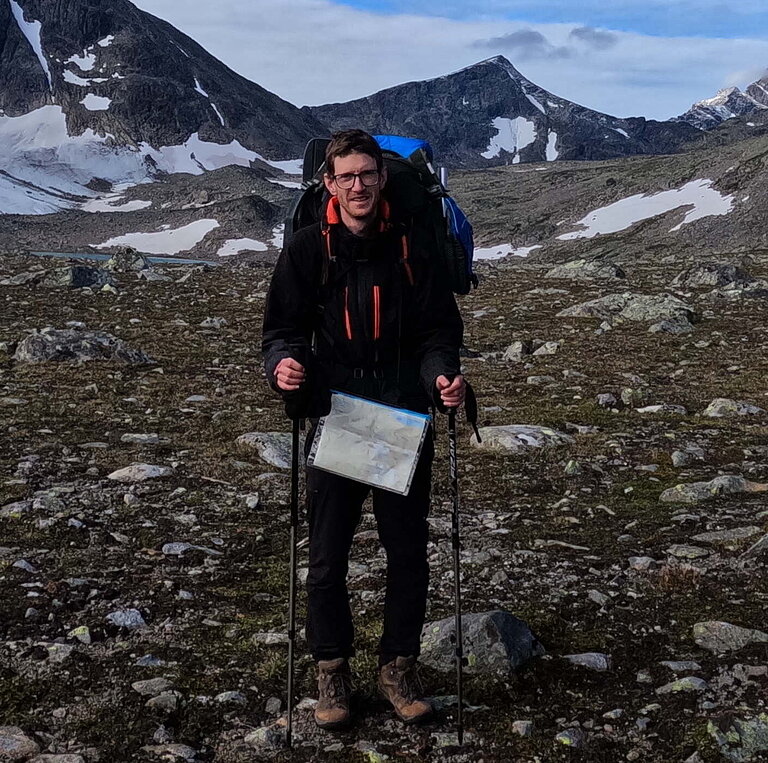
Adam Runions is a researcher in the Department of Computer Science at the University of Calgary, leading the MPG Partner Group in computational analysis of leaf development through collaborative work with Miltos Tsiantis. His group is embedded in the Graphics Cluster, focusing on interdisciplinary problems at the intersection of computer science and developmental biology. University of Calgary - Department of Computer Science MPG Partner Group (2022) Graphics Cluster affiliation His research explores computational modeling and analysis of plant form and development across multiple scales, integrating geometric modeling, physically-based simulation, and computer-aided design. Key themes include plant morphogenesis, self-organization of natural forms, and cross-disciplinary applications in computer graphics and animation. Recent publications emphasize plant development (leaf shape, bark patterning), mathematical modeling (auxin-driven patterning), and geometric techniques (subdivision surfaces, PUPs). Collaborations span institutions like the Max Planck Institute for Plant Breeding Research. Scientific Awards Marie Sklodowska-Curie Fellowship Best Paper Award (International Conference on Cyberworlds 2015) Best Student Paper Award (Computer Graphics International 2011) The group actively recruits BSc, MSc, and PhD students with backgrounds in computer science and mathematics for projects on plant form simulation and digital content creation. Research integrates evolutionary biology, biomechanical modeling, and computational techniques.
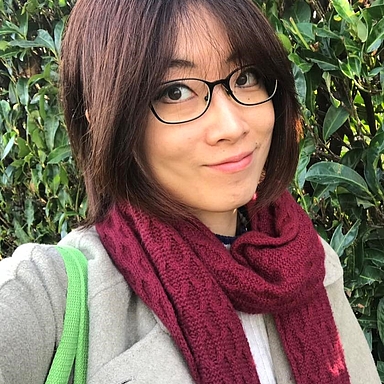
Qiaowei Pan is a Researcher at the University of Lausanne , focusing on Evolution and Ecology . They have held a Guest Researcher role at the Institute of Molecular Biology gGmbH (IMB) in Mainz, Germany since 2023, and a Postdoctoral Researcher position at the University of Lausanne since 2018. Education: PhD in Molecular and Evolutionary Biology (2014-2018), INRAe, University of Rennes II, France Erasmus Mundus Master in Evolutionary Biology (MEME) (2012-2014), University of Groningen (Netherlands) & University of Montpellier II (France) BSc in Biology (2008-2012), University of North Carolina-Chapel Hill, USA Research Interests: Qiaowei Pan's work centers on the intersection of molecular genetics , evolutionary biology , and developmental biology , particularly in sex determination mechanisms across diverse animal models. Their studies span non-coding RNA regulation , sex chromosome evolution , and signal transduction pathways like TGF-β in reproductive systems. Publication Trends: Recent articles highlight expertise in sex determination systems (5/12 publications), genomic approaches (6/12), and fish developmental evolution . Collaborative work includes computational methods ( RADSex workflow ) and comparative studies across ant , goldfish , catfish , and cavefish models. Labs & Teams: Currently affiliated with the Keller-Valsecchi group at IMB and the Department of Evolution and Ecology at the University of Lausanne.
Prof. Dr. Nina Gantert is a distinguished Professor of Probability Theory at the Technical University of Munich (TUM) , affiliated with the TUM School of Computation, Information and Technology . She has held faculty positions at Karlsruhe Institute of Technology and the University of Münster prior to joining TUM in 2011. Her research focuses on probability theory , particularly stochastic processes , large deviations , and random media . She investigates random walks in random environments as models for transport in disordered systems and explores applications in physics and biology . Recent publications highlight her work on branching random walks , mixing times , biased random walks , and large deviation principles for complex stochastic systems. She has co-authored studies on random walks in dynamical percolation , interacting edge-reinforced processes , and extremal point processes in branching models. Scientific Awards: Elected fellow of the IMS (2016) Her academic career spans institutions including ETH Zürich, University of Bonn, Technical University of Berlin, and TUM. She has supervised numerous Bachelor’s and Master’s theses on topics ranging from mixing time analysis to percolation theory , often collaborating with international co-authors.
Kyung-Ho Cha serves as Junior Professor of Modern German Literature at the University of Bayreuth's Faculty of Languages & Literature within the Department of New German Literature. His academic journey includes studies at Bonn, Oxford, and Columbia University, followed by doctoral work at Technical University Berlin completed in 2010. His research centers on three interconnected domains: literature-science intersections with focus on evolutionary biology and Walter Benjamin's writings; literary representations of migration; and human rights discourse in contemporary literature. This tripartite framework informs his critical analysis of authors like Elfriede Jelinek and Fatih Akin. Cha's publications reveal consistent engagement with transnational themes, particularly examining German-Turkish cultural dynamics, refugee narratives, and ethical dimensions of literary representation. His work demonstrates methodological rigor in bridging literary analysis with philosophical and scientific discourse. German National Merit Foundation Fellowship DAAD Fellowship ICI Berlin Institute Fellowship DFG Fellowship Volkswagen-Foundation Support Harvard Mahindra Humanities Center Fellowship (2011-2012) Cha has directed significant research projects including the DFG-funded 'Seelenwanderung und literarische Kommunikation' at Freie Universität Berlin and contributed to the DFG Graduiertenkolleg 'Körper-Inszenierungen'. His editorial work on human rights literature demonstrates leadership in establishing interdisciplinary scholarly dialogues. Current research continues to explore migration narratives within the 'Future Migration' initiative at Bayreuth.
Max Planck Institute for Evolutionary AnthropologyGermany
Benedict King is a postdoctoral researcher in the Department of Linguistic and Cultural Evolution at the Max Planck Institute for Evolutionary Anthropology, where he contributes to the Comparative Oceanic Linguistics (CoOL) team. His research focuses on constructing phylogenetic trees of language relationships using Bayesian methods to explore language origins, spread, and evolutionary dynamics. He holds a BA in Natural Sciences from the University of Cambridge (UK), a PhD in Evolutionary Biology from Flinders University (Australia), and previously worked as a Postdoctoral Research Associate at Naturalis Biodiversity Center (Netherlands). King’s research interests bridge evolutionary biology, paleontology, and linguistics. He investigates evolutionary transitions in early vertebrates (e.g., placoderms, coelacanths) and applies computational models to study language evolution. His work emphasizes improving phylogenetic methodologies and integrating fossil evidence with statistical frameworks. Notable projects include analyzing Philippine language migrations and reconfiguring actinistian phylogenies through Devonian fish fossils. His publications reflect interdisciplinary strengths, combining vertebrate paleontology with linguistic phylogenetics. Recent work supports rapid Austronesian expansions and hybrid Indo-European language origins. Awards include the Oxford University Press Prize for Biosciences and recognition for his PhD publication. King actively engages in public science communication through platforms like The Conversation and GitHub repositories.
Max Planck Institute for Biological IntelligenceGermany
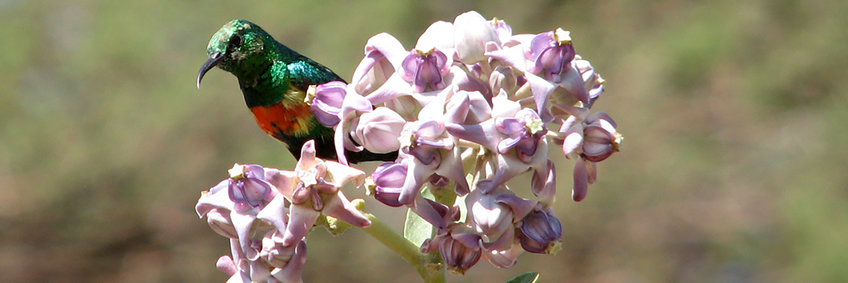
Maude Baldwin is the Director of the Evolution of Sensory and Physiological Systems department at the Max Planck Institute for Biological Intelligence. Her research focuses on the molecular and physiological mechanisms underlying sensory receptor evolution in vertebrates, particularly in birds. Education : Ph.D. from Harvard University (Department of Organismic and Evolutionary Biology, 2007-2014); B.A. from New York University (Gallatin School of Individualized Study, 2005). Research Interests include: Evolution of taste receptors, such as the repurposing of savory receptors for sweet detection in hummingbirds. Convergent evolution in sensory systems across vertebrates. Integrative approaches combining molecular methods, cell culture, and behavioral studies. Impact of dietary shifts on ecological and physiological adaptations. Publication Trends reveal a focus on comparative genomics , protein evolution , and sensory system adaptation , with specific attention to bird taste receptors , gene loss , and echolocation genetics . Labs & Teams : Baldwin leads a multidisciplinary team at the Max Planck Institute, recruiting researchers in comparative genomics , organoid technology , and vertebrate natural history . The group investigates sensory-diet coevolution and physiological trade-offs.
Prof. Dr. Ina Christin Meier serves as Head of Department and Head of Research Unit for Functional Forest Ecology at the University of Hamburg, within the Faculty of Mathematics, Computer Science and Natural Sciences. She is affiliated with the Institute of Wood Sciences (Institut für Holzwissenschaften) in the Department of Biology, where she leads research on forest ecosystem responses to global environmental changes at Ohnhorststrasse 18, 22609 Hamburg. Dr. Meier's research focuses on the impacts of global change factors —including increasing atmospheric CO 2 concentration, summer drought, nitrogen deposition, and intensified management—on the biogeochemistry and biodiversity of temperate, boreal, Mediterranean, and global forest biomes. Her work spans functional ecology of forest trees and grasslands , interactions between roots, mycorrhizal fungi and soil , ecophysiology , and long-term changes in forest ecosystems . She has made significant contributions to understanding root carbon allocation, tropical forest responses to climate change, and the role of mycorrhizal relationships in forest ecosystems. Analysis of Dr. Meier's publication record reveals a strong emphasis on belowground ecology and global change biology , with particular attention to root systems across diverse biomes. Her research bridges plant physiology, ecosystem ecology, and climate science, often synthesizing data from multiple studies to identify broader patterns. She frequently investigates how carbon allocation to root exudates affects soil sequestration and drought response, and has developed important frameworks for understanding root trait responses to multiple global change drivers. Dr. Meier actively collaborates with international research teams across continents. Her work on Nature's Contributions to People has demonstrated that securing essential ecosystem services requires maintaining at least 20-25% semi-natural habitat in human-modified landscapes. She also investigates the chemical complexity of root exudates and their ecological significance, contributing methodological advances to this challenging area of research.
Rhenish Friedrich Wilhelm University of BonnGermany
Prof. Waldemar Kolanus leads the Molecular Immunology and Cell Biology department at the University of Bonn's Life & Medical Sciences Institute (LIMES) . His research bridges immunoregulation , stem cell dynamics , and metabolic stress responses in immune cells. Unit 2 member at LIMES Principal investigator in SFB 704 and ImmunoSensation Cluster Leads a multidisciplinary lab with postdocs, PhD students, and technical staff His work focuses on intracellular signaling pathways connecting immune activation to tissue homeostasis, particularly through: Cytohesin proteins in integrin-mediated adhesion and migration TRIM71 in stem cell regulation and congenital hydrocephalus High-salt environments affecting macrophage function Publication trends show expertise in immune cell migration , genetic models , and chemical inhibition , with frequent use of mice and zebrafish for in vivo studies. Key articles explore: TRIM71's dual role in auditory development and germ cell maintenance Cytohesin family's Golgi regulation and insulin signaling Ruxolitinib's off-target migration inhibition of dendritic cells Contact details: Address: LIMES Institute, Carl-Troll-Straße 31, Bonn Email: kolanus.sekretariat@uni-bonn.de Phone: +49 228 73-62788
Helmholtz Association of German Research CentersGermany
Dr. Sabine Krabbe is a Group Leader at the German Center for Neurodegenerative Diseases (DZNE) in Bonn, Germany, where she leads research on neural circuit mechanisms underlying adaptive learning and state-dependent decision-making. Her work integrates neuroscience, molecular biology, and behavioral approaches to understand how internal states influence behavior and how these processes are disrupted in neurological disorders. Dr. Krabbe's research focuses on the interactions between midbrain circuits of the substantia nigra and ventral tegmental area with their output structures such as the striatum and amygdala. She investigates how these networks integrate internal states with environmental cues to produce appropriate behavioral responses. Her laboratory employs state-of-the-art techniques including deep-brain calcium imaging at single-cell resolution in mice, opto- and pharmacogenetic manipulations, anatomical tracings, and molecular approaches to characterize neural circuit elements in detail. Her recent publications reveal significant insights into amygdala interneuron plasticity during fear learning, brain-wide representational drift in memory consolidation, and the molecular mechanisms underlying Parkinson's disease progression. Her work demonstrates how activity patterns within specific neural circuits change in early stages of neurodegenerative diseases and how this dysfunction contributes to cognitive deficits and emotional disturbances. Dr. Krabbe is actively involved in the neuroscience community, organizing the BonnBrain Conference 2026 and sharing research through social media platforms. She has established herself as an emerging leader in the field of systems neuroscience with a particular focus on the neural basis of emotional states and decision-making processes.
Konstantinos Anastassiadis is a Professor at the Center for Molecular and Cellular Bioengineering (CMCB) of Dresden University of Technology , leading the Stem Cell Engineering group at the Biotechnology Center (BIOTEC) . His research focuses on unraveling molecular pathways regulating stem cell self-renewal and lineage commitment, with a strong emphasis on genetic engineering tool development and epigenetic mechanisms during cellular reprogramming. The lab utilizes mouse and human embryonic stem cells, neural stem cells, mesenchymal stromal cells, and induced pluripotent stem cells (iPSCs) in their investigations. Core Research Areas: Molecular regulation of stem cell fate Epigenetic mechanisms (e.g., UTX/UTY histone demethylases) Genetic engineering tool development (Flp, Dre, Vika recombinases, CRISPR protocols) Conditional immortalization systems for rare cell expansion Publications highlight his contributions to understanding: Role of histone methyltransferases (MLL1, MLL2, Setd1b) in hematopoiesis and cancer Epigenetic regulation during mouse development and spermatogenesis Genetic tools for protein tagging, transposon-mediated BAC transgenesis Interactions between stem cells and niche microenvironments Transcriptional and mechanical markers during reprogramming Collaborations span immunology , developmental biology , and bioinformatics . The lab actively participates in teaching activities at CMCB and maintains a focus on translational applications of stem cell research.
Prof. Dr. Oliver Krüger is a behavioral ecologist and evolutionary biologist at Bielefeld University 's Faculty of Biology , where he leads the Department of Animal Behaviour since 2013. His research spans avian and marine mammal systems, focusing on life history strategies, parasite-host interactions, and environmental adaptation. Education: Biology studies at Bielefeld University (1994-1996) MSc in Oxford (1996-1997) PhD at Bielefeld University with Fritz Trillmich and Jan Lindström (1998-2000) Research Themes: Behavioral ecology, evolutionary biology, and population dynamics across tropical and temperate ecosystems. Key projects include NC³ (Niche Choice/Construction) and studies on Galápagos sea lions, common buzzards, and pinniped species. Scientific Leadership: Spokesperson, SFB TRR 212 "NC³" (2018-2025) Advisory Board member: German Ornithologists Union, IUCN SSC pinniped group, German Primate Centre Peer review roles: Humboldt Foundation, DFG, HFSP, NSF Awards: Leopoldina Prize (2001) Niko Tinbergen Award (2008) DFG Heisenberg Professorship (2010-2015)
Prof. Dr. Markus Meissner is a Professor at the Faculty of Veterinary Medicine, Ludwig Maximilian University of Munich, leading the Chair of Experimental Parasitology. His research focuses on the molecular mechanisms of host cell invasion and modulation by Apicomplexan parasites, particularly Toxoplasma gondii and Plasmodium species. Research Group: Meissner Laboratory Location: Lena-Christ-Str. 48, 82152 Planegg-Martinsried Contact: markus.meissner@lmu.de His work investigates the secretory pathway of parasites, vesicular trafficking systems, and essential genes involved in host cell invasion and intracellular development. Toxoplasma gondii serves as a model organism for studying Apicomplexan biology, including nuclear division and CRMP complex functionality. Recent publications highlight the role of Rab GTPases in protein trafficking, chromatin remodeling in Plasmodium, and actin dynamics in parasite motility. Articles span topics such as egress factors, Golgi pathways, and lineage-specific organelle emergence, reflecting a multidisciplinary approach combining molecular biology, cell biology, and evolutionary analysis. The Meissner Lab includes PhD students (Peipei Qin, Yuan Song, Ella Schadt, Vitoria Catschor dos Santos) and postdocs (Dr. Wei Li, Dr. Miriam Rafajlovic). Research is conducted in Lena-Christ-Str. 48, Planegg-Martinsried, with a focus on experimental systems for studying parasite mechanisms.
Anna Levina is an Assistant Professor for Computational Neuroscience at the University of Tübingen , affiliated with the Department of Computer Science under the Faculty of Science. Her research focuses on the self-organization of neuronal activity, critical dynamics in neural networks, and the excitation/inhibition balance in cortical circuits. Current positions: Assistant Professor (since 2018), Group Leader (2017-2018), Equality Officer (Computer Science) Previous roles: IST Fellow (2015-2017), Associated Researcher (2011-2015), Postdoc/PI (2011-2015), Postdoc (2008-2011) Her research integrates mathematical modeling , statistical physics , and computational neuroscience to study criticality phenomena, neural avalanches, and adaptive network dynamics. Key interests include: Self-organized criticality in neural systems Excitation/Inhibition balance mechanisms Network topology and dynamics Timescale analysis in neural processing Stochastic modeling of neural activity Recent publications reveal trends in understanding critical dynamics across biological and artificial networks, with applications to memory systems, sensorimotor integration, and disease modeling. She has received recognition as an IST Fellow .
Leibniz Institute for Research on Evolution and Biodiversity at the Humboldt University BerlinGermany
Dr. Peter Bartsch serves as curator of the fish collection and construction project officer at the Museum für Naturkunde (MfN), Leibniz Institute for Evolution and Biodiversity Science, which is affiliated with Humboldt University Berlin. With expertise in ichthyology, embryology, and comparative anatomy, Dr. Bartsch has been instrumental in the museum's collection management and building renovation projects since joining the institution as a research associate before becoming curator in 2000. Dr. Bartsch received his academic training in ichthyology, embryology, and comparative anatomy at the University of Cologne. His academic career includes positions as a research assistant at the University of Tübingen and a postdoctoral fellowship at the Natural History Museum in Stockholm before joining the Museum für Naturkunde. Dr. Bartsch's primary research focuses on the evolution and systematics of major groups of bony fishes (Osteichthyes), with particular emphasis on primitive ray-finned fish lineages. His work integrates morphological analysis of both fossil and extant species to understand evolutionary relationships. A significant portion of his research centers on the developmental biology of ancient fish groups, especially the Polypteridae (bichirs), examining embryonic development, skeletal formation, and sensory systems. More recently, his interests have expanded to include the logistics and optimal management of research collections, reflecting his administrative responsibilities at the museum. Analysis of Dr. Bartsch's recent publications reveals a consistent focus on fish morphology, evolution, and development, with particular attention to primitive actinopterygian lineages. His work spans both systematic taxonomy and functional morphology, with increasing attention to museum collection management challenges. The publications demonstrate expertise in comparative anatomy across diverse fish groups including chondrichthyans (sharks, rays, and chimaeras) and basal actinopterygians. Recent work shows integration of molecular phylogenetic approaches with traditional morphological analysis. Dr. Bartsch has held significant administrative roles at the Museum für Naturkunde, serving as head of the collections department from 2011 to 2013. He was responsible for the museum's construction program for the east wing reconstruction, completed in 2010, which created modern facilities for the storage and scientific processing of the museum's wet collections. Currently, he manages the second phase of the building's renovation that began in 2011 and participates in planning for the future development of the museum's facilities. The Museum für Naturkunde houses extensive ichthyological collections that form the basis for Dr. Bartsch's research. His work involves close collaboration with various research teams within the museum, particularly in the areas of molecular phylogenetics, collection preservation, and paleontological research. The museum's facilities include specialized laboratories for morphological analysis, molecular studies, and collection management that support his research activities.
Tobias Dick serves as Professor and Head of the Division of Redox Regulation at the German Cancer Research Center (DKFZ) in Heidelberg, maintaining a primary affiliation with Heidelberg University's Faculty of Biosciences. His leadership spans molecular switch research within the SFB/TRR186 consortium focusing on spatio-temporal control of cellular signal transmission. Academic Background: PhD in Biochemistry, Freie Universität Berlin (1997, summa cum laude) Habilitation in Biochemistry, Heidelberg University (2009) Diploma thesis at German Cancer Research Center (1994) Study program in Biochemistry, Freie Universität Berlin (1989-1994) Research Focus: Dick pioneers investigations into thiol-based redox switches governing cellular signal transduction. His work establishes fundamental mechanisms of peroxiredoxin-mediated hydrogen peroxide signaling, protein persulfidation dynamics, and sulfur-based radical scavenging systems. Key contributions include developing real-time imaging probes for redox species and elucidating redox relays connecting peroxiredoxins to transcription factors like STAT3. Current research explores hydropersulfide protection against ferroptosis and metabolic adaptation through redox-sensitive enzymes. Publication Trends: Over 15 years of high-impact publications reveal an evolutionary trajectory from foundational redox imaging techniques (2008-2011) to sophisticated molecular mechanism studies (2013-2020), culminating in recent breakthroughs on sulfur signaling in cell death pathways (2023). His work consistently appears in premier journals like Nature Chemical Biology , demonstrating sustained innovation in redox biology methodology and conceptual frameworks. Scientific Recognition: ERC Advanced Grant (2017) Society for Free Radical Research Europe Basic Science Award (2017) Chica- and Heinz-Schaller-Award for young scientists (2009) Marie Curie Excellence Grant (2004) DFG Postdoctoral Fellowship (1998-2000) Studienstiftung des Deutschen Volkes Scholarship (1989-1994) Leadership & Mentorship: As founding vice-coordinator of DFG priority program SPP1710 (2014-present) and GBM Redox Biology Study Group (2011-2017), Dick shapes national research agendas. His division at DKFZ mentors next-generation scientists through ERC and DFG-funded projects, with trainees contributing to landmark publications on redox switches and cellular physiology. Research Infrastructure: The Division of Redox Regulation operates within DKFZ's state-of-the-art facilities, collaborating extensively through the SFB/TRR186 consortium. This environment enables cutting-edge investigations into redox-controlled cellular processes using advanced biochemical, imaging, and computational approaches.