Laura Hammond is a Senior Lecturer in Forensic and Investigative Psychology and Director of the Crime and Society Research Centre at Birmingham City University. Her work emphasizes real-world impact through collaboration with police forces, victim support charities, and national organizations like the Home Office and Ministry of Justice. She focuses on investigative processes, victim experiences, and evidence-based policy.
Eugene Kennedy is a Professor in the Department of Educational Research at Louisiana State University's College of Human Sciences & Education. Holding a PhD in Educational Research Methodology from the University of South Carolina (1990), Kennedy's career spans academic research, state education departments, and technical consulting roles. His work focuses on educational effectiveness, psychometrics, and technology integration in education. Bachelor's: Sociology, Benedict College (1977) Master's: Educational Statistics & Measurement, University of Iowa (1982) PhD: Educational Research, University of South Carolina (1990) Kennedy's research interests include educational research methodology , psychometrics , school effectiveness , STEM education , data-driven decision making , and learning analytics . His recent publications demonstrate increasing focus on AI's role in education and data-driven strategies for improving educational outcomes. His academic work shows trends in educational technology integration , quantitative research methods , and STEM equity initiatives . Key themes include using data mining for educational insights, technology tools for school leadership, and innovative teaching strategies to improve student outcomes. Kennedy has participated in grants including: Co-PI for Evaluation proposal for the EBRPS American Recovery and Reinvestment Act Program (2010-2011) PI for Longitudinal Study with University of Louisiana Lafayette (2008-2009) Contact: ekennedy@lsu.edu | 221 Peabody Hall | 225-578-2193
Renaud Crespin serves as a CNRS Junior Professor at Sciences Po's Centre for the Sociology of Organisations (CSO), where his research integrates the sociology of public action, science and technology studies, and labor sociology to examine how health and environmental policies are rationalized through technical instruments and scientific expertise. His work critically analyzes the transnational circulation of policy instruments like screening tests across domains including blood donation, HIV/AIDS response, road safety, and drug policy. His academic credentials include: PhD in Political Science from Pantheon-Sorbonne University (2003), with dissertation on "Appropriation and public regulation of a biological tool: The social career of HIV tests, a comparative study (France, USA, Canada, Netherlands)" DEA (M.Phil) in Organisations and Public Policy from Pantheon-Sorbonne University (1995) Master's degree in Political Science from Pantheon-Sorbonne University (1994) Crespin's research reveals how seemingly neutral technical tools become embedded in complex power relations that shape professional practices and policy outcomes. His comparative studies demonstrate how instruments like workplace drug testing technologies travel across national contexts while being adapted to local organizational practices. Recent work examines pandemic response models, environmental risk assessment, and the ecosystemic approach to workplace addiction prevention, highlighting tensions between scientific evidence and political decision-making. As co-leader of the CSO's Knowledge, Science and Expertise research program since 2017, Crespin has fostered interdisciplinary dialogue on expertise in governance. His leadership extends to the CNRS' Institute for Humanities and Social Sciences scientific board (since 2014) and the CNRS' interdisciplinary commission on Methods, practices, and communications of science and techniques (since 2017). He has significantly contributed to public policy through appointments to the Observatory on Health Care Professionals' Quality of Life at Work (2018-2020) and the ANSES Environment-Health-Work national research programme's scientific committee (2014-2018).
Donald A. Dripps serves as the Warren Distinguished Professor of Law at the University of San Diego School of Law, where he has been a faculty member since 2004. His academic career includes previous appointments as assistant professor at the University of Illinois College of Law, visiting professor at Duke University School of Law, visiting professor at Cornell University Law School, and James Annenberg Levee Professor of Criminal Procedure at the University of Minnesota Law School. He clerked for the Honorable Amalya Kearse of the Second Circuit Court of Appeals in New York City. Dripps earned his JD from the University of Michigan in 1983, where he served as editor-in-chief of the Michigan Law Review and was inducted into the Order of the Coif. He received his BA from Northwestern University in 1980. His research focuses on the theoretical foundations of constitutional criminal procedure, with particular emphasis on plea bargaining, the void for vagueness doctrine, and the historical evolution of privacy rights. Dripps frequently examines how historical legal contexts inform contemporary constitutional interpretation, especially regarding the Fourth Amendment in the digital age. His work bridges doctrinal analysis with practical criminal justice concerns, exploring systemic feedback loops in criminal justice reform and the philosophical basis of constitutional rights. Dripps's scholarship reveals consistent engagement with emerging challenges in constitutional interpretation, including undefined consent in sexual assault statutes, federalism issues in criminal jurisdiction, and the constitutional dimensions of police surveillance. His publications demonstrate a methodological approach that combines historical analysis with contemporary doctrinal challenges to develop more coherent frameworks for constitutional criminal procedure. Editor-in-chief of the Michigan Law Review Member of the Order of the Coif As a leading scholar in criminal procedure, Dripps has shaped academic and practical understanding through his influential casebooks and law review articles. His work on institutional reform injunctions represents a significant contribution to one of the most dramatic developments in the field in recent decades. His scholarship consistently addresses the relationship between procedural rules and substantive justice outcomes in the criminal justice system.
Dr. Jesse Vermaire is an Associate Professor in the Department of Geography and Environmental Studies at Carleton University . With a Ph.D. from McGill University and M.Sc. from the University of New Brunswick, his research focuses on the impacts of environmental change on freshwater ecosystems, particularly climate warming, nutrient enrichment, and extreme events like droughts and storm surges. His lab employs paleolimnological techniques and long-term datasets to study ecosystem resilience and recovery. Education: B.Sc. Honours (University of Guelph), M.Sc. (UNB), Ph.D. (McGill) His work spans multiple subfields, including microplastic pollution, metal contamination from historical mining, wildfire effects on lakes, and riparian development impacts. Recent publications highlight studies on plastic ingestion by Arctic seabirds, legacy arsenic pollution in Cobalt, Ontario, and critical thresholds for freshwater conservation. Collaborations with researchers like S.J. Cooke and J.P. Smol demonstrate his interdisciplinary approach. Key trends in his 15 most recent articles include: 1) Quantifying microplastic pollution in diverse ecosystems (Arctic, mangroves, agricultural soils); 2) Analyzing historical contamination impacts (arsenic, gold, lead mining); 3) Investigating climate-fire-sediment interactions; 4) Advancing monitoring methodologies (community science, multi-matrix sampling); 5) Critiquing environmental restoration practices; and 6) Developing evidence-based conservation frameworks.
Meghan Gandy serves as Assistant Professor of Practice and Undergraduate Program Director in the Department of Nutritional Sciences at Texas Tech University's College of Health & Human Sciences, joining the faculty in 2022 after two decades of professional experience. Her academic credentials include: Bachelor of Science in Food and Nutrition from Texas Tech University Master of Science in Nutritional Science from Texas Tech University Dietetic Internship at Texas Tech University As a Licensed and Registered Dietitian (RDN), her clinical expertise spans cardiac and diabetes care, weight management, long-term care nutrition, and corporate wellness programs, with emphasis on translating evidence-based practices into real-world applications across diverse healthcare settings. Professional recognition includes: Young Dietitian of The Year (2011) from the Texas Academy of Nutrition and Dietetics
Christopher Cramer is a Professor in the Department of Development Studies at SOAS University of London. He joined SOAS part-time in 1993 and full-time in 1996 after teaching in Cambridge and Maputo, Mozambique. He has served as Head of the Department of Development Studies and is currently Co-Director of the Development Leadership Dialogue (DLD) at SOAS. He designed and launched the MSc Violence, Conflict and Development, which marked its 25th year in 2025. Cramer earned his PhD in Economics from the University of Cambridge in 1994 with a thesis titled The Political Economy of War in Angola and Mozambique . Before joining SOAS, he worked for the Economist Intelligence Unit (EIU) and the Macroeconomic Research Group (MERG) in South Africa during its democratic transition. Professor Cramer's research focuses on structural change, high value agriculture, industrial policy, development strategy, extreme deprivation, war to peace transitions, and labor in value chains. His work primarily draws on field research in Southern Africa and Ethiopia, with additional projects in Colombia and Brazil. He has made significant contributions to understanding the political economy of violence and conflict in developing countries, challenging conventional wisdoms about economic performance in African contexts. His recent work has increasingly focused on high-value agricultural exports as pathways to structural transformation, particularly examining how classification systems affect production processes. His recent publications show a strong emphasis on African economic development, with particular attention to labor conditions in global value chains and innovative approaches to measuring extreme deprivation. Cramer's work often challenges mainstream development economics frameworks, especially through his critiques of the Lewis Model, while developing practical tools like the Extreme Deprivation Index for poverty measurement in rural contexts. Editorial Board Member, Journal of Southern African Studies (1996-present) Fellow of the Academy of Social Sciences (2016) Visiting Professor at University of Johannesburg (2020) Professor Cramer has supervised numerous PhD students working on diverse topics including coffee policy in Ethiopia, non-state security actors in Nigeria, rural labor regimes in Sudan, and labor retention in Ethiopia's apparel industry. He designed and launched the pioneering MSc Violence, Conflict and Development program at SOAS, which celebrated its 25th anniversary in 2025. In 2025, he also started the innovative module Structural Change and Economic Development in Africa (SCEDA), co-designed with the Mandela School of Public Governance in South Africa, taught synchronously to cohorts at both institutions. As Co-Director of the Development Leadership Dialogue (DLD), Cramer leads an institute focused on understanding the political economy of development. He has served on various committees including the Royal African Society (as former Vice Chair), the University of London's Centre of African Studies (as former Chair), and SOAS committees including the Honorary Degrees Committee and the project board for the Paul Webley Wing construction project.
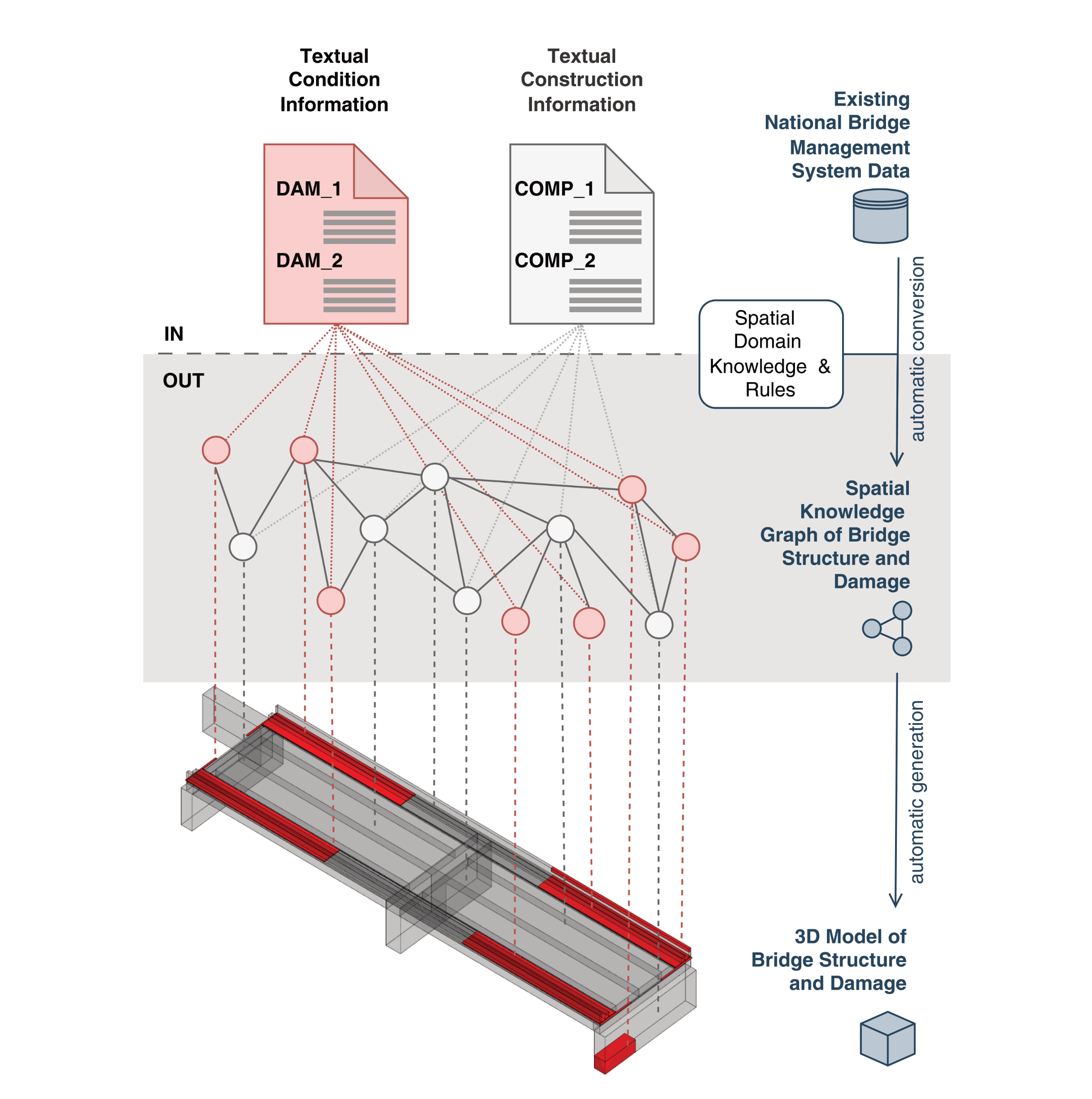
Prof. Dr. Jakob Beetz serves as a University Professor at RWTH Aachen University's Faculty of Architecture, leading the Design Computation (DC) research group. His work addresses critical challenges in sustainable built environments through digital innovation, focusing on integrating knowledge, information, and data across disciplines to reduce the sector's energy and material consumption—which accounts for over one-third of global totals—while advancing climate goals under the European Green Deal. His research spans Building Information Modeling (BIM), digital twins, and artificial intelligence, with emphasis on graph-based data federation, semantic web technologies, and large language models in construction. Key interests include evidence-based planning, parametric design optimization, building physics simulation, and networked knowledge modeling. Recent projects explore federated digital twin ecosystems for infrastructure management, intelligent damage assessment systems, and AI-driven solutions for wood structure preservation, directly contributing to sustainable development targets. Analysis of his 2024-2025 publications reveals a cohesive trajectory toward decentralized data environments and AI integration in Architecture, Engineering, and Construction (AEC). His work bridges theoretical foundations in knowledge representation with practical applications in bridge maintenance, road infrastructure, and timber construction, demonstrating consistent innovation in spatial data querying, federated issue management, and ontology-based process modeling. Prof. Beetz actively supervises PhD candidates, as evidenced by DC.Promotions 2024, and drives international collaboration through events like the Forum Construction Informatics 2025 and CIB W78 conferences. His research group engages with industry standards including Industry Foundation Classes (IFC) and Common Data Environments (CDEs), emphasizing open data principles and interoperability to transform construction workflows.
Valérie Guillard is a Professor of Management Science at Paris-Dauphine University, specializing in consumer behavior and sustainable consumption practices. Her academic career spans multiple decades with significant contributions to understanding consumer psychology related to material objects, waste management, and ecological transition. Dr. Guillard's research primarily focuses on consumer psychology, particularly examining how individuals relate to objects throughout their lifecycle, with special attention to second-hand markets, deconsumption practices, and waste perception. Her work bridges marketing theory and environmental sustainability, exploring the psychological dimensions of sustainable consumption behaviors. She coordinates a research contract funded by ADEME (French Environment and Energy Management Agency) on waste-related themes, demonstrating the practical application of her academic work. Her publication record shows a clear evolution toward sustainability-focused research, with recent articles examining textile ethics, perceived obsolescence among eco-conscious consumers, and the social dimensions of deconsumption. The interdisciplinary nature of her work is evident in publications spanning marketing journals, environmental science publications, and healthcare research outlets, particularly in her more recent work on telehealth and patient perceptions. Dr. Guillard has authored multiple books including 'Comment consommer avec sobriété' (2021), 'Comportements du consommateur' (2016), and 'Boulimie d'objets, l'être et l'avoir dans nos sociétés' (2014), establishing her as a leading voice in French consumer behavior research with growing international recognition. Her research methodology combines qualitative and quantitative approaches, often employing theoretical frameworks from sociology and psychology to analyze consumption phenomena. Recent work demonstrates increasing collaboration with researchers across disciplines, particularly in healthcare and regional development fields, indicating the expanding relevance of her consumer behavior expertise to diverse societal challenges.
Associate Professor Tambri Housen is a nurse-epidemiologist affiliated with Australian National University (National Centre for Epidemiology and Population Health) and University of Newcastle , where she supervises HDR candidates. With over 20 years of experience, she has worked across Africa, Asia, Central Asia, Eastern Europe, and the Indo-Pacific region in complex humanitarian emergencies, health security workforce strengthening, and cross-cultural operational research. Education: BSc in Nursing (Curtin University), MPhil in Applied Epidemiology (ANU), PhD in Epidemiology (Curtin University) Her research interests focus on: Health security workforce strengthening Cross-cultural mixed-methods research for policy and practice Operational research in humanitarian crises Evidence-based health systems strengthening Infectious disease epidemiology Global health capacity building Recent articles highlight her work on field epidemiology training impact evaluation, One Health integration in outbreak response, caregiver mental health interventions in emergencies, and workforce capacity assessments in Pacific and Southeast Asian countries. She has received recognition as a Fellow of the Higher Education Academy and leads global initiatives through WHO and GOARN partnerships. She supervises 13 HDR candidates and has secured AUD $13.6 million in research funding, primarily focused on emergency response epidemiology, maternal-neonatal care, and pandemic prevention strategies.
Alejandro J. Ganimian is an Associate Professor of Applied Psychology and Economics (with tenure) at New York University's Steinhardt School of Culture, Education, and Human Development, and a Visiting Associate Professor of Education at the Harvard Graduate School of Education. His interdisciplinary research bridges economics, psychology, and education policy to address critical challenges in educational systems, particularly in low- and middle-income countries, with a focus on transitioning from providing schooling to ensuring learning for all. Education: Doctorate in Quantitative Policy Analysis in Education (with concentration in economics) from Harvard University, where he was a fellow in the Multidisciplinary Program in Inequality and Social Policy Master's in Educational Research from the University of Cambridge, where he was a Gates Scholar Bachelor's in International Politics from Georgetown University Postdoctoral fellow at the Abdul Latif Jameel Poverty Action Lab (J-PAL) Ganimian's research centers on addressing educational challenges for "first-generation learners" in low- and middle-income countries. His methodology combines cutting-edge experimental designs from economics with innovative measures from education and psychology to evaluate causal effects of policies at scale. He specifically investigates how to prepare children for educational transitions, support teachers in large heterogeneous classrooms, and encourage principals to allocate resources to students who need them most. His work spans educational assessment, technology in education, teacher policies, and school management, with fieldwork conducted primarily in Latin America and South Asia. His research has been published in top journals including Nature , American Economic Review , Journal of Political Economy , and Review of Educational Research . Scientific Awards and Affiliations: Jacobs Foundation Research Fellow National Academy of Education/Spencer Foundation Post-Doctoral Fellow Gates Scholar Advisory-Board member at the Organization of Ibero-American States for Education, Science, and Culture (OEI) Non-Resident Fellow at the Center for Universal Education at the Brookings Institution Invited Researcher at the Abdul Latif Jameel Poverty Action Lab (J-PAL) at MIT Member of the CESifo Network on Economics of Education Ganimian actively mentors doctoral students at NYU, with primary advisee Verónica Mesalles and secondary or co-advisees including Sorana Acris, Berta Bartoli, Arja Dayal, Trenel Francis-Porter, and Jessica Siegel. His former advisees have secured prestigious positions at institutions including Oxford University, UC Irvine, Duke University, and Stanford University. He has consulted for major international organizations including the Bill & Melinda Gates Foundation, World Bank, and Inter-American Development Bank, and co-founded educational initiatives "Enseñá por Argentina" and "Educar y Crecer" in Argentina.
Dr. Ilo E. Leppik serves as Professor in the Department of Experimental and Clinical Pharmacology at the University of Minnesota College of Pharmacy and Adjunct Professor in the Department of Neurology. With over 40 years of clinical practice at UMP Epilepsy Care Minneapolis, he has established national leadership in epilepsy research and patient care. His academic credentials include: B.Sc., Chemistry (1964), Haverford College - Philadelphia, Pennsylvania M.D. (1968), University of Pennsylvania - Philadelphia, Pennsylvania Dr. Leppik's research program focuses on epilepsy in aging populations, examining pharmacokinetic changes of antiepileptic drugs in the elderly and epilepsy management in nursing homes. Current initiatives investigate naturally occurring canine status epilepticus as a translational model for novel therapeutics and Minnesota cannabis applications for epilepsy treatment, supported by NIH funding. His distinguished service includes past presidency of the American Epilepsy Society and leadership roles in the Epilepsy Foundation of America. Major recognitions feature: William Lennox Award for Lifetime Achievement (2007) International League Against Epilepsy Clinical Pharmacology Award (1986) The Penfield Award for Excellence (1975) Continuous inclusion in Who's Who in the World since 1997 As Founding and Managing Editor of Epilepsy Research (1986-2006), he shaped scholarly discourse while authoring 240+ peer-reviewed articles and seminal texts including Contemporary Diagnosis and Management of the Patient with Epilepsy (650,000+ copies). His clinical guidance extends through the Epilepsy Research and Education Program at the University of Minnesota, advancing evidence-based care for complex seizure disorders.
Tracey-Lea Laba is an Adjunct Associate Professor at the Centre for Health Economics Research and Evaluation (CHERE) within the Faculty of Health at the University of Technology Sydney. As an NHMRC Early Career (Sidney Sax) Fellow and registered pharmacist, she brings extensive clinical experience to her academic work. Her research portfolio spans health economics, pharmacoepidemiology, medication utilization, and health policy with a focus on improving health outcomes for disadvantaged populations through better use of high-value medicines for non-communicable diseases. Dr. Laba received her PhD from The University of Sydney in 2014 and was a University Medallist for her Bachelor of Pharmacy (2004). Prior to joining UTS, she held positions as a senior research fellow at The George Institute for Global Health and the Menzies Centre for Health Policy, and completed an honorary postdoctoral fellowship at The University of British Columbia. Her clinical background includes hospital and community pharmacy practice as well as pharmaceutical industry experience. Her research interests focus on health economics, drug utilization and policy, clinical trial translation, and improving medication access for non-communicable diseases. Dr. Laba has secured significant funding for projects including the Centre of Research Excellence in Medicines Intelligence (2020-2025), the ORIENT study on rural access to reproductive health services (2020-2026), and research on medication utilization patterns in cancer care and cardiovascular disease management. An analysis of her recent publications reveals a consistent focus on practical healthcare implementation challenges, with particular attention to medication access, quality improvement in primary care, and health system strengthening. Her work spans both Australian healthcare contexts and global health applications, particularly in low-resource settings in South Asia. Among her notable professional recognitions, Dr. Laba is the first health economist elected to Asthma Australia's Professional Advisory Council and the first person outside the PBAC chair to serve on both the drug utilization and economics subcommittees of the Pharmaceutical Benefits Advisory Committee. Dr. Laba actively supervises Masters and PhD students and has received funding through the NHMRC Early Career Fellowship program. Her research has been supported by multiple grants from the Medical Research Future Fund and NHMRC totaling millions of dollars across various projects focused on medicines intelligence, rural healthcare access, and global health interventions.
Craig Knoblock serves as Keston Executive Director of the Information Sciences Institute (ISI) at the University of Southern California (USC), Vice Dean of the USC Viterbi School of Engineering, and Research Professor of Computer Science and Spatial Sciences. He also directs the Data Science Program and the Center on Knowledge Graphs at USC. His educational background includes a Ph.D. and M.S. in Computer Science from Carnegie Mellon University (1991, 1988) and a B.S. with honors in Computer Science from Syracuse University (1984). Knoblock's research focuses on data semantics , specializing in source modeling, schema and ontology alignment, entity and record linkage, data cleaning, Web data extraction, and knowledge graph construction. His work bridges computer science, geospatial analysis, and artificial intelligence to solve complex data integration challenges. Recent projects emphasize historical map digitization, geospatial knowledge graphs, and smart city applications. His 300+ publications demonstrate consistent contributions to knowledge graphs and geospatial data integration, with a growing emphasis on historical map analysis and urban applications. The research trajectory shows increasing interdisciplinary collaboration across computer vision, geoinformatics, and domain-specific applications. IEEE Fellow (2020) ACM Fellow (2017) AAAI Fellow (2004) Robert S. Engelmore Memorial Lecture Award (2014) Donald E. Walker Distinguished Service Award (IJCAI, 2018) Use-Inspired Research Award (USC Viterbi, 2018) As Executive Director of ISI, Knoblock oversees one of USC's premier research centers with significant federal funding. His leadership extends to directing the Center on Knowledge Graphs and the Data Science Program. While specific grant details aren't provided, his extensive publication record and leadership roles indicate substantial research funding across data integration, knowledge representation, and geospatial applications. His work bridges theoretical computer science with practical applications in historical preservation, urban planning, and resource management through collaborative projects with government agencies and industry partners. Knoblock leads the Center on Knowledge Graphs at USC, focusing on developing techniques for building and utilizing knowledge graphs across diverse domains. His team combines expertise in artificial intelligence, geospatial analysis, and data integration to tackle challenges in historical map digitization, urban applications, and resource discovery. The research group maintains strong connections with both academic and government partners through the Information Sciences Institute's extensive network.
Dr. Hua Xu is the Robert T. McCluskey Professor of Biomedical Informatics and Data Science at Yale School of Medicine. He serves as Vice Chair for Research and Development in the Department of Biomedical Informatics and Data Science and as Assistant Dean for Biomedical Informatics at Yale School of Medicine. Dr. Xu leads the Clinical NLP Lab and is Chair of the NLP working group at the Observational Health Data Sciences and Informatics (OHDSI) program. Dr. Xu received his PhD in Biomedical Informatics from Columbia University, an MS in Computer Science from New Jersey Institute of Technology, and a BS in Biochemistry from Nanjing University. Dr. Xu is a renowned researcher in clinical natural language processing (NLP), having developed novel algorithms for important clinical NLP tasks such as entity recognition and relation extraction. His work has been top-ranked in over a dozen international biomedical NLP challenges. He has developed CLAMP, a comprehensive clinical NLP toolkit that has been successfully commercialized and adopted by hundreds of healthcare organizations worldwide. His research focuses on applying NLP technologies to diverse clinical and translational studies to accelerate clinical evidence generation using electronic health records data. Recently, he has been utilizing NLP to harmonize metadata of biomedical digital objects to promote FAIR principles in biomedicine, and his lab is actively working on developing large language models (LLMs) for diverse biomedical applications. Dr. Xu's recent publications demonstrate a clear trend toward leveraging large language models for biomedical applications. His work spans from benchmarking LLMs for clinical NLP tasks to developing specialized architectures like BiomedRAG (retrieval augmented LLMs for biomedicine). His research addresses critical healthcare challenges including adverse event extraction, oncology clinical trial analysis, and EHR-based association studies, showing how NLP can bridge the gap between unstructured clinical text and actionable medical insights. Dr. Xu's lab has achieved top rankings in numerous NLP challenges, including multiple #1 positions in i2b2 Temporal information extraction, SemEval Disease-modifier extraction, BioCREATIVE Chemical-induced disease extraction, and other prestigious competitions. His contributions to clinical NLP have significantly advanced the field's ability to extract meaningful information from complex medical texts. As the leader of the Clinical NLP Lab at Yale, Dr. Xu oversees research that forms a complete ecosystem: developing novel NLP methods, building robust software tools, and applying these technologies to clinical and translational research. His lab's work closes the loop between methodological innovation and practical healthcare applications, ensuring that advances in NLP directly benefit patient care and medical research.