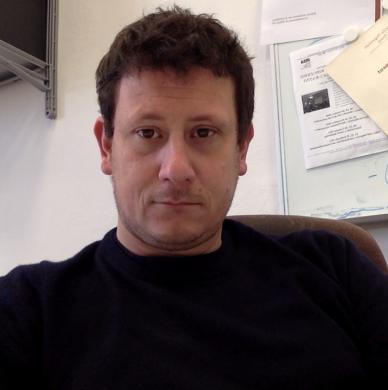
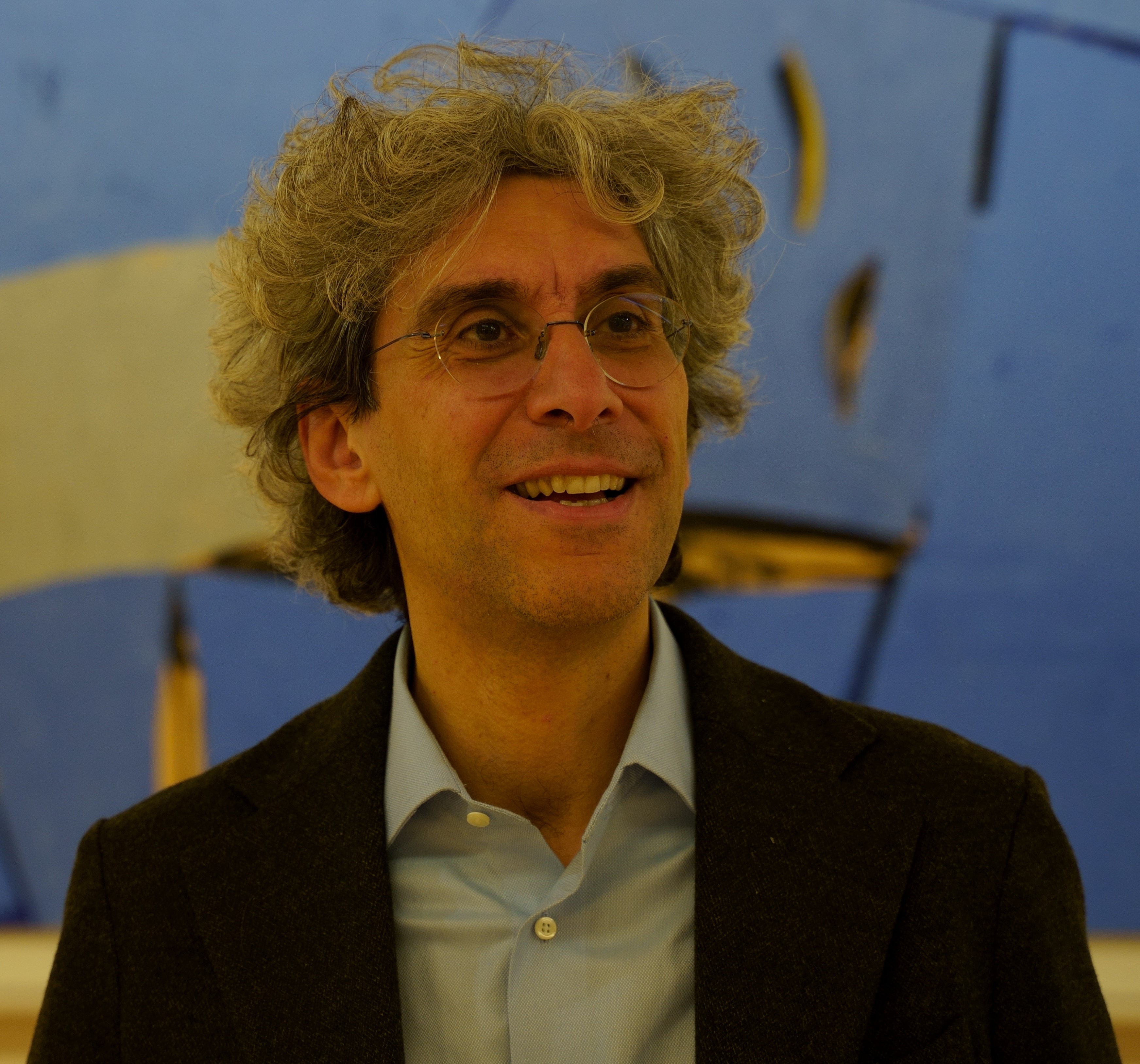
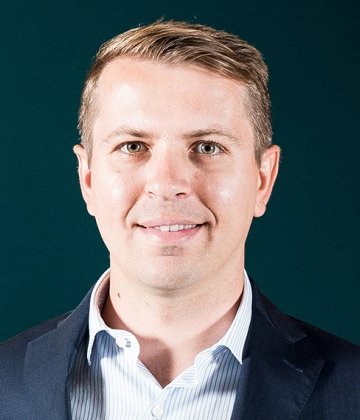
Leopoldo Trieste is a Research Fellow at Scuola Superiore Sant'Anna (SSSA) in Pisa, Italy, where he has been working since completing his PhD in Management in 2010. He holds academic qualifications including a BA in Economics Statistics and Social Science from Bocconi University (2004) and an MSc in Innovation Management from SSSA (2005). His research spans several key areas in health economics and innovation management, with particular focus on health technology assessment, cost-effectiveness analysis, and the diffusion of innovation in healthcare systems. Trieste has developed expertise in applying agent-based models and decision theory to healthcare challenges. Analysis of his recent publications (2023-2025) reveals a strong concentration on practical applications of health economics, including robotic rehabilitation technologies, Nutri-Score labeling systems, organizational models for rare diseases, and the psychological aspects of consumer food choices. His work demonstrates a consistent interdisciplinary approach bridging economics, healthcare management, and behavioral science. Trieste actively contributes to academic education through teaching courses on Innovation Management and Economics and Organization of Food Systems at SSSA, reflecting his dual expertise in both healthcare and food systems economics.
Associate Professor Sandro Mancinelli is affiliated with the University of Rome Tor Vergata's Faculty of Medicine, Department of Hygiene and Public Health. His primary role is teaching and research in Public Health and Global Health, with a focus on aging populations, infectious disease management, and healthcare system optimization. Research Interests: • Epidemiology and prevention strategies for age-related conditions like frailty and chronic diseases • HIV/AIDS transmission dynamics and antiretroviral therapy outcomes in sub-Saharan Africa • Healthcare access for vulnerable groups including migrants, elderly, and low-resource populations • Development of evidence-based tools for vaccination programs and occupational health surveillance • Public health policy analysis and cost-effectiveness evaluations Key Contributions: • Pioneered frailty assessment models in the Lazio region impacting community care policies • Led studies on healthcare access for marginalized groups including migrants and elderly populations • Authored over 100 peer-reviewed articles in public health, epidemiology, and global health Current Projects: • BRaVE Project – vaccine strategy development • Monitoring programs for elderly community-dwelling populations • Geospatial analysis of occupational health risks Labs/Teams: Active member of the Roman Public Health Academy and collaborates with international networks like DREAM (Drug Resource Enhancement against AIDS and Malnutrition).
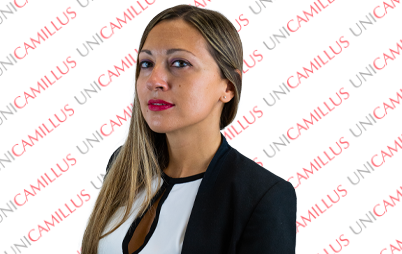
Sofia Colaceci is an Associate Professor of Obstetric-Gynecological Nursing Sciences (SSD MED/47) at UniCamillus since 2023. She holds a Bachelor's in Obstetrics (2009), Master's in Nursing and Obstetric Sciences (2012), and a PhD from the University of Rome "Tor Vergata". As Director of Studies for the Obstetrics Degree Course since 2020, she previously served as RTDa researcher (2018-2023) and ISS scholarship holder (2015-2018). Her research focuses on breastfeeding pharmacovigilance, maternal health, and reproductive care access for marginalized groups. Key areas include infant feeding during disasters, migrant healthcare barriers, and midwifery workforce dynamics. She leads studies on out-of-hospital childbirth economics, vaccination uptake during pregnancy, and qualitative analyses of pregnancy experiences among women with disabilities. Her work integrates quantitative and qualitative methods, with recent studies examining pandemic birth experiences across Italy and Spain, cultural adaptation of healthcare tools, and professional migration of Italian midwives. She has contributed to developing breastfeeding guidelines for humanitarian emergencies and improving healthcare professional training on gender-based violence prevention. Education: BSc Obstetrics (2009), MSc Nursing & Obstetric Sciences (2012), PhD (Tor Vergata) Roles: Director of Obstetrics Degree Program, UniCamillus Leadership Her research emphasizes evidence-based practice through mixed-methods studies, with particular attention to vulnerable populations including asylum seekers, migrant women, and visually impaired mothers. Current initiatives focus on standardizing midwifery care documentation and enhancing pharmacovigilance during lactation.
Thomas Hartung is an honorary full professor of Pharmacology and Toxicology, specializing in research areas including toxicology, pharmacology, and artificial intelligence applications in healthcare. He previously served as head of ECVAM (European Center for the Validation of Alternative Methods) from 2002 to 2008. His educational background includes studies in Medicine, Biochemistry, Chemistry, Mathematics, and Informatics across German institutions such as Tuebingen, Konstanz, Freiburg, Cologne, and Hagen, culminating in an MD in toxicology and a PhD in biochemical pharmacology. His research focuses on advancing evidence-based toxicology methodologies, alternative testing strategies, and the application of organoids in neurotoxicity assessment. Recent work explores AI-driven solutions for medical imaging security and standardized data integration tools for toxicology research. Hartung holds editorial roles at multiple Frontiers journals, including Field Chief Editor for Frontiers in Artificial Intelligence and Specialty Chief Editor for Medicine and Public Health in Frontiers in Big Data. He is actively involved in shaping scientific discourse through editorial contributions and topic curation, particularly in areas like predictive toxicology and AI-driven discovery. Despite his extensive academic and editorial contributions, no specific awards, grants, or lab affiliations are explicitly detailed in the provided information.
Anna Serbati is an Associate Professor at the University of Trento (UniTrento), based in the Department of Psychology and Cognitive Science. She coordinates the FormID – Teaching and Learning Center and is actively involved in educational innovation and faculty development. Her expertise spans educational technology, learning assessment, qualitative research methods, and teacher training. Her research focuses on leveraging technology for formative assessment, peer feedback mechanisms, and inclusive pedagogy. She has contributed to projects such as the REFLECT Model and the design of MOOCs to enhance academic development processes. Her work emphasizes the integration of AI and data justice principles into educational practices to foster equitable learning environments. Anna teaches courses on qualitative research methodologies, socio-territorial work, and psychology of learning. She collaborates with colleagues in interdisciplinary teams to design evidence-based curricula and assessment tools. Her publications highlight her commitment to advancing educational practices through empirical research and partnerships between students and educators. Her contributions extend to institutional initiatives, including the analysis of teaching practices and the development of guidelines for recognizing and enhancing university teaching quality. She actively engages in community-oriented projects to bridge academic research with practical educational challenges.
Giuseppe Barbiero is a University Researcher in Ecology at the Department of Human and Social Sciences at the University of Valle d'Aosta, where he teaches Biology and Ecopsychology. He serves as director of GREEN LEAF, the Affective Ecology Laboratory, and co-director of the international scientific journal Visions for Sustainability. His academic career spans over two decades with continuous research contributions since 2006. Barbiero's research primarily focuses on Affective Ecology, Ecopsychology, and the application of Biophilia theory in architectural and educational contexts. His work explores how human connection with nature affects psychological restoration, cognitive performance, and environmental behavior. He has pioneered research on biophilic design in educational settings, most notably with the development of Italy's first biophilic school in Gressoney-La-Trinité through the NASA (Nuova Architettura Sensibile Alpina) project. His theoretical framework examines biophilia as an evolutionary adaptation, investigating how different natural environments influence human wellbeing across various demographic groups. His research portfolio includes significant projects such as Puck's Woods (Forest Therapies in Italian Forests, 2018-2025), the Biosphera Project (2015-2024) focusing on biophilic design in sustainable architecture, and Green space for active living (2019-2021) examining nature's impact on elderly wellbeing. His experimental work consistently demonstrates how biophilic environments enhance attention restoration, reduce stress, and strengthen human-nature connection, particularly in educational settings. 2017 Deposit in SIAE of the Biophilic Quality Index (BQI) 2008 Formez validation of 'Revealing biophilia in children' as a good prevention practice 1995 First prize Gigi Ghirotti Committee 2018 'Ecologia Affettiva' selected for the Scientific Dissemination Prize 'G. Dosi' Barbiero leads multiple research initiatives and has established the GREEN-UniVDA research group (2021-2024). His work bridges academic research with practical applications through collaborations with schools, healthcare institutions, and architectural projects. He has developed the Biophilic Quality Index (BQI) as a tool to measure and enhance the restorative qualities of built environments, moving beyond conventional 'green architecture' to create truly biophilic spaces that support human cognitive and emotional wellbeing.
Pierluigi Claps is a Full Professor in the Department of Environmental, Land and Infrastructure Engineering (DIATI) at the Polytechnic University of Turin. He serves as a member of the Coordinating Committee of the Politecnico University Centre for Social Affairs and the Interdepartmental Center SISCON for Safety of Infrastructures and Constructions. He is also the Spoke Leader for research and innovation activities in the RETURN Foundation and leads major research initiatives including LIFE IP CLIMAX PO and the RETURN project under PNRR. He has held visiting researcher positions at the University of Melbourne and the University of Virginia. His research interests include climate change adaptation , dams safety , extreme events , flood hydrology , probabilistic risk assessment , and water resources . His work spans both theoretical and applied hydrology, with a strong emphasis on regional flood frequency analysis, climate-hydrology interactions, and the development of tools for risk assessment and infrastructure resilience. He has led numerous national (PRIN) and international (Interreg, LIFE) research projects and has contributed to major initiatives such as FLORA, RENERFOR, and CUBIST. The recent publications (2024–2025) highlight a strong focus on rainfall extremes , flood modeling , citizen science (SIREN project) , and the development of national databases such as FOCA (Flood and Catchment Atlas) and TILDE (Italian Large Dams dataset) . These works employ advanced statistical methods, GIS, and data integration techniques to address climate change impacts on hydrological extremes and infrastructure vulnerability. He has supervised multiple PhD students and serves on the doctoral college committees of both Politecnico di Torino and Università degli Studi di Catania across programs in Civil and Environmental Engineering and Defense Against Natural Risks. His teaching portfolio includes courses such as Climatology and Hydrology , Civil Protection , Water Resources Planning , and Evidence, Models, and Perceptions of Climate Change . He has also taught advanced statistical methods for climate variability assessment. He has held leadership roles in professional organizations, including President of the Italian Hydraulics Group (2012–2016), and has organized major conferences such as the EGU Leonardo Conference on Hydrology and Society (2012) and the Plinius Conference on Mediterranean Storms. He has also served on scientific committees of EGU, IAHS, and STAHY workshops.
Roberta Capitello is a Full Professor in Agricultural and Food Economics at the University of Verona. Her research focuses on consumer behavior in agro-food markets, with particular emphasis on wine economics, sustainability, and territorial branding. She leads studies on how labeling, naturalness perceptions, and digital media influence consumer choices. Her work spans policy analysis, market dynamics, and family business strategies in the agro-food sector. Education details are available in her CV (EN/IT), which also outlines her extensive publications. Office hours are held Thursdays 2-5 PM at Polo Santa Marta, Room 2.46. Her research integrates quantitative methods with qualitative insights, addressing topics like climate change impacts on viticulture, sustainable wine tourism, and cross-cultural consumption patterns. Recent work explores Generation Y preferences and the role of social media in marketing traditional products. Publications highlight interdisciplinary collaboration across economics, marketing, and environmental studies. No specific awards are listed, but her contributions are evident through frequent peer-reviewed outputs and conference activities. She participates in departmental governance and advisory roles for agro-food cooperatives.
Vicente Ríos is an Assistant Professor at the Department of Economics and Management, University of Pisa. He holds a PhD in Economics, Business and Law from the Public University of Navarre, a Master in Macroeconomic Policy and Financial Markets from the Barcelona Graduate School of Economics, and a Bachelor's in Economics from the University of Valencia. His research focuses on dynamic spatial panel data econometric models applied to economic growth, environmental quality, inequality, government quality, regional labor markets, and fiscal policy. He has published in journals like Energy Economics and Regional Studies . Ríos has consulted for Spanish regional governments on shadow economy estimation and worked at Caixa Bank and the Central Bank of Paraguay. His awards include the Spanish National Research Grant (2017), the Martin Beckmann RSAI Award (2020), and multiple regional economics accolades. His work bridges quantitative methods with policy relevance, emphasizing spatial dynamics in socio-economic phenomena. Education: PhD in Economics, Business and Law (Public University of Navarre) Master in Macroeconomic Policy and Financial Markets (Barcelona Graduate School of Economics) Bachelor's in Economics (University of Valencia) His publications analyze topics like the green transition, women's political empowerment impacts, and regional resilience. Research contributions span environmental policy, governance quality, and economic measurement innovations. Awards: Spanish National Competition for Economic Research Grants (2017) Martin Beckmann RSAI Award (2020) Alexandre Pedrós Award (2016) Juan Ramón Cuadrado Award (2014, 2016) GSSI-AISRe Award (2018)
Patrizio Campisi is a Full Professor in the Section of Applied Electronics at the Department of Engineering, Roma TRE University, Rome, Italy. He leads cutting-edge research in digital signal and image processing with applications to secure multimedia communications and biometrics. He has held visiting positions at the University of Toronto, Beckman Institute (UIUC), and École Polytechnique de Nantes, and has been a Marie Curie Fellow (2010–2014). His educational background includes a Laurea (summa cum laude) in Electronic Engineering from Sapienza University of Rome and a Ph.D. in Electrical Engineering from Roma TRE University. His research focuses on secure biometric recognition (signature, keystroke, EEG, vein), digital watermarking, blind image deconvolution, HDR imaging, and privacy-preserving technologies. He has contributed significantly to template protection, multimodal biometrics, and forensic image analysis. His work bridges engineering, computer science, and security, with strong applications in mobile authentication, border control, and social media safety. The recent publications reflect a strong trend in biometrics, image forensics, and privacy-enhancing technologies, with a focus on real-world applications in mobile systems, healthcare, and law enforcement. Key themes include secure authentication, de-identification, and computational imaging. IEEE Second International Conference on Biometric Systems 2008 Best Student Paper Award IEEE Biometric Symposium 2007 Best Paper Award IEEE International Conference on Image Processing 2006 Best Student Paper Award Marie Curie Fellow (2010–2014) NATO-CNR Advanced Fellowship (2003) IEEE Senior Member Prof. Campisi has supervised numerous students and leads the BioMedia4n6 lab. He has secured major EU grants including H2020 projects AMBER, COSMOS, and ENCASE. His editorial leadership includes serving as Editor-in-Chief of IEEE Transactions on Information Forensics and Security (2018–2020) and Chair of the IEEE Information Forensics and Security Technical Committee (2017–2018). He is actively involved in research networks such as COST Actions on de-identification and biometrics-forensics integration, and has contributed to EU policy via the BEST Thematic Network on biometrics and fundamental rights. His lab, BioMedia4n6, focuses on biometrics, multimedia forensics, and privacy-aware systems.
Marianna Traversetti is a Professor in Experimental Pedagogy at the Department of Psychology and Development and Socialization Processes, Faculty of Medicine and Psychology, Sapienza University of Rome. She has held this position since September 1, 2022, and has achieved national scientific qualification for the 1st level role in the competition sector 11/D2 Teaching, Special Pedagogy and Educational Research. Her educational background includes a Master's degree in Literature with honors from Sapienza University of Rome, a First level Master's degree in Psychopedagogy and teaching for specific learning disorders from Roma Tre University, and a Doctorate in Educational Research with honors from Roma Tre University. Professor Traversetti's research focuses on inclusive education, special educational needs, reading comprehension strategies, and evidence-based teaching approaches for students with learning disabilities. Her work bridges educational theory with practical classroom applications, particularly in developing inclusive teaching methodologies for students with Specific Learning Disorders (DSA) and other educational needs. Her extensive publication record demonstrates a consistent focus on inclusive teaching methodologies, with particular emphasis on reading comprehension strategies, teacher training for inclusive education, and the application of the International Classification of Functioning (ICF) framework in educational settings. Recent work shows increasing attention to organizational factors affecting inclusive teaching practices and the integration of individualized educational planning within standard classroom curriculum. Professor Traversetti has collaborated extensively with Amalia Lavinia Rizzo and other researchers on numerous projects related to inclusive education, teacher training, and evidence-based educational interventions. Her work spans both theoretical contributions to educational philosophy and practical applications in classroom settings, with publications ranging from academic journal articles to practical teaching guides for educators working with students who have special educational needs.
Massimo Anelli is an Associate Professor at Bocconi University's Department of Social and Political Sciences. He serves as Director of the Bachelor Program in "International Politics and Government" and Director of the Bocconi-HEC Double-Degree Bachelor Program in "Data, Society and Organizations." Anelli maintains affiliations with multiple research centers including the Dondena Centre, Igier, Baffi Carefin, CESifo (Research Fellow), IZA (Research Fellow), and fRDB (Research Fellow). Dr. Anelli earned his Ph.D. from the Department of Economics at University of California, Davis. His academic journey has focused on interdisciplinary research at the intersection of economics, demography, and political science. Professor Anelli's research follows an interdisciplinary, policy-focused agenda spanning education, technology's societal impact, and migration selection. He investigates how human capital forms, moves across space, and interacts with technology. A defining feature of his work is the use of original administrative data from digitized archives, social security records, and government registries. He employs rigorous empirical methods including Regression Discontinuity Designs, Kink/Notch Designs, Bartik instruments, and network-based identification strategies to uncover causal relationships for evidence-based policymaking. His recent publications reveal a strong focus on societal impacts of automation, with research connecting robot adoption to political polarization, marriage market dynamics, and fertility patterns. Anelli's work demonstrates how technological change affects labor markets, political behavior, and family formation across multiple dimensions. His research on university field of study shows substantial payoff differentials, with Economics and Business yielding approximately double the income of Humanities over a 26-year career. Distinguished CESifo Affiliate award for "Returns to elite university education" Research featured in The Washington Post, Frankfurter Allgemeine Zeitung, La Repubblica, and Corriere della Sera Professor Anelli has secured multiple research grants including ERC funding for "The Departed: Origins and Persistence of Organized Crime in the United States," EU PNRR funding for "The Political Ageing Trap," and PRIN-PNRR funding for research on automation and genetic endowment. His policy brief "University to work transition" examined employment skills and productivity in Italy as part of the JPM Foundation's "New Skills at Work" project. Anelli leads research teams working on interdisciplinary projects including the study of LLMs' impact on workers, age-based policies, and the spillovers of child disability. His work bridges economics, political science, and demography to address pressing policy questions through rigorous empirical analysis and innovative data collection.
Valentina Mele is an Associate Professor in the Department of Social and Political Science at Bocconi University. She specializes in public administration, focusing on innovation in government, cross-sector governance, and civil servant conduct. Her research has been published in leading journals like Journal of Public Administration Research and Theory and Public Administration Review . She has received prestigious awards, including the International Geneva Award (2012 and 2016) and the Best Published Paper Award (OMT, 2016). She also serves as a Visiting Lecturer at the University of Geneva and a Senior Fellow at ESADE’s Center for Public Governance. Her editorial roles include Senior Executive Editor of the Journal of Public Policy and membership on editorial boards of top journals. Previously, she directed the MSc in Economics and Management of Government and International Organizations at Bocconi and is now part of the Bocconi Evaluation Unit. Her research interests include global governance, telework in public organizations, and technological innovation in healthcare. She has conducted comparative studies on international organizations and public-private partnerships, with a focus on policy implementation challenges in transitional economies.
Rosanna Tarricone is an Associate Professor at the Department of Social and Political Sciences and Associate Dean at SDA Bocconi, Bocconi University. She holds a PhD in Public Health and Policy from the London School of Hygiene and Tropical Medicine. Her research focuses on advancing public policy theory and methods, particularly in healthcare, with an emphasis on interdisciplinary collaboration and policy reform. She has secured over 10 major international grants, including from the European Union, Swiss Bridge Award, and InHealth (USA). Her work bridges academic research and practical policy initiatives to enhance health system efficiency and equity. Educational Background: Bachelor's in Management, Bocconi University MSc in Health Services Management, London School of Hygiene and Tropical Medicine PhD in Public Health and Policy, London School of Hygiene and Tropical Medicine Research Interests: Public choice theory and its application to healthcare policy Health technology assessment and regulatory frameworks Health system efficiency and equity Interdisciplinary approaches to healthcare challenges Key Awards: Swiss Bridge Award InHealth (USA) Grant European Union multi-annual grants Teaching: Courses on healthcare regulation, public administration, and medical device policy Focus on integrating theoretical principles with real-world case studies Collaborations: Active in EU-based research consortia and policy development initiatives with global stakeholders.
Riccardo Olivito is an Associate Professor of Classical Archaeology at the IMT School for Advanced Studies Lucca and a member of the LYNX Center. He holds a Master's in Classical Archaeology (University of Pisa, 2008) and a PhD in Art History and Archaeology (Scuola Normale Superiore, 2012). He has been a visiting scholar at New York University (2017) and has held roles including Junior Research Fellow at the Scuola Normale Superiore (since 2013) and Professor of Archaeology of Magna Graecia at the University of Pisa (2015). His research focuses on public spaces in antiquity , archaeological visualization , and the perception of monuments . Key projects include the PRAEDIA Project (studying Pompeii’s Regio II), virtual archaeology initiatives, and excavations at Segesta and Kaulonia. He combines traditional methods with digital tools like 3D modeling and gesture-based VR. Recent publications include analyses of Pompeian frescoes, Segesta’s agora, and Roman architectural depictions. His work bridges archaeology, art history, and perceptual psychology, emphasizing interdisciplinary approaches. He coordinates international collaborations and has supervised numerous field projects in Southern Italy and Sicily. Awards: Fulbright Visiting Scholar (2017) Grants & Projects: PRAEDIA (since 2016), Segesta excavations (since 2008), Cyber-archaeology initiatives. He advises on digital methodologies and has mentored students in fieldwork and research. Labs/Teams: PRAEDIA Project team, LYNX Center collaborations, and international excavation crews at sites like Villa San Marco and the Agora of Segesta.