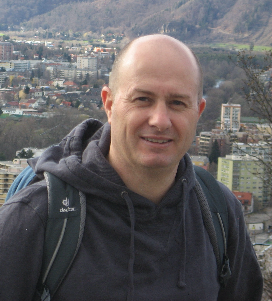
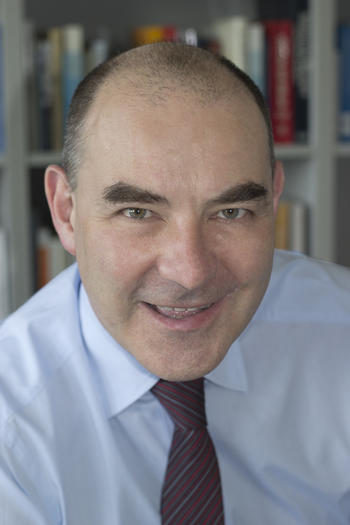
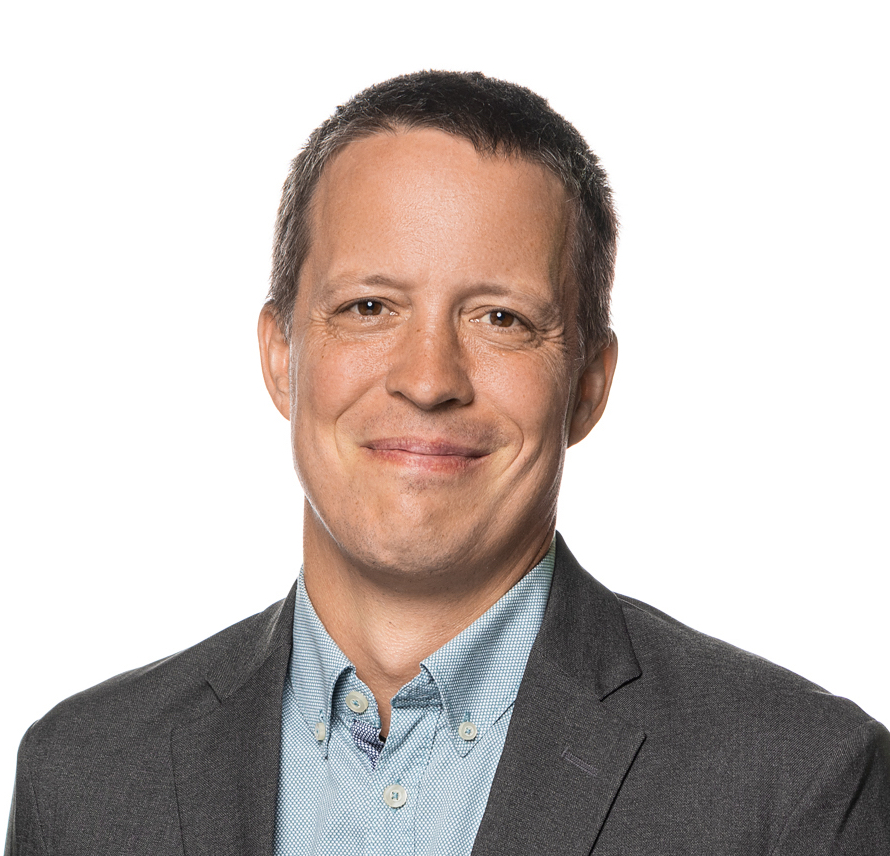
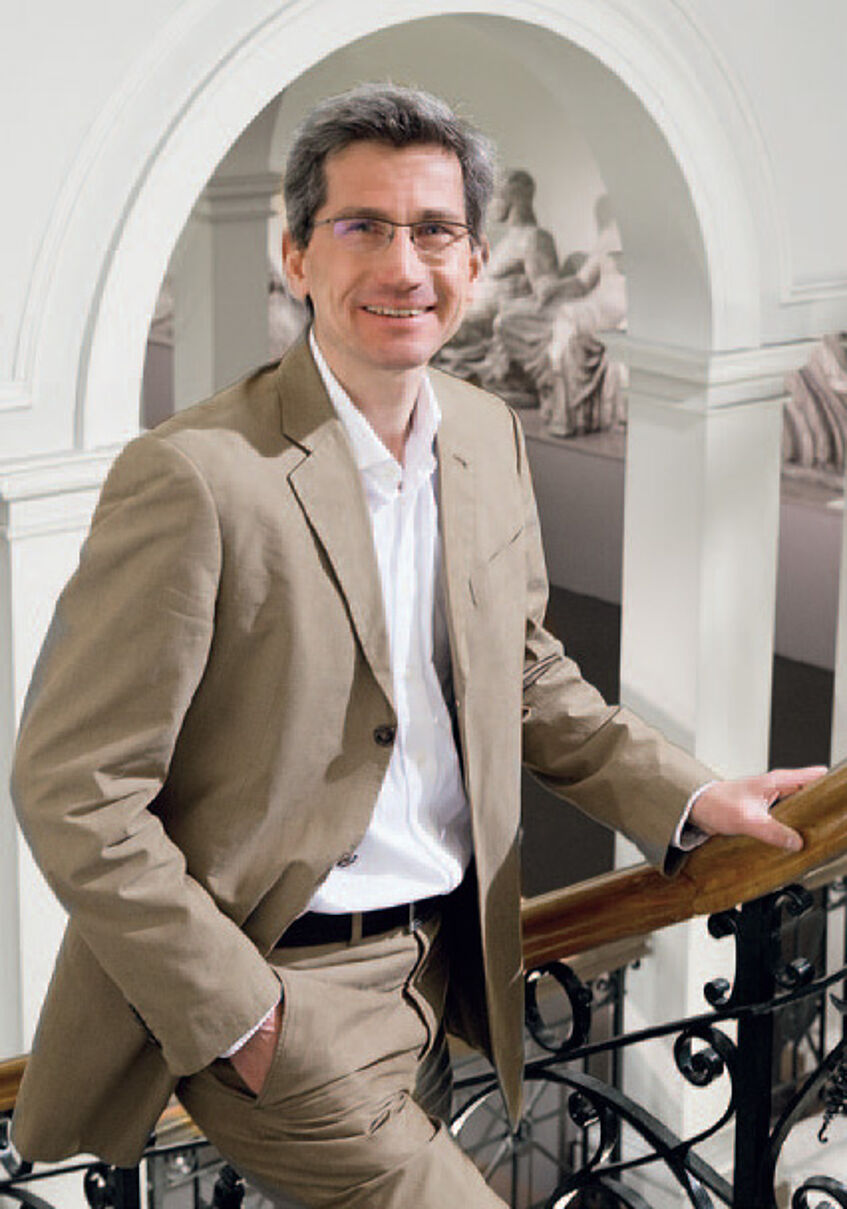
Mick Filmer is a Senior Lecturer at Curtin University's School of Earth and Planetary Sciences (EPS) within the Faculty of Science and Engineering. He serves as Curtin's representative on the Land Surveyors Licensing Board of Western Australia and holds a PhD (Curtin University) and a Bachelor of Geoinformatics and Surveying (University of South Australia). His research focuses on InSAR technology, vertical land motion, height systems, and coastal sea surface topography, with over 30 peer-reviewed publications since 2007. Teaching responsibilities include Survey Law Ethics Practice, Cadastral Surveying, and Applied Geodetic Surveying. Research contributions span geodetic datum development (e.g., AUSGeoid09), InSAR deformation analysis, and land subsidence monitoring in the Perth Basin and Latrobe Valley. He collaborates with organizations like the International Association of Geodesy and European Geosciences Union. Key projects include evaluating Australia’s AUSHYDROID vertical datum model (2024), integrating InSAR with terrestrial reference frames (2021), and analyzing ocean tide signals in coastal zones (2023). His work bridges geodesy, remote sensing, and hydrogeology, addressing challenges in vertical land motion monitoring and geodetic infrastructure planning.
Derek Duncan serves as Professor of Italian at the University of St Andrews' School of Modern Languages, specializing in Italian Cultural Studies. Previously holding a professorship at the University of Bristol, he directs the Italian Centre for Contemporary Art and contributes significantly to transnational humanities research. His educational background includes French and Italian studies at Aberdeen University followed by doctoral work at Edinburgh. Duncan's research centers on intersections of sexuality/gender and race/ethnicity in modern Italian culture through queer and critical race theory frameworks, with notable courses including 'Black Italians,' 'Fascist Italy,' and 'Cultures of Migration.' Analysis of his recent publications reveals consistent focus on Mediterranean migration narratives, transnational identity formation, and creative humanities methodologies. His work frequently connects historical events like the Arandora Star sinking with contemporary migration crises, emphasizing transcolonial continuities. Leverhulme Major Research Fellowship (2019-2022) Multiple AHRC-funded projects including Transnationalizing Modern Languages Founding editor of Liverpool University Press series: Transnational Italian Cultures and Transnational Modern Languages Duncan actively supervises research and collaborates with artists like Davide D'Elia on projects such as Tiepido Cool. His work with the Centre for Poetic Innovation demonstrates commitment to bridging academic research and artistic practice, while his global challenges project in Namibia reflects international engagement. Current research examines Mediterranean migration through the lens of the Arandora Star disaster and its contemporary resonances.
Oliver Janz is Professor of Modern History at the Department of History and Cultural Studies at Free University of Berlin, where he has been teaching since 2007. He previously served as Dean of the Department from 2017-2021 and has held visiting professorships at institutions including the German Historical Institute in Rome, University of Bern, and University of Trient. His academic leadership extends to editorial roles for multiple book series and journals focusing on modern Italian history, transnational history, and World War I studies. Doctorate (1991): Freie Universität Berlin - History of Protestant clergy in Prussia 1850-1914 (summa cum laude) Magister Artium (1985): Freie Universität Berlin - History Studies (1978-1985): History, Philosophy and Sociology at University of Heidelberg, Bielefeld, and Freie Universität Berlin Professor Janz specializes in several interconnected research areas that examine European history through transnational and comparative lenses. His primary focus is on the history of World War I, particularly examining commemoration practices, the cult of fallen soldiers, and the war's transnational dimensions. He has extensively researched the history of the European bourgeoisie, nation and nationalism in Europe, and the intersection of family, gender, and political identity. His work on Italian history spans from the Risorgimento through the Fascist period, with particular attention to religious and cultural dimensions of political movements. Janz is a leading scholar in transnational history methodology, exploring how historical phenomena transcend national boundaries and how comparative approaches can illuminate shared European experiences. Janz's scholarly output demonstrates a consistent focus on memory, commemoration, and the cultural dimensions of warfare, particularly World War I. His work reveals how societies process collective trauma through rituals, monuments, and narratives that intertwine religious, familial, and national identities. The international encyclopedia project 1914-1918-online represents a significant contribution to digital humanities, creating a global platform for understanding the war's multifaceted impacts. His research increasingly examines the digital representation of historical memory, bridging traditional scholarship with contemporary digital culture. Research fellowship from the DFG (2000-2004): "The Cult of the Fallen: Soldiers in Italy during the First World War" DAAD Fellowship (1996): "Exchange of Young Scholars between Italy and Germany" Fellow of the FAZIT-Stiftung (1990) Maison des Sciences de l'Homme Fellowship (1985) Fellowship Grant from the "Studienstiftung des Deutschen Volkes" (1979-1985) Professor Janz has supervised numerous master's students at Freie Universität Berlin, with thesis topics spanning European history from the 19th century to the contemporary period. His students have examined subjects including war commemoration, gender history, colonial encounters, and political movements across Europe. As editor of the "1914-1918-online" International Encyclopedia of the First World War, he has coordinated significant international research funding. His leadership extends to multiple research projects including Collaborative EuropeaN Digital/Archival Infrastructure (CENDARI), Making War, Mapping Europe, and studies on German Soldiers and the Ottoman Empire. Janz leads the research team focused on World War I studies at the Friedrich-Meinecke-Institut, which includes multiple researchers working on the 1914-1918-online encyclopedia project. His team collaborates with international partners across Europe and beyond, creating a network of scholars dedicated to transnational approaches to war history. The research group maintains strong connections with institutions including the German Historical Institute in Rome and participates in the Berlin Program for Advanced German and European Studies.
Sandra Reimann is a Professor of German Philology at the University of Oulu's Faculty of Humanities, leading the German Language and Culture department. She holds a habilitation in linguistic studies of online self-help communication and has held visiting professorships at institutions like Karl Franzens University in Graz. Her career includes roles at the University of Regensburg since 2001 and radio journalism since 1992. Her research focuses on applied linguistics, media communication, business communication (including advertising), and health communication. She investigates technical language in medicine/psychology, emotional linguistics, digital corpus analysis, and interdisciplinary communication challenges. Key projects include leading the Regensburg Advertising Research Archive and exploring sustainability messaging in cross-cultural contexts. Reimann's recent work examines gender language in job advertisements, sustainability communication strategies, and online health information quality. Her publications span 40+ years of advertising analysis, from historical radio spots to modern digital campaigns. She contributes to both academic conferences and practitioner-oriented research through the Regensburger Verbund für Werbeforschung network. Her professional service includes roles as spokesperson for the Regensburg Advertising Research Network and oversees the advertising archives. Though no formal awards are listed, her extensive research collaborations across European universities highlight her disciplinary influence. She actively bridges academic and corporate sectors through applied linguistic studies in branding, health communication, and technical language mediation.
Dr. Maribel Fierro is a distinguished Research Professor at the Institute of Languages and Cultures of the Mediterranean and Near East (ILC) , part of the Spanish National Research Council (CSIC) in Madrid. She has held this prestigious position since 2005 after serving as Scientific Researcher at CSIC's Arabic Studies Department (1992-2005) and previous academic appointments at Universidad Complutense Madrid (1983-1987). Education: Dr. in Semitic Philology (1985), Universidad Complutense Madrid Visiting appointments: Institute for Advanced Study (Princeton), Hebrew University (Jerusalem), École des Hautes Études (Paris) Her scholarly work focuses on Medieval Islamic History with particular emphasis on Al-Andalus, Islamic Law, Heresy and Orthodoxy, Political Legitimacy, and Gender Studies. She directed the European Research Council Advanced Grant project Knowledge, Heresy and Political Culture in the Islamic West (8th-15th centuries) (2009-2014). Notable publications include foundational studies on: Ẓāhirī legal school adoption in Islamic Spain Violence against women in Andalusi legal texts Heretical movements in Islamic political culture Christian-Muslim relations during Almoravid/Almohad periods Manuscript circulation networks in Islamic West Prophetic legitimacy narratives in cross-cultural contexts Scientific honors include: 2014: R. Stephen Humphreys Distinguished Scholar (UC Santa Barbara) 2011: Waldo G. Leland Prize (American Historical Association) Prof. Fierro serves on academic committees including the Italian MIUR evaluation board since 2011, and has held editorial leadership roles in major Islamic studies journals since 1989, currently serving as editor for Der Islam and Intellectual History of the Islamicate World .
Steven Vertovec is a leading scholar in migration studies, currently serving as Director of the Max Planck Institute for the Study of Religious and Ethnic Diversity and Honorary Joint Professor of Sociology and Ethnology at the University of Göttingen. Previously, he was Professor of Transnational Anthropology at the University of Oxford and Director of COMPAS (Centre on Migration, Policy and Society). Research Focus: Superdiversity, transnationalism, multiculturalism, and social complexity Key Roles: Editor of Global Networks , series editor of Routledge Transnationalism , consultant to global agencies (World Bank, UNESCO, European Commission) His work spans theoretical and empirical studies of diasporic communities, integration policies, and urban diversity. Recent publications emphasize superdiversity as a framework for understanding contemporary migration patterns and social transformations. Selected Contributions: Pioneering analysis of Hindu diaspora patterns, co-editor of major works on multiculturalism, and developer of data visualization tools for urban migration studies.
Adam Sutcliffe is a Professor of European History at King's College London, affiliated with the Centre for Enlightenment Studies and the Department of History. He holds a BA from Cambridge, MA from Sussex, and PhD from UCL. He has held fellowships at institutions like the University of Pennsylvania and the Institute for Advanced Study in Princeton. As former Head of the History Department (2012–2016), he focuses on intellectual history of Western Europe (1650–1850), Jewish history, and the politics of historical memory. His research explores themes like Judaism’s role in Western thought, Enlightenment thinkers (Spinoza, Voltaire), and cross-community relations. He teaches courses on European Jewish history, Enlightenment, and toleration. Education: BA Cambridge, MA Sussex, PhD UCL Fellowships: University of Pennsylvania, IAS Princeton, Leipzig Research interests include Jewish/non-Jewish relations, Enlightenment intellectual networks, and the history of friendship. He has published widely, including What Are Jews For? (2020) and co-edited volumes like the Cambridge History of Judaism (2017). Awards include Leverhulme Research Fellowships. Grants include projects on free speech, empathy in history, and transnational feminism. Active in public engagement, he comments on Jewish history, migration, and prejudice. Leads King’s Jewish Studies network and contributes to interdisciplinary programs in political thought.
Leo Lucassen is Full Professor of Social History at Leiden University's Department of History since September 2007, where he previously served as Associate Professor of Social and Economic History at the University of Amsterdam. He earned his MA in Social and Economic History from Leiden (1985) and PhD cum laude (1990) for his dissertation on Gypsy history in the Netherlands (1850-1940). His academic trajectory includes research fellowships at the Royal Dutch Academy of Sciences (KNAW) and Netherlands Institute for Advanced Study (NIAS). Lucassen's research spans four interconnected domains: Migration Studies examining historical patterns and integration; Social History analyzing societal structures; Global History exploring transnational connections; and Urban Studies investigating city dynamics. His publications consistently address migration processes, ethnic relations, and social integration through comparative historical analysis, with recent work focusing on marriage patterns, mobility transitions, and encyclopedic syntheses of European migration. Notable honors include the 1996 D.J. Veegensprijs and fellowships at premier research institutions. He has directed major projects like the NWO pioneer initiative on immigrant assimilation and coordinates the Leiden University profile area on Global Interactions. Leadership roles encompass: Chair of Social and Economic History section Chair of Centre for the History of Migrants (CGM) Membership in Academia Europaea Membership in N.W. Posthumus Institute
Monika Kuffer is a Full Professor at the University of Twente's Faculty of Geo-Information Science and Earth Observation (ITC), holding additional roles as Associate Professor in the Department of Urban and Regional Planning and Geo-Information Management. She leads research in urban remote sensing, deprived area monitoring, and sustainable urban development. Her work integrates spatial statistics, machine learning, and citizen science to inform inclusive city planning. Education: PhD in Human Geography & GIS from the University of Twente MSc in Human Geography (TU Munich) MSc in Geographic Information Science (University of London) Research Interests: Urban Remote Sensing Slum and Deprivation Mapping Climate Adaptation Strategies Citizen Science for Urban Inequalities Earth Observation Policy Support Articles Trends: Recent work emphasizes multi-city climate adaptation analyses, thermal inequality assessments in African slums, and scalable deprivation modelling frameworks like IDEAMAPS. Projects like ONEKANA and NightWatch highlight fusion of EO data with community-driven methods. Awards: 2022 EO4all Prize for innovative Earth Observation applications Advising & Grants: Supervised 3 PhD/MSc projects. Active in global initiatives like the EU's Knowledge Centre on EO and the UN's SDG frameworks. Leads datasets on deprivation (e.g., IDeAMapSudan). Labs/Teams: Core member of ITC's Urban Remote Sensing and GeoAI teams. Collaborates with the Digital Society Institute for interdisciplinary urban research.
Pier Palamara is an Associate Professor of Statistical and Population Genetics at the University of Oxford's Department of Statistics, affiliated with the Centre for Human Genetics. He holds a PhD in Computer Science from Columbia University (2014) and completed postdoctoral training at Harvard Chan School of Public Health and the Broad Institute of MIT and Harvard. His research integrates statistics, computer science, and genetics to develop methods for analyzing large genomic datasets, focusing on evolutionary parameters, demographic history, complex trait genetics, and disease variation. Key research interests include reconstructing population movements via genetic data, studying natural selection and mutation rates in human genomes, and developing scalable algorithms for genomic analysis. He leads the Palamara Lab, which collaborates on projects like the Genomics England haplotype reference panel and the UK Biobank imputation. His lab's work is supported by grants and partnerships, and they develop software tools such as ASMC, Quickdraws, and Threads. Recent publications highlight contributions to Indo-European genetic origins, scalable mixed-model association methods, and ancient DNA analysis of European farmers. He advises graduate students and has mentored researchers in computational biology and statistical genetics.
Prof. Michael Max Paul Zeuske is a Senior Research Professor at the Bonn Center for Dependency and Slavery Studies (BCDSS) , University of Bonn, Germany. He holds a Ph.D. and Habilitation in Modern Global History from the University of Leipzig. His academic career includes professorships at the University of Cologne and the University of Havana (as DAAD Fellow). He specializes in the global history of slavery from antiquity to modernity, with particular focus on Atlantic slavery, South-South slave trades, and the intersections of slavery with capitalism, law, and cultural practices. Zeuskе’s research integrates micro-historical analyses of enslaved individuals and elites with macro-historical frameworks. He has authored over 26 books, 196 papers, and edited 23 volumes, including landmark works like Sklaverei. Eine Menschheitsgeschichte and Handbuch Geschichte der Sklaverei . His editorial roles include co-editing COMPARATIV , a leading journal for global history. He is a corresponding member of prestigious academies in Venezuela and Cuba. Zeuskе’s supervision record includes 25 completed and 10 ongoing Ph.D. theses, along with extensive teaching and mentoring. He has led major international projects like the International Research Seminar on the Second Slavery and conducted groundbreaking studies on slavery’s legal frameworks and commodity production. His work bridges archival scholarship with public history, emphasizing marginalized voices in slavery narratives. Key academic contributions span slave trade networks, gender dynamics in enslavement, and the material culture of enslaved communities. His recent work emphasizes slavery’s legacy in modern capitalism and global justice debates. He has received third-party funding from the German Research Foundation (DFG) and other institutions for large-scale collaborative projects.
Axel Polleres is a full professor at the Institute for Data, Process and Knowledge Management in Vienna University of Economics and Business (WU Wien). He leads the department of Information Systems and Operations Management while maintaining active research in knowledge graphs, semantic web technologies, and ontology engineering. PhD and Habilitation from Vienna University of Technology Former positions at University of Innsbruck, Universidad Rey Juan Carlos, DERI Ireland, and Siemens AG Co-chair of W3C SPARQL working group Editorial board member for Semantic Web Journal and IJSWIS His research focuses on: Querying and reasoning over ontologies Graph schema languages (SHACL, SPARQL) Wikidata constraint formalization Ontology reuse in collaborative platforms Crisis management knowledge graphs FAIR data principles implementation Recent publications analyze knowledge graph evolution, constraint validation methodologies, and semantic web standardization efforts. Key topics include: OWL/RDF interoperability solutions Unit conversion systems for Wikidata Partition-based query processing frameworks Network resilience analysis for urban planning Open data platform discovery tools Temporal analysis of collaborative knowledge graphs He has co-organized major conferences like ISWC2023 and ESWC workshops while maintaining active roles in European research projects. Current work involves spatiotemporal knowledge graphs for city resilience and semantic web infrastructure development.
Markus Ritter is a full Professor of Islamic Art History and Head of the Institute of Art History at the University of Vienna's Faculty of History and Cultural Studies. He has held this position since August 2012, following an Assistant Professorship at the University of Zurich (2010-2012) and research work at the Austrian Academy of Sciences (2004-2009). His academic career spans over two decades of dedicated scholarship in Islamic art history. Professor Ritter's research focuses on Islamic architecture, particularly typology and iconography in Iran from the early Middle Ages to the 19th century, early medieval Arab palace construction, architectural decoration, and columned mosques. His visual art research encompasses wall painting, book illustration, and ruler iconography, with special interest in transfer and adaptation processes, particularly Islamic art in European contexts (collecting history and reception) and the history of Islamic art historiography. Ritter's scholarly output demonstrates consistent engagement with both historical and contemporary aspects of Islamic art. His recent publications explore topics ranging from Umayyad palace architecture to the reception of Islamic art in European historicism, reflecting his broad chronological and geographical expertise. His work often examines architectural elements like glass floors in Abbasid palaces, luster tile panels, and manuscript illumination, connecting technical analysis with cultural interpretation. Among his notable recognitions are the 2012 Farabi Award and the 2007 European Award for Iranian Studies. He serves as Chairman of the Ernst Herzfeld Society for the Study of Islamic Art and Archaeology (since 2017), sits on the Academic Advisory Board of the Institute for Islamic Studies (since 2013), and is a Member of the Advisory Board of the Swiss Asia Society (since 2010). Professor Ritter actively supervises numerous graduate students, with several Master's and Doctoral theses completed under his guidance and others currently in progress. His teaching includes courses on Islamic art history, with recent offerings for 2025W including Art History Survey III, Thesis Seminar, Islamic Art in Israel and the Syrian Lands, and Case Study on Islamic Architecture in Historic Photographs.
Dominik Krell is a Leverhulme Trust Early Career Fellow at the Centre for Socio-Legal Studies and Junior Research Fellow at Wolfson College, University of Oxford. His work bridges legal scholarship, anthropology, and Middle Eastern studies with a focus on contemporary Islamic law. Education: German State Examination in Law B.A. in History and Culture of the Middle East, Freie Universität Berlin M.Sc. in Social Anthropology, University of Oxford Ph.D. from Max Planck Institute for Comparative and International Private Law/University of Hamburg (2021) Krell's research centers on Islamic jurisprudence's evolution in modern nation-states, particularly Saudi Arabia's judicial reinterpretation of Sharia. His interdisciplinary approach combines legal anthropology with textual analysis of court decisions and scholarly works, examining how Islamic jurists drive legal reforms in family law, codification, and state-society relations. He investigates tensions between traditional legal theory and contemporary governance needs across Saudi Arabia, Iraq, Syria, and Palestine. His publications reveal consistent focus on Islamic family law modernization, juristic authority in legal evolution, and cross-jurisdictional comparisons of marriage/divorce systems. Key trends include documentation of Saudi Arabia's transformative judicial practices, analysis of underage marriage regulations, and exploration of non-state pathways for Islamic legal development. Scientific Awards: Max Planck Society's Otto Hahn Medal for outstanding doctoral research German Middle East Studies Association (DAVO) Dissertation Award Association for Arabic and Islamic Law (GAIR) Dissertation Award Honorable mention for BRAIS Prize in Islamic Studies Krell's Leverhulme-funded research examines Islamic law's globalization through the Centre for Socio-Legal Studies' "Globalisation of Islamic Law" project. His work involves translating Arabic legal codes (Syria, Iraq), authoring expert opinions for international bodies, and comparative analysis of family law across Muslim-majority jurisdictions. He collaborates with institutions including the Max Planck Institute, King Faisal Center, and University of Bergen. As part of Oxford's socio-legal research community, Krell contributes to interdisciplinary dialogue on law's role in Muslim societies through the Centre for Socio-Legal Studies and Wolfson College's academic networks.
Dr. Adriana Sandu is a Senior Lecturer and PhD Programme Director at Anglia Ruskin University's School of Allied Health and Social Care. With a PhD in Public Administration from Syracuse University and over 12 years of academic experience, her work focuses on social justice, migration, and gender studies. She leads the 'Safe and Inclusive Communities' research theme and collaborates with organizations like Cambridge Ethnic Community Forum and UN initiatives. Education: PhD Public Administration, Syracuse University (2006) MA Public Administration, Syracuse University (1999) BA Social Work, Bucharest University (1994) Postgraduate Certificate in Learning and Teaching, ARU (2015) Research Interests: Adriana's interdisciplinary research explores intersections of gender, migration, and inequality using feminist and participatory methodologies. Key areas include: Transnational identity and belonging in migrant communities Arts-based interventions for refugee wellbeing Trauma-informed approaches for women in prostitution Policy analysis of social exclusion mechanisms Her projects emphasize community co-creation, notably directing the £55k 'Crafting the Self' initiative for refugee women. Publication Trends: Recent works (2019-2023) demonstrate a strong focus on refugee support systems, gender violence interventions, and feminist social work praxis. Methodologically, she prioritizes participatory action research and visual ethnography across transnational contexts. Awards & Grants: Ron Brown Fellowship Principal Investigator: £55k Evelyn Trust grant (2020-2022) ARU Research Funding: 'Gendering the Nomadic Subject' (2019) HEIF consultancy: Specialist training for women@thewell (2020) Academic Leadership: Adriana supervises 6 doctoral students researching gender identities, policing, and education. She has graduated 5 PhD candidates and leads doctoral training programs. Community partnerships include Cambridge City of Sanctuary and European Network of Migrant Women.