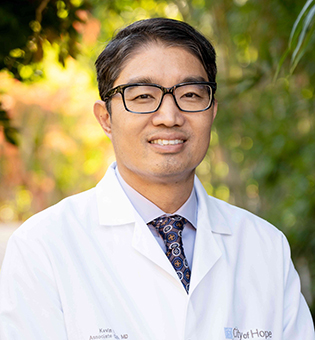
James M McMahon is an Associate Professor at the University of Rochester School of Nursing and holds a secondary faculty appointment in the Department of Public Health Science at the School of Medicine and Dentistry. He is the Endowed Chair for Innovation in Health Care and co-director of the Equity-Focused Implementation and Dissemination Science function within the Clinical and Translational Science Center (CTSI). He co-founded the Interdisciplinary Sexual Health and HIV Research (INSHHR) group and is actively involved in mentoring and leading large-scale public health research initiatives. PhD in Biological Anthropology, City University of New York, 1999 BA in Anthropology, University of Winnipeg, 1987 McMahon's research focuses on HIV and Hepatitis C prevention among marginalized populations, particularly minority women, heterosexual couples, and substance users. His work integrates behavioral, social, and epidemiological sciences with a strong emphasis on implementation science and biomedical interventions like PrEP. He employs mixed-methods approaches, mathematical modeling, and community-based participatory research to understand syndemics, relationship dynamics, and barriers to prevention. His recent publications highlight a consistent focus on PrEP implementation, sexual health communication, structural and psychosocial barriers to care, and global health disparities. Themes include trust in healthcare, autonomy, violence, and the social determinants of HIV risk. His work spans from the U.S. to Ghana and Malawi, reflecting a global public health perspective. R01 Grant Award, NIH, 2015 NIMH Support, 2014 Josephine Craytor Nursing Faculty Award, 2011 Outstanding Faculty Colleague, UR School of Nursing, 2008 McMahon mentors early-career scientists and serves as a mentor or co-mentor in several KL2 and career development programs. He has advised on studies related to HIV screening, pediatric decision support, and stigma reduction interventions. His collaborative work includes extensive contributions to studies on intimate partner violence, syndemics, and healthcare access. He leads or co-directs core functions in translational science infrastructure, emphasizing equity and rapid response to public health emergencies.