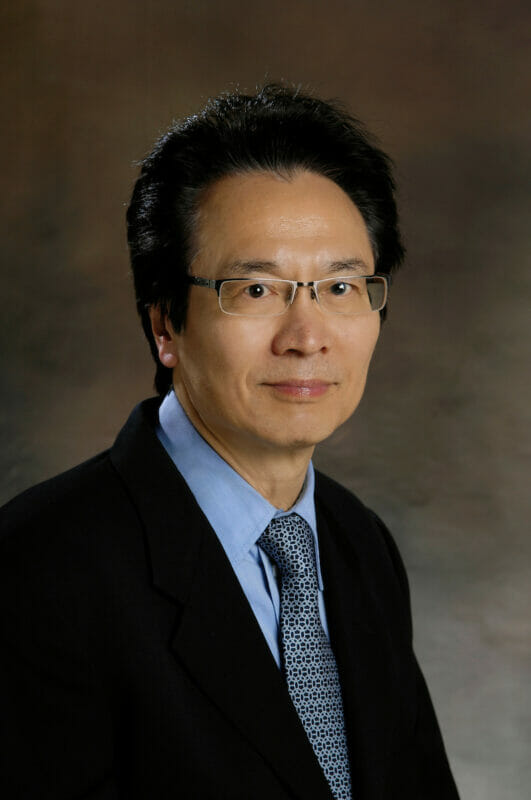
Daniel Ventus is a Project Leader at Åbo Akademi University's Faculty of Education and Welfare Studies, specializing in interdisciplinary research across Psychology, Sexual Health, and Educational Technology. He leads the Experience Lab Health-related solutions and contributes to EU-funded projects like INTAKT and APOLLO2028 , focusing on academic procrastination interventions and healthcare worker resilience. Key research areas: Premature Ejaculation, High-Intensity Interval Training, Resilience Processes, Educational Robotics, and Mental Health interventions Recipient of the 2024 Best Poster Presentation Award at SWESrii for internet interventions His recent publications (2024-2025) examine: HIIT's impact on ejaculation control Real-time resilience assessment tools LLM-powered language learning systems for vulnerable children Physiological and psychological factors in sexual dysfunction As a peer reviewer for journals including Andrology and Scientific Reports , he contributes to multiple disciplines. Media visibility includes coverage in Finland-Swedish educational initiatives and sexual health research outreach (2018-2025).
Dr. Mohamed Mostafa Arafa is a prominent academic and clinician in the field of andrology and male reproductive health. He is affiliated with the Faculty of Medicine at Cairo University, Hamad Medical Corporation, Weill Cornell Medicine-Qatar, and the Cleveland Clinic Foundation, reflecting a strong international presence in research and clinical practice. His research interests are centered on male infertility , sexual dysfunction , varicocele management , and the impact of metabolic factors like BMI on reproductive outcomes. He has led global surveys on clinical practices and contributed significantly to understanding patient perceptions in sexual health, particularly in the Middle East. The most recent articles highlight trends in clinical andrology, with a focus on evidence-based urology, surgical outcomes, and methodological rigor in systematic reviews. His work bridges patient care, epidemiological research, and global clinical guidelines. Scientific Sponsorships: National Institutes of Health (NIH) European Commission American Center for Reproductive Medicine, Cleveland Clinic National Research Foundation National Science Foundation Dr. Arafa has secured funding from leading international bodies, underscoring the global relevance of his research. While no formal students are listed, his leadership in multi-center studies suggests active mentorship and collaboration. He is involved in advancing patient support systems, especially during public health crises like the COVID-19 pandemic. He is associated with key organizations including the Global Andrology Forum , Egyptian Society of Andrology , and the Cleveland Clinic Lerner College of Medicine , indicating deep integration into both regional and global andrology networks.
Dr. Joel Gelman is a Clinical Professor in the Department of Urology at the University of California, Irvine School of Medicine. He serves as the Director of the Center for Reconstructive Urology at UCI Medical Center, where he has been a faculty member since 1998. Dr. Gelman is a world-renowned expert specializing in male urethral and penile-genital reconstructive surgery with over 1,400 reconstructive procedures performed throughout his career. Dr. Gelman's educational background includes undergraduate studies at Indiana University, medical school at the Medical College of Ohio, residency training at Indiana University and UCLA, and fellowship training in reconstructive surgery at the Devine Center in Norfolk, Virginia. Prior to joining UCI, he served on the faculty at Albert Einstein College of Medicine in New York and Ohio State University. Dr. Gelman's research focuses on advanced urological reconstructive techniques, with particular expertise in urethral stricture disease, Peyronie's disease, hypospadias repair, and erectile dysfunction including penile implant surgery. His clinical practice is exclusively dedicated to male urethral and genital reconstructive procedures, making him one of the most specialized surgeons in this field. His publication record demonstrates consistent contributions to the advancement of reconstructive urological techniques, with particular emphasis on improving surgical outcomes and patient satisfaction. Dr. Gelman is a Diplomat of the American Board of Urology and has served on the Board of Directors of the Society of Genitourinary Reconstructive Surgeons. His editorial contributions to major urological journals reflect his standing as a thought leader in the field of reconstructive urology. As Director of the Center for Reconstructive Urology, Dr. Gelman leads a specialized clinical program focused on complex male genitourinary reconstruction. His work has established the center as a referral destination for challenging reconstructive cases, attracting patients from across the country seeking his expertise in procedures that few surgeons perform with similar frequency and success.
Peter B. Schiff, MD, PhD is a Professor and Vice Chair in the Department of Radiation Oncology at NYU Grossman School of Medicine since 2009. He specializes in radiation oncology for lung, gynecologic, and other malignancies, emphasizing precision treatments like SBRT and IMRT. His clinical expertise includes non-small cell lung carcinoma, cervical/uterine cancers, and prostate cancer risk categorization. Education: MD from Albert Einstein College of Medicine (1984) PhD from Albert Einstein College of Medicine (1980) Residency in Radiation Oncology at Memorial Sloan-Kettering Cancer Center (1988) Research Interests: Focuses on stereotactic body radiotherapy (SBRT) for lung cancer, immunotherapy-radiation combinations, and IMRT/chemotherapy for gynecologic cancers. Active in clinical trials for prostate cancer treatment optimization and radiation dosimetry standards. Awards: Castle Connolly Top Doctor designation for over 15 years Clinical Trials: Leads trials on prostate cancer de-intensification strategies, novel therapies like MOMA-313, and perirectal spacing hydrogel systems in prostate radiotherapy.
Robert E Brannigan is a Professor and Vice Chair of Clinical Urology in the Department of Urology at Northwestern University, Feinberg School of Medicine. He serves as Chief of Male Reproductive Medicine and Men's Health and holds the Janice Binstein Professorship in Urology. Dr. Brannigan directs the Andrology Fellowship program and serves as Assistant Director of Student Affairs in the Augusta Webster Office of Medical Education. Northwestern University, Feinberg School of Medicine Department of Urology Center for Reproductive Science Center for Genetic Medicine Dr. Brannigan obtained his MD from Northwestern University Feinberg School of Medicine in 1992, completed residency training in Urology at Northwestern, and pursued a fellowship in Male Reproductive Medicine and Surgery at Baylor College of Medicine. He joined the Northwestern faculty in 1999 and has trained numerous fellows, over half of whom now hold faculty positions at academic medical centers. His research focuses primarily on male reproductive medicine, with particular emphasis on fertility preservation (oncofertility) for male cancer patients, microsurgical procedures, and treatment of hypogonadism. His recent publications (2025) demonstrate continued active research in erectile dysfunction among young adults, fertility preservation in hematologic malignancy patients, transgender healthcare, and developing research standards for male infertility studies. His work spans clinical urology, reproductive medicine, and men's health with significant contributions to sexual dysfunction treatment and fertility preservation protocols. Janice Binstein Professor of Urology (2024) Elected to American Association of Genitourinary Surgeons (2022) Multiple teaching awards including Resident Teaching Awards (2021, 2013) Gold Humanism Honor Society Faculty Member ASRM Service Milestone Award (2016) Multiple Outstanding Reviewer Awards from The Journal of Urology Dr. Brannigan has advised numerous fellows through the Andrology Fellowship program, with over half securing academic faculty positions. He has served on multiple national committees including the American Board of Urology Examination Committee, the American Urological Association Core Curriculum Committee, and has held leadership positions in the Society for Male Reproduction and Urology (past President) and the Society for the Study of Male Reproduction (past President). His extensive editorial experience includes serving as Editorial Editor for Fertility and Sterility and Assistant Editor for The Journal of Urology. He directs the Center for Reproductive Science advisory board and has been instrumental in developing Northwestern's fertility preservation programs, particularly for cancer patients and transgender individuals. His clinical work focuses on microsurgical vasectomy reversal, varicocelectomy, micro-TESE for sperm extraction, and treatment of hypogonadism including cases associated with aging and congenital conditions like Klinefelter's syndrome.
Dr. Samir Mardini is Chair of the Division of Plastic and Reconstructive Surgery at Mayo Clinic in Rochester, Minnesota, where he leads a team of fourteen plastic surgeons and hundreds of providers and Allied Health staff. A globally recognized expert in craniofacial surgery and facial paralysis and reanimation, Dr. Mardini was instrumental in establishing Mayo Clinic's groundbreaking face transplant program and led the team that performed the institution's first face transplant. Dr. Mardini completed his plastic surgery residency at Georgetown University Medical Center, followed by specialized craniofacial and reconstructive microsurgery fellowships at Chang Gung Memorial Hospital in Taiwan, where he also worked as an academic surgeon for two years before joining Mayo Clinic. His educational journey reflects a commitment to mastering advanced techniques across international settings. Dr. Mardini's research focuses on facial nerve studies, facial allotransplantation, facial anatomy, regenerative medicine, cleft and craniofacial diseases, and 3D imaging/virtual surgery planning. His clinical work spans craniofacial surgery for children and adults, cleft lip and palate repair, facial reanimation, facial plastic surgery, facial trauma, and complex reconstructive procedures. He has particular expertise in restoring function and aesthetics for patients with facial paralysis. Analysis of Dr. Mardini's recent publications reveals a strong emphasis on innovation in facial transplantation, virtual surgical planning, and craniofacial reconstruction. His scholarly output demonstrates consistent productivity with significant contributions across plastic surgery, transplant medicine, and medical imaging disciplines. The thematic continuity in his work shows a sustained focus on improving outcomes for patients with complex facial conditions. Teacher of the Year for Plastic Surgery (two consecutive years) Teacher of the Year for Surgery and Surgical Sub-Specialties at Mayo Clinic 2025 Gold Telly Award for Derek Pfaff Face Transplant documentary 2025 Small Grands Program Award from Mayo Clinic's Division of Surgical Research 2024 William ReMine Lectureship Award from the Priestley Society 2019 Skoog Lectureship 2011 Godina Traveling Fellowship Award As an educator, Dr. Mardini served as Program Director for the Plastic Surgery Residency for eight years, establishing Mayo Clinic's first Integrated Plastic Surgery Residency program that graduates four residents annually. He has edited six peer-reviewed journals and authored over 190 peer-reviewed articles. His humanitarian commitment is evident through over 30 international volunteer missions where he performed surgery for more than 700 children with cleft and craniofacial conditions. Dr. Mardini leads the Mayo Clinic Face Transplant Program, which represents the culmination of his expertise in craniofacial surgery, microsurgery, and facial reanimation. His approach emphasizes holistic, respectful, and attentive care that addresses both functional and aesthetic concerns, regularly collaborating with physicians across specialties to provide comprehensive treatment for patients with facial differences.
Afshan Baraghoush, MD serves as Associate Professor in the Department of Medicine at the University of California, Irvine School of Medicine. Her academic career is focused on cardiovascular medicine with particular expertise at the intersection of cardiology and sexual health. Dr. Baraghoush's research primarily investigates the complex relationship between heart failure and erectile dysfunction, examining both pathophysiological mechanisms and clinical management approaches. Her work explores how cardiovascular disease impacts sexual function and how optimizing cardiac care can improve quality of life for patients with these comorbid conditions. She has contributed significantly to understanding the role of phosphodiesterase-5 inhibitors in managing erectile dysfunction among heart failure patients, while also addressing communication barriers that prevent optimal care for this sensitive health issue. Her publication record demonstrates consistent scholarly activity in this specialized area, with recent work focusing on communication challenges in clinical practice (2025), comprehensive reviews of current evidence (2023), and epidemiological studies examining the burden of erectile dysfunction in diverse patient populations (2022). Her research spans clinical reviews, epidemiological investigations, and practical guidance for patient counseling. Dr. Baraghoush's scholarly contributions have influenced clinical practice by highlighting the importance of addressing sexual health concerns as part of comprehensive cardiac care. Her work bridges the gap between cardiology and sexual medicine, advocating for more holistic patient management that considers quality-of-life issues alongside traditional cardiovascular outcomes.
Professor T. Hugh Jones is an Honorary Professor of Andrology at the School of Medicine and Population Health, University of Sheffield, and serves as a Consultant Physician in Diabetes and Endocrinology at Barnsley Hospital NHS Trust and as an Honorary Consultant Endocrinologist at the Royal Hallamshire Hospital in Sheffield. With over four decades of clinical and research experience, Professor Jones is recognized as a world leader in the field of testosterone deficiency research, particularly regarding its role in heart disease and diabetes pathogenesis. Professor Jones completed his Biochemistry BSc(Hons) from 1972-1975 and his medical degree from 1975-1980 at Sheffield University. He attained MRCP(UK) in 1984 and served as a Clinical Research Fellow in the Department of Human Metabolism and Biochemistry from 1985-1988 before becoming a Lecturer in Medicine at the University of Sheffield from 1988-1993. His clinical career includes service as a Consultant Physician with special interest in Diabetes and Endocrinology at the Royal Hallamshire Hospital from 1984-1998 and at Barnsley Hospital from 1998 to the present. Professor Jones's research has made significant contributions to understanding testosterone's role in metabolic health, being first to demonstrate that testosterone reduces insulin resistance, improves glycemic control (HbA1c), and quality of life in men with type 2 diabetes and hypogonadism. His work identified that 40% of men with Type 2 Diabetes have symptomatic testosterone deficiency. His recent publications focus on testosterone replacement therapy's effects on cardiovascular risk, bone health, inflammatory markers, and glycemic control in hypogonadal men with diabetes. His research demonstrates consistent themes of testosterone's cardioprotective effects, anti-inflammatory properties, and metabolic benefits. President of the Androgen Society (International) 2021-2023 Vice President of Androgen Society 2019-2021 Treasurer of Androgen Society 2017-2019 Chair Academic Sub-committee Association of British Clinical Diabetologists 2014-2020 Guideline committee Member for European Association of Urology 2015-2024 Guideline Committee Member British Society for Sexual Medicine 2017-2023 Professor Jones has led numerous clinical trials including the TIMES2 study on testosterone replacement in hypogonadal men with metabolic syndrome and diabetes, and the STRIDE study on testosterone therapy in hypogonadal men with uncontrolled type 2 diabetes. He has served as Training Programme Director for SpR's in Diabetes and Endocrinology in South Yorkshire (1999-2010) and chaired specialist education committees for diabetes and endocrinology training. His laboratory work has investigated testosterone's mechanisms of action on vascular function, inflammation, and metabolic pathways using both clinical studies and animal models.
Faysal A. Yafi, MD, FRCSC is an Associate Professor of Urology at the University of California, Irvine (UCI) , where he serves as Vice Chair of Clinical Affairs and Division Chief & Director of Men’s Health Services . His clinical expertise spans men’s health, erectile dysfunction, hypogonadism, Peyronie’s disease, prosthetic surgery, male voiding dysfunction, and infertility. Education : Medical degree from the American University of Beirut; residency in Urology at McGill University; fellowship in Andrology, Sexual Medicine, and Prosthetic Urology at Tulane University. Dr. Yafi has authored over 250 peer-reviewed publications, guidelines, and book chapters. His research focuses on clinical and basic studies in male sexual health, prosthetic urology, and reconstructive surgery. He has directed the International Advanced Male Prosthetics and Advanced Men’s Health courses at UCI since 2018 and chaired penile prosthetic courses at international congresses. Scientific Awards : UCI Rising Stars Award (2020) UCI Excellence in Teaching Award (2020) SMSNA Young Investigator Award (2022) ISSM Rising Star Award (2024) He co-edited the book Effects of Lifestyle on Men’s Health and contributes to editorial boards of journals like the Journal of Visualized Surgery and Video Journal of Prosthetic Urology . Dr. Yafi has also received research grants from the Sexual Medicine Society of North America and the Quebec Urological Association .
Moses S.S. Chow is a Professor at the College of Pharmacy, Western University of Health Sciences. He holds a PharmD from the University of California, San Francisco (1972), and an AA from the City College of San Francisco (1968). His research spans over five decades, focusing on pharmacotherapy, pharmacokinetics, and drug delivery innovations such as nasal/sublingual formulations. He has pioneered AI integration in healthcare and contributed to prostate cancer treatment strategies. Dr. Chow is a Fellow of the American College of Clinical Pharmacy (FCCP, 1985) and the American College of Clinical Pharmacology (FCP, 1988). Education: AA, 1968, City College of San Francisco PharmD, 1972, University of California, San Francisco His research interests include cardiovascular medications, anticancer treatments, drug delivery systems, and leveraging AI to enhance healthcare. Notably, he served as Director of the Pharmacy School at the Chinese University of Hong Kong and founded the Asian Association of Schools of Pharmacy. Dr. Chow has authored/co-authored over 300 publications, including clinical studies on drug interactions (e.g., Ginkgo Biloba and Omeprazole) and pharmacokinetic modeling. Recent work explores AI’s role in pharmacy practice and personalized prostate cancer therapies via organoid models. Awards: FCCP 1985 (American College of Clinical Pharmacy) FCP 1988 (American College of Clinical Pharmacology) His career highlights include advancing sublingual drug absorption models (e.g., Propranolol) and nasal formulations (e.g., Vardenafil). He has also collaborated internationally, fostering Asian pharmacy education networks through leadership roles.
Karen Hannigan, Ph.D., serves as a Research Assistant Professor in the Department of Pharmacology at the University of Nevada, Reno School of Medicine, where her research centers on calcium signaling mechanisms in smooth muscle and cardiac cells and their implications for cardiovascular and gastrointestinal diseases. Her academic credentials include: B.S. in Anatomy from Queen's University Belfast, Northern Ireland Ph.D. in Physiology from Dundalk Institute of Technology, Ireland Dr. Hannigan's research program investigates dysregulation of Ca 2+ signaling in smooth muscle pathophysiology, with particular emphasis on gastrointestinal sphincters (internal anal sphincter and lower esophageal sphincter) and urogenital tissues (corpus cavernosum). Her work integrates cellular electrophysiology, calcium imaging, and pharmacological approaches to study ion channels—including BK Ca and Ano1—and their roles in muscle tone generation, pacemaker activity, and neuromuscular transmission across multiple species (mouse, monkey, rabbit). Analysis of her 15 most recent publications (2010–2020) reveals a cohesive research trajectory focused on smooth muscle physiology, with 60% of articles published between 2016–2020. Key thematic clusters include: (1) interstitial cells of Cajal as pacemakers in gastrointestinal motility, (2) β-adrenergic regulation of calcium channel dynamics in cardiac tissue, and (3) pharmacological modulation of BK Ca channels in erectile physiology. Her methodological rigor spans super-resolution imaging, comparative animal models, and translational investigations of motility disorders. No major scientific awards were documented in the source materials. Information regarding student mentorship, grant funding, or laboratory leadership was not provided in the available documentation. Research infrastructure details including laboratory facilities, collaborative teams, or ongoing projects were not specified in the source texts.
Professor Faruk Yağci is a distinguished academic and clinical expert at Gaziantep University Faculty of Medicine, Department of Surgical Medical Sciences, specializing in Urology. With over 68 peer-reviewed publications and 4 book chapters, his work focuses on bladder cancer , kidney stone disease , prostate disorders , and minimally invasive surgical techniques , particularly in adult and pediatric populations. His research spans urodynamics , lithotripsy , laparoscopic procedures , and molecular mechanisms of renal tubular apoptosis . He has contributed to comparative studies on plasmakinetic vs. monopolar transurethral resection and endourological management of pediatric urolithiasis . Notably, he has collaborated with Dr. Mehmet Sakip Erturhan and Dr. Ömer Bayrak on multi-center trials. Professor Yağci has supervised multiple thesis projects, including studies on prostate-specific antigen derivatives and GnRH agonists in metastatic prostate cancer . His clinical leadership extends to complication analysis in radical nephrectomy and cost-effectiveness evaluations of surgical interventions.
Dr. Fuad F. Elkhoury serves as an Assistant Clinical Professor of Urology at UCLA's School of Medicine, practicing at Santa Monica Urology with hospital affiliations at Ronald Reagan UCLA Medical Center and UCLA Santa Monica Medical Center. He specializes in endourology, kidney stone management, and Holmium Laser Enucleation of the Prostate (HoLEP) for benign prostatic hyperplasia. His educational background includes: MD from UCSD School of Medicine (2014) Surgery Internship at UCLA (2015) Urology Residency at UCLA (2020) Endourology Fellowship at UCLA (2021) Dr. Elkhoury's research focuses on optimizing surgical outcomes for urologic conditions through minimally invasive techniques, with emphasis on prostate cancer diagnostics, laser therapies for BPH, and kidney stone prevention strategies. His work bridges clinical innovation with patient-centered care improvements. Analysis of his 10 publications (2015-2020) reveals concentrated expertise in prostate cancer management through image-guided biopsies and molecular profiling, alongside significant contributions to stone disease protocols and patient experience research in surgical settings. His accolades include: SuperDoctors Rising Stars Award (2024, 2025) Willard E. Goodwin MD Resident Teaching Award (2020) Administrative and Education Chief Resident (2019-2020) Guy Dalla Riva Award for Clinical Excellence (2019) H&H Lee Research Grant (2017) CI-CARE Patient-Centered Care Award (2016) As an educator recognized for resident teaching excellence, Dr. Elkhoury contributes to urologic training while securing research funding including NIH grants. His clinical practice integrates evidence-based protocols with personalized patient care across multiple healthcare settings. At Santa Monica Urology and UCLA-affiliated hospitals, he collaborates with multidisciplinary teams to advance endourologic techniques and improve outcomes for patients with complex stone disease and prostate conditions.
Babak Azad, MD is a Clinical Assistant Professor in the Department of Urology at the University of California, Irvine School of Medicine. His research focuses on urology, sexual health, and public health trends, particularly analyzing healthcare demand through data analytics and Google Trends. Recent publications highlight his work on inflatable penile implants and penile aesthetic procedures, examining how the COVID-19 pandemic influenced search behaviors and regional disparities. He collaborates with colleagues like F. A. Yafi and others. His research has implications for equitable healthcare access and policy-making in sexual medicine. While no formal awards or student advisement details are mentioned, his work bridges clinical urology with epidemiological data analysis.
Prof. Dr. Ramazan KOCAASLAN is a Professor in the Department of Urology, Faculty of Medicine at Kafkas University. His academic journey includes a Bachelor's from Istanbul University Cerrahpasa Faculty of Medicine (1995-2003), a medical specialization from Istanbul Training and Research Hospital (2003-2008), and an Associate Degree in Law from Anadolu University (2017-2020). He holds certifications in robotic surgery (Da Vinci) and multilingual proficiency (English YDS:71, German YDS:83). His research focuses on urological conditions including urolithiasis, benign prostatic hyperplasia, erectile dysfunction, and minimally invasive surgical techniques. He explores innovative diagnostic and therapeutic approaches, often incorporating pharmacological and surgical interventions. KOCAASLAN's publications emphasize evidence-based urology, with recent work analyzing surgical techniques for kidney stones, biomarkers for urinary infections, and medical therapies for urological disorders. His research frequently employs randomized trials and retrospective analyses to evaluate clinical outcomes. Awards & Honors: TÜYK Sertifikası (Turkish Urology Association, 2009) THE GPIU Study (European Association of Urology, 2008) EUREP (European Urology Residents Education Programme, 2006) He has led one major research project on renal cell carcinoma biomarkers (2013-2015) and collaborates extensively with urology researchers nationally. No formal advising roles or lab affiliations are documented.