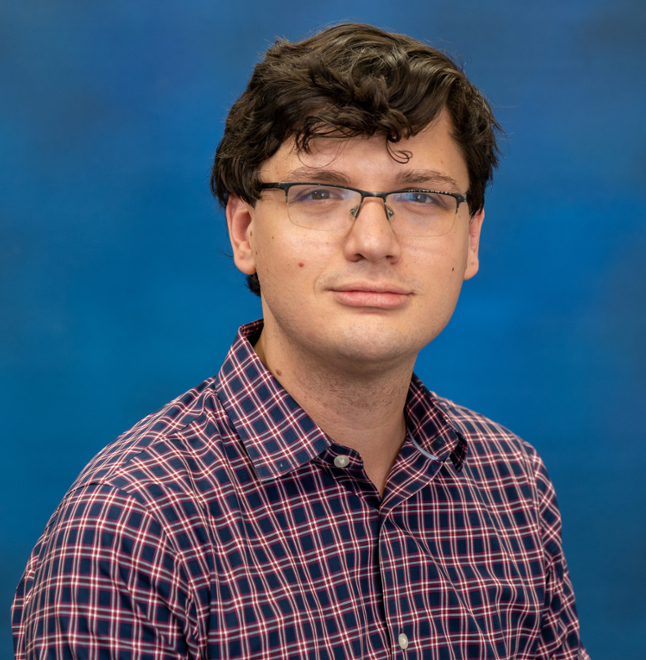
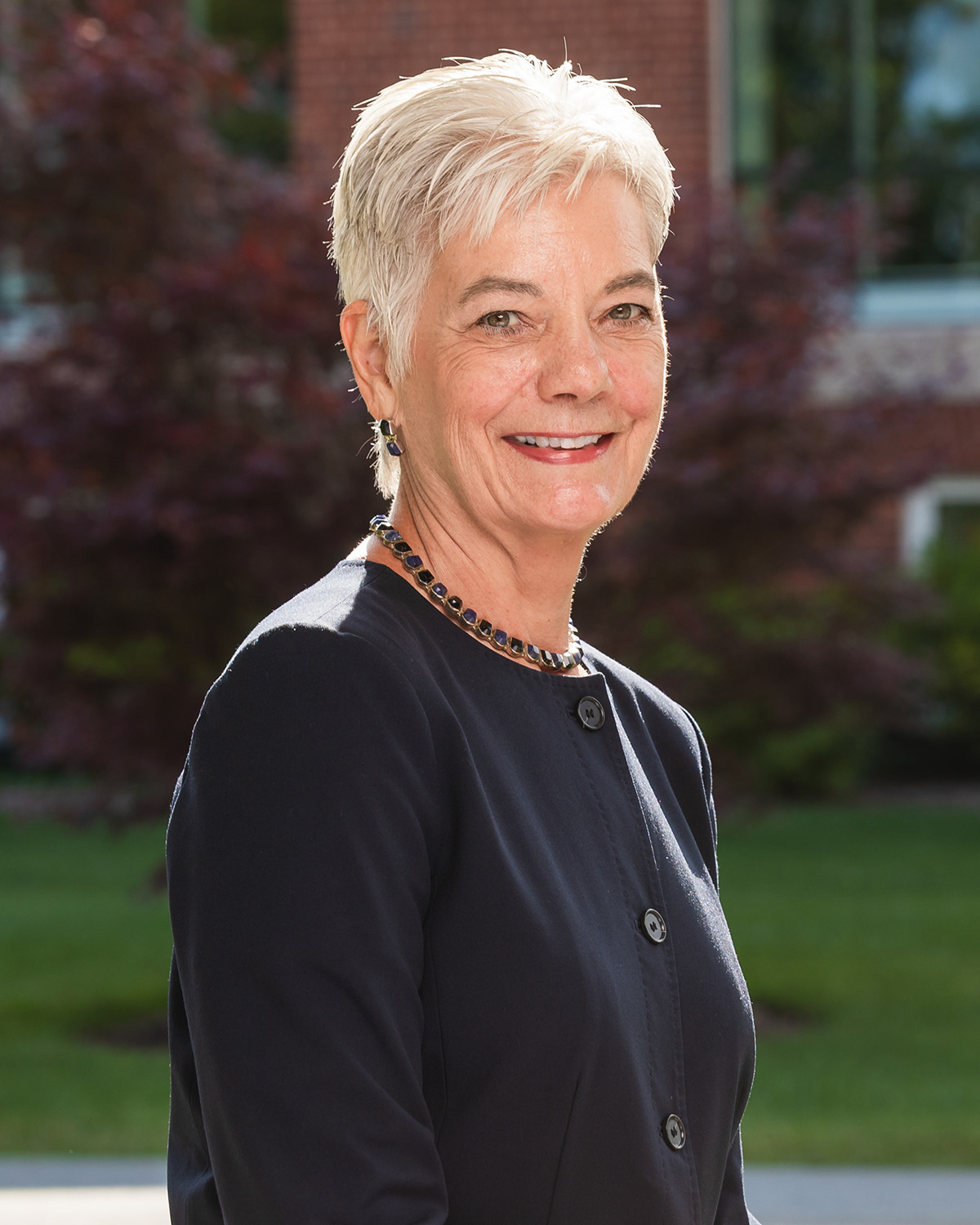
Salla-Maaria Suuriniemi is a Lecturer at the Language Centre of the University of Helsinki . Her work spans language awareness , multilingualism , and Finnish as a second language , with additional part-time teaching at the Faculty of Education. Her research focuses on multilingual schools , language ideologies , and curriculum development . She has contributed to textbook research and discourse analysis , emphasizing inclusive and equitable language practices in education. Recent publications address subject-specific literacy assessment tools , safer space principles in higher education , and language-aware pedagogy . Her work also includes audiovisual outputs like the Vuorotellen podcast. Scientific awards include the E. A. Saarimaan rahaston palkinto and a Prize for multilingualism in conference presentations . She has participated in numerous projects, including Kieliturvallinen tila (Language Safe Space), Valu (Subject-specific literacy tool), and KUPERA (Cultural and Language Awareness in Basic Education). Her datasets, such as the Vastaantulo-hankkeen materiaalipankki , support multilingual education.
Joseph S. Krajcik is the Lappan-Phillips Professor of Science Education at Michigan State University, where he also directs the CREATE for STEM Institute. He has made significant contributions to science, technology, engineering, and mathematics (STEM) education, particularly in project-based learning and modern learning environments. He has collaborated extensively with international researchers, including those at the University of Tartu, and was awarded an honorary doctorate by the university in 2022. Born: April 18, 1951, Milwaukee, Wisconsin, USA B.S. in Chemistry and Science, University of Wisconsin-Milwaukee (1976) M.A. in Science Education, University of Iowa (1982) Ph.D. in Science Education, University of Iowa (1986) Professor, University of Michigan (1990–2010) His research focuses on creating engaging, equitable, and coherent science learning experiences for students from diverse backgrounds. He emphasizes project-based learning, scientific practices, and curriculum design that supports student sense-making. His work integrates technology, teacher development, and real-world problem solving to enhance science literacy. The recent articles highlight a consistent focus on curriculum development, teacher support, and student engagement in science. Themes include alignment with national standards (e.g., NGSS), international collaboration, technology integration, and equity in science education. His research often employs design-based methodologies and emphasizes practical classroom implementation. Honorary Doctor, University of Tartu (2022) McGraw Prize in Education (2020) International Society for Educational Design and Development Award (2021) Member, American Academy of Education (2019) President, National Association for Research in Science Teaching (NARST) Krajcik has advised numerous doctoral students and researchers, particularly from the University of Tartu, and has reviewed theses and articles for their academic programs. He has been involved in major international research projects, including those funded by the U.S. and Finnish governments and the EU’s Horizon 2020 Twinning project. He has also contributed to national and international science education policy through his role on the OECD PISA expert panel. He leads the CREATE for STEM Institute at Michigan State University, a hub for interdisciplinary research and development in science and mathematics education. The institute fosters collaboration among researchers, educators, and policymakers to improve STEM teaching and learning at all levels.
Dr. Christina L. Hancock is an Associate Professor in Primary Education at the School of Education and Social Work, University of Sussex . She holds a PhD in Special Educational Needs from Bedfordshire and has served as Head of Primary Teacher Education (2021-2023) and Director of the Centre for Teaching and Learning Research since 2024. Her work focuses on inclusive education , particularly for autistic children and those with severe learning difficulties. Doctoral research on functional play frameworks for SEND practitioners Current research on playful pedagogies in teacher education Advocate for interdisciplinary collaboration via funded retreats Hancock teaches modules on inclusion, diversity, and autism across undergraduate and postgraduate programs, aiming to equip educators with tools to create equitable learning environments . Her research interests include mixed-methods studies, grounded theory, and pivotal response training interventions. Recent publications highlight her expertise in SEND during crises (e.g., post-pandemic adjustments) and play-based methodologies . She is a Senior Fellow of Higher Education and serves on the International Council for Children’s Play board. Hancock’s funded projects address research culture and inclusive practices for SEND children during the pandemic.
Hayley Mayall, Ph.D., is an Associate Professor in the Department of Educational Technology, Research and Assessment at Northern Illinois University’s College of Education. Her work bridges instructional design, online learning, and educational technology integration, with a strong focus on learner engagement and equity in digital environments. Education: Ph.D. in Educational Psychology, University of Connecticut; Dissertation: An Exploratory/Descriptive Look at Gender Differences in Technology Self-efficacy and Academic Self-efficacy in the GlobalEd Project M.S. in Instructional Technology, Utah State University B.S. in Information Systems and Computer Science, Brigham Young University–Hawaii Campus Dr. Mayall's research centers on distance education, online learning, mobile technologies, and instructional design . Her work explores how learners interact with digital tools, particularly focusing on self-efficacy, visual literacy, and the integration of multimedia in pedagogy. She investigates how technology can be used equitably and effectively across diverse educational contexts. Her recent publications span topics such as gender differences in technology self-efficacy, the role of visual tools in learning, and the design of online discussion forums. These works reflect a consistent interest in the cognitive and emotional dimensions of technology-mediated learning. Scientific Awards: Honors Faculty Fellow (2021–2022), where she taught a seminar on Learning in the Digital Age in the University Honors Program Dr. Mayall teaches a wide range of courses, including Computers in Education, Distance Education, Web-based Learning, Instructional Design, and Media Design. She advises graduate and undergraduate students through practicum and internship experiences, though specific advisees are not listed. Her leadership in curriculum development and faculty engagement underscores her commitment to advancing educational technology both in practice and research. She is affiliated with the University Honors Program and contributes to outreach initiatives such as the Learn-IT Conference. Her office is located in Gabel Hall, and she is actively involved in departmental and university-wide academic life.
Ingrid Sala Bars is an Associate Lecturer in the Psychology and Speech Therapy Department at the Blanquerna School of Psychology, Education and Sports Sciences, Universitat Ramon Llull. She is actively involved in the Seminari Interuniversitari sobre Identitat i Noves Trajectòries Educatives (SINTE), contributing to research on educational identity and inclusive practices. Her research interests focus on education, teacher professional development, universal design for learning (UDL), inclusive education, teaching practices, and accessibility in higher education . Her work contributes to the UN Sustainable Development Goal on Quality Education (SDG 4), particularly in promoting inclusive and equitable learning environments. Her recent publications highlight key trends in reciprocal peer observation, self-efficacy in pre-service teachers, UDL implementation in Spanish universities, and access to higher education for individuals with intellectual and sensory disabilities . These works reflect a strong commitment to improving teaching quality and educational inclusion through empirical research and policy development. She has received research funding from the Agència de Gestió d'Ajuts Universitaris i de Recerca (AGAUR) and has been involved in multiple projects as a principal investigator and researcher, focusing on teacher development, student inclusion, and educational innovation. She collaborates with a multidisciplinary team within SINTE and contributes to the academic community through peer-reviewed publications and active research engagement. Her work emphasizes collaborative inquiry, qualitative methodologies, and practical applications in educational settings.
Gabriella Maria Mcloughlin is an Assistant Professor in the Department of Social and Behavioral Sciences within the College of Public Health at Temple University. She leads the RISE (Research in Implementation Science to Advance Equity) Lab, focusing on health equity, policy implementation, and chronic disease prevention. Her work integrates community-engaged approaches to strengthen public health interventions in schools and underserved communities. Her research interests center on implementation science , health equity , school nutrition policies , physical activity promotion , and dissemination and sustainability of evidence-based programs. She employs mixed methods and community advisory boards to ensure equitable policy evaluation and program design. The recent publications demonstrate a strong trajectory in advancing equitable implementation of school-based health interventions, particularly around universal school meals, physical activity, and measurement development. Her work consistently applies implementation science frameworks such as CFIR and focuses on structural and contextual determinants of health. K01 Career Development Award, National Heart, Lung, and Blood Institute (NHLBI) Dr. Mcloughlin is actively funded on multiple projects, including NIH and NIDDK grants, focusing on dissemination and sustainability (D4DS), policy evaluation tools grounded in health equity, and improving implementation of healthy eating and physical activity programs. She advises graduate students and teaches courses such as Health Promotion in Vulnerable Populations . Her lab, the RISE Lab, collaborates with the School District of Philadelphia and has established a Community Advisory Board to guide community-centered research. The RISE Lab conducts transdisciplinary research involving implementation mapping, measurement development, and community partnerships to ensure that public health policies are equitably implemented and sustained.
Eric Burkholder is an Assistant Professor in the Department of Physics at Auburn University. His research focuses on Physics and Engineering Education, emphasizing authentic problem-solving, equity in STEM, and student performance analysis. He holds a Ph.D. in Chemical Engineering from the California Institute of Technology (2018), an M.S. from Caltech (2016), and a B.A. from Cornell University (2014). His professional roles include postdoctoral research at Stanford University and teaching/research assistantships at Caltech. Dr. Burkholder's research explores STEM education challenges, including equitable outcomes in physics courses, assessment of problem-solving skills, and cooperative learning strategies. His work aims to improve introductory physics curricula and address demographic disparities in student performance. He is a member of the APS-IDEA Network and has reviewed for journals like Physical Review Physics Education Research and the Journal of Engineering Education. His publications span topics like decision-making in engineering coursework, the impact of active learning, and the role of mathematics prerequisites in physics performance. Recent work critiques policies hindering DEI efforts in STEM and explores AI's role in problem-solving education. While no formal grants or awards are listed, his extensive publications and peer-reviewed activities highlight his contributions to education research. He collaborates on projects involving curriculum design, assessment frameworks, and student persistence strategies in STEM disciplines.
Ruth Bebernik is a Researcher and doctoral candidate at the University of Duisburg-Essen, affiliated with the Department of Mathematics Didactics and the working group of Prof. Dr. Florian Schacht. She has been a scientific staff member since 2016, contributing to research in inclusive mathematics education, digital tool integration, and collaborative learning in secondary schools. Master of Education (M.Ed.) in Mathematics and Chemistry for Secondary Schools, University of Duisburg-Essen (2016) Bachelor of Science (B.Sc.) in Mathematics and Chemistry for Secondary Schools, University of Duisburg-Essen (2014) Her research focuses on inclusive geometry teaching, particularly through the use of digital tools such as dynamic geometry software (DGS). She investigates how students collaboratively understand geometric concepts like quadrilaterals and symmetry, with an emphasis on interaction processes and concept formation in inclusive classrooms. Her work bridges theory and practice, aiming to support teachers in creating equitable learning environments. The recent publications reflect a strong trend in mathematics education research, particularly in inclusive and technology-enhanced settings. Her work centers on designing and evaluating learning environments that support diverse learners through digital tools and collaborative tasks, especially in geometry. The interdisciplinary nature of her research connects educational theory, classroom practice, and digital innovation. Ruth Bebernik is actively involved in professional development and dissemination. She has conducted numerous workshops and presentations at national and international conferences such as GDM, CERME, and SEMT, and has contributed to teacher training programs like DZLM. She is a member of key academic networks including the Society for Mathematics Education, the Center for Teacher Education, and the Interdisciplinary Center for Educational Research. She has not received any scientific awards mentioned in the text. Her advising and grant activities are not detailed, but her leadership in research projects and workshops suggests active mentorship and project involvement. She is part of a vibrant research team under Prof. Schacht, focusing on innovation in mathematics teaching and learning.
Emily Gasoi is an Adjunct Lecturer in the Education, Inquiry & Justice program at Georgetown University. Her work focuses on strengthening democratic institutions through public education, advocating against school privatization and promoting inclusive, equitable schooling practices. She holds a doctorate in Educational Leadership from the University of Pennsylvania and has over three decades of experience as a classroom teacher, teaching coach, and policy advisor. Between 2019-2023, Gasoi served on the DC State Board of Education, directing policies to support vulnerable student populations during the pandemic. She led research on addressing bias in accountability plans and teacher diversity initiatives. Her book These Schools Belong to You and Me critiques privatization trends and argues for preserving public schools as democratic spaces. Gasoi’s research emphasizes teacher-student voice, holistic assessment, and fostering democratic practices in schools. She co-founded a democratically governed public school and consults on organizational integrity in education. Her work bridges theory and practice, advocating for equitable policies that reflect democratic ideals.
Ramona T. Pittman is an Associate Professor in the Department of Teaching, Learning and Culture at Texas A&M University. She holds a Ph.D. in Curriculum and Instruction with an emphasis in Literacy (2007), an M.Ed. in Elementary Education (2000), and a B.S. in Elementary Education (1998). With over 20 years of teaching experience spanning PK-12 and higher education, her research focuses on African American English and literacy, teacher knowledge development, and decoding/spelling strategies to foster equitable learning environments. Her research interests emphasize the intersection of language, literacy, and cultural contexts, particularly in low socio-economic settings. Recent work examines phonemic awareness instruction for African American students, digital literacy projects, and teacher educators' understanding of English spelling. Collaborations with students and colleagues are evident in co-authored publications like African American Language in Children’s Literature (2024) and What do classroom teachers know about English spelling? (2023). Her publications consistently address literacy equity through empirical studies on teacher competencies, intervention strategies, and curriculum design. Advising collaborations include mentoring students like Alanis M. and Martha Rice. While no formal awards are listed, her work reflects sustained contributions to literacy education and teacher preparation. Her career bridges theory and practice, with a focus on experiential learning (e.g., service learning programs) and the application of research to classroom settings. Current projects likely explore digital tools, multicultural literature, and systemic inequities in literacy education.
Meaghan McSorley is an Assistant Professor at Florida State University, specializing in collaborative planning practices that prioritize health, equity, and sustainability. Her work bridges theory, practice, and pedagogy, focusing on reflective planning frameworks, emotional intelligence in education, and community-based projects addressing urban agriculture and climate change impacts. PhD in City and Regional Planning (Georgia Tech, 2023) MPH and MURP in Public Health & Urban Planning (University of Minnesota, 2019) BA in Anthropology and French (Cornell, 2013) Her research explores educational strategies for planners' emotional intelligence development and neighborhood-scale climate change mitigation through mixed-methods classroom experiments and community partnerships. Recent publications emphasize interdisciplinary sustainability leadership, health-equitable urban development, and the role of public art in preserving marginalized histories. Scientific trends in her work show increasing focus on cross-sectoral collaboration, with keywords spanning Urban Planning, Public Health, Sustainability, and Art. Subfields highlight practical applications in climate resilience, equitable development, and pedagogical innovation.
Nancy Patterson is a Professor and Curriculum & Teaching Coordinator at Bowling Green State University (BGSU), affiliated with the College of Education & Human Development and the School of Inclusive Teacher Education. She joined BGSU’s faculty in 2002 and focuses on democratic pedagogies, academic freedom, and equitable assessment in education. Ph.D. in Curriculum and Teaching, University of Arizona (2002) M.A. in Teaching and Learning, The Ohio State University (1998) B.A. in History, Baylor University (1984) Her research centers on democratic classroom and school structures, advocacy for academic freedom, and addressing equity in assessment systems. She specializes in social studies education and inquiry-based learning approaches for secondary schools. Nancy Patterson has coordinated curriculum development and taught in BGSU’s School of Teaching and Learning since 2002. Her work emphasizes fostering inclusive educational environments and critical pedagogies.
Iris Berdrow is a tenured Professor in the Management department at Bentley University , where she serves as MBA Director and Faculty Advisor for the Global Impact Internship Program. She earned her MBA and Ph.D. from the Richard Ivey School of Business at the University of Western Ontario, specializing in Organizational Behavior and International Management. Her research focuses on cross-cultural effectiveness , global innovative behavior , and international education experiences , with a particular emphasis on assessing learning outcomes and competency-based education . She has published extensively in journals like MIT Sloan Management Review and Strategic Management Journal , including co-authoring Bases of Competence: Skills for Lifelong Learning and Employability (1998). Research Trends : Her recent work (2023-2025) explores the efficacy of international education experiences, global learning barriers, and innovative teaching tools like the Keystone Catches cultural simulation. Earlier studies (2020s) focused on knowledge transfer in global alliances and leadership frameworks. Service & Leadership : Berdrow has chaired Bentley University's Faculty Senate, directed the Assessing Learning Outcomes initiative, and coordinated the introductory business curriculum. She also leads international travel courses and advises on strategic healthcare management.
Hilja Lisa Huru is a Professor of Mathematics in the Department of Mathematics and Statistics at UiT The Arctic University of Norway. Her research focuses on culturally responsive mathematics education, particularly examining how Kven language and culture can be integrated into mathematics teaching and learning. She actively contributes to the academic community through numerous publications and participation in research collaborations addressing diversity in mathematics education. Professor of Mathematics, Department of Mathematics and Statistics, UiT The Arctic University of Norway Member of Cultural Diversity in Mathematics Education (CuDiME) research group Member of the research network for Kven topics (Faglig nettverk for forskning og kunnskapsutvikling om kvenske tema) Member of Geometry and Mathematical Physics research group Huru's research primarily centers on culturally responsive mathematics education, with special attention to Kven language and culture integration in mathematics classrooms. Her work explores mathematical abstraction in relation to cultural identity and place-based learning, examining how traditional knowledge systems can inform mathematics pedagogy. She investigates multilingual mathematics classrooms and develops frameworks for culturally based mathematics tasks that draw from Kven traditional artifacts and knowledge. Her research examines narrative storylines in media about mathematics education and minoritized students, highlighting how these narratives shape educational practices and policies. Analysis of Huru's recent publications reveals a consistent focus on the intersection of mathematics education and cultural diversity, particularly regarding minoritized students from Kven backgrounds. Her work demonstrates how mathematical concepts can be connected to students' cultural contexts through land-based pedagogies and traditional knowledge systems. She develops strength-based assessment approaches that recognize students' cultural assets rather than focusing on deficits. Her research shows how mathematical abstraction can create detachment from cultural and environmental contexts, and how reconnecting mathematics to place and culture can enhance learning for minoritized students. Huru collaborates extensively with researchers across Norway, Canada, and the United States through the MIM (Mathematics education responsive to diversity) research collaboration. Her classroom-based research in northern Norway, particularly in Lakselv, demonstrates practical applications of her theoretical work, showing how Kven immersion in mathematics education can support both language revitalization and mathematical learning. She has developed specific teaching resources and frameworks that connect traditional Kven knowledge with mathematical concepts, creating innovative pathways for culturally responsive mathematics instruction.
Alyson Lavigne serves as an Associate Professor at Utah State University within the School of Teacher Education & Leadership under the Emma Eccles Jones College of Education and Human Services. Her academic career centers on systemic issues in educational leadership, teacher evaluation frameworks, and equity-driven pedagogical practices across diverse learning environments. Her research program investigates critical intersections of teacher well-being, culturally sustaining leadership, and structural barriers in education. Key areas include the working conditions of early childhood leaders, retention challenges for teachers of color, bilingual education implementation, and equitable classroom participation patterns. She examines how high-stakes evaluation systems impact teacher motivation and how culturally responsive frameworks can transform leadership practices in K-12 settings. Analysis of her 2020-2025 publications reveals a concentrated focus on equity-centered educational reform, with recurring themes of systemic inequity, leadership resilience during crises like the COVID-19 pandemic, and actionable strategies for improving teacher feedback mechanisms. Her work consistently bridges theoretical frameworks with practical applications, emphasizing the role of cultural sustenance in educational leadership and the need for holistic approaches to teacher development.