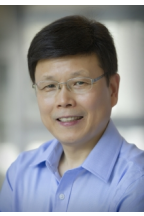
Kesen Ma is an Associate Professor and Undergraduate Advisor in Biology at the University of Waterloo, specializing in hyperthermophile physiology and enzymology. His research explores metabolic processes at extreme temperatures for biofuel production, with affiliations at the Centre for Bioengineering and Biotechnology and Waterloo Centre for Microbial Research. His educational background includes: Ph.D. in Microbial Biochemistry from Philipps-Universität Marburg, Germany (1989) M.Sc. in Microbiology from Academia Sinica, Taiwan (1984) B.Sc. in Microbiology from Wuhan University, China (1982) Dr. Ma's research spans Microbiology , Biochemistry , and Renewable Energy , focusing on protein thermostability, novel metabolic pathways in extremophiles, and industrial applications of thermostable enzymes. His work bridges fundamental enzymology with practical biocatalysis for pharmaceutical and biofuel industries. Analysis of his 2017-2024 publications reveals consistent focus on alcohol dehydrogenases and pyruvate decarboxylases from thermophiles, emphasizing enzyme characterization, thermostability mechanisms, and high-temperature fermentation systems for ethanol production. His scientific recognition includes: Research Fellow at Max-Planck Institute, Philipps-Universität Marburg (1985) Graduate Scholarship from Academia Sinica, Beijing (1982) As Undergraduate Advisor for Biology, Dr. Ma mentors students while leading patented research on thermostable biocatalysts (US patent 8476051). His work has direct industrial applications in bioethanol production and stereo-specific compound synthesis. He actively collaborates through the Waterloo Centre for Microbial Research, focusing on extremophile enzymology for sustainable bioprocessing solutions.
Christian Friedrich Wilhelm Becker is a full Professor at the University of Vienna, holding a position within the Faculty of Chemistry and the Department of Biological Chemistry. His research profile shows extensive activity in protein chemistry and biochemistry, with particular focus on post-translational modifications and their implications in disease mechanisms. His work bridges chemical biology, biochemistry, and biomedical applications, contributing significantly to the academic and research landscape at one of Europe's oldest and most prestigious universities. Faculty of Chemistry, University of Vienna Department of Biological Chemistry Active research leader with numerous ongoing projects Significant publication record spanning multiple disciplines Professor Becker's research primarily focuses on protein chemistry, particularly post-translational modifications and their role in protein function and dysfunction. His work spans multiple interconnected areas including ubiquitination, protein aggregation, prion protein behavior, and biomimetic approaches to protein analysis. His research has significant implications for understanding neurodegenerative diseases and developing novel therapeutic approaches. The fingerprint analysis of his work shows strong connections to biochemistry, molecular biology, and chemistry, with particular emphasis on cysteine chemistry, glycosylation, and amino acid modifications. Analysis of Professor Becker's recent publications (2021-2025) reveals a consistent research trajectory focused on protein modification techniques and their biological implications. His work shows increasing sophistication in chemical biology approaches to study protein function, with particular emphasis on ubiquitination pathways and protein aggregation mechanisms. The integration of chemical synthesis methods with biological analysis represents a hallmark of his research approach. His publications span high-impact journals in biochemistry, chemical biology, and peptide science, demonstrating the interdisciplinary nature of his contributions. Professor Becker has received notable recognition for his research contributions, most prominently the Cathay Award in 2020. This award acknowledges his significant contributions to the field of protein chemistry and chemical biology. His work appears to have practical applications in therapeutic development, particularly in the areas of targeted protein degradation and immunotherapy, which likely contributed to this recognition. Cathay Award (2020) Professor Becker leads multiple significant research projects, including 'Targeted protein degradation - from small molecules to complex organelles' (2020-2024), 'Taktira: Development of an improved, low-side-effect and sustainable immunotherapy' (2019-2023), and 'Structure Zoom: Zooming in on protein functional sites with atomic resolution' (2018-2021). These projects demonstrate substantial grant funding and collaborative research efforts across multiple institutions. His active participation in 290 recorded activities through 2025 indicates a highly engaged research program with numerous collaborators and trainees. Targeted protein degradation project (2020-2024) Taktira immunotherapy project (2019-2023) Structure Zoom project (2018-2021) Professor Becker's research environment includes a robust team of collaborators and junior researchers, as evidenced by the numerous co-authored publications and activities. His work intersects with multiple research groups studying protein function, modification, and therapeutic applications. The international collaboration network shown in his profile indicates significant engagement with researchers across multiple countries, creating a dynamic research ecosystem focused on advancing protein science and its biomedical applications.
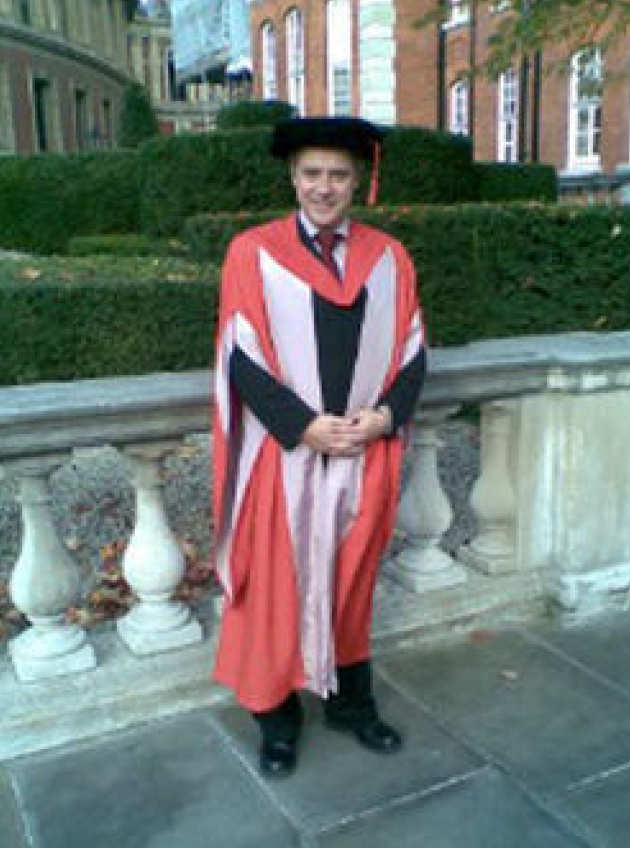
Professor George Britovsek (FRSC) is a leading figure in catalysis and sustainable carbon management at Imperial College London . As Director of the MRes in Catalysis & Engineering and Head of Teaching in Inorganic Chemistry, he bridges academic leadership with cutting-edge research. His work focuses on transition metal complexes for converting ethylene , alkanes , biomass , and CO₂ into valuable chemicals and fuels through industrial collaborations. Education : M.Sc. (Technical University of Aachen, 1990), Ph.D. (Aachen, 1993) under Prof. W. Keim Postdoctoral Training : University of Tasmania (1994-1996), Imperial College London (1996-2000) His research interests span: Selective oxidation of alkanes using bio-inspired iron complexes Alkene conversions to functional polymers via novel catalysts CO₂ valorization into polymers and cyclic carbonates Biomass-derived feedstocks for chemical synthesis Recent catalysis trends highlight his work on: Designing Fe-N/C catalysts for epoxidation Developing PN3P pincer ligands for H₂ activation Creating degradable polyethylene via iron-catalyzed chain growth Modeling alternating α-olefin distributions in chromium systems Awards : Fellow of the Royal Society of Chemistry (FRSC) Students & Collaborators actively engage in: Photocatalytic polymer degradation Electrocatalytic CO₂ conversion Functionalized polymeric materials 3D-printed catalytic scaffolds His Britovsek Research Group operates at the Molecular Sciences Research Hub, White City Campus, advancing both homogeneous and heterogeneous catalysis through experimental and computational approaches.
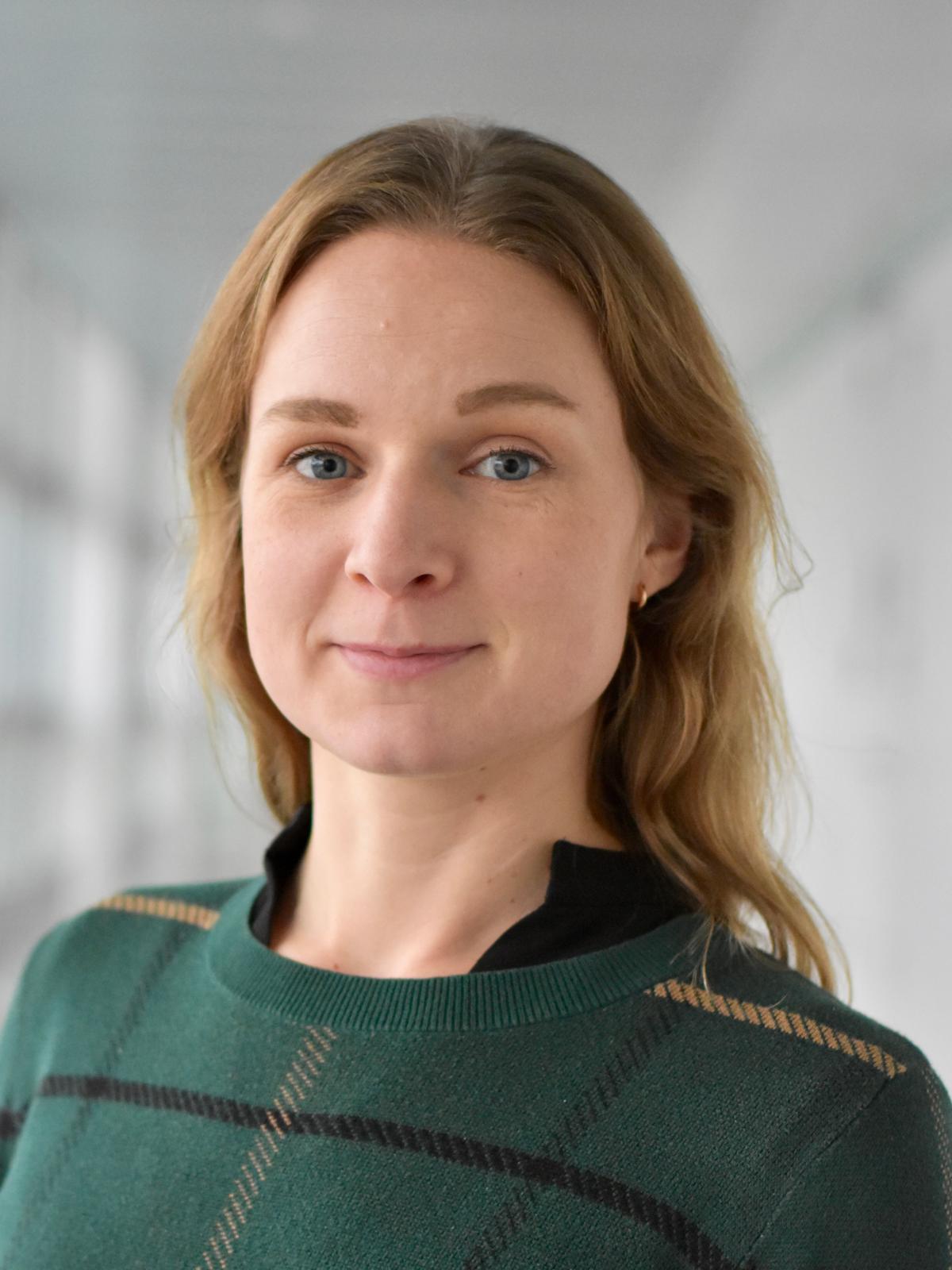
Amy E. Fraley is an Assistant Professor at ETH Zürich, Department of Chemistry and Applied Biosciences, and leads the Medicinal Chemistry Research Group. Her cross-disciplinary work bridges natural products biosynthesis, pharmaceutical sciences, and environmental sustainability through enzymatic chemistry and biotechnology. BSc in Chemistry, Millersville University of Pennsylvania (2014) PhD in Medicinal Chemistry, University of Michigan College of Pharmacy (2019) Postdoctoral work at ETH Zürich Institute of Microbiology under Prof. Jörn Piel Her research focuses on harnessing biosynthetic enzymes (e.g., halogenases, monooxygenases, Diels-Alderases) to create sustainable bioactive metabolites. She explores natural product biosynthesis in fungi and marine bacteria, targeting disease mechanisms and green chemistry applications. Recent work includes metagenomic studies of Lake Chilika microbial mats and polyketide synthase engineering. Notable scientific awards include the 2024 JSP Fellow at Bürgenstock Conference, 2018 Rackham Predoctoral Fellowship, and multiple University of Michigan honors. Her group secured funding from the ETH4D Doctoral Mentorship Grant and Messerli Foundation . Collaborations span structural biology, synthetic chemistry, and microbiology, with key contributions to flavoenzyme characterization and bioactive compound libraries . The lab emphasizes interdisciplinary training and innovation in biocatalytic tools for organic synthesis.
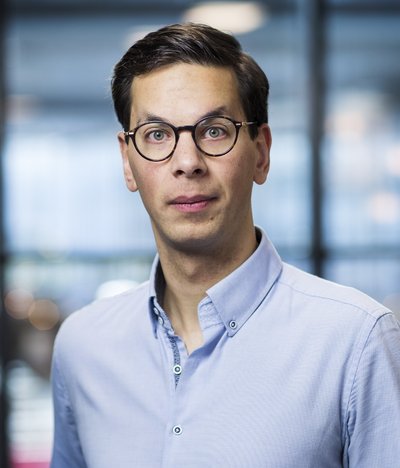
Pim de Vink is a doctoral researcher at Eindhoven University of Technology , affiliated with the Biomedical Engineering department and Chemical Biology group. Supervised by dr. L.-G. Milroy and prof. L. Brunsveld , his work bridges supramolecular chemistry and chemical biology , focusing on host/guest chemistry for protein complex modulation. Education: B.Sc. in Chemistry (2014) from University of Amsterdam M.Sc. in Biomedical Engineering (2016) from TU/e Internship at Max Planck Institute for Molecular Physiology (2016) on gold-catalyzed synthesis Research Themes: His research develops switchable cucurbituril-based systems for light-controlled enzyme activation and artificial signaling networks. Key areas include protein-protein interaction stabilization , thermodynamic modeling , and allosteric nuclear receptor modulation . Publication Trends: Across JACS , Chemical Science , and RSC Chemical Biology , his work from 2017–2023 emphasizes supramolecular tools for biochemical applications. Notable contributions include 100-fold affinity enhancement of 14-3-3 ligands and UV-responsive cucurbituril release mechanisms . Grants: Funded by Netherlands Organization for Scientific Research (NWO) through Gravity program 024.001.035 and VICI grant 016.150.366.
Dr. John A. Copland III is a Professor of Cancer Biology and Biochemistry & Molecular Biology at Mayo Clinic in Jacksonville, Florida. He leads the Cancer Biology and Translational Research Laboratory, focusing on molecular mechanisms of carcinogenesis, tumor progression, and development of targeted cancer therapies. Education: PhD in Physiology & Endocrinology (Medical College of Georgia), MS in Endocrinology (Medical College of Georgia), BS in Chemistry (Columbus College), with postdoctoral training at University of Texas Medical Branch. Research interests center on: Identifying tumor suppressor genes (e.g., RhoB, TBR3, GATA3) and oncogenes (e.g., FOXO3a, SCD1, NPTX2). Developing patient-derived xenografts and live cell models for personalized medicine. Designing SCD1 inhibitors via in silico modeling for clinical trials. Recent publications highlight his work on SCD1 inhibition in leukemia and thyroid cancer ImmunoPET imaging of thyroid tumors CRISPR-identified drug synergies in cholangiocarcinoma Patient-specific combination therapies using xenograft models
Raphael Franzini serves as Associate Professor of Medicinal Chemistry at the University of Utah, actively contributing to the Biological Chemistry PhD Program. His research pioneers innovative chemical approaches for therapeutic development, with dual focus on DNA-encoded library technologies and bioorthogonal drug delivery systems. His educational foundation includes an M.S. from the Swiss Federal Institute of Technology (Lausanne) and a Ph.D. from Stanford University. This training underpins his group's multidisciplinary methodology combining organic synthesis, bioconjugation, computational modeling, and advanced imaging techniques. Dr. Franzini's research program centers on two transformative areas: First, advancing DNA-encoded library screening through computational integration to identify leads for challenging targets like Tankyrase and Sirtuin 6, with recent work addressing false negatives in machine learning prediction. Second, developing novel bioorthogonal release chemistry using isonitrile-tetrazine reactions for spatiotemporally controlled drug activation, validated in zebrafish models. His group emphasizes both technological innovation and therapeutic translation, with chemistry designed to minimize off-target effects in solid tumors. Analysis of his 15 most recent publications reveals escalating integration of computational methods with experimental library screening, alongside refinement of bioorthogonal release kinetics. The work spans chemical biology, medicinal chemistry, and pharmaceutical sciences, with growing emphasis on machine learning for library data interpretation and in vivo validation of drug-release systems. Dr. Franzini maintains an active research laboratory that provides comprehensive training in cutting-edge drug discovery methodologies. His group culture prioritizes both scientific innovation and researcher development, with projects spanning from fundamental reaction kinetics to therapeutic applications. The lab's infrastructure supports organic synthesis, molecular imaging, and computational analysis for advancing precision therapeutics.
Roberto A. Chica is a Full Professor in the Department of Chemistry and Biomolecular Sciences at the University of Ottawa, Faculty of Science. His research focuses on computational and experimental protein engineering, particularly in designing novel enzymes and fluorescent proteins for biotechnological applications. He develops advanced algorithms for protein design and investigates enzyme dynamics using molecular modeling and structural biology approaches. Key research interests include biocatalysis, structural biology, and the application of computational methods to engineer proteins with tailored functions. His lab integrates experimental protein chemistry with computational simulations to understand catalytic mechanisms and design proteins for industrial and biomedical uses. Recent work emphasizes ensemble-based computational enzyme design, exploring how conformational landscapes influence catalytic efficiency. His articles highlight advancements in artificial enzyme creation, substrate specificity modulation, and fluorescent protein optimization. Chica’s contributions bridge fundamental biochemistry with applied innovations in protein engineering. Notable achievements include the design of bright red fluorescent proteins via computational approaches and the development of biosensors for protein expression monitoring. His research has implications for drug discovery, biocatalytic synthesis, and personalized medicine.
Ashis K. Patra is a full-time Professor in the Department of Chemistry at the Indian Institute of Technology Kanpur (IIT Kanpur). After obtaining his Ph.D. from the Indian Institute of Science (IISc) Bangalore in 2008, he carried out post-doctoral research at Harvard University and the University of Georgia before joining IIT Kanpur in 2012. Education & Academic Training Ph.D. (2008), Indian Institute of Science (IISc), Bangalore M.Sc. (2002), The University of Burdwan Research Interests Professor Patra leads an interdisciplinary program that sits at the interface of inorganic chemistry, chemical biology, and medicinal chemistry. His work is organized into three principal thrusts: Therapeutic Applications of Metal Complexes: Design and mechanistic evaluation of cytotoxic transition-metal complexes that target nucleic acids and proteins, aiming to overcome multidrug resistance in cancer. Nitric Oxide Delivery from Transition Metal Nitrosyls: Development of photo- and redox-triggered metal nitrosyl complexes for controlled NO release to biological targets such as hemoglobin, myoglobin, and glutathione. Luminescent Lanthanide Complexes: Synthesis and photophysical characterization of Eu(III) and Tb(III) complexes that serve as luminescent probes and theranostic agents. Research Output & Impact His group has published extensively in leading journals including Dalton Transactions , Inorganic Chemistry , Chemical Science , and Journal of Inorganic Biochemistry . The collective work demonstrates a clear trajectory from fundamental coordination chemistry to translational applications in drug delivery and bioimaging, with recurring themes of redox control, light activation, and biological targeting. Scientific Awards & Fellowships CSIR Junior & Senior Research Fellowships (2001, 2003) West Bengal SLET Qualification (2001) International Travel Grants from CSIR & INSA (2006) DST Fast-Track Fellowship for Young Scientists (2013) Erasmus Mundus NAMASTE Scholarship for Academic Staff (2014) JSPS Invitation Fellowship (2016) Teaching & Mentoring Professor Patra teaches core and advanced courses in inorganic chemistry, including Inorganic Chemistry Laboratory, Bioinorganic Chemistry, and Frontiers in Inorganic Chemistry. He actively mentors Ph.D. and master’s students (full list available on his lab website ) and has established the Laboratory of Inorganic Chemical Biology in the Old Core Lab complex at IIT Kanpur.
Kathrin Lang is a Full Professor at the Department of Chemistry and Applied Biosciences, ETH Zurich, and Head of the Organic Chemistry Laboratory. Her research focuses on chemical biology, particularly the development of tools for genetic code expansion to incorporate non-canonical amino acids into proteins and advance bioorthogonal chemistries for studying biological processes. Keywords: Genetic Code Expansion, Bioorthogonal Chemistry, Protein Engineering, Ubiquitylation Networks, Post-Translational Modifications. Lang’s work emphasizes proximity-triggered crosslinking reactions, bioorthogonal labeling, and in vivo chemistries to address challenges in protein interaction mapping and structural elucidation. Her group’s recent publications highlight methodologies for dual protein labeling, deciphering ubiquitin code, and enhancing cycloaddition reactivity. Current projects include exploring cyclopropene-fused dibenzocyclooctynes for improved labeling and investigating methylated lysine as a conformational regulator in Hsp90. Funding sources include the ERC (Ubl-tool), DFG (SFB1035, SPP1926), and ETH Zurich. She contributes to education through courses like Genetic Code Expansion for Studying Posttranslational Modifications and Chemical Biology and Synthetic Biochemistry . Collaborative efforts span structural biology, microbiology, and synthetic biochemistry, with applications in ubiquitin research and cellular imaging.
Professor Louis Schmidt is a leading academic in the Department of Psychology, Neuroscience & Behaviour at McMaster University , with a research focus on developmental psychophysiology, temperament, and the long-term effects of early adversity. His work bridges neuroscience, psychology, and behavioral science, emphasizing the interplay between brain function and socio-emotional development across the lifespan. Key research themes: Shyness, social anxiety, autism spectrum disorder, schizophrenia, and outcomes of extremely low birth weight. Recognized for mentoring postdoctoral fellow Kristie Poole, who was celebrated as a role model in the Child Emotion Laboratory. Scientific Awards : Royal Society of Canada recognition for contributions to research and scholarship. Research Trends from 15 recent publications include: Neurophysiological mechanisms of shyness (EEG, ERP, RSA) Impact of antenatal corticosteroids on adult brain function Intergenerational effects of maternal mental health interventions Cross-cultural comparisons of temperamental shyness Developmental consequences of preterm birth Behavioral and neural correlates of social anxiety in diverse populations Grants & Collaborations : Led the SNACS randomized controlled trial on antenatal corticosteroids, with applications in obstetrics and developmental neuroscience. Collaborates extensively on topics like autism spectrum disorder, schizophrenia, and emotion regulation. Labs & Teams : Directs the Child Emotion Laboratory at McMaster University, fostering interdisciplinary research on developmental psychopathology and neural mechanisms of temperament.
Thomas Lectka is the Jean and Norman Scowe Professor in the Department of Chemistry at Johns Hopkins University, where he has been a faculty member since 1994. His research focuses on synthetic and physical organic chemistry, particularly in the area of organofluorine chemistry. PhD, Cornell University Postdoctoral Fellow, Heidelberg (Alexander von Humboldt Fellow) Postdoctoral Fellow, Harvard University (NIH Fellow) Dr. Lectka's research is centered on developing novel synthetic methods, especially for fluorination, and understanding the physical organic principles underlying reactivity. His work spans radical fluorination , catalytic asymmetric synthesis , and the design of fluorinated bioactive molecules . Using a combination of experimental and computational techniques, his lab investigates C-F bond formation , reaction mechanisms , and the biological applications of fluorinated compounds. His recent work, as reflected in publications from 2010 to 2024, shows a consistent trajectory in advancing fluorination methodologies, with increasing emphasis on site-selectivity , enantiocontrol , and biomedical relevance . Themes include the development of new reagents, mechanistic studies, and the synthesis of fluorinated natural product analogs and peptidomimetics. Dr. Lectka has received numerous honors and awards, including: ACS Arthur C. Cope Scholar (2024) ACS Maryland Chemist of the Year (2017) John Simon Guggenheim Memorial Fellowship Dreyfus Teacher-Scholar Award Sloan Fellowship NSF CAREER Award NIH First Award Eli Lilly Grantee Award He actively mentors graduate and undergraduate students in his research group, contributing to education and training in organic chemistry. His lab, The Lectka Group , is supported by grants from the NIH and NSF, enabling cutting-edge research in synthetic methodology and physical organic studies. The group fosters a collaborative environment focused on innovation in fluorine chemistry. The Lectka Group is an active research laboratory at Johns Hopkins University dedicated to pushing the boundaries of synthetic organic chemistry through the exploration of fluorine's unique properties. Current projects include site-selective radical fluorination and the synthesis of unusual fluorinated species, aiming to provide new tools for drug discovery and materials science.
Dr. Jacques Archambault is a Professor in the Department of Microbiology and Immunology at McGill University , and an associate member of the Division of Experimental Medicine since 2016. His research focuses on the molecular biology and pathogenesis of human papillomaviruses (HPVs) and polyomaviruses (HPyVs), with an emphasis on their replication mechanisms as episomes in host cells. The Archambault laboratory employs functional genomics, proteomics, and chemical biology approaches to identify cellular pathways exploited by these viruses and develop high-throughput assays for screening small molecule inhibitors of viral replication. Analysis of his recent publications reveals a strong focus on HPV and HPyV replication machinery, including studies on the E1 helicase, UAF1-USP1 interactions, and structural characterization of viral proteins involved in DNA replication. His work bridges virology, oncology, and drug discovery, particularly targeting oncogenic HPV types implicated in anogenital and oropharyngeal cancers, as well as HPyVs like BKPyV and JCPyV that cause pathologies in immunosuppressed patients. Current efforts in the lab aim to elucidate the molecular mechanisms by which HPVs and HPyVs replicate their genomes and to develop antiviral therapies targeting these processes. Techniques such as fluorescence anisotropy, NMR spectroscopy, and crystallography are frequently employed to study protein-DNA and protein-protein interactions critical to viral replication.
Distinguished Professor Peter Ralph is a faculty member at the University of Technology Sydney (UTS), holding the position of Professor of Marine Biology within the Faculty of Science and serving as the Executive Director of the Climate Change Cluster (C3). He is also the founder of the NSW Deep Green Biotech Hub and an influential member of global initiatives such as UNESCO’s Blue Carbon Scientific Working Group and the Czech Academy of Sciences’ Global Change Research Centre. Leadership Roles: Director of the Climate Change Cluster, Deputy-Chair of Sydney Institute of Marine Sciences. Research Collaborations: Partnerships with CSIRO, industry, NGOs, and international institutions. Key Contributions: Over 280 publications and $15M+ in research funding. His research focuses on algae-based solutions to climate change and sustainability, including carbon capture, bioplastic production, waste-water remediation, and circular bio-economy models. He explores advanced manufacturing through Industry 4.0 integration and zero-waste bio-refinery approaches, while also advancing algal phenomics using automated high-throughput screening systems. Recent articles highlight innovations in AI-driven biorefinery optimization, microalgal bioprospecting, and mutagenesis techniques for rare earth element extraction. His work bridges environmental science with engineering, addressing challenges in algae cultivation scalability and commercialization. Scientific Awards: 2012 and 2018 UTS Vice-Chancellor’s Research Excellence Awards. Peter has secured major grants, including the Fermentalg PhD Project on Microalgae Screening, PNG Natural Seafood’s Macroalgae Product Development, and the Winifred Trust Foundation’s Aquaculture initiative. His research teams collaborate across disciplines to transform algae into sustainable resources for food, energy, and biomanufacturing. He leads UTS’s Climate Change Cluster (C3), a hub for interdisciplinary climate research, and actively promotes algae-building technologies and carbon storage innovations through biomasonry products.
Ian Bradley is an Assistant Professor in the Department of Civil, Structural and Environmental Engineering at the University at Buffalo, State University of New York. His research focuses on creating sustainable biological processes to address needs in engineered and natural systems for water and wastewater treatment and resource recovery. Education: PhD in Environmental Engineering, University of Illinois at Urbana-Champaign (2017) MS in Environmental Engineering, University of Illinois at Urbana-Champaign (2011) MS in Civil Engineering (Structures), University of Illinois at Urbana-Champaign (2010) Research Interests: Dr. Bradley specializes in microalgal-based nutrient recovery, wastewater surveillance for public health monitoring, PFAS degradation using nanomaterials, and sustainable resource recovery systems. His work integrates biological processes with environmental engineering to optimize wastewater treatment efficiency and develop predictive models for water quality and health outcomes. Publications: His recent research includes advancements in microalgal cultivation (EcoRecover process), wastewater-based epidemiology for SARS-CoV-2 tracking, and computational enzyme design for PFAS remediation. These studies demonstrate interdisciplinary expertise spanning environmental engineering, biotechnology, and public health analytics.