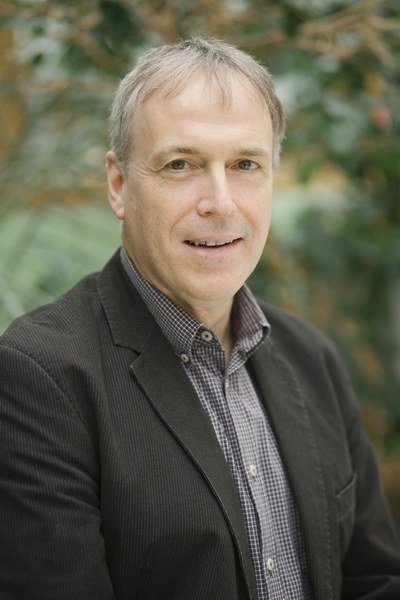
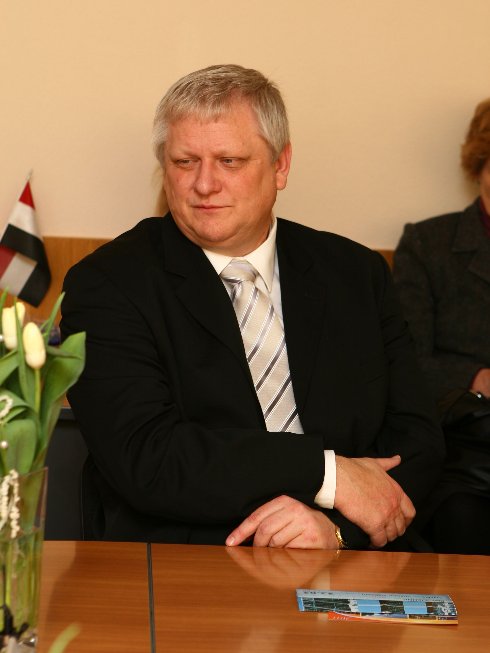
Soulef Chahinez Maandi is a researcher at the University of Brighton , affiliated with the Doctoral College . Her research focuses on the adverse effects of antiretroviral drugs on pancreatic beta cell function and survival , particularly examining oxidative stress and mitochondrial dysfunction as key mechanisms.
Diana J. Laird is a principal investigator at the University of California San Francisco (UCSF) Department of Obstetrics and Gynecology. Her research spans epigenetics, developmental biology, stem cell biology, and environmental health, focusing on germ cell potential, environmental influences on reproductive development, and germ cell roles in aging. She is Deputy Director and Pilot Core Director of the P30 Center for Environmental Research and Translation for Health (EaRTH) at UCSF, a federally-funded lab advancing human health through reproductive science. Stanford University, Ph.D. in Biological Sciences (2003) Sloan Kettering Institute, Postdoctoral Research in Developmental Genetics (2007) Her lab investigates: • Equal potential of germ cells to become functional gametes • Environmental impacts (chemicals, stress) on germ cell development • Germ cell roles in ovarian and systemic aging • Transgenerational effects of exposures • Genetic infertility mechanisms (e.g., Fragile X syndrome) • Comparative biology using mouse models, human cells, and naked mole-rats Current research trends include: • 3D imaging of ovarian development • Glucocorticoid signaling in germ cells • Genomic adaptations in naked mole-rats • DNA methylation dynamics in gametogenesis • Cell competition and apoptosis in germ cell quality control Tektronix Scholarship (1990) NSF Predoctoral Fellowship (2002) Jane Coffin Childs Fellow (2008) NIH New Innovator Award (2016) Deleage Prize (2019) Keck Foundation Award (2025) Laird's NIH-funded work includes projects on: • Stress and chemical interactions in germ cell reprogramming • Ovary-based anti-aging approaches • FMR1 gene function in fertility • Transgenerational phthalate effects
Dr. Alexander Gottschalk is a Professor in the Department of Radiation Oncology at the University of California San Francisco (UCSF). He serves as Director of the CyberKnife Radiosurgery Program and Vice Chair of Clinical Services, overseeing clinical operations at multiple UCSF sites including Mount Zion, Parnassus Mission Bay, and Washington Hospital. He actively participates in clinical care for Urologic, Thoracic, Orthopedic, and Gastrointestinal Oncology programs, while also mentoring radiation oncology residents and medical students. MD, University of Chicago (1996) Dr. Gottschalk's research spans both neuroscience (focusing on optogenetics, synaptic transmission, and C. elegans models) and radiation oncology (specializing in stereotactic body radiotherapy, brachytherapy, and cancer treatment optimization). His recent publications highlight innovations in light-activated ion channels, optogenetic tools for neuronal control, and advanced radiation therapy frameworks. Notable clinical research includes trials on prostate cancer treatment combining radiation therapy with pharmacological agents, and systematic analyses of radiation therapy for adrenal metastases. His work also encompasses neurogenetic engineering and biomedical imaging applications. Commitment to Patient Care Award, UCSF (2012-2013) Lifetime Teaching Award, UCSF (2012-2013) Educator of the Year, UCSF (2009-2010) As Vice Chair, Dr. Gottschalk oversees clinical operations and proctors faculty in CyberKnife Radiosurgery. He collaborates extensively with multidisciplinary teams across oncology programs and contributes to the development of optogenetic technologies through his laboratory research.
Silvia Osuna Oliveras is an ICREA Researcher at the Institute of Computational Chemistry and Catalysis (IQCC), University of Girona, where she leads the OsunaLab research group. She holds a PhD in Chemistry from the University of Girona (2010) and completed postdoctoral training at UCLA under Prof. K.N. Houk with a Marie Curie Fellowship. She has held prestigious positions including Juan de la Cierva, Ramón y Cajal, and ICREA, reflecting her standing as a leading figure in computational chemistry. Her research focuses on theoretical and computational modeling of enzyme catalysis , with an emphasis on understanding reaction mechanisms, designing biocatalysts, and improving catalytic efficiency using quantum mechanics/molecular mechanics (QM/MM) methods. Her work bridges organic chemistry, physical chemistry, and biochemistry, contributing to sustainable and green chemistry through enzyme engineering. The 15 most recent publications analyzed span high-impact journals such as Nature , Nature Catalysis , Nature Chemical Biology , Nature Communications , JACS , and Angewandte Chemie . These works reveal a strong trend in computational enzymology , reaction mechanism elucidation , and biocatalyst design , often integrating advanced simulation techniques with experimental validation. Key subfields include QM/MM, free energy calculations, protein dynamics, and enzyme engineering for organic transformations. Her scientific achievements have been recognized with numerous awards: Premi Nacional d'Investigació 'María Teresa Toral' (2023) Premi Talent Científic Emergent (2023) EuChemS Lecture Award (2022) FCRi Young Talent Researcher (2019) Lilly-RSEQ Young Investigator (2019) EuCheMS Organic Division Young Investigator (2017) RSEQ Young Investigator (2016) FPdGi Research Prize (2016) She leads a well-funded research program supported by the European Research Council (ERC FASTEN Consolidator Grant, GREENZYME and KITZYME Proof of Concept), MINECO (COCOZYME), and EVOCAT projects, managing approximately €2.6 million in grants. Her lab actively contributes to scientific outreach, having published five popular science articles and co-edited a special issue on 'Nanoreactors and Molecular Prisons' in Current Organic Chemistry . The OsunaLab group is based at the Institute of Computational Chemistry and Catalysis (IQCC), a leading research institute at the University of Girona focused on theoretical and computational approaches in chemistry. The group collaborates internationally and trains the next generation of computational chemists, despite no current students being listed in the provided text.
Russ Algar is a Professor at the Department of Chemistry within the Faculty of Science at the University of British Columbia (UBC) . Holding a Canada Research Chair (Tier 2) in Biochemical Sensing since 2012 and a Michael Smith Foundation for Health Research Scholar since 2014, he leads the Algar Research Group , focusing on luminescent materials for bioanalysis, fluorescence spectroscopy, FRET networks, and point-of-care diagnostic devices. Ph.D. , University of Toronto (2010) M.Sc. , University of Toronto (2006) Hon.B.Sc. , University of Toronto (2005) His research spans luminescent materials , biochemical sensing , FRET-based probes , and smartphone-integrated diagnostic platforms . Recent work emphasizes quantum dot bioconjugates , supra-nanoparticle assemblies , and environmental nanoparticle interactions . Publications highlight innovations in time-gated spectroscopy , photonic logic gates , and sterically controlled enzymatic assays . Key trends in his work include quantum dot-based diagnostics (14% of recent articles), FRET network engineering (12%), point-of-care devices (10%), nanoparticle surface chemistry (9%), and single-molecule detection (8%). Collaborations extend to UBC's LASIR , Hudson Group , and TRIUMF . Canada Research Chair (2012-Present) Michael Smith Foundation Scholar (2014-Present) NSERC Postdoctoral Fellowship (2010-2012) UBC Chemistry Basic Skills Test developer Editorial Board : Analytical Chemistry Research , Chemosensors , Nano Reviews The group develops quantum dot-biomolecule conjugates for intracellular sensing and low-cost diagnostic tools . Current projects involve photonic molecular logic , bioconjugation chemistries , and single-molecule imaging systems . Funding comes from NSERC , Michael Smith Foundation , and Canada Research Chairs program.
Marileen Dogterom is a Professor of Bionanoscience at the Kavli Institute of Nanoscience, Delft University of Technology, and holds a dual appointment as a Medical Delta Professor at the Leiden Institute of Physics, Leiden University. Her research focuses on the quantitative biophysics of the cytoskeleton, particularly microtubule dynamics and their role in cellular organization and division. Her work integrates in vitro reconstitution , theoretical modeling , and live-cell experiments to dissect the physical mechanisms underlying cytoskeletal processes. She leads the national 'Building a Synthetic Cell' (BaSyC) initiative, aiming to construct a minimal synthetic cell, reflecting her pioneering role in bottom-up synthetic biology. Her lab investigates cytoskeletal crosstalk, DNA segregation systems, microtubule-kinetochore coupling, and force generation using advanced techniques like optical tweezers and liquid-phase electron microscopy. The most recent publications highlight a strong trend in mechanistic biophysics and synthetic cell engineering , with a focus on protein complexes (Ndc80, Ska), microtubule end dynamics, actin-microtubule coordination, and the development of minimal in vitro systems to model cellular processes like polarity and coacervate formation. Spinoza Prize (2018) : One of the highest scientific awards in the Netherlands. Member of the KNAW board (2017) : Elected to the Royal Netherlands Academy of Arts and Sciences. She actively supervises PhD and master’s students, fostering the next generation of scientists in biophysics and synthetic biology. Her lab collaborates widely, including with groups at TU Delft, Leiden University, and international institutions like BIOCEV in Prague. The lab is deeply involved in cutting-edge projects such as building light-controllable DNA segregation systems and visualizing microtubule dynamics with liquid-phase EM. Her research is conducted at the intersection of physics, biology, and engineering, primarily within the Marileen Dogterom Lab at TU Delft, and through collaborative efforts with the Koenderink group (TU Delft) , the Schneider lab (Leiden University) , and the broader European Synthetic Cell initiative .
Matthew Gill is an Associate Professor in the Department of Genetics, Cell Biology and Development within the College of Biological Sciences at the University of Minnesota, Twin Cities. He leads the Gill Lab as part of the Masonic Institute on the Biology of Aging and Metabolism and the Medical Discovery Team on Aging, focusing on translational aging research since their 2017 founding. Dr. Gill's research employs C. elegans to dissect fundamental aging mechanisms through genetic, chemical, and biochemical approaches. His lab discovered a novel alternatively spliced insulin receptor (DAF-2B) that acts as a decoy to sequester insulin ligands and modulate aging, alongside identifying an endocannabinoid signaling system in nematodes. Current work investigates DAF-2B's splicing regulation and mammalian conservation, bridging developmental processes like dauer formation with lifespan extension pathways. Analysis of his publication record (2014-2023) reveals consistent focus on insulin signaling dynamics, alternative splicing events, and lipid-based neuromodulation in aging. His work demonstrates how conserved pathways—particularly insulin/IGF-1 signaling and stress responses—can be targeted to influence longevity, with implications for age-related metabolic disorders and neurodegenerative conditions. Scientific Awards: No specific awards were mentioned in the provided sources. Dr. Gill advises PhD students including Tom Hodder (co-advised with Chad Myers), who develops geroprotector screening methods, and mentors postdoctoral researchers like Bryan Martinez studying DAF-2B regulation. His research is institutionally supported through the Masonic Institute and Medical Discovery Team on Aging, indicating sustained funding for mechanistic aging studies. Current grants focus on insulin receptor splicing mechanisms and cross-species conservation of aging pathways. The Gill Lab operates from Nils Hasselmo Hall, leveraging C. elegans genetics to explore therapeutic targets for human aging. Ongoing projects examine how environmental stressors interact with genetic factors to influence aging, with future work directed toward mammalian validation of decoy receptor mechanisms and drug discovery for age-related decline.
Shahriar Mobashery is the Navari Family Professor in Life Sciences at the University of Notre Dame, where he has been since 2003. He previously held academic positions at Wayne State University from 1989 to 2003, progressing from Assistant to Professor. Education : Ph.D. in Chemistry (1985), University of Chicago B.S. in Chemistry (1981), University of Southern California B.S. in Biological Sciences (1980), University of Southern California Research Focus : The Mobashery laboratory integrates computation, biochemistry, molecular biology, and organic synthesis to address critical clinical challenges. Key areas include: Elucidating mechanisms of resistance to β-lactam antibiotics in pathogens like MRSA and Pseudomonas aeruginosa Bacterial cell wall biosynthesis and recycling Discovery of novel antibacterials through enzyme inhibition studies Investigating extracellular matrix (ECM) dysregulation in diabetes, pulmonary fibrosis, traumatic-brain injury, and stroke Publications Trends : Recent work focuses on structural characterization of bacterial enzymes (e.g., VldE, MltD, SleC) and their inhibition strategies. These studies span chemical biology, microbiology, and structural enzymology, particularly targeting antibiotic-resistant pathogens. Scientific Recognition : Emil Thomas Kaiser Award (2019) Astellas USA Foundation Award (2007) Fellow of AAAS (2007) and Science Without Borders, Brazil (2014-2016) Charles H. Gershenson Distinguished Faculty Fellow (1999-2001) University of Notre Dame Research Achievement Award (2012) Collaborative Network : Active in multidisciplinary research with collaborators like Prof. Juan A. Hermoso (structural biology) and Prof. James F. Fisher (antibiotic resistance). His lab works with graduate students on bacterial pathogenesis and ECM-related diseases.
Dr. Younes Smani is a Professor at Pablo de Olavide University , leading the Expresión Génica en Bacterias de Interés Medioambiental research group at the Andalusian Center of Developmental Biology (CABD) . His work focuses on Microbiology , particularly antimicrobial resistance mechanisms in Gram-negative bacilli like Acinetobacter baumannii , Pseudomonas aeruginosa , and Enterobacterales . Key Research Areas : Host-pathogen interactions, outer membrane protein targets (e.g., OmpA), and development of novel antibiotic classes targeting bacterial enzymes like enolase. Methodology : In vitro studies, animal models, proteomics, and computational approaches for drug discovery. Recent Publications highlight advancements in antimicrobial strategies , including AI-driven antibiotic discovery, enolase-targeting compounds, and repurposing drugs like tamoxifen metabolites. His team emphasizes combination therapies with existing antibiotics and anti-virulence approaches to combat resistance.
Christoph Müller is a Professor of Experimental Plant Ecology at Justus Liebig University Giessen (since 2009) and a Visiting Professor at University College Dublin's School of Biology and Environmental Science (since 2007). His work bridges soil science, plant ecology, and climate change biogeochemistry. PhD in Soil Science (Lincoln University, NZ, 1995) MSc in Soil Water Management (University of Reading, 1991) Diploma in Horticulture (FH, 1990) Research centers on climate change impacts on terrestrial ecosystems , focusing on elemental cycles and trace gas production in soils. He pioneered 15N/13C isotope tracing to quantify gross nitrogen transformations and developed Ntrace software for analyzing these processes. His landmark Giessen FACE experiment (20+ years) demonstrates how elevated CO2 alters rhizosphere microbiomes and nutrient dynamics. Recent publications (2021-2023) reveal mechanisms linking soil clay minerals to nitrogen cycling, quantify DNRA patterns across ecosystems, and explore biochar-nitrapyrin synergies for emission reduction. Grants from EPA Ireland and Department of Agriculture Ireland support his work on greenhouse gas mitigation and sustainable fertilization . Collaborations span institutions like UCD, with co-authors including Gerald Moser , Daniela Senkbeil , and Lea Meng . Current editorial roles involve European Journal of Soil Science and Frontiers in Terrestrial Microbiology . His methodology integrates stable isotope tracing , metabarcoding , and process-based modeling to unravel soil-plant-microbe interactions.
Andrea Cappelli is a Full Professor at the Department of Biotechnology, Chemistry and Pharmacy within the University of Siena . He teaches courses in Technology, Socio-economics, and Pharmaceutical Law as part of the 4-year Pharmaceutical Chemistry and Technology program. His research focuses on pharmaceutical chemistry , medicinal chemistry , and biochemistry , with a particular emphasis on organic synthesis , photochemistry , and drug delivery systems . Recent publications highlight his work in synthesis of dual enzyme inhibitors , lysine-targeted covalent ligands , and light-responsive molecular switches . His studies often involve photophysical analysis , macrocyclic compound development , and biomimetic material design . Andrea Cappelli is actively engaged in molecular modeling and structure-activity relationship investigations for therapeutic applications.
Weria Pezeshkian is an Assistant Professor in the Biocomplexity research group at the Niels Bohr Institute, University of Copenhagen. With expertise spanning computational biophysics and membrane dynamics, Dr. Pezeshkian leads research that bridges physics, biology, and computational science to address fundamental questions in cellular mechanics. Dr. Pezeshkian's research focuses on: Computational modeling of cellular membranes and their dynamic properties Molecular dynamics simulations of protein-lipid interactions Membrane mechanics and curvature generation mechanisms Plasma membrane repair processes Development of computational methodologies for multiscale biological modeling Analysis of recent publications reveals a strong emphasis on membrane biophysics, particularly in understanding how proteins interact with and shape cellular membranes. The research combines advanced computational techniques with experimental data to model complex cellular processes across multiple scales. Key contributions include elucidating mechanisms of membrane repair, protein-induced membrane curvature, and innovative simulation methodologies like FreeDTS and TS2CG. Scientific recognition includes: MGMS Frank Blaney Award (2024) Dr. Pezeshkian maintains an extensive collaborative network across institutions and disciplines, focusing on integrative approaches to complex biological questions. The research has significant implications for understanding fundamental cellular processes and potential applications in disease mechanisms related to membrane dysfunction.
Songon An is an Associate Professor at the University of Maryland, Baltimore County (UMBC) in the Department of Chemistry & Biochemistry. His research focuses on the cellular biochemistry of metabolic multienzyme complexes , including the purinosome and glucosome , which regulate metabolic pathways in response to cellular signals relevant to cancer, diabetes, and obesity. He has been instrumental in advancing understanding of how these complexes are spatially and temporally organized in living cells. Education: Ph.D., University of Minnesota – Twin Cities (2005) Post-Doctoral, Pennsylvania State University (2011) B.S., Yonsei University, Seoul, Korea (1997) His work explores the dynamic architecture of metabolic enzyme complexes and their regulation via signaling pathways . Recent publications highlight the role of EGF-ERK1/2 and Akt-independent PDK1 pathways in glucosome and purinosome organization. His lab combines live-cell imaging , mathematical modeling , and biomolecular studies to uncover mechanisms that could redefine cellular biosynthetic pathway operations. Scientific Awards & Grants include the NIH R01 (2017) and R03 (2018) grants, and the Mid-Career Faculty Excellence Award (2020). He has served as an Associate Editor for Experimental Cell Research and Frontiers journals, as well as a panel reviewer for NIH and grant reviewer for ANR and ERC . Dr. An’s lab actively trains PhD students and undergraduate researchers , including former advisee Danielle Schmitt , now a tenure-track professor at UCLA. His lab has organized major conferences like the Chesapeake Bay Area Single Molecule Biology (CBASMB) meeting and contributed to Gordon Research Conferences and Keystone Symposia . Collaborations with Dr. Minjoung Kyoung and others emphasize multi-dimensional fluorescence imaging and phase-separated condensates in metabolic research.
Dr. Róbert Gábriel, a University Professor and Institute Director at the Institute of Biology, specializes in Neurobiology with a focus on retinal development, neurochemistry, and metabolic retinal disorders. His work spans techniques like enzyme histochemistry, in situ hybridization, and electrophysiology. Key Research Areas: Retinal neuroprotection in diabetic/hypertensive retinopathy Mechanisms of PACAP (pituitary adenylate cyclase-activating polypeptide) in retinal health MiRNA regulation during retinal development Peptide homeostasis and oxidative stress in degenerative diseases Microanatomy of retinal circuits and circadian rhythms Recent publications highlight therapeutic applications of PARP inhibitors, PACAP variants, and multi-target drugs in retinal degeneration models. His work bridges basic science and translational approaches for neuroprotective therapies.
Geremia Silvano is an Associate Professor of General and Inorganic Chemistry at the Department of Chemistry and Pharmaceutical Sciences, University of Trieste. He serves as Head of the Department and coordinates the Center of Excellence in Biocrystallography (CEB). As a member of multiple doctoral boards (Cycles XXIX through XXXIX), he plays a significant role in graduate education at the university. His educational background includes a Degree in Chemistry from Trieste (1988) and a PhD in Chemical Sciences (1992). His academic career progressed from Assistant Professor positions in Ancona (1994) and Trieste (1996) to Associate Professor (2002), with research experience at Oxford's Laboratory of Molecular Biophysics. Professor Silvano's research focuses on structural studies of supramolecular and protein systems using crystallographic techniques. His work spans several key areas: Biocrystallography of natural and artificial proteins Structural analysis of redox proteins Host-guest chemistry in supramolecular systems Vitamin B-12 chemotherapeutic agents and bioconjugates His publication record includes approximately 180 works in high-impact journals (H-index = 37), with research utilizing synchrotron radiation facilities worldwide including SRS (UK), LURE (France), ESRF (France), HASYLAB (Germany), and Elettra (Italy). Professor Silvano has supervised 6 PhD theses and numerous Bachelor's and Master's theses. He serves as a referee for international journals and as a valuator of research projects. His administrative roles include membership in the Commission for drafting the UniTS Statute (2011), the Administrative Council of the University College for Sciences 'L. Fonda' (2012), and the Academic Senate of UniTS (2012).