
معرفی
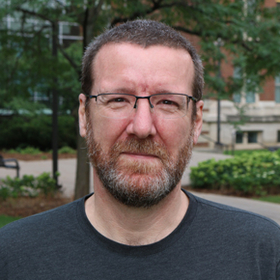
Matthew Gill is an Associate Professor in the Department of Genetics, Cell Biology and Development within the College of Biological Sciences at the University of Minnesota, Twin Cities. He leads the Gill Lab as part of the Masonic Institute on the Biology of Aging and Metabolism and the Medical Discovery Team on Aging, focusing on translational aging research since their 2017 founding.
Dr. Gill's research employs C. elegans to dissect fundamental aging mechanisms through genetic, chemical, and biochemical approaches. His lab discovered a novel alternatively spliced insulin receptor (DAF-2B) that acts as a decoy to sequester insulin ligands and modulate aging, alongside identifying an endocannabinoid signaling system in nematodes. Current work investigates DAF-2B's splicing regulation and mammalian conservation, bridging developmental processes like dauer formation with lifespan extension pathways.
Analysis of his publication record (2014-2023) reveals consistent focus on insulin signaling dynamics, alternative splicing events, and lipid-based neuromodulation in aging. His work demonstrates how conserved pathways—particularly insulin/IGF-1 signaling and stress responses—can be targeted to influence longevity, with implications for age-related metabolic disorders and neurodegenerative conditions.
Scientific Awards:
- No specific awards were mentioned in the provided sources.
Dr. Gill advises PhD students including Tom Hodder (co-advised with Chad Myers), who develops geroprotector screening methods, and mentors postdoctoral researchers like Bryan Martinez studying DAF-2B regulation. His research is institutionally supported through the Masonic Institute and Medical Discovery Team on Aging, indicating sustained funding for mechanistic aging studies. Current grants focus on insulin receptor splicing mechanisms and cross-species conservation of aging pathways.
The Gill Lab operates from Nils Hasselmo Hall, leveraging C. elegans genetics to explore therapeutic targets for human aging. Ongoing projects examine how environmental stressors interact with genetic factors to influence aging, with future work directed toward mammalian validation of decoy receptor mechanisms and drug discovery for age-related decline.
Matthew Gill در سایتهای دیگر
جستوجوهای مرتبط
شاید اینها هم برایتان مناسب باشند
 Coleen MurphyPrinceton University · استاد
- MMaria De Las Mercedes Perez JimenezPablo de Olavide University · دانشیار
 Barth GrantRutgers, The State University of New Jersey · استاد
 Jane Albert HubbardNew York University · استاد
 Luis Rene GarciaTexas A&M University · استاد
- RRobert J. S. ReisUniversity of Arkansas for Medical Sciences · استاد