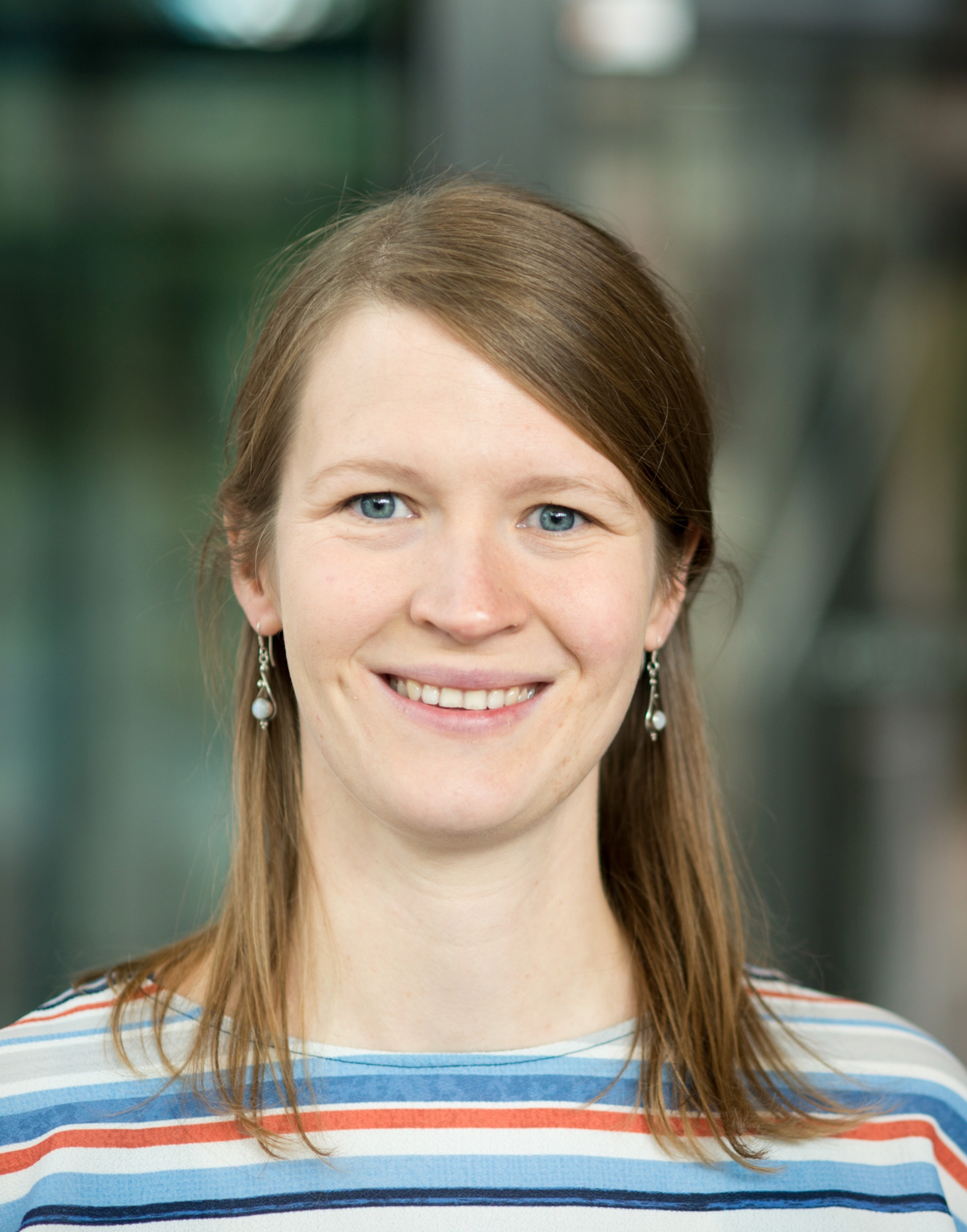
Professor Anne Burmeister is a full Professor of Organizational Behavior at the University of Cologne, Faculty of Management, Economics, and Social Sciences. She specializes in knowledge transfer, age diversity, inclusion, and interpersonal dynamics in workplaces. Her research bridges organizational psychology with practical applications in aging and diverse teams. Education: PhD in Psychology (summa cum laude), Leuphana University of Lueneburg (2016) MSc in Management and Organizational Analysis, Warwick Business School (2011) BSc in Business Psychology, Leuphana University of Lueneburg (2010) Research Interests: Her work focuses on work and aging, age diversity, inclusion, knowledge transfer, and workplace friendships. She investigates how social interactions influence productivity and organizational health, particularly in multigenerational environments. Recent Trends: Recent publications analyze DEI initiative responses, knowledge sharing dynamics, and interventions for aging workforces. Themes include cognitive load theory, intergenerational collaboration, and ambivalent employee reactions to diversity policies. Scientific Recognition: Awarded 40 leading HR minds 2025 by HR magazine Contact: Email: burmeister@wiso.uni-koeln.de Phone: +49 221-470-5887
Can Güler is an Assistant Professor in the Department of Lifelong Learning and Adult Education at the Faculty of Education, Anadolu University, Turkey. Previously, from 2002 to 2023, he served as a Lecturer in the Department of Distance Education at the Faculty of Open Education, Anadolu University. His academic career spans over two decades with continuous contributions to open and distance education systems. His educational background includes: Bachelor's degree in Computer and Instructional Technologies Education, Anadolu University (2002) Master's degree in Distance Education, Institute of Social Sciences, Anadolu University (2007) Ph.D. in Distance Education, Institute of Social Sciences, Anadolu University (2022) Güler's research centers on open and distance learning methodologies, educational technology integration, and instructional material development. He specializes in video-based learning systems, interactive media design, and gamification strategies for enhancing learner engagement. His work addresses practical challenges in digital content creation and accessibility for diverse learner demographics, particularly adult populations. Analysis of his publication trajectory reveals consistent innovation in multimedia applications for distance education, with recent emphasis on generative AI awareness among educators and interactive video transformation techniques. His research frequently employs design-based methodologies and institutional case studies from Anadolu University's open education infrastructure. Scientific Awards: None mentioned in available sources. Advising and Grants: No information provided regarding student supervision or research funding in current documentation.
Jule Thober is a Scientific Manager at the Helmholtz Centre for Environmental Research - UFZ , leading Topic 5 "Landscapes of the Future" in the Helmholtz Program and managing the Integration Platform "Robust Pictures of the Future". She contributes to cross-disciplinary research in Smart Models / Monitoring and Computational Hydrosystems , focusing on agent-based models, sustainable land management, and climate risk analysis. Roles : Scientific Manager (2022–), Postdoc (2017–2021), PhD Student (2013–2016) Projects : Copernicus Contract Ulysses 2, LandYOUs Game Development Research Interests center on socio-environmental systems, integrating agent-based models with ecological economics. Her work explores decision-making under climate uncertainty, land use policy, and resilience of pastoral systems through computational methods. Publication Trends (15 most recent) span ecological complexity, environmental informatics, and computational hydrosystems. Key themes include agent-based land use models , climate risk mitigation , and participatory decision support tools . Collaborations involve UFZ departments, international institutions, and interdisciplinary teams in Germany and abroad. She contributes to Helmholtz POF IV programs and EU-funded initiatives like 4DHydro.
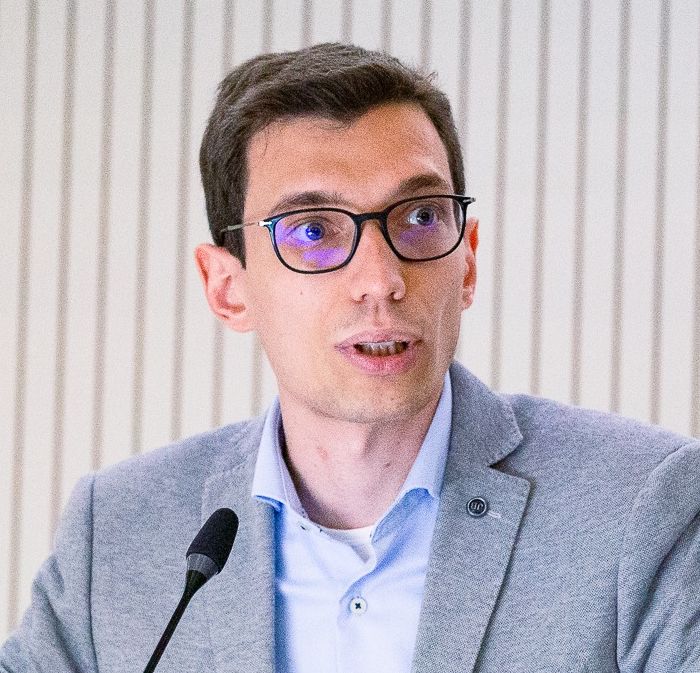
Professor Moritz Rossner serves as Head of the Department of Molecular and Behavioral Neurobiology at the Department of Psychiatry and Psychotherapy, Faculty of Medicine, Ludwig-Maximilians-Universität München (LMU). His research integrates molecular and behavioral approaches to understand the neurobiological underpinnings of psychiatric disorders, particularly schizophrenia and bipolar disorder. Rossner's research interests focus on molecular neurobiology and behavioral analysis using mouse models. His laboratory employs advanced techniques including mouse genetics , behavioral phenotyping , biosensors , next-generation sequencing , and transcriptomics to investigate psychiatric risk genes and pathways. His work bridges cellular and molecular mechanisms with behavioral outcomes, particularly in schizophrenia and bipolar disorder research. Analysis of Rossner's 15 most recent publications (2025) reveals a strong focus on precision psychiatry , neuroimaging biomarkers , and genetic mechanisms underlying psychiatric disorders. His research increasingly incorporates multimodal approaches combining neuroimaging, genomics, and clinical phenotyping to develop biologically informed diagnostic and treatment frameworks. Key themes include blood-brain barrier dysfunction in schizophrenia, inflammatory contributions to symptom severity, and pathway-specific polygenic scores for treatment prediction. Rossner leads the Molecular & Behavioural Neurobiology working group at LMU's Department of Psychiatry and Psychotherapy, which includes specialized units like the Mouse Behavioral Unit. His research program appears well-funded through multiple collaborative projects focused on understanding the molecular basis of psychiatric disorders and developing novel therapeutic approaches.
Toni Rantanen is a Doctoral Researcher at Aalto University in the College of Built Environment. His work focuses on integrating geospatial data with game engine technologies for advanced 3D visualization and analysis of urban environments. Specializes in digital twin applications Active in urban sustainability research Collaborates with the MeMo research group Research Interests Geospatial Data Integration : Developing frameworks for open data standards in urban digital twins 3D Visualization : Creating immersive virtual environments for watershed analysis and lighting simulations Environmental Analysis : Using game engines for change detection and urban park evaluation Interactive Mapping : Designing user-friendly geospatial tools Reality Modeling : Capturing built environment changes through multitemporal data Recent publications demonstrate expertise in urban digital twin development , 3D geovisualization , and game engine applications for environmental research. Collaborative work spans multiple disciplines including urban planning , GIS technology , and virtual reality evaluation .
Guojun Chen is an Assistant Professor at the Department of Biomedical Engineering and a member of the Rosalind & Morris Goodman Cancer Institute (GCI) at McGill University . His research focuses on engineering intelligent biomaterials for precision medicine , with emphasis on non-viral genome editing , cold atmospheric plasma (CAP) therapy , and biomaterials-mediated immunotherapy . The lab operates in a multidisciplinary environment , integrating principles from materials science , chemistry , biology , and health sciences . Education : Ph.D. from University of Wisconsin-Madison (2017), Postdoc at UCLA (2020) Research Themes : Genome Editing Delivery : Designing non-viral vectors for efficient CRISPR/Cas9 delivery in vivo. CAP-mediated Immunotherapy : Developing portable cold plasma devices to synergize with immune checkpoint blockade and study CAP’s immunological mechanisms. Biomaterials-based Immunotherapy : Reprogramming tumor microenvironments using bioresponsive materials to enhance immune responses. Publication Trends : Recent work spans responsive nanomaterials , genomic editing systems , and plasma oncology , with a focus on cancer immunotherapy , diabetes diagnostics , and bioinspired medical devices . Scientific Awards : Canada Research Chair (2024, 2025) McGill's President's Prize for Emerging Researchers (2025) FRQS Chercheurs-boursiers (2022) Chinese Association for Biomaterials Young Investigator Award (2022) NSERC Discovery Grant (2021) Advising & Grants : Supervises 14 current graduate and undergraduate students. Secured $5M+ in funding from CIHR , NSERC , CCS , and CFI , including multi-institutional collaborations with Dr. Morag Park , Dr. Réjean Lapointe , and Dr. Ian Watson .
Lorenzo Baraldi is an Associate Professor at the University of Modena and Reggio Emilia, where he leads research in deep learning, vision-language integration, and multimodal AI systems. He serves as an ELLIS Scholar and Coordinator of the Modena ELLIS Unit, and has held the position of deputy director at the Interdepartmental Center on Digital Humanities since 2021. Previously, he worked at Facebook AI Research laboratory in Paris in 2017, developing video-matching algorithms for content moderation. His research spans multiple areas including Vision-and-Language integration, Multimodal Retrieval, Image and Video Captioning, Visual-Semantic alignment, Large-Scale model development, High Performance Computing, and Embodied AI. With over 120 publications in international journals and conferences, his work demonstrates consistent contributions to advancing multimodal AI capabilities. He has served as an Associate Editor for Computer Vision and Image Understanding and Pattern Recognition, and as Area Chair for major conferences including ICCV, WACV 2026, and ACM Multimedia 2025. His recent publication record shows significant impact in the field, with multiple papers accepted to top-tier conferences in 2024-2025 including CVPR, ICCV, BMVC, ICLR, ECCV, and NeurIPS. Notably, his paper "Hyperbolic Safety-Aware Vision-Language Models" was selected as a highlight paper at CVPR 2025. His research often involves collaboration with Rita Cucchiara and other researchers at his institution. ELLIS Scholar and Coordinator of the Modena ELLIS Unit Associate Editor for Computer Vision and Image Understanding Area Chair for ICCV and major multimedia conferences Highlight paper at CVPR 2025 Professor Baraldi teaches courses in Computer Vision and Cognitive Systems, Scalable AI, and Computer Architecture for the Artificial Intelligence Engineering and Computer Engineering programs. His teaching spans both undergraduate and graduate levels, with a focus on providing students with both theoretical foundations and practical implementation skills. He has developed educational materials including Deep Learning tutorials for classroom instruction.
Dr. Hannes Petrowsky is a Senior Research Associate at the Chair of Business Psychology, Social Psychology & Experimental Methods at Leuphana University of Lüneburg. He earned his M.Sc. in Management & Marketing (2017-2019) and completed his Ph.D. on first-offer effects in negotiations (2020-2023). Academic Affiliation: Institute for Management & Organization (IMO) Location: Universitätsallee 1, C6.419, Lüneburg Contact: hannes.petrowsky@leuphana.de | +49.4131.677-1437 His research spans negotiation psychology , consumer behavior , and the impact of digital technologies (e.g., big data, machine learning, AI, VR). He investigates anchoring effects, price-ending strategies, and socially innovative transformations through inclusive working environments. Key Trends in Recent Publications: Analysis of concession patterns in negotiations using behavioral economics principles Development of immersive VR frameworks for skill acquisition Behavioral science-driven interventions for climate change mitigation Meta-analyses of negotiation dynamics across 25-26 million real-world transactions Exploration of technology adoption in public health contexts Dr. Petrowsky contributes to projects like the Digital Transformation Lab and MEHRCE (circular economy initiatives). His work bridges experimental psychology with digital innovation and sustainable entrepreneurship .
Pia Vogel is a Professor in the Department of Biological Sciences at Southern Methodist University (SMU), where she leads research on nucleotide-binding proteins using Electron Spin Resonance spectroscopy and molecular modeling. Her work focuses on elucidating structural mechanisms in ATP synthase, multidrug resistance transporters, and calcium channels with biomedical applications in cancer therapy and neurodegenerative diseases. Education: Ph.D., University of Kaiserlautern Dr. Vogel's research program investigates three interconnected domains: the rotary mechanics of FoF1-ATP synthase (particularly the external stalk subunit b-dimer), the structural basis of multidrug resistance in P-glycoprotein and MRPs, and ATP-regulated calcium release via ryanodine receptors. Her laboratory employs site-specific spin labeling, ESR spectroscopy, and computational modeling to resolve protein dynamics and interactions at molecular resolution, contributing to understanding energy transduction in ATP synthase and mechanisms of drug resistance. Analysis of her 15 most recent publications (2020-2025) reveals a dominant focus on developing and characterizing P-glycoprotein and BCRP inhibitors to overcome chemotherapy resistance in cancer. These studies integrate computational screening, ATPase assays, and cell-based models to evaluate inhibitor efficacy, with emerging applications in Alzheimer's research through amyloid-β transport studies. The work demonstrates consistent methodological synergy between biophysical characterization and therapeutic development. Dr. Vogel maintains an active research group supported by sustained funding, evidenced by continuous publication output and laboratory infrastructure. Her team employs multidisciplinary approaches spanning biophysics, biochemistry, and computational biology to address fundamental questions in membrane protein function. Her laboratory facilities in DLSB 221 include specialized Electron Spin Resonance instrumentation and dual Linux computing clusters for molecular dynamics simulations. The research environment supports collaborative projects extending her work into cancer therapeutics and neurodegenerative disease mechanisms through partnerships with clinical and computational researchers.
Curtis Suttle is a Professor in the Department of Botany at the University of British Columbia's Faculty of Science. He also holds affiliations with Earth and Ocean Sciences, Microbiology and Immunology, and the Institute for Oceans and Fisheries. His research focuses on marine virology and the ecological roles of viruses in aquatic ecosystems, particularly their impact on phytoplankton and microbial communities. Dr. Suttle received his B.Sc. and Ph.D. from UBC, was a Coastal Marine Scholar at SUNY StonyBrook (1987-88), and served as Assistant/Associate Professor at the University of Texas at Austin (1988-96) before returning to UBC. His research program investigates the biology and ecology of viruses that infect microalgae and cyanobacteria. Key areas include discerning viral effects on primary productivity, isolating novel marine viruses, developing molecular identification methods, and studying viral distribution patterns. His work has revealed that viruses can occur in seawater at concentrations exceeding 10 5 ml -1 , with cyanophage concentrations reaching 10 6 infectious units ml -1 in coastal waters. Dr. Suttle's team has developed PCR primers specific for viral DNA polymerase genes, showing these viruses belong to a single family related to herpes viruses. Recent publications show a strong focus on marine viral ecology, with particular attention to oyster microbiomes, viral taxonomy, and the role of viruses in marine ecosystems. His research spans from coastal environments to the deepest ocean trenches, examining viral diversity across environmental gradients and investigating viral impacts on carbon cycling and marine food webs. Dr. Suttle leads an active research group with several post-doctoral associates, research scientists, and graduate students. His team conducts field work at multiple locations including the Naica Mine in Mexico, Pavilion Lake in British Columbia, Saanich Inlet, and the Strait of Georgia. Current projects include collaborations with the Hakai Institute, Line P Research Cruise, and CASES (Canadian Arctic Shelf Exchange Study). His laboratory has made significant contributions to understanding viral roles in marine ecosystems, particularly through expeditions to extreme environments like the Naica crystal caves and deep ocean trenches. Ongoing research explores viral impacts on microbial community structure, carbon cycling, and ecosystem function across diverse marine habitats.
Dr. Todd D. Murphey is a Professor of Mechanical Engineering at Northwestern University's Robert R. McCormick School of Engineering and Applied Science. He serves as Director of Transformative Research and Director of the Master of Science in Robotics Program at Northwestern, leading initiatives in computational dynamics, control systems, and robotics. His work bridges engineering, neuroscience, and biomedical applications, with a focus on developing systems that interact effectively with humans and their environments. Dr. Murphey received his Ph.D. in Control and Dynamical Systems from the California Institute of Technology in 2002, with a thesis titled "Control of Multiple Model Systems." Prior to that, he earned a B.S. in Mathematics, summa cum laude, from the University of Arizona in 1997. Dr. Murphey's research centers on computational methods in dynamics and control, with applications spanning neuroscience, health science, robotics, and automation. His work in the Interactive & Emergent Autonomy Lab focuses on computational models of embedded control, biomechanical simulation, dynamic exploration, and hybrid control. The group develops mathematical approaches that lead to orders of magnitude improvement in computational efficiency for real-time implementation. Key application areas include assistive exoskeleton control, stabilization of energy networks, bio-inspired active sensing, entertainment robots, robotic exploration, and software-enabled stroke rehabilitation. Analysis of Dr. Murphey's recent publications reveals a strong emphasis on human-swarm interaction, algorithmic matter, and control of cyber-physical systems in uncertain environments. His work increasingly integrates information theory with physical systems, exploring how both autonomous and biological systems interact with environments to learn and improve behaviors. Recent trends show growing applications in rehabilitation technology, with particular focus on human-machine interaction in biomedical devices and embodied intelligence. Dr. Murphey has received numerous honors and awards for his contributions to robotics and engineering: Named Director of Transformative Research at Northwestern University (2025) Appointed IEEE Robotics and Automation Society Vice President of Publication Activities (2022) Co-recipient of Best Paper Award for IEEE Transactions on Robotics (2020) Appointed to Air Force Scientific Advisory Board (2019) Recipient of ABB Best Student Paper Award for CPL-SLAM research (2019) Cole-Higgins Award from Northwestern Engineering (2015) Dr. Murphey has supervised numerous graduate students including Taosha Fan, Giorgos Mamakoukas, and Ian Abraham, with research spanning robotic exploration using electrosense and mechanical contact, human-in-the-loop control, and shared control for rehabilitation devices. His lab has secured significant funding from the National Science Foundation, DARPA, and industry partners including Siemens and Ekso Bionics, supporting research in algorithmic matter, emergent behavior, and human-swarm collaboration. The Interactive & Emergent Autonomy Lab, led by Dr. Murphey, investigates how both autonomous systems and biological systems interact with their environments to learn and improve behaviors. Current projects include active learning and data-driven control, active perception in human-swarm collaboration, algorithmic matter and emergent computation, control for nonlinear and hybrid systems, cyber physical systems in uncertain environments, harmonious navigation in human crowds, information maximizing clinical diagnostics, reactive learning in underwater exploration, robot-assisted rehabilitation, and software-enabled biomedical devices. The lab collaborates with researchers across Northwestern and institutions including Georgia Tech, MIT, and industry partners.
Duncan Wilson is a Professor of Connected Environments at the Bartlett Centre for Advanced Spatial Analysis (CASA) at University College London. His work bridges academia and industry, focusing on IoT, AI, and spatial analysis to enhance understanding of built and natural environments. Current role: Professor of Connected Environments at UCL Education: PhD in Artificial Intelligence and Machine Vision (UCL, 1997), BEng (Hons) in Electrical Engineering (Loughborough University, 1993) Research interests include: Cognitive computing at the network edge Extraordinary sensory systems for data capture Spatial reasoning and digital twins IoT for healthcare and biodiversity Edge AI and TinyML Recent articles span digital twin development , IoT for biodiversity monitoring , and smart healthcare infrastructure . He has received recognition for collaborative R&D approaches during his directorship at Intel's Sustainable Connected Cities institute. Teaching: Leads MSc Connected Environments and modules on IoT ethics, AI on microcontrollers, and sensor network deployment Projects: IoT Living Lab at UCL, Project Hercules for eye clinic analytics, and Shazam for Bats environmental monitoring Professional activities: Former Director of Intel Collaborative Research Institute (2012-2018), ex-member of Smart London Board (2017-2022)
Dominik Wermke serves as an Assistant Professor in the Department of Computer Science at North Carolina State University. He is affiliated with multiple research entities including the Secure Computing Institute (SCI), the Wolfpack Security and Privacy Research (WSPR) Lab, and the Secure Software Supply Chain Center (S3C2). His educational background includes: Ph.D. in Computer Science from Leibniz University Hannover (2023) M.Sc. from Saarland University (2016) B.Sc. from Saarland University (2015) Wermke's research focuses on computer security with emphasis on human-centered security, examining how security mechanisms align with software professionals' and end users' needs, practices, and limitations. His work employs mixed-methods approaches including interviews, user studies, surveys, and large-scale ecosystem analyses to identify behavioral patterns and systemic risks in secure software development. His expertise spans cybersecurity, human-computer interaction, and user experience with particular focus on software supply chain security and open source ecosystems. His publication record shows a clear trend toward addressing software supply chain security challenges through empirical studies of developer practices, trust mechanisms in open source communities, and reproducible builds. Recent work increasingly examines the human factors in security implementations, with publications appearing in top venues including IEEE S&P, USENIX Security, ACM CCS, and NDSS. His notable recognition includes: Distinguished Paper Award at the 43rd IEEE Symposium on Security and Privacy (2022) Wermke actively mentors students interested in security research, with his lab focusing on empirical security studies that bridge technical and human aspects of software security. His research has been supported through institutional affiliations with NC State's security research centers which provide infrastructure for large-scale security ecosystem analyses. He maintains active collaborations with researchers at CISPA Helmholtz Center for Information Security and other institutions, evidenced by multi-institutional publications. His current research agenda continues to explore security challenges in modern software development practices with particular attention to supply chain vulnerabilities and trust mechanisms in distributed development environments.
Gavin Schwarz is a Professor and Head of School at the School of Management and Governance within the UNSW Business School . He specializes in organizational change , organizational failure and inertia , and the dynamics of virtual teams , with a focus on how organizations fail during change processes and how to develop applied strategies for change management . His work spans diverse sectors including healthcare, technology, and education, with publications in leading journals such as Academy of Management Learning and Education and Administrative Science Quarterly . Education : PhD in Management (University of Queensland), MPhil (Hons) in Management (University of Auckland), BA in Management and English (University of Auckland). Grants : 2020 Brock University grant for "University communication in times of COVID-19" , 2020 UNSW Medicine grant for "Translation and change: Embedding effective change management in health" , and earlier Australian Research Council and Gordon J. Samuels Fellowship awards. His research explores the development of knowledge in organizational theories , with an emphasis on collective responses to change , HR management during crises , and technology strategy . He has contributed to understanding organizational communication , team innovation , and structural inertia . His 15 most recent publications cover topics from AI’s role in organizational change to pandemic-driven research adaptation, with keywords spanning management science , behavioral economics , and digital transformation . Scientific Awards 2021-2023 : Outstanding Reviewer Awards (Academy of Management Review) 2017-2020 : Best Reviewer Awards (Journal of Organizational Behavior) 2019, 2013, 2011 : Best Paper Finalist/Awardee (Academy of Management divisions) 2007, 2006 : Editorial Board Excellence (Academy of Management Journal) and Gordon J. Samuels Fellowship As an active supervisor in organizational change and HR development , his work supports healthcare innovation and digital transformation. He serves as Editor-in-Chief for the Journal of Applied Behavioral Science and is on the editorial boards of Academy of Management Review , Journal of Management , and Journal of Organizational Behavior . Contact: g.schwarz@unsw.edu.au
Stacey A. Sinclair holds a dual appointment as Professor in the Department of Psychology within Princeton University's Faculty of Arts and Sciences and the Princeton School of Public and International Affairs. Her research investigates how culturally embedded prejudices translate into individual cognition through interpersonal dynamics, challenging institutional-focused bias models by examining micro-level social processes. Her work centers on two groundbreaking frameworks: Social Tuning : Demonstrates unconscious adjustment of prejudice and self-views toward interaction partners' perceived attitudes during liking or uncertainty states Implicit Homophily : Reveals interpersonal attraction to others with congruent implicit (but disavowed) intergroup bias These phenomena collectively indicate that individuals may inhabit self-reinforcing social networks with uniform bias levels, creating invisible pathways for prejudice transmission. Current projects explore how such networks impact health and intellectual performance among stigmatized groups, particularly through unrecognized environmental reinforcement mechanisms. Her publication record (2014-2016) shows consistent focus on implicit racial bias operating beneath conscious awareness across contexts like speed perception, educational settings, and ingroup bonding. This work establishes that prejudice persists not only through explicit systems but via subtle interpersonal feedback loops that bypass conscious control, with implications for policy interventions targeting unconscious bias channels. No scientific awards were specified in the source materials. While student advising details were omitted, her lab operates as a nexus for social psychological research on bias transmission. Funding sources remain unmentioned, though her affiliation with Princeton's School of Public and International Affairs suggests policy-relevant applications of her findings. Her laboratory environment actively investigates how micro-interactions generate macro-level inequality patterns, currently developing projects to quantify bias immersion effects on cognitive performance and physiological health outcomes in marginalized populations through controlled social network experiments.