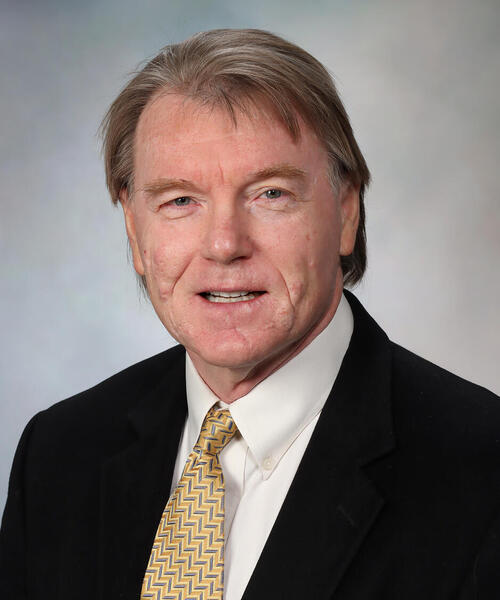
Dr. John A. Copland III is a Professor of Cancer Biology and Biochemistry & Molecular Biology at Mayo Clinic in Jacksonville, Florida. He leads the Cancer Biology and Translational Research Laboratory, focusing on molecular mechanisms of carcinogenesis, tumor progression, and development of targeted cancer therapies. Education: PhD in Physiology & Endocrinology (Medical College of Georgia), MS in Endocrinology (Medical College of Georgia), BS in Chemistry (Columbus College), with postdoctoral training at University of Texas Medical Branch. Research interests center on: Identifying tumor suppressor genes (e.g., RhoB, TBR3, GATA3) and oncogenes (e.g., FOXO3a, SCD1, NPTX2). Developing patient-derived xenografts and live cell models for personalized medicine. Designing SCD1 inhibitors via in silico modeling for clinical trials. Recent publications highlight his work on SCD1 inhibition in leukemia and thyroid cancer ImmunoPET imaging of thyroid tumors CRISPR-identified drug synergies in cholangiocarcinoma Patient-specific combination therapies using xenograft models
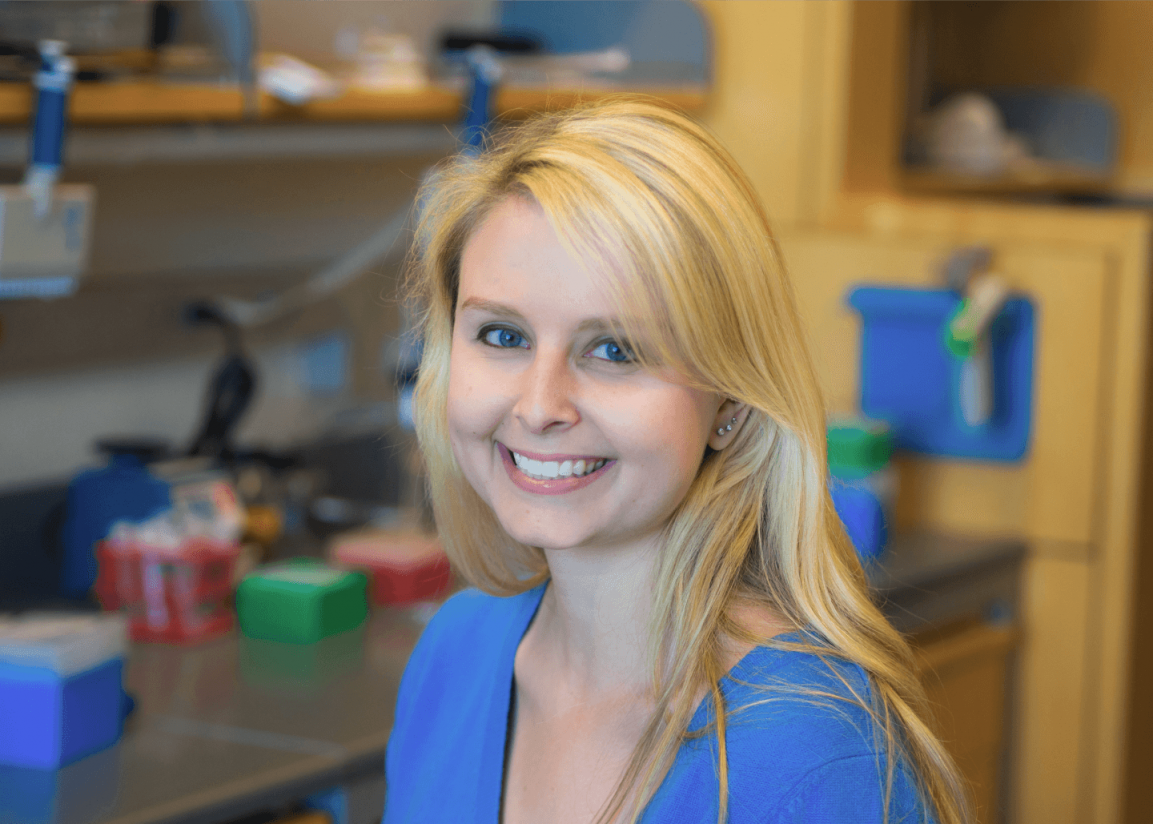
Elin Org is a Professor of Microbiomics at the University of Tartu's Institute of Genomics, where she also serves as Head of the Estonian Genome Centre and Vice Director of the Institute. Her academic career spans over two decades with significant contributions to microbiome and genomic research. Education: PhD in Genetics, University of Tartu (2006) Master's Degree in Molecular Biotechnology and Biomedicine, University of Tartu (2000) Bachelor's Degree, University of Tartu (1997) Classical Singing, Heino Eller Tartu Music School (1996) Professor Org's research primarily focuses on the intricate relationships between host and gut microbiota and their influence on metabolism and common complex diseases. Her work bridges microbiomics, genomics, and complex disease research, with particular emphasis on understanding how gut microbiome composition affects human health. She has pioneered research connecting long-term antibiotic usage with microbiota-dependent effects and has made significant contributions to understanding the role of gut microbiome in conditions such as gestational diabetes, endometriosis, and polycystic ovary syndrome. Her approach integrates advanced computational methods with comprehensive health data to uncover causal relationships in microbiome research. Her recent publications demonstrate a strong trend toward integrating microbiome data with extensive digital health metrics, using machine learning approaches to identify microbial predictors of health outcomes. This work is increasingly focused on translating microbiome research into clinical applications for disease prediction and personalized medicine approaches, particularly in the context of the Estonian Biobank initiative. Major Scientific Recognition: 2025 National Science Award in medical and health sciences 2023 and 2022: Recognized among the world's top 1% most cited researchers by Clarivate Analytics 2020: Member of AcademiaNet, a portal for top female researchers 2017: EMBO Installation grant 2013: Marie Curie International Outgoing Fellowship Professor Org has secured substantial research funding as principal investigator for multiple significant projects, including 'DISCERN - Discovering the causes of three poorly understood cancers in Europe' (€245,466, European Commission) and 'Improving colorectal cancer screening and prediction using microbiome-based biomarkers' (€760,450, Estonian Research Council). She has served as an opponent for numerous PhD theses across European institutions, contributing to the development of emerging researchers in her field. As Head of the Estonian Genome Centre, Professor Org leads a multidisciplinary research team that plays a crucial role in Estonia's transition from biobanking to personalized medicine applications. She is actively involved in international collaborations through COST networks including INFOGUT (focused on in vitro colon models) and ML4Microbiome (statistical and machine learning techniques in human microbiome studies), positioning her at the forefront of global microbiome research initiatives.
Angelica Lindén Hirschberg is a Professor of Obstetrics and Gynecology (specializing in reproductive medicine) at Karolinska Institutet and a Senior Consultant in gynecological endocrinology at Karolinska University Hospital. She holds dual roles in academic leadership and clinical practice, focusing on disorders of reproductive function, endocrine-metabolic dysfunction, and hormonal conditions in women. Her affiliations include the Department of Women’s and Children’s Health, Reproductive Endocrinology and Metabolism Research Group, and the Division for Neonatology, Obstetrics, Gynaecology, and Reproductive Health. Education and Career: MD (Karolinska Institutet, 1984) PhD (Karolinska Institutet, 1989) Professor in Obstetrics and Gynecology (2007) Board member of international societies (ISGE, EMAS) Research Focus: Her translational research spans PCOS, obesity-related reproductive dysfunction, premature ovarian insufficiency, and disorders of sex development. Projects include hormonal impacts on athletic performance, immune therapy for ovarian dysfunction, and endometrial cell biology. Collaborations involve national/international networks and clinical trials (e.g., PROBES trial). Publications: Recent work emphasizes PCOS pathophysiology, menopausal health, and hormonal interventions in athletes. Key trends include single-cell profiling of endometrium, immunomodulatory therapies for POI, and non-hormonal treatments for vasomotor symptoms. Awards: King’s Seraphim Medal (2018) 2016 Grand Prize in Sport Science Appointed Royal Gynecologist (2009) Teaching and Mentorship: Coordinates courses on reproductive endocrinology, supervises PhD students (e.g., Esin Ylmaz), and chairs the PhD Study Director at her department. Authored over 25 book chapters on women’s health and sports medicine. Grants and Labs: Secured Swedish Research Council funding for POI trials. Her lab integrates experimental (Bioclinicum) and clinical (Women’s Health Research Unit) research.
Kara McKinley is an Assistant Professor of Stem Cell and Regenerative Biology at Harvard University , joining the department in 2021. She is a Principal Faculty member at the Harvard Stem Cell Institute , an Associate member of the Broad Institute of MIT and Harvard , and a Freeman Hrabowski Scholar at the Howard Hughes Medical Institute . Her research focuses on the regenerative capacity of the human uterus , particularly the endometrium, which undergoes ~400 cycles of tissue remodeling, shedding, and repair during the reproductive lifespan. Using rodent models , genetic, molecular, and live microscopy tools, her lab investigates cellular and molecular mechanisms of regeneration, defects leading to diseases like endometriosis, and applications in regenerative medicine . Her work also explores cell division , centromere biology , and CRISPR genome engineering . Current research trends in her publications include epithelial zonation in the small intestine , mechanisms of endometrial regeneration , macropinocytosis in Hydra , and academic mentorship strategies . Her studies span cellular biomechanics , mitotic regulation , and translational approaches for tissue repair. NIH Director’s New Innovator Award (terminated in 2025 litigation with federal government) Freeman Hrabowski Scholar (Broad Institute) Kara mentors Harvard undergraduates, graduate students, and postdoctoral fellows through rotations and research opportunities. Her lab is based at Harvard’s Bauer 306 and advocates for gender equity in life sciences faculty via the Leading Edge initiative. Funding includes a now-terminated NIH New Innovator grant aimed at menstrual health research.
Alexander Nikitin is a Professor of Pathology at Cornell University's College of Veterinary Medicine, Department of Biomedical Sciences. His research focuses on molecular mechanisms linking tissue homeostasis to cancer development using autochthonous mouse models. Key Affiliation: Cornell University, Ithaca, NY Research Niche: Cancer-prone stem cell niches in female reproductive tract and prostate Research Interests Dr. Nikitin investigates how aberrations in p53/miR-34/MET and Rb networks drive malignant transformation of adult stem cells. His work includes: Identification of ovarian surface epithelium stem cell niche Technology-oriented cross-disciplinary collaborations Characterization of cancer initiation mechanisms in reproductive tissues Article Trends His publications span 2003–2025, emphasizing: Mouse models for epithelial cancers Role of tumor suppressor genes (p53, Rb) in cancer miR-34 family's tumor suppression functions Stem cell niche mapping in reproductive tract cancers Genetic drivers of high-grade serous carcinomas Translational research applications Lab Members Current lab personnel include: Andrea Flesken-Nikitin (Assistant Research Professor) Christopher Ashe (Research Support Specialist) Technicians and student researchers
Anita Rauch is a Full Professor of Medical Genetics and Director of the Institute of Medical Genetics at the University of Zurich. Her research focuses on the genetic and molecular mechanisms underlying severe neurodevelopmental disorders and hereditary breast cancer, utilizing genome sequencing and human induced pluripotent stem cell (iPSC) models. Current projects include: Genetic causes and molecular mechanisms in severe intellectual disability Praeclare (genetic variant clarification for prenatal medicine) SwissGenVar (clinical genetic variant interpretation platform) Hereditary breast cancer in Switzerland Her work is funded by the Swiss National Science Foundation (SNSF). She leads a multidisciplinary team conducting functional studies on novel candidate genes (e.g., CYFIP2, TMEM94) and exploring genotype-phenotype correlations through iPSC-derived neuronal models. Key research trends in her publications include: Clinical trials for cancer therapies (colon, esophageal, pancreatic, breast) Pharmacogenetic determinants of chemotherapy toxicity Non-inferiority trial design methodology Genetic variant interpretation in personalized medicine She mentors PhD and Master’s students in medical genetics and contributes to the advancement of precision oncology and neurogenetics through translational research.
Professor Neil Cameron is the Monash Warwick Alliance Professor of Polymer Materials, splitting his time between Monash University's Department of Materials Science and Engineering (Australia) and the University of Warwick's School of Engineering (UK). His research focuses on polymeric biomaterials for applications in tissue engineering, regenerative medicine, and drug delivery. He holds a PhD in Polymer Chemistry and a BSc in Chemistry from the University of Strathclyde. Key research themes include: New Tools for Biology: Scaffolds for 3D cell culture, glycopolymers, and polypeptides. New Tools for Chemistry: Supported catalysts and mass spectrometry methods for polymer sequencing. Materials for Medicine: Drug delivery systems targeting the eye, nanomedicine, and biodegradable scaffolds. Synthetic Biology: Polymersome-based protocells and glycosylated nanoparticles. His projects span interdisciplinary collaborations, including the development of biodegradable ligament scaffolds, functionalized cellulose materials, and novel mass spectrometry techniques. He leads or co-investigates grants such as the SURE-Poly project on recyclable polymers and the NHMRC Equipment Grant for UV lamp adaptors. Labs/Teams: Active in Monash’s Materials Science group and collaborates with Warwick researchers. His lab specializes in biomaterials design, with a focus on scalable production and clinical applications.
Khashayarsha Khazaie, Ph.D., is a Professor of Immunology at Mayo Clinic in Phoenix, Arizona, with a primary appointment as a Consultant in the Department of Immunology and a joint appointment in Cancer Biology, Department of Research. He leads a research laboratory focused on cancer immunology, inflammation, and the tumor-microbiota-immune axis, with emphasis on gastrointestinal and gynecological malignancies. Education: Ph.D. in Genetics/Senescence, MRC, National Institute for Medical Research Doctor of Science, University of Paris V, René Descartes BSc (Hons) in Chemistry, Biology, Physics, University of Surrey Postdoctoral Research, CNRS; EMBL; National Institute for Medical Research Research Interests: Dr. Khazaie’s lab investigates regulatory T cells (Tregs), mast cells, circadian rhythms, fibrosis, and microbial-based cancer vaccines. His work explores how immune suppression and chronic inflammation promote tumor growth, particularly in colorectal and endometrial cancers. Key areas include Treg plasticity, epigenetic reprogramming, microbiota-driven carcinogenesis, and the immunology of metastasis. Recent Research Trends: His most recent publications highlight the role of circadian disruption in colon cancer, the therapeutic potential of biomaterial-enhanced Treg immunotherapy, and the use of single-cell and spatial-omics to dissect immune-related diseases. His studies integrate molecular, cellular, and systems-level approaches to understand immune dysregulation in cancer and chronic inflammation. Scientific Leadership: Director, Federation of Clinical Immunology Societies, Mayo Clinic Center of Excellence (2018–present) Associate Editor, Journal for ImmunoTherapy of Cancer (2013–present) Editorial Board, Cancer Immunology Research (2012–present) Associate Editor, Tumor Immunity, Frontiers in Immunology and Oncology (2011–present) Visiting Professor, University of Regensburg (2016); Université Paris-Est Créteil (2016) Grants and Advising: Dr. Khazaie has led multiple NIH-funded projects, including studies on Parvimonas micra-induced carcinogenesis, β-catenin in Treg expansion, and circadian disruption in colon cancer. He mentors researchers and contributes to the education of future physicians and scientists in immunology and cancer biology. His lab collaborates with Biomed Valley Discoveries and MD Anderson on clinical trials of bacterial vaccines for metastatic cancer. Laboratory and Collaborations: His laboratory operates at the interface of basic and translational science, using mouse models, clinical specimens, and multi-omics technologies. He is deeply involved in collaborative research networks, particularly in cancer immunology and microbiota studies.
Jaswant Singh is a Professor at the Department of Veterinary Biomedical Sciences, Western College of Veterinary Medicine (WCVM), University of Saskatchewan. He serves as Associate Dean of Academic Excellence and Innovation at the College of Graduate and Postdoctoral Studies (CGPS). His work bridges veterinary reproductive biology with human health research, focusing on ovarian function and oocyte competence using bovine models. BVSc and AH (1983, Punjab Agricultural University, India) MVSc (1986, Punjab Agricultural University, India) PhD (1997, University of Saskatchewan, Canada) His research explores the molecular and endocrine control of ovarian follicles, with applications in cattle breeding and human reproductive disorders like endometriosis. He pioneered the use of GnRH antagonists for follicle synchronization and ultrasound biomicroscopy for in vivo oocyte imaging. His lab maintains specialized facilities for molecular and live-cell imaging. Dr. Singh’s work spans basic and applied research, including field studies on ergot alkaloids in cattle feed and domestic animal models for human prostate and endometrial disorders. He has authored over 135 peer-reviewed articles and secured 21 consecutive NSERC Discovery Grants. He mentors extensively, co-directed 13 reproductive ultrasonography workshops, and contributes to university governance as a University Council member and Chair of the Biomedical Engineering Division.
Balas Konstantinos is a tenured Professor at the School of Electronic & Computer Engineering , Technical University of Crete , and Director of the Electronics Laboratory . His academic journey began with a B.Sc. (1988) and Ph.D. (1992) in Medical Physics from the University of Patras, followed by postdoctoral research and industry consulting before joining FORTH-IESL in 1995. In 2002, he transitioned to academia at TUC, leading the Optoelectronics Group and founding DySIS-Medical Ltd. , a medical imaging spin-off with global reach.
Jayne Charnock is a Senior Lecturer in Biomedical Science at Edge Hill University, specializing in reproductive biology with a focus on implantation, placental development, and the Developmental Origins of Health and Disease (DOHaD). Her career spans research in placental vascular development, wound healing, and maternal-fetal health, alongside teaching roles in pathology, anatomy, and pharmacology. Education: BSc (Hons) in Anatomical Sciences PhD from University of Manchester (cytotrophoblast research with Professors John Aplin and Melissa Westwood) Jayne’s research explores placental blood vessel formation, placental stem cells, regulators of implantation, pregnancy in polycystic ovary syndrome (PCOS), and prenatal programming. Her work emphasizes in vitro models of cell function and translational applications for fetal growth restriction and maternal health. Recent publications highlight her expertise in placental vasculogenesis, PCOS effects on embryo implantation, and prolactin transcription dynamics. Collaborative projects address dietary impacts on recurrent miscarriage and trophoblast-stem cell interactions. Jayne mentors Final Year Project students and engages in public science outreach, including STEM Ambassador roles and partnerships with local schools and the Scout Association.
Niklas Björkström is a Professor/Specialist Physician at Karolinska Institutet (KI) in Sweden, affiliated with the Department of Medicine, Huddinge. He leads the Human tissue-resident NK cells research group and is based at the Center for Infectious Medicine (CIM). His dual role combines academic leadership with clinical work at Karolinska University Hospital's Clinical Microbiology department. Education: Björkström earned his MD (2010) and PhD (2011) in Immunology from KI. He completed postdoctoral training at the National Institutes of Health (NIH), USA, before returning to KI as a Principal Investigator in 2014 and becoming a Professor in 2023. He holds an Associate Professor title (2016). Research Interests: His laboratory focuses on understanding human tissue-resident lymphocytes, particularly natural killer (NK) cells, in the liver, uterus, and other organs. Key areas include NK cell biology in liver diseases (e.g., PSC, NASH, hepatitis viruses) and pregnancy immunology. Techniques used include high-dimensional flow cytometry, CyTOF, microscopy, and computational tools (e.g., SPADE, SNE). The group collaborates with Hannover Medical School and the International PSC Study Group. Awards: Björkström has received prestigious honors such as the ERC Starting Grant (2020), Anders Jahre Award (2020), and NovoNordisk Foundation Emerging Investigator (2021). He is also a Wallenberg Academy Fellow (2017–2021). Grants & Advising: He oversees grants like the Swedish Cancer Foundation (2021–2023) and Karolinska Institutet's KID and Assistant Professor Tenure Track grants. Advised students include Christine Zimmer (PhD), Lena Berglin, and others now in postdoc roles or industry positions. Labs & Teams: The Björkström group is part of KI's Department of Medicine, Huddinge, and maintains close ties with clinical units at Karolinska University Hospital. They have open postdoctoral positions and collaborate internationally on liver and pregnancy immunology projects.
Professor Grant Montgomery is a leading academic at the University of Queensland (UQ), serving as Director of the UQ Genome Innovation Hub and Group Leader of the Genomics of Reproductive Disorders at the Institute for Molecular Bioscience (IMB). His primary focus is on understanding the genetic and epigenetic basis of reproductive disorders, particularly endometriosis, through large-scale genomic studies and functional analyses. His work integrates multi-omics data to identify disease mechanisms and develop translational solutions. Research Interests: Genetic and epigenetic regulation of endometrial function Systems genetics approaches to study complex diseases Functional validation of genomic risk variants Development of clinical tools like eQTL/mQTL browsers Multi-omics integration for disease biomarker discovery Recent Articles: Highlighting endometriosis genetics, comorbidity mechanisms, and novel diagnostic approaches. Key themes include genetic risk stratification, epigenetic dysregulation, and translational applications of genomic data. Collaborations: Active partnerships with institutions globally, including University of California, San Francisco, Oxford Endometriosis CaRe Centre, and Monash University. Major consortia include International Endometriosis Genetics Consortium and Reprogen Consortium. Advising & Training: Supervises PhD students focusing on endometrial cell biology, epigenetic regulation, and computational genomics. Provides training opportunities in functional genomics and systems biology. Labs/Teams: Leads a multidisciplinary team with expertise in molecular biology, bioinformatics, and clinical research. Maintains cell culture facilities and single-cell sequencing capabilities.
Lill-Tove Rasmussen Busund is a Professor and Consultant Pathologist at the Department of Medical Biology, UiT The Arctic University of Norway. Her research focuses on translational cancer studies with emphasis on cancer biomarkers in tissue and blood, combining molecular biology with artificial intelligence applications in pathology. She leads the Translational Cancer Research Group (TCRG) and contributes to projects like the TNM-Immune Cell Score Trial and AI–Pathology initiatives. Role: Professor/Consultant Pathologist University: UiT The Arctic University of Norway Department: Department of Medical Biology Email: lill.tove.rasmussen.busund@uit.no Rasmussen Busund's work spans epidemiological cancer research , multi-omic data integration , and machine learning applications for cancer diagnostics. She develops prognostic and predictive biomarkers using population-based cohorts like the NOWAC study, with particular attention to hormone-dependent cancers and immune microenvironment analysis . Recent publications highlight her expertise in digital pathology and AI-driven tumor classification , including studies on microRNA expression patterns in breast and colon cancer, immune cell score development for NSCLC, and computational approaches to lymphocytic infiltration assessment. Her research directly impacts precision oncology and immunotherapy response prediction . She contributes to teaching as leader of the Musculoskeletal System course at the Medical School, and maintains active participation in scientific knowledge migration projects like the transition to the National Science Archive (NVA). Her ORCID identifier is 0000-0001-8235-6163 .
Mark H. Einstein, M.D., M.S., is a Professor and Chair of the Department of Obstetrics & Gynecology and Women's Health at Albert Einstein College of Medicine, holding the Chella and Moise Safra Chair in Obstetrics & Gynecology and Women's Health. He is affiliated with Montefiore Einstein's Jack and Pearl Resnick Campus. His professional interests include Gynecologic Oncology, Cervical Cancer, Immunotherapy, and Clinical Trials. As Department Chair, he leads a team focused on advancing women's health through patient care, education, and research. Research initiatives span cancer prevention, contraception, maternal-fetal medicine, and urogynecology. The department collaborates on over 80 clinical trials, including NIH-sponsored studies and trials exploring new therapies and devices. Dr. Einstein’s work emphasizes translating research into clinical practice, with particular attention to improving outcomes for women in underserved communities. He collaborates with institutions like the NICHD Contraceptive Clinical Trials Network and leverages resources such as the Institutional Center for Translational Research (ICTR). His research also addresses topics like obesity’s impact on reproductive health, placental monitoring, and microRNA roles in endometrial function. Clinical programs under his leadership cover comprehensive women’s health services across multiple locations in the Bronx and surrounding areas.