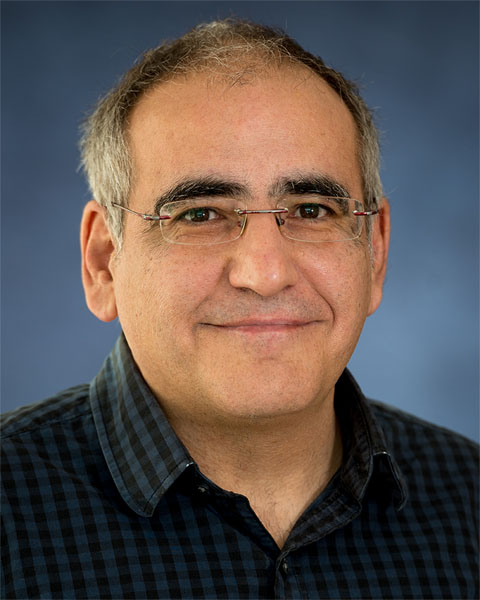
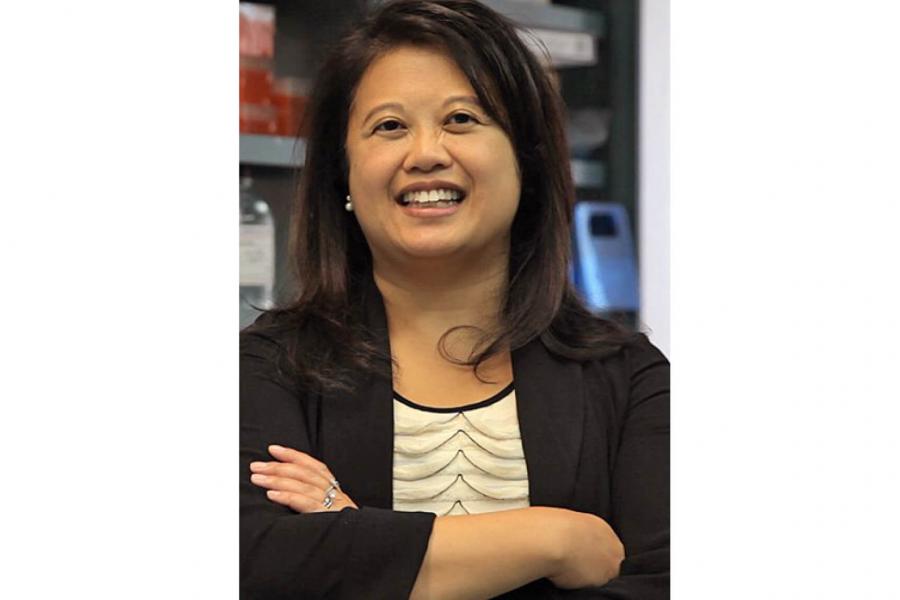
Rong Rong is an Assistant Professor at the University of Massachusetts Amherst, affiliated with the Center for Agriculture, Food, and the Environment. Her research focuses on dietary interventions modulating metabolic health, obesity, and gut microbiota interactions, with a particular emphasis on thermogenesis , mitochondrial function , and inflammatory responses in mouse models. She investigates compounds like fish oil , polyphenols , and oxylipins to understand their roles in metabolic syndrome and epigenetic regulation. Contact: rrong@umass.edu | Phone: (413) 545-5732 | Office: Stockbridge Hall 215, University of Massachusetts Amherst. Broad research areas include Nutrition , Biochemistry , Molecular Biology , and Gut Microbiota Regulation . Key findings from her publications reveal synergistic effects of hyperthermia and fish oil on obesity and epigenetic mechanisms in brown fat development.
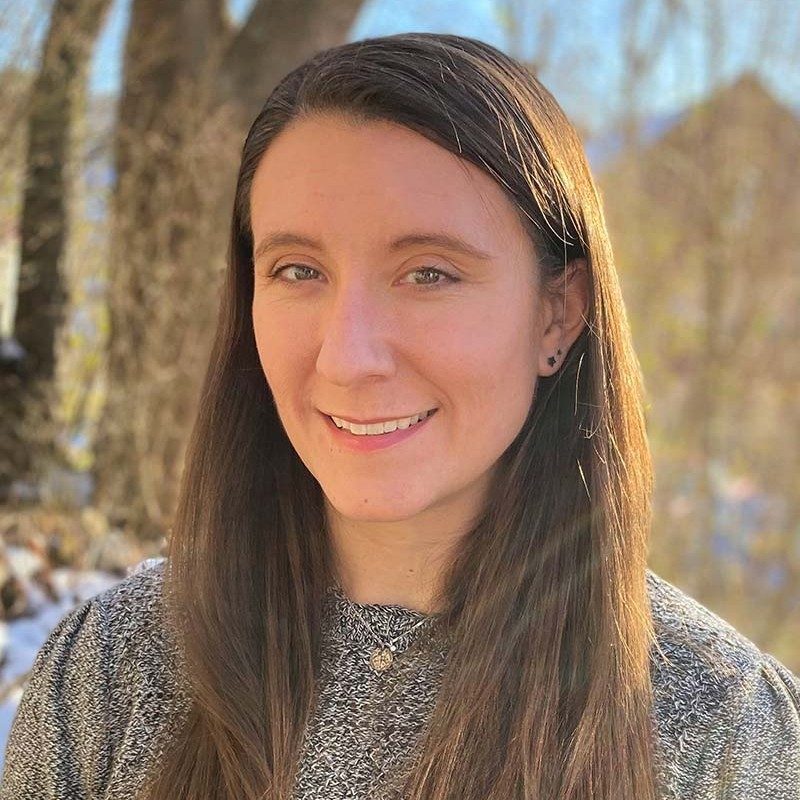
Francesca Bot is an Associate Professor at the Department of Food and Drug Sciences, University of Parma. Her expertise spans food science, nutrition, and microbiology, with a focus on gut microbiota, probiotics, and functional foods. She teaches courses on food preservation, global food law, and food system sustainability. Academic Appointments: Teacher tutor for Food Science (2024/2025, 2023/2024, 2022/2023) Research Focus: Bifidobacteria microbiome, host-microbe interactions, vitamin biosynthesis, and food-microbiota cross-talk Key Collaborations: Worked with researchers on plant protein stability, gut fermentation models, and microbiota preservation Her recent publications investigate molecular interactions between botanicals and gut microbiota, genetic traits of probiotic strains, and microbiota modulation in stress models. While no specific awards are mentioned, her work spans food chemistry, functional foods, and microbiome applications.
Dr. Keun Hang Yang is a Professor in the Department of Biological Sciences at Schmid College of Science and Technology, Chapman University. Her research focuses on electrophysiology, neuroscience, and pharmacology, with particular expertise in ion channel function and cannabinoid pharmacology. She maintains an active research program investigating the interactions between natural compounds, pharmaceuticals, and neuronal signaling pathways. Dr. Yang received her Bachelor of Science from Ewha Womans University, followed by a Master of Science and Ph.D. from George Mason University. Her educational background in biological sciences has provided the foundation for her interdisciplinary research approach that bridges molecular pharmacology, neuroscience, and computational biology. Dr. Yang's research interests span multiple domains of neuroscience and pharmacology. She specializes in electrophysiology techniques to study ion channel function, particularly focusing on ligand-gated and voltage-gated channels. Her work in cannabinoid pharmacology investigates how phytocannabinoids and endocannabinoids interact with neuronal receptors. She also applies computational approaches to model complex biological systems and has expertise in bioinformatics for analyzing large biological datasets. Additional research areas include the study of flavonoids and other natural compounds on neuronal function, neuropharmacology of pain and psychiatric disorders, and the relationship between environmental factors and health . Analysis of Dr. Yang's recent publications reveals a strong focus on ion channel pharmacology, particularly examining how cannabinoids, flavonoids, and other compounds modulate the function of ligand-gated ion channels such as nicotinic acetylcholine receptors and 5-HT3 receptors. Her work often employs Xenopus oocyte expression systems and mammalian cell models to investigate molecular mechanisms. A significant portion of her research examines drug interactions, particularly how natural compounds might influence the effects of pharmaceuticals. Her publication record demonstrates a consistent trajectory of high-impact research in neuropharmacology with increasing focus on translational applications. Dr. Yang actively collaborates with numerous researchers both within Chapman University and internationally. Her work often involves interdisciplinary teams combining expertise in molecular biology, electrophysiology, and computational modeling. While specific grant information isn't detailed in the available materials, her extensive publication record suggests successful funding from various research sources. She has likely mentored numerous graduate and undergraduate students through Chapman University's research programs, contributing to the development of the next generation of scientists in neuroscience and pharmacology.
Ram Kandasamy, PhD, is an Associate Professor in the Department of Psychology at California State University, East Bay (CSUEB), where he has served since 2019 and earned early tenure in 2024. He teaches courses in Physiological Psychology, Experimental Psychology, and Drugs and Behavior, while mentoring undergraduate research trainees. His NIH-funded research focuses on developing non-opioid pain treatments, particularly through multitarget enzyme inhibitors for orofacial and inflammatory pain. He actively involves undergraduates in all research stages, many of whom have published and presented at national conferences. Dr. Kandasamy holds a B.S. in Neuroscience and Psychology (magna cum laude, Washington State University) and a Ph.D. in Neuroscience (Washington State University, Vancouver). His postdoctoral training at the University of Michigan Medical School explored opioid analgesics and their abuse potential. He serves as Principal Investigator for the Beckman Scholars Program and previously led the Center for Student Research as Interim Director. His research integrates behavioral neuroscience, pharmacology, and translational models, with a focus on cannabinoid analgesia, opioid receptor modulation, and enzyme inhibitor development. Key contributions include pioneering wheel-running assays for pain assessment and advancing understanding of pain mechanisms in chronic conditions. Grants/Leadership: NIH-funded projects, Beckman Scholars Program PI, ASPET executive roles, CSUBIOTECH Faculty Consensus Group Labs/Teams: Active lab developing pain therapies, undergraduate research mentorship focus Current research emphasizes dual inhibitors targeting FAAH and sEH enzymes, as well as cannabinoid-based pain therapies. His work bridges basic science and clinical applications, fostering student development through hands-on research opportunities.
Professor Chandrakant Tayade leads research at Queen's University's Department of Biomedical and Molecular Sciences (School of Medicine, Faculty of Health Sciences), focusing on immunological mechanisms in endometriosis. His work explores the interplay between immune responses and angiogenesis in reproductive disorders, with an emphasis on developing anti-angiogenic therapies. He holds a cross-appointment at Queen's Translational Institute of Medicine (TIME) and teaches undergraduate and graduate courses in reproductive biology. Research highlights include establishing a mouse xenograft model for endometriosis and investigating cannabinoid-based treatments. Dr. Tayade has trained 169 international placenta workshop participants and received the J. Christian Herr Award for his contributions to reproductive immunology. His lab combines molecular biology, patient studies, and mouse models to study immune cell interactions in disease pathogenesis. Teaching: BMED 373 - Reproduction and Development Grants: Canadian Institutes of Health Research, NSERC, CFI, and industry awards from Bayer/Primus Current trainees include PhD candidates working on immune signaling pathways, cannabinoid therapies, and extracellular vesicle biology. His work bridges basic immunology with clinical applications in reproductive health.
Andrew McCloskey is a Lecturer in Biological Sciences at the Department of Life & Physical Sciences, Atlantic Technological University, and serves as Principal Investigator at the Health and Biomedical Research Centre (HEAL). His research focuses on molecular mechanisms underlying diabetes, metabolic regulation, and therapeutic development with emphasis on microRNA biology, endocrine signaling, and peptide therapeutics. His work contributes to UN Sustainable Development Goals related to good health and well-being. Recent studies include investigating microRNA regulation in islet cells, GPR55 receptor agonists' antidiabetic effects, and oxytocin analogues for glucose homeostasis. Research employs CRISPR/Cas9 gene editing and high-fat fed mouse models to explore β-cell protection and metabolic pathways. McCloskey has published extensively in peer-reviewed journals like Peptides and Molecular and Cellular Endocrinology , demonstrating expertise in endocrinology, pharmacology, and molecular biology. His lab at HEAL collaborates internationally on translational research aiming to bridge basic science and clinical applications in diabetes management.
Prof. Alfonso Araque is a renowned Spanish neuroscientist currently serving as a Professor in the Department of Neuroscience at the University of Minnesota, USA (since 2013). A member of the Academy of Europe (elected 2010), his career spans prestigious institutions including CSIC (Spain) and Iowa State University (USA). His work focuses on neuron-glial signaling and synaptic dynamics, revolutionizing understanding of glial roles in brain function. Research contributions: Tripartite synapse (1999), astroglia-dependent synaptic plasticity (2007), endocannabinoid signaling (2008) Membership: Academia Europaea, Spanish Society for Neuroscience (SENC) His research has been published in top-tier journals (Nature, Science, Neuron), cited over 2400 times. Key themes include neuroglial interactions, astrocyte biology, and synaptic modulation mechanisms. 2008 Pfizer Foundation Award 2007 Federation of European Neuroscience Societies Scientific Highlight Previously held leadership roles in SENC (Treasurer 2009-2011, Vice-President 2011-2013) and served on evaluation committees in Spain and France. His work challenges traditional neuronal-centric views of brain circuits.
Jennifer Rainville is a Collegiate Assistant Professor at the School of Neuroscience , Virginia Tech. Her work bridges neuroimmunology and cell biology, focusing on sex differences in immune responses to stress and their implications for mood disorders. She teaches courses in cellular neuroscience, research design, evolutionary neuroscience, and nervous system diseases, with a commitment to student skill development. Education: PhD in Cell and Molecular Biology (Tulane University), BA in Biology (St. Olaf College) Her research explores how stress impacts neuroimmune mechanisms differently in males and females, aiming to identify sex-specific immune targets for depression treatment. Recent publications highlight gut-brain axis interactions , transcriptomic stress responses , and microglial morphology under variable stress conditions. Key collaborations include work with the Hodes Lab and contributions to understanding opioid withdrawal neuroimmunity and steroid receptor dynamics . Teaching spans courses like NEUR 3044 and NEUR 4034 , emphasizing practical neuroscience applications.
Joseph F. Cheer, PhD, is a Professor in the Department of Anatomy and Neurobiology at the University of Maryland School of Medicine with a secondary appointment in Psychiatry. He serves as the CARTI Basic Science Research Training Track Leader and directs multiple NIH and private foundation-funded projects focused on neurophysiological and neurochemical aspects of endogenous cannabinoid signaling in intact systems. His educational background includes: B.S. in Biology from Universidad de los Andes, Bogotá, Colombia (1996) Ph.D. in Neuroscience from University of Nottingham, Nottingham, UK (2000) Postdoctoral training at Wake Forest University (2000-2002) Postdoctoral training at University of North Carolina, Chapel Hill (2002-2006) Cheer's research primarily investigates the physiological function of the endogenous cannabinoid system, particularly its role in motivated behaviors and potential therapeutic applications in pathological states like addiction. His work employs state-of-the-art electrophysiological (ensemble recordings) and electrochemical (fast-scan cyclic voltammetry) techniques to extract neurobiological correlates of behavior in real-time. His laboratory examines how endogenous cannabinoids modulate the encoding of motivated behavior, with specific interest in the dopaminergic projection from the ventral tegmental area to the nucleus accumbens. Analysis of his 15 most recent publications reveals consistent focus on endocannabinoid-dopamine interactions in reward processing, addiction mechanisms, and neurodevelopmental effects of cannabinoid exposure. His work spans from basic mechanisms of neurotransmitter release to translational studies in animal models of psychiatric and neurodegenerative disorders including Huntington's disease, depression, and schizophrenia. His significant scientific achievements include: Acceptance into the American College of Neuropsychopharmacology (2014) Multiple featured articles in high-impact journals including Nature Neuroscience (2019) Faculty of 1000 recognition for several publications Multiple plenary and keynote speaking engagements at major conferences Several prestigious mentoring awards including GPILS/OPS Postdoctoral Mentor Award (2017) and STAR-PREP Excellence in Mentoring Award (2018) Cheer has successfully secured multiple NIH grants as Principal Investigator, including five major R01 awards totaling over a decade of continuous funding. His research program has successfully recruited and mentored numerous tenure-track faculty members and has established collaborations across multiple institutions. His laboratory serves as a training ground for postdoctoral fellows, graduate students, and undergraduates interested in neuroscience research. His research group, the Cheer Lab, employs a comprehensive suite of neuroscience techniques including fast-scan cyclic voltammetry, ensemble single-unit recordings, optogenetics, chemogenetics, and calcium imaging to investigate endocannabinoid-dopamine interactions in real-time during behavior.
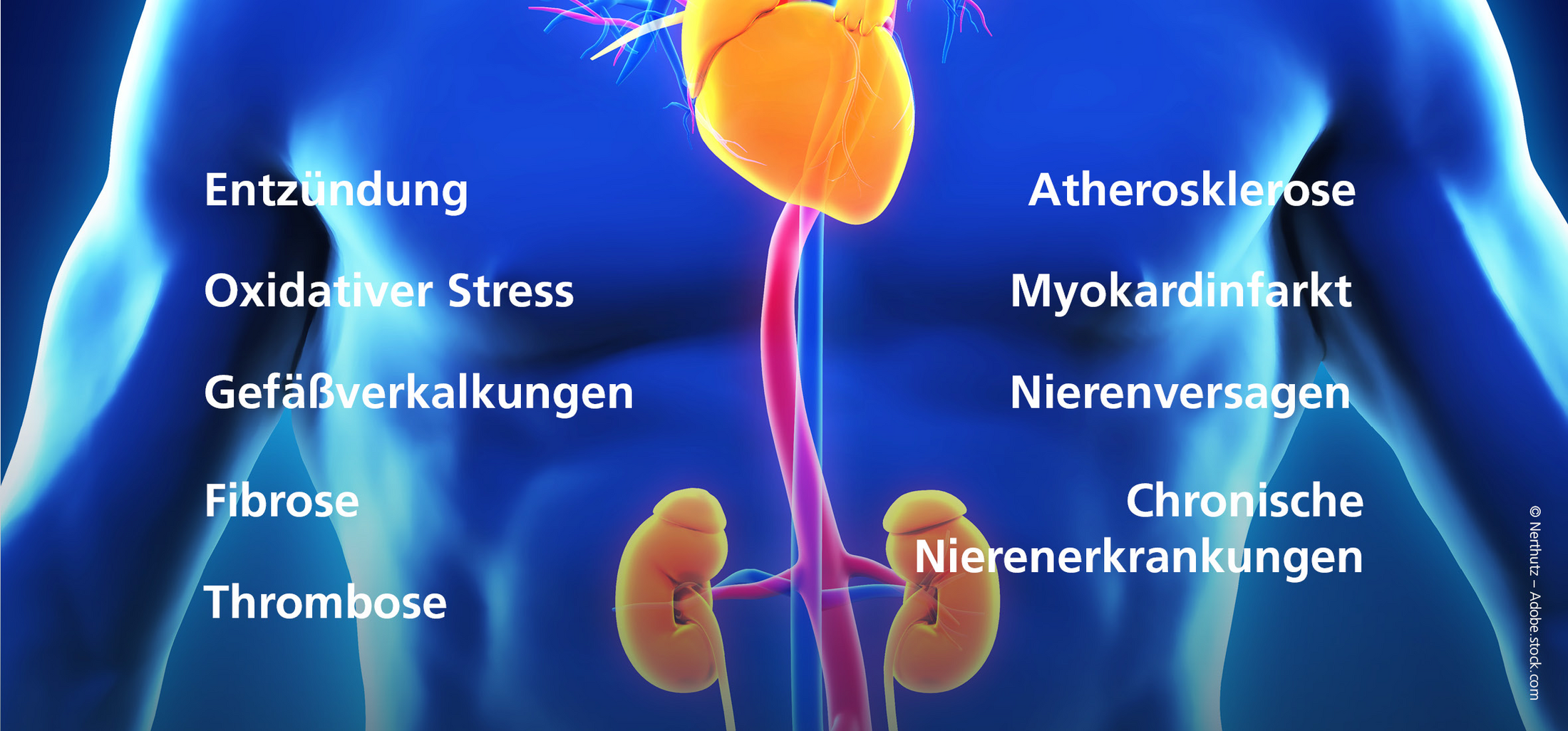
Dr. Emiel van der Vorst is a cardiovascular researcher focusing on atherosclerosis, immunometabolism, and translational medicine . His work spans molecular mechanisms, therapeutic targeting, and omics-based approaches. Affiliation: Institute for Molecular Cardiovascular Research (IMCAR) Research Focus: Chemokine signaling, microRNA therapeutics, immune-metabolic interactions Research Trends: Recent publications highlight his exploration of microRNA-26b in metabolic liver disease GPR55 receptor in cardiomyocyte adaptation calcium-sensing receptor in sex-specific atherosclerosis aryl hydrocarbon receptor in gut-liver-cardiovascular axis His work integrates nanomedicine, genetic models, and clinical biomarker development .
Michelino Puopolo, PhD is an Associate Professor in the Department of Anesthesiology at Stony Brook University's Renaissance School of Medicine. His research focuses on the molecular and cellular mechanisms of pain, with particular emphasis on ion channels and neuronal excitability in nociceptive pathways. He directs the Puopolo Lab, which investigates pain mechanisms using electrophysiology and animal models of neuropathic pain. Education: University of Bologna, Italy - Biology University of Ferrara, Italy - PhD Neurobiology & Neurophysiology Department of Neurobiology, Harvard Medical School - Postdoc Dr. Puopolo's research explores three primary areas: the effects of inflammatory molecules on ion channels in nociceptors, the pharmacology of voltage-dependent sodium channels, and the descending modulation of pain through dopaminergic, noradrenergic, and serotonergic systems. His work utilizes electrophysiology, patch clamp techniques, and animal models to investigate how ion channel properties change during injury and inflammation, leading to chronic pain conditions. His publication record demonstrates consistent contributions to pain research, with recent work focusing on T-type calcium channels, fatty acid binding proteins, and the role of the hypothalamic-spinal dopaminergic system in pain modulation. His research has important implications for developing new therapeutic approaches for inflammatory and neuropathic pain conditions. Scientific Recognition: Associate Editor, BMC Anesthesiology Dr. Puopolo collaborates extensively with other researchers in the Department of Anesthesiology, particularly with Dr. Rebecchi, and maintains external collaborations with scientists at institutions like Johns Hopkins University. His laboratory investigates how different endogenous neuromodulators released by descending fibers can modulate the electrical activity of nociceptors, with the goal of identifying potential therapeutic targets for pathological pain conditions. The Puopolo Lab employs a multidisciplinary approach combining electrophysiology, molecular biology, and behavioral testing to understand pain mechanisms at multiple levels, from ion channel function to whole-animal pain responses. Their work has significant translational potential for developing novel analgesic strategies targeting specific ion channels involved in pain pathways.
Federica Armeli is an Adjunct Professor of Human and Clinical Anatomy at the European University of Rome, concurrently serving as a postdoctoral fellow at Sapienza University of Rome's Department of Medical and Surgical Sciences and Biotechnologies. She also holds a Teaching Assistant position in Human Anatomy at Sapienza's Faculty of Medicine and Surgery. Her academic credentials include a cum laude degree in Neurobiology and a PhD in Experimental Medicine with a focus on Innovative Technologies in Translational Medicine. Her research encompasses: Neurodegenerative disease mechanisms and models Anti-inflammatory/antioxidant properties of drugs and nutraceuticals Biomarker identification using green extraction technologies Cellular modeling of inflammation and immunomodulation Autophagy restoration in neurological disorders Endocannabinoid system modulation through nutrition Her publication portfolio (2020-2024) demonstrates consistent focus on neuroinflammation, microglia polarization, nutraceutical interventions, and epigenetic mechanisms in neurodegeneration. Research frequently incorporates translational approaches combining molecular biology, nutritional science, and clinical pathology. She has secured multiple grants including three from Sapienza University and a 2023 award for the European Psychoneuroimmunology Network project investigating skin-brain axis mechanisms. International collaboration includes ongoing work with Rutgers University's Department of Pharmacology and Toxicology.
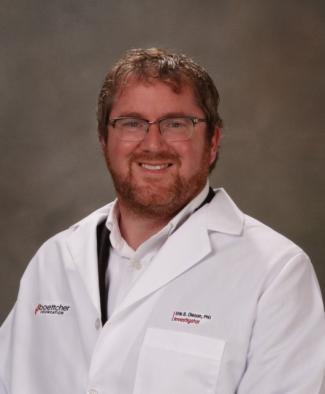
Erik B. Oleson is an Associate Professor in the Department of Psychology at the University of Colorado Denver, College of Liberal Arts and Sciences. His research focuses on neurochemical mechanisms underlying motivation and addiction, with emphasis on dopamine systems and endocannabinoid modulation. Research interests span behavioral neuroscience, neuropharmacology, and the neurobiology of reward processing. Key areas include dopaminergic regulation of motivated behavior, cannabinoid interactions with neural circuits, and neuroadaptations in substance use disorders. Publication analysis reveals consistent focus on dopamine dynamics, with recent studies examining cannabinoid-opioid interactions, fear extinction mechanisms, and behavioral economics of addiction. Methodological approaches include neurochemical measurements in animal models and translational clinical frameworks. Awards: No significant awards documented Advising/Grants: Active research lab investigating neural basis of addiction; no specific grants or students listed Labs/Teams: Leads research on dopamine signaling and addiction neurobiology at University of Colorado Denver
Dr. Hope Anderson is Professor and Vice-Dean of Graduate Studies at the Rady Faculty of Health Sciences, University of Manitoba, with cross-appointment to Pharmacology and Therapeutics. She leads cardiovascular research at St. Boniface Hospital Research Centre. Her laboratory investigates mechanisms by which hypertension, cardiac hypertrophy, and diabetes contribute to heart failure progression. Research employs cellular, isolated organ, and in vivo models to examine: Cardiomyocyte signaling in pathological remodeling Vascular dysfunction in metabolic disorders Endocannabinoid system in cardiovascular regulation Current projects focus on identifying therapeutic targets to prevent heart failure onset, particularly through modulation of cardiac growth pathways and vascular resistance mechanisms. The laboratory maintains active collaborations with clinical cardiology units and agricultural health researchers through the Canadian Centre for Agri-Food Research in Health and Medicine.
Javier Diaz Alonso, PhD, is an Assistant Professor in the Department of Anatomy & Neurobiology at the University of California, Irvine School of Medicine. His research focuses on synaptic transmission, neurodevelopment, and the role of cannabinoid receptors in neural processes. He is involved in NIH-funded research (R01 MH117139) exploring mechanisms of synaptic plasticity, receptor signaling, and neurogenesis. His work integrates molecular biology, cellular neuroscience, and in vivo models to study neurological processes and disorders. Key research interests include the regulation of AMPA receptors, synaptic plasticity, and the impact of endocannabinoid systems on brain development and function. Recent studies have addressed the roles of CaMKII/NMDA receptor complexes and CB1/CB2 cannabinoid receptors in synaptic transmission and neurodevelopmental outcomes. Publications highlight contributions to understanding synaptic protein interactions (e.g., α2δ1-GluA1 complexes), myelination pathways (TACE/ADAM17), and the molecular mechanisms governing synaptic stability. Collaborative projects include investigations into phase separation of synaptic proteins and the functional implications of genetic variants in neurodevelopmental disorders. Funding and grants: NIH R01 MH117139 supports ongoing studies on neural signaling pathways. His work has implications for treating epilepsy, memory disorders, and neurodegenerative conditions through targeted modulation of synaptic and endocannabinoid systems.