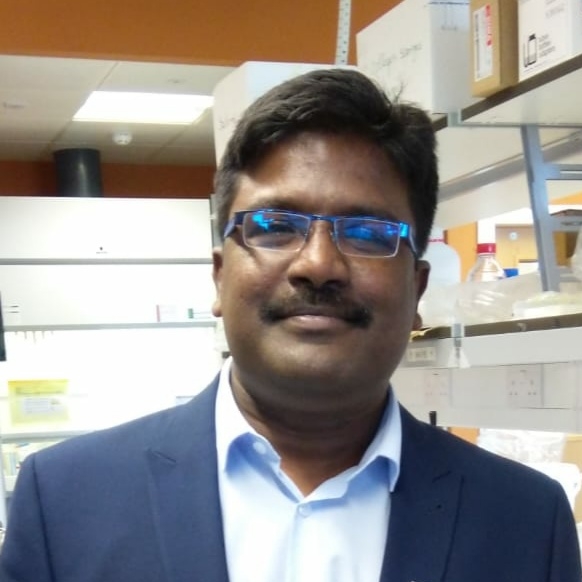
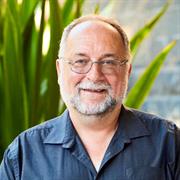
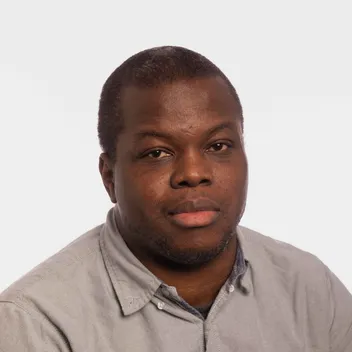
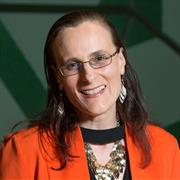
Pedro Fardim is a Professor at the KU Leuven , affiliated with the Faculty of Engineering Sciences, Department of Chemical Engineering , and leads the Chemical and Biochemical Reactor Technology and Safety (CREaS) division. He also serves as President of EPNOE (European Polysaccharide Network of Excellence) and is a member of multiple institutes including KU Leuven Brain Institute (LBI) , Institute for Single Cell Omics (LISCO) , and Institute for Micro- and Nano-scale Integration (LIMNI) . PhD in Chemistry, State University of Campinas (UNICAMP), Brazil Habilitation in Chemical Engineering, Åbo Akademi University, Finland Pedro’s research focuses on topochemical engineering —mimicking natural bioassembly processes in trees and microorganisms to create sustainable materials and biofabrication technologies . His work spans drug delivery , regenerative medicine , biopolymer engineering , and green chemistry , with applications in pharmaceuticals , cosmetics , and energy . Recent projects include hydrogels for wearable sensors , biohybrid materials for bone tissue engineering , and lignin valorization using hydrotropic solvents. His scientific awards include Fellowships from the Royal Society of Chemistry and the International Academy of Wood Science , along with membership in the American Chemical Society . He teaches Chemical Engineering for Human Health , Biochemical Process Engineering , and Biopolymer-based Sustainable Technologies .
Dr. Rajendra Kurapati is an Assistant Professor at the School of Chemistry , Indian Institute of Science Education and Research Thiruvananthapuram (IISER TVM) . His research focuses on biodegradable 2D materials for biomedical applications, addressing nanomaterial biopersistence issues through enzymatic degradation studies. He leads the Biomaterials Lab and collaborates with institutions across France, Ireland, Portugal, and the UK. Born in Andhra Pradesh, India B.Sc. & M.Sc. in Chemistry (Acharya Nagarjuna University, University of Hyderabad) Ph.D. in Materials Engineering (Indian Institute of Science, 2014) Postdoc: CNRS Strasbourg (2014-2017), CÚRAM Galway (2018-2020) His research explores 2D material-biopolymer hybrids for drug/gene delivery , nanotheranostics , and antimicrobial coatings . Key article trends include: Graphene/MoS2 biodegradation by human enzymes Antibacterial coatings for medical implants Microplastics' environmental impact Lipid nanoparticles for mRNA vaccines ZnO quantum dots for bioimaging Polymer multilayer drug delivery systems Major scientific awards : DBT Ramalingaswami Fellowship (INR 40 lakhs over 5 years) SERB Start-up Grant (32 lakhs over 2 years) SERB Special Grant (45 lakhs over 3 years) DBT Mission Innovation Grant (18 lakhs over 6 months) His academic contributions span 15+ high-impact publications in journals like Advanced Materials , Nanoscale , and Chemical Communications , covering topics from graphene biodegradation to antimicrobial coatings and bioimaging . 10+ alumni students have graduated from his lab, with placements at institutions including University of Strasbourg and Dublin City University.
Professor Bing-Jie (Bruce) Ni is an Adjunct Professor at the University of Technology Sydney (UTS) within the School of Civil and Environmental Engineering and a full Professor at UNSW Sydney. He is an internationally recognised leader in environmental engineering, wastewater treatment, greenhouse-gas mitigation, microplastics fate, electrocatalysis and sustainable energy systems. Education PhD in Environmental Engineering, University of Science and Technology of China, Hefei (2005–2009) Research Interests Professor Ni’s research integrates process engineering, microbial biotechnology, materials science and mathematical modelling to develop sustainable technologies for high-efficiency pollutant removal, minimal carbon footprint and maximal energy recovery from wastewater. He is a global pioneer in: Modelling and control of nitrous oxide (N₂O) and methane (CH₄) emissions from wastewater systems, Micro- and nano-plastics ecotoxicity and mitigation in anaerobic digestion, Transforming sewage sludge into high-value liquid bio-energy (medium-chain fatty acids and long-chain alcohols), Designing cost-effective electrocatalysts from natural minerals for green hydrogen production and wastewater electrolysis. Research Output & Impact Over the last decade he has published 2 research books, 30 book chapters and >400 refereed journal papers , including 35 in Environmental Science & Technology and 85 in Water Research . His work has influenced global policy: the IPCC adopted his nitrous-oxide-emission model in 2019 to revise national greenhouse-gas inventories for the first time in 13 years. Awards & Recognition ARC Future Fellowship & ARC DECRA Fellowship Clarivate Analytics Highly Cited Researcher (Web of Science) Royal Society of Chemistry Highly Cited Researcher (2020–present) Mendeley Data Top 2 % Cited Researchers worldwide Listed among “Australia’s Most Innovative Engineers” (Engineers Australia, 2018) 50+ additional awards including Scopus Young Researcher Award, South Australian Water Awards, UQ Research Excellence Awards, and Outstanding Doctoral Dissertation Awards. Research Funding & Leadership He has secured ≈ AUD $10 million in competitive funding (six major ARC grants plus >20 government, university and industry projects). He serves as: Lead Guest Editor, Water Research Editorial Advisory Board, Environmental Science & Technology Associate Editor for Journal of Cleaner Production , Environmental Chemistry Letters , Environmental Research , Journal of Environmental Management Editorial Board member for five additional high-impact journals. Teaching & Supervision At UTS he teaches Renewable Energy Technologies , Environmental and Sanitation Engineering , Process Dynamics and Control , and Water and Wastewater Treatment . He is available to supervise Masters and PhD students in environmental biotechnology, process modelling and sustainable energy systems. Laboratory & Commercial Translation He heads active research teams at both UNSW and UTS and is the inventor of >10 granted patents , some of which are currently being commercialised to deliver real-world impacts in greenhouse-gas-neutral wastewater treatment and renewable energy production.
Prof. Ivan Cole is an Adjunct Professor at RMIT University's School of Engineering, specializing in rapid materials discovery for corrosion protection, nanostructures, and additive manufacturing. His work integrates computational modeling with high-throughput experimentation, focusing on corrosion inhibitors, biocompatible surfaces, and additive manufacturing process optimization. With over 30 years of experience across academia and industry (including leadership roles at CSIRO and Centro-Svilluppo Materiali), he leads the Rapid Discovery & Fabrication Team (RDF) to advance these research areas. Research Interests: Corrosion science, microbially induced corrosion (MIC), additive manufacturing surfaces, nanostructure sensing, multiscale modeling, and green materials discovery. His team addresses challenges in corrosion protection, biomedical implants, and environmental remediation through innovative methodologies. Awards: 2019 Australian Corrosion Medal 2016 CSIRO Lifetime Achievement Award 2013 Best Paper in NACE Corrosion Supervision & Projects: Active in mentoring PhD/Master’s students across corrosion inhibition, additive manufacturing, and nanostructure design. Notable projects include developing quorum sensing inhibitors for biofilm control, in-situ monitoring for metal AM, and eco-friendly corrosion inhibitors. Labs & Collaborations: Leads the Rapid Discovery & Fabrication Team and collaborates with industry partners to translate research into practical solutions for materials durability and sustainability.
Prof. Roland A. Fischer is a Full Professor at the Chair of Inorganic and Metal-Organic Chemistry at Technical University of Munich (TUM). Previously, he held a Full Professorship at Ruhr University Bochum (1997–2015). His research focuses on multifunctional metal-organic frameworks (MOFs), clusters, and composites for energy conversion, catalysis, gas storage, and environmental applications. He leads the Catalysis Research Center and has pioneered advancements in MOF-based catalytic systems and stimuli-responsive materials. Education: 1981–1986: Diplom in Chemistry (TUM) 1989: PhD, Dr. rer. nat. (TUM) 1995: Habilitation (TUM) Research Interests: His work integrates molecular and extended catalytic systems, including: - Design of MOFs for photocatalytic fuel production - Nanoparticle encapsulation in robust frameworks - Redox-switchable materials and photochromic systems - Cluster chemistry and superatom complexes - Applications in energy storage, environmental remediation, and biomedical technologies. Major Achievements: Over 680+ publications, h-index 101 (Scopus 2025) Coordinator of EU projects (SURMOF, ENHANCE, DEFNET) Recipient of Heinz-Maier-Leibnitz Award (1993) and Alfried Krupp Award (1996) Editorial roles: Angewandte Chemie , Chemical Vapour Deposition Grants & Teams: He has secured major grants including DFG Priority Programs (CVD-Materials, COORNETs) and led interdisciplinary teams in EU initiatives. His lab collaborates globally, including visiting professorships at Kyoto University and IIT Bombay. Labs & Facilities: His research uses advanced facilities like the Catalysis Research Center and contributes to platforms such as the Munich Catalysis Alliance. Key tools include atomic layer deposition, in situ characterization, and MOF-based device fabrication.
Jessica Rosenholm is a Professor at the Faculty of Science and Engineering, Department of Pharmacy at Åbo Akademi University. Her research focuses on drug delivery systems, nanomedicine, and biomaterials engineering. She holds a D.Sc.(Tech.) and has authored over 200 publications. Key research areas include mesoporous silica nanoparticles, 3D bioprinting, and antimicrobial resistance solutions. Her work contributes to UN Sustainable Development Goals, particularly in advancing health technologies. Notable achievements include the Akzo Nobel Nordic Research Prize 2009 and the Knight, First Class, of the Order of the White Rose of Finland (2022). She leads projects like the MADNESS Centre of Excellence, exploring materials-driven solutions against antimicrobial resistance. Education: Doctor of Science (Technology) Research Interests: Nanoformulations, biomedical imaging, microfluidics, and tissue engineering. Recent articles highlight innovations in programmable nanocomposites for hearing loss treatment, microfluidic assembly of nanostructures, and 3D printing of drug delivery systems. Awards: ÅAU Chancellor’s Prize (2013), Forskarpriset ur Harry Elvings legat (2009) Grants: Projects funded by EU, Finnish Research Council, and Sigrid Jusélius Foundation. Labs/Teams: BioNanoMaterials group explores cutting-edge technologies like nanomedical agents and microfluidics. Current projects include the NAP4DIVE initiative for blood-brain barrier drug delivery.
Dr. Matthew Kimber is a Professor in the Department of Molecular and Cellular Biology at the University of Guelph. His research focuses on structural biology of bacterial systems, particularly bacterial polysaccharides and microcompartments. He employs x-ray crystallography to study molecular architectures, with current projects exploring mechanisms of bacterial surface polysaccharide assembly and bacterial microcompartment function. Education: B.Sc. (Hons) Molecular Genetics and Molecular Cell Biology from the University of Toronto (1993), Ph.D. in Molecular and Medical Genetics from the University of Toronto (2000). Research Interests: Structural basis of polysaccharide assembly and modification, bacterial microcompartment structure-function relationships, and enzyme mechanisms. Key projects include studies on glycosyltransferases, carboxysomes, and aminoacetone degradation pathways. Lab Members: Current graduate students include Laura Seidel, Liam Noseworthy, Manitabhai Govind, and Shaoqian Zong. Former members include Patrick Ryan, Evan Mallette, and Tom Keeling. Lab Focus: Probing structural details of biological molecules to understand function, with emphasis on bacteria’s strategies for polysaccharide modification and microcompartment assembly. Recent work includes characterization of enzymes involved in O-antigen biosynthesis and microcompartment shell proteins.
Professor Hanadi Sleiman is a renowned academic in the Department of Chemistry at McGill University, specializing in DNA-based nanomaterials and their applications in drug delivery and supramolecular chemistry. She holds leadership roles, including Director of the NSERC CREATE training program in Nucleic Acids and President of the International DNA Nanotechnology Society (ISNSCE). Her research focuses on engineering DNA nanostructures for targeted therapies, such as cancer treatments, and advancing materials chemistry through DNA-functionalized systems. Education: Ph.D. in Chemistry, Stanford University (1990) Postdoctoral Fellow, University of Louis Pasteur (1993) Research Interests: Professor Sleiman’s work combines synthetic chemistry with DNA self-assembly to create programmable materials. Her lab designs DNA cages for drug encapsulation, explores DNA-minimal approaches to scalable materials, and integrates DNA with nanoparticles, polymers, and metals for biomedical applications. Key areas include cancer therapy, biosensors, and enzyme mimics. Awards & Honors: Fellow of the Royal Society of Canada (2017) Killam Research Fellowship (2018) R. U. Lemieux Award in Organic Chemistry (2018) William Dawson Scholar Award (2004–2012) Grants & Collaborations: She directs the NSERC CREATE program and collaborates with institutions like the Quebec Centre for Advanced Materials (QCAM) and the McGill Centre for Structural Biology (CRBS). Her training initiatives emphasize nucleic acid therapeutics and diagnostics. Labs & Teams: Her Sleiman Group at McGill develops innovative DNA architectures in the Otto Maass laboratory, with a focus on translational research for clinical applications.
Syed S.H. Rizvi is a Professor of Food Process Engineering at Cornell University's Department of Food Science, affiliated with the College of Agriculture and Life Sciences. He holds the title of International Professor and advises over 65 graduate and 70 undergraduate students. His expertise spans food engineering, processing, and international development. Education: Ph.D., The Ohio State University (1976) MEng, Chemical Engineering, University of Toronto (1988) B.Tech., Panjab University (1968) Research Focus: Physical, chemical, and engineering aspects of food and biomaterials Supercritical fluid technology, liposome synthesis, and sustainable processing International value-chain developments and food security Articles Trends: Recent works emphasize supercritical fluid extrusion, liposome encapsulation, and novel food processing innovations. Key themes include material characterization, functional food development, and sustainable technologies. Awards: Distinguished Professor (2017), Chinese Academy of Agricultural Science Excellence in Teaching Award (2014) Stanley Watson Award (2012) Advising & Grants: Mentor to numerous students globally. Collaborates internationally under sponsorships like FAO, UNIDO, and World Bank. Teaches courses on food engineering, international agriculture, and bioprocessing systems. Labs/Teams: Leads the Rizvi Lab, focusing on novel food processes and engineering. Active in developing sustainable technologies for bioactive delivery and food security.
Dr. Oluwasesan Adegoke is a Senior Lecturer in the School of Science and Engineering at the University of Dundee, UK. He holds a PhD in Chemistry from Rhodes University (2014) and has held postdoctoral fellowships in South Africa, Japan, and the UK. His expertise lies in developing advanced nanomaterials-based optical and electrochemical biosensors for environmental, biomedical, and forensic applications. Education: PhD in Chemistry, Rhodes University (2014) MSc in Nanoscience, University of Nottingham (2008) BSc in Chemistry, University of Agriculture, Abeokuta (2006) Research Interests: Synthesis of functional nanomaterials (e.g., quantum dots) Development of aptamer-based and nanozyme biosensors Applications in drug detection, environmental monitoring, and virus diagnostics Awards & Funding: Royal Society Research Grant (2023–2025) EPSRC New Investigator Award (2023–2026) Medical Research Council Future Leaders Fellowship (2024–2028, Co-I) Key Projects: Developing nanobiosensors for illicit drugs and explosives Heavy metal-free quantum dots for SARS-CoV-2 detection Surface-enhanced Raman scattering probes for disease diagnostics Labs & Teams: Leads the research group on optical/electrochemical nanobiosensors within the Leverhulme Research Centre for Forensic Science.
Professor Sylvia Urban is a distinguished academic at RMIT University, serving as a Professor of Chemistry in the School of Science. She leads the Marine and Terrestrial Natural Product (MATNAP) research group and is the Program Manager for the Bachelor of Science degree, the largest and flagship program in the School of Science. Professor Urban also holds significant leadership roles including Reconciliation and Responsible Practice Facilitator in the School of Science (STEM College) and member of the Nugulu Committee at RMIT University. Her expertise spans natural products chemistry and separation science, with particular focus on chromatography for purification and instrumental analysis for structural characterisation and elucidation. Professor Urban's research interests encompass natural product chemistry isolation and structural elucidation, NMR spectroscopy and mass spectrometry for characterisation of natural products, High Performance/Pressure Liquid Chromatography (HPLC) and other chromatographic techniques for natural product purification, hyphenated spectroscopic techniques such as HPLC-NMR and HPLC-MS for natural product profiling, and biological evaluation of natural products for drug discovery applications. Her work primarily focuses on exploring the biodiversity of Australian marine and terrestrial organisms including plants, fungi, sponges, and algae to discover new compounds with therapeutic potential. She has developed various dereplication and chemical profiling strategies to expedite the discovery process. Professor Urban's publication record demonstrates a strong focus on natural products derived from Australian flora and marine organisms, with particular emphasis on their chemical characterisation and biological evaluation. Her research spans ethnobotanical studies of Indigenous Australian medicinal plants, phytochemical profiling of Australian species, anthelmintic and antimicrobial assessments of natural compounds, and development of analytical methodologies for natural product research. The interdisciplinary nature of her work connects chemistry with pharmacology, ethnobotany, and sustainable development goals related to health, education, and gender equality. STEM College Learning & Teaching Award (Award for Values in Action) 2024 STEM College Athena Swan Award 2023 Top STEM College Media Star 2022 School of Science Reconciliation Champion Award for 2021 School of Science Associate Dean's Impact Award (Applied Chemistry) for 2021 STEM Female Educator of the Year Award in the STEM College in 2021 Fellow of the Royal Australian Chemical Institute (RACI) in 2020 2019 Australian Award for University Teaching (AAUT) Citation for Outstanding Contributions to Student Learning Professor Urban actively supervises Masters and PhD students, with recent projects focusing on nanoparticle synthesis, natural product evaluation from Australian plants and marine organisms, food science applications, and biomedical imaging agents. She has received numerous teaching grants including the SteLR Grant 2017 for Pen-enabled, Real-time Student Engagement for Teaching in STEM Subjects, SteLR Plus Learning and Teaching Grant 2016 for Contextualizing Learning Chemistry, and Global Learning by Design (GLbD) Learning and Teaching Grant 2014. As the leader of the MATNAP research group, Professor Urban oversees a team focused on exploring Australian biodiversity for drug discovery. She has been instrumental in establishing the VICS Molecular Resolution Facility (chromatography node at RMIT University) as part of "The Pipeline – An Integrated Approach to Drug Design and Development." Her research involves collaborations both within and external to RMIT University, including Australian and international university and industry partners.
Sam Parkinson is a Research Fellow at Aston University's College of Engineering and Physical Sciences. He holds a PhD in Polymer Chemistry from the University of Leeds (2016–2020). His research focuses on advanced polymer materials, particularly in the areas of self-assembly, nanoparticle synthesis, and continuous flow processes. Key contributions include developing methods for 2D platelet formation via accelerated seed mechanisms and enhancing scalability of crystallization-driven self-assembly using flow reactors. Research interests span polymer synthesis, nanomaterials, and their applications in fields like biomaterials and agriculture. Recent work emphasizes tunable nanoparticle behavior and chemosensor design for biofluid analysis. Parkinson collaborates internationally and actively supervises PhD students in these areas. Publications highlight innovations in polymerization-induced self-assembly, flow chemistry, and material characterization. No scientific awards are explicitly listed, but his work has been cited in high-impact journals like Nature Synthesis and Macromolecules .
Jørgen Arendt Jensen is a Professor of Biomedical Signal Processing at the Technical University of Denmark (DTU), with dual affiliations in the Department of Health Technology and the Department of Electrical Engineering (DTU Elektro). He leads the Center for Fast Ultrasound Imaging (CFU), a collaborative initiative involving DTU, BK Medical, Rigshospitalet, and DTU Nanotech. His research focuses on advanced medical ultrasound technologies, including synthetic aperture imaging, vector flow imaging, and ultrasound simulation, aiming to improve clinical image acquisition efficiency and accuracy. He teaches medical imaging courses and co-initiated the joint biomedical engineering program between DTU and the University of Copenhagen. Jensen’s work contributes to UN Sustainable Development Goals related to health and innovation. His research interests span algorithm development for fast ultrasound imaging, blood velocity characterization, and simulation of ultrasound systems. He supervises multiple PhD students and collaborates on projects involving transducer design, real-time imaging systems, and microvascular pathology analysis. Recent publications emphasize advancements in super-resolution ultrasound imaging, transducer optimization, and pressure gradient estimation. His lab, CFU, develops cutting-edge imaging solutions for clinical applications. Jensen’s contributions include patents on ultrasound imaging techniques and collaborative ventures to enhance diagnostic capabilities through interdisciplinary engineering.
Michael Feig serves as Professor in the Department of Biochemistry & Molecular Biology at Michigan State University, leading the Feig Lab within the BioMolecular Science Gateway initiative. His research bridges computational modeling and molecular biology to investigate protein behavior in cellular contexts, with particular emphasis on molecular dynamics simulations and machine learning applications. His academic background includes: Ph.D. (1999) from the University of Houston M.S. (1994) from Technical University of Berlin Feig's research program focuses on computational biophysics of protein systems, specializing in molecular dynamics simulations of crowded cellular environments, bacterial microcompartments, and intrinsically disordered proteins. His lab develops advanced modeling techniques including coarse-grained approaches (COCOMO2) and machine learning frameworks to predict protein properties and conformational landscapes. Current work explores temperature-dependent structural ensembles, enzyme cargo loading mechanisms in engineered microcompartments, and biomolecular condensate physics under shear flow. Analysis of his 15 most recent publications (2024-2025) reveals three dominant research thrusts: (1) integration of deep learning with molecular dynamics for protein structure prediction, (2) engineering of bacterial microcompartments for synthetic biology applications, and (3) fundamental studies of macromolecular crowding effects on diffusion and phase separation. His work consistently emphasizes methodological innovation with biological relevance, notably through enhancements to the CHARMM simulation platform. His scientific recognition includes: Alfred P. Sloan Fellowship (2005) As principal investigator of the Feig Lab, he directs research teams in computational biophysics projects supported by active funding mechanisms. While specific grant details aren't provided, his continuous publication pipeline and lab infrastructure indicate sustained research support. His mentorship spans graduate students in the Cell & Molecular Biology Program, with recent work involving multi-institutional collaborations on bacterial microcompartment engineering and protein phase separation. The Feig Lab operates at the intersection of high-performance computing and molecular biology, maintaining strong connections with experimental groups for method validation. Current initiatives include developing generative models for temperature-dependent protein conformations and investigating cytoplasmic protein capture mechanisms in microcompartments, with potential applications in metabolic engineering and nanobiotechnology.
Dr. Sonja Pullen is a Visiting Professor at the University of Amsterdam's Faculty of Science, affiliated with the Van 't Hoff Institute for Molecular Sciences. Her research focuses on photocatalysis, coordination chemistry, and supramolecular systems, with particular emphasis on developing sustainable energy conversion technologies. Key areas include molecular catalyst design, confined-space catalysis, and light-driven chemical transformations. Her work integrates advanced spectroscopic techniques (e.g., ultrafast spectroscopy) to study catalytic mechanisms, particularly in systems like diiron complexes and metal-organic frameworks (MOFs). Recent projects explore oxygen-tolerant catalysts, substrate-binding effects in photocatalytic dehalogenation, and the role of hydrogen bonding in catalytic activity. She also investigates functional materials such as coordination cages for artificial photosynthesis. Dr. Pullen’s publications highlight breakthroughs in catalyst stability, reaction selectivity, and energy-efficient processes. Her interdisciplinary approach bridges organic/inorganic chemistry, materials science, and renewable energy applications. Current trends in her work emphasize environmental sustainability and scalable photocatalytic systems for hydrogen production and CO2 conversion. Her lab at the Van 't Hoff Institute collaborates widely on topics like molecular encapsulation, MOF functionalization, and bioinspired catalysts. Ongoing projects aim to enhance photocatalytic efficiency through structural design and confinement strategies.