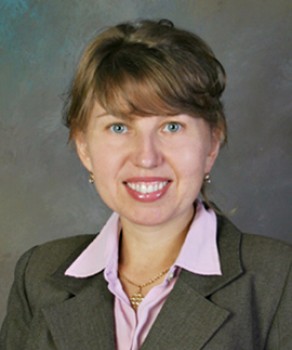
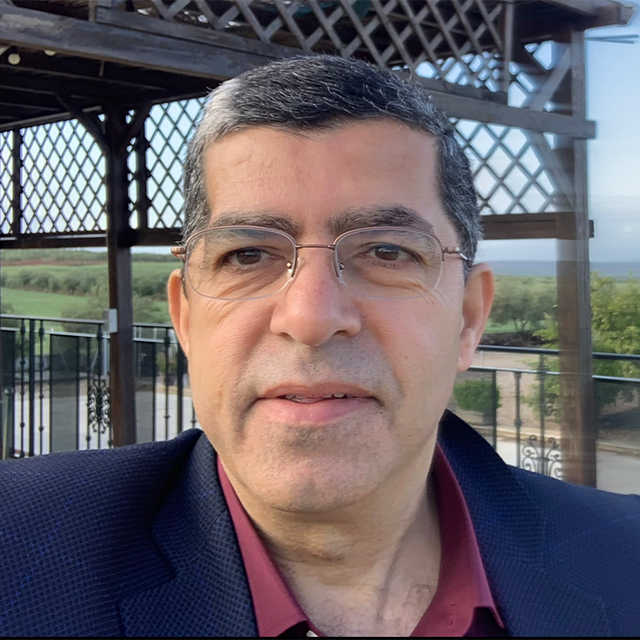
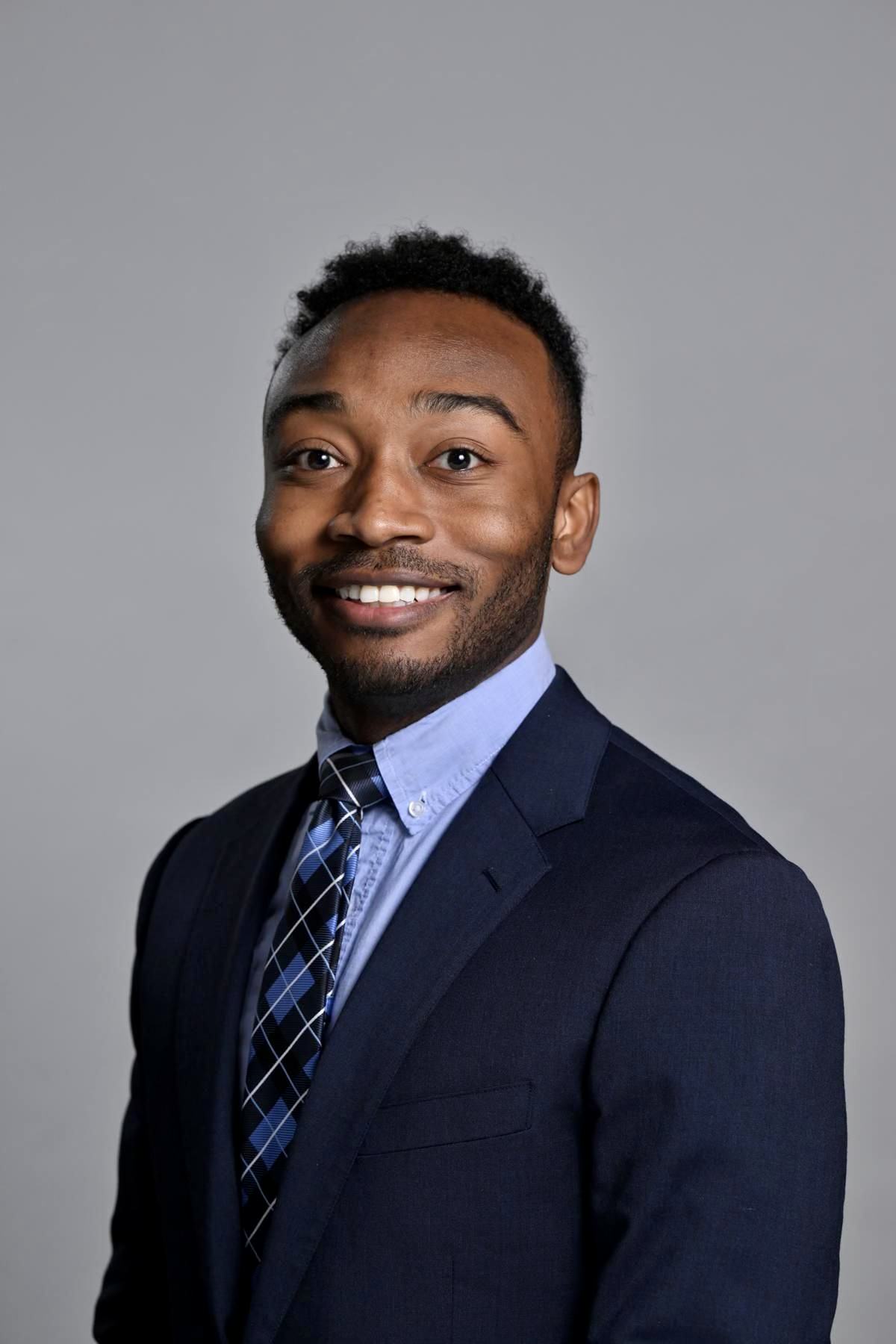
Professor Margaret Hamilton is an Honorary Professor in the School of Computing Technologies at RMIT University. She specializes in mobility, user experience, and computer science education, with research interests spanning software engineering, data management, and information systems. Her work emphasizes enhancing education through innovative pedagogical approaches and addressing challenges in mobility and urban planning. Research Interests: Software engineering in mobility, modeling, testing, and ethnographic action research; computer science education including new technologies, problem-solving, employability, and academic integrity. Current projects focus on AI-based decision making, solar power forecasting, and interdisciplinary STEM education. Advising and Grants: Engaged in numerous research projects funded by industry and academic initiatives, including studies on computational thinking education in remote schools and AI-driven student success prediction. Collaborates with industry partners to align university programs with industry needs.
Lisa Pike Masteralexis is a Senior Associate Dean and Professor of Sport Law at the Isenberg School of Management, University of Massachusetts Amherst. She holds leadership roles including Department Head of Sport Management (1998-2015) and has been an academic leader since 1990. Her professional experience includes MLB Player Association certification and consulting with Diamond Management Group since 1993. Education: JD from Suffolk University Law School (1990) and BS in Sport Management from UMass Amherst (1987). Her research focuses on sport law, labor relations, and regulatory frameworks in sports. She has authored major textbooks like Principles and Practice of Sport Management and published extensively on legal issues in sport governance. Recipient of multiple teaching awards including College Outstanding Teaching Award (2010, 2002, 1993) and nominee for University Distinguished Teaching Award. Her work emphasizes ethical legal practices, athlete representation, and workplace safety in sports. Active in policy advocacy, she has contributed to federal regulation debates on sports agents and labor rights. Advising and grants: While no specific advisees are listed, her academic leadership roles suggest significant mentorship impact. Her work has been supported through institutional and external collaborations. Professional affiliations include roles with MLB Players Association and international sport law initiatives. Labs/Teams: Leads the Sport Management Department's academic programs and collaborates with industry partners on regulatory and policy research. Her work bridges academic research with real-world legal challenges in sports organizations.
A. Nilesh Fernando is an Assistant Professor in the Department of Economics at the University of Notre Dame and a faculty affiliate at the Abdul Latif Jameel Poverty Action Lab (J-PAL) at MIT, as well as an affiliate of the Bureau for Research and Economic Analysis of Development (BREAD). His research focuses on labor market frictions, agricultural technology adoption in South Asia, and development economics. He holds a Ph.D. from Harvard University and a B.A. from Hampshire College. His work has been featured in leading journals such as the Economic Journal , American Economic Review-Insights , and Journal of Development Economics , and has been covered by media outlets including The Hindu , Financial Times , and Harvard Business Review . Education: Ph.D., Harvard University, 2015 B.A., Hampshire College, 2007 Research Interests: Dr. Fernando’s work examines how structural and institutional factors influence labor markets and technology adoption. He investigates issues such as migration patterns following natural disasters, the role of online platforms in reducing hiring frictions, and the socio-economic impacts of inherited land ownership in agricultural economies. His studies often combine field experiments with rigorous econometric analysis to inform policy design. Awards and Media: While no formal awards are listed, his research has attracted significant media attention, reflecting its societal relevance. His findings on cricket peer dynamics and Gulf migration outcomes exemplify his ability to bridge theoretical frameworks with real-world applications. Advising and Grants: No specific advising or grant details are provided in the texts, though his affiliations with J-PAL and BREAD suggest involvement in collaborative research initiatives. Labs and Teams: His affiliations with J-PAL and BREAD indicate participation in interdisciplinary teams focused on evidence-based poverty reduction strategies and development economics.
Seth Kreimer is the Kenneth W. Gemmill Professor of Law at the University of Pennsylvania Carey Law School. His work focuses on constitutional law, civil liberties, free speech, privacy rights, and criminal justice reform. He has authored influential articles on topics including the First Amendment, government transparency, digital privacy, and the implications of counterterrorism policies. Kreimer has represented plaintiffs in landmark cases such as Ferguson v. City of Charleston (2001) and Whitewood v. Wolf (2014), securing constitutional rights for obstetrical patients, LGBTQ+ families, and same-sex couples. His litigation addresses issues like non-consensual drug testing, employment discrimination, and police recording rights. Litigation Highlights: Landmark cases include Ferguson v. Charleston (right to refuse drug tests), Fields v. Philadelphia (right to record police), and Mahanoy Area Sch. Dist. v. B.L. (student online speech protections). Academic Contributions: Over 30 years of scholarship in constitutional law, including seminal works on FOIA, digital surveillance, and the war on terror’s legal consequences. Current Engagements: Advised climate justice groups opposing Philadelphia Gas Works’ rate hike, arguing against invasive discovery requests that threaten First Amendment rights. His research integrates legal theory with practical advocacy, emphasizing judicial review’s role in safeguarding minority rights and democratic accountability. Kreimer’s work often bridges theory and action, from Supreme Court litigation to grassroots advocacy for transparency and privacy.
Sehoya Harris Cotner is a Professor and leader of the STEM Education Research Center at the University of Bergen. She is affiliated with the Department of Biological Sciences (BIO) and leads the Teaching and Learning in Higher Education (TeLEd) research group. Her work focuses on STEM education innovation, including work-integrated learning, gender equity in STEM, student performance analysis, and evidence-based teaching practices. Her research explores topics such as the long-term impacts of work placements, mentor challenges in internships, and strategies to reduce gender and socioeconomic disparities in STEM. She has contributed to projects like bioCEED, a center for excellence in biology education, and collaborates with institutions like the University Centre in Svalbard and NTNU. Recent efforts include leveraging digital tools to support mentorship and analyzing attrition patterns in STEM programs. Cotner’s work emphasizes inclusive pedagogy, such as the 'Scientist Spotlight' intervention to promote diversity representation and escape room-based learning for group engagement. She actively engages in educational policy discussions, including equitable assessment practices post-pandemic and scaffolding institutional change through SoTL (Scholarship of Teaching and Learning). Her academic leadership includes organizing workshops on gender equity in STEM education and advising on curriculum redesign. She has published extensively in journals like PLOS ONE, Ecology and Evolution, and Frontiers in Education, with a focus on translating research into actionable educational strategies.
George Johnson is an Associate Professor in Biomedical Sciences at Swansea University's Faculty of Medicine, Health and Life Science. He serves as Director of Employability and Entrepreneurship for the Medical School and teaches on the Genetics Degree programme. His research is conducted within the DNA damage group (in vitro Toxicology group) at the Institute of Life Science. Johnson's research focuses on genetic toxicology, human health risk assessment, dose response modeling, and imaging flow cytometry. His work bridges fundamental research in DNA damage mechanisms with practical applications in pharmaceutical risk assessment, particularly regarding N-nitrosamine impurities. He has developed advanced methodologies for benchmark dose analysis and quantitative risk assessment that have been adopted by regulatory agencies worldwide. His publication record shows a strong trend toward increasingly sophisticated quantitative approaches to genetic toxicology, with recent work focusing on N-nitrosamine risk assessment, imaging flow cytometry applications, and development of frameworks for translating in vitro genotoxicity data to in vivo risk predictions. The 2023-2025 publications demonstrate growing emphasis on computational modeling and quantitative risk assessment methodologies. UKEMS Young Scientist Award (2012) Fellow of the Higher Education Academy (2013) British & European Registered Toxicologist (2014) EEM(G)S Young Scientist Award (2014) Elected President of EEMGS society (2019) Johnson actively supervises postgraduate research, with current projects focusing on deep learning applications for genotoxicity assessment, mutagenicity of compounds using benchmark dose analysis, and validation of mutagenicity assays for nitrosamine assessment. He has led numerous international collaborations with organizations including US-FDA-NCTR, Health Canada, RIVM-Netherlands, and major pharmaceutical companies. As a consultant through Swansea Innovations, he works with pharmaceutical, food additive, and chemical industries on deriving point of departure metrics for human health risk assessments. He is a steering member and co-chair of subgroups for the Health and Environmental Sciences Institute (HESI) Genetic Toxicology Technical Committee, providing an international forum for advancing understanding of scientific issues related to human health, toxicology, and risk assessment.
Thao Dang is a Researcher and CNRS Research Director (DR1) at Verimag, part of Université Grenoble Alpes. Her work focuses on Cyber-physical/Embedded Systems, Hybrid Systems, Formal Verification, and Control Synthesis. She leads projects like CyPhAI (Formal design methods for AI-intensive Cyber-Physical Systems) and DAMON (Data-based Anesthesia Monitoring). Dang has advised numerous PhD students, including Ana-Maria Gomez Ruiz and Alexandre Donzé. She co-chairs conferences like RV'22 and serves as an Associate Editor for journals like Nonlinear Analysis: Hybrid Systems. Her research bridges theoretical foundations with practical applications in robotics, circuit validation, and systems biology. Education: PhD in 2000 from INPG, Diplôme d'Ingénieur from ENSIEG (Ecole Nationale Supérieure d'Ingénieurs Electriciens). Previous Employment: Postdoctoral research at the University of Pennsylvania (2001). Teaching: Courses on Feedback Control and Real-Time Systems (MOSIG, UGA since 2018) and embedded control systems using LEGO robotics. Key contributions include NLToolBox (reachability algorithms) and HTG (hybrid systems test generation). She coordinates projects funded by ANR, JST CREST, and industry partners like Bosch and Toyota.
Natalia Humphreys is a Clinical Associate Professor in the Department of Mathematical Sciences at the University of Texas at Dallas (UT Dallas), affiliated with the School of Natural Sciences and Mathematics. She holds a Ph.D. in Mathematics from The Ohio State University (1999) and an M.S. in Mathematics from St. Petersburg University (1993). Her research focuses on actuarial science, financial economics, probability theory, and mathematical modeling. She has contributed to actuarial education and industry practices through publications and committee work. Her professional career includes roles as an Actuarial Analyst at Watson Wyatt Worldwide (now Towers Watson), a Lecturer at The Ohio State University and Purdue University, and a Graduate Teaching Assistant at The Ohio State University. She has received awards such as the Actuaries Club of the Southwest Recognition (2012) and the Association for Women in Mathematics Workshop Grant (1999). At UT Dallas, she serves as Associate Head of the Actuarial Program, undergraduate advisor, and committee member in teaching, research, and graduate studies. Her work bridges academic research and industry applications, emphasizing actuarial modeling, risk analysis, and educational initiatives in mathematics.
Karan Rana is a Teaching Fellow at the School of Biosciences within the College of Health and Life Sciences at Aston University. His research focuses on cellular aging, metabolic disorders, and innovative drug delivery systems. He holds a PhD in cellular metabolism from Aston University (2016), supervised by Professors Brown and Bellary. Key research interests include the interplay between Type 2 Diabetes Mellitus and aging, transdermal delivery of hydrogen sulfide donors (e.g., AP39), and wound healing mechanisms. He has pioneered studies on novel microneedle patches for neurological disorder treatment and in-vitro models for studying external fixation pin-site infections. His work also extends to educational innovations, such as integrating case studies into biomedical science curricula to enhance employability skills. Recent publications (2023–2025) highlight advancements in AP39’s neuroprotective effects, transdermal drug delivery systems, and interprofessional learning strategies. Rana collaborates internationally on topics ranging from diabetic complications to antimicrobial materials for medical devices. His teaching contributions include redesigning bioscience final-year projects to align with industry needs and promoting inclusivity in higher education. He actively engages in post-pandemic pedagogical adaptations, emphasizing hybrid learning models for biosciences.
Akram Abu-aisheh is a Professor and ECE Graduate Program Director at the University of Hartford's College of Engineering, Technology, and Architecture. He holds a PhD in Optical Communications from Florida Institute of Technology and has over 20 years of academic and industrial experience. His research focuses on fiber optic communications, power electronics, and sustainable illumination systems. Educations: PhD, Optical Communications, Florida Institute of Technology MS, Electrical Engineering, University of Florida BSEE, University of Florida Research Interests: Dr. Abu-aisheh specializes in fiber optic and RF communications, photovoltaic systems, and hybrid LED illumination. He has pioneered sustainable energy solutions and developed advanced optical transmission systems. His work in engineering education emphasizes virtual and remote laboratory environments to enhance STEM learning. Achievements: Recipient of Best Paper Awards at IEEE Advanced Learning Technologies (2010) and SRO5 (2008) Recipient of University of Hartford grants (2009-2011) Advising & Leadership: As ECE Graduate Program Director, he oversees 20+ master's projects annually. His service includes roles as Assistant Chair of ECE Department and leadership in curriculum development. He has supervised students on topics ranging from solar power systems to cryptographic algorithms. Industrial Experience: Prior to academia, he worked at Tyco Telecommunications (1999-2006), leading optical transmission system development and testing processes. He also founded Sustainable Illumination Systems (2010), commercializing hybrid LED lighting solutions.
Shahina Amin is an academic affiliated with the University of Northern Iowa's Department of Economics. She served as an Assistant Professor from 2001 to 2006, advancing to Associate Professor from 2007 to 2016. Her research focuses on labor economics, gender studies, and development economics, with a geographic emphasis on South Asia and Malaysia. Key topics include child labor dynamics, income inequality, and the intersection of religion and economic behavior. She has published extensively on topics such as married women's employment decisions, determinants of child labor, and economic policy impacts. Education: No formal academic degrees listed in the provided text. Her work examines socio-economic factors influencing labor market participation, particularly in developing nations. Notable themes include the role of education in household earnings, the effects of religious practices on economic choices, and the structural determinants of child labor. She has analyzed Bangladesh's export sectors, Malaysia's ethnic employment disparities, and U.S. healthcare labor market gaps. Despite a prolific publication record, no awards or grants are explicitly mentioned in the text. Her advising activity remains unrecorded here. The University of Northern Iowa's Faculty Roster notes her consistent academic service until the 2015-2016 academic year.
Ricardo Brooks is an Assistant Professor of Psychology at Pennsylvania State University. His research focuses on training and development, informal learning processes, organizational cybersecurity behaviors, financial insecurity dynamics, and the design/validity of assessments such as situational judgment tests and workplace simulations. He holds a Ph.D. from the University at Albany, SUNY (2024). Key research interests include understanding how organizational policies and technological environments affect employee behavior, particularly in high-risk contexts like cybersecurity compliance. His work also examines the interplay between economic policies (e.g., UBI) and workforce selection dynamics. Recent publications explore topics ranging from crisis-driven learning strategies among frontline workers to the validation of emotional intelligence assessments. His studies often utilize experimental and simulation-based methodologies to evaluate real-world organizational challenges.
Laura Sager is a Clinical Professor of Law at New York University School of Law, specializing in employment and housing discrimination law. She leads litigation clinics, focusing on class actions challenging systemic discrimination, such as the landmark case invalidating New York City’s discriminatory firefighter test. Her research explores the taxation of civil rights awards and attorneys' fees, emphasizing the intersection of tax law and civil rights. Education: BA from Wellesley College (1961), MA in History from Harvard University (1963), JD from UCLA School of Law (1968). She clerked for Judge Irving Hill and practiced litigation before joining NYU. Students in her clinic gain hands-on experience in discrimination cases involving race, gender, age, and disability. Publications address tax implications for civil rights plaintiffs, judicial activism, and legal fees. Her work aims to enhance equitable outcomes through strategic litigation and policy advocacy.
Shobana Dissanayeke is a Senior Lecturer (Teaching Focused) in the Department of Biological Sciences at Royal Holloway, University of London. Her academic focus centers on innovative teaching methodologies, particularly student engagement and employability skill development through collaborative learning. She coordinates and teaches courses such as BS1021 (Becoming a Bioscientist), BS2005 (Microbiology), and BS3510 (Molecular and Medical Microbiology), integrating active learning techniques like clicker questions and group projects. Her research interests span educational technology, hybrid learning models, and microbiology applications in medical contexts. She has published on digital group work assessments and biofilm-resistant surgical materials. Courses emphasize practical skills development, including microbiology laboratory techniques and critical analysis of scientific literature through group poster presentations. Dr. Dissanayeke collaborates with colleagues like Dr. Becky Thomas and Dr. Jorge Tovar-Torres to design interdisciplinary curricula. Her teaching innovations include SMART worksheets for reinforcing practical skills and integrating peer learning strategies to enhance student outcomes.
Brad Aisbett is Associate Professor and Head of School in the School of Exercise and Nutrition Sciences at Deakin University’s Faculty of Health. He leads the Healthy and Active Workers Group within the Institute for Physical Activity and Nutrition (IPAN), focusing on improving health and safety in physically demanding occupations such as firefighting, military, and nursing. PhD, Deakin University Graduate Certificate of Higher Education, Deakin University Bachelor of Applied Science, Deakin University His research centers on exercise science applications in occupational health, particularly sleep, fatigue, heat stress, hydration, physical work demands, and fitness testing. He has partnered with over 20 organizations, influencing emergency service policies at state and national levels. His work integrates physiological monitoring, field studies, and intervention design to enhance worker safety and performance. The 15 most recent publications highlight a strong focus on sleep, physical performance, hormonal regulation, and occupational health, particularly in high-stress environments. Themes include sleep interventions in athletes, fatigue in on-call workers, hydration strategies, and the physiological impacts of prolonged physical work in heat. His research often employs systematic reviews, controlled trials, and real-world field assessments. Deakin University Vice-Chancellors Awards for Excellence in Research Supervision Winner (2018) Deakin University Vice-Chancellors Awards for Excellence in Research Supervision Highly Commended (2016) Deakin University Award for Teaching Excellence (2010) Deakin University Commendation for Excellence in Teaching (2008–2012) Brad Aisbett has supervised seven PhD students to completion and currently supervises several doctoral candidates. He has secured significant research funding from the Australian Research Council, International Olympic Committee, and Bushfire and Natural Hazards CRC. His grants support projects on sleep, stress, physical readiness, and health monitoring in emergency and military personnel. He has also served as Higher Degree by Research Coordinator and Associate Head of Teaching and Learning. He leads the Healthy and Active Workers Group, which conducts field-based and laboratory research on worker physiology and performance. The team collaborates with emergency services, defense, and healthcare providers to translate research into practical health and safety improvements.