Lourens Waldorp is an Associate Professor at the University of Amsterdam within the Faculty of Social and Behavioural Sciences , specifically the Department of Psychological Methods . His research focuses on network theory, causal inference, and statistical modeling in psychology and neuroscience. University of Amsterdam IAS Fellow (2024) His research interests include: Network psychometrics Causal inference in psychological models High-dimensional statistical methods Dynamical systems in psychopathology Graph theory applications Signal processing for biophysical data The trends in his recent publications center on causal modeling, network analysis of psychopathology, and statistical techniques for time-series data. He has developed methods for perturbation graphs, moderated network models, and dynamic intervention frameworks. Notable scientific awards : IAS Fellowship for 6 months (2024) He advises PhD students like Kyra Evers and collaborates with researchers across disciplines, including J. Haslbeck , D. Borsboom , and O. Ryan . His work intersects with network theory and clinical psychology .
Dr. Alicia Kulczynski is an Associate Professor of Marketing and Head of the Marketing, Tourism & Business Analytics Discipline at the University of Newcastle. She holds a PhD in Management (Marketing) and undergraduate degrees in Forensic Science and Communication Studies. Her research focuses on consumer behavior, branding, and advertising, with emphasis on spokesperson characteristics, psycholinguistics in branding, and music concert attendance. She has published in top-tier journals like the Journal of Marketing and European Journal of Marketing, and was recognized as Associate Editor of the Year (2024) for the Journal of Consumer Behaviour. Her work bridges academia and industry through collaborations with organizations such as the NSW Ombudsman and Ultra Music Festival. Education - PhD in Management (Marketing), University of Newcastle (2014) - Bachelor of Science (Forensic), University of Newcastle - Bachelor of Arts (Communication Studies), University of Newcastle Research Interests - Consumer behavior and decision-making - Branding and brand communication - Advertising strategies and spokesperson effectiveness - Psycholinguistics in brand naming and consumer priming - Music concert attendee behavior and motivations - Cause-related marketing and social impact initiatives Awards - Associate Editor of the Year (2024) - Multiple Best Paper Awards at ANZMAC (2015–2024) - Teaching Excellence Awards (2016–2024) - Industry Collaboration Recognition (e.g., Ultra Music Festival) Grants & Industry Work - Partnered with NSW Ombudsman to develop AI tools for complaint assistance. - Established an Industry Consultative Committee with Pacific Smiles, Newcastle Airport, and HMRI. - Collaborated on diabetes management system market research with a Swedish SME. Teaching & Mentorship - Teaches marketing research courses with industry-linked projects. - Supervised PhD students on topics like AI-driven pricing, post-purchase dissonance, and omnichannel consumer experiences. - Guided students to publish in top journals such as the Journal of Consumer Behaviour and European Journal of Marketing. Labs & Teams - Leads the Marketing, Tourism & Business Analytics Discipline. - Co-founded the Social Marketing Research Team for Youth (SMRTY) initiative.
Rita Orji is a Full Professor at the Faculty of Computer Science, Dalhousie University, where she holds the Canada Research Chair in Persuasive Technology and is an NSERC Arthur B. McDonald Fellow. She leads the Persuasive Computing Lab and is actively involved in the Human-Computer Interaction (HCI), Visualization and Graphics research cluster. Her research focuses on Human-Computer Interaction, Persuasive Technology, Games for Change, and Digital Health, with an emphasis on designing user-centered interactive systems for behavior change, particularly in health and wellness domains. Her work targets underserved populations through HCI for Development (HCI4D) and applies AI, machine learning, and gamification to promote healthy eating, physical activity, mental health, and smoking cessation. Dr. Orji has received numerous scientific awards and recognitions, including being appointed to the Royal Society of Canada, named among the Top 100 Leading Nigerian Women, and recognized as one of the Top 100 Black Women to Watch in Canada. She is a Vanier Scholar and Banting Postdoctoral Fellow, reflecting her academic excellence. Canada Research Chair in Persuasive Technology NSERC Arthur B. McDonald Fellow Appointed to the Royal Society of Canada (2020) Top 100 Leading Nigerian Women (2021) LinkedIn Top Influencer - Africa Top Voice (2020) Research Excellence Award, Dalhousie University (2019) She has supervised a vast number of students at all levels, including PhD, Master’s, and undergraduate researchers, many of whom have worked on persuasive apps for mental health, AI-driven coaching, gamified interventions, and health equity. Her lab is well-funded, notably by an NSERC Discovery Grant, and she has delivered keynotes at major international conferences such as ISRII and AfriCHI. Dr. Orji directs the Persuasive Computing Lab, a vibrant research group that includes postdoctoral fellows, PhD and Master’s students, and research interns, all working on interdisciplinary projects at the intersection of computing, psychology, and public health.
Dr. Brooke Devlin is a Lecturer in Nutrition and Dietetics at the School of Human Movement and Nutrition Sciences, University of Queensland . She holds advanced qualifications as an Accredited Practising Dietitian (AdvAPD), Advanced Sports Dietitian (AdvSD), and Accredited Exercise Scientist, with a PhD in Sports Nutrition from La Trobe University (2016) and a Graduate Certificate in Higher Education. Her research focuses on diet and exercise interventions for optimizing blood glucose control , metabolic health , and chrono-nutrition , particularly through time-restricted eating protocols. She also investigates sports nutrition , including athletes' nutrition knowledge and public health interventions in community sports. PhD in Sports Nutrition (La Trobe University, 2016) MNUTRDiet (Nutrition and Dietetics) BExSci (Exercise Science) GradCertHigherEd (Graduate Certificate in Higher Education) Dr. Devlin's research spans two primary domains: metabolic health and sports nutrition . In metabolic health, her work explores time-restricted eating for type 2 diabetes prevention and management, evaluating its impact on glycaemic control , lipoprotein profiles , and health-related quality of life . Her chronological articles reveal a focus on nutritional timing , anti-inflammatory diets , and exercise synergy . For sports nutrition, she examines athletes' dietary behaviors , team sport nutrition , and public health strategies to reduce sugar-sweetened beverages in community sports. Her recent publications include 15 articles from 2025 to 2022, covering topics like anti-inflammatory diets for chronic diseases, TREx trials in diabetes management, and chrono-nutrition applications. These works frequently employ randomized controlled trials , systematic reviews , and meta-analyses , with keywords and subfields reflecting metabolic health , time-restricted eating , chronobiology , nutritional epidemiology , exercise physiology , and public health interventions . Dr. Devlin serves as an Associate Advisor for multiple PhD projects, including studies on genetics of sensory nutrition , dietary patterns in diabetes , and pediatric diabetes care optimization . She is currently a Chief Investigator (CI-D) on a NHMRC MRFF project (2021-2024) titled "What or When to eat to reduce the risk of developing type 2 diabetes (WOW)" and an investigator on a Diabetes Australia Research Project (2021-2023) about time-restricted eating in diabetes management. Her affiliations include the Faculty of Health, Medicine and Behavioural Sciences and collaborations with institutions like La Trobe University and the University of Adelaide.
Professor Siobhan Banks is a Research Professor and Director of the Behaviour-Brain-Body Research Centre at the University of South Australia (UniSA), affiliated with UniSA Justice & Society. She holds a Ph.D. from Flinders University (2004) and conducted postdoctoral research at the University of Pennsylvania. Her work focuses on the interplay between sleep, fatigue, and human performance, particularly in shift workers and high-stakes operational environments. Research interests include circadian rhythms, fatigue countermeasures, and the design of habitable spaces to enhance cognitive performance. Key areas of research include the impact of sleep deprivation on team performance, the metabolic consequences of shift work, and the application of human-centered design in maritime and aerospace environments. She collaborates with organizations like the Australian Defence Science and Technology Group and the Alliance for Research in Exercise, Nutrition and Activity (ARENA). Publications emphasize fatigue risk management, circadian-aligned interventions, and the physiological effects of altered eating schedules during shift work. Her work bridges basic science and applied solutions, aiming to improve workplace safety and productivity through evidence-based strategies.
Ivanka Prichard is a Professor in the Discipline of Health & Exercise Sciences at Flinders University , where she joined the College of Nursing & Health Sciences in 2014. She serves as the Director of The Embrace Impact Lab and the Higher Degrees by Research (HDR) Coordinator within her college. Research Focus: Health psychology, body image, social media impact, eating behavior, exercise science, and mental health promotion. Teaching: Courses include Health: A Psychological Perspective , Psychology of Exercise, Health & Behaviour Change , and Research Communication & Translation . Research Projects include: Embrace Kids: Early intervention for body image concerns in youth through collaboration with The Embrace Collective. Body Image & Exercise: Analyzing how body dissatisfaction hinders physical activity in Australian women and social media's role in exercise motivation. Positive Innovation: Experimental studies on social media content to enhance body image across diverse populations. Scientific Awards : 2016 Research Leadership Mentoring Program (ARC) 2015 Beat Cancer Project Travel Grant (Cancer Council SA) 2013 Vice-Chancellor's Early Career Researcher Award Grant Collaborations include partnerships with The Embrace Collective and Flinders Digital Health Research Centre. Her work aligns with UN Sustainable Development Goals for Health, Wellbeing, and Quality Education . She leads research teams focusing on behavioral health interventions and digital health innovation.
Adrienne Forsyth is an Associate Professor in Nutrition and Dietetics at the School of Behavioural and Health Sciences, Faculty of Health Sciences. Her research focuses on sports nutrition, clinical nutrition, and public health. Publications address athlete dietary practices, body composition assessment, malnutrition in surgical outcomes, and dietetics education. Key collaborations include researchers in sports science, oncology, and allied health. Recent studies explore ultra-processed sports foods, Mediterranean diet impacts on performance, and injury barriers in women's physical activity. Research Interests span three domains: Sports Nutrition: Athlete dietary knowledge, body composition, and performance optimization. Clinical Nutrition: Skeletal muscle assessment in critical care, malnutrition criteria (GLIM), and preoperative dietary interventions. Public Health: Canteen nutrition, health service access for diabetes patients, and community-based dietary policy. Publications (2025–2024) reveal trends in: Translating nutrient science to food-based guidelines Consumer-driven approaches in arthritis research Ultra-processed foods in athlete populations Body composition and surgical outcomes Dietetics education innovations (e-portfolios, competency frameworks)
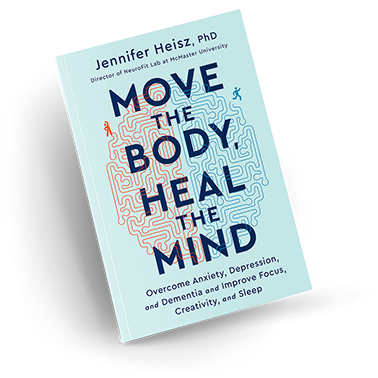
Dr. Jennifer J. Heisz is an Associate Professor and Canada Research Chair in Brain Health and Aging in the Department of Kinesiology at McMaster University. She directs the NeuroFit Lab which examines the effects of physical activity on brain function to promote mental health and cognition across the lifespan, including young adults, older adults, and individuals with Alzheimer's disease. Her research has attracted over $1 million in funding and has significant implications for mental health interventions. Dr. Heisz received her B.Sc. in Honours Biology & Psychology summa cum laude from McMaster University (2000-2004), followed by a Ph.D. in Psychology, Neuroscience & Behaviour from McMaster University (2005-2010). She completed a postdoctoral fellowship in Brain Health and Aging at the Rotman Research Institute, Baycrest Centre (2010-2013). Dr. Heisz's research focuses on the intersection of physical activity, brain function, and mental health. Her work investigates how different types and intensities of exercise impact cognitive processes, emotional regulation, and neurological health. She has made significant contributions to understanding how exercise can prevent and treat conditions such as anxiety, depression, dementia, and cognitive decline associated with aging. Her research often employs innovative methodologies including orienteering (which combines physical exercise with navigation challenges) to examine the interactions between physical activity and cognitive training. Dr. Heisz's recent publications reveal a strong focus on translating exercise science into practical applications for mental health across diverse populations. Her work spans university students, older adults, individuals with ADHD, and those at risk for dementia. A recurring theme is identifying optimal exercise protocols for specific cognitive and mental health outcomes, with particular attention to factors like intensity, timing, and type of physical activity. Canada Research Chair in Brain Health and Aging Early Researcher Award from the Government of Ontario Petro-Canada Young Innovator Award Dr. Heisz has supervised numerous graduate students through her role as instructor for courses including Cognitive Neuroscience of Exercise, Neurophysiology, and Health Psychology. Her research program has secured significant funding, including an Insight Development Grant to evaluate the effectiveness of exercise breaks in classrooms. The NeuroFit Lab has developed evidence-based exercise toolkits for mental health, particularly relevant during the pandemic. As director of the NeuroFit Lab, Dr. Heisz leads a community-driven research program that focuses on understanding how cellular changes impact psychological function. Her team's innovative approach combines neuroscience, kinesiology, and psychology to develop practical interventions that promote mental and physical health across the lifespan, including the development of the book 'Move the Body, Heal the Mind' which synthesizes research on exercise for brain health.
Jasperina Brouwer is an Assistant Professor at the University of Groningen's Faculty of Behavioural and Social Sciences, within the Department of Educational Science. She specializes in social mechanisms influencing professional development and retention in healthcare, particularly nursing, and employs advanced social network analysis. Her research integrates quantitative and qualitative methods to explore healthcare innovations, professional identity, and collaboration dynamics. Education & Career: Holds a PhD in Social, Health, and Educational Sciences. Previously served as a nurse, informing her interdisciplinary approach to healthcare research. Research Interests: Focuses on social networks in education and healthcare, including small group teaching, workplace learning, and diversity/inclusion. Her work addresses retention strategies for nurses and the impact of digital care technologies on professional commitment. Key Contributions: Published extensively on peer networks, nursing retention, and mixed-methods research. Her recent work examines personality traits' influence on collaboration networks and longitudinal advice dynamics in leadership. Awards & Recognition: Received the 2023 award for exploring social networks in healthcare missions. Actively involved in editorial roles and academic service, including coordinating the ICO Qualitative Research course. Professional Engagements: Member of NVONN and the Ethical Board for Pedagogy & Educational Sciences. Frequently contributes to media discussions on education and healthcare, emphasizing team-oriented strategies for professional retention.
Sarah Peters is a Professor in Psychology within the Division of Psychology & Mental Health at the University of Manchester's Faculty of Biology, Medicine & Health. She currently serves as Co-Director of the Equity, Diversity and Inclusivity Research Unit (EDI-RU) GMH (2021 to date) and was previously Director of the Manchester Centre for Health Psychology (2021 to 2025). She also leads the Greater Manchester qualitative and health psychology stream of the NorthWest NIHR Research Design Service. Her research focuses on healthcare communication, particularly within challenging contexts such as medically unexplained symptoms, unhealthy behaviours and suicide. The goal of her work is to improve patient care through equipping health professionals to communicate more effectively with patients, relatives and colleagues. She specializes in integrating qualitative methods within randomised controlled trials to examine mechanisms of action, acceptability, feasibility and implementation of psychological and educational interventions. Her recent publications demonstrate strong trends in qualitative methodologies applied to healthcare communication challenges across diverse populations including older adults in primary care, postpartum women with eating disorders, culturally diverse patient groups, and individuals with chronic conditions. Her work consistently emphasizes patient-centered communication and the development of practical interventions to improve clinical interactions. Professor Peters serves on editorial boards for prestigious journals including the British Journal of Psychiatry, Social Science and Medicine, British Journal of Health Psychology, and Psychology & Psychotherapy: Theory, Research and Practice. She previously served as External Examiner for the MSc Health Psychology program at St Andrews. She has supervised 38 doctoral students to completion and currently mentors 8 doctoral candidates working on diverse topics including laryngeal hypersensitivity, pain communication in children, ethnic diversity in health research, therapeutic alliance in online therapy, cultural differences in primary care, language of 'Teachable Moments' in midwifery, postnatal behavior change conversations, and suicide research guidelines. Professor Peters leads research within the Manchester Centre for Health Psychology and is actively involved in multiple research projects including the STAR study focusing on chronic musculoskeletal pain in children, NIHR Research Support Service, and BART II investigating cognitive behavioral therapy for young adults at high risk of developing bipolar disorder.
Dr David Jaud is a Senior Lecturer in Marketing and Wine Business at the University of Adelaide's Adelaide Business School, part of the Faculty of Arts, Business, Law and Economics. He serves as the Wine Business Program Director and has significant industry experience in the French wine sector. His research focuses on consumer behavior in wine and food contexts, particularly label design impacts, consumer wellbeing, and responsible consumption patterns. He has published in journals like European Journal of Marketing and Journal of Consumer Behaviour . Dr Jaud actively supervises postgraduate research as a co-supervisor, currently guiding Miss Cassidy Lia Shaw's PhD on 'Vice or Virtue: Examining the Factors Influencing the Adoption of NOLO Wines and Plant-Based Meats'. Professional Activities: Board Member of the Academy of Wine Business Research (AWBR) Steering Committee since 2024 Teaching: Courses include Marketing for Wine Business and Research Project in Marketing and Wine Business Key Research Themes: Label design psychology, cross-modal sensory effects, youth consumption patterns, and authenticity in marketing His 2025 publications explore topics like embossed label effects, rosé wine color perception, and authenticity's role in curbing risky drinking behaviors, reflecting a focus on both theoretical and applied marketing insights.
Wendy Hardeman is a Professor of Behavioural Science at the University of East Anglia (UEA), affiliated with the School of Health Sciences. She holds memberships in the Norwich Institute for Healthy Aging, Lifespan Health, and the Behavioural and Implementation Science group. Her research focuses on developing and evaluating behaviour change interventions, particularly in physical activity, healthy eating, medication adherence, and healthcare practitioner practices. She co-developed the Behaviour Change Technique Taxonomy v1 and contributed to MRC guidelines for process evaluation of complex interventions. Hardeman has collaborated internationally, including as a Guest Professor at the University of Tampere (Finland, 2016-17) and as a Visiting Fellow at the University of Cambridge (2015-2018). She is a former President of the European Health Psychology Society and has supervised numerous PhD students. Her work aligns with UN Sustainable Development Goals related to health and well-being. Key projects include scalable interventions (e.g., MedEx-UK, PROPELS), community-led initiatives in socioeconomically disadvantaged areas (CHERISH, CHarMINg), and brief opportunistic interventions (VBI programme). Awards include the NIHR Researcher Development Award (2005) and recognition as a leader in health psychology.
Dr Beth Armstrong is a Researcher at the University of Sheffield's School of Geography and Planning, where she investigates critical intersections of food security, consumer behavior, and sustainable diets within the UK context. Her work is prominently featured in the Food Standards Agency's longitudinal Food and You 2 project, examining pandemic-era food system vulnerabilities and policy implications. Her research program centers on food insecurity dynamics , particularly risk factors for severe food insecurity and food bank utilization patterns among vulnerable populations. She employs mixed-methods approaches to analyze food safety behaviors—especially among older adults—and explores how ethical information and country-of-origin labeling shape consumer perceptions. A significant strand examines sustainable diet adoption barriers , investigating how food security status influences choices toward healthier, environmentally conscious eating patterns using nationally representative survey data. Analysis of her 2021-2025 publications reveals consistent thematic focus on crisis-responsive food systems, with methodological diversity spanning longitudinal mixed-methods studies, secondary dataset analysis, and digital citizen science applications. Key contributions include identifying demographic predictors of food insecurity, evaluating post-pandemic consumer risk perceptions, and developing behavior-change interventions for food waste reduction. Scientific awards: No awards documented in source materials. Advising and grants: No formal student advisees listed. Grant involvement includes the Citizens Food Waste Prevention Behaviour Change Grant (RAF 100-304), funding a university student food waste reduction app pilot. Her Food and You 2 contributions represent sustained collaboration with the UK Food Standards Agency across eight survey waves.
Xochitl De la Piedad Garcia is an Associate Professor of Psychology affiliated with the School of Behavioural and Health Sciences within the Faculty of Health Sciences. Her research focuses on LGBTQ+ mental health, weight stigma, eating disorders, and cyberbullying, with a strong emphasis on systematic reviews and meta-analytic approaches. She has contributed extensively to understanding the impacts of identity salience, discrimination, and stigma across diverse populations. Recent work highlights her leadership in addressing weight stigma through collaborative public health initiatives and advancing measurement tools like the Identity Salience Questionnaire (ISQ). Her interdisciplinary research bridges clinical psychology, public health, and social psychology. Key research interests include: LGBTQ+ identity dynamics and mental health resilience Psychosocial correlates of weight stigma in healthcare and community settings Eating disorder treatments and predictors of bariatric surgery outcomes Cyberbullying prevention and its psychosocial impacts on adolescents Her work has been published in high-impact journals such as Psychological Bulletin , Obesity Reviews , and Journal of Sex Research . Collaborations span international teams addressing stigma reduction and improving mental health interventions.
Sabrina Douglas is a Research Fellow in the Department of Family Relations & Applied Nutrition at the University of Guelph. Her work focuses on coparenting dynamics, food parenting practices, gender-related parenting behaviors, and child eating behaviors. She holds a PhD (2023) and MSc (2016) in Family Relations and Applied Nutrition from the University of Guelph, as well as a BSc (2014) in Nutrition and Nutraceutical Sciences from the same institution. Her research explores how coparenting quality influences food parenting practices, particularly in the context of gender differences and family dynamics. She has examined the impact of social media on parental food practices, especially during the pandemic, and the representation of gender in children’s media. Her work often employs mixed-methods approaches to understand complex family interactions and health behaviors. Key areas of focus include the role of fathers in food parenting, the association between feeding coparenting and child eating behaviors, and the effectiveness of interventions targeting family health. She has collaborated on the Guelph Family Health Study, a longitudinal project exploring home-based obesity prevention strategies.